
Into the Fire: Permit Secrets for Volcano Photography Tours

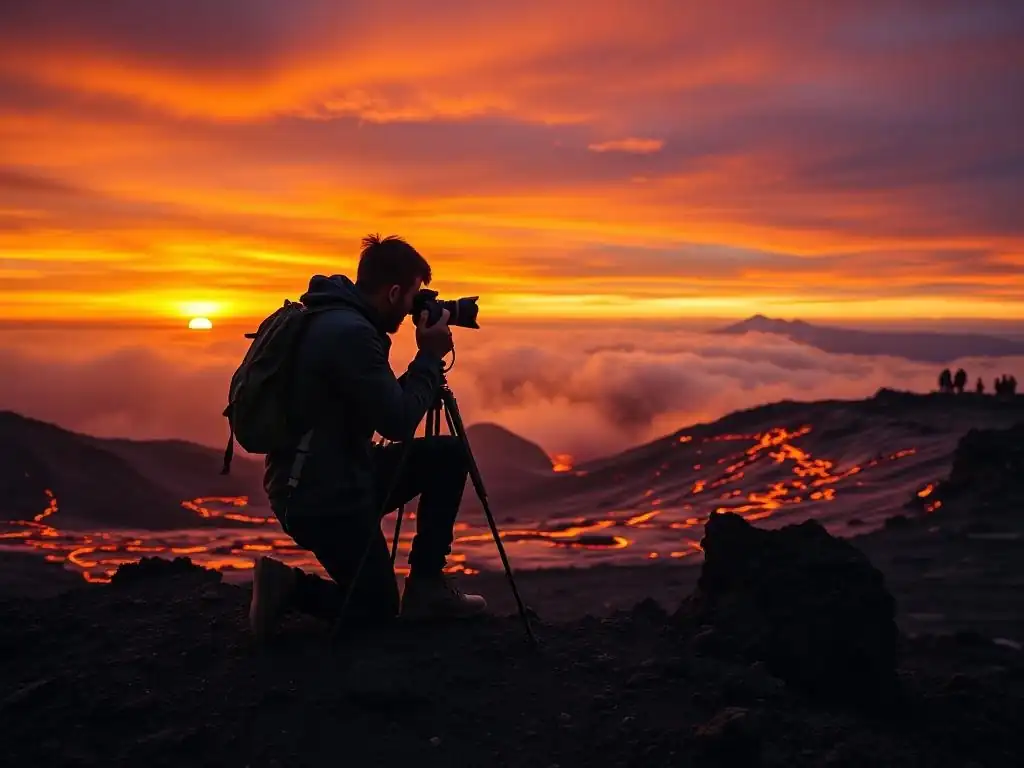
Welcome to Volcano Explorers!
Dare to venture closer to the heart of the Earth? Discover the secrets held within fiery landscapes and learn how you can capture their raw power. Interested in snapping that perfect shot of molten lava? You'll need more than just a camera. Unravel the mysteries of acquiring volcano photography tour permits and unlock access to breathtaking vistas. But be warned, the path to these permits is often shrouded in bureaucratic fire. Are you ready to navigate the inferno and secure your place behind the lens?
Why Volcano Photography Tour Permits are Essential
Venturing into volcanic landscapes for photography is an endeavor that combines artistic passion with the raw power of nature. However, access to these dramatic locations is rarely unrestricted. Volcano photography tour permits are not mere bureaucratic hurdles; they are essential tools designed to balance the thrill of exploration with the safety of visitors and the preservation of these unique environments. These permits often serve multiple crucial functions, primarily regulating visitor numbers to minimize ecological impact and ensure that emergency services can effectively manage any incidents.
In regions around active volcanoes, permits are also vital for mitigating risks associated with volcanic hazards. Areas surrounding volcanoes can be inherently dangerous due to potential eruptions, gas emissions, unstable terrain, and extreme weather conditions. Permit systems often incorporate safety briefings, mandatory equipment requirements, and designated access routes to reduce the likelihood of accidents.
For example, access to the summit of Mount Vesuvius in Italy, even with a guided tour, requires pre-booked tickets, which function as permits, controlling the flow of tourists and ensuring safety protocols are followed within the Vesuvius National Park. This controlled access is crucial in a location that saw nearly 4 million visitors in 2019, demonstrating the need for structured management in popular volcanic destinations.
Understanding the Risks: Volcano Photography Safety and Regulations
Volcano photography, while incredibly rewarding, inherently involves significant risks that extend beyond typical landscape photography. Photographers operating in volcanic areas must contend with a range of hazards, from sudden eruptions and pyroclastic flows to toxic gas emissions like sulfur dioxide and carbon monoxide. Regulations associated with volcano photography tour permits are in place to address these dangers, often mandating safety equipment such as gas masks, helmets, and sturdy hiking boots. Moreover, permits frequently stipulate adherence to specific safety guidelines and designated trails to minimize exposure to hazardous zones.
Beyond immediate volcanic dangers, environmental factors also play a critical role in shaping safety regulations. High altitudes, prevalent in many volcanic regions, can lead to altitude sickness. Extreme weather conditions, including rapid changes in temperature and unpredictable storms, pose additional threats.
Permit conditions often include requirements for carrying adequate water, food, and appropriate clothing. For instance, permits to access certain areas of the Yellowstone supervolcano in the USA, while primarily for general park access, implicitly require visitors to stay on marked trails due to hydrothermal areas and potential wildlife encounters, emphasizing the comprehensive approach to safety within volcanic environments. These regulations are not just suggestions; they are often legally binding conditions of entry, designed to protect both individuals and the fragile volcanic ecosystems.
- Why Volcano Photography Tour Permits are Essential
- Understanding the Risks: Volcano Photography Safety and Regulations
- What are volcano photography tour permits, and why are they necessary?
- Where can I obtain volcano photography tour permits?
- How far in advance should I apply for a volcano photography tour permit?
- What kind of information do I need to provide when applying for a volcano photography tour permit?
- Are there specific restrictions or regulations that come with a volcano photography tour permit?
Securing Your Volcano Photography Tour Permit: A Step-by-Step Guide
Researching Permit Requirements for Your Chosen Volcano
The journey to capture stunning volcano photographs begins well before setting foot on volcanic soil; it starts with meticulous research into permit requirements. Each volcano, often managed by different national parks, local authorities, or even private landowners, operates under its own unique set of regulations. Therefore, a crucial first step is to identify the specific volcano you wish to photograph and then pinpoint the governing body responsible for access and permits. This information is usually available on official tourism websites, national park service pages, or through local tourism boards.
Once you've identified the relevant authority, delve into their specific permit regulations. Requirements can vary dramatically. For example, accessing the Pacaya Volcano in Guatemala might involve purchasing a relatively straightforward entrance ticket managed by the local municipality, while attempting to photograph the Nyiragongo Volcano in the Democratic Republic of Congo requires a significantly more complex permit process managed by the Virunga National Park authority, often necessitating booking through authorized tour operators due to safety and logistical complexities in a conflict zone.
Your research should uncover details such as permit types, application procedures, fees, processing times, required documentation, and any restrictions on equipment or activities. Thorough upfront research is paramount to avoid disappointment and ensure a smooth permit application process.
Identifying the Relevant Governing Body for Volcano Access
Determining the correct entity to contact for volcano photography tour permits is crucial, as it varies significantly depending on location. Often, national park services are responsible for volcanoes situated within national park boundaries. In the United States, for example, the National Park Service manages permits for volcanoes like Mount Rainier and Lassen Peak.
However, in other countries, the responsibility might fall to regional or local government agencies, tourism boards, or even private landowners if the volcano is on private property. For instance, access to some volcanoes in Iceland, while generally open, may cross private land requiring landowner permission for commercial activities like photography tours.
To identify the governing body, start with a general online search using the volcano's name and keywords like "permits," "access," or "regulations." Official tourism websites for the region or country are excellent resources, often providing direct links to the relevant park authority or permit office. Volcano observatories, like the Hawaiian Volcano Observatory for Kilauea, while not directly issuing permits, can often guide you to the correct agency.
If online resources are unclear, contacting local tourism information centers or park ranger stations directly via phone or email can provide definitive answers. Correctly identifying and contacting the relevant authority from the outset will streamline your permit application process and prevent unnecessary delays.
Application Process for Mount Etna, Sicily
Mount Etna, Europe's highest and most active volcano, attracts photographers worldwide. Access to certain higher elevation zones, particularly the summit areas, requires specific permits, primarily for safety and environmental protection. The governing body for permit issuance on Mount Etna is the Etna Park Authority (Ente Parco dell'Etna). While lower slopes are generally accessible, venturing above certain altitudes or engaging in commercial activities like guided photography tours necessitates permits.
The application process for Mount Etna permits typically involves contacting the Etna Park Authority directly through their official website or administrative offices. For general access permits, especially for hiking and photography without commercial purposes, the process might be less formal, potentially involving on-site registration or purchasing entrance tickets at designated access points. However, for commercial volcano photography tours or research activities requiring access to restricted zones, a more formal application is necessary.
This usually entails submitting a written request detailing the purpose of access, dates, number of participants, equipment, and safety protocols. While a fully online permit system might not always be in place, contacting the Etna Park Authority well in advance via email or phone is crucial to understand the current permit requirements and application procedures. Be prepared to provide identification, proof of insurance (especially for commercial activities), and possibly evidence of experience in volcanic environments.
Preparing Your Volcano Photography Tour Permit Application
Once you understand the specific permit requirements for your chosen volcano, meticulous preparation of your application is key. A well-prepared application significantly increases your chances of approval and avoids frustrating delays. This preparation involves gathering all necessary documentation, ensuring your safety plans are robust, and presenting a clear and professional application to the permit-issuing authority. Attention to detail at this stage is paramount as incomplete or poorly presented applications are common reasons for rejection or processing delays.
Start by creating a checklist of all required documents and information based on the permit guidelines you've researched. This might include identification documents (passport copies), proof of insurance, detailed itineraries, equipment lists, and emergency contact information. Ensure all documents are current and valid.
If the application requires a written proposal or justification for your volcano photography tour, take time to craft a clear, concise, and compelling statement. Highlight the educational or artistic value of your project, your experience in similar environments, and your commitment to safety and environmental responsibility. A proactive and thorough approach to application preparation demonstrates your seriousness and professionalism to the permit authority.
Essential Documents for Volcano Photography Permit Applications
Volcano photography permit applications commonly require a standard set of documents to verify identity, assess risk, and ensure responsible activity. Foremost among these is identification: expect to provide copies of passports or national ID cards for all participants in your photography tour. Permit applications also routinely request detailed itineraries, outlining your planned routes, dates, and times of access within the volcanic area.
This allows authorities to track movements and plan for potential emergencies. A comprehensive list of photography equipment, especially if you are bringing specialized gear like drones or scientific instruments, may also be required for security and logistical reasons.
Depending on the volcano and the nature of your photography tour, you might need to provide evidence of relevant experience. This could include a resume or CV highlighting experience in wilderness photography, mountaineering, or volcanic environments. For commercial volcano photography tours, business registration documents and licenses are typically mandatory to demonstrate legal operation. Finally, contact information, including emergency contacts and local accommodation details, is crucial for communication and in case of unforeseen circumstances. Gathering these essential documents in advance and ensuring they are accurate and readily available will streamline the application process considerably.
Proof of Liability Insurance and Emergency Evacuation Plans
In the inherently risky environment of active volcanoes, proof of liability insurance and detailed emergency evacuation plans are often mandatory components of volcano photography tour permit applications, especially for commercial operations. Liability insurance protects both the permit holder and the issuing authority in case of accidents, injuries, or damages. The required coverage amount and specific clauses may vary depending on the location and the perceived risks associated with the volcano. Consult the permit guidelines carefully to determine the necessary insurance specifications and obtain a policy that meets these requirements.
Equally critical is a comprehensive emergency evacuation plan. This plan should outline procedures for various scenarios, including volcanic eruptions, medical emergencies, severe weather events, and equipment malfunctions. It should detail communication protocols, evacuation routes, assembly points, and contact information for emergency services and local volcano observatories.
For commercial tours, the plan should also specify the roles and responsibilities of guides and tour leaders in emergency situations. Developing a robust and realistic emergency evacuation plan demonstrates a commitment to safety and responsible tourism, significantly strengthening your permit application. Authorities often view these plans as a key indicator of the applicant's preparedness and risk management capabilities.
Submitting Your Application and Awaiting Approval
Once your application is meticulously prepared with all required documents and safety plans, the next step is formal submission to the designated permit authority. The submission process varies depending on the agency. Many national park services and tourism boards now offer online application portals, allowing for digital submission of documents and payment of fees. However, some authorities, particularly in less developed regions, may still require physical submission of paper applications via mail or in person. Always verify the accepted submission method through the official permit guidelines.
After submitting your application, patience is crucial. Permit processing times can range from a few days to several weeks, depending on the complexity of the permit, the volume of applications, and the efficiency of the issuing agency. Peak tourist seasons often lead to longer processing times, so applying well in advance is always advisable.
During the waiting period, avoid making irreversible travel arrangements until your permit is officially approved. Keep a record of your application submission, including any tracking numbers or confirmation emails. If the processing time extends beyond the stated timeframe, proactive communication with the permit authority is recommended to inquire about the status of your application.
Permit Processing Times and Potential Delays
Understanding permit processing times is essential for planning your volcano photography tour effectively. Processing durations can vary dramatically based on several factors. Simple access permits for less regulated volcanoes might be processed within a few business days, especially if applied for online. However, more complex permits, such as special use permits for commercial photography or research activities in highly sensitive or restricted volcanic areas, can take weeks or even months to process. Factors contributing to longer processing times include the need for inter-agency consultations, environmental impact assessments, and security clearances.
Peak tourist seasons often lead to significant delays as permit offices become inundated with applications. Applying well in advance, ideally several months before your planned tour, is crucial, especially for popular volcanic destinations during peak season. Unforeseen administrative backlogs, staffing shortages, or changes in permit regulations can also cause delays. To mitigate potential delays, submit your application as early as possible, ensure all documents are complete and accurate, and maintain proactive communication with the permit authority. Always factor in a buffer period for permit processing when making travel arrangements to avoid scheduling conflicts and potential disappointments.
Communicating Effectively with Park Authorities
Effective communication with park authorities is paramount throughout the volcano photography tour permit process. From initial inquiries about permit requirements to post-permit follow-up, clear and professional communication can significantly streamline the process and resolve potential issues. When initially contacting the permit office, be specific and concise in your inquiries. Clearly state the volcano you wish to photograph, the purpose of your visit (photography tour), the dates of your intended access, and the number of participants. Polite and respectful communication sets a positive tone for your application.
During the application process, promptly respond to any requests for additional information or clarifications from the permit authority. If you have questions or concerns, don't hesitate to seek clarification from the permit office, but do so respectfully and avoid being demanding. After submitting your application, if the processing time exceeds the expected timeframe, a polite follow-up inquiry is appropriate.
Maintain records of all communication, including emails and phone call logs. If your permit is approved, carefully review all conditions and restrictions outlined in the permit and ensure you fully understand and comply with them. Building a positive and communicative relationship with park authorities is essential for a smooth and successful volcano photography tour permit process.
Types of Volcano Photography Tour Permits: Which One Do You Need?
General Access Permits vs. Special Use Permits for Volcano Photography
Navigating the world of volcano photography tour permits requires understanding the different types available. Broadly, permits can be categorized into general access permits and special use permits, each designed for different activities and levels of access. General access permits are typically simpler to obtain and are intended for recreational visitors and non-commercial activities like personal photography.
These permits often grant access to designated trails and viewing areas within a volcanic park or protected area. They are usually less expensive and have fewer restrictions compared to special use permits. Examples include day passes or entrance tickets to national parks containing volcanoes, like Haleakala National Park in Hawaii.
Special use permits, on the other hand, are required for activities that go beyond general recreational access. For volcano photography tours, especially commercial operations or projects involving specialized equipment like drones or nighttime photography in restricted zones, special use permits are almost always necessary. These permits involve a more rigorous application process, often requiring detailed proposals, safety plans, proof of insurance, and may involve higher fees.
Special use permits are designed to manage activities that could potentially have a greater impact on the volcanic environment or pose higher risks. Understanding the distinction between these permit types is crucial for ensuring you apply for the correct permit for your volcano photography endeavors.
Commercial Photography Permits for Volcano Tours: Requirements and Fees
For individuals or companies operating volcano photography tours commercially, obtaining the correct commercial photography permit is not just advisable, it's often legally mandated. Commercial permits are specifically designed for activities where photography is conducted for profit or as part of a business. The requirements for these permits are typically more stringent than for general access or special use permits for personal use. Authorities need to ensure commercial operators are properly insured, adhere to safety standards, and contribute to the local economy, often through permit fees and taxes.
Requirements for commercial volcano photography tour permits commonly include proof of business registration and licenses, liability insurance with higher coverage limits, detailed operating plans, and emergency protocols. Permit fees for commercial activities are significantly higher than for personal use permits and may be calculated based on factors such as the number of participants, duration of the tour, and the specific locations accessed.
For example, guiding tours on active volcanoes like Stromboli in Italy requires not only general park access permits but also specific licenses for mountain guides and potentially commercial activity permits depending on the scope and scale of the operation. Failing to obtain the correct commercial permit can result in hefty fines, permit revocation, and legal repercussions for operators.
Scientific Research Permits for Volcano Monitoring and Imaging
While primarily focused on photography, some volcano photography tours may have a scientific or research component, particularly those involving advanced imaging techniques or collaborations with volcano observatories. In such cases, scientific research permits might be required in addition to, or instead of, standard photography permits. These permits are intended for projects that contribute to the scientific understanding of volcanic processes, hazards, or environmental impacts. Research permits often involve a more complex application process, requiring detailed research proposals, ethical considerations, and collaboration agreements with relevant scientific institutions.
The application for a scientific research permit typically involves demonstrating the scientific merit of the project, outlining methodologies, data collection procedures, and expected outcomes. Researchers might need to provide credentials, affiliations with recognized research institutions, and obtain approvals from ethics review boards. Permit conditions may include data sharing agreements, reporting requirements, and adherence to specific research protocols.
For instance, conducting drone-based thermal imaging of volcanic vents for research purposes would almost certainly necessitate a scientific research permit, even if the project also involves photography for educational or outreach purposes. Collaborating with local volcano observatories and scientists can significantly strengthen a research permit application and ensure compliance with scientific and ethical standards.
Understanding Volcano Photography Permit Restrictions and Conditions
Restricted Zones and Time Limitations for Volcano Photography
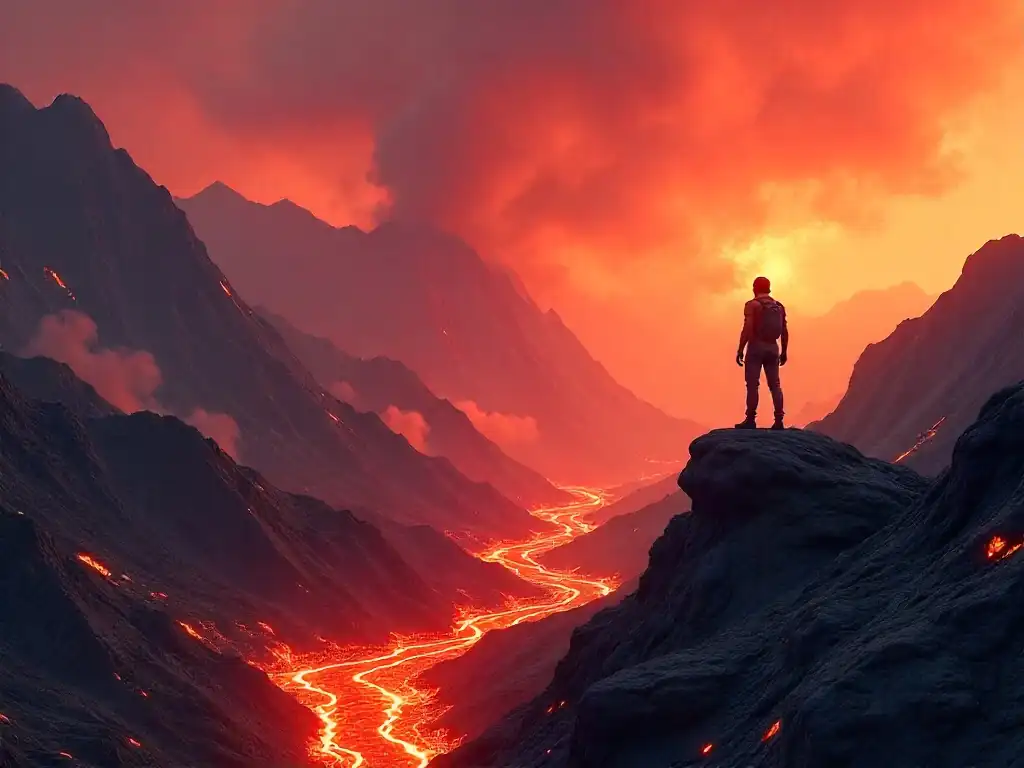
Volcano photography permits often come with specific restrictions and conditions designed to manage risk, protect the environment, and ensure visitor safety. Restricted zones are a common feature, delineating areas deemed too dangerous or ecologically sensitive for public access. These zones might include areas close to active vents, unstable crater rims, or habitats of endangered species.
Permits will clearly specify these restricted zones, and violations can lead to fines or permit revocation. For example, on volcanoes with active lava flows like those in Hawaii, access to lava viewing areas is often strictly controlled and permits may only allow access to designated viewing platforms, keeping visitors at a safe distance from the molten rock.
Time limitations are another common restriction. Permits might specify permitted hours of access, often excluding nighttime access due to increased risks or logistical challenges. Time limits might also be imposed on the duration of stay within certain zones to manage visitor flow and minimize environmental impact. Seasonal restrictions are also possible, particularly in regions with harsh weather conditions or during periods of heightened volcanic activity. Permit holders must carefully adhere to all specified restricted zones and time limitations, as these conditions are put in place for safety and conservation reasons.
Environmental Protection and Conservation Guidelines for Volcano Visitors
Volcanic environments are often fragile ecosystems, and volcano photography tour permits play a role in enforcing environmental protection and conservation guidelines. Permits frequently include conditions aimed at minimizing the impact of visitors on the volcanic landscape. These guidelines can include restrictions on off-trail hiking to protect delicate vegetation and prevent soil erosion. "Leave No Trace" principles are often emphasized, requiring visitors to pack out all trash, avoid disturbing wildlife, and minimize noise pollution.
Specific guidelines might address the use of drones or other equipment that could disturb wildlife or alter the natural environment. Collection of volcanic rocks, plants, or other natural materials is almost always strictly prohibited without specific scientific permits. Permit conditions may also include restrictions on campfires or open flames to prevent wildfires in dry volcanic areas. Visitors are expected to respect these environmental guidelines and contribute to the preservation of these unique landscapes. Violations of environmental regulations can result in fines, permit revocation, and damage to the fragile volcanic environment.
Fines and Legal Consequences for Permit Violations
Non-compliance with volcano photography tour permit regulations can lead to significant fines and legal consequences. Permit violations are not taken lightly by park authorities or governing bodies, as they often represent breaches of safety protocols, environmental regulations, or commercial operating laws. Fines for permit violations can range from minor penalties for simple infractions, like exceeding time limits, to substantial financial penalties for more serious offenses, such as entering restricted zones or operating commercial tours without proper authorization. The specific amount of fines varies depending on the jurisdiction and the severity of the violation.
In addition to fines, permit violations can result in permit revocation, barring future access to the volcanic area. In some cases, particularly for repeated or egregious violations, legal action may be pursued, potentially leading to criminal charges, especially if violations result in environmental damage or endangerment of others. Commercial operators found to be in violation of permit regulations may face business license suspension or revocation.
It is crucial to understand that volcano photography permits are legally binding documents, and adherence to all terms and conditions is mandatory. Familiarizing yourself with permit regulations and ensuring full compliance is essential to avoid legal repercussions and maintain responsible access to volcanic environments.
Tips for a Successful Volcano Photography Tour Permit Application
Planning Ahead: Applying for Permits Well in Advance
One of the most crucial tips for a successful volcano photography tour permit application is to plan ahead and apply well in advance of your intended visit. Permit processing times, as previously discussed, can vary considerably, ranging from a few days to several months. Applying early provides a buffer for potential delays and allows ample time to address any issues or requests for additional information from the permit authority. Last-minute permit applications are often rushed and increase the risk of errors or omissions, potentially leading to rejection or delays that could disrupt your travel plans.
For popular volcanic destinations, especially during peak tourist seasons, applying several months in advance is highly recommended. This is particularly important for special use permits or commercial photography permits that require more extensive review and processing. Check the specific permit guidelines for your chosen volcano to determine the recommended application lead time. Factor in potential delays due to public holidays or administrative backlogs. Proactive planning and early application significantly increase your chances of securing your permit in time and allow you to focus on the exciting aspects of your volcano photography tour.
Demonstrating Experience and Safety Awareness in Your Application
When applying for a volcano photography tour permit, particularly for challenging or high-risk volcanic environments, demonstrating your experience and safety awareness is paramount. Permit authorities need to be assured that applicants are capable of operating safely and responsibly within these potentially hazardous landscapes. Your application should proactively highlight your relevant experience in wilderness photography, mountaineering, or volcanic regions. Include details of previous expeditions, relevant certifications (e.g., wilderness first aid, mountaineering qualifications), and any specialized training you've received.
Clearly articulate your understanding of the specific risks associated with the volcano you intend to photograph, such as volcanic hazards, gas emissions, and environmental challenges. Emphasize your commitment to safety protocols, responsible environmental practices, and adherence to park regulations. A well-crafted safety plan, as previously discussed, is a key component of demonstrating safety awareness.
If you are working with a team, highlight the experience and qualifications of your team members. Presenting yourself as an experienced, safety-conscious, and responsible photographer significantly strengthens your permit application and increases the likelihood of approval, especially for permits involving access to more challenging volcanic areas.
Collaborating with Local Guides and Volcano Observatories
Collaborating with local guides and volcano observatories can significantly enhance your volcano photography tour permit application and overall experience. Local guides possess invaluable knowledge of the terrain, weather patterns, and potential hazards of the volcano. Engaging a reputable local guide not only increases safety but also demonstrates to permit authorities that you are taking responsible steps to mitigate risks and support the local economy. Including a local guide in your permit application can often expedite the approval process and provide valuable local insights for your photography.
Volcano observatories, staffed by scientists who monitor volcanic activity, are also excellent resources. Contacting the local volcano observatory can provide up-to-date information on volcanic conditions, potential hazards, and any specific safety recommendations. In some cases, collaborating with volcano observatories on research or educational photography projects can strengthen your permit application, particularly for scientific research permits. Building relationships with local experts and scientific institutions demonstrates a commitment to responsible volcano tourism and can provide access to valuable resources and expertise, enriching your photography tour and permit application.
Alternative Options: Volcano Photography Tours with Permitted Operators
Benefits of Joining a Guided Volcano Photography Tour
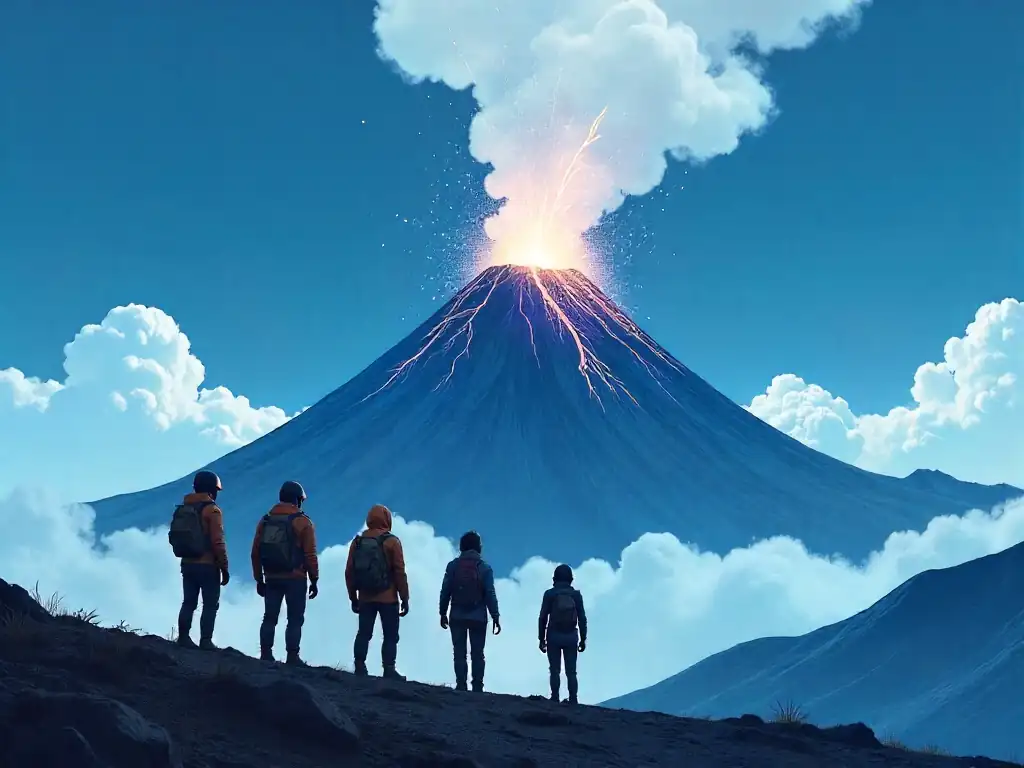
For photographers seeking to capture stunning volcanic landscapes without the complexities of permit applications and logistical planning, joining a guided volcano photography tour offered by a permitted operator presents a compelling alternative. Guided tours offer numerous benefits, primarily simplifying access and enhancing safety. Permitted tour operators handle all permit acquisition, ensuring compliance with regulations and relieving photographers of this administrative burden. They also possess established safety protocols, experienced guides trained in volcanic environments, and often provide necessary safety equipment, such as gas masks and helmets.
Guided tours also offer logistical advantages. Operators typically arrange transportation, accommodation, and meals, streamlining the entire travel experience. Expert guides provide invaluable local knowledge, leading photographers to prime locations at optimal times for photography, maximizing shooting opportunities and minimizing wasted time. Furthermore, guided tours often foster a sense of community among photographers, providing opportunities for learning, sharing experiences, and networking. For photographers who prefer a hassle-free and安全-focused approach, joining a guided volcano photography tour is a highly attractive option.
Finding Reputable and Permitted Volcano Photography Tour Operators
Selecting a reputable and permitted volcano photography tour operator is crucial for a safe, ethical, and legally compliant volcano photography experience. Not all tour operators are created equal, and verifying their permits, insurance, and safety record is essential. Start your search by consulting official tourism websites for the volcanic region you plan to visit. These websites often list authorized and permitted tour operators. Online travel platforms specializing in adventure tours or photography tours can also be valuable resources, but always verify operator credentials independently.
Check the operator's website for details about their permits, insurance coverage, and safety protocols. Look for certifications or affiliations with reputable tourism organizations or volcanic safety associations. Read online reviews from previous clients to gauge their experiences and assess the operator's reputation. Contact the operator directly to inquire about their permit status, safety procedures, guide qualifications, and emergency plans. Don't hesitate to ask for proof of permits and insurance. Choosing a reputable and permitted operator ensures you are in safe hands, supporting responsible tourism, and contributing to the local economy legally and ethically.
Verifying the Operator's Insurance and Safety Record
Before booking a volcano photography tour with any operator, diligently verify their insurance coverage and safety record. Insurance is crucial to protect you in case of accidents, injuries, or unforeseen circumstances during the tour. Reputable operators should carry comprehensive liability insurance and, ideally, also offer travel insurance options to their clients. Request to see proof of their insurance certificates, ensuring the coverage is adequate for volcano-related activities and valid for the region you are visiting.
Equally important is assessing the operator's safety record. Inquire about their safety protocols, guide training, emergency response plans, and risk management procedures. Ask about their guide-to-client ratio, communication systems, and equipment maintenance practices. Check online reviews and forums for any reports of safety incidents or concerns associated with the operator. A responsible operator will be transparent about their safety measures and willing to provide detailed information. Prioritizing safety verification is paramount when choosing a volcano photography tour operator, ensuring your well-being and a positive and secure photography experience.
Beyond the Permit: Ethical Considerations for Volcano Photography
Minimizing Your Impact on the Volcanic Environment
While obtaining the necessary permits is crucial, ethical volcano photography extends beyond legal compliance to encompass minimizing your impact on the fragile volcanic environment. Volcanic landscapes, though seemingly robust, are often delicate ecosystems susceptible to disturbance. Adhere strictly to "Leave No Trace" principles: pack out all trash, stay on marked trails to prevent erosion and habitat damage, and avoid disturbing vegetation or wildlife. Refrain from collecting volcanic rocks or souvenirs, as these are part of the natural heritage and their removal can disrupt the ecosystem.
Be mindful of noise pollution; excessive noise can disturb wildlife and detract from the natural serenity of volcanic areas. Respect any restrictions on drone use, as drones can disturb wildlife and other visitors. When photographing fumaroles or geothermal areas, be cautious not to trample fragile microbial mats or alter natural drainage patterns. Support sustainable tourism practices by choosing eco-conscious tour operators and accommodations. Ethical volcano photography is about capturing the beauty of these landscapes responsibly, ensuring their preservation for future generations.
Respecting Local Communities and Cultural Heritage Sites
Many volcanic regions are inhabited by local communities with deep cultural connections to the volcanoes. Ethical volcano photography necessitates respecting these communities and their cultural heritage. Seek permission before photographing people, especially in indigenous communities, and be mindful of cultural sensitivities regarding photography in sacred sites or during religious ceremonies. Learn about the local culture and traditions related to the volcano and show respect for these customs.
Support local economies by patronizing local businesses, restaurants, and accommodations. Engage with local communities respectfully and avoid behaviors that could be considered disrespectful or exploitative. If visiting archaeological sites or cultural heritage areas within volcanic regions, adhere strictly to visitor guidelines and avoid touching or damaging artifacts. Educate yourself about the history and cultural significance of the volcano and its surrounding communities. Ethical volcano photography involves not just capturing images but also engaging with the human dimension of volcanic landscapes respectfully and responsibly.
Promoting Responsible Volcano Tourism and Photography Practices
Ultimately, ethical volcano photography extends to actively promoting responsible tourism and photography practices within volcanic regions. Share your knowledge of permit requirements, safety guidelines, and environmental ethics with other photographers and visitors. Encourage responsible behavior and discourage practices that could harm the environment or disrespect local communities. Support organizations dedicated to volcano conservation and sustainable tourism in volcanic areas.
Through your photography, aim to educate and inspire others to appreciate and protect volcanic landscapes. Use your images to raise awareness about volcanic hazards, environmental challenges, and the importance of responsible tourism. Advocate for stronger conservation measures and sustainable tourism policies in volcanic regions. By becoming an ambassador for responsible volcano tourism and photography, you contribute to the long-term preservation of these awe-inspiring natural wonders and ensure that future generations can experience their beauty and power ethically and sustainably.
Frequently Asked Questions
What are volcano photography tour permits, and why are they necessary?
Volcano photography tour permits are official permissions required to conduct commercial photography tours in areas surrounding active or restricted volcanoes. They are necessary to ensure safety, resource management, and regulatory compliance.
Where can I obtain volcano photography tour permits?
The specific agency issuing permits varies depending on the location. Typically, it's a national park service, a local government authority, or a volcanic observatory. VolcanoExplorers.org can provide links to relevant agencies based on location.
How far in advance should I apply for a volcano photography tour permit?
It's recommended to apply well in advance, often several months, due to high demand and processing times. Some permits may have limited availability or specific application windows.
What kind of information do I need to provide when applying for a volcano photography tour permit?
Expect to provide details about your tour itinerary, the number of participants, your experience in volcanic environments, and proof of liability insurance. A safety plan is often required too.
Are there specific restrictions or regulations that come with a volcano photography tour permit?
Yes, permits often come with restrictions on allowed areas, time of day, equipment use, and required safety gear. Following these regulations is crucial for the safety of your group and the preservation of the volcanic environment.
Final Reflection: Embracing the Volcanic Landscape
The journey to capture the raw power of volcanoes through photography is undeniably thrilling, but as we've explored, it's also a path paved with regulations and permits. Understanding and navigating these bureaucratic landscapes is not just about compliance; it's about respecting the environment and ensuring the safety of both photographers and the fragile ecosystems we seek to document. The ability to access these permits responsibly allows us to witness and share the Earth's most dramatic displays, fostering a deeper appreciation for its power and beauty.
This exploration of volcano photography tour permits has underscored the delicate balance between adventure and responsibility. The pursuit of breathtaking images should never come at the expense of environmental preservation or personal safety. The permits themselves are a testament to this balance, a framework designed to protect both the land and those who venture upon it. As Ansel Adams wisely stated: You don't take a photograph, you make it.
This sentiment extends beyond the artistic process; it encompasses the entire experience, including the ethical and logistical considerations.
Now, armed with this knowledge, I encourage you to approach your own volcanic expeditions with a renewed sense of purpose. Let the pursuit of stunning imagery be guided by a commitment to responsible travel and environmental stewardship. Seek out the necessary permits, respect the regulations, and immerse yourself in the awe-inspiring power of the volcano, knowing that you are contributing to its preservation for generations to come. Let your lens tell a story not just of beauty, but of respect and responsibility.
Okay, I'm ready. Let's craft that Call to Action for the Volcano Explorers article about permit secrets for volcano photography tours!
Ignite Your Adventure: Capture the Soul of the Volcano!
Thank you for delving into the secrets of permit acquisition for your volcano photography tours! Now that you're armed with insider knowledge, it's time to put that expertise into action and unleash your creative vision. Let's turn that passion into breathtaking images!
- Secure Your Dream Shot: Start the permit application process today for your next volcano adventure. Don't let bureaucratic hurdles stand between you and the perfect shot.
- Dive Deeper: Explore other resources on volcanoexporers.org to discover hidden gems and untapped photo opportunities.
- Share the Spark: Inspired? Share this article with fellow photographers and help them overcome permit challenges!
What's the most breathtaking volcano you dream of photographing, and what steps will you take this week to make it a reality?