
Endurance on Eruption Day: Physical Preparedness for Volcano Shoots

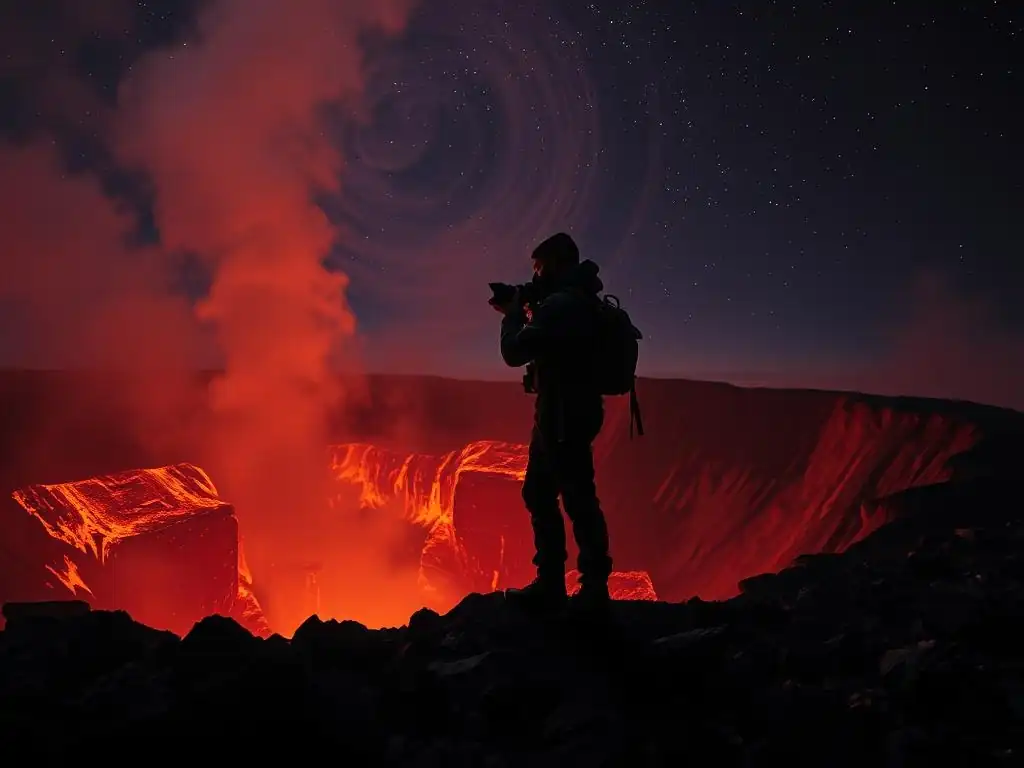
Welcome to Volcano Explorers!
Prepare to be captivated by the raw power and breathtaking beauty of volcanoes. But before you chase that perfect shot, ask yourself: are you truly ready to face the heat? This article dives deep into volcano photography safety tips, specifically focusing on the physical endurance required to capture stunning images in the face of nature's fury.
Are you prepared to push your limits for that once-in-a-lifetime eruption photo? Discover the vital steps you need to take to ensure your safety and success in "Endurance on Eruption Day: Physical Preparedness for Volcano Shoots," and unlock the secrets to responsibly documenting these awe-inspiring forces.
- Introduction: Combining Volcano Photography with Physical Demands
- Understanding the Physical Challenges of Volcano Photography
- Essential Physical Training for Volcano Photographers
- Gear and Equipment Considerations for Physical Safety
- Nutrition and Hydration for Volcano Photography Expeditions
- Emergency Preparedness and First Aid for Volcano Shoots
- Mental Fortitude: Managing Stress and Fatigue During Long Shoots
- Post-Shoot Recovery: Rehydrating, Refueling, and Relaxing
- Staying Informed: Monitoring Volcanic Activity and Weather Conditions
- Conclusion: Prioritizing Physical Safety for Successful Volcano Photography
-
Frequently Asked Questions
- What essential physical preparations should volcano photographers undertake before a shoot?
- What types of clothing and protective gear are crucial for volcano photography safety?
- How can photographers minimize the risk of heat-related illnesses during volcano shoots?
- What are some strategies for navigating difficult terrain and avoiding falls near volcanoes?
- How can photographers prepare for potential hazards like ashfall and sudden changes in weather conditions?
- Final Reflection: Embracing Resilience in the Face of Nature's Fury
- Ignite Your Inner Volcanologist: Gear Up for Your Next Adventure!
Introduction: Combining Volcano Photography with Physical Demands
Volcano photography is an exhilarating pursuit, capturing the raw power and dramatic beauty of volcanic eruptions. However, beyond the artistic eye and technical skill, success in this field hinges significantly on physical preparedness. Unlike studio or landscape photography in controlled environments, volcano photography often places photographers in extreme conditions, demanding a high level of physical fitness and resilience.
From traversing rugged volcanic terrains to enduring prolonged exposure to heat, ash, and potentially hazardous gases, the physical demands are considerable. This article delves into the essential aspects of physical preparedness, offering crucial volcano photography safety tips to ensure photographers can not only capture stunning images but also return safely from their explosive endeavors.
Understanding the Physical Challenges of Volcano Photography
Volcano photography presents a unique set of physical challenges that are often underestimated. It's not simply about carrying camera gear; it's about operating effectively and safely in environments that can be actively hostile. Understanding these challenges is the first step in preparing to meet them. The demanding nature of volcano photography requires a holistic approach to physical fitness, encompassing strength, endurance, and adaptability.
Assessing Risks: Environmental Factors and Terrain
Volcanic environments are inherently unpredictable and pose a multitude of environmental risks. Terrain is often uneven, ranging from loose ash and jagged lava rocks to steep slopes and unstable ground. Photographers may need to navigate these challenging landscapes for hours, sometimes at altitude, while carrying heavy equipment.
Environmental factors such as intense heat radiating from lava flows, exposure to volcanic gases like sulfur dioxide (SO2), and airborne ash particles are significant concerns. For example, during the 2018 Kilauea eruption in Hawaii, vog (volcanic smog) containing sulfuric acid aerosols caused respiratory irritation and eye discomfort even miles away from the active vents, highlighting the pervasive nature of volcanic hazards. Furthermore, weather conditions at volcanic sites can be highly variable and change rapidly, from scorching sun to sudden downpours or strong winds that can spread ash plumes quickly.
The Photographer's Physical Requirements: Strength, Stamina, and Flexibility
To effectively and safely operate in these demanding environments, volcano photographers need a specific set of physical attributes. Strength is crucial for carrying heavy camera backpacks, which can easily weigh 20-30 pounds or more when loaded with cameras, lenses, tripods, and safety gear. Stamina is equally important for enduring long hikes to reach optimal vantage points, often at high altitudes where oxygen levels are reduced.
Consider photographers documenting the Nyiragongo volcano in the Democratic Republic of Congo, who frequently undertake strenuous multi-day treks through dense jungle and up steep volcanic slopes to reach the crater rim. Flexibility and balance are vital for navigating uneven terrain, preventing falls and injuries while maneuvering around volcanic features or setting up shots on unstable ground. A twisted ankle or knee injury in a remote volcanic location can quickly escalate from a minor setback to a serious emergency.
Essential Physical Training for Volcano Photographers
Preparing physically for volcano photography expeditions is as crucial as mastering photographic techniques. A targeted training regimen should focus on building the specific physical capabilities required to withstand the rigors of volcanic environments. This preparation is a key component of volcano photography safety tips, ensuring photographers are not only skilled but also physically capable of handling the challenges.
Cardiovascular Endurance: Preparing for Long Hikes and Altitude
Cardiovascular endurance is paramount for volcano photographers, as many prime shooting locations require significant hiking, often at considerable altitudes where the air is thinner. Activities that elevate the heart rate and improve lung capacity are essential. Running, cycling, swimming, and brisk hiking are excellent choices.
For those planning shoots at higher elevations, incorporating altitude training into their regimen is highly beneficial. Studies have shown that acclimatization to altitude, even through simulated altitude training at sea level, can significantly reduce the risk of altitude sickness and improve performance during high-altitude treks. For instance, photographers aiming to capture eruptions in the Andes Mountains, where volcanoes like Cotopaxi in Ecuador stand at elevations exceeding 19,000 feet, would greatly benefit from altitude-specific cardiovascular training to cope with the reduced oxygen levels and demanding climbs.
Strength training is vital for volcano photographers to manage the weight of their gear and navigate challenging terrains. Focus should be placed on exercises that build core strength, leg strength, and back strength. Squats, lunges, deadlifts, and rows are effective exercises for building overall strength and stability.
Core strength, in particular, is crucial for maintaining balance and preventing back injuries when carrying heavy backpacks over uneven ground. Imagine a photographer navigating the lava fields of Iceland, carrying a heavy pack while stepping over jagged rocks and traversing unstable surfaces – strong leg and core muscles are essential to prevent falls and maintain stability. Regular strength training, two to three times a week, can significantly improve a photographer's ability to handle heavy loads and maintain stamina in demanding volcanic landscapes.
Flexibility and Balance: Preventing Injuries in Volcanic Landscapes
Flexibility and balance are often overlooked but are critical components of physical preparedness for volcano photography, directly contributing to volcano photography safety tips. Volcanic terrains are rarely even, and photographers need to be agile and balanced to avoid slips, trips, and falls. Regular stretching routines, focusing on major muscle groups like hamstrings, quadriceps, and back muscles, can improve flexibility and range of motion.
Yoga and Pilates are excellent practices for enhancing both flexibility and balance. Balance exercises, such as single-leg stands and wobble board training, can improve proprioception – the body's awareness of its position in space – which is crucial for navigating uneven volcanic surfaces. For example, photographers working around the rim of an active volcano like Mount Etna in Sicily, known for its loose ash and steep slopes, need excellent balance to move safely and set up their equipment without risking a fall.
Gear and Equipment Considerations for Physical Safety
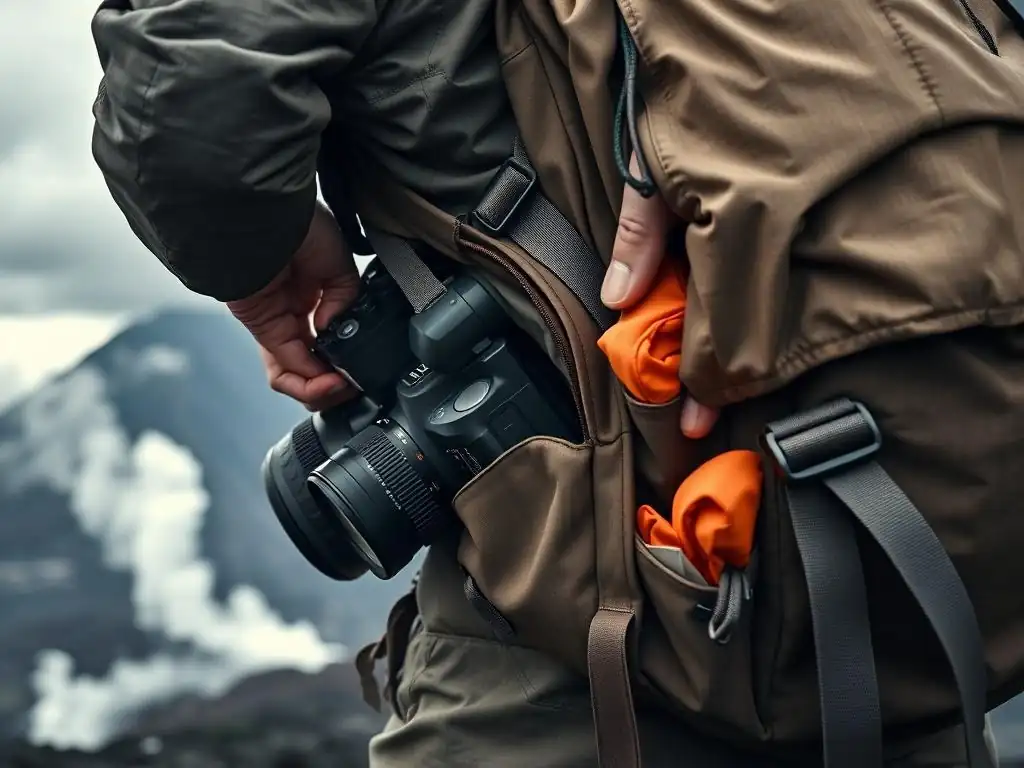
Beyond physical conditioning, the right gear and how it's managed play a significant role in ensuring physical safety and endurance during volcano photography expeditions. Choosing and utilizing equipment wisely is a crucial aspect of volcano photography safety tips, minimizing physical strain and maximizing protection in hazardous environments.
Backpack Optimization: Distributing Weight Effectively
The backpack is a photographer's constant companion in the field, and optimizing its weight distribution is paramount for comfort and injury prevention. A well-packed backpack should distribute weight evenly across the back and hips, minimizing strain on the shoulders and spine. Heavier items should be placed closer to the center of gravity and higher up in the pack, while lighter items can be positioned further away from the back.
Using a backpack with a sturdy hip belt and chest strap is essential to transfer weight from the shoulders to the stronger hip muscles. For instance, a study by the U.S. Army Natick Soldier Research, Development and Engineering Center found that properly fitted and packed backpacks, with weight distributed correctly, significantly reduce the risk of musculoskeletal injuries in soldiers carrying heavy loads over long distances. This principle applies equally to volcano photographers carrying their gear in challenging environments.
Protective Clothing: Heat, Ash, and Gas Resistance
Protective clothing is not just about comfort; it's a vital layer of defense against the harsh elements of a volcanic environment and a key volcano photography safety tip. Heat-resistant clothing, such as those made from Nomex or similar fire-retardant materials, can provide crucial protection from radiant heat near lava flows. Long sleeves, long pants, and gloves are essential to protect skin from sunburn, abrasion, and ash.
Respirators or gas masks with appropriate filters are indispensable for mitigating the inhalation of volcanic gases and fine ash particles, which can cause respiratory irritation and long-term health problems. During the 1980 Mount St. Helens eruption, ashfall was recorded hundreds of miles away, demonstrating the wide reach of volcanic ash and the importance of respiratory protection even at a distance. Eye protection, such as goggles or wraparound sunglasses, is also crucial to shield eyes from ash and gas irritants.
Footwear: Choosing the Right Boots for Volcanic Environments
Footwear is arguably the most critical piece of gear for volcano photographers, directly impacting mobility, stability, and safety on challenging terrain. Sturdy, ankle-supporting hiking boots with aggressive tread are essential for navigating uneven volcanic surfaces, providing traction on loose ash, lava rocks, and slopes. Boots should be waterproof and breathable to keep feet dry and comfortable in varying weather conditions.
Consider boots made with durable materials like leather or reinforced nylon, capable of withstanding abrasion from sharp rocks and heat from volcanic ground. For example, photographers working near active lava flows might consider boots with heat-resistant soles to protect against thermal damage from hot ground. Breaking in new boots before an expedition is crucial to prevent blisters and ensure comfort during long hours of walking and hiking.
Nutrition and Hydration for Volcano Photography Expeditions
Maintaining optimal nutrition and hydration is fundamental for sustaining energy levels, cognitive function, and overall physical well-being during demanding volcano photography shoots. Proper fueling and hydration are crucial volcano photography safety tips, ensuring photographers can perform at their best and avoid heat-related illnesses or fatigue-induced errors.
Pre-Shoot Nutrition: Fueling Your Body for Peak Performance
Pre-shoot nutrition should focus on providing sustained energy and preventing energy crashes during long shoots. A balanced meal rich in complex carbohydrates, lean protein, and healthy fats is ideal. Complex carbohydrates, such as whole grains, provide a slow-release energy source, while protein aids in muscle recovery and satiety. Healthy fats contribute to overall energy balance and nutrient absorption.
For example, a breakfast of oatmeal with nuts and berries, or whole-wheat toast with avocado and eggs, provides a good balance of macronutrients for sustained energy. Avoid sugary foods and drinks before a shoot, as they can lead to rapid energy spikes followed by crashes, which can be detrimental during physically demanding activities. Proper pre-shoot nutrition sets the foundation for sustained performance and reduces the risk of fatigue and errors in judgment.
Hydration Strategies: Staying Safe in Hot and Arid Conditions
Hydration is paramount in volcanic environments, which are often hot, arid, and dehydrating due to heat radiation and physical exertion. Dehydration can lead to fatigue, reduced cognitive function, and heatstroke, all of which are serious risks in demanding conditions. Photographers should proactively hydrate throughout the day, starting well before the shoot begins. Water is the primary hydration fluid, but electrolyte drinks can be beneficial, especially during prolonged exertion in hot conditions, to replenish lost salts through sweat.
Aim to drink consistently throughout the day, rather than waiting until feeling thirsty, as thirst is a late indicator of dehydration. For example, carrying a hydration pack or multiple water bottles is essential, and planning for water sources along the route, if possible, is crucial for longer expeditions. Monitoring urine color can be a simple indicator of hydration levels; pale yellow indicates good hydration, while dark yellow suggests dehydration.
Emergency Food Supplies: Preparing for Unexpected Delays
Unexpected delays are a possibility in any outdoor expedition, and volcano photography is no exception. Weather changes, terrain challenges, or unforeseen circumstances can prolong shoots beyond the planned timeframe. Carrying emergency food supplies is a critical volcano photography safety tip to prepare for such situations. Non-perishable, high-energy foods like energy bars, trail mix, dried fruits, and nuts are excellent choices.
These foods are lightweight, compact, and provide a quick source of calories and nutrients in case of delays or emergencies. Having a day's worth of emergency food rations can be a lifesaver if a shoot extends longer than anticipated or if unexpected events prevent a timely return. These emergency supplies should be easily accessible in the backpack and separate from regular snacks or meals.
Emergency Preparedness and First Aid for Volcano Shoots
Volcano photography inherently carries risks, and being prepared for emergencies is non-negotiable. A well-thought-out emergency plan and a comprehensive first aid kit are essential volcano photography safety tips, allowing photographers to respond effectively to injuries or unexpected situations in remote locations.
First Aid Kit Essentials: Addressing Common Injuries
A well-stocked first aid kit is a critical piece of safety equipment for any volcano photography expedition. It should be tailored to address common injuries that might occur in volcanic environments, such as cuts, abrasions, burns, sprains, and heat-related illnesses. Essential items include adhesive bandages, antiseptic wipes, gauze pads, medical tape, pain relievers, blister treatment, and burn cream.
For volcanic environments specifically, consider including saline solution for eye irrigation in case of ash exposure, and electrolyte tablets for heat exhaustion. Knowing how to use each item in the kit is just as important as carrying it. Consider taking a basic wilderness first aid course to learn essential skills like wound cleaning, bandaging, splinting, and recognizing signs of heatstroke or hypothermia.
Communication Devices: Staying Connected in Remote Locations
Volcanic areas are often remote and may lack reliable cell phone service. Having communication devices is crucial for summoning help in emergencies. Satellite communication devices, such as satellite phones or personal locator beacons (PLBs), are essential for areas with no cellular coverage. PLBs, when activated, send a distress signal to emergency services with the photographer's location.
Satellite messengers allow for two-way communication via text messages, enabling updates on situations and coordination of assistance. Two-way radios can be useful for communication within a photography team, especially in areas with line of sight. Before an expedition, ensure communication devices are fully charged and tested, and that everyone in the team knows how to use them. Sharing emergency contact information and pre-arranging check-in times are also important communication protocols.
Weather conditions in volcanic regions can change rapidly, and unexpected storms or sudden temperature drops can occur. Being prepared with emergency shelter and navigation tools is crucial for safety. A lightweight emergency shelter, such as a bivy sack or a compact emergency blanket, can provide protection from wind, rain, and cold in unexpected weather changes. Navigation tools are essential for staying oriented and finding the way back in poor visibility or if getting lost.
A map and compass, along with the knowledge of how to use them, are fundamental navigation tools. GPS devices can be helpful but should not be solely relied upon, as batteries can fail. Learning basic map reading and compass skills is a vital preparedness measure. Before heading out, check the weather forecast thoroughly and be prepared for potential changes, packing accordingly with extra layers of clothing and appropriate shelter.
Mental Fortitude: Managing Stress and Fatigue During Long Shoots
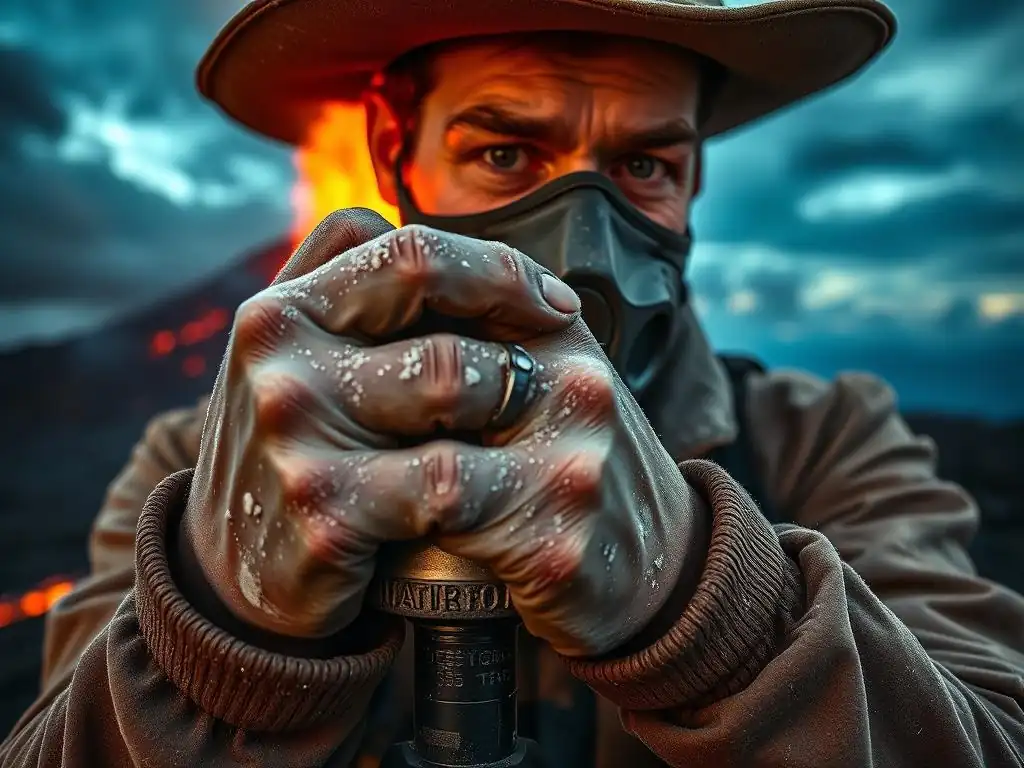
Volcano photography is not only physically demanding but also mentally taxing. Long hours, challenging conditions, and the pressure to capture the perfect shot can take a toll. Mental fortitude and stress management are crucial components of volcano photography safety tips, ensuring photographers can maintain focus, make sound decisions, and avoid errors due to fatigue or stress.
Mindfulness and Stress Reduction Techniques
Mindfulness and stress reduction techniques can significantly enhance a photographer's ability to cope with the mental demands of volcano photography. Practicing mindfulness techniques, such as deep breathing exercises or meditation, can help reduce stress, improve focus, and enhance situational awareness. During breaks or moments of downtime, taking a few minutes for deep, controlled breathing can calm the nervous system and reduce anxiety.
Being present in the moment and focusing on the task at hand, rather than dwelling on potential stressors, can improve performance and decision-making. Studies have shown that mindfulness practices can reduce stress hormones and improve cognitive function under pressure, which is highly beneficial in demanding environments like active volcanic zones.
Teamwork and Communication: Sharing the Load with Fellow Photographers
Teamwork and effective communication are invaluable assets in volcano photography, especially when working in groups. Sharing the physical and mental load with fellow photographers can significantly reduce individual stress and improve overall safety. Dividing tasks, such as carrying gear, scouting locations, or monitoring volcanic activity, distributes the workload and prevents any one person from becoming overly fatigued.
Open and clear communication within the team is essential for coordinating activities, sharing observations, and alerting each other to potential hazards or changes in conditions. Establishing clear communication protocols before a shoot, including hand signals or radio communication frequencies, ensures everyone is on the same page and can respond effectively to changing circumstances. Looking out for each other and providing mutual support fosters a safer and more productive working environment.
Knowing Your Limits: When to Rest and When to Call it Quits
Recognizing personal limits and knowing when to rest or call it quits is a crucial aspect of self-preservation and a vital volcano photography safety tip. Pushing oneself beyond physical or mental limits can lead to fatigue, impaired judgment, and increased risk of accidents. Being attuned to signs of fatigue, such as decreased concentration, muscle weakness, or irritability, is important. Taking regular breaks to rest, hydrate, and refuel is essential to maintain stamina and prevent exhaustion.
There is no shame in deciding to postpone a shoot or retreat if conditions become too hazardous or if personal capabilities are being exceeded. The goal is to capture stunning photographs safely, and sometimes, the wisest decision is to prioritize safety over getting the shot. Recognizing and respecting personal limits is a hallmark of responsible and experienced volcano photographers.
Post-Shoot Recovery: Rehydrating, Refueling, and Relaxing
The expedition doesn't end when the photography is done. Post-shoot recovery is crucial for allowing the body to recuperate, preventing injuries, and preparing for future expeditions. Active recovery and reflection are important volcano photography safety tips that extend beyond the immediate shoot itself.
Stretching and Muscle Recovery
Post-shoot stretching and muscle recovery are essential for reducing muscle soreness, improving flexibility, and preventing long-term musculoskeletal issues. Gentle stretching of major muscle groups, particularly those used during hiking and carrying gear, such as legs, back, and shoulders, can help alleviate muscle tension and improve blood circulation. Foam rolling or massage can further aid in muscle recovery by releasing knots and promoting tissue repair.
Rehydration and refueling with a balanced meal containing protein and carbohydrates are also crucial for replenishing energy stores and supporting muscle recovery. Active recovery, such as light walking or swimming, can help reduce muscle stiffness and promote faster recovery compared to complete rest.
Reviewing Footage and Lessons Learned
The period after a volcano photography shoot is an excellent time for reviewing the captured footage and reflecting on the experience. Analyzing photographs and videos allows for identifying strengths and weaknesses in photographic techniques, compositions, and gear usage. Reviewing the shoot experience itself, including logistical aspects, physical challenges, and safety protocols, provides valuable lessons learned for future expeditions. Documenting these lessons, such as gear adjustments, training improvements, or safety procedure refinements, can contribute to continuous improvement and enhanced preparedness for subsequent volcano photography endeavors.
Planning for Future Volcano Photography Expeditions
The excitement of a successful volcano photography shoot often leads to thoughts of future expeditions. Post-shoot recovery is an ideal time to begin planning for upcoming adventures. Researching potential volcanic destinations, studying eruption patterns, and assessing logistical requirements can be initiated during this phase. Setting new photographic goals, identifying specific volcanoes to capture, and outlining training plans for enhanced physical preparedness can build anticipation and motivation for future expeditions. Planning ahead ensures that each volcano photography experience is approached with increasing knowledge, skill, and safety awareness.
Staying Informed: Monitoring Volcanic Activity and Weather Conditions
Staying informed about volcanic activity and weather conditions is an ongoing responsibility for volcano photographers, both before and during expeditions. Accessing and interpreting reliable information is a fundamental volcano photography safety tip, ensuring photographers can make informed decisions and adapt plans as needed.
Utilizing Real-Time Volcano Monitoring Data
Real-time volcano monitoring data is readily available from various geological surveys and volcano observatories worldwide. Websites like the USGS Volcano Hazards Program, Smithsonian Institution's Global Volcanism Program, and local volcano observatories provide up-to-date information on volcanic activity levels, eruption alerts, gas emissions, and seismic data. Understanding how to access and interpret this data is crucial for assessing the current state of a volcano and potential hazards.
For instance, monitoring seismic activity, ground deformation, and gas emissions can provide insights into the likelihood of an eruption or changes in volcanic behavior. Utilizing these resources allows photographers to make informed decisions about when and where to photograph volcanoes safely, and to adjust plans based on the latest scientific information.
Checking Weather Forecasts and Adapting Plans
Weather conditions at volcanic sites can be highly variable and unpredictable. Regularly checking weather forecasts before and during a shoot is essential for preparedness. Pay attention to temperature, wind speed and direction, precipitation, and visibility forecasts. Be prepared for rapid weather changes and pack clothing and gear accordingly.
Adapting photography plans based on weather forecasts is crucial for safety and comfort. For example, if strong winds are predicted, adjust shooting locations to sheltered areas to minimize exposure to windblown ash or gases. If heavy rain is expected, ensure waterproof gear is readily accessible and consider postponing the shoot if conditions become too hazardous. Flexibility and adaptability are key when dealing with the dynamic weather patterns often encountered in volcanic regions.
Understanding Local Regulations and Safety Guidelines
Volcanic areas are often subject to specific regulations and safety guidelines established by local authorities or park services. Understanding and adhering to these rules is a vital volcano photography safety tip. Regulations may include restricted access zones, permitted viewing areas, evacuation routes, and safety advisories.
Contacting local authorities or park rangers before a shoot to inquire about regulations and safety guidelines is essential. Respecting these rules is not only a matter of legal compliance but also a demonstration of responsible and ethical volcano photography practices. Local regulations are often in place to protect both visitors and the fragile volcanic environment, and adhering to them contributes to a safer and more sustainable approach to volcano photography.
Conclusion: Prioritizing Physical Safety for Successful Volcano Photography
Volcano photography is an extraordinary pursuit that combines artistic passion with physical and mental resilience. Ultimately, the most stunning photographs are worthless if obtained at the cost of personal safety. Prioritizing physical preparedness and adhering to volcano photography safety tips are not just precautions; they are fundamental requirements for successful and sustainable engagement with these awe-inspiring natural phenomena.
The Importance of Ongoing Training and Preparation
Physical preparedness for volcano photography is not a one-time effort but an ongoing commitment. Regular physical training, continuous learning about volcanic hazards, and meticulous pre-expedition planning are essential for maintaining a high level of safety and readiness. Just as photographic skills are honed through practice and experience, physical fitness and safety awareness require consistent attention and development. By embracing ongoing training and preparation, volcano photographers can confidently and safely pursue their passion, capturing the dramatic beauty of volcanoes while minimizing risks and ensuring their well-being for many eruptions to come.
Frequently Asked Questions
What essential physical preparations should volcano photographers undertake before a shoot?
Prioritize physical fitness and stamina building before heading out. This includes cardiovascular training, strength exercises, and practicing hiking with heavy gear to ensure endurance on eruption day.
What types of clothing and protective gear are crucial for volcano photography safety?
Wear heat-resistant clothing, such as natural fibers, and bring a respirator mask to filter out ash and harmful gases. Also, include eye protection like goggles and sturdy hiking boots for difficult terrain.
Stay hydrated by drinking plenty of water and consider using electrolyte supplements to replenish lost minerals. Schedule breaks in shaded areas and wear a wide-brimmed hat to protect from the sun's intensity.
Use trekking poles for added stability and wear sturdy hiking boots with good ankle support. Assess the terrain carefully before each step and avoid venturing too close to unstable edges or active vents.
How can photographers prepare for potential hazards like ashfall and sudden changes in weather conditions?
Monitor weather forecasts and volcanic activity updates closely. Carry a first-aid kit, extra food and water, and a means of communication (satellite phone or personal locator beacon) in case of emergencies.
Final Reflection: Embracing Resilience in the Face of Nature's Fury
The preceding exploration of physical preparedness for volcano photography shoots underscores a crucial truth: respect for nature's power is paramount. While capturing the raw beauty of volcanic eruptions demands courage and skill, it also necessitates a deep understanding of the risks involved and a commitment to mitigating them through rigorous physical training and preparation. Ignoring these vital safety tips can have devastating consequences.
The enduring allure of volcanoes, both as scientific wonders and artistic subjects, continues to draw photographers into their fiery embrace. This pursuit, however, must be tempered with a profound awareness of the inherent dangers. The lessons learned from past tragedies and near misses serve as a constant reminder of the need for meticulous planning and unwavering adherence to safety protocols. Nature, to be commanded, must be obeyed.
- Francis Bacon. This quote resonates deeply when considering the volatile and unpredictable nature of volcanic environments.
As you venture forth, camera in hand, to document these awe-inspiring displays of geological force, remember that your physical well-being is inextricably linked to your ability to capture these moments safely and effectively. Let the knowledge and strategies outlined in this article serve as a foundation for your future expeditions. Embrace the challenge, hone your skills, and always prioritize your safety. The volcanic landscape awaits, but only for those who approach it with respect, preparation, and unwavering resilience.
Ignite Your Inner Volcanologist: Gear Up for Your Next Adventure!
Thank you for exploring the fascinating world of volcano photography with us! We hope you've gained valuable insights into the physical demands and preparations needed to capture stunning eruption shots. Now, let's turn that knowledge into action and get you ready for your own volcanic expedition.
To prepare, consider these steps:
- Prioritize physical fitness with a dedicated training regimen. Focus on building endurance and agility—crucial for navigating challenging terrain and responding quickly to changing conditions.
- Explore our Gear Reviews section at VolcanoExplorers.org to discover essential equipment that will enhance your safety and photography.
- Share your knowledge! Join the discussion in our community forum and exchange tips with fellow photographers on preparing for an eruption.
What exercise will you add to your routine this week to boost your volcanic photography endurance? Let us know in the comments!