
Popocatepetl's Power: Aztec Legends and the Smoking Mountain God

Welcome to Volcano Explorers!
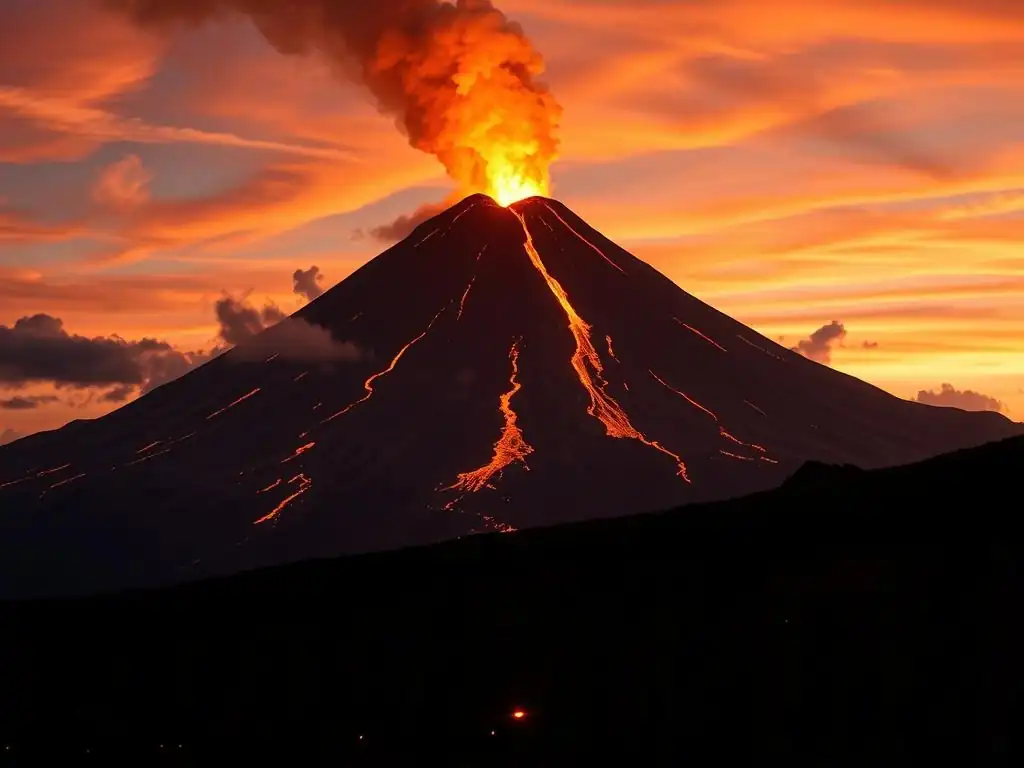
Prepare to be captivated by the raw power and mesmerizing beauty of Earth's fiery giants. Ever wondered about the ancient stories whispered around the base of a slumbering volcano? Our latest exploration delves into the heart of Popocatepetl's mystery, unraveling the Aztec legends intricately woven into its very existence. What secrets does this "Smoking Mountain God" hold, and how did it shape the beliefs of an entire civilization? Discover the answers and more as we journey into the cultural significance of volcanoes – but be warned, the truth is as volatile as the magma beneath our feet.
- Introduction to Popocatepetl: A Volcano Steeped in Aztec Mythology
- Popocatepetl Volcano's Significance in Aztec Culture
- The Legend of Popocatepetl and Iztaccihuatl: A Tragic Love Story
- Exploring the Symbolism of Popocatepetl in Aztec Art and Rituals
- Popocatepetl as a "Smoking Mountain God": Understanding its Volcanic Nature
- Modern Interpretations and Preservation of the Popocatepetl Legend
- Comparing Popocatepetl with Other Sacred Volcanoes in Mesoamerica
- The Geological Reality Behind the Aztec Myths: Linking Science and Legend
- Conclusion: The Enduring Legacy of Popocatepetl
-
Frequently Asked Questions
- What are the main themes explored on VolcanoExplorers.org?
- What kind of information can I find about living near an active volcano?
- Why is Popocatepetl volcano important in Aztec legends?
- What does the title "Popocatepetl's Power: Aztec Legends and the Smoking Mountain God" refer to?
- How do volcanologists study volcanoes like Popocatepetl?
- Final Reflection: Echoes of Fire and Devotion
- Unearth the Secrets of Popocatepetl!
Introduction to Popocatepetl: A Volcano Steeped in Aztec Mythology
The Allure of Popocatepetl: More Than Just a Volcano
Popocatepetl, often simply called "Popo," is more than just a towering stratovolcano dominating the landscape of central Mexico. It is a living entity deeply woven into the cultural and spiritual fabric of the region, particularly for the descendants of the Aztecs. Its imposing presence, perpetually capped with snow and frequently emitting plumes of smoke and ash, has captivated and inspired awe for centuries.
For the ancient Aztecs, Popocatepetl was not merely a geographical feature but a deity, a "Smoking Mountain" imbued with power, mystery, and a significant role in their understanding of the cosmos. The volcano’s majestic silhouette is visible from Mexico City, a constant reminder of the powerful forces of nature and the rich tapestry of legends associated with it.
The allure of Popocatepetl extends beyond its geological significance; it is profoundly intertwined with Aztec mythology and history. Its frequent activity, a mix of fumarolic emissions and explosive eruptions, positioned it as a powerful force to be reckoned with, demanding respect and veneration. The Aztecs, deeply attuned to the natural world, interpreted these volcanic manifestations through a spiritual lens, crafting elaborate stories and rituals to explain and appease this "Smoking Mountain God." Understanding Popocatepetl requires delving into this rich mythological context, appreciating how the volcano shaped Aztec worldview and continues to resonate in Mexican culture today.
Volcanoes as Sacred Sites: Setting the Context
Across numerous cultures globally, volcanoes have held profound spiritual significance, often revered as sacred sites and places of worship. This reverence stems from their dramatic and awe-inspiring nature. Volcanoes embody immense power, capable of creation and destruction, mirroring the forces of nature that govern life itself. From Mount Fuji in Japan to Mount Etna in Italy, volcanic peaks have been seen as bridges between the earthly realm and the heavens, dwelling places of deities, or manifestations of divine energy. This global phenomenon underscores a universal human response to the raw power and mystique of volcanoes.
In Mesoamerica, this veneration of volcanoes was particularly pronounced. The landscape itself is dotted with volcanic peaks, forming a dramatic backdrop to ancient civilizations like the Aztecs. These towering formations were not just geographical features; they were integral to the Mesoamerican worldview. They were sources of fertile soil, crucial for agriculture, and provided valuable resources like obsidian. More importantly, they were perceived as living mountains, often associated with rain, fertility, and ancestral spirits. Understanding this broader context of volcano worship in Mesoamerica is crucial to grasping the specific sacredness attributed to Popocatepetl by the Aztecs.
Popocatepetl Volcano's Significance in Aztec Culture
The Importance of Volcanoes in Ancient Mesoamerica
Volcanoes held a paramount position in the religious and cosmological beliefs of ancient Mesoamerican cultures, including the Aztecs. Their imposing height reaching towards the sky connected the earthly plane with the celestial realm, making them natural pathways for communication with the gods. Volcanic activity, with its fiery eruptions and seismic tremors, was interpreted as divine communication, often seen as expressions of anger, power, or even benevolence from the deities residing within or atop these mountains. This perspective permeated various aspects of Mesoamerican life, from religious rituals to agricultural practices and urban planning.
Furthermore, volcanoes were vital for the sustenance and prosperity of Mesoamerican societies. Volcanic ash, while initially destructive, enriched the soil over time, creating exceptionally fertile lands ideal for agriculture, particularly for cultivating staples like maize, beans, and squash. Obsidian, a volcanic glass, was a crucial resource for toolmaking and weaponry, traded extensively throughout Mesoamerica. Water sources often originated in volcanic highlands, providing essential freshwater for communities. This multifaceted importance – spiritual, agricultural, and economic – solidified the sacred status of volcanoes in ancient Mesoamerica, making them central to the worldview and survival of civilizations like the Aztecs.
Popocatepetl: A Central Figure in Aztec Cosmogony
Popocatepetl, towering over the Valley of Mexico, was not just another volcano for the Aztecs; it occupied a central position in their cosmogony, their understanding of the universe's structure and origins. In Aztec belief, the cosmos was structured in layers, with the earthly realm situated between the heavens above and the underworld below. Mountains, particularly prominent volcanoes like Popocatepetl, were seen as cosmic axes or axis mundi, connecting these different layers. Popocatepetl, with its dramatic presence, served as a tangible link to the divine, a point of interaction between the human world and the supernatural.
The Aztec name "Popocatepetl" itself, meaning "Smoking Mountain" in Nahuatl, the Aztec language, directly reflects its volcanic nature and its perceived divinity. The smoke and ash plumes constantly emanating from its summit were not merely geological phenomena but visible manifestations of its inner power and sacredness.
While specific deities directly residing within Popocatepetl are less clearly defined in surviving Aztec texts compared to some other Mesoamerican cultures, the volcano itself was undoubtedly revered as a powerful entity, a "mountain god" in its own right. Its presence was integral to Aztec rituals, myths, and their overall understanding of the world around them, deeply influencing their spiritual and cultural landscape.
The Legend of Popocatepetl and Iztaccihuatl: A Tragic Love Story
The Aztec Warrior and the Princess: A Tale of Forbidden Love
The most famous legend associated with Popocatepetl volcano is the tragic love story of Popocatepetl and Iztaccihuatl. This narrative, passed down through generations, provides a powerful explanation for the formation of the two volcanoes and encapsulates themes of love, sacrifice, and betrayal central to Aztec culture. The legend tells of Popocatepetl, a brave and valiant Aztec warrior, deeply in love with Iztaccihuatl, a beautiful princess. Their love was often depicted as pure and profound, a bond that transcended social barriers, although in some versions, their love is forbidden by the Emperor, Iztaccihuatl's father.
Popocatepetl was sent to war, tasked with defending the Aztec empire, with the promise of Iztaccihuatl's hand in marriage upon his victorious return. Before his departure, they pledged their eternal love, a promise that would be tested by deceit and tragedy. Iztaccihuatl, known for her grace and virtue, patiently awaited her beloved's return, her heart filled with anticipation and unwavering devotion. This initial setting of forbidden love and the warrior's quest sets the stage for the dramatic events that unfold, shaping the volcanic landscape and solidifying the legend's enduring appeal.
Betrayal and Sacrifice: Key Elements of the Popocatepetl Legend
While Popocatepetl was away at war, a rival suitor, or in some versions, envious warriors, spread false rumors of Popocatepetl's death to Iztaccihuatl. Deceived and heartbroken, believing her beloved perished in battle, Princess Iztaccihuatl succumbed to despair and died of grief. Upon his triumphant return, Popocatepetl was met not with joyous celebration but with the devastating news of Iztaccihuatl's demise.
Realizing the treachery and the depth of his loss, Popocatepetl was consumed by sorrow. The betrayal and the resulting sacrifice of Iztaccihuatl are pivotal elements of the legend, highlighting the destructive power of deceit and the profound consequences of heartbreak.
Overwhelmed by grief and unwilling to live without his beloved, Popocatepetl carried Iztaccihuatl's body to the mountains surrounding the Valley of Mexico. There, he built a massive funeral pyre, laying her gently upon it. He then knelt beside her, holding a smoking torch, and took his own life, choosing to join his beloved in death.
This act of ultimate sacrifice, mirroring Iztaccihuatl's own sacrifice of her life due to grief, solidifies the tragic nature of their love story and emphasizes the theme of eternal devotion, even in the face of death. This dramatic climax transforms the narrative from a simple love story into a powerful myth with lasting resonance.
The Volcanic Transformation: Becoming Popocatepetl and Iztaccihuatl
In the aftermath of their tragic deaths, the gods, moved by the couple's profound love and sacrifice, transformed them into the two majestic volcanoes that stand side-by-side to this day: Popocatepetl and Iztaccihuatl. Iztaccihuatl became the "Sleeping Woman" volcano, her profile resembling a reclining woman, eternally at rest. Popocatepetl, still holding his smoking torch, became the actively smoking volcano beside her, eternally watching over his beloved. The legend explains the volcanoes' physical forms and their contrasting natures – one dormant, the other active – as a perpetual reminder of their love and sacrifice.
The "Smoking Mountain," Popocatepetl, is said to weep tears of fire for his lost love, explaining the volcano's ongoing activity. The legend concludes with a sense of eternal mourning and remembrance, forever etching the tragic love story into the landscape itself. The volcanoes serve as a constant monument to their devotion, visible from afar, reminding generations of the power of love, loss, and the enduring spirit of Popocatepetl and Iztaccihuatl. This transformation into volcanoes elevates the legend beyond a simple folktale, embedding it into the natural world and giving profound meaning to the landscape itself.
Exploring the Symbolism of Popocatepetl in Aztec Art and Rituals
Depictions of Popocatepetl in Aztec Codices
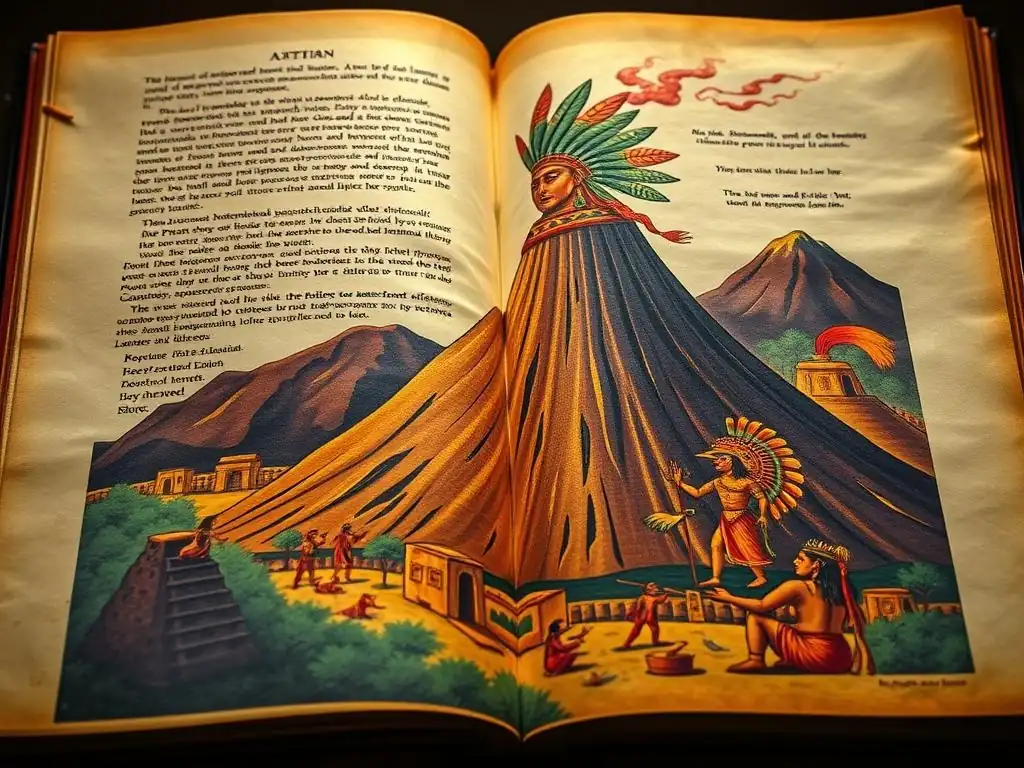
While direct, unambiguous depictions of Popocatepetl as a deity in Aztec codices (pre-Columbian books) are not as prevalent as representations of other major gods like Quetzalcoatl or Huitzilopochtli, the volcano's symbolic presence is discernible through various visual cues and contextual interpretations. Aztec codices often depicted landscapes and geographical features as part of historical accounts, migration narratives, and cosmological maps. Mountains, in general, were frequently represented as glyphs, often stylized to convey their sacred nature and importance. Popocatepetl, as the most prominent volcano in the Valley of Mexico, would likely have been implicitly represented in these depictions of the landscape.
Furthermore, volcanic imagery and symbolism are found in Aztec art, even if not explicitly labeled "Popocatepetl." Representations of fire, smoke, and mountains appear in various contexts, often associated with power, creation, and destruction, all attributes linked to volcanic forces and potentially alluding to volcanoes like Popocatepetl.
Deciphering the specific symbolic meaning of mountains and volcanic elements in Aztec codices requires careful analysis of context, accompanying glyphs, and broader knowledge of Aztec iconography. Archaeological evidence and interpretations of colonial-era accounts also contribute to understanding how Popocatepetl was visually and symbolically represented within Aztec culture, even if not always with a clear, distinct iconographic form.
Volcanic Offerings and Ceremonies: Honoring the Mountain God
Given Popocatepetl's revered status as a "Smoking Mountain God," it is highly probable that the Aztecs conducted offerings and ceremonies to honor and appease it, although direct archaeological evidence specifically linked to Popocatepetl is still being explored. Mesoamerican cultures, including the Aztecs, routinely performed rituals at sacred sites, especially mountains and caves, considered dwelling places of deities.
These rituals often involved offerings of precious materials like jade, obsidian, and copal incense, as well as food, animals, and, in some contexts, human sacrifice. The purpose of these offerings was to maintain harmony with the natural and supernatural world, ensure agricultural fertility, and avert disasters, including volcanic eruptions.
While specific details of Aztec ceremonies dedicated solely to Popocatepetl are less well-documented compared to rituals for major deities, general Aztec religious practices and the known reverence for mountains in Mesoamerica suggest that some form of veneration would have been directed towards this prominent volcano. Archaeological investigations around Popocatepetl and within the Valley of Mexico might uncover evidence of ritual deposits or structures that could shed more light on the specific ceremonies performed to honor this "Smoking Mountain God."
Ethnohistorical accounts and comparisons with rituals performed at other sacred mountains in Mesoamerica can also provide insights into the likely nature of such ceremonies.
The New Fire Ceremony and its Connection to Popocatepetl
The New Fire Ceremony, one of the most significant and elaborate rituals in Aztec religion, held a potential, though not fully established, connection to Popocatepetl. This ceremony, performed every 52 years, marked the completion of a full cycle of the Aztec calendar and was crucial for ensuring the continued existence of the cosmos.
It involved extinguishing all fires throughout the Aztec world and then ritually kindling a new fire, symbolizing renewal and the continuation of time. The location of the New Fire Ceremony was traditionally at Huixachtecatl (Cerro de la Estrella), a hill near Mexico City, but some scholars suggest a possible connection or symbolic association with Popocatepetl.
The act of rekindling fire, a central element of the New Fire Ceremony, could be symbolically linked to the volcanic fire of Popocatepetl, representing the primal, powerful source of creation and renewal. While Huixachtecatl was the primary site, Popocatepetl's visible plumes of smoke and fire might have served as a constant reminder of this cosmic fire, reinforcing its symbolic importance during the ceremony.
Further research and interpretations of Aztec cosmology are needed to fully clarify the extent of Popocatepetl's role, if any, in the New Fire Ceremony. However, the ceremony's focus on fire and renewal aligns thematically with the "Smoking Mountain God" concept, suggesting a potential, if not fully documented, connection.
Popocatepetl as a "Smoking Mountain God": Understanding its Volcanic Nature
The Active Nature of Popocatepetl: A Constant Reminder of its Power
Popocatepetl's persistent volcanic activity is not a recent phenomenon; it has been actively emitting smoke, ash, and occasionally erupting for millennia. Geological records, including ash layers and lava flows, demonstrate a long history of eruptions stretching back hundreds of thousands of years. For the Aztecs, living in close proximity to this active volcano, Popocatepetl's "smoking" nature was a constant, visible manifestation of its immense power and unpredictable nature. This ongoing activity solidified its image as a living, breathing entity, a "Smoking Mountain God" whose power was ever-present and undeniable.
The visible signs of Popocatepetl's activity – plumes of steam and gas rising from its crater, occasional ash emissions, and even rumbling sounds – would have been deeply impactful on the Aztec population. These were not merely natural occurrences but interpreted as communications from the mountain deity, signals of its mood, power, or potential for more dramatic displays. This constant reminder of the volcano's active nature undoubtedly shaped Aztec perceptions of Popocatepetl as a powerful and potentially volatile force, deserving of respect, veneration, and appeasement.
Volcanic Activity and its Interpretation in Aztec Beliefs
Aztec interpretations of volcanic activity were deeply intertwined with their religious and cosmological beliefs. Eruptions, earthquakes, and other natural phenomena were not seen as random events but as meaningful communications from the gods. Volcanic eruptions, in particular, would have been interpreted in various ways, depending on their intensity and perceived consequences. Minor emissions of steam and ash might have been seen as the mountain god breathing or simply manifesting its presence. More significant eruptions, with ashfall and lava flows, could have been interpreted as expressions of divine anger, warnings, or even acts of creation and renewal.
The Aztecs possessed a sophisticated understanding of their environment, observing patterns and seeking to understand the causes behind natural events within their religious framework. Volcanic activity, as a powerful and visible force, would have been carefully observed and interpreted by priests and religious leaders, who would then communicate these interpretations to the wider population.
Rituals and offerings might have been adjusted or intensified in response to changes in volcanic activity, aiming to maintain balance and appease the "Smoking Mountain God." This dynamic interplay between observation, interpretation, and ritual response highlights the deep integration of volcanic phenomena into Aztec belief systems.
Popocatepetl's Frequent Explosive Eruptions and Ashfall
Popocatepetl is characterized by explosive eruptions, a type of volcanic activity that can produce significant ashfall, pyroclastic flows, and lahars (volcanic mudflows). Throughout its history, including the Aztec period and more recent times, Popocatepetl has experienced numerous explosive eruptions of varying magnitudes. Ashfall, in particular, would have been a frequent and impactful consequence of Popocatepetl's activity, directly affecting Aztec life and potentially shaping their interpretations of the "Smoking Mountain God."
Ashfall can blanket landscapes, impacting agriculture, water sources, and visibility. While volcanic ash can eventually enrich soil fertility, in the short term, heavy ashfall can devastate crops and disrupt daily life.
For the Aztecs, experiencing ashfall from Popocatepetl would have been a tangible reminder of the volcano's power and a direct consequence of its "smoking" nature. The extent of ashfall from past eruptions, based on geological records, suggests that the Aztecs likely experienced significant ash events throughout their history, further reinforcing their perception of Popocatepetl as a powerful and potentially disruptive force, a deity to be both revered and appeased.
Modern Interpretations and Preservation of the Popocatepetl Legend
Popocatepetl's Enduring Influence on Mexican Culture
The legend of Popocatepetl and Iztaccihuatl, and the broader cultural significance of Popocatepetl volcano, continues to resonate deeply within modern Mexican culture. The tragic love story remains a popular folktale, recounted in schools, books, and oral traditions. The volcanoes themselves are iconic landmarks, visible from Mexico City and surrounding areas, serving as constant reminders of this enduring legend and the rich indigenous heritage of Mexico. Popocatepetl and Iztaccihuatl are not just geographical features; they are symbols of Mexican identity, history, and cultural memory.
The names Popocatepetl and Iztaccihuatl are widely recognized and used in Mexican culture, appearing in place names, businesses, and artistic expressions. The volcanoes feature prominently in Mexican art, literature, and music, often serving as metaphors for love, loss, resilience, and the enduring power of nature. The legend transcends its origins as an Aztec myth, becoming a part of the broader Mexican cultural narrative, reflecting the fusion of indigenous traditions and modern Mexican identity. The enduring popularity and cultural relevance of the Popocatepetl legend demonstrate its lasting impact on Mexican society.
Protecting Popocatepetl: Balancing Cultural Heritage and Volcanic Risk
Protecting Popocatepetl involves a complex interplay of preserving its cultural heritage as a sacred site and managing the very real risks associated with its active volcanic nature. The area surrounding Popocatepetl is densely populated, including major urban centers like Puebla and parts of Mexico City. Volcanic eruptions pose significant hazards, including ashfall, pyroclastic flows, lahars, and ballistic projectiles, threatening communities and infrastructure. Therefore, volcanic monitoring and risk mitigation are crucial aspects of managing Popocatepetl.
Simultaneously, recognizing and preserving Popocatepetl's cultural significance is equally important. The volcano is not just a geological hazard but a living cultural landscape, imbued with centuries of indigenous history and spiritual meaning. Efforts to protect Popocatepetl must balance the need for public safety with the imperative to respect and preserve its cultural heritage. This involves integrating indigenous perspectives and traditional knowledge into conservation and risk management strategies, ensuring that the cultural significance of Popocatepetl is not overshadowed by solely focusing on its volcanic hazards.
UNESCO World Heritage Status and Conservation Efforts
While Popocatepetl itself is not directly listed as a UNESCO World Heritage Site, it is part of the "Monasteries on the slopes of Popocatepetl" World Heritage Site, recognized for its cultural and historical significance. This site acknowledges the region's rich history, including its pre-Hispanic past and the subsequent colonial era, highlighting the cultural landscape shaped by both indigenous and European influences. The UNESCO designation underscores the importance of preserving the broader cultural and natural environment surrounding Popocatepetl, recognizing its multifaceted value.
Conservation efforts in the region are multifaceted, encompassing volcanic monitoring, risk management planning, and cultural heritage preservation. Mexican authorities, including the National Center for Disaster Prevention (CENAPRED), maintain a comprehensive monitoring system for Popocatepetl, tracking its activity and providing timely warnings. Conservation initiatives also focus on protecting the natural environment around the volcano, including its diverse ecosystems. Furthermore, efforts are underway to document and promote the cultural heritage of the region, including the legends and traditions associated with Popocatepetl, ensuring that its cultural significance is preserved for future generations.
Comparing Popocatepetl with Other Sacred Volcanoes in Mesoamerica
Similarities and Differences in Aztec Volcano Worship
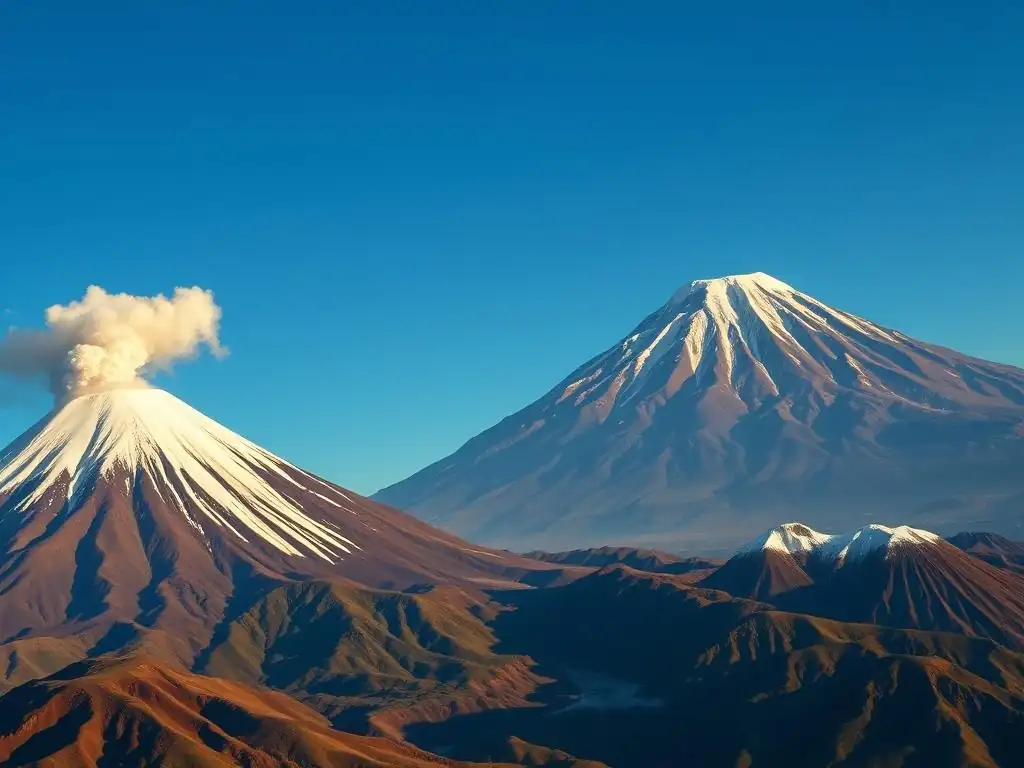
Aztec volcano worship shared common threads with broader Mesoamerican traditions, yet also possessed unique characteristics specific to their cultural and geographical context. Like other Mesoamerican cultures, the Aztecs revered volcanoes as sacred mountains, connecting the earthly and celestial realms, and as powerful forces of nature. Offerings, rituals, and myths associated with volcanoes were widespread throughout Mesoamerica, reflecting a shared understanding of their spiritual significance. Common deities or supernatural entities were often associated with mountains and volcanic phenomena across different cultures.
However, Aztec volcano worship also developed its own distinct features. The specific legends surrounding Popocatepetl and Iztaccihuatl are uniquely Aztec, although the themes of love, sacrifice, and transformation resonate with broader Mesoamerican mythology.
The Aztec emphasis on human sacrifice, while present in other cultures, reached a particular intensity and scale in their religious practices, potentially influencing the types of offerings and rituals performed at sacred sites like Popocatepetl. The Aztec capital, Tenochtitlan, being located in the Valley of Mexico, placed Popocatepetl in a particularly central and prominent position within their cultural and religious landscape, further shaping its specific significance within Aztec volcano worship.
Comparison with Tequila Volcano and its Agave Landscape
Comparing Popocatepetl with Tequila Volcano in Jalisco, Mexico, reveals both shared Mesoamerican volcano reverence and distinct cultural adaptations. Tequila Volcano, while not as consistently active as Popocatepetl, is also considered sacred by local indigenous communities and is deeply intertwined with the cultural landscape of tequila production. The fertile volcanic soils of the Tequila region are crucial for cultivating blue agave, the base ingredient of tequila, linking the volcano directly to a vital economic and cultural practice. This connection to agave agriculture represents a distinct cultural adaptation of volcano reverence in the Tequila region.
While Popocatepetl's legend is primarily focused on love and sacrifice, Tequila Volcano's cultural significance is interwoven with agricultural fertility and the production of tequila, a beverage deeply embedded in Mexican identity. Both volcanoes are revered landscapes, but their specific cultural meanings and associated practices differ, reflecting the unique histories and environmental contexts of their respective regions. Both examples, however, underscore the enduring Mesoamerican tradition of imbuing volcanoes with sacred significance and integrating them into cultural and economic life.
Lessons from the Legends: Universal Themes of Love, Sacrifice, and Power
The legends associated with Popocatepetl, and with sacred volcanoes in general, offer valuable insights into universal human themes and concerns. The tragic love story of Popocatepetl and Iztaccihuatl explores enduring themes of love, loss, betrayal, and sacrifice, resonating across cultures and time periods. The narrative highlights the power of love and devotion, even in the face of tragedy, and the consequences of deceit and heartbreak. These themes are not unique to Aztec culture but represent universal human experiences and emotions.
Furthermore, the reverence for volcanoes as powerful natural forces reflects humanity's ongoing relationship with the environment and our attempts to understand and appease the forces of nature. Volcanoes embody both creative and destructive power, mirroring the dualities of life itself.
Legends and myths surrounding volcanoes often grapple with these dualities, exploring themes of creation, destruction, renewal, and the delicate balance between human society and the natural world. Studying these legends provides a window into how different cultures have interpreted and responded to the power and mystery of volcanoes, revealing universal human attempts to make sense of the world around us and our place within it.
The Geological Reality Behind the Aztec Myths: Linking Science and Legend
Popocatepetl's Geological Formation and Activity
Popocatepetl is a stratovolcano, formed through successive layers of volcanic ash, lava flows, and pyroclastic deposits over hundreds of thousands of years. Its conical shape is characteristic of stratovolcanoes, built up by viscous lava and explosive eruptions. Geologically, Popocatepetl is part of the Trans-Mexican Volcanic Belt, a region of intense volcanic activity resulting from the subduction of the Cocos Plate beneath the North American Plate. This tectonic setting explains the ongoing volcanism in the region and Popocatepetl's persistent activity.
Popocatepetl's activity is characterized by frequent fumarolic emissions, steam and gas plumes, and intermittent explosive eruptions. These eruptions can range in size from minor ash emissions to larger explosive events that produce significant ashfall, pyroclastic flows, and lahars. Geological studies, including dating of past eruptions and analysis of volcanic deposits, provide a detailed record of Popocatepetl's eruptive history, revealing a pattern of ongoing activity punctuated by periods of more intense eruptions. Understanding Popocatepetl's geological formation and activity is crucial for interpreting its cultural significance and the potential influence of geological events on the development of Aztec legends.
How Geological Events May Have Inspired the Aztec Legends
The dramatic geological events associated with Popocatepetl likely played a significant role in inspiring and shaping the Aztec legends and beliefs surrounding the volcano. Explosive eruptions, ashfall, and other volcanic phenomena would have been powerful and awe-inspiring events for the Aztecs, living in close proximity to the volcano. These events, interpreted through their religious worldview, could have directly contributed to the development of myths and legends that explained the volcano's power and its relationship with the human world.
For example, the "smoking" nature of Popocatepetl, a constant visual reminder of its volcanic activity, is directly reflected in its Nahuatl name and its image as a "Smoking Mountain God." Explosive eruptions, with their dramatic displays of fire and ash, could have been interpreted as expressions of divine power or anger, reinforcing the volcano's sacred status and the need for appeasement.
Even the tragic love story of Popocatepetl and Iztaccihuatl, while primarily a myth, could have been influenced by the imposing and sometimes destructive nature of the volcano, using natural phenomena to express human emotions and experiences within a mythological framework.
Analysis of Lahars and Pyroclastic Flows in Relation to Aztec Accounts
While direct Aztec written accounts specifically describing volcanic hazards like lahars and pyroclastic flows are limited, archaeological and geological evidence suggests that the Aztecs were likely aware of and impacted by these phenomena. Lahars, volcanic mudflows, and pyroclastic flows, hot, fast-moving currents of gas and volcanic debris, are significant hazards associated with Popocatepetl. Geological records indicate that Popocatepetl has produced lahars and pyroclastic flows throughout its history, potentially affecting areas inhabited by the Aztecs.
Archaeological sites in the vicinity of Popocatepetl might reveal evidence of past lahar or pyroclastic flow events, such as buried settlements or layers of volcanic debris. Oral traditions and interpretations of Aztec codices, combined with geological data, could potentially shed light on how the Aztecs understood and responded to these volcanic hazards. While the legends themselves may not explicitly describe lahars or pyroclastic flows in scientific terms, the underlying themes of destruction, power, and the unpredictable nature of Popocatepetl may reflect a cultural awareness of these hazardous volcanic phenomena, even if expressed through mythological narratives and religious interpretations.
Conclusion: The Enduring Legacy of Popocatepetl
Popocatepetl: A Bridge Between Aztec Past and Modern Present
Popocatepetl stands as a powerful bridge connecting the Aztec past with the modern present in Mexico. The volcano is not just a geological feature but a living monument to Aztec history, mythology, and cultural heritage. Its enduring presence in the landscape, visible from major urban centers, serves as a constant reminder of the rich indigenous past that underlies contemporary Mexican society. The legends of Popocatepetl and Iztaccihuatl, passed down through generations, continue to resonate in Mexican culture, keeping the stories and traditions of the Aztecs alive.
The ongoing reverence for Popocatepetl, even in a modern, secular society, demonstrates the lasting impact of indigenous beliefs and cultural values. While scientific understanding of volcanoes has advanced significantly, the awe and respect inspired by Popocatepetl echo the sentiments of the ancient Aztecs. The volcano serves as a tangible link to a pre-Columbian worldview, reminding Mexicans of their ancestral roots and the enduring power of nature. Popocatepetl, therefore, is more than just a volcano; it is a symbol of cultural continuity, a bridge spanning centuries, and a testament to the enduring legacy of the Aztecs.
Further Exploration: Resources for Further Study on Popocatepetl
For those interested in delving deeper into the fascinating world of Popocatepetl, its Aztec legends, and its volcanic nature, numerous resources are available. Academic research papers in archaeology, anthropology, and volcanology offer in-depth studies of Popocatepetl's cultural and geological significance. Books on Aztec mythology and religion provide valuable context for understanding the legends and beliefs associated with the volcano. Websites of institutions like Mexico's National Center for Disaster Prevention (CENAPRED) offer real-time information on Popocatepetl's volcanic activity and resources on volcanic hazards.
Museums in Mexico City and Puebla, such as the National Museum of Anthropology and the Regional Museum of Puebla, house collections of Aztec artifacts and exhibits that provide insights into Aztec culture and worldview, potentially including representations of volcanoes and related symbolism. Visiting the region around Popocatepetl allows for firsthand experience of its imposing presence and the cultural landscape it dominates. Exploring these diverse resources offers a comprehensive understanding of Popocatepetl, from its geological reality to its enduring legacy as a "Smoking Mountain God" deeply embedded in Aztec and Mexican culture.
Frequently Asked Questions
What are the main themes explored on VolcanoExplorers.org?
The website explores the science of volcanoes, including magma formation and eruptions. It also covers famous eruptions, safety guides, and the cultural significance of volcanoes.
What kind of information can I find about living near an active volcano?
VolcanoExplorers.org provides safety guides and evacuation tips for those near active volcanoes. It also offers real-time updates on volcanic activity around the world.
Why is Popocatepetl volcano important in Aztec legends?
Popocatepetl is the subject of many Aztec legends, often depicted as a warrior or a personification of the mountain itself. These stories explain the volcano's formation and its ongoing activity.
What does the title "Popocatepetl's Power: Aztec Legends and the Smoking Mountain God" refer to?
The title highlights the volcano's powerful nature and its association with Aztec mythology. It alludes to the volcano being seen as a deity, specifically a "Smoking Mountain God."
How do volcanologists study volcanoes like Popocatepetl?
Volcanologists use various methods, including seismic monitoring, gas analysis, and geological surveys, to understand and predict volcanic activity and potential hazards.
Final Reflection: Echoes of Fire and Devotion
The enduring allure of Popocatepetl, as explored in this article, isn't merely about a towering volcano; it's about the unyielding power of myth and the enduring human need to understand and connect with the natural world. The legends surrounding the "Smoking Mountain" resonate even today, reminding us that ancient stories continue to shape our perceptions of landscapes and the forces that govern them.
The tale of Popocatepetl and Iztaccihuatl, a tragic love story etched onto the very face of the mountain, has profoundly influenced the cultural landscape of Mexico. This enduring narrative speaks to the universal themes of love, sacrifice, and the enduring power of memory, themes that continue to resonate deeply within me. The mountains are silent masters and make silent disciples.
- Khalil Gibran. This quote encapsulates the profound respect and awe that Popocatepetl inspires, a feeling that transcends time and cultural boundaries.
As you gaze upon images of Popocatepetl, or perhaps even stand in its shadow, I urge you to consider the layers of history and legend that cloak its slopes. Let the story of the Aztec lovers, and the enduring power of the volcano itself, inspire you to reflect on the stories that shape your own world, and to find your own connection to the enduring power of nature and the human spirit.
Unearth the Secrets of Popocatepetl!
Thank you for exploring the captivating legends and fiery spirit of Popocatepetl with us! Now, let's delve deeper into this volcanic wonder.
Here are a few ways to continue your journey:
- Share your favorite myth about Popocatepetl on social media and tag us @VolcanoExplorers to join the conversation!
- Learn more about Popocatepetl's current activity and monitoring efforts. Understanding the science behind the legend adds another layer of fascination.
- Consider what offering you would leave Popocatepetl, and why. This exercise can reveal the legend's lasting impact.
What aspect of Popocatepetl's legend resonates most with you, and how will you explore its influence on modern culture?