
Volcano Tourism's Tipping Point: Choosing Sustainability Before It's Too Late

Welcome to Volcano Explorers!
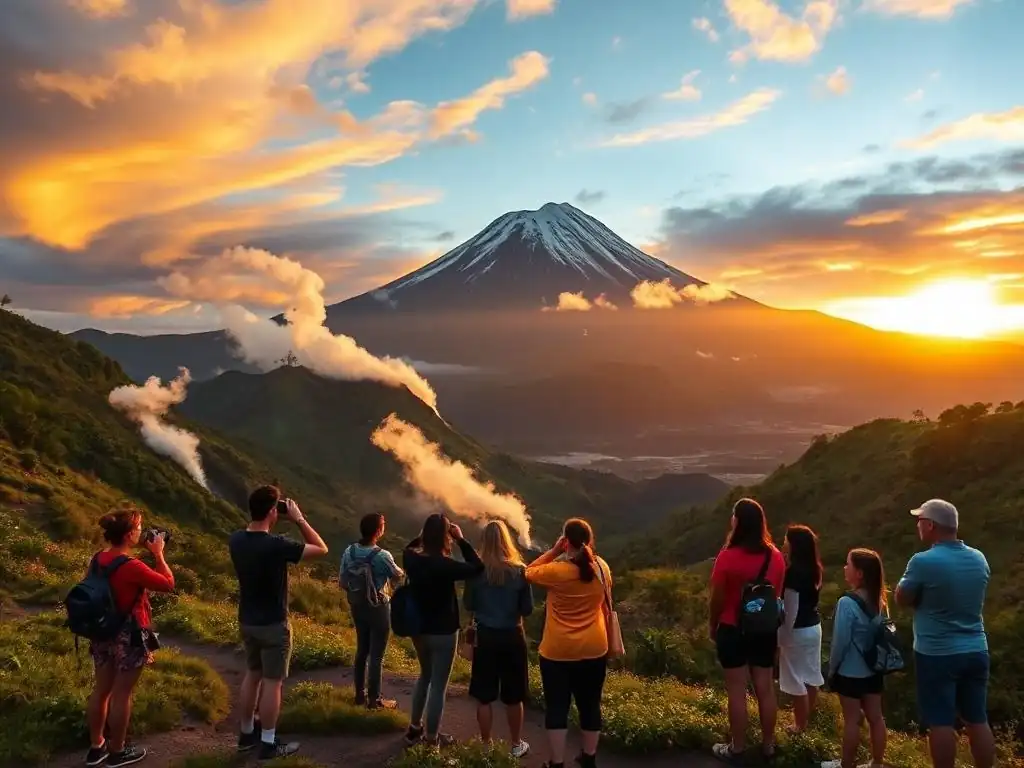
Prepare to journey into the heart of Earth's raw power. But are we loving volcanoes to death? Discover the delicate balance between adventure and preservation as we explore the question: Can volcano tourism truly be sustainable? Dive into our featured article, "Volcano Tourism's Tipping Point," and uncover the critical choices facing this captivating, yet fragile, industry. What secrets are hidden beneath the smoke and ash? Let's find out together...
The Growing Popularity of Volcano Tourism Destinations
Volcano tourism has surged in popularity in recent decades, transforming remote geological wonders into sought-after travel destinations. Fueled by a combination of adventure seeking, scientific curiosity, and the sheer awe inspired by volcanic landscapes, visitor numbers to volcanic regions have seen a significant increase. Destinations like Iceland, with its accessible volcanoes and geothermal areas, have experienced exponential growth, attracting millions of tourists annually.
Similarly, regions in Indonesia, such as Java and Bali, are popular for volcano trekking and witnessing the dramatic landscapes around Mount Bromo and Mount Agung. This trend is further amplified by social media, where stunning visuals of volcanic eruptions and landscapes inspire wanderlust and drive further interest in experiencing these natural phenomena firsthand.
This heightened interest is not limited to easily accessible locations. Even more remote and challenging volcanic areas, like those found in Kamchatka, Russia, or parts of the Andes in South America, are witnessing a gradual increase in tourism. The allure of witnessing raw geological power, coupled with the unique biodiversity often found in volcanic regions, creates a compelling draw for a diverse range of travelers. From casual sightseers to seasoned adventurers and professional photographers, the appeal of volcano tourism spans a broad spectrum, indicating a sustained and potentially growing trend in the global tourism market.
The Environmental Impact of Unmanaged Volcano Tourism
The increasing popularity of volcano tourism, while economically beneficial, brings with it a significant environmental footprint if not managed responsibly. Uncontrolled tourism can lead to habitat degradation in fragile volcanic ecosystems. For example, increased foot traffic on volcanic slopes can cause soil erosion, damage delicate vegetation adapted to harsh volcanic conditions, and disturb wildlife habitats. The introduction of non-native species, often unintentionally carried by tourists or on their equipment, poses another threat to the unique biodiversity of volcanic areas, potentially disrupting local food chains and ecosystems.
Furthermore, the infrastructure developed to support volcano tourism, including roads, trails, accommodations, and waste disposal facilities, can have a considerable impact. Construction activities can lead to deforestation, habitat loss, and alteration of natural drainage patterns. Improper waste management in volcanic areas, often characterized by limited resources and challenging terrain, can result in pollution of soil and water sources. Air pollution from transportation to and within volcanic regions, particularly from vehicles and potentially even helicopter tours, contributes to the overall carbon footprint and can impact local air quality and contribute to acid rain in sensitive volcanic environments.
Volcano tourism presents a complex interplay of social and economic considerations. On one hand, it can be a significant driver of economic development for communities living near volcanoes, often in areas with limited alternative income sources. Tourism can create jobs in guiding, accommodation, transportation, and related services, injecting much-needed revenue into local economies. It can also foster entrepreneurship and support local crafts and businesses, contributing to the overall economic well-being of the region. In some cases, tourism revenue can be directly reinvested into community development projects, such as schools, healthcare facilities, and infrastructure improvements.
However, the social and economic impacts are not always positive and equitable. If not carefully managed, volcano tourism can lead to the commodification of local culture and traditions, potentially eroding authenticity and cultural heritage. The influx of tourists can also strain local resources, such as water and sanitation systems, and lead to increased prices for goods and services, disproportionately affecting local residents.
Furthermore, the economic benefits of tourism may not always be distributed fairly, with profits often flowing to external operators rather than directly benefiting local communities. It is crucial to ensure that volcano tourism development is inclusive, respects local cultures, and provides tangible and equitable benefits to the communities who are the stewards of these volcanic landscapes.
- The Growing Popularity of Volcano Tourism Destinations
- The Environmental Impact of Unmanaged Volcano Tourism
- Social and Economic Considerations in Volcano Tourism
- What are Sustainable Volcano Tourism Practices and why are they important?
- How can VolcanoExplorers.org help promote sustainable volcano tourism?
- What are some examples of unsustainable volcano tourism practices that should be avoided?
- What role do local communities play in sustainable volcano tourism?
- What are some practical tips for tourists to engage in sustainable volcano tourism?
The Urgent Need for Sustainable Volcano Tourism Practices

Protecting Volcanic Ecosystems: A Responsibility for All
Volcanic ecosystems, despite their seemingly barren and inhospitable nature, are often hotspots of unique biodiversity. They host specialized plant and animal species adapted to extreme conditions, including high temperatures, acidic soils, and volcanic gases. These ecosystems are fragile and slow to recover from disturbances, making them particularly vulnerable to the impacts of unmanaged tourism. Protecting these volcanic ecosystems is not just an environmental imperative but also a responsibility for all stakeholders involved in volcano tourism, from tour operators and visitors to local communities and government agencies.
Sustainable volcano tourism practices are essential to minimize the negative impacts on these delicate environments. This includes implementing measures to control visitor access to sensitive areas, establishing protected zones, and restoring degraded habitats. Educating visitors about the importance of respecting volcanic ecosystems and adhering to responsible behavior guidelines is crucial.
Furthermore, supporting scientific research and monitoring programs to understand the long-term effects of tourism on volcanic environments is vital for informed decision-making and adaptive management strategies. Protecting these unique ecosystems ensures their continued existence for future generations and preserves the very natural assets that attract tourists in the first place.
Minimizing the Carbon Footprint of Volcano Travel
Travel to volcanic destinations, often located in remote areas, inevitably involves transportation, which contributes significantly to the carbon footprint of volcano tourism. Long-haul flights, ground transportation, and even local excursions, especially those involving motorized vehicles, all release greenhouse gases that contribute to climate change. Minimizing this carbon footprint is a critical aspect of sustainable volcano tourism and requires a multifaceted approach involving both operators and visitors.
Sustainable practices to reduce the carbon footprint include promoting the use of public transportation and carpooling for accessing volcanic areas, encouraging walking and cycling tours where feasible, and opting for fuel-efficient vehicles for transportation. Tour operators can play a crucial role by choosing accommodations with strong environmental credentials, sourcing local food and supplies to reduce transportation emissions, and offsetting unavoidable carbon emissions through reputable carbon offsetting programs.
Visitors can contribute by choosing direct flights, packing light to reduce fuel consumption, and making conscious choices about their transportation and consumption patterns while traveling. Collectively, these efforts can significantly reduce the environmental impact of volcano tourism and contribute to broader climate change mitigation goals.
Supporting Local Communities Through Responsible Tourism
Responsible volcano tourism should prioritize the well-being and empowerment of local communities living in and around volcanic areas. These communities are often the custodians of the land and possess invaluable traditional knowledge about the environment and local culture. Sustainable tourism practices should ensure that these communities benefit directly from tourism activities, fostering a sense of ownership and stewardship over their natural and cultural heritage.
Supporting local communities involves creating economic opportunities for them through tourism, such as employing local guides, sourcing local products and services, and promoting community-based tourism initiatives. Fair wages and working conditions for local employees are essential, as is ensuring that tourism revenue is reinvested in community development projects. Respecting local cultures and traditions, seeking informed consent for tourism development, and involving communities in decision-making processes are crucial aspects of responsible tourism. By prioritizing community benefits and empowerment, volcano tourism can become a powerful tool for sustainable development and social equity in volcanic regions.
Sustainable Volcano Tourism Practices: A Detailed Guide
Implementing Responsible Tour Operations
Training Guides and Staff on Sustainable Practices
Responsible tour operations are the cornerstone of sustainable volcano tourism. Tour operators act as intermediaries between visitors and volcanic environments, and their practices significantly influence the overall impact of tourism. A crucial aspect of responsible tour operations is comprehensive training for guides and staff on sustainable practices. This training should encompass environmental awareness, cultural sensitivity, and safety protocols specific to volcanic environments. Guides need to be equipped with knowledge about local ecosystems, the impacts of tourism, and techniques for minimizing disturbance, such as staying on marked trails, waste management, and responsible wildlife viewing.
Furthermore, training should emphasize cultural awareness and respect for local communities. Guides should be educated about local customs, traditions, and social norms to ensure respectful interactions with residents and to facilitate positive cultural exchange. Safety training is paramount in volcanic environments, covering hazard identification, emergency procedures, and first aid.
Regular refresher courses and updates on best practices are essential to maintain high standards of responsible tour operations and to adapt to evolving sustainability challenges and knowledge. Investing in well-trained staff is not only ethically sound but also enhances the quality of the visitor experience and contributes to the long-term sustainability of volcano tourism.
Minimizing Waste and Pollution on Volcano Tours
Waste management and pollution control are critical components of sustainable volcano tourism, particularly in fragile volcanic environments. Tour operators have a responsibility to minimize waste generation and prevent pollution during volcano tours. This involves implementing strategies to reduce, reuse, and recycle waste, and to ensure proper disposal of unavoidable waste. Providing reusable water bottles and encouraging visitors to refill them, minimizing single-use plastics, and carrying out all trash are essential practices. Choosing biodegradable or eco-friendly products and supplies whenever possible further reduces environmental impact.
Preventing pollution extends beyond solid waste to include minimizing noise pollution, light pollution, and water pollution. Limiting the use of noisy equipment, respecting quiet zones, and avoiding the use of artificial lighting in natural areas are important considerations. Ensuring that any wastewater generated during tours is properly treated and disposed of, and preventing the contamination of water sources, is crucial. Educating visitors about responsible waste management practices and providing them with the necessary facilities and information to participate actively in minimizing waste and pollution is key to achieving a cleaner and more sustainable volcano tourism experience.
Respecting Local Culture and Traditions
Respect for local culture and traditions is an integral part of sustainable volcano tourism. Volcanic regions are often home to indigenous and local communities with rich cultural heritage and deep connections to the land. Responsible tour operators and visitors must acknowledge and respect these cultures, ensuring that tourism activities do not undermine or exploit local traditions. This involves learning about local customs, seeking permission before entering sacred sites or participating in cultural events, and dressing and behaving respectfully.
Supporting local cultural initiatives and businesses is a positive way to contribute to cultural preservation and promote cross-cultural understanding. Purchasing local crafts, attending cultural performances, and dining at local restaurants can provide economic benefits to communities and enrich the visitor experience. Avoiding intrusive photography or filming of local people without their consent and being mindful of cultural sensitivities regarding interactions with local communities are crucial aspects of respectful tourism. By prioritizing cultural respect and fostering positive interactions, volcano tourism can become a force for cultural preservation and understanding, rather than cultural erosion.
Promoting Eco-Friendly Accommodation Options Near Volcanoes
Accommodation plays a significant role in the overall sustainability of volcano tourism. Traditional hotels and resorts can have a considerable environmental impact through energy consumption, water usage, waste generation, and land use. Promoting eco-friendly accommodation options near volcanoes is essential to minimize this impact and encourage more sustainable tourism practices. Eco-friendly accommodations prioritize environmental sustainability through various measures, such as energy efficiency, water conservation, waste reduction, and the use of renewable energy sources.
These accommodations often incorporate sustainable building materials, employ water-saving fixtures, and implement recycling programs. They may also engage in responsible sourcing of food and supplies, support local communities, and contribute to conservation efforts. Promoting eco-lodges, guesthouses, and homestays that are committed to sustainability principles provides visitors with environmentally conscious choices and encourages the development of a more sustainable tourism sector. Certifications and eco-labels can help visitors identify and choose genuinely eco-friendly accommodation options, supporting businesses that are actively working to minimize their environmental footprint.
Educating Visitors About Volcanic Environments and Conservation
Pre-Trip Information and Awareness Campaigns
Visitor education is a cornerstone of sustainable volcano tourism. Informed and aware visitors are more likely to behave responsibly and contribute positively to conservation efforts. Educating visitors should begin well before their trip through pre-trip information and awareness campaigns. Websites, brochures, and travel guides can provide valuable information about volcanic environments, their fragility, and the importance of responsible tourism practices. Highlighting the unique biodiversity, geological significance, and cultural heritage of volcanic regions can foster appreciation and respect among visitors.
Pre-trip information should also include practical guidelines on responsible behavior, such as staying on trails, waste management, respecting wildlife, and cultural etiquette. Raising awareness about the potential impacts of tourism, both positive and negative, can encourage visitors to make conscious choices and become active participants in sustainable tourism. Utilizing social media and online platforms to disseminate educational content and promote responsible tourism messages can reach a wide audience and contribute to a culture of sustainable volcano exploration.
On-Site Interpretation and Educational Resources
On-site interpretation and educational resources are crucial for reinforcing pre-trip information and enhancing visitor understanding and engagement during their volcano experience. Interpretation centers, signage along trails, and guided tours provide opportunities to educate visitors about the volcanic landscape, its geological processes, and the unique ecosystems it supports. Interactive exhibits, informative panels, and knowledgeable guides can bring the science of volcanology to life and deepen visitor appreciation for these natural wonders.
On-site education should also emphasize the importance of conservation and responsible behavior within the volcanic environment. Reinforcing guidelines on waste management, trail etiquette, and wildlife protection ensures that visitors are aware of their responsibilities and can minimize their impact. Engaging and interactive interpretation can transform visitors from passive observers into active learners and advocates for sustainable volcano tourism. Providing multilingual resources and catering to diverse learning styles ensures that educational messages are accessible and effective for all visitors.
Investing in Conservation and Research Efforts
Sustainable volcano tourism should not only minimize negative impacts but also actively contribute to conservation and research efforts. Investing a portion of tourism revenue into conservation initiatives and scientific research is a crucial aspect of responsible tourism management. This can include funding for habitat restoration projects, wildlife monitoring programs, research on volcanic ecosystems, and community-based conservation initiatives. Collaboration between tourism operators, research institutions, and conservation organizations is essential to ensure that these investments are effective and aligned with conservation priorities.
Supporting local communities in their conservation efforts is also vital. Providing training and resources for community rangers, supporting community-managed protected areas, and promoting traditional ecological knowledge can empower local communities to become active stewards of their volcanic landscapes. Transparently communicating how tourism revenue is being used for conservation and research builds trust and demonstrates a commitment to long-term sustainability. By actively investing in conservation and research, volcano tourism can become a positive force for environmental protection and contribute to a deeper understanding of these dynamic and fascinating natural systems.
Case Studies: Examples of Successful Sustainable Volcano Tourism
Sustainable Tourism Practices at Mount Etna, Italy
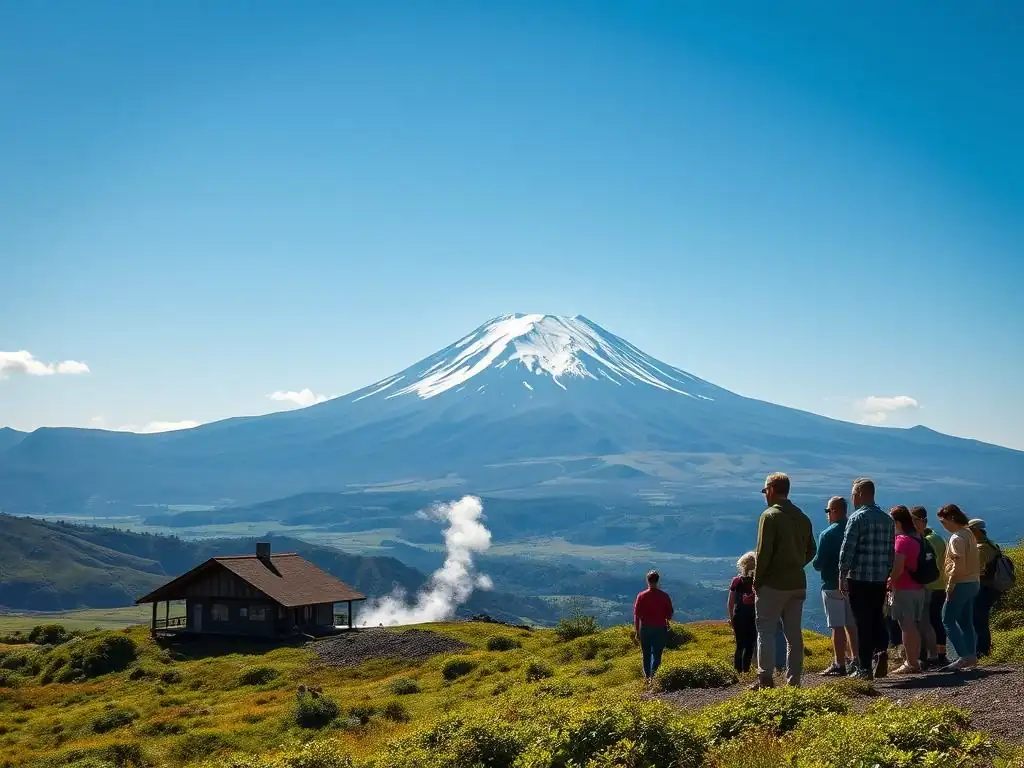
Mount Etna, Europe's largest active volcano, in Sicily, Italy, stands as a compelling example of integrating sustainable tourism practices within a popular volcanic destination. The Parco dell'Etna, established in 1987, plays a crucial role in managing tourism and protecting the volcano's unique environment. The park implements strict regulations to control visitor access to sensitive areas, particularly the summit craters, often requiring guided tours to minimize environmental impact and ensure visitor safety. Trails are clearly marked and maintained to prevent erosion and habitat degradation, and visitors are educated about responsible behavior through signage and information centers.
Furthermore, the region around Mount Etna has seen a growth in agritourism and eco-friendly accommodations. Local farms and businesses emphasize sustainable agriculture and offer visitors authentic experiences rooted in the local culture and landscape. Many accommodations prioritize energy efficiency, waste reduction, and the use of local products.
The focus on local products and services not only reduces the environmental footprint associated with transportation but also supports the local economy and strengthens the connection between tourism and the community. Mount Etna's approach demonstrates how a combination of park management, responsible tour operations, and community engagement can foster a more sustainable model of volcano tourism.
Community-Based Tourism Initiatives at Pacaya Volcano, Guatemala
Pacaya Volcano in Guatemala showcases the power of community-based tourism in promoting both sustainability and local empowerment. The volcano, easily accessible from Antigua, has become a popular hiking destination. However, the tourism management is largely driven by local communities living around the volcano, particularly the village of San Francisco de Sales. Local guides from the community lead tours, providing employment opportunities and ensuring that tourism revenue directly benefits the local population. These guides possess intimate knowledge of the volcano, its trails, and the surrounding environment, enhancing the visitor experience and promoting responsible exploration.
Community-based tourism at Pacaya also emphasizes cultural exchange and environmental stewardship. Visitors are often hosted by local families, providing opportunities to learn about Mayan culture and traditions. The community actively participates in trail maintenance and waste management efforts, demonstrating their commitment to preserving the natural beauty of Pacaya. The success of Pacaya's community-based tourism model highlights how empowering local communities to manage and benefit from tourism can lead to more sustainable and equitable outcomes, fostering a sense of ownership and responsibility for the volcanic landscape.
Conservation Efforts at Volcanoes National Park, Hawaii
Volcanoes National Park in Hawaii, encompassing Kīlauea and Mauna Loa volcanoes, exemplifies large-scale conservation efforts within a major volcano tourism destination. The park prioritizes the protection of its unique volcanic landscapes and biodiversity while providing opportunities for visitors to experience and learn about these natural wonders. Extensive trail networks, visitor centers, and educational programs offer diverse ways for visitors to engage with the park in a responsible manner. Park rangers play a crucial role in guiding visitors, enforcing regulations, and monitoring environmental conditions.
The park implements strict regulations regarding visitor behavior, including staying on marked trails, prohibiting the collection of lava rocks or plants, and respecting wildlife. Significant efforts are invested in controlling invasive species and restoring native ecosystems within the park. Research programs monitor volcanic activity, ecosystem health, and the impacts of tourism, informing adaptive management strategies. Volcanoes National Park's comprehensive approach, integrating conservation, education, and visitor management, demonstrates a long-term commitment to sustainable volcano tourism and the preservation of Hawaii's volcanic heritage for future generations.
The Future of Volcano Tourism: A Sustainable Path Forward
The Role of Technology in Sustainable Volcano Tourism
Technology is poised to play an increasingly important role in shaping a sustainable future for volcano tourism. Digital platforms and mobile applications can enhance visitor education and awareness, providing real-time information about volcanic environments, responsible tourism guidelines, and park regulations. Virtual reality and augmented reality technologies can offer immersive experiences of volcanic landscapes and eruptions, potentially reducing the pressure on physical sites while still allowing people to connect with the wonders of volcanoes. These technologies can also be utilized for pre-trip planning and education, further preparing visitors for responsible volcano exploration.
Remote monitoring technologies, such as drones and sensor networks, can assist in environmental monitoring and management within volcanic areas. Drones can be used for trail monitoring, wildlife surveys, and waste detection, while sensor networks can track environmental conditions, such as air and water quality, providing valuable data for informed decision-making. Furthermore, technology can facilitate more efficient and sustainable transportation solutions, such as electric vehicles and optimized route planning, reducing the carbon footprint of volcano tourism. Embracing technological innovations can significantly enhance the sustainability and management of volcano tourism in the years to come.
Government Regulations and Responsible Tourism Policies
Government regulations and responsible tourism policies are essential frameworks for ensuring the sustainable development of volcano tourism. Governments play a crucial role in establishing protected areas, implementing environmental regulations, and enforcing responsible tourism practices. Zoning regulations can be used to manage tourism development in volcanic regions, directing infrastructure and activities to appropriate areas and protecting sensitive ecosystems. Permitting systems and visitor quotas can help control visitor numbers and prevent overcrowding in vulnerable locations.
Responsible tourism policies should promote collaboration between government agencies, tourism operators, local communities, and conservation organizations. These policies should emphasize sustainable development principles, prioritize environmental protection and community benefits, and promote transparency and accountability in tourism management. Economic incentives, such as tax breaks or subsidies for eco-friendly businesses, can encourage the adoption of sustainable practices within the tourism sector. Strong government leadership and well-designed policies are critical for creating a regulatory environment that supports and incentivizes sustainable volcano tourism.
Empowering Visitors to Make Sustainable Choices
Ultimately, the sustainability of volcano tourism relies on empowering visitors to make sustainable choices throughout their travel journey. Providing visitors with clear information, accessible options, and opportunities to engage in responsible practices is crucial. This includes promoting eco-friendly tour operators and accommodations, providing information on public transportation and sustainable transportation options, and encouraging visitors to reduce their waste and minimize their environmental impact. Highlighting the positive impacts of sustainable choices and showcasing examples of responsible tourism in action can motivate visitors to embrace these practices.
Empowering visitors also involves fostering a sense of connection to the volcanic environment and local communities. Encouraging cultural immersion, supporting local businesses, and providing opportunities for visitors to learn about and contribute to conservation efforts can create a more meaningful and responsible tourism experience. By empowering visitors to become active participants in sustainability, volcano tourism can transition from a potentially impactful industry to a force for positive change, contributing to the protection of volcanic landscapes and the well-being of local communities.
Conclusion: Embracing Sustainable Volcano Tourism for Future Generations
The Long-Term Benefits of Responsible Practices
Embracing sustainable volcano tourism practices is not merely an ethical imperative but also a strategic investment in the long-term viability and benefits of this unique form of travel. Responsible practices ensure the preservation of volcanic ecosystems, safeguarding the very natural assets that attract tourists and supporting the biodiversity they harbor.
By minimizing environmental impacts, sustainable tourism protects the aesthetic beauty and ecological integrity of volcanic landscapes for future generations to appreciate and explore. Furthermore, it fosters positive relationships with local communities, ensuring that tourism contributes to their economic well-being and cultural preservation, creating a more equitable and resilient tourism sector.
Economically, sustainable volcano tourism can enhance the long-term profitability and stability of the industry. By protecting natural resources and cultural heritage, it ensures the continued attractiveness of volcanic destinations to tourists. It can also attract a growing segment of environmentally and socially conscious travelers who are willing to pay a premium for responsible tourism experiences. In the long run, embracing sustainable practices is not just about minimizing negative impacts but about maximizing the positive contributions of volcano tourism to environmental conservation, community development, and the overall well-being of volcanic regions.
A Call to Action for Volcano Explorers
The future of volcano tourism hinges on a collective commitment to sustainability. For volcano explorers – travelers, tour operators, local communities, and governing bodies – the time to act is now. We must move beyond simply appreciating the awe-inspiring power of volcanoes and actively engage in practices that ensure their protection and the well-being of the communities connected to them. This requires a conscious shift towards responsible travel choices, supporting tour operators committed to sustainability, and advocating for policies that prioritize environmental protection and community empowerment.
Let us commit to minimizing our carbon footprint, respecting local cultures, and investing in conservation efforts. Let us educate ourselves and others about the fragility of volcanic ecosystems and the importance of responsible behavior. By embracing sustainable volcano tourism practices, we can ensure that future generations will have the opportunity to witness the majesty of these natural wonders and that volcano tourism becomes a force for positive change, contributing to a healthier planet and more equitable world. The tipping point is upon us; let us choose sustainability before it is truly too late.
Frequently Asked Questions
What are Sustainable Volcano Tourism Practices and why are they important?
Sustainable volcano tourism practices focus on minimizing the environmental impact and maximizing the socio-economic benefits for local communities. They are important to preserve the natural beauty and scientific value of volcanic regions for future generations.
How can VolcanoExplorers.org help promote sustainable volcano tourism?
VolcanoExplorers.org provides educational resources on responsible tourism, highlights eco-friendly tour operators, and offers information on how to support local communities near volcanoes. This promotes informed decision-making by tourists.
What are some examples of unsustainable volcano tourism practices that should be avoided?
Examples include littering, damaging fragile ecosystems (like lava fields), and disrespecting local cultures. Overcrowding and inadequate infrastructure can also contribute to negative impacts.
What role do local communities play in sustainable volcano tourism?
Local communities are key stakeholders and should be actively involved in planning and managing tourism activities. They benefit from economic opportunities and can help ensure tourism is culturally and environmentally responsible.
What are some practical tips for tourists to engage in sustainable volcano tourism?
Choose eco-certified tours, support local businesses, minimize your waste, respect local customs, and learn about the volcano's geology and ecology before your visit. These small actions make a big difference.
Final Reflection: Embracing Volcanic Harmony
The exploration of sustainable volcano tourism practices reveals a critical juncture: balancing human fascination with the raw power of nature and the imperative to protect these fragile ecosystems. The allure of active volcanoes, while undeniably captivating, demands a conscious shift towards responsible engagement before irreversible damage is done. We stand at a precipice, needing to choose preservation over exploitation.
The impact of tourism on volcanic regions extends far beyond the immediate landscape. It touches the lives of local communities, shapes cultural narratives, and influences the very health of our planet. My hope is that this exploration has highlighted the urgent need for a paradigm shift, one where respect for the environment and the well-being of local populations are prioritized. We do not inherit the earth from our ancestors; we borrow it from our children.
This ancient proverb resonates deeply, reminding us of our responsibility to safeguard these volcanic wonders for future generations.
Now, I invite you to consider your own role in this narrative. How can you, as a traveler, a consumer, or a global citizen, contribute to the adoption of sustainable volcano tourism practices? Let us all strive to be mindful stewards, ensuring that the awe-inspiring beauty of these volcanic landscapes remains vibrant and accessible for generations to come. The future of volcano tourism, and indeed, the health of our planet, rests in our collective hands.
Ignite Your Inner Explorer: Take Action for Responsible Volcano Tourism!
Thank you for delving into the fascinating world of volcano tourism and its sustainability challenges. We hope you've gained valuable insights into the crucial choices we face. Now, let's translate that knowledge into action!
Here are a few ways you can make a difference:
- Pledge to travel responsibly: Commit to choosing eco-conscious tour operators and supporting local communities on your next volcanic adventure. This is the most impactful step you can take!
- Dive deeper: Explore our resources on VolcanoExplorers.org to discover lesser-known volcanic destinations that prioritize conservation and minimize their ecological footprint. (This link should NOT be included)
- Share your voice: Start a conversation! Share this article with your friends and family and discuss the importance of sustainable practices in volcano tourism.
What small change will YOU make to help protect these magnificent landscapes for future generations of explorers?