
Tripods on Fire: Stability Secrets for Sharp Lava Flow Photos

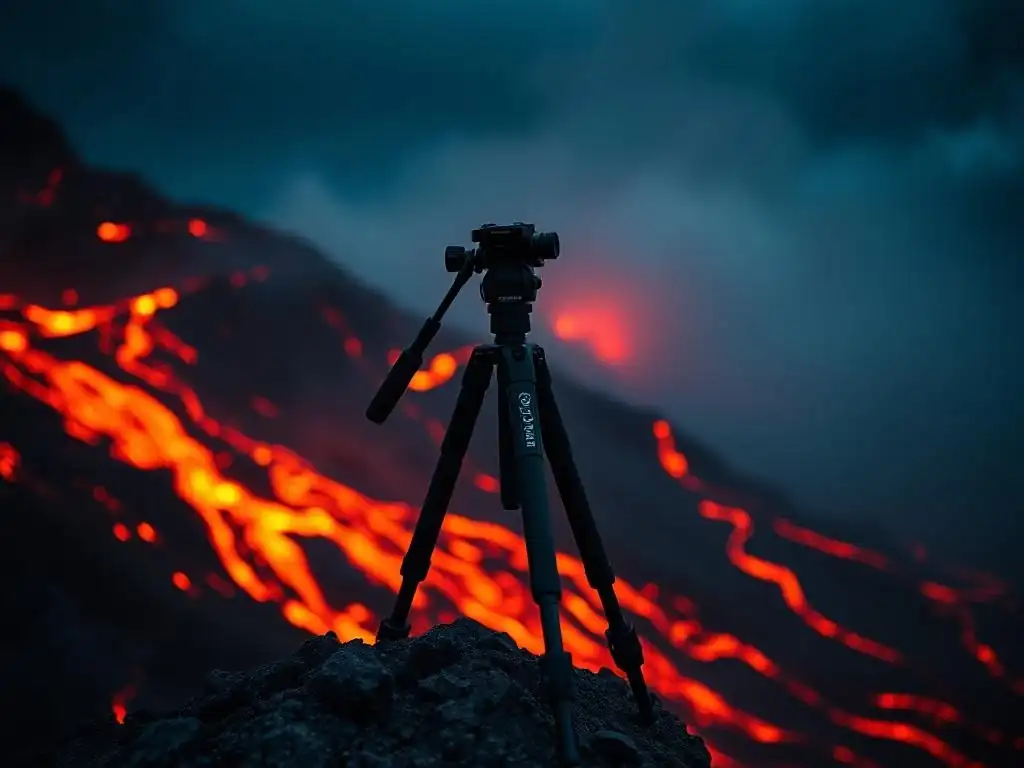
Welcome to Volcano Explorers, where we chase the Earth's fiery heart! Ever wonder how photographers capture those breathtaking, razor-sharp images of molten lava flowing like rivers of fire? The secret, as you might guess, lies in unwavering stability. Dive in to discover our guide to the best tripods for lava photography, and unlock the secrets to capturing your own stunning volcanic masterpieces. But be warned, once you've seen the world through a lens trained on a volcano, you'll never look back... are you ready to ignite your passion?
- Introduction: Capturing the Inferno - Why Stability Matters in Lava Photography
- Understanding Tripod Stability for Extreme Environments
- Best Tripods for Lava Photography: A Comparative Guide
- Key Features to Look for in a Lava Photography Tripod
- Tripod Accessories for Enhanced Lava Photography
- Essential Techniques for Using Your Tripod Near Lava Flows
- Maintaining Your Tripod After a Volcano Shoot
- Conclusion: Mastering Stability for Stunning Lava Flow Images
-
Frequently Asked Questions
- What features should I prioritize when choosing a tripod for lava photography?
- Why is a stable tripod so important for lava photography?
- Are there specific tripod leg locking mechanisms that are better suited for volcanic environments?
- How can I protect my tripod from the extreme heat emitted by lava?
- What are some alternative stabilization methods if I can't use a tripod for lava photography?
- Final Reflection: Embracing Stability Amidst the Inferno
- Ignite Your Photography: Capture the Power of the Flow!
Introduction: Capturing the Inferno - Why Stability Matters in Lava Photography
The Unique Challenges of Photographing Active Lava Flows
Photographing active lava flows presents a unique and exhilarating challenge for photographers. Unlike static landscapes, lava flows are dynamic, constantly changing, and often unpredictable. The intense heat radiating from molten rock creates shimmering air distortion, which can severely impact image sharpness. Furthermore, volcanic environments are frequently exposed to strong winds, especially at higher elevations where many volcanoes are located.
Ashfall, although less frequent, can also be a factor, coating gear and potentially affecting tripod stability. These elements combined demand robust and stable equipment to capture crisp, detailed images of the earth's fiery breath. The photographer is not just battling for the perfect composition but also against the very elements that define these dramatic scenes.
The terrain surrounding lava flows is typically uneven and unstable. Volcanic landscapes are characterized by hardened lava rocks, loose ash, and often steep slopes. Setting up a tripod on such surfaces requires careful consideration to ensure it remains firmly planted.
Additionally, the proximity to extreme heat can affect both the photographer and their equipment. Long exposures, often necessary to capture the motion of lava, become even more critical under these conditions, making any camera shake from an unstable tripod disastrous. Therefore, maintaining absolute stability is not just a preference but a necessity for capturing sharp, high-quality images of active lava flows in these demanding environments.
Why a Good Tripod is Essential for Volcano Photography
In the realm of volcano photography, particularly when focusing on lava flows, a good tripod transcends its role as a mere accessory; it becomes an indispensable tool. The extreme conditions inherent in photographing active volcanoes – intense heat, strong winds, and uneven terrain – amplify the need for unwavering stability.
Attempting to handhold a camera in such environments, especially for the long exposures often required to capture the fluid motion of lava, will almost certainly result in blurry, unusable images. A sturdy tripod provides the bedrock of stability needed to overcome these challenges, allowing photographers to capture the dynamic details of lava flows with exceptional clarity.
Beyond just sharpness, a reliable tripod facilitates precise composition and framing. Volcanic landscapes are vast and dramatic, requiring careful attention to detail to create impactful images. A tripod allows photographers to meticulously compose their shots, ensuring horizons are level, and key elements within the frame are perfectly positioned.
Moreover, the ability to lock the camera firmly in place allows for techniques like focus stacking, where multiple images with different focus points are combined to achieve maximum sharpness throughout the frame. This level of precision is simply unattainable without a stable and dependable tripod, making it an absolutely essential investment for any serious volcano photographer aiming to capture the awe-inspiring power and beauty of lava flows.
Understanding Tripod Stability for Extreme Environments
The Impact of Heat on Tripod Materials: Carbon Fiber vs. Aluminum
When venturing into the fiery domain of active volcanoes, the intense heat radiating from lava flows poses a significant challenge not only to photographers but also to their equipment, particularly tripods. The choice of tripod material, specifically carbon fiber versus aluminum, becomes crucial in these extreme environments. Aluminum, a common tripod material, is known for its durability and cost-effectiveness.
However, aluminum is also a highly conductive metal, meaning it readily absorbs and transfers heat. In close proximity to lava, an aluminum tripod can quickly become uncomfortably hot to handle, potentially affecting its stability and even posing a burn risk to the photographer. Furthermore, prolonged exposure to high temperatures can, in extreme cases, slightly weaken aluminum over time, although this is less of a concern in typical photography scenarios but worth considering in exceptionally harsh, repeated volcanic shoots.
Carbon fiber, on the other hand, exhibits significantly lower thermal conductivity compared to aluminum. This means it heats up much slower and retains less heat, making it a more comfortable and safer option to handle near lava flows. While carbon fiber tripods generally come with a higher price tag, their heat resistance is a considerable advantage in volcano photography.
Beyond thermal properties, carbon fiber also boasts a superior strength-to-weight ratio. For instance, a high-quality carbon fiber tripod like the Gitzo GT3543XLS weighs approximately 4.6 pounds (2.1 kg) and can support a load of over 55 pounds (25 kg). An aluminum tripod with comparable load capacity, like the Manfrotto 055XPROB, weighs around 5.9 pounds (2.7 kg).
This weight difference, while seemingly small, becomes noticeable when hiking across volcanic terrain to reach prime vantage points. Therefore, while both materials have their merits, carbon fiber's superior heat resistance and lighter weight make it a compelling choice for photographers specifically targeting lava flow photography.
Wind Resistance: Keeping Your Camera Steady in Volcanic Terrain
Volcanic environments are frequently characterized by strong winds, especially at higher altitudes where many volcanoes reside. These winds can be relentless and gusty, posing a significant challenge to tripod stability and potentially causing camera shake, particularly during long exposures required for capturing the flowing motion of lava. Wind resistance in a tripod is not solely determined by its weight; design and features play equally crucial roles.
A tripod with a lower center of gravity and a wider leg stance will inherently be more stable in windy conditions. Many professional tripods, like those from Really Right Stuff, offer features such as a removable center column or the option to replace it with a short column, allowing the camera to be positioned closer to the ground, significantly reducing wind vulnerability.
Furthermore, the leg locking mechanisms and overall build quality of a tripod contribute to its wind resistance. Robust leg locks ensure that the tripod legs remain firmly extended and do not flex or vibrate in strong winds. High-quality tripods often feature twist locks or lever locks that provide a secure and rigid connection. Additionally, some tripods are designed with features specifically to combat wind.
For example, certain models include hooks at the bottom of the center column or on the tripod legs themselves, allowing photographers to hang weights like sandbags or camera bags to further increase stability in windy conditions. In extreme cases, particularly when shooting near coastal volcanoes or during storms, even the most robust tripod might require additional stabilization. Employing techniques like shielding the tripod with your body or using dedicated wind shields can be essential to obtaining sharp images in persistently windy volcanic landscapes.
Ground Stability: Adapting to Uneven and Shifting Surfaces
Volcanic terrain is notoriously uneven and often unstable, presenting a unique set of challenges for tripod setup. Hardened lava flows, loose volcanic ash, and steep slopes are common features that demand adaptability and careful consideration when positioning a tripod for lava photography. Successfully navigating these surfaces requires a tripod with independently adjustable legs.
This feature allows each leg to be extended to a different length, compensating for uneven ground and ensuring the camera remains level. Many professional tripods offer a wide range of leg angles, further enhancing their versatility on challenging terrain. Being able to splay the legs out at wider angles allows for a lower center of gravity and greater stability, especially on slopes or loose surfaces.
Beyond leg adjustability, the feet of the tripod play a crucial role in ground stability. Most tripods come with rubber feet, which provide good grip on hard, relatively flat surfaces. However, for loose or uneven terrain like volcanic ash or rocky outcrops, interchangeable feet are highly beneficial.
Many manufacturers offer optional spiked feet, which can dig into soft ground or provide a more secure hold on loose rocks. For extremely slippery or unstable surfaces, consider using tripod feet designed for ice or snow, which offer exceptional grip in challenging conditions.
When setting up on uneven ground, it's crucial to ensure each tripod leg is firmly planted and that the tripod itself is stable before mounting your camera. Taking a few extra moments to carefully position and secure your tripod on the often unpredictable surfaces of volcanic landscapes can be the difference between capturing a tack-sharp lava flow image and missing the shot entirely due to camera shake.
Best Tripods for Lava Photography: A Comparative Guide
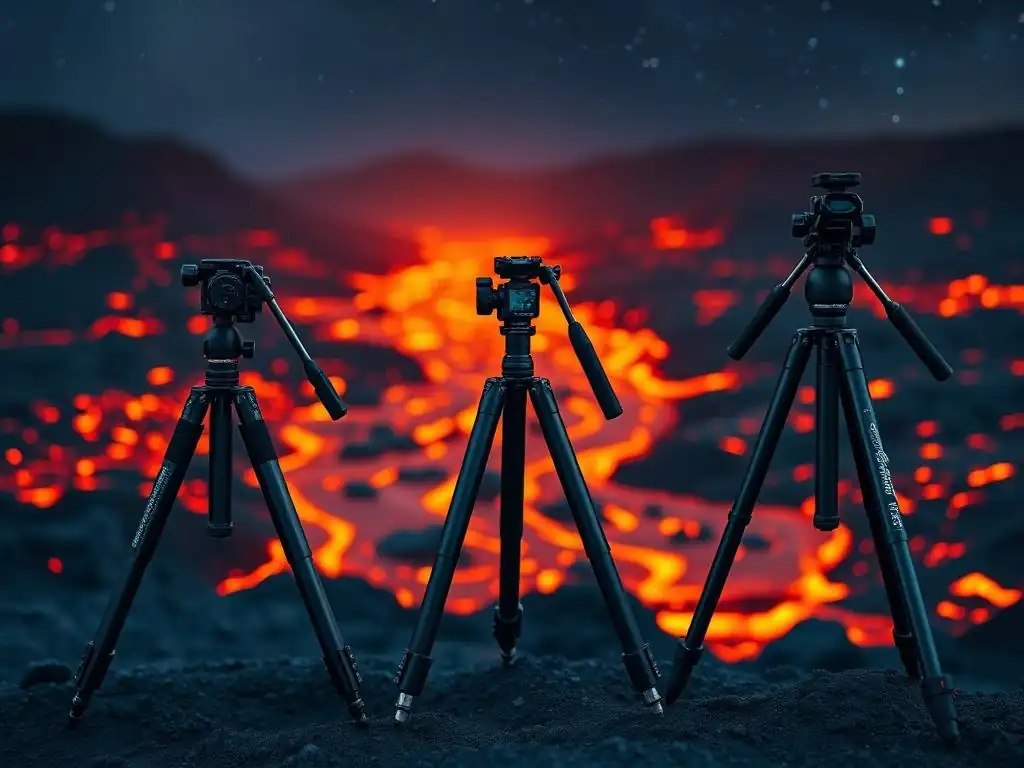
Carbon Fiber Tripods: Lightweight and Heat Resistant Options
Carbon fiber tripods, renowned for their exceptional strength-to-weight ratio and superior heat resistance, are often the preferred choice for professional volcano photographers venturing into the extreme conditions surrounding lava flows. While they typically come with a higher price tag compared to aluminum counterparts, the benefits they offer in terms of portability, stability, and heat management make them a worthwhile investment for serious lava photography pursuits. Their lightweight nature is particularly advantageous when hiking to remote volcanic locations, and their ability to withstand heat better than aluminum provides a crucial edge in close proximity to molten rock.
Within the carbon fiber category, several models stand out for their suitability to lava photography. Brands like Gitzo and Really Right Stuff are highly regarded for producing top-tier, robust tripods designed to withstand demanding conditions. These tripods often incorporate advanced features such as modular designs, allowing for customization and adaptation to specific shooting scenarios, and exceptionally sturdy leg locking mechanisms for maximum stability. While the initial investment might be significant, a high-quality carbon fiber tripod is a long-term investment that will provide reliable performance and unwavering stability for years of capturing the fiery spectacle of volcanic eruptions.
Gitzo GT3543XLS Review: Features and Performance
The Gitzo GT3543XLS Systematic Series 3 Carbon Fiber Tripod is a top-tier choice for demanding photographers, and its features align exceptionally well with the challenges of lava photography. This tripod is constructed from Gitzo's Carbon eXact tubes, making it remarkably lightweight at just 4.6 pounds (2.1 kg) while boasting an impressive load capacity of 55 pounds (25 kg).
This combination of lightweight portability and robust stability is crucial when trekking to volcanic viewpoints and handling professional camera gear in challenging environments. The "XLS" designation indicates "eXtra Long Systematic," meaning this tripod extends to a maximum height of 78.7 inches (200 cm), offering exceptional versatility for shooting from various perspectives, including high vantage points overlooking lava flows.
The Systematic series is known for its modular design, allowing the center column to be removed and replaced with different accessories, such as a flat base for maximum stability or a geared center column for precise adjustments. For lava photography, the flat base configuration is particularly beneficial, lowering the center of gravity and enhancing stability in windy conditions. The GT3543XLS utilizes Gitzo's G-lock Ultra twist locks, renowned for their secure and reliable performance, even in dusty or ash-filled environments.
Furthermore, the carbon fiber construction provides excellent vibration dampening and heat resistance, crucial factors when shooting near active lava flows. While the Gitzo GT3543XLS represents a significant investment, its professional-grade build quality, exceptional stability, and heat-resistant properties make it a prime candidate for photographers serious about capturing stunning lava flow images.
Really Right Stuff TVC-34 Review: Pros and Cons for Volcano Photography
The Really Right Stuff (RRS) TVC-34 Versa Series 4 Tripod is another premium carbon fiber option that is highly regarded in professional photography circles and presents compelling features for lava photography. RRS tripods are known for their exceptional build quality, precision engineering, and unwavering stability, making them a favorite among photographers who demand the absolute best performance from their gear.
The TVC-34, constructed from high-grade carbon fiber, offers a remarkable balance of strength and lightweight portability, weighing approximately 4.7 pounds (2.13 kg) and supporting a substantial load capacity, making it suitable for professional camera bodies and telephoto lenses often used in volcano photography.
Pros for Lava Photography:
- Unmatched Stability: RRS tripods are renowned for their rock-solid stability, crucial for capturing sharp images in windy volcanic environments and for long exposures near lava flows.
- Modular Versatility: The Versa series allows for interchangeable center columns and top plates, enabling customization for specific shooting needs. A short center column option further enhances stability by lowering the center of gravity.
- Robust Construction: Built to withstand demanding conditions, RRS tripods are exceptionally durable and reliable, capable of handling the rigors of volcanic landscapes and frequent travel.
- Heat Resistance: Carbon fiber construction offers better heat resistance compared to aluminum, making it more comfortable and safer to handle near lava.
Cons for Lava Photography:
- High Price: RRS tripods are among the most expensive on the market, representing a significant investment.
- Weight (Slightly Heavier): While still lightweight for a carbon fiber tripod, the TVC-34 is marginally heavier than some competitors like the Gitzo GT3543XLS.
- Less Maximum Height: The TVC-34 has a maximum height of around 63 inches (160 cm) without the center column extended, which might be limiting for photographers needing very high vantage points.
Ultimately, the Really Right Stuff TVC-34 is an exceptional tripod offering unparalleled stability and durability. While the high price point is a significant consideration, its performance and robustness make it a worthwhile investment for professional lava photographers who prioritize absolute image sharpness and equipment reliability in extreme volcanic environments.
Aluminum Tripods: Durable and Budget-Friendly Choices
Aluminum tripods, while generally heavier and more susceptible to heat compared to carbon fiber, offer a robust and often more budget-friendly alternative for lava photography. They are known for their durability and ability to withstand physical impacts, making them a reliable choice for photographers who prioritize ruggedness and value.
While aluminum conducts heat more readily, careful handling and the use of tripod leg wraps can mitigate this issue to some extent. For photographers who are starting out in volcano photography or who need a dependable and sturdy tripod without the premium price tag of carbon fiber, aluminum tripods present a viable and practical option.
Several aluminum tripod models are well-suited for the demands of lava photography. Brands like Manfrotto and Benro offer a range of aluminum tripods that are known for their robust construction, reliable performance, and relatively affordable price points.
These tripods often feature sturdy leg locks, adjustable leg angles, and decent load capacities, making them capable of supporting a variety of camera setups used in volcano photography. While they may not offer the absolute lightest weight or the ultimate heat resistance of carbon fiber, quality aluminum tripods can still provide the stability and reliability needed to capture stunning lava flow images, particularly for photographers who are mindful of their budget or prioritize rugged durability.
Manfrotto 055XPROB Review: Robustness and Value
The Manfrotto 055XPROB Aluminum Tripod is a classic and highly popular choice among photographers, known for its robustness, versatility, and excellent value for money. While it is an aluminum tripod and therefore heavier and more heat-conductive than carbon fiber options, its solid construction and features make it a capable and reliable tool for lava photography, especially for photographers seeking a balance between performance and affordability. Weighing in at approximately 5.9 pounds (2.7 kg), it is heavier than comparable carbon fiber models, but this weight contributes to its stability, particularly in windy conditions.
The 055XPROB features a unique horizontal center column mechanism, which allows the center column to be extended horizontally, providing exceptional versatility for low-angle shooting or positioning the camera precisely over subjects. This feature can be particularly useful in volcanic landscapes for capturing unique perspectives of lava flows or for navigating uneven terrain.
The tripod boasts quick power leg locks that are robust and easy to operate, even with gloves on, which can be a practical consideration in cold or ash-filled volcanic environments. Its aluminum construction provides good durability and resistance to physical impacts, making it a reliable workhorse for demanding photography situations.
While it will heat up more readily than carbon fiber near lava flows, careful handling and potentially using leg wraps can mitigate this issue. Overall, the Manfrotto 055XPROB offers a compelling combination of robustness, versatility, and affordability, making it a solid choice for lava photographers who prioritize value and reliable performance in challenging conditions.
Benro TMA38AL Review: A Workhorse for Lava Landscapes
The Benro TMA38AL Mach3 Aluminum Tripod is positioned as a robust and reliable workhorse, well-suited for photographers who need a sturdy and dependable tripod to handle demanding conditions, including the challenges of lava photography. While constructed from aluminum, it is designed with features that enhance its stability and usability in outdoor environments.
The TMA38AL, part of Benro's Mach3 series, is built with sturdy aluminum alloy legs and robust magnesium castings, providing a solid foundation for camera equipment. It weighs approximately 5.2 pounds (2.36 kg), making it slightly lighter than the Manfrotto 055XPROB while still offering a good level of stability.
The tripod features twist-lock leg locks that are designed for quick and easy operation, even in dusty or challenging environments. It also offers independent leg spread, allowing for versatile positioning on uneven terrain, a crucial feature when setting up near lava flows. The TMA38AL includes interchangeable feet, with both rubber feet and spiked feet included, providing adaptability for various surfaces encountered in volcanic landscapes, from hard rock to loose ash.
While aluminum's heat conductivity remains a consideration, the Benro TMA38AL is designed for durability and stability, making it a dependable option for lava photographers who prioritize a robust and reliable tripod without the premium price of carbon fiber. Its solid construction and versatile features make it a capable tool for capturing the dynamic beauty of lava flows in diverse volcanic settings.
Specialized Tripods: Geared Heads and Low-Profile Designs
Beyond standard carbon fiber and aluminum tripods, specialized tripod types can offer distinct advantages for specific lava photography scenarios. Geared tripod heads and low-profile tripods cater to particular needs, providing enhanced precision and stability in certain situations encountered when photographing volcanic landscapes and lava flows. These specialized options address specific challenges, offering photographers tools to optimize their workflow and capture unique perspectives in demanding environments.
Geared heads excel in situations requiring meticulous composition and precise adjustments, while low-profile tripods are designed for maximum stability, particularly in windy conditions or when shooting from very low angles. While they may not be universally necessary for all lava photography, understanding the benefits of these specialized tripods can expand a photographer's toolkit and enable them to overcome specific challenges and achieve more creative and technically refined lava flow images.
Geared Tripods: Precision Adjustments for Perfect Composition
Geared tripod heads, unlike ball heads or pan-and-tilt heads, offer exceptionally precise and independent control over each axis of movement – pan, tilt, and roll. This level of control is invaluable in lava photography scenarios where meticulous composition and fine-tuning are crucial, such as when aligning horizons perfectly, precisely framing lava flows within a specific landscape, or ensuring perfect parallax-free panoramas of volcanic vistas.
Geared heads utilize geared mechanisms that allow for minute adjustments with geared knobs, eliminating the subtle shifts that can sometimes occur when locking down a ball head. This precision is particularly beneficial when working at high magnifications or with telephoto lenses, where even slight adjustments can significantly impact composition.
While geared heads are typically heavier and slower to adjust than ball heads for large movements, their unparalleled precision and ability to make incremental adjustments make them ideal for situations where compositional accuracy is paramount. For example, when photographing lava flows in a specific geological context, a geared head allows for meticulous alignment of the lava flow with surrounding rock formations or volcanic features.
Brands like Manfrotto and Arca-Swiss offer geared heads that are highly regarded for their precision and build quality. While not always necessary for every lava photography shot, a geared head can be an invaluable tool for photographers seeking the utmost compositional control and precision, particularly when capturing complex or meticulously planned lava flow images.
Low-Profile Tripods: Maximizing Stability in Windy Conditions
Low-profile tripods, also known as ground-level tripods, are specifically designed to position the camera extremely close to the ground, maximizing stability, particularly in windy conditions. By minimizing the distance between the camera and the ground, these tripods significantly reduce the leverage that wind can exert, resulting in a much more stable platform compared to standard height tripods, especially when the center column is extended. In volcanic environments, where strong winds are common, and shooting from low angles can often provide dramatic perspectives of lava flows, low-profile tripods can be invaluable.
These tripods typically feature very short or no center columns and legs that splay out at extremely wide angles, allowing them to be positioned just inches from the ground. Some low-profile tripods are even designed with legs that can be reversed and folded upwards around the head, further minimizing their profile for ground-level shooting. While they sacrifice height versatility, their primary focus is on unwavering stability.
Brands like Really Right Stuff and Gitzo offer low-profile tripod options or components that can convert their modular tripods into low-profile configurations. For photographers frequently shooting lava flows in windy locations or seeking unique perspectives from very low angles, a low-profile tripod can be a specialized but highly effective tool for achieving maximum stability and capturing sharp, wind-resistant images.
Key Features to Look for in a Lava Photography Tripod
Load Capacity: Ensuring Your Gear is Secure
Load capacity is a critical specification to consider when selecting a tripod for lava photography. It refers to the maximum weight the tripod is designed to safely and stably support. Exceeding the tripod's load capacity can lead to instability, potential damage to the tripod, and, most importantly, risk of damaging expensive camera equipment.
When photographing lava flows, photographers often use professional-grade DSLR or mirrorless cameras, along with lenses that can range from wide-angle to telephoto, and potentially accessories like filters or remote shutter releases. The combined weight of this gear needs to be well within the tripod's stated load capacity.
It's generally advisable to choose a tripod with a load capacity that significantly exceeds the actual weight of your camera and lens setup – ideally by at least 25% to 50%. This provides a safety margin and ensures the tripod operates comfortably within its limits, even when subjected to slight vibrations or uneven weight distribution.
For instance, if your camera and lens weigh approximately 8 pounds (3.6 kg), a tripod with a load capacity of 10-12 pounds (4.5-5.4 kg) or more would be a suitable choice. Always check the manufacturer's specifications for load capacity and factor in the weight of all gear you intend to mount on the tripod, including any accessories, to ensure your equipment is securely supported and you can photograph lava flows with confidence.
Height and Extension: Flexibility for Different Shooting Angles
The height and extension capabilities of a tripod are important considerations for lava photography, as they determine the range of shooting angles and perspectives you can achieve. Volcanic landscapes are diverse, and photographers often need to shoot from various heights, from ground level to elevated vantage points to capture the full drama of lava flows.
Maximum height refers to the tripod's tallest extension when fully deployed, including the center column (if present). Minimum height, conversely, indicates how low the tripod can be positioned, often achieved by splaying the legs at wider angles or utilizing a short center column or no center column at all.
A versatile tripod for lava photography should offer a good range of height adjustment. A maximum height of around 60-70 inches (150-180 cm) is generally sufficient for most photographers, allowing for comfortable eye-level shooting for individuals of average height. However, taller photographers or those who frequently shoot from elevated viewpoints might prefer tripods with greater maximum extension, like the Gitzo GT3543XLS with its 78.7-inch (200 cm) maximum height.
Conversely, the ability to achieve very low shooting angles is also crucial for creative lava photography. Tripods that can get close to ground level, either through wide leg splay, short center columns, or low-profile designs, provide greater compositional flexibility and enhanced stability in windy conditions. Consider your typical shooting style and the types of perspectives you want to capture when evaluating the height and extension range of a tripod for lava photography.
Leg Locking Mechanisms: Quick and Reliable Adjustments
Leg locking mechanisms are a fundamental aspect of tripod functionality, directly impacting the speed and ease of setup, as well as the overall stability and reliability of the tripod. For lava photography, where conditions can be dynamic and time-sensitive, quick and dependable leg locks are essential. Two primary types of leg locks are commonly found on tripods: twist locks and lever locks. Twist locks operate by rotating a collar on each leg section to loosen or tighten the lock. Lever locks, also known as flip locks, utilize levers that clamp down to secure the leg sections.
Both types have their advantages and disadvantages. Twist locks are generally more compact and can be quicker to operate for extending and retracting all leg sections simultaneously with a single twist motion. They are also often considered more dust and moisture resistant, which can be beneficial in volcanic environments.
However, twist locks can sometimes be more difficult to operate with gloves on, and it can be harder to visually confirm if they are fully locked. Lever locks, on the other hand, are generally easier to operate with gloves and provide clear visual confirmation when locked. They can be slightly faster for extending individual leg sections but might be bulkier than twist locks.
For lava photography, where speed and reliability are crucial, both high-quality twist locks and lever locks can be effective. The key is to choose a tripod with well-designed and robust leg locks that operate smoothly, lock securely, and are easy to use even in challenging conditions, ensuring quick and reliable adjustments when capturing fleeting moments of lava flow activity.
Tripod Accessories for Enhanced Lava Photography
Remote Shutter Releases: Minimizing Camera Shake
Remote shutter releases are indispensable accessories for lava photography, playing a crucial role in minimizing camera shake and maximizing image sharpness, especially during long exposures often required to capture the flowing motion of lava. Even with a sturdy tripod, the act of physically pressing the shutter button on the camera can introduce subtle vibrations that can blur images, particularly at slower shutter speeds. A remote shutter release eliminates this direct contact, allowing for completely hands-free shutter activation and ensuring the camera remains perfectly still during the exposure.
Remote releases come in various forms, from simple wired releases to more advanced wireless options. Wired releases are generally reliable and don't require batteries, connecting directly to the camera via a cable. Wireless releases offer greater freedom of movement and can be particularly useful when shooting from a distance or at awkward angles.
Some wireless releases also offer additional features like intervalometers for time-lapse photography, which can be used to capture the gradual changes in lava flows over time. Regardless of the type, a remote shutter release is a fundamental accessory for any serious lava photographer, enabling sharper images and maximizing the potential of their tripod setup by eliminating camera shake introduced by manual shutter operation.
Sandbags and Weights: Adding Extra Stability
Sandbags and weights are valuable accessories for enhancing tripod stability, particularly in windy conditions or on uneven terrain often encountered in volcanic environments. By adding extra weight to the tripod, you effectively lower its center of gravity and increase its resistance to tipping or movement caused by wind gusts or ground vibrations. Sandbags are commonly used and are readily available and relatively inexpensive. They can be filled with sand, rocks, or even water for weight, and their flexible nature allows them to conform to the tripod legs or center column for secure attachment.
Many professional tripods, like those from Gitzo and Really Right Stuff, include hooks or loops specifically designed for attaching sandbags or weights. If your tripod doesn't have dedicated attachment points, you can drape sandbags over the center column or tripod legs, ensuring they are securely positioned and don't interfere with leg adjustments or camera movement. Camera bags, backpacks, or even readily available rocks can also be used as improvised weights in a pinch.
Adding weight is particularly beneficial when shooting long exposures near lava flows, where even minor vibrations can be detrimental to image sharpness. In windy volcanic landscapes, sandbags or weights can be the difference between capturing a tack-sharp image and struggling with camera shake, providing an extra layer of stability and confidence in challenging conditions.
Heat Shields: Protecting Your Tripod from Extreme Temperatures
Heat shields are specialized accessories designed to protect tripods from the intense radiant heat emanating from lava flows. While carbon fiber tripods offer better heat resistance than aluminum, prolonged exposure to extreme temperatures can still potentially affect any tripod material over time and can certainly make aluminum tripods uncomfortable to handle. Heat shields act as a barrier, deflecting radiant heat and preventing it from directly reaching the tripod legs and head, thus mitigating heat-related issues.
Heat shields typically consist of reflective, heat-resistant materials like aluminized fabric or specialized heat-resistant textiles. They are designed to wrap around the tripod legs, providing a protective layer between the tripod and the source of heat. Some heat shields are specifically designed for certain tripod models, while others are more universal in design.
While heat shields are not always essential for every lava photography situation, they become particularly valuable when shooting in very close proximity to active lava flows or for extended periods in high-heat environments. They can help to prolong the lifespan of your tripod, protect your hands from excessive heat when handling aluminum tripods, and provide peace of mind that your equipment is better protected from the extreme temperatures inherent in lava photography.
Essential Techniques for Using Your Tripod Near Lava Flows
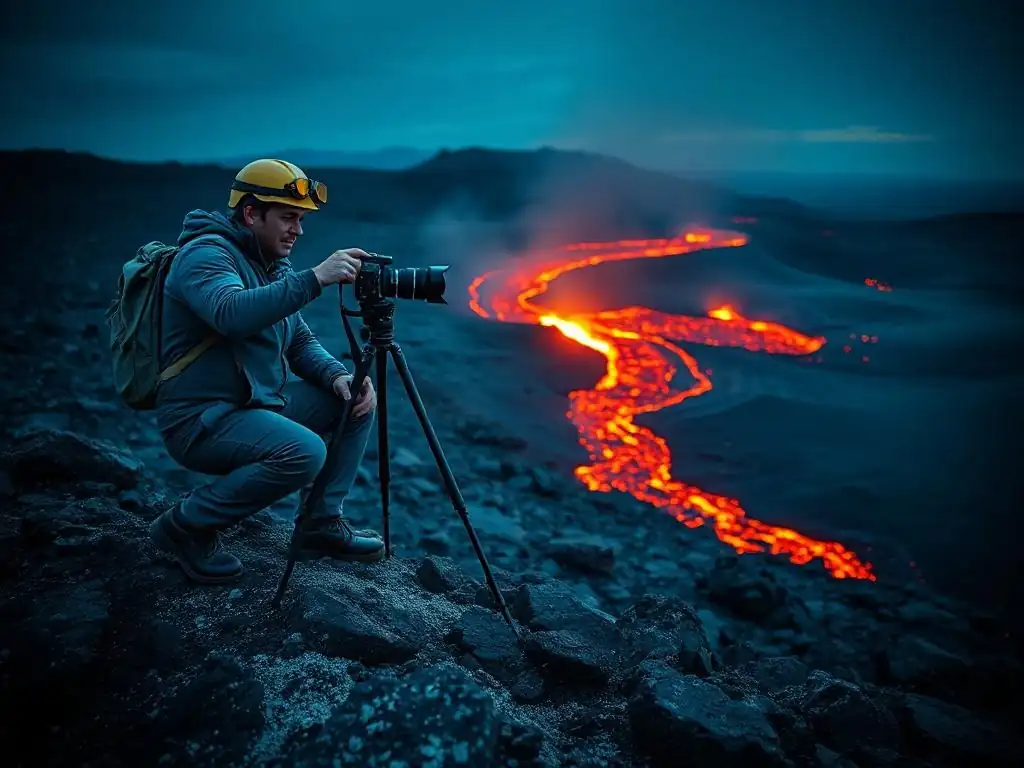
Setting Up for Maximum Stability: A Step-by-Step Guide
Setting up your tripod for maximum stability near lava flows is crucial for capturing sharp images in challenging conditions. Here's a step-by-step guide:
- Choose a Stable Location: Carefully assess the terrain. Look for the most level and solid ground possible. Avoid loose ash, unstable rocks, or steep slopes if possible. If necessary, clear away loose debris or find a more stable area nearby.
- Extend the Thickest Leg Sections First: When extending the tripod legs, always extend the thickest leg sections first. These sections are more rigid and contribute most to overall stability. Only extend thinner sections if necessary to achieve the desired height.
- Use a Low Center of Gravity: Keep the tripod as low as possible to the ground. Avoid extending the center column unless absolutely necessary for composition. A lower center of gravity significantly enhances stability, especially in windy conditions. Consider using a short or no center column if your tripod allows.
- Widen the Leg Stance: Splay the tripod legs out to a wider angle if the terrain allows. A wider leg stance increases the tripod's footprint and makes it more stable, particularly on uneven surfaces or slopes.
- Secure the Leg Locks Firmly: Ensure all leg locks are securely engaged, whether they are twist locks or lever locks. Double-check that each leg is firmly locked in position before mounting your camera.
- Use Spiked Feet (If Appropriate): If shooting on loose soil, volcanic ash, or slightly soft ground, consider using spiked tripod feet to dig into the surface and provide a more secure grip. Rubber feet are generally suitable for hard, flat surfaces.
- Add Weight for Extra Stability: In windy conditions or on unstable ground, add weight to the tripod by hanging sandbags, your camera bag, or other weights from the center column hook or tripod legs.
- Check Stability Before Mounting Camera: Before attaching your camera, gently test the tripod's stability by pushing lightly on the legs and head. Ensure it feels solid and doesn't wobble or flex excessively.
- Use a Remote Shutter Release: Always use a remote shutter release to minimize camera shake when triggering the shutter, especially for long exposures near lava flows.
By following these steps, you can maximize the stability of your tripod setup, even in the challenging and dynamic environment of active lava flows, significantly increasing your chances of capturing sharp and detailed images.
Protecting Your Tripod from Heat and Ash
Protecting your tripod from heat and ash is crucial for its longevity and reliable performance when shooting near lava flows. Radiant heat from lava can damage tripod components over time, and volcanic ash is abrasive and can penetrate moving parts, affecting their smooth operation.
Heat Protection:
- Use Carbon Fiber Tripods: Carbon fiber offers better heat resistance than aluminum, making it a preferred choice for lava photography.
- Employ Heat Shields: Utilize dedicated heat shields to wrap around tripod legs and deflect radiant heat, especially when shooting in close proximity to lava.
- Maintain Distance: Whenever possible, maintain a safe distance from the most intense heat sources. Use telephoto lenses to capture lava details from a slightly more remote location.
- Limit Exposure Time: Avoid prolonged exposure of your tripod to direct radiant heat. Set up quickly, capture your shots, and then move to a slightly cooler location if possible.
Ash Protection:
- Minimize Exposure: Try to minimize the tripod's exposure to ashfall as much as possible. If ash is falling, consider shooting from a sheltered location or postponing your shoot if feasible.
- Use Leg Wraps or Sleeves: Consider using neoprene or fabric leg wraps or sleeves to protect the tripod legs from ash and dust.
- Protect Leg Locks: Be mindful of keeping leg locks as clean as possible. Avoid setting the tripod down in loose ash if you can.
- Regular Cleaning: After each lava photography shoot, thoroughly clean your tripod to remove any accumulated ash and debris. Pay particular attention to leg locks and moving parts.
By taking these protective measures, you can mitigate the damaging effects of heat and ash on your tripod, ensuring its continued performance and extending its lifespan, even with repeated use in volcanic environments.
Composing Your Shot: Utilizing the Tripod for Creative Lava Photography
While stability is paramount, a tripod also empowers creative composition in lava photography. It allows for meticulous framing and opens up techniques that enhance the visual impact of your lava flow images.
- Precise Framing: A tripod allows you to fine-tune your composition with precision. You can carefully align elements within the volcanic landscape, ensuring horizons are level and lava flows are positioned exactly as desired within the frame.
- Long Exposures for Motion Blur: Use the tripod to enable long exposures, blurring the motion of flowing lava while keeping the surrounding landscape sharp. This technique creates a dynamic contrast and emphasizes the fluidity of the molten rock. Experiment with shutter speeds from fractions of a second to several seconds depending on the lava flow speed and desired effect.
- Time-Lapse Photography: A stable tripod is essential for time-lapse sequences, capturing the gradual changes in lava flows over extended periods. Use an intervalometer (often built into remote shutter releases) to automatically trigger shots at set intervals, documenting the evolving nature of volcanic activity.
- Panorama Stitching: Create wide panoramic views of volcanic landscapes and lava flows by capturing overlapping images from a fixed tripod position and stitching them together in post-processing. A tripod ensures consistent perspective and minimizes parallax errors.
- Focus Stacking: In scenarios where you want maximum depth of field, especially in foreground-rich lava landscapes, use a tripod to capture a series of images with different focus points and combine them using focus stacking techniques in software to achieve edge-to-edge sharpness.
By utilizing your tripod not just for stability but also as a tool for creative composition, you can elevate your lava photography beyond simple documentation and capture truly compelling and visually stunning images that showcase the power and beauty of volcanic eruptions.
Maintaining Your Tripod After a Volcano Shoot
Cleaning and Inspection: Removing Ash and Debris
Proper cleaning and inspection after each volcano photography shoot are crucial for maintaining your tripod's performance and longevity, particularly after exposure to volcanic ash and potentially heat. Volcanic ash is abrasive and can work its way into tripod leg locks and moving parts, causing friction, stiffness, and eventually damage.
Cleaning Steps:
- Initial Dust Removal: Before retracting the tripod legs, use a soft brush or air blower to remove as much loose ash and dust as possible from all tripod surfaces, including legs, head, and leg locks.
- Wipe Down with Damp Cloth: Use a slightly damp (not wet) microfiber cloth to wipe down all tripod surfaces. For stubborn ash or grime, you can use a mild detergent diluted in water. Avoid harsh chemicals or solvents.
- Clean Leg Locks Thoroughly: Pay particular attention to cleaning leg locks. For twist locks, rotate them fully to expose as much of the mechanism as possible and use a brush or compressed air to remove ash from crevices. For lever locks, open and close them repeatedly while brushing away ash.
- Clean Tripod Feet: Clean tripod feet, removing any accumulated ash or debris. If you used spiked feet, ensure they are clean and free of corrosion.
- Inspect for Damage: After cleaning, thoroughly inspect your tripod for any signs of damage, such as scratches, dents, loose parts, or stiffness in leg locks or moving parts.
Inspection Points:
- Leg Locks: Check that leg locks operate smoothly and lock securely.
- Leg Sections: Ensure leg sections extend and retract smoothly without stiffness or grinding.
- Tripod Head: Verify that the tripod head pans, tilts, and rotates smoothly and that all locking knobs are secure.
- Feet: Check that tripod feet are securely attached and not damaged.
Regular cleaning and inspection after each volcano shoot will prevent ash buildup, identify any potential issues early, and ensure your tripod remains in optimal working condition for future lava photography adventures.
Lubrication: Keeping Moving Parts Functioning Smoothly
Lubrication is an essential aspect of tripod maintenance, ensuring that moving parts, particularly leg locks and tripod heads, continue to operate smoothly and reliably over time, especially after exposure to dust, ash, and varying temperatures in volcanic environments. Proper lubrication reduces friction, prevents stiffness, and extends the lifespan of your tripod.
Lubrication Points:
- Leg Locks (Twist Locks): For twist lock mechanisms, apply a small amount of silicone-based lubricant to the threads and moving parts. Avoid using oil-based lubricants, as they can attract dust and grime.
- Tripod Head: Depending on the type of tripod head (ball head, pan-and-tilt, geared head), apply a small amount of appropriate lubricant to pan and tilt axes, and any other moving parts as recommended by the manufacturer. Consult your tripod head's manual for specific lubrication instructions.
- Center Column (If Applicable): If your tripod has a center column, apply a small amount of lubricant to the column and its locking mechanism to ensure smooth vertical movement.
Lubricant Types:
- Silicone-Based Lubricants: These are generally recommended for tripod leg locks and many tripod head components as they are clean, non-staining, and resistant to dust and moisture.
- Lithium Grease (For Some Tripod Heads): Some tripod heads, particularly geared heads, may benefit from lithium grease lubrication on specific geared mechanisms. Refer to the manufacturer's recommendations.
Lubrication Frequency:
- Regular Maintenance: Lubricate your tripod every few months for general maintenance, or more frequently if you use it regularly in dusty or challenging environments like volcanic areas.
- After Volcano Shoots: After each volcano photography shoot, especially if your tripod was exposed to ash or dust, consider relubricating leg locks and tripod head moving parts after cleaning.
Apply lubricant sparingly and wipe away any excess. Over-lubrication can also attract dust and grime. Regular lubrication, combined with cleaning and inspection, will keep your tripod operating smoothly and reliably, ensuring it's always ready for your next lava photography expedition.
Storage: Protecting Your Investment
Proper storage of your tripod when not in use is crucial for protecting your investment and preventing damage from environmental factors like dust, moisture, and physical impacts. Storing your tripod correctly will help maintain its condition and ensure it's ready for your next lava photography adventure.
Storage Guidelines:
- Clean Before Storing: Always clean and dry your tripod thoroughly before storing it to remove any dust, ash, moisture, or dirt.
- Store in a Tripod Bag or Case: Use a padded tripod bag or case for storage. This provides physical protection from bumps, scratches, and dust, especially during transport and storage.
- Store in a Dry Place: Store your tripod in a dry location to prevent corrosion and mold growth, particularly if you live in a humid climate or have been shooting in wet conditions. Avoid storing it in damp basements or garages.
- Avoid Extreme Temperatures: Avoid storing your tripod in locations with extreme temperatures, such as direct sunlight, hot car trunks, or freezing temperatures. Extreme temperatures can potentially affect lubricants and materials over time.
- Loosen Leg Locks (Optional): Some photographers recommend loosening leg locks slightly during storage to relieve tension on the locking mechanisms. However, this is not always necessary and depends on personal preference.
- Store Vertically or Horizontally: You can store your tripod vertically or horizontally in its bag or case, depending on space availability. Vertical storage can sometimes take up less floor space.
By following these storage guidelines, you can protect your tripod from environmental damage and physical impacts, ensuring it remains in good condition and ready for your next lava photography shoot. Proper storage is a simple but effective way to extend the lifespan of your tripod and safeguard your investment.
Conclusion: Mastering Stability for Stunning Lava Flow Images
The Right Tripod: Your Key to Capturing the Power of Volcanoes
Investing in the right tripod is not merely an expense; it is a strategic investment in the quality and success of your lava photography. As we've explored, capturing the raw power and fluid beauty of lava flows demands unwavering stability, especially in the challenging environments surrounding active volcanoes.
The intense heat, strong winds, and uneven terrain necessitate a tripod that can withstand these conditions and provide a solid foundation for your camera. Whether you choose a lightweight and heat-resistant carbon fiber tripod or a robust and value-oriented aluminum model, the key is to prioritize stability, durability, and features that are specifically beneficial for volcano photography.
A good tripod, equipped with the right accessories like remote shutter releases and sandbags, becomes an extension of your creative vision, enabling you to capture sharp, detailed, and impactful images of lava flows. It empowers you to utilize techniques like long exposures, time-lapses, and panoramas, pushing the boundaries of your lava photography and allowing you to truly convey the dynamic nature and awe-inspiring spectacle of volcanic eruptions.
Ultimately, the right tripod is not just a piece of equipment; it's your essential partner in capturing the fiery heart of the earth, unlocking your potential to create stunning lava flow images that resonate with power and beauty.
Further Resources: Exploring Advanced Lava Photography Techniques
While a stable tripod is foundational, mastering lava photography involves continuous learning and exploration of advanced techniques. To further enhance your skills and delve deeper into the art of capturing stunning lava flow images, consider exploring these resources:
- Online Photography Communities and Forums: Engage with online communities and forums dedicated to landscape or nature photography. Platforms like Flickr, 500px, or dedicated photography forums often have groups or discussions focused on volcano or lava photography, where you can share images, ask questions, and learn from experienced photographers.
- Volcano Photography Workshops and Tours: Consider participating in specialized volcano photography workshops or tours. These often provide hands-on guidance from experienced photographers in the field, offering valuable insights into location scouting, shooting techniques, and post-processing specific to lava photography.
- Books and Online Tutorials: Explore books and online tutorials dedicated to landscape photography, night photography, or specific volcanic regions. Many resources cover techniques relevant to lava photography, such as long exposures, night photography in volcanic landscapes, and capturing thermal activity.
- Study the Work of Professional Volcano Photographers: Immerse yourself in the work of renowned volcano photographers. Analyze their compositions, techniques, and approaches to capturing lava flows. Websites, photography magazines, and social media platforms are excellent sources for discovering inspiring lava photography.
- Experiment and Practice: The most valuable learning comes from hands-on experience. Practice shooting lava flows in various conditions, experiment with different tripod setups, camera settings, and compositional approaches. Don't be afraid to try new techniques and learn from your successes and mistakes.
By continuously seeking knowledge, practicing your skills, and exploring new techniques, you can elevate your lava photography to new heights, capturing even more compelling and breathtaking images of the earth's fiery displays.
Frequently Asked Questions
What features should I prioritize when choosing a tripod for lava photography?
You should prioritize stability and heat resistance. Look for tripods made of materials like carbon fiber or basalt as they are less likely to conduct heat.
Why is a stable tripod so important for lava photography?
Lava photography often requires long exposures to capture the flow's detail and glow. Any movement, even slight, will result in blurry images, making a stable tripod crucial.
Are there specific tripod leg locking mechanisms that are better suited for volcanic environments?
Lever locks tend to be more reliable and easier to operate with gloves, which are often necessary near lava flows. Twist locks can sometimes be affected by dust and grit in these environments.
How can I protect my tripod from the extreme heat emitted by lava?
Consider using a heat shield or wrapping the legs with reflective material. Maintain a safe distance from the lava flow and avoid placing the tripod directly on hot surfaces.
What are some alternative stabilization methods if I can't use a tripod for lava photography?
You can try bracing your camera against a stable object like a large rock, or use a beanbag filled with sand or rice to create a makeshift support. However, a tripod is generally the most reliable option.
Final Reflection: Embracing Stability Amidst the Inferno
The quest for the perfect shot amidst molten chaos is a testament to the human desire to capture the raw power and beauty of nature. As we've explored the best tripods for lava photography, it's clear that stability isn't just about equipment; it's about a mindset, a commitment to precision in the face of overwhelming forces. The lessons learned extend far beyond the fiery landscapes, reminding us that a solid foundation is crucial for any endeavor, artistic or otherwise.
This pursuit of stability in photography mirrors a deeper human need for grounding in a world of constant change. The ability to remain steadfast, to find our footing even when surrounded by volatility, is a skill that transcends the technical aspects of photography and becomes a metaphor for life itself. The best and most beautiful things in the world cannot be seen or even touched - they must be felt with the heart.
- Helen Keller. This quote reminds us that the true value of capturing these moments lies not just in the image itself, but in the experience and the emotions it evokes, made possible by the stability we create.
Now, consider the lessons we've learned about stability, resilience, and the pursuit of excellence. How can you apply these principles to your own life, to your own creative endeavors? Embrace the challenge, find your solid ground, and capture the moments that truly ignite your passion. Let the fiery landscapes inspire you to stand firm and create something truly extraordinary.
Ignite Your Photography: Capture the Power of the Flow!
Thanks for exploring the world of lava flow photography with us! We hope you've discovered valuable techniques to help you capture stunning, sharp images even in challenging conditions. Now it's time to put your new knowledge into practice.
Ready to elevate your photography? Here's what you can do:
- Plan your next lava flow photography adventure! Scout a location, pack your gear (including those essential tripod heat shields! ), and prepare to capture nature's raw power.
- Share your favorite tripod setup and stabilization techniques with fellow Volcano Explorers in the comments below – let's learn from each other!
- Explore our other articles on volcano safety and gear recommendations to ensure you're fully prepared for your next volcanic photography expedition.
What's the most inventive solution you've used to stabilize your camera in a difficult environment? Share your experience!