
Medieval Volcano Tourism? Early Explorers Drawn to Volcanic Landscapes

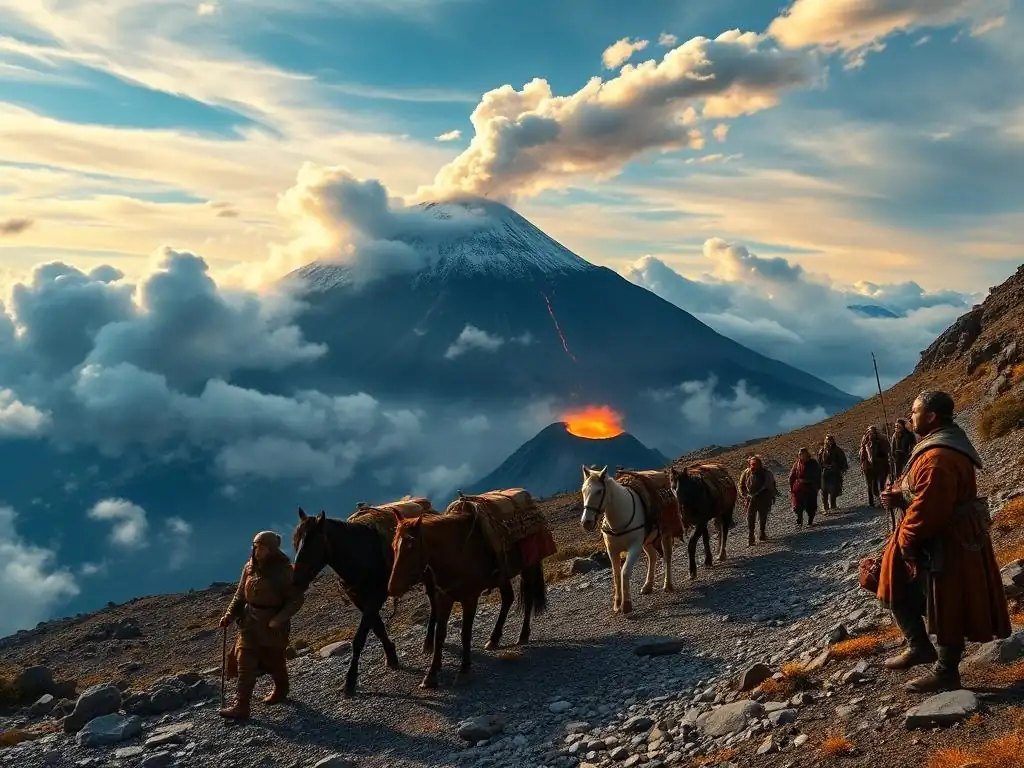
Welcome to Volcano Explorers, where the earth breathes fire and history is etched in ash. Ever wondered if the allure of molten rock and fiery landscapes captivated minds long before modern volcanology? Prepare to be surprised as we uncover the unexpected story of volcano tourism in medieval times. Unlock the secrets of early explorers drawn to these awe-inspiring, yet perilous, wonders and discover a hidden chapter in our planet's fiery narrative. What drove them to the edge of the crater? Let's find out...
- Introduction: Unearthing Early Forms of Volcano Tourism in the Middle Ages
- The Allure of Fire Mountains: Why Volcanoes Captivated Medieval Minds
- Early Explorers and the Lure of Volcanic Landscapes
- Medieval "Volcano Tourism": Motivations and Drivers
- Case Studies: Medieval Encounters with Specific Volcanic Eruptions and Regions
- The "Volcano Tourism" Experience in Medieval Times: What Did They See?
- Comparing Medieval "Volcano Tourism" to Modern Volcano Tourism
- Conclusion: Recognizing the Roots of Volcano Tourism in Medieval History
-
Frequently Asked Questions
- Was there really such a thing as volcano tourism in medieval times?
- What motivated people to visit volcanoes during the medieval period?
- What kind of volcanoes were popular destinations in medieval times?
- How did medieval travelers document their experiences at volcanoes?
- What were the main dangers facing medieval volcano tourists?
- Final Reflection: Echoes of Fire, Whispers of Wonder
- Unleash Your Inner Medieval Explorer!
Introduction: Unearthing Early Forms of Volcano Tourism in the Middle Ages
VolcanoExplorers.org: Exploring the Historical Allure of Volcanic Regions
VolcanoExplorers.org, dedicated to unveiling the multifaceted world of volcanoes, naturally extends its exploration into the historical realm, revealing that the human fascination with these geological powerhouses is far from a modern phenomenon. Long before the advent of organized tours and scientific expeditions, individuals were drawn to volcanic landscapes, motivated by a blend of fear, curiosity, and practical necessity.
Exploring the historical allure of volcanic regions provides a fascinating perspective on how different societies perceived and interacted with these dramatic natural features. This historical lens enriches our understanding of contemporary volcano tourism by highlighting the enduring human drive to witness and understand the raw power of the Earth.
The very concept of "volcano tourism in medieval times" might seem anachronistic, conjuring images of modern guided tours and geotourism. However, if we broaden our definition to encompass any purposeful travel to and engagement with volcanic areas, it becomes evident that forms of volcano tourism existed centuries ago.
This article delves into this intriguing historical aspect, examining the motivations, experiences, and documented instances of individuals venturing into volcanic regions during the medieval period. By uncovering these early encounters, we gain a deeper appreciation for the long-standing relationship between humanity and volcanoes, a relationship that transcends time and continues to evolve.
The Allure of Fire Mountains: Why Volcanoes Captivated Medieval Minds
Beyond Fear: Understanding Medieval Perceptions of Volcanoes
Medieval perceptions of volcanoes were undoubtedly complex and multifaceted, extending far beyond simple fear and trepidation. While the destructive potential of volcanic eruptions instilled awe and apprehension, these "fire mountains" also sparked curiosity and wonder. In a world where natural phenomena were often interpreted through a religious lens, volcanoes were seen as manifestations of divine power, capable of both punishment and creation. They were simultaneously terrifying and fascinating, embodying the sublime in nature. This duality of perception fueled a compelling, albeit sometimes fearful, interest in volcanic regions.
The medieval mindset, deeply rooted in religious and philosophical frameworks, sought to understand the world through observation and interpretation. Volcanoes, with their dramatic displays of fire, smoke, and earth-shaking power, presented a natural spectacle that demanded explanation. While scientific understanding in the modern sense was absent, medieval scholars and travelers attempted to rationalize these phenomena within their existing knowledge systems. This intellectual curiosity, combined with the sheer visual impact of volcanoes, contributed to their captivating presence in medieval thought and, consequently, drew individuals to witness them firsthand.
De Mirabilibus Mundi: A Medieval Text Describing Mount Etna
One illuminating example of medieval engagement with volcanic phenomena comes from the text De Mirabilibus Mundi ("On the Wonders of the World"). Attributed to various authors and compiled over time, this genre of literature aimed to describe remarkable places and natural phenomena. Within these texts, descriptions of Mount Etna, a perpetually active volcano in Sicily, frequently appear. These accounts, while often blending factual observation with fantastical elements, demonstrate a clear interest in documenting and understanding Etna's volcanic activity.
De Mirabilibus Mundi texts often depicted Etna as a place of immense heat and fire, sometimes associating it with the entrance to hell or the workshop of Vulcan, the Roman god of fire and metalworking. However, beyond the mythological interpretations, these descriptions also contain elements of genuine observation. Medieval writers noted the mountain's persistent smoke plume, the fiery eruptions, and the sulfurous odors.
These details, though framed within a medieval worldview, suggest a degree of direct observation and an attempt to convey the sensory experience of being near an active volcano like Etna. Such texts served to disseminate knowledge, albeit sometimes embellished, about volcanic regions and pique the interest of those who might consider venturing to these extraordinary places.
Early Explorers and the Lure of Volcanic Landscapes
The Role of Pilgrimages and Trade in Medieval Volcano Encounters
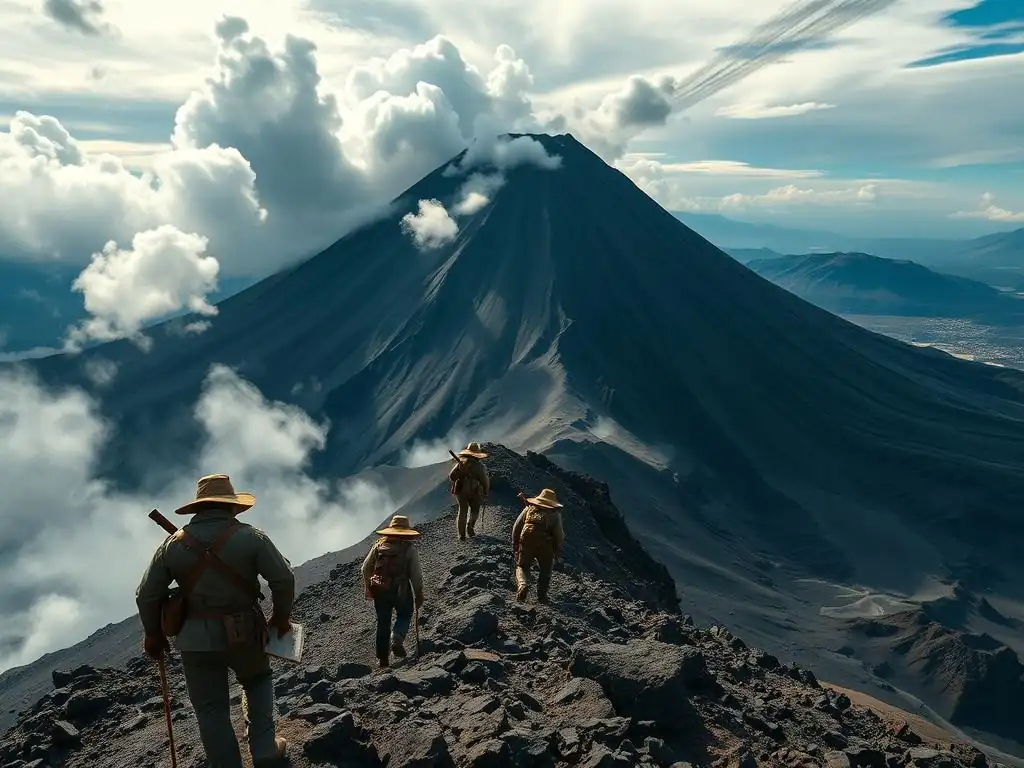
Pilgrimages and trade routes played a significant role in facilitating early encounters with volcanic landscapes during the medieval period. Religious pilgrimages, a central aspect of medieval life, often led travelers through regions punctuated by volcanic activity. Routes to holy sites like Rome or Jerusalem could traverse areas near volcanoes in Italy or the eastern Mediterranean. These journeys, undertaken for spiritual reasons, inadvertently exposed pilgrims to the dramatic scenery and geological wonders of volcanic regions.
Similarly, trade networks, vital for the medieval economy, often crossed volcanic territories. Merchants traveling along established routes, for example, those connecting Italian city-states with the rest of Europe, might have passed near Mount Vesuvius or other volcanic features. The need to transport goods and conduct commerce meant that individuals, driven by economic imperatives, were compelled to navigate landscapes shaped by volcanic forces. These journeys, whether for pilgrimage or trade, provided opportunities for observation and interaction with volcanic environments, contributing to a broader, if unintentional, form of "volcano tourism."
Documented Journeys to Volcanic Sites: Evidence of Early "Volcano Tourism"
While the term "volcano tourism" was not used in medieval times, evidence suggests purposeful journeys to volcanic sites driven by curiosity and observation. Accounts from travelers, scholars, and even monastic chronicles provide glimpses into these early forms of volcanic exploration. For instance, historical records indicate that individuals, sometimes accompanied by guides, ascended Mount Etna to witness its eruptions firsthand. These were not merely accidental encounters but deliberate attempts to experience the volcano's power and spectacle.
Furthermore, the writings of certain medieval figures reveal a clear fascination with volcanic phenomena. Scholars and naturalists, within the limitations of medieval science, documented their observations of volcanic activity, sometimes undertaking journeys specifically to study these events. While detailed scientific reports in the modern sense were lacking, these documented journeys and written accounts serve as compelling evidence that individuals in the medieval period were actively seeking out volcanic sites, demonstrating a nascent form of "volcano tourism" driven by a desire to witness and understand these extraordinary natural phenomena.
Medieval "Volcano Tourism": Motivations and Drivers
Scientific Curiosity: Observing Volcanic Phenomena in the Middle Ages
Scientific curiosity, in the context of medieval understanding, was a significant driver behind early forms of volcano tourism. While medieval science differed vastly from modern volcanology, there was a genuine interest in observing and interpreting natural phenomena, including volcanoes. Scholars and educated individuals sought to understand the causes and effects of volcanic eruptions, often within the framework of Aristotelian physics or religious doctrine. This intellectual drive motivated some to travel to volcanic regions to witness these events directly and gather firsthand observations.
Medieval scholars, often associated with monasteries or universities, engaged in natural philosophy, which encompassed the study of the natural world. Volcanoes, as dramatic and powerful natural events, were subjects of considerable interest. While their explanations might seem rudimentary by today's standards, their efforts to observe, describe, and interpret volcanic activity represent a form of early scientific inquiry. This quest for knowledge, even within a pre-scientific framework, propelled some individuals to become early "volcano tourists," seeking to unravel the mysteries of these fiery mountains through direct experience.
Economic Opportunities: Sulfur Mining and Other Volcanic Resources
Economic opportunities associated with volcanic regions also played a crucial role in attracting individuals and fostering a form of practical "volcano tourism" in medieval times. Volcanic areas are often rich in valuable resources, most notably sulfur. Sulfur was a highly sought-after commodity in the medieval period, used in various industries, including medicine, alchemy, and the production of gunpowder (towards the later medieval period). The presence of readily accessible sulfur deposits near volcanoes created economic incentives for individuals to venture into these areas.
Mining sulfur in volcanic regions was a hazardous but potentially lucrative activity. Medieval miners, driven by economic necessity or the prospect of profit, would travel to volcanic sites like Mount Etna or the volcanic islands of the Mediterranean to extract sulfur. This pursuit of volcanic resources led to a form of economic "volcano tourism," where individuals, driven by practical needs, interacted directly with volcanic landscapes. The demand for sulfur and other volcanic products thus created a tangible link between economic activity and the exploration of volcanic regions.
Spiritual Significance: Volcanoes as Sites of Religious Wonder and Fear
The spiritual significance attributed to volcanoes in the medieval period served as another powerful motivator for individuals to engage with these landscapes. Volcanoes were often perceived as liminal spaces, boundaries between the earthly realm and the supernatural. Depending on cultural and religious interpretations, they could be seen as gateways to hell, manifestations of divine wrath, or places imbued with sacred power. This spiritual dimension drew individuals to volcanic regions, driven by a mixture of religious fear, awe, and the desire for spiritual experiences.
For some, volcanoes represented the terrifying power of God, a reminder of divine judgment and the fires of hell. For others, volcanic landscapes might have held a different kind of spiritual significance, perhaps associated with pagan deities or local folklore. Regardless of the specific interpretation, the perceived spiritual potency of volcanoes made them places of intense religious interest. Pilgrims seeking spiritual enlightenment, penitents seeking atonement, or even those driven by morbid curiosity might have been drawn to volcanic sites, contributing to a religiously motivated form of "volcano tourism" in medieval times.
Case Studies: Medieval Encounters with Specific Volcanic Eruptions and Regions
Mount Etna: A Medieval Tourist Destination?
Mount Etna in Sicily stands out as a prime example of a medieval "volcano tourist" destination. Its near-constant activity, accessibility, and proximity to major population centers made it a focus of attention throughout the medieval period. Documented accounts, ranging from travelogues to monastic chronicles, indicate that individuals from various backgrounds visited Etna, driven by a range of motivations, from scientific curiosity to religious awe.
The slopes of Etna, even in medieval times, were not entirely forbidding. Villages and monasteries dotted the lower flanks, and established paths likely allowed for relatively safe ascent, at least to certain elevations. The persistent volcanic activity, often visible from afar, served as a constant invitation to witness this natural spectacle. While not "tourism" in the modern organized sense, the evidence suggests that Mount Etna functioned as a focal point for medieval travelers seeking a unique and awe-inspiring experience, making it arguably the earliest form of volcano tourist destination.
Hekla in Iceland: Tales of Hell and Volcano Exploration
Hekla, the infamous volcano in Iceland, presented a different kind of allure in the medieval period. Far from the Mediterranean accessibility of Etna, Hekla was located in a remote and sparsely populated island. However, its reputation as a gateway to hell, fueled by dramatic eruptions and Norse mythology, paradoxically attracted attention. While perhaps not "tourist" in the conventional sense, individuals, primarily Icelanders and potentially some adventurous travelers from mainland Europe, did venture near Hekla, albeit likely with a mixture of fear and fascination.
Medieval Icelandic sagas and chronicles frequently mention Hekla, often associating it with the underworld and demonic forces. The volcano's eruptions were interpreted as evidence of hell's mouth opening. Despite this terrifying reputation, or perhaps because of it, Hekla held a certain dark fascination. While large-scale "tourism" was impossible in medieval Iceland, the documented accounts of Hekla's eruptions and its prominent place in medieval Icelandic lore suggest that it was a site of significant, albeit likely fearful, interest, drawing some individuals to its vicinity, representing a unique and culturally shaped form of engagement with a volcano.
Stromboli: The Lighthouse of the Mediterranean
Stromboli, the perpetually active volcano island off the coast of Sicily, earned the moniker "Lighthouse of the Mediterranean" due to its consistent, albeit relatively small, eruptions that served as a natural navigational aid for sailors. This consistent activity, coupled with its location along maritime trade routes, likely made Stromboli a familiar sight to medieval seafarers and possibly even attracted some land-based observers. While direct evidence of deliberate "tourism" to Stromboli is scarcer than for Etna, its unique characteristics suggest it played a role in shaping medieval perceptions of volcanoes.
Stromboli's near-constant eruptions, visible from the sea, provided a reliable beacon in the often-treacherous Mediterranean waters. Sailors relied on this "lighthouse" for navigation, making Stromboli a landmark of practical importance. Furthermore, the island's volcanic activity, even if less dramatically explosive than Etna's, would have been a constant reminder of the Earth's power. While not necessarily a destination for deliberate "tourists" in the same way as Etna, Stromboli's visibility and maritime significance ensured it was a known and observed volcanic site in the medieval Mediterranean world, potentially attracting curious onlookers and contributing to the broader medieval awareness of volcanoes.
The "Volcano Tourism" Experience in Medieval Times: What Did They See?
Medieval Descriptions of Volcanic Activity: Accuracy and Interpretation
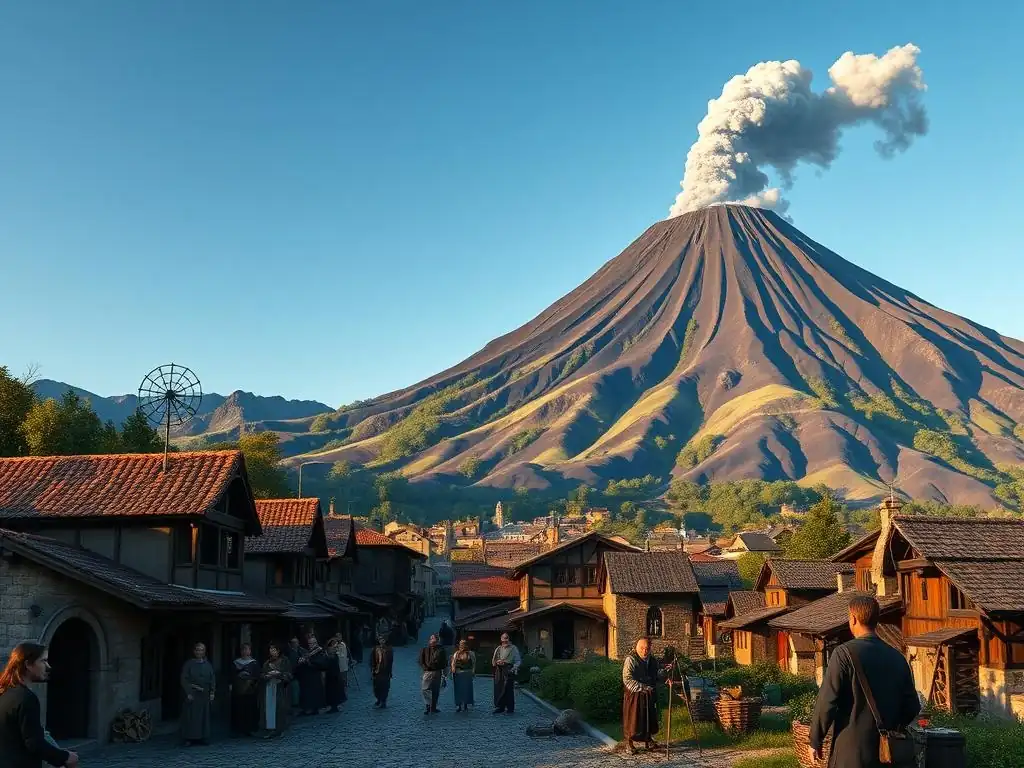
Medieval descriptions of volcanic activity, while often lacking the precision of modern scientific accounts, offer valuable insights into what early "volcano tourists" observed and how they interpreted these phenomena. Accounts from various sources, including chronicles, travel writings, and even artistic depictions, reveal a blend of accurate observations and interpretations shaped by the prevailing worldview of the time. Analyzing these descriptions helps us understand the medieval "volcano tourism" experience and how it differed from modern encounters.
Medieval writers often accurately described the visual aspects of volcanic eruptions, noting the fire, smoke, and molten rock. They also documented the sounds and smells associated with volcanic activity, including rumbling noises and sulfurous odors. However, their interpretations of these phenomena were often framed within religious or philosophical contexts. Eruptions might be seen as divine punishments, manifestations of hell, or the result of alchemical processes occurring within the Earth. While their scientific understanding was limited, their descriptions provide valuable firsthand accounts of volcanic activity and reveal how medieval observers grappled with understanding these powerful natural events.
The Dangers Faced by Early Volcano Explorers
The "volcano tourism" experience in medieval times was undoubtedly fraught with dangers, far exceeding the risks faced by modern volcano tourists. Without the benefit of modern scientific understanding of volcanic hazards, sophisticated monitoring equipment, or safety protocols, medieval explorers ventured into volcanic regions with limited knowledge and protection. The risks they faced were real and significant, highlighting the courage and perhaps sometimes recklessness of these early volcano enthusiasts.
Medieval travelers lacked reliable information about eruption precursors, evacuation routes, or the specific dangers posed by different types of volcanic activity. They were vulnerable to pyroclastic flows, lava flows, ashfall, and volcanic gases without adequate warning or protective gear. Furthermore, travel in medieval times was inherently more perilous, with difficult terrain, limited infrastructure, and the risk of bandits or disease. Venturing into volcanic regions added another layer of danger to an already challenging travel experience, underscoring the bravery and perhaps the sheer determination of those who sought to witness volcanoes firsthand in the medieval period.
Comparing Medieval "Volcano Tourism" to Modern Volcano Tourism
Differences in Access, Knowledge, and Technology
Comparing medieval "volcano tourism" to its modern counterpart reveals stark differences in access, knowledge, and technology. Modern volcano tourism benefits from readily available transportation, established infrastructure, scientific understanding of volcanic processes, and advanced monitoring and safety technologies. Medieval explorers, in contrast, faced significant logistical challenges, lacked scientific understanding of volcanoes, and had no access to modern safety measures.
Access to volcanic regions was far more restricted in medieval times. Travel was slow, arduous, and often expensive. Knowledge of volcanic hazards was limited to anecdotal accounts and rudimentary observations. Technology was virtually nonexistent in terms of predicting eruptions or providing protection. Modern volcano tourism, while still carrying inherent risks, is significantly safer and more accessible due to advancements in science, technology, and infrastructure. These differences highlight the transformative impact of modernity on how humans interact with and experience volcanic landscapes.
Similarities in the Human Fascination with Volcanoes
Despite the vast differences in access, knowledge, and technology, a fundamental similarity persists between medieval and modern "volcano tourism": the enduring human fascination with volcanoes. Across centuries, volcanoes have captivated the human imagination, inspiring awe, fear, and a profound sense of wonder. This underlying fascination, driven by the raw power and dramatic beauty of volcanic phenomena, remains a constant thread connecting medieval encounters with volcanoes to contemporary volcano tourism.
Whether motivated by religious awe, scientific curiosity, or a desire for adventure, both medieval explorers and modern tourists share a common impulse to witness and experience the extraordinary power of volcanoes. This enduring fascination transcends historical context and technological advancements, suggesting a deep-seated human connection to these powerful geological forces. The allure of fire mountains, it seems, is a timeless aspect of the human experience.
Conclusion: Recognizing the Roots of Volcano Tourism in Medieval History
The Lasting Legacy of Early Volcano Explorers
Recognizing the roots of volcano tourism in medieval history provides a richer understanding of the long-standing human relationship with these geological wonders. While not "tourism" in the modern sense, the medieval encounters with volcanoes, driven by a mix of motivations, laid the groundwork for the development of contemporary volcano tourism. The early explorers, driven by curiosity, necessity, or spiritual seeking, left a lasting legacy of engagement with volcanic landscapes.
These early interactions, documented in medieval texts and historical records, demonstrate that the human desire to witness and understand volcanoes is not a recent phenomenon. The medieval period witnessed a nascent form of volcano tourism, shaped by the limitations and worldview of the time, but nonetheless driven by a similar human fascination that fuels modern volcano tourism. Acknowledging this historical context enriches our appreciation for the enduring allure of volcanoes and the long history of human interaction with these powerful forces of nature.
Further Research: Investigating the Role of Monasteries in Documenting Volcanic Activity
Further research into medieval volcano tourism could fruitfully explore the role of monasteries in documenting and interpreting volcanic activity. Monasteries were centers of learning and record-keeping in the medieval period, and monastic chronicles often contain valuable observations of natural phenomena, including volcanic eruptions. Investigating these monastic records could reveal more detailed accounts of medieval encounters with volcanoes and provide further insights into early forms of volcano tourism.
Monasteries situated near volcanic regions, such as those around Mount Etna or in Iceland, might have played a particularly significant role in observing and documenting volcanic events. Their chronicles could contain firsthand accounts of eruptions, descriptions of volcanic landscapes, and interpretations of these phenomena within a religious framework. Examining these often-overlooked sources could shed further light on the medieval understanding of volcanoes and the early stages of human engagement with these awe-inspiring geological forces, enriching our understanding of the history of volcano tourism.
Frequently Asked Questions
Was there really such a thing as volcano tourism in medieval times?
Yes, though not in the modern sense. Evidence suggests that some individuals, primarily scholars and adventurous travelers, were drawn to volcanic landscapes for scientific curiosity or spiritual reasons, marking an early form of volcano tourism.
What motivated people to visit volcanoes during the medieval period?
Motivations varied. Some were driven by a desire to understand the natural world, while others sought religious experiences or were simply fascinated by the power and spectacle of volcanic activity.
What kind of volcanoes were popular destinations in medieval times?
Volcanoes with relatively easy access and a history of manageable eruptions, such as Mount Etna in Sicily, were likely popular destinations. The relatively predictable nature of some volcanic activity made them safer to observe.
How did medieval travelers document their experiences at volcanoes?
Records are often scarce, but some accounts exist in the form of travel logs, letters, and scholarly writings. These documents provide insights into their observations and the prevailing beliefs about volcanoes at the time.
What were the main dangers facing medieval volcano tourists?
The primary dangers included unpredictable eruptions, difficult terrain, and the lack of safety equipment. The limited understanding of volcanic processes also increased the risks associated with exploration.
Final Reflection: Echoes of Fire, Whispers of Wonder
The allure of the volcanic landscape, as we've explored through the lens of medieval travelers, isn't just a historical curiosity; it's a testament to the enduring human fascination with the raw power and sublime beauty of nature's most dramatic displays. The echoes of those early journeys resonate even today, shaping our modern understanding and practice of volcano tourism.
The enduring appeal of these fiery mountains speaks volumes about our relationship with the natural world. It reminds us that even in the face of potential danger, we are drawn to the extraordinary, seeking experiences that challenge our perceptions and ignite our imaginations. The world is a book, and those who do not travel read only one page.
- Saint Augustine. This quote, though not specifically about volcanoes, perfectly encapsulates the medieval spirit of exploration and the desire to understand the world through direct experience, a desire that continues to fuel our own adventures.
So, as you consider the journeys of those medieval explorers, I invite you to reflect on your own relationship with the natural world. How does the power of a volcano, or any other awe-inspiring landscape, shape your perspective? Let the spirit of curiosity and wonder that drove those early travelers inspire you to seek out your own extraordinary experiences, to learn from the earth's fiery heart, and to appreciate the profound beauty and power that surrounds us.
Unleash Your Inner Medieval Explorer!
Thank you for exploring the fascinating world of early volcano tourism! Now that you've discovered the surprising allure of volcanic landscapes for medieval travelers, it's time to continue your adventure.
Here are a few ways to delve further:
- Learn more about a specific volcano mentioned in the article. Research its current activity and imagine a medieval pilgrimage to its base.
- Explore Volcano Explorers' archive of historical accounts and imagery related to early volcano explorations.
- Share this article with a friend and spark a conversation about how our perception of volcanoes has changed over time!
Which dormant volcano would you most like to have witnessed erupting, and why? Share your thoughts in the comments below!