
Volcanic Agriculture: Fertile Futures from AshRich Soil

Welcome to Volcano Explorers!
Ever wondered how something so destructive can also be a source of life? Unearth the secrets of fertile landscapes forged in fire as we delve into the fascinating world of volcanic soil for agriculture. Discover how ash-rich earth can yield surprising abundance, and what this means for communities living in the shadow of these magnificent giants. Ready to explore the surprising bounty born from volcanic fury?
- VolcanoExplorers.org: Embracing the Potential of Volcanic Lands
- Understanding Volcanic Soil and its Agricultural Benefits
- The Science Behind Volcanic Agriculture: Optimizing Yields
- Case Studies: Successful Volcanic Agriculture Initiatives Around the World
- The Future of Volcanic Agriculture: Innovation and Adaptation
- Living with Volcanoes: Harnessing Volcanic Resources for a Sustainable Future
- Conclusion: Embracing the Potential of Ash-Rich Lands for Agriculture
-
Frequently Asked Questions
- What makes volcanic soil so fertile for agriculture?
- Which types of crops tend to thrive best in volcanic soil?
- Is volcanic soil universally beneficial for all types of plants?
- How does volcanic ash impact soil fertility in the short term?
- Where can I find more in-depth information about specific volcanic soils and their agricultural applications?
- Final Reflection: Embracing the Power of Renewal
- Unleash the Power of Volcanic Soil!
VolcanoExplorers.org: Embracing the Potential of Volcanic Lands
VolcanoExplorers.org invites you to discover the extraordinary potential hidden within volcanic landscapes, particularly the often-overlooked agricultural bounty that emerges from ash-rich soil. While volcanoes are rightly associated with destruction and danger, their legacy extends far beyond devastation. This website delves into the fascinating world of volcanic agriculture, exploring how communities around the globe are harnessing the unique properties of volcanic soil to cultivate thriving farmlands. We aim to showcase the innovative and adaptive strategies that transform volcanic regions into fertile grounds, contributing to food security and sustainable living in these dynamic environments.
Beyond the scientific exploration of volcanic phenomena, VolcanoExplorers.org recognizes the crucial intersection of human life and volcanic activity. Understanding how to live with volcanoes includes not only mitigating risks but also capitalizing on the benefits they offer. Volcanic agriculture stands as a testament to human resilience and ingenuity, demonstrating how challenges can be turned into opportunities. This article will guide you through the science, practices, and global examples of volcanic agriculture, revealing the fertile futures that sprout from seemingly barren volcanic landscapes.
Understanding Volcanic Soil and its Agricultural Benefits
The Unique Composition of Volcanic Ash and its Impact on Soil Fertility
Volcanic soil, or Andisol, is formed from volcanic ash and other volcanic ejecta, which are fragmented materials expelled during volcanic eruptions. The composition of this ash is incredibly complex and varies depending on the type of volcano and the nature of the eruption. However, a key characteristic is its richness in minerals and trace elements essential for plant growth.
Fresh volcanic ash typically contains readily available forms of nutrients like calcium, magnesium, potassium, and phosphorus, which are crucial macronutrients for plant development. Moreover, it often includes micronutrients such as iron, zinc, copper, and manganese, which, although needed in smaller quantities, are equally vital for plant health and productivity.
The physical properties of volcanic ash also significantly contribute to soil fertility. Volcanic ash particles are often porous and have a large surface area. This unique structure enhances water retention and drainage in the soil, creating an ideal environment for root growth.
The porous nature also improves aeration, allowing roots to breathe and facilitating the activity of beneficial soil microorganisms. Furthermore, the weathering process of volcanic ash releases nutrients slowly over time, providing a sustained source of nourishment for plants, contrasting with the rapid nutrient release often associated with chemical fertilizers. This slow-release mechanism is a key factor in the long-term fertility of volcanic soils, making them naturally productive agricultural lands.
Key Nutrients Found in Volcanic Soil: A Natural Fertilizer
Volcanic soil is celebrated for its inherent fertility, largely attributed to its rich and balanced composition of essential plant nutrients. Among the macronutrients, phosphorus stands out due to its often high availability in volcanic soils. Unlike many other soil types where phosphorus can be locked up and inaccessible to plants, volcanic ash contains phosphorus in forms that are readily taken up by plant roots.
Potassium, another crucial macronutrient for plant growth, is also abundant, contributing to plant vigor, disease resistance, and fruit development. Calcium and magnesium, essential for cell wall formation and chlorophyll production respectively, are further prominent components, ensuring robust plant structure and efficient photosynthesis.
Beyond macronutrients, volcanic soil is a treasure trove of micronutrients. Iron, vital for chlorophyll synthesis and various enzyme functions, is frequently present in significant amounts. Zinc, important for enzyme activity and hormone regulation, copper, essential for photosynthesis and respiration, and manganese, involved in photosynthesis and nitrogen metabolism, are also typically found in beneficial concentrations.
This comprehensive suite of nutrients acts as a natural, slow-release fertilizer, reducing or even eliminating the need for synthetic fertilizers in volcanic agriculture. The balanced and readily available nature of these nutrients in volcanic soil is a prime reason why volcanic regions, despite the potential hazards, often become agricultural hotspots.
How Volcanic Soil Promotes Plant Growth: Enhanced Phosphorus Availability
The exceptional fertility of volcanic soil is not solely due to the presence of nutrients but also their enhanced availability to plants, particularly phosphorus. In many soil types, phosphorus tends to bind with iron and aluminum oxides, forming insoluble compounds that plants cannot easily absorb. This phenomenon, known as phosphorus fixation, limits phosphorus uptake and necessitates the application of phosphorus fertilizers. However, volcanic soils, especially those rich in allophane and imogolite, clay minerals characteristic of Andisols, exhibit a unique mechanism that enhances phosphorus availability.
These clay minerals in volcanic soil have a high capacity to adsorb phosphorus, but unlike iron and aluminum oxides, they do not strongly bind it into insoluble forms. Instead, they hold phosphorus in a way that is readily available to plant roots. This "anion exchange" mechanism allows plants to access phosphorus more efficiently, reducing phosphorus fixation and increasing phosphorus uptake.
Furthermore, the slightly acidic pH often found in volcanic soils also contributes to phosphorus availability, as it minimizes the formation of insoluble calcium phosphates that can occur in alkaline soils. This combination of factors, including the unique clay mineralogy and soil pH, makes phosphorus more accessible to plants in volcanic soils, contributing significantly to their high agricultural productivity and reducing the reliance on phosphorus-based fertilizers.
The Science Behind Volcanic Agriculture: Optimizing Yields
Identifying Suitable Crops for Volcanic Soils: A Guide for Farmers
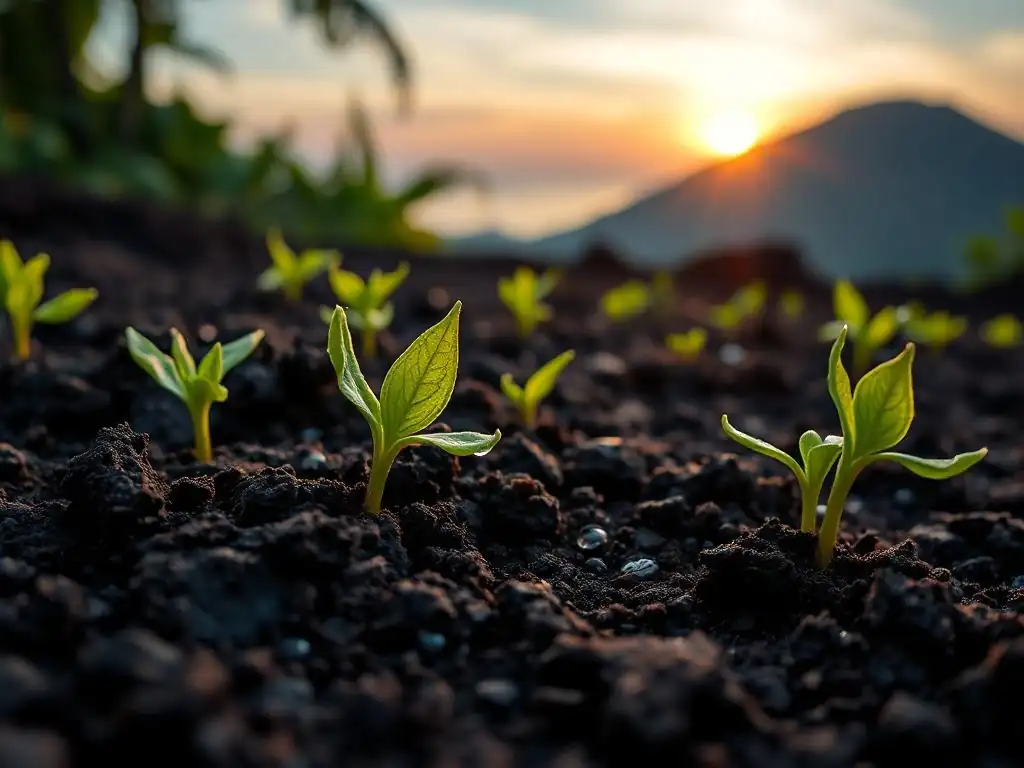
Selecting the right crops is paramount for successful volcanic agriculture. While volcanic soil is generally fertile, its specific characteristics, such as texture, drainage, and nutrient profile, can vary depending on the volcanic material and climate. Certain crops thrive exceptionally well in these conditions, while others may struggle.
Root crops like potatoes, sweet potatoes, and yams are often highly productive in volcanic soils due to the well-drained and loose texture that facilitates root development. The ample phosphorus in volcanic soil is also particularly beneficial for root growth. Furthermore, many vegetables, including tomatoes, peppers, beans, and leafy greens, flourish in volcanic soils, benefiting from the balanced nutrient supply and excellent drainage.
Fruit trees, such as avocados, citrus fruits, and coffee, are also successfully cultivated in volcanic regions worldwide. The well-drained nature of volcanic soil is crucial for preventing root rot in fruit trees, and the consistent nutrient supply supports fruit production. Grapes for wine production also benefit from volcanic soils, with some studies suggesting that volcanic terroir contributes to unique flavor profiles in wines.
Cereal crops like maize and wheat can be grown, though soil management practices may be needed to optimize nitrogen availability, as volcanic ash can sometimes be initially low in nitrogen. Farmers in volcanic regions often employ crop rotation and intercropping strategies, incorporating nitrogen-fixing legumes to enhance soil nitrogen and improve overall soil health. Understanding the specific needs of different crops and matching them with the characteristics of volcanic soil is essential for maximizing yields and ensuring sustainable volcanic agriculture.
Soil Management Techniques for Volcanic Agricultural Lands
Effective soil management is crucial to harness the full potential of volcanic agricultural lands and maintain their long-term productivity. While volcanic soil is naturally fertile, specific techniques can further enhance its properties and address potential limitations. One key aspect is maintaining soil structure. Although volcanic soil is generally well-drained, heavy rainfall can lead to compaction in some areas.
Practices like no-till farming or reduced tillage minimize soil disturbance, preserving soil structure and promoting water infiltration. Incorporating organic matter is also vital. Adding compost, animal manure, or crop residues improves soil structure, water retention, and nutrient availability. Organic matter also enhances the activity of beneficial soil microorganisms, which play a crucial role in nutrient cycling and soil health.
Nutrient management is another important consideration. While volcanic soil is rich in many nutrients, nitrogen can sometimes be a limiting factor, especially in newly formed volcanic soils. Legume crops, as mentioned earlier, are valuable for fixing atmospheric nitrogen and enriching the soil.
Green manure, cover crops grown specifically to be incorporated into the soil, also contribute organic matter and nutrients. In some cases, supplemental fertilization might be necessary, but it should be based on soil testing to avoid over-fertilization and nutrient imbalances. Regular soil testing is recommended to monitor nutrient levels, pH, and other soil properties, allowing farmers to tailor their management practices to the specific needs of their volcanic agricultural lands and ensure sustainable, high-yield production.
Amending Volcanic Soil: Application of Biochar and Green Manure
Amending volcanic soil with biochar and green manure represents effective strategies to further enhance its fertility and sustainability. Biochar, a charcoal-like material produced from biomass pyrolysis, offers numerous benefits when incorporated into volcanic soil. Its porous structure improves water retention and aeration, which is particularly advantageous in volcanic soils prone to drying or compaction.
Biochar also enhances nutrient retention, reducing nutrient leaching and improving fertilizer use efficiency. Furthermore, biochar can help to moderate soil pH, which can be important in volcanic soils that are sometimes acidic. Studies have shown that biochar application in volcanic soils can lead to increased crop yields, improved soil health, and enhanced carbon sequestration.
Green manure, the practice of incorporating freshly cut or lightly dried plant material into the soil, provides a readily available source of organic matter and nutrients. Leguminous green manures, such as clover or vetch, are particularly valuable as they fix atmospheric nitrogen, enriching the soil with this essential macronutrient. Green manure also improves soil structure, water infiltration, and water-holding capacity.
When decomposed in the soil, green manure releases nutrients gradually, providing a slow-release fertilizer effect. Combining biochar and green manure in volcanic agriculture can create a synergistic effect, leading to significant improvements in soil fertility, crop productivity, and the overall sustainability of volcanic farming systems. These amendments represent practical and environmentally sound approaches to optimizing volcanic soil for agriculture.
Water Management in Volcanic Agriculture: Drip Irrigation and Rainwater Harvesting
Water management is a critical aspect of volcanic agriculture, as water availability and efficient irrigation are essential for maximizing crop yields, even in fertile soils. While volcanic soils often have good drainage, their water-holding capacity can vary, and rainfall patterns in volcanic regions can be unpredictable. Drip irrigation systems offer a highly efficient method of water delivery in volcanic agriculture.
Drip irrigation delivers water directly to the plant roots, minimizing water loss through evaporation and runoff. This targeted water application ensures that plants receive the precise amount of water they need, optimizing water use efficiency and reducing water waste. Drip irrigation is particularly beneficial in volcanic areas where water resources may be limited or where water conservation is a priority.
Rainwater harvesting presents another sustainable approach to water management in volcanic agriculture. Collecting and storing rainwater provides a readily available and cost-effective water source, reducing reliance on groundwater or surface water sources. Rainwater harvesting systems can range from simple methods like collecting rainwater in tanks to more elaborate systems involving reservoirs and distribution networks.
Combining drip irrigation with rainwater harvesting creates a resilient and water-efficient agricultural system in volcanic regions. Furthermore, mulching, using organic materials like straw or wood chips to cover the soil surface, can significantly reduce soil evaporation and conserve soil moisture. These water management strategies, including drip irrigation, rainwater harvesting, and mulching, are crucial for ensuring reliable crop production in volcanic agricultural lands, particularly in areas with variable rainfall or limited water resources.
Mitigating Risks in Volcanic Farming: Implementing Ashfall Contingency Plans
While volcanic soil offers significant agricultural advantages, volcanic farming inherently involves risks associated with volcanic activity, particularly ashfall. Ashfall can have devastating impacts on crops, livestock, and agricultural infrastructure. Implementing ashfall contingency plans is therefore crucial for mitigating these risks and ensuring the resilience of volcanic agricultural systems. Contingency plans should include monitoring volcanic activity and establishing early warning systems to provide timely alerts to farmers in case of an impending eruption or ashfall event. These early warnings allow farmers to take proactive measures to protect their crops and livestock.
Protecting crops from ashfall can involve various strategies. Covering crops with protective materials like plastic sheeting or row covers can prevent ash from directly contacting plants, minimizing physical damage and contamination. Shaking ash off plants after an ashfall event can also help to reduce the negative impacts. For livestock, providing shelter indoors is essential to protect them from ash inhalation and ingestion.
Contingency plans should also address the potential contamination of water sources and food supplies by volcanic ash. Having access to alternative water sources and stored feed for livestock is crucial. Furthermore, plans should include procedures for cleaning ash from agricultural infrastructure, such as greenhouses and irrigation systems, and for restoring agricultural lands after an ashfall event. Effective ashfall contingency plans, developed in collaboration with volcanologists and emergency management agencies, are vital for minimizing the disruptions and losses associated with volcanic activity in agricultural communities.
Case Studies: Successful Volcanic Agriculture Initiatives Around the World
Volcanic Soil Agriculture in Iceland: Lessons Learned
Iceland, a land forged by fire and ice, presents a compelling case study in volcanic soil agriculture. Despite its northerly latitude and challenging climate, Iceland has developed a thriving agricultural sector, leveraging the fertility of its volcanic soils. The dominant soil type in Iceland is Andisol, formed from volcanic ash and glacial outwash. These soils, while naturally fertile, are also characterized by short growing seasons and potential nutrient limitations, particularly nitrogen. Icelandic farmers have adapted by focusing on crops suited to these conditions and employing innovative agricultural practices.
Geothermal energy plays a crucial role in Icelandic agriculture, enabling greenhouse cultivation of vegetables and fruits that would otherwise be impossible in the harsh climate. Geothermally heated greenhouses allow for year-round production of tomatoes, cucumbers, peppers, and even bananas. Outdoor agriculture in Iceland primarily focuses on hardy crops like potatoes, turnips, and hay for livestock.
Icelandic farmers have also embraced sustainable practices, such as using geothermal energy for heating and electricity, minimizing pesticide use, and utilizing animal manure and other organic fertilizers to enhance soil fertility. The Icelandic experience demonstrates that even in challenging volcanic environments, innovative approaches and adaptation can lead to successful and sustainable volcanic agriculture.
Crop diversification in Iceland volcanic agriculture
Crop diversification is a key strategy in Icelandic volcanic agriculture, contributing to resilience, food security, and economic stability. While traditional Icelandic agriculture was heavily reliant on livestock farming and hay production, diversification efforts have expanded the range of crops cultivated. The growth of greenhouse agriculture, fueled by geothermal energy, has introduced a wide variety of vegetables and fruits, reducing reliance on imports and enhancing local food production. Beyond greenhouses, there is increasing interest in cultivating other crops outdoors, including barley, oats, and various berries.
Diversification also extends to livestock farming, with increasing attention to sheep breeds adapted to the Icelandic environment and diversification into poultry and pig farming. The focus on local and niche agricultural products, such as Icelandic lamb and geothermally grown vegetables, adds value and strengthens the agricultural sector.
Crop diversification in Iceland not only improves food security and reduces import dependency but also enhances the resilience of the agricultural system to climate change and market fluctuations. By embracing a wider range of crops and agricultural activities, Iceland is building a more sustainable and robust volcanic agricultural sector, demonstrating the benefits of diversification in adapting to the unique conditions of volcanic environments.
Volcanic Soil Agriculture in the Canary Islands: A Sustainable Model
The Canary Islands, a Spanish archipelago of volcanic origin off the coast of Africa, offer another compelling example of successful volcanic agriculture. The islands' volcanic soils, coupled with a subtropical climate, create ideal conditions for cultivating a diverse range of crops. Terraced landscapes, a common feature in the Canary Islands, maximize land use on the steep volcanic slopes and help to prevent soil erosion. Water management, however, is a crucial challenge in the Canary Islands, as rainfall is limited, and water resources are scarce. Farmers have developed sophisticated water harvesting and irrigation techniques to overcome this constraint.
Traditional Canarian agriculture has long relied on dry farming methods for crops like cereals and legumes, adapted to the arid conditions. However, the introduction of irrigation has enabled the cultivation of higher-value crops, such as bananas, tomatoes, and potatoes, which are major export commodities. The Canary Islands are also known for their unique wine production, with vineyards thriving on volcanic slopes, producing wines with distinctive mineral characteristics attributed to the volcanic terroir.
Sustainable practices are increasingly adopted in Canarian agriculture, including water-efficient irrigation, organic farming methods, and the use of volcanic rock dust as a natural soil amendment. The Canary Islands showcase a model of volcanic agriculture that balances economic productivity with environmental sustainability in a water-scarce volcanic environment.
Community based volcanic soil agriculture in the Canary Islands
Community-based approaches are integral to the sustainability and resilience of volcanic soil agriculture in the Canary Islands. Given the limited resources and challenging terrain, cooperative farming and community-led initiatives play a vital role in supporting agricultural livelihoods. Farmers' cooperatives are common, enabling small-scale farmers to pool resources, share knowledge, and access markets collectively. These cooperatives facilitate the purchase of inputs, the marketing of produce, and the implementation of sustainable agricultural practices. Community-based irrigation systems are also prevalent, ensuring equitable water distribution and promoting water conservation.
Local farmers' markets are important platforms for direct sales, connecting producers with consumers and strengthening local food systems. Traditional knowledge and practices related to volcanic agriculture are passed down through generations within communities, ensuring the preservation of valuable agricultural heritage. Community-based tourism initiatives, linked to agriculture, also provide supplementary income for farmers and promote awareness of the unique agricultural landscapes and products of the Canary Islands. By fostering collaboration, knowledge sharing, and community ownership, the Canary Islands demonstrate how community-based volcanic agriculture can contribute to both economic viability and social cohesion in volcanic regions.
Comparing and Contrasting Volcanic Farming Practices: Iceland vs. Canary Islands
Comparing volcanic farming practices in Iceland and the Canary Islands reveals both commonalities and striking contrasts, shaped by their distinct geographical and climatic conditions. Both regions capitalize on the inherent fertility of volcanic soils, but their agricultural systems are adapted to vastly different environments. Iceland, with its cold climate and short growing season, relies heavily on greenhouse agriculture powered by geothermal energy to produce vegetables and fruits.
Outdoor agriculture focuses on hardy crops and livestock fodder. The Canary Islands, with their subtropical climate and limited water resources, practice both dry farming and irrigated agriculture, cultivating a wider range of crops, including bananas, tomatoes, and grapes.
Water management is a major challenge in the Canary Islands, addressed through sophisticated irrigation systems and water harvesting techniques, while Iceland has abundant water resources. Crop diversification is a strategy employed in both regions, though the specific crops differ due to climatic constraints. Iceland focuses on diversifying greenhouse production and hardy outdoor crops, while the Canary Islands diversify into subtropical fruits, vegetables, and wine grapes.
Both regions prioritize sustainability, but their approaches differ. Iceland emphasizes geothermal energy and organic practices, while the Canary Islands focus on water efficiency, terracing, and community-based resource management. Despite their contrasting environments, both Iceland and the Canary Islands demonstrate successful models of volcanic agriculture, showcasing the adaptability of farming systems to unique volcanic landscapes and the ingenuity of farmers in harnessing the potential of volcanic soils.
The Future of Volcanic Agriculture: Innovation and Adaptation
Utilizing Volcanic Soil for Sustainable Farming Practices
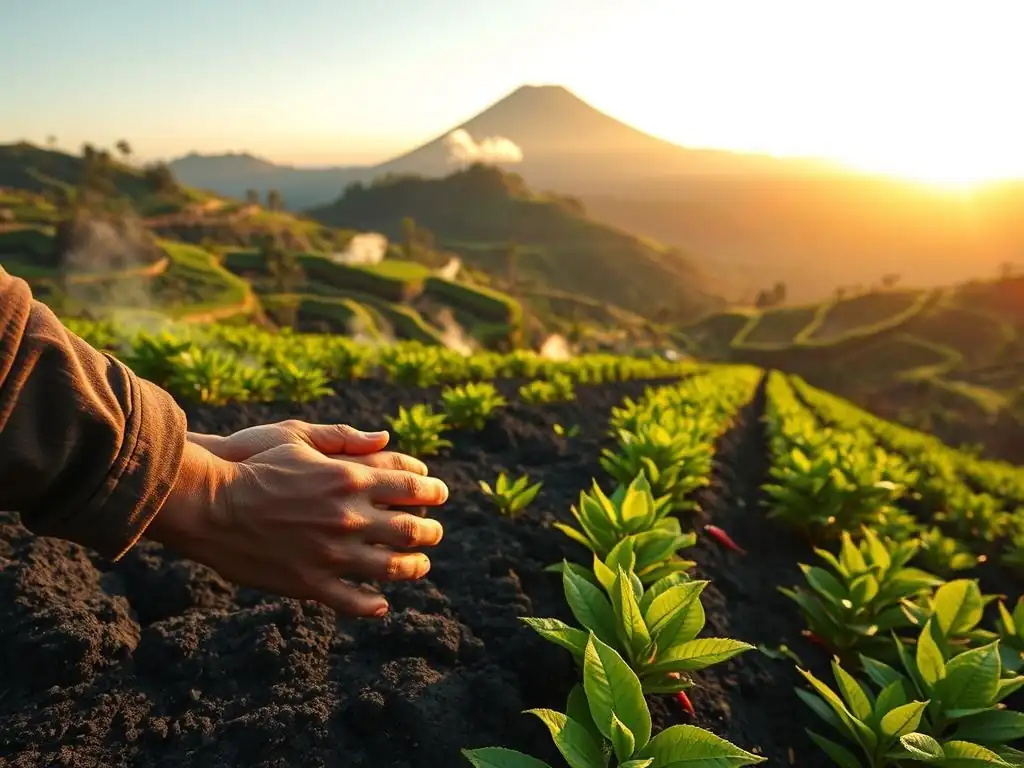
The future of volcanic agriculture is intrinsically linked to sustainable farming practices. Volcanic soil itself offers a foundation for sustainability, being naturally fertile and requiring less synthetic fertilizer input compared to many other soil types. Building upon this inherent advantage, various sustainable practices can further enhance the environmental and economic viability of volcanic agriculture.
Organic farming methods are particularly well-suited to volcanic soils, minimizing reliance on synthetic pesticides and herbicides, and promoting biodiversity. Crop rotation and intercropping enhance soil health, reduce pest and disease pressure, and improve nutrient cycling. Agroforestry, integrating trees into agricultural systems, can provide shade, windbreaks, and additional income streams while improving soil fertility and carbon sequestration.
Water-efficient irrigation techniques, such as drip irrigation and rainwater harvesting, are crucial for sustainable water management in volcanic regions, especially in water-scarce areas. Soil conservation practices, including terracing, contour planting, and no-till farming, prevent soil erosion and maintain soil health over the long term.
Utilizing volcanic rock dust as a natural soil amendment can replenish mineral nutrients and improve soil structure, reducing reliance on mined fertilizers. By embracing these sustainable farming practices, volcanic agriculture can become a model for environmentally sound and resilient food production systems, demonstrating how to harness natural resources responsibly and ensure long-term agricultural productivity in volcanic landscapes.
Enhancing Crop Production in Volcanic Regions Through Technology
Technology plays an increasingly important role in enhancing crop production in volcanic regions, optimizing yields, and improving the efficiency of volcanic agriculture. Precision agriculture technologies, such as GPS-guided machinery, variable rate applicators, and remote sensing, enable farmers to manage their volcanic fields with greater precision, tailoring inputs to specific soil conditions and crop needs. Soil sensors provide real-time data on soil moisture, nutrient levels, and pH, allowing for data-driven decision-making in irrigation and fertilization management. Drones equipped with multispectral cameras can monitor crop health, detect stress, and identify areas requiring attention, enabling timely interventions.
Climate-smart agriculture technologies help volcanic farmers adapt to the challenges of climate variability and extreme weather events. Drought-resistant crop varieties, improved irrigation systems, and weather forecasting tools enhance resilience to drought conditions. Early warning systems for volcanic eruptions and ashfall, coupled with mobile communication technologies, improve preparedness and minimize the impacts of volcanic hazards on agriculture.
Post-harvest technologies, such as improved storage facilities and processing techniques, reduce food losses and add value to volcanic agricultural products. By embracing and integrating these technologies, volcanic agriculture can become more productive, efficient, and resilient, ensuring food security and economic prosperity in volcanic regions.
Precision agriculture in volcanic soils
Precision agriculture, tailored to the unique characteristics of volcanic soils, offers significant potential for optimizing crop production and resource use efficiency. The inherent variability within volcanic fields, due to differences in ash deposition, weathering, and topography, makes precision agriculture particularly relevant. Soil mapping using GPS and remote sensing technologies allows for detailed characterization of soil properties across volcanic fields, identifying areas with varying nutrient levels, water-holding capacity, and pH. Variable rate application technology enables farmers to apply fertilizers, pesticides, and irrigation water at site-specific rates, matching inputs to the precise needs of different zones within the field.
Real-time soil sensors provide continuous monitoring of soil conditions, allowing for dynamic adjustments of irrigation and fertilization based on actual soil moisture and nutrient levels. Drone-based imagery and remote sensing data can assess crop health and identify areas with nutrient deficiencies or pest infestations, enabling targeted interventions. Precision agriculture in volcanic soils can lead to increased crop yields, reduced input costs, minimized environmental impact, and improved farm profitability. By leveraging data-driven technologies and site-specific management practices, precision agriculture unlocks the full potential of volcanic soils, ensuring sustainable and efficient agricultural production in volcanic landscapes.
Using drones to monitor crop health in volcanic farms
Drones are rapidly becoming indispensable tools for monitoring crop health in volcanic farms, offering a cost-effective and efficient way to assess crop conditions over large and often challenging volcanic terrains. Drones equipped with multispectral and hyperspectral cameras capture high-resolution imagery that reveals subtle variations in plant health, not visible to the naked eye.
These images can detect early signs of nutrient deficiencies, water stress, pest infestations, and diseases, allowing farmers to intervene proactively before problems escalate. Normalized Difference Vegetation Index (NDVI) and other vegetation indices derived from drone imagery provide quantitative measures of plant vigor and biomass, enabling farmers to track crop growth and identify areas of poor performance.
Drones can also be used for thermal imaging, detecting temperature variations that can indicate water stress or disease outbreaks. Regular drone flights throughout the growing season provide a time-series of crop health data, allowing farmers to monitor crop development, assess the effectiveness of management practices, and make informed decisions about irrigation, fertilization, and pest control.
Drone-based monitoring reduces the need for time-consuming and labor-intensive field scouting, saving time and resources. In volcanic regions, where fields can be fragmented and access can be challenging, drones offer a particularly valuable tool for efficient and comprehensive crop health monitoring, contributing to improved yields and reduced crop losses.
Addressing Challenges and Opportunities in Volcanic Agriculture
Volcanic agriculture, while promising, faces specific challenges and opportunities that must be addressed to ensure its sustainable development. One significant challenge is volcanic soil acidity. While some volcanic soils are neutral or slightly alkaline, others can be acidic due to the release of sulfuric gases during volcanic eruptions or the weathering of certain volcanic minerals.
Soil acidity can limit the availability of certain nutrients and hinder plant growth. Soil amendment strategies, such as liming or the application of biochar, can help to neutralize soil acidity and improve soil fertility. Another challenge is water scarcity in some volcanic regions, requiring efficient water management techniques and drought-resistant crop varieties.
However, volcanic agriculture also presents significant opportunities. The inherent fertility of volcanic soils reduces the need for synthetic fertilizers, minimizing environmental impacts and input costs. The unique mineral composition of volcanic soils can contribute to distinctive flavor profiles and nutritional qualities in crops, creating niche market opportunities for volcanic agricultural products.
Geothermal energy, often abundant in volcanic regions, can be harnessed for greenhouse agriculture, extending growing seasons and diversifying crop production. Volcanic landscapes can also attract agritourism, providing additional income streams for volcanic farming communities. By addressing the challenges and capitalizing on the opportunities, volcanic agriculture can become a vibrant and sustainable sector, contributing to food security, economic development, and environmental stewardship in volcanic regions.
Overcoming the challenges of volcanic soil acidity
Overcoming volcanic soil acidity is crucial for maximizing crop yields and ensuring the long-term productivity of volcanic agricultural lands. Soil acidity, often characterized by low pH values, can arise from various factors in volcanic environments, including the release of sulfur-containing gases during volcanic activity and the weathering of acidic volcanic minerals. Acidic soils can limit the availability of essential plant nutrients, such as phosphorus, calcium, and magnesium, while increasing the solubility of toxic elements like aluminum and manganese, which can harm plant roots and inhibit growth.
Liming is a common and effective method for neutralizing soil acidity. Applying lime, which contains calcium carbonate or calcium oxide, raises soil pH, making nutrients more available and reducing the toxicity of aluminum and manganese.
Biochar amendment is another promising strategy for mitigating volcanic soil acidity. Biochar, being alkaline in nature, can increase soil pH and improve soil fertility. It also enhances nutrient retention, water-holding capacity, and microbial activity in the soil.
Selecting acid-tolerant crop varieties can also be a viable approach, allowing farmers to grow crops that are better adapted to acidic soil conditions. Implementing appropriate soil management practices, such as incorporating organic matter and avoiding excessive use of acidifying fertilizers, can further help to manage soil acidity. By employing these strategies, volcanic farmers can effectively address soil acidity challenges and unlock the full potential of their volcanic agricultural lands.
Developing drought-resistant crops for volcanic regions
Developing drought-resistant crops is paramount for ensuring food security and sustainable agriculture in volcanic regions prone to water scarcity or drought conditions. Climate change is exacerbating water stress in many volcanic areas, making drought resistance an increasingly critical trait for crop varieties. Traditional breeding methods and modern biotechnological approaches are being employed to develop drought-resistant cultivars of important crops for volcanic agriculture. Selecting and breeding for traits such as deep root systems, efficient water use, and tolerance to water stress are key strategies in drought resistance breeding programs.
Genetic modification and gene editing technologies offer further tools for enhancing drought tolerance in crops. Identifying and incorporating genes that confer drought resistance from wild relatives or other sources into cultivated varieties can accelerate the development of drought-resilient crops. Participatory plant breeding approaches, involving farmers in the selection and evaluation of drought-resistant varieties, ensure that the developed crops are well-suited to local conditions and farmer needs.
Promoting the cultivation of indigenous and locally adapted crop species that are naturally drought-tolerant is another important strategy. Investing in research and development of drought-resistant crops and supporting their adoption by volcanic farming communities is essential for building resilient and sustainable agricultural systems in water-limited volcanic environments.
Living with Volcanoes: Harnessing Volcanic Resources for a Sustainable Future
The Role of Volcanic Agriculture in Food Security
Volcanic agriculture plays a significant and often underestimated role in global food security, particularly in regions located near active or dormant volcanoes. Despite the inherent risks associated with volcanic activity, volcanic soils provide a fertile base for agricultural production, supporting the livelihoods of millions of people. In many volcanic regions, agriculture is the primary source of food and income for local communities.
Volcanic soils, with their rich nutrient content and favorable physical properties, enable high crop yields, contributing to local and regional food supplies. Volcanic agriculture is especially important in developing countries located in volcanic arcs, where it can be a crucial factor in reducing poverty and improving nutrition.
By harnessing the natural fertility of volcanic soils, volcanic agriculture minimizes reliance on synthetic fertilizers and other external inputs, promoting sustainable and resilient food production systems. Diversified volcanic agriculture, incorporating a range of crops and livestock, enhances food security by reducing vulnerability to crop failures and market fluctuations. Local food systems based on volcanic agriculture can shorten supply chains, reduce food miles, and improve access to fresh and nutritious food for communities in volcanic regions. Investing in and supporting volcanic agriculture is therefore essential for strengthening food security, promoting sustainable livelihoods, and building resilient communities in volcanic landscapes.
Promoting Volcanic Agriculture as a Climate-Smart Solution
Volcanic agriculture aligns well with the principles of climate-smart agriculture, offering sustainable solutions for food production in the face of climate change. The inherent fertility of volcanic soils reduces the need for synthetic fertilizers, which are a major source of greenhouse gas emissions in conventional agriculture. Volcanic agriculture often relies on traditional farming practices, such as agroforestry and crop rotation, which enhance carbon sequestration in soils and biomass, mitigating climate change. Water-efficient irrigation techniques, crucial in volcanic agriculture, minimize water consumption and reduce the energy footprint of irrigation systems.
Drought-resistant crop varieties, increasingly important in volcanic regions facing climate change impacts, enhance resilience to water stress and ensure stable food production under changing climatic conditions. Local food systems based on volcanic agriculture reduce transportation emissions and promote food sovereignty. By promoting and scaling up climate-smart volcanic agriculture practices, we can contribute to both climate change mitigation and adaptation in volcanic regions, while ensuring sustainable food production and enhancing the resilience of agricultural systems to climate variability and extreme weather events. Volcanic agriculture, therefore, represents a valuable climate-smart solution for food security and sustainable development.
Supporting Communities Through Volcanic Agriculture Initiatives
Supporting communities engaged in volcanic agriculture is crucial for enhancing their livelihoods, building resilience, and ensuring the long-term sustainability of volcanic farming systems. Volcanic communities often face unique challenges, including volcanic hazards, limited access to resources, and market vulnerabilities. Targeted support initiatives can empower these communities and unlock the full potential of volcanic agriculture. Providing access to training and extension services on sustainable volcanic agriculture practices, including soil management, water-efficient irrigation, and integrated pest management, enhances farmer knowledge and skills. Facilitating access to credit and financial resources enables farmers to invest in improved technologies, infrastructure, and inputs.
Strengthening farmers' organizations and cooperatives enhances collective action, improves market access, and empowers farmers to negotiate better prices for their products. Investing in infrastructure, such as irrigation systems, storage facilities, and processing plants, improves the efficiency and value-added of volcanic agriculture. Promoting agritourism and niche marketing of volcanic agricultural products creates alternative income streams and enhances economic diversification.
Disaster preparedness and risk reduction programs, tailored to volcanic hazards, build community resilience and minimize the impacts of volcanic eruptions on agriculture. By providing comprehensive and targeted support, we can empower volcanic communities, strengthen their agricultural systems, and ensure a sustainable and prosperous future for volcanic agriculture.
Conclusion: Embracing the Potential of Ash-Rich Lands for Agriculture
Volcanic agriculture, often overlooked amidst the dramatic narratives of volcanic destruction, stands as a testament to nature's resilience and humanity's ingenuity. Ash-rich lands, far from being barren wastelands, possess an inherent fertility that can be harnessed to cultivate thriving agricultural landscapes. From the unique composition of volcanic soil to the innovative farming practices developed in volcanic regions worldwide, the potential of volcanic agriculture is undeniable. Embracing this potential requires a shift in perspective, recognizing volcanoes not just as agents of destruction but also as sources of renewal and agricultural opportunity.
As we move towards a future demanding sustainable and resilient food systems, volcanic agriculture offers valuable lessons and practical solutions. Its inherent reliance on natural soil fertility, coupled with climate-smart practices and technological advancements, positions it as a model for environmentally sound and productive agriculture. By supporting volcanic farming communities, investing in research and innovation, and promoting sustainable volcanic agriculture practices, we can unlock the full potential of ash-rich lands, ensuring fertile futures and contributing to global food security in harmony with the dynamic forces of our planet.
Frequently Asked Questions
What makes volcanic soil so fertile for agriculture?
Volcanic soil is rich in essential minerals like phosphorus and potassium, released from weathered volcanic rock. It also often possesses excellent drainage due to its porous nature.
Which types of crops tend to thrive best in volcanic soil?
Many crops flourish, but particularly well-suited are those with high nutrient demands. Examples include coffee, grapes, and various fruits and vegetables.
Is volcanic soil universally beneficial for all types of plants?
No, not all plants benefit. The acidity levels and mineral composition can vary significantly, making some volcanic soils unsuitable for certain species. Soil testing is always recommended.
How does volcanic ash impact soil fertility in the short term?
Initially, volcanic ash can cause problems with soil structure and potentially smother plants. However, over time, it weathers and releases nutrients, contributing to long-term fertility.
Where can I find more in-depth information about specific volcanic soils and their agricultural applications?
VolcanoExplorers.org offers resources on volcanic soil composition and its suitability for different crops. Look for sections on regional volcanic agriculture and soil analysis.
Final Reflection: Embracing the Power of Renewal
The journey through the science and potential of volcanic agriculture reveals a profound truth: destruction can be a catalyst for extraordinary growth. What was once perceived as barren devastation, the aftermath of volcanic eruptions, is now understood as a source of unparalleled fertility, capable of sustaining life and fostering abundance. This understanding challenges our conventional notions of resource management and highlights the resilience inherent in natural systems.
The impact of volcanic soil on agriculture extends far beyond mere crop yields; it represents a paradigm shift in how we approach sustainable farming practices. Witnessing communities thrive on land enriched by volcanic ash is a testament to nature's capacity for regeneration and a powerful reminder of our interconnectedness with the Earth. The earth laughs in flowers.
- Ralph Waldo Emerson. This quote encapsulates the vibrant life that springs forth from the very ground we often take for granted, especially when that ground is born from the fiery heart of a volcano.
Now, consider the implications of this knowledge. How can we, as individuals and as a global community, better embrace the lessons learned from volcanic agriculture? Let us strive to cultivate a deeper appreciation for the regenerative power of nature, seeking innovative solutions that harness the Earth's inherent capacity for renewal. Let us champion sustainable practices that not only nourish our bodies but also enrich the soil, ensuring a fertile future for generations to come.
Okay, I'm ready to craft a Call to Action for the end of a web article titled "Volcanic Agriculture: Fertile Futures from AshRich Soil" on the website "Volcano Explorers" (volcanoexplorers.org). Here it is:
Unleash the Power of Volcanic Soil!
Thank you for exploring the incredible potential of volcanic agriculture with us! We hope you've gained a new appreciation for how these unique landscapes can nurture thriving ecosystems. Now, it's time to turn that knowledge into action!
Here are a few ways you can get involved:
- Start planning your own small-scale ash-based garden – even a balcony container can benefit from volcanic rock dust! This is your primary action!
- Research local sources for volcanic rock dust or pumice and experiment with amending your soil. Document your progress and share your results with others!
- Share this article with friends and family who are passionate about sustainable gardening or curious about the power of nature, so they, too, can unlock the secret of volcanic agriculture!
What ingenious ways will you harness the fertile power of volcanic soil in your garden? Share your plans and ideas in the comments below!