
Lava's Lessons: Immersive Education in the Heart of Volcano Country

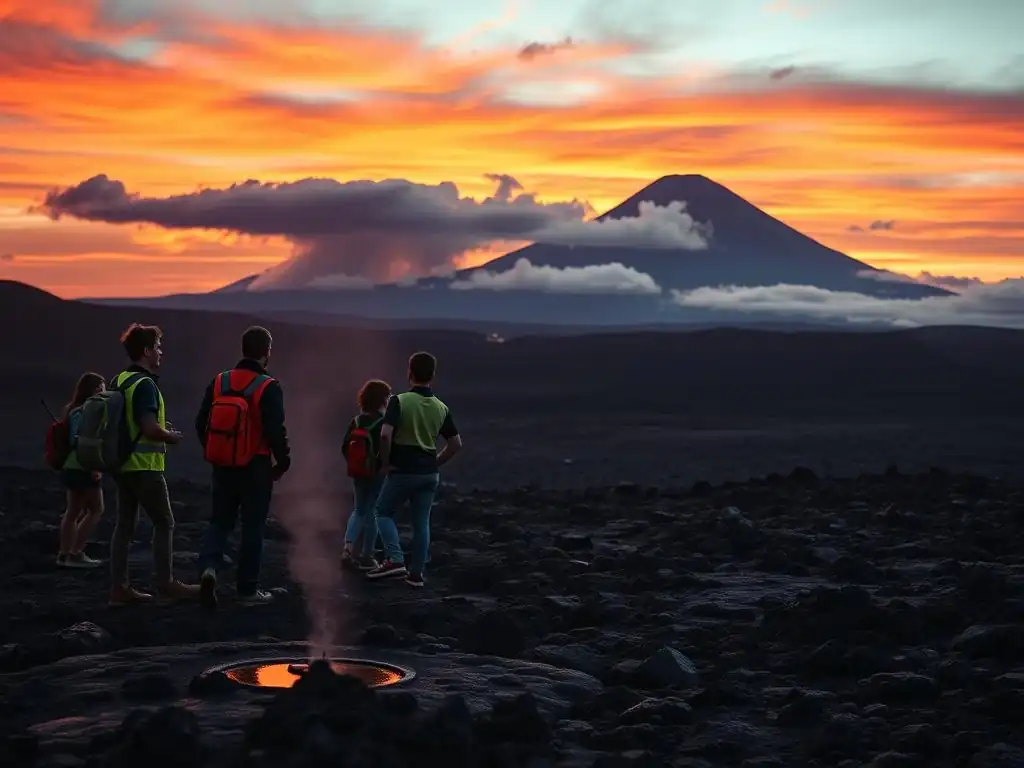
Welcome to Volcano Explorers, where the Earth's fiery heart beats loud! Are you ready to witness the raw power and breathtaking beauty born from molten rock? This is where we delve into the science, the stories, and the sheer wonder of volcanoes.
But what if you could experience it firsthand? Get ready to ignite your curiosity as we explore Educational Experiences in Volcano Country, offering a glimpse into the unforgettable adventures awaiting those brave enough to learn at the edge of a caldera. Prepare to be amazed… and maybe a little singed!
Educational Tourism: Leveraging Volcanic Landscapes for Learning
Educational tourism in volcanic regions represents a unique intersection of travel and learning, offering unparalleled opportunities to understand Earth's dynamic processes firsthand. These landscapes, shaped by millennia of volcanic activity, become open-air classrooms where geological concepts leap from textbooks into tangible reality. For instance, in Iceland, the Þingvellir National Park, a UNESCO World Heritage Site situated in a rift valley, vividly demonstrates plate tectonics in action.
Visitors can literally walk between the North American and Eurasian tectonic plates, witnessing the geological forces that drive volcanic activity. Similarly, in Italy, the region around Mount Vesuvius provides a poignant lesson in volcanic hazards and human resilience. The preserved Roman city of Pompeii offers a stark reminder of the destructive power of volcanoes, while modern-day Naples thrives in the shadow of this active giant, showcasing how communities adapt and coexist with volcanic risk.
The educational value of these volcanic destinations extends beyond geology. They also offer insights into ecology, history, and culture. Volcanic soils, though initially barren, gradually become fertile grounds for unique ecosystems, demonstrating ecological succession and adaptation.
The communities living near volcanoes have developed distinct cultures and traditions, often deeply intertwined with the volcanic landscape. For example, the people of the Canary Islands have a long history of utilizing volcanic resources, from building materials to geothermal energy, showcasing a sustainable relationship with their volcanic environment. Educational tourism initiatives in these regions often incorporate local knowledge and perspectives, enriching the learning experience and fostering a deeper appreciation for the complex interplay between nature and human society in volcano country.
Interactive Exhibits: Engaging with Volcanic Concepts
Volcano museums are transforming the way people learn about volcanology, moving beyond static displays to create dynamic and interactive educational experiences. These centers are increasingly incorporating cutting-edge technologies to bring the often-abstract concepts of volcanism to life.
Consider the Volcano House in Hawai'i Volcanoes National Park, which uses 3D models and simulations to illustrate the formation of shield volcanoes and lava tubes, allowing visitors to virtually "walk" through a lava flow or witness the inner workings of a volcanic caldera. Similarly, the LAVA Centre in Iceland utilizes high-definition films and immersive exhibits to simulate earthquakes and volcanic eruptions, providing a visceral understanding of these powerful natural phenomena.
The effectiveness of interactive exhibits lies in their ability to cater to diverse learning styles and age groups. Children and adults alike can benefit from hands-on activities, such as building their own volcano models or using touchscreens to explore global volcanic distributions and eruption histories. Many museums now feature augmented reality (AR) and virtual reality (VR) experiences that further enhance engagement.
Imagine putting on a VR headset and being virtually transported to the crater rim of an erupting volcano, or using an AR app to visualize the layers of a volcanic cone in 3D. These technologies not only make learning more fun and memorable but also facilitate a deeper understanding of complex scientific principles related to volcanic processes and the Earth's inner workings.
Cultural Significance: Connecting Volcanoes to Local Communities
Volcano museums are increasingly recognizing and showcasing the profound cultural significance of volcanoes to local communities. For many cultures around the world, volcanoes are not just geological features, but sacred mountains, deities, or powerful symbols deeply embedded in their mythology, folklore, and traditions.
The Polynesian cultures of Hawai'i and New Zealand, for instance, revere volcanoes as manifestations of gods and goddesses, with intricate stories and chants that explain volcanic activity and the creation of the islands. Volcano museums in these regions often dedicate significant space to exploring these cultural connections, presenting artifacts, oral histories, and artistic expressions that reflect the spiritual and symbolic importance of volcanoes.
By integrating cultural perspectives, volcano museums broaden the scope of volcano education beyond pure science. They highlight the long-standing relationship between humans and volcanoes, demonstrating how these natural forces have shaped not only the landscape but also the cultural identity and worldview of communities living in their shadow.
This approach fosters a more holistic and nuanced understanding of volcanoes, acknowledging their multifaceted impact on human societies. Furthermore, by involving local communities in the museum's development and interpretation, these institutions become more relevant and engaging for visitors, promoting cross-cultural dialogue and a deeper respect for diverse perspectives on our planet's dynamic landscapes.
Field Studies: Direct Observation and Data Collection
Field studies in volcanic regions are crucial for immersive learning, allowing students and enthusiasts to move beyond the classroom and engage directly with volcanic landscapes. These experiential learning opportunities provide invaluable hands-on experience in geological observation, data collection, and scientific inquiry. For example, universities and educational organizations frequently conduct field courses in areas like the Cascade Volcanic Arc in the United States or the volcanic islands of Italy. In these settings, participants learn to identify different types of volcanic rocks, map volcanic features, and analyze volcanic deposits, gaining practical skills in geological fieldwork techniques.
The immersive nature of field studies fosters a deeper and more lasting understanding of volcanic processes. By directly observing the textures of lava flows, the structures of volcanic cones, and the effects of geothermal activity, learners develop a more intuitive grasp of geological concepts. Moreover, field studies often involve real-time data collection using portable instruments, such as GPS devices, gas detectors, and thermal cameras.
This hands-on experience not only reinforces theoretical knowledge but also introduces participants to the methods and challenges of volcanological research. Furthermore, working collaboratively in the field promotes teamwork, problem-solving skills, and a sense of shared discovery, enriching the overall educational experience in volcano country.
Observatories: Real-time Monitoring and Research
Volcano observatories, often located on or near active volcanoes, offer unique educational opportunities by providing insights into real-time monitoring and scientific research. These facilities are at the forefront of volcano science, employing sophisticated instruments and techniques to track volcanic activity and assess potential hazards.
Many observatories, such as the Hawaiian Volcano Observatory or the Montserrat Volcano Observatory, offer public outreach programs, including guided tours and educational exhibits, allowing visitors to witness volcanology in action. These programs often showcase the advanced technology used for monitoring, including seismographs, GPS stations, gas sensors, and satellite imagery, demonstrating how scientists continuously track subtle changes in volcanic behavior.
Visiting a volcano observatory provides a powerful learning experience by demystifying the science of volcano monitoring and hazard assessment. Visitors can learn how scientists interpret data to forecast eruptions, assess volcanic risks, and provide timely warnings to communities. Some observatories even offer opportunities to interact with volcanologists and learn about their research firsthand.
This direct engagement with scientists and the scientific process can be incredibly inspiring, particularly for students considering careers in Earth sciences. Furthermore, witnessing the dedication and expertise of observatory staff underscores the importance of scientific monitoring for public safety in volcanic regions, highlighting the practical applications of volcanology in mitigating natural disasters.
Age-Appropriate Programs: Tailored Learning Experiences
Education centers dedicated to volcanic studies are increasingly developing age-appropriate programs to cater to a wide range of learners, from young children to adults and professionals. Recognizing that effective education requires tailoring content and delivery methods to the specific developmental stages and learning styles of different age groups, these centers are creating specialized curricula and activities.
For younger children, programs often focus on hands-on, sensory experiences, such as creating playdough volcanoes, conducting simple eruption experiments, or exploring volcanic rocks through touch and observation. These activities are designed to spark curiosity and introduce basic concepts in an engaging and accessible way.
For older students and adults, education centers offer more in-depth programs that delve into the complexities of volcanology, including the physics and chemistry of magma, plate tectonics, and volcanic hazard assessment. These programs may incorporate lectures, workshops, field trips, and research projects, providing a more comprehensive and rigorous learning experience.
Some centers also offer specialized training for professionals, such as emergency responders or land-use planners, equipping them with the knowledge and skills needed to manage volcanic risks effectively. By offering a diverse range of age-appropriate programs, these education centers ensure that volcano education is accessible and impactful for learners of all ages and backgrounds, fostering a broader understanding and appreciation of volcanic processes.
Expert-Led Tours: Interpreting Volcanic Processes
Expert-led tours in volcanic areas provide an invaluable educational experience by offering direct access to the knowledge and insights of volcanologists, geologists, and local experts. These tours go beyond typical sightseeing, transforming a visit to a volcanic landscape into an immersive learning journey.
Guides with specialized expertise can interpret volcanic features, explain geological processes in real-time, and answer complex questions that might arise during exploration. For instance, a guided walk through a lava tube with a volcanologist can reveal fascinating details about lava flow dynamics and the formation of these underground tunnels, information that might be missed on a self-guided tour.
The benefit of expert-led tours extends beyond factual knowledge. These guides often bring a passion for volcanology and a deep understanding of the local environment, enriching the experience with anecdotes, personal observations, and insights into ongoing research. They can also provide crucial context, connecting geological features to broader scientific concepts and highlighting the significance of the site within the larger volcanic landscape.
Furthermore, expert-led tours often promote responsible tourism by emphasizing safety guidelines, environmental ethics, and respect for local cultures. This personalized and interactive approach to volcano education creates a more engaging and memorable learning experience, fostering a deeper appreciation for the power and complexity of volcanic systems.
Interpretive Trails: Understanding Volcanic Features
Volcanic parks often feature interpretive trails that serve as self-guided educational experiences, allowing visitors to explore volcanic landscapes at their own pace while learning about the geological features around them. These trails are carefully designed to showcase key volcanic landforms, such as lava flows, craters, fumaroles, and hot springs, with strategically placed signs and displays providing detailed explanations.
For example, the Devastated Area Trail at Lassen Volcanic National Park in California guides visitors through a landscape dramatically reshaped by a volcanic eruption, with signs interpreting the various stages of ecological succession following the event and explaining the volcanic processes that created the landscape.
The effectiveness of interpretive trails lies in their accessibility and ability to cater to diverse learning styles. Visitors can learn through a combination of visual observation, reading interpretive panels, and experiencing the landscape firsthand. Many trails incorporate interactive elements, such as QR codes that link to online resources, audio guides, or hands-on exhibits along the path.
Well-designed interpretive trails not only enhance visitor understanding but also promote environmental stewardship by fostering appreciation for the natural environment and encouraging responsible behavior within volcanic parks. They provide a readily available and cost-effective way to deliver volcano education to a broad audience, making geological learning accessible to anyone visiting these remarkable landscapes.
Ecological Insights: Exploring Volcanic Ecosystems
Volcanic parks offer unique opportunities to explore the fascinating ecosystems that thrive in volcanic environments, demonstrating the resilience of life and the process of ecological succession in extreme conditions. While volcanic eruptions can initially create barren landscapes, these areas are quickly colonized by pioneering plant and animal species, gradually developing into complex and diverse ecosystems.
For instance, the Kalapana lava flows in Hawai'i Volcanoes National Park showcase the rapid pace of ecological succession in a tropical volcanic setting, with different zones representing various stages of plant colonization on lava flows of different ages. Interpretive programs and guided walks in these parks often highlight the adaptations of plants and animals to volcanic soils, geothermal activity, and other environmental challenges.
Studying volcanic ecosystems provides valuable insights into ecological principles, such as adaptation, resilience, and community dynamics. Volcanic soils, though initially lacking in nutrients, are rich in minerals that can eventually support plant growth. Geothermal areas, such as hot springs and fumaroles, create unique microhabitats that support specialized microbial communities and extremophile organisms.
Volcanic parks often conduct ecological research and monitoring, providing further opportunities for education and citizen science involvement. By exploring volcanic ecosystems, visitors can gain a deeper appreciation for the interconnectedness of geological and biological processes and the remarkable ability of life to thrive in even the most challenging environments.
Scientific Inquiry: Inspiring Future Earth Scientists
Volcano-focused education plays a crucial role in fostering scientific inquiry and inspiring the next generation of Earth scientists. The dramatic and awe-inspiring nature of volcanoes naturally sparks curiosity and wonder, making them an engaging topic for science education. Educational programs that incorporate hands-on activities, field experiences, and real-world data analysis can effectively cultivate scientific skills and critical thinking. For example, students participating in volcano monitoring projects, even at a basic level, can learn to collect and interpret data, formulate hypotheses, and draw conclusions based on evidence, mirroring the scientific process used by professional volcanologists.
Exposure to volcano science can ignite a passion for Earth sciences and related fields, encouraging students to pursue careers in volcanology, geology, environmental science, and disaster management. Volcano education can also highlight the importance of interdisciplinary approaches to scientific problem-solving, demonstrating how volcanology draws upon physics, chemistry, biology, and social sciences. Furthermore, by showcasing the societal relevance of volcano research, particularly in hazard mitigation and risk assessment, education programs can inspire students to use their scientific knowledge to address real-world challenges and contribute to community resilience in volcanic regions.
Environmental Stewardship: Promoting Conservation Efforts
Education about volcanoes and volcanic landscapes is intrinsically linked to promoting environmental stewardship and conservation efforts. Volcanic regions often harbor unique and fragile ecosystems, geological features, and cultural heritage sites that require protection. Educational programs can raise awareness about the ecological and cultural value of these areas and the threats they face from human activities, such as unsustainable tourism development, resource extraction, and pollution. By fostering a deeper understanding and appreciation for volcanic environments, education can inspire responsible behavior and encourage visitors to become stewards of these landscapes.
Volcanic parks and education centers often play a leading role in conservation efforts, implementing sustainable tourism practices, managing visitor impacts, and conducting ecological restoration projects. Educational initiatives can support these efforts by engaging local communities, volunteers, and citizen scientists in conservation activities. For instance, programs that involve students in monitoring volcanic ecosystems, participating in trail maintenance, or removing invasive species can foster a sense of ownership and responsibility for the environment. Ultimately, volcano-focused education can empower individuals to become advocates for the conservation of volcanic landscapes and contribute to the long-term sustainability of these remarkable natural wonders.
Selecting a Site: Location, Program Focus, and Accessibility
Planning a volcanic education trip requires careful consideration of several factors to ensure a rewarding and effective learning experience. Selecting the right site is paramount, and this decision should be guided by the specific educational goals of the trip. Different volcanic regions offer diverse learning opportunities, depending on the type of volcanism, geological features, and available infrastructure.
For example, Hawai'i is ideal for studying shield volcanoes and lava flows, Iceland for plate tectonics and geothermal activity, and Italy for stratovolcanoes and volcanic hazards. The program focus should align with the chosen location; if the aim is to study volcanic hazards, a site near an active stratovolcano like Mount Rainier or Mount Vesuvius would be more relevant than a dormant volcanic field.
Accessibility is another crucial factor to consider, particularly for school groups or individuals with mobility limitations. Some volcanic sites are easily accessible with well-developed infrastructure, including visitor centers, trails, and transportation options, while others are more remote and require more strenuous travel. The availability of educational programs and resources at the site should also be assessed.
Some volcanic parks and centers offer a wide range of guided tours, workshops, and educational materials, while others may have limited resources. Careful research and planning are essential to select a site that matches the educational objectives, accessibility needs, and available resources, ensuring a successful and enriching volcanic education trip.
Preparation: Safety and Respect for the Environment
Proper preparation is essential for any volcanic education trip, prioritizing both safety and respect for the environment. Volcanic landscapes, while fascinating, can also be hazardous, with risks such as volcanic gases, unstable terrain, and unpredictable weather conditions. Safety should be the foremost concern, and all participants should be thoroughly briefed on potential hazards and safety protocols before and during the trip.
Appropriate clothing and footwear are crucial, as volcanic terrain can be uneven and rugged, and weather conditions can change rapidly. It is essential to stay on marked trails, heed warnings from park rangers or guides, and be aware of potential volcanic activity updates.
Respect for the environment is equally important. Volcanic landscapes are fragile ecosystems and geological treasures, and visitors should strive to minimize their impact. This includes avoiding littering, staying on designated trails to prevent erosion and habitat disturbance, and refraining from collecting volcanic rocks or artifacts. It is also important to be mindful of local cultures and traditions, particularly in areas where volcanoes hold cultural or spiritual significance. Responsible tourism practices ensure that volcanic education trips are not only enriching but also contribute to the long-term preservation of these remarkable natural and cultural heritage sites for future generations.
Hazard Mitigation: Volcanic Risk Assessment and Preparedness
Volcano education has significant practical applications, particularly in hazard mitigation and volcanic risk assessment. Understanding volcanic processes and hazards is crucial for communities living near active volcanoes to prepare for and mitigate potential risks. Educational programs aimed at local communities can raise awareness about volcanic hazards, such as lava flows, pyroclastic flows, ashfall, and lahars, and provide practical guidance on evacuation procedures, emergency preparedness, and risk reduction strategies. These programs often involve collaboration between scientists, emergency managers, and community leaders to ensure that information is relevant, accessible, and culturally appropriate.
Furthermore, volcano education plays a vital role in training professionals involved in hazard management, such as emergency responders, land-use planners, and policymakers. Specialized workshops and training programs can equip these professionals with the scientific knowledge and practical skills needed to assess volcanic risks, develop hazard maps, implement effective warning systems, and plan for emergency response and recovery. By strengthening community preparedness and professional capacity in hazard mitigation, volcano education contributes directly to reducing the vulnerability of populations living in volcanic regions and building more resilient communities in the face of volcanic threats.
Sustainable Practices: Responsible Tourism in Volcanic Areas
Sustainable practices are paramount for responsible tourism in volcanic areas, ensuring that educational experiences benefit both visitors and the long-term well-being of these sensitive environments and local communities. Sustainable tourism in volcano country involves minimizing environmental impacts, respecting local cultures, and supporting local economies. This can be achieved through various measures, such as promoting eco-friendly transportation options, reducing waste generation, conserving water and energy, and supporting local businesses and initiatives. Education plays a key role in fostering sustainable tourism by raising awareness among visitors about responsible travel practices and the importance of environmental and cultural conservation.
Volcanic parks and tourism operators can implement sustainable tourism guidelines and certifications to promote responsible behavior among visitors and businesses. These guidelines often include principles such as minimizing disturbance to natural environments, respecting wildlife, supporting local communities, and promoting cultural heritage preservation. Educational programs can also engage local communities in tourism planning and management, ensuring that tourism benefits local livelihoods and contributes to community development. By embracing sustainable practices, volcano tourism can become a force for positive change, promoting both education and conservation in these remarkable volcanic landscapes.
Hawai'i Volcanoes National Park: Integrating Culture and Science
Hawai'i Volcanoes National Park serves as a compelling case study in effective volcano education, seamlessly integrating cultural and scientific perspectives to provide a rich and multifaceted learning experience. The park's educational programs deeply incorporate Native Hawaiian culture and traditions, recognizing the profound spiritual and historical connection of Kānaka Maoli (Native Hawaiians) to volcanoes, particularly Pele, the volcano goddess. Interpretive exhibits and ranger talks often weave together scientific explanations of volcanic processes with traditional Hawaiian stories and chants, providing a holistic understanding of volcanoes from both indigenous and Western scientific viewpoints.
The park also excels at hands-on science education, offering a wide range of activities, from guided hikes through lava tubes and volcanic craters to citizen science projects monitoring volcanic gases and ecosystems. The Volcano House and Kīlauea Visitor Center provide excellent interactive exhibits and educational resources, further enhancing visitor learning. Hawai'i Volcanoes National Park's success lies in its commitment to cultural sensitivity, scientific rigor, and engaging educational approaches, making it a model for volcano education initiatives worldwide.
Mount St. Helens Institute: Community Engagement and Restoration
The Mount St. Helens Institute (MSHI) provides another exemplary case study, demonstrating the power of community engagement and ecological restoration in volcano education. Established after the 1980 eruption of Mount St. Helens, MSHI focuses on educating the public about the eruption's ecological and geological impacts and engaging volunteers in restoration efforts within the blast zone. The institute's programs emphasize hands-on learning, citizen science, and stewardship, involving thousands of volunteers in activities such as tree planting, trail building, and monitoring wildlife populations.
MSHI's educational approach is deeply rooted in community involvement, fostering a sense of ownership and responsibility for the recovery of the Mount St. Helens landscape. The institute's field-based programs provide immersive learning experiences, allowing participants to witness ecological succession firsthand and contribute directly to the restoration process. By combining education, community engagement, and ecological restoration, MSHI exemplifies a holistic and impactful approach to volcano education, showcasing the long-term benefits of learning from volcanic events and actively participating in environmental recovery.
Continued Exploration: Fostering a Lifelong Fascination with Volcanoes
Volcano education is not just about acquiring knowledge; it is about igniting a lifelong fascination with the Earth's dynamic processes and fostering a sense of wonder about the natural world. The immersive and experiential nature of volcano education, whether through museum visits, field studies, or expert-led tours, can leave a lasting impression, inspiring individuals to continue exploring and learning about volcanoes throughout their lives. This continued exploration can take many forms, from reading books and articles about volcanology to visiting other volcanic regions around the world and engaging in citizen science initiatives.
Fostering a lifelong fascination with volcanoes extends beyond individual enrichment; it also contributes to a more scientifically literate and environmentally conscious society. Individuals who are passionate about volcanoes are more likely to support scientific research, advocate for environmental conservation, and engage in informed decision-making related to natural hazards and resource management. By cultivating a sense of wonder and curiosity about volcanoes, education can empower individuals to become lifelong learners and active participants in understanding and protecting our dynamic planet.
- Educational Tourism: Leveraging Volcanic Landscapes for Learning
- Interactive Exhibits: Engaging with Volcanic Concepts
- Cultural Significance: Connecting Volcanoes to Local Communities
- Field Studies: Direct Observation and Data Collection
- Observatories: Real-time Monitoring and Research
- Age-Appropriate Programs: Tailored Learning Experiences
- Expert-Led Tours: Interpreting Volcanic Processes
- Interpretive Trails: Understanding Volcanic Features
- Ecological Insights: Exploring Volcanic Ecosystems
- Scientific Inquiry: Inspiring Future Earth Scientists
- Environmental Stewardship: Promoting Conservation Efforts
- Selecting a Site: Location, Program Focus, and Accessibility
- Preparation: Safety and Respect for the Environment
- Hazard Mitigation: Volcanic Risk Assessment and Preparedness
- Sustainable Practices: Responsible Tourism in Volcanic Areas
- Hawai'i Volcanoes National Park: Integrating Culture and Science
- Mount St. Helens Institute: Community Engagement and Restoration
- Continued Exploration: Fostering a Lifelong Fascination with Volcanoes
Frequently Asked Questions
What types of educational experiences are available in volcano country?
Volcano country offers a variety of experiences, including guided tours of volcanic landscapes, hands-on workshops on volcanology, and interactive museum exhibits that explain volcanic processes.
What can I learn from visiting a volcano?
Visiting a volcano provides insights into Earth's geological processes, the formation of landscapes, and the impact of volcanic eruptions on the environment and human populations.
Are there safety concerns when visiting a volcano?
Yes, safety is paramount. Visitors should adhere to designated trails, follow guidelines provided by park rangers, and be aware of potential hazards like volcanic gases and unstable terrain.
How do volcanologists study volcanoes?
Volcanologists use various methods, including monitoring seismic activity, analyzing gas emissions, and studying lava flows to understand and predict volcanic eruptions.
Where can I find real-time updates on volcanic activity?
Websites like VolcanoExplorers.org and other official geological survey websites provide up-to-date information on volcanic activity around the world.
Final Reflection: Embracing the Fiery Classroom
The journey through "Lava's Lessons" has illuminated the profound potential of immersive education in volcano country, revealing how the raw power and geological wonders of these landscapes can ignite a passion for learning unlike any other. It's a reminder that education isn't confined to classrooms; it thrives where curiosity meets experience, and where the earth itself becomes the teacher.
The impact of these educational experiences extends far beyond simple memorization. It fosters a deep, visceral connection to the natural world, inspiring a sense of stewardship and responsibility for our planet. This connection is crucial, especially in a time when environmental awareness is more critical than ever. We will conserve only what we love; we will love only what we understand; and we will understand only what we are taught.
- Baba Dioum's powerful words underscore the vital role of immersive experiences in cultivating that love and understanding.
Now, as you reflect on the lessons learned from the heart of volcano country, consider how you can incorporate this spirit of experiential learning into your own life. How can you seek out opportunities to connect with the world around you in a more meaningful way? Embrace the fiery curiosity that "Lava's Lessons" has sparked, and let it guide you on a lifelong journey of discovery and understanding.
Okay, I will create a Call to Action for the end of a web article titled "Lava's Lessons: Immersive Education in the Heart of Volcano Country" for the website "Volcano Explorers" with the domain "volcanoexplorers.org," following all the provided instructions. Here it is:
Ignite Your Inner Volcanologist!
Thank you for exploring the fiery world of volcano education with us! We hope you’ve discovered new ways to appreciate the power and importance of volcanic landscapes. Now, let's turn that newfound knowledge into action.
Here are a few ways you can continue your exploration:
- Sign up for one of our immersive educational tours on the Big Island to witness the volcanic processes firsthand!
- Share this article with a friend or family member who shares your passion for geology or adventure travel. Let them experience Lava's Lessons too!
- Dive deeper by researching the specific types of volcanoes in your region and share your findings with our community in the comments below.
What's one thing you learned about volcanoes today that completely surprised you, and how will you apply that new knowledge in your life?