
Volcanoes on Lockdown: Understanding Emergency Access Restrictions

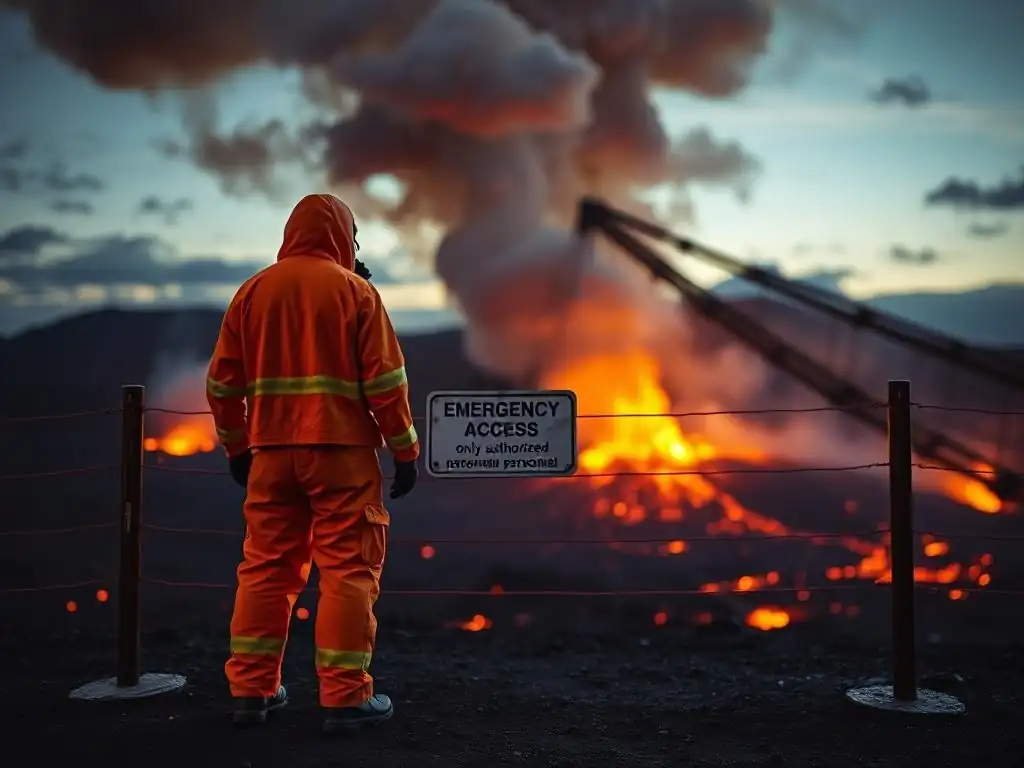
Welcome to Volcano Explorers.
Ever wondered what it takes to get close to a fiery giant, especially when things get heated? Our latest exploration dives deep into the world of emergency access to volcanoes, uncovering the complex regulations and hidden pathways that determine who gets to witness these breathtaking wonders, even when the earth trembles. Prepare to uncover the secrets behind those guarded gates – are you ready to learn what's truly possible?
- Introduction: Navigating Emergency Access to Volcanoes for Safe Exploration
- Why Emergency Access Restrictions Are Put in Place Around Volcanoes
- Emergency Access Restrictions: Types and Enforcement
- Understanding Volcano Emergency Alerts and Warnings
- How to Prepare for Potential Access Restrictions Before Your Volcano Visit
- Responsible Volcano Tourism: Respecting Restrictions and Prioritizing Safety
- Case Studies: Examples of Emergency Access Restrictions in Action
- The Future of Volcano Tourism: Balancing Access and Safety
- Conclusion: Prioritizing Safety and Responsible Exploration in Volcanic Regions
-
Frequently Asked Questions
- How do emergency access restrictions impact scientific research on volcanoes?
- What are the typical reasons for implementing emergency access restrictions near volcanoes?
- Who decides when to implement and lift emergency access restrictions around volcanoes?
- How can I stay informed about emergency access restrictions in my area if I live near a volcano?
- What are the potential penalties for violating emergency access restrictions around a volcano?
- Final Reflection: Embracing Volcanic Vigilance
- Ignite Your Inner Explorer: Plan Your Next (Safe!) Volcanic Adventure
The Allure of Volcano Tourism and the Importance of Safety Regulations
Volcanoes, with their raw power and breathtaking beauty, exert a powerful pull on adventurers and nature enthusiasts alike. Volcano tourism has become increasingly popular, drawing millions to witness these geological giants firsthand. From hiking to crater rims to observing lava flows, the experiences are undeniably unique and awe-inspiring.
However, the very forces that make volcanoes so captivating also pose significant risks. The volatile nature of volcanic systems necessitates stringent safety regulations and, at times, emergency access restrictions to protect both visitors and local communities. Understanding and respecting these regulations is paramount for anyone seeking to explore these dynamic landscapes responsibly.
The establishment of safety regulations around volcanoes is not arbitrary; it stems from decades of scientific research and tragic lessons learned from past eruptions. Regulations are designed to mitigate risks associated with a wide range of volcanic hazards, from subtle gas emissions to catastrophic explosions.
These guidelines often involve restricted zones, mandatory permits, and specific conduct protocols within volcanic areas. Ignoring these safety measures can lead to serious injury or even death, highlighting the critical need for tourists and researchers to prioritize safety and adhere to all established rules when seeking emergency access to volcanoes or visiting under normal conditions.
Understanding the Dynamic Nature of Volcanoes and Associated Risks
Volcanoes are not static mountains; they are dynamic systems constantly changing and evolving. Beneath the surface, molten rock, gases, and pressure build, leading to eruptions that can range from gentle lava flows to violent explosions. This inherent unpredictability is what makes volcanoes both fascinating and dangerous. A volcano that appears dormant can become active with little warning, and even volcanoes exhibiting low-level activity can suddenly escalate. This dynamism necessitates a cautious approach to volcano tourism and a clear understanding that emergency access restrictions are a vital tool for managing risk.
The risks associated with volcanoes are diverse and can manifest in various forms. Ashfall, while seemingly benign, can cause respiratory problems, disrupt infrastructure, and collapse roofs. Pyroclastic flows, fast-moving currents of hot gas and volcanic debris, are incredibly destructive and deadly, capable of incinerating everything in their path.
Lahars, volcanic mudflows, can surge down river valleys with immense force, burying entire towns and altering landscapes in minutes. Furthermore, volcanic gases like sulfur dioxide and carbon dioxide can be toxic and accumulate in low-lying areas. Emergency access restrictions are implemented to minimize exposure to these and other hazards when volcanic activity increases.
Why Emergency Access Restrictions Are Put in Place Around Volcanoes
Volcanic Activity Levels and Alert Systems Explained
Volcanic activity is not a binary state of either erupting or dormant. Instead, it exists on a spectrum, which is why volcanologists use alert level systems to communicate the current state of a volcano and the associated risks. These systems are typically color-coded or numerically scaled, ranging from normal or background levels (often green or level 0) to major eruption imminent or in progress (often red or level 4 or 5).
For example, the United States Geological Survey (USGS) employs a color-coded system: Green (Normal), Yellow (Advisory), Orange (Watch), and Red (Warning). Each level corresponds to specific volcanic behaviors and potential hazards.
When a volcano shows signs of unrest, such as increased seismicity, ground deformation, or gas emissions, the alert level is raised. This escalation triggers a series of responses from authorities, including enhanced monitoring, public advisories, and potentially, the implementation of access restrictions. The specific criteria for raising alert levels vary depending on the volcano and the monitoring capabilities in place. However, the underlying principle is to provide timely warnings and protective measures based on the best available scientific data. These alert systems are crucial for informing decisions about emergency access to volcanoes.
Identifying Potential Hazards: Ashfall, Pyroclastic Flows, and Lahars
Volcanic hazards are diverse and depend on the type of eruption, volcano structure, and surrounding environment. Ashfall, composed of fine particles of volcanic rock and glass, can travel hundreds or even thousands of kilometers downwind from an erupting volcano. While not always immediately life-threatening, ashfall can cause significant disruptions. Heavy ashfall can collapse roofs, contaminate water supplies, disrupt air travel, and cause respiratory problems, particularly for vulnerable populations. For instance, the 2010 eruption of Eyjafjallajökull in Iceland, while relatively small in volcanic terms, grounded air traffic across Europe for days due to ash clouds.
Pyroclastic flows are among the most dangerous volcanic hazards. These are fast-moving, ground-hugging currents of hot gas and volcanic debris that can reach temperatures of hundreds of degrees Celsius and speeds exceeding 100 km/h. They are typically generated by the collapse of eruption columns or lava domes. Pyroclastic flows are virtually unsurvivable and can devastate everything in their path.
The 1902 eruption of Mount Pelée in Martinique, which produced a devastating pyroclastic flow, killed approximately 30,000 people and completely destroyed the city of Saint-Pierre. Lahars, volcanic mudflows or debris flows, are another significant threat. They are triggered by the mixing of volcanic material with water, often from melting snow or ice, or heavy rainfall.
Lahars can travel long distances down river valleys, carrying rocks, trees, and debris, and can bury or destroy infrastructure and communities. The 1985 Nevado del Ruiz eruption in Colombia triggered a lahar that destroyed the town of Armero, resulting in over 25,000 fatalities. Understanding these hazards is paramount in establishing and respecting emergency access restrictions.
The Role of Monitoring and Early Warning Systems in Restriction Decisions
Decisions regarding emergency access restrictions are not made arbitrarily; they are based on continuous monitoring of volcanic activity and the interpretation of data from sophisticated early warning systems. Volcanologists employ a range of instruments to track changes in volcanic behavior. Seismometers detect ground vibrations caused by magma movement and eruptions, providing crucial insights into subsurface processes. Ground deformation monitoring, using GPS and satellite-based techniques, measures changes in the shape of the volcano, indicating magma accumulation or withdrawal. Gas sensors measure the composition and flux of volcanic gases, which can signal changes in magma composition and activity.
Data from these monitoring networks are analyzed in real-time, allowing scientists to detect subtle changes that may precede an eruption. Early warning systems use this data to assess the level of volcanic unrest and forecast potential hazards. These systems are not foolproof, and predicting volcanic eruptions remains a complex challenge.
However, they significantly improve the ability to anticipate escalating activity and provide timely warnings. The information provided by monitoring and early warning systems is the cornerstone of informed decision-making regarding emergency access restrictions, ensuring that these measures are implemented based on the best available scientific evidence and aimed at mitigating real and evolving risks.
Emergency Access Restrictions: Types and Enforcement
Complete Closure: No Access Zones and Exclusion Areas
In situations of heightened volcanic unrest or during an ongoing eruption, authorities may implement a complete closure, establishing no-access zones or exclusion areas around the volcano. This is the most stringent form of emergency access restriction, designed to prevent any entry into highly hazardous areas. These zones are typically defined based on scientific assessments of potential hazard zones, considering factors like pyroclastic flow paths, lahar routes, and areas vulnerable to ashfall or gas emissions. The size and shape of these exclusion zones can vary depending on the volcano, the type of activity, and the evolving situation.
Complete closures are often implemented when there is a high probability of imminent or ongoing dangerous volcanic phenomena. For example, during periods of explosive eruptions or significant lava flow activity, areas immediately surrounding the vent or flow path are declared off-limits. These zones are strictly enforced to prevent fatalities and injuries. The rationale behind complete closure is that the risks are simply too high to allow any non-essential presence within the designated area. These restrictions are crucial for public safety and to allow emergency responders to operate effectively without endangering civilians.
Limited Access: Permitted Zones with Restrictions
In less severe situations, or in areas farther from the immediate volcanic hazard, authorities may implement limited access restrictions. This approach allows some level of access while still mitigating risks. Permitted zones are established where certain activities may be allowed, but with specific restrictions in place.
These restrictions can include limitations on the types of activities permitted, the time of day access is allowed, or the number of people allowed in the zone at any given time. Limited access zones are often used to manage tourism or scientific research in areas that are still potentially hazardous but not under immediate threat of catastrophic events.
For instance, in areas with ongoing low-level gas emissions or potential for minor ashfall, access might be permitted for hiking trails that are deemed relatively safe, but with mandatory use of respiratory protection like masks. Similarly, access to certain viewpoints might be allowed during daylight hours but restricted at night due to reduced visibility and increased risks. Limited access restrictions aim to balance the desire for public access and scientific study with the need to ensure safety in a dynamic volcanic environment. These restrictions require clear communication and compliance from those seeking access.
Permit Systems: Regulating Access for Scientific Research and Guided Tours
Permit systems are a common tool for regulating access to volcanoes, particularly for activities like scientific research and guided tours. These systems serve multiple purposes. Firstly, they allow authorities to control the number of people entering potentially hazardous areas, reducing overall risk exposure. Secondly, they provide a mechanism to ensure that those entering volcanic zones are adequately informed about the risks and safety procedures. Thirdly, permit systems can facilitate monitoring and tracking of individuals within restricted areas, aiding in emergency response if needed.
Permits are often required for activities that involve venturing into areas closer to volcanic vents or for extended periods within volcanic zones. Scientific research permits typically require detailed proposals outlining the research objectives, safety protocols, and emergency plans. Guided tour permits ensure that tour operators are properly licensed, trained in volcano safety, and equipped to manage groups responsibly. The permit application process often involves demonstrating an understanding of volcanic hazards and a commitment to adhering to safety regulations. Permit systems are a proactive approach to managing access and promoting responsible volcano exploration.
Law Enforcement and Penalties for Violating Restrictions
Enforcement of emergency access restrictions is crucial for their effectiveness. Law enforcement agencies, such as park rangers, police, or military personnel, are typically responsible for ensuring compliance with restrictions. They patrol restricted areas, monitor access points, and may conduct checks to ensure individuals have the necessary permits or are adhering to regulations. The level of enforcement can vary depending on the severity of the volcanic situation and the type of restriction in place.
Violating emergency access restrictions often carries penalties, which can range from fines to imprisonment, depending on the jurisdiction and the severity of the offense. Penalties are in place not only to deter violations but also to underscore the seriousness of disregarding safety regulations in potentially life-threatening volcanic environments. Furthermore, individuals who violate restrictions may be held liable for any costs associated with their rescue or any damage they cause. Clear communication of restrictions, visible signage, and consistent enforcement are essential to ensure public understanding and compliance, ultimately contributing to safer volcano exploration.
Understanding Volcano Emergency Alerts and Warnings
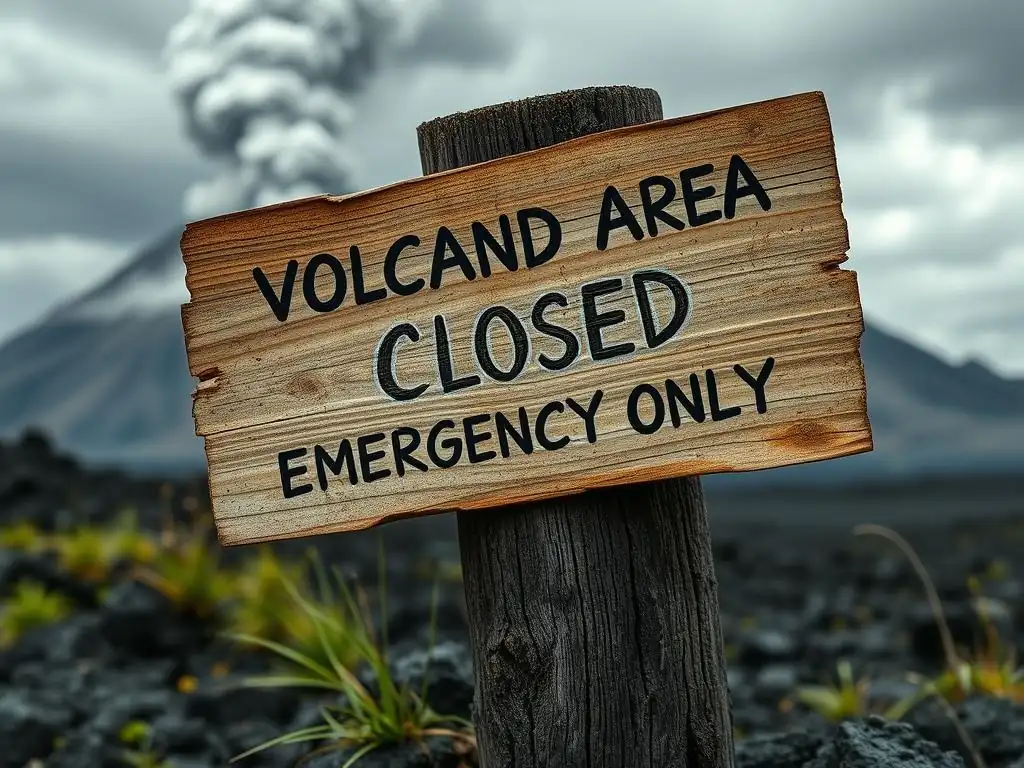
Deciphering Volcanic Alert Levels: From Green to Red
Volcanic alert levels are a standardized way to communicate the status of a volcano and the associated risks to the public and relevant agencies. As mentioned earlier, these systems typically use color codes or numerical scales. A "Green" or "Level 0" alert level generally indicates normal background activity, meaning the volcano is in a non-eruptive state with no immediate threat.
"Yellow" or "Level 1/2" often signifies that the volcano is exhibiting signs of unrest, such as increased seismicity or gas emissions, warranting closer monitoring and public advisories. "Orange" or "Level 3" indicates heightened unrest with an increased probability of eruption, potentially requiring evacuations or stricter access controls.
The highest alert level, "Red" or "Level 4/5," signals that an eruption is imminent or underway, posing significant hazards. At this level, widespread evacuations, complete closures, and emergency response measures are typically in full effect. It is crucial for anyone living near or visiting volcanic regions to understand the specific alert level system used by local authorities and what each level signifies.
Knowing the alert level provides valuable information about the current risk and the appropriate safety precautions to take. Resources like the USGS Volcano Hazards Program website and local volcano observatories provide detailed explanations of alert level systems and current volcano status.
Official Communication Channels: Staying Informed During Volcanic Unrest
During periods of volcanic unrest, staying informed through official communication channels is paramount. Volcano observatories, geological surveys, and emergency management agencies are the primary sources of reliable information. These organizations issue regular updates, advisories, and warnings through various channels, including websites, social media, radio broadcasts, and sometimes, direct alerts to mobile devices. For example, the USGS Volcano Notification Service (VNS) provides email and text message alerts about volcanic activity in the United States. In other countries, similar services are often available through national geological surveys or disaster management agencies.
Relying on official sources is crucial to avoid misinformation and rumors, which can spread rapidly during a volcanic crisis. Local authorities also play a vital role in disseminating information and coordinating emergency responses. They may use public address systems, community meetings, or door-to-door notifications to reach residents in affected areas. Knowing the official communication channels for a specific volcanic region and actively monitoring them is an essential part of preparedness and safety during volcanic unrest. It ensures access to timely and accurate information for making informed decisions about personal safety and emergency access to volcanoes.
Recognizing Warning Signs: What to Watch For on Active Volcanoes
While official alerts and warnings are crucial, individuals visiting or living near volcanoes should also be aware of potential warning signs that may indicate increasing volcanic activity. These signs can be subtle or more obvious, and recognizing them can provide an early indication of escalating risk. Increased frequency or intensity of earthquakes, even small ones, can signal magma movement beneath the surface. Changes in volcanic gas emissions, such as a noticeable increase in sulfurous odors, can also be a warning sign. Visible ground deformation, like swelling or bulging of the volcano's slopes, may indicate magma accumulation.
Other warning signs include increased steam or gas venting, changes in hot spring activity, and unusual animal behavior. While no single sign is definitive, a combination of these observations should raise awareness and prompt individuals to seek official information and advisories. It is important to note that some volcanoes exhibit these signs more prominently than others, and the specific warning signs may vary depending on the volcano type and its eruptive history. Being observant and informed about the typical warning signs for a particular volcano can enhance personal safety and preparedness.
How to Prepare for Potential Access Restrictions Before Your Volcano Visit
Researching Current Volcanic Activity and Alert Status
Before embarking on any volcano tourism trip, thorough research is essential. The first step is to check the current volcanic activity and alert status for the volcano you plan to visit. Websites of volcano observatories and geological surveys are invaluable resources for this information. For example, for volcanoes in the United States, the USGS Volcano Hazards Program website (www.usgs.gov/volcanoes) provides up-to-date information on activity levels, alerts, and potential hazards. Similar organizations exist for volcanoes worldwide, such as the Smithsonian Institution's Global Volcanism Program (volcano.si.edu).
Checking the alert level will provide an immediate indication of the current risk. Reviewing recent activity reports and advisories will offer a more detailed understanding of the volcano's behavior and any potential restrictions that may be in place. It is also beneficial to check for any travel advisories issued by government agencies or tourism authorities. This pre-trip research is crucial for making informed decisions about your visit and preparing for potential access restrictions or changes in itinerary due to volcanic activity.
Obtaining Necessary Permits and Following Guidelines
If your volcano visit involves entering restricted areas or participating in specific activities like hiking or guided tours, obtaining the necessary permits is crucial. Permit requirements vary depending on the location, the type of activity, and the regulations of the managing authority, which could be national parks, local governments, or private landowners. Information about permit requirements can usually be found on the websites of these managing organizations or through local tourism offices.
It is essential to apply for permits well in advance, as they may have limited availability or require processing time. When applying for a permit, be sure to carefully read and understand all the guidelines and regulations associated with it. These guidelines often include safety protocols, restricted zones, permitted activities, and emergency procedures. Following these guidelines is not only a matter of compliance but also a commitment to personal safety and responsible volcano tourism. Disregarding permit requirements or guidelines can result in fines, permit revocation, or, more seriously, endangerment in a volcanic environment.
Packing Essential Safety Gear: Masks, Goggles, and Communication Devices
Proper gear is essential for safe volcano exploration, even when access is permitted and activity levels are low. Essential safety gear should include respiratory protection, such as N95 or P100 masks, to protect against volcanic ash and gases. Goggles or protective eyewear are crucial to shield eyes from ash and volcanic particles, which can be abrasive and irritating. Sturdy hiking boots are necessary for navigating uneven volcanic terrain. Wearing layers of clothing is advisable, as weather conditions in volcanic areas can be unpredictable and change rapidly.
Communication devices, such as a fully charged cell phone and potentially a satellite communication device in remote areas, are important for emergencies. Carrying a first-aid kit with essential supplies is also recommended. Water and food are crucial, especially for longer hikes or excursions. A map and compass or GPS device can be invaluable for navigation, particularly in areas with limited trail markings. Having the right safety gear not only enhances personal comfort but also significantly improves safety and preparedness in a dynamic volcanic environment.
Responsible Volcano Tourism: Respecting Restrictions and Prioritizing Safety
Responsible volcano tourism is centered on respecting local guidelines and instructions from authorities. This includes adhering to all posted signs, warnings, and access restrictions. Local authorities, such as park rangers, volcano observatory staff, and emergency responders, are present to ensure public safety and have the expertise to assess risks in real-time. Their instructions should be followed without question. Ignoring their guidance not only puts oneself at risk but can also endanger others and hinder emergency response efforts.
During periods of volcanic unrest, authorities may issue specific instructions regarding evacuations, restricted areas, or safety protocols. These instructions are based on the best available scientific information and are designed to protect public safety. Responsible volcano tourists understand the importance of compliance and cooperate fully with authorities. This cooperative approach is essential for ensuring the safety and well-being of everyone in volcanic regions.
Minimizing Environmental Impact During Volcano Visits
Responsible volcano tourism also encompasses minimizing environmental impact. Volcanic landscapes are often fragile ecosystems, and volcanic features themselves can be sensitive to disturbance. Staying on designated trails is crucial to avoid erosion and damage to vegetation. Avoiding littering and properly disposing of waste is essential to preserve the natural beauty of volcanic areas. Refraining from collecting volcanic rocks or souvenirs helps protect geological resources and the integrity of volcanic sites.
In some volcanic areas, specific environmental regulations may be in place to protect sensitive ecosystems or endangered species. Respecting these regulations is an integral part of responsible tourism. Minimizing environmental impact ensures that these unique and awe-inspiring landscapes are preserved for future generations to appreciate and explore.
Supporting Sustainable Volcano Tourism Practices
Sustainable volcano tourism aims to balance the economic benefits of tourism with the need to protect volcanic environments and support local communities. Supporting sustainable practices involves choosing tour operators and businesses that are committed to environmental responsibility and community engagement. Opting for locally owned businesses and guided tours can help ensure that tourism revenue benefits the local economy. Respecting local cultures and traditions is also an important aspect of sustainable tourism.
Sustainable volcano tourism also encourages responsible visitor behavior, such as minimizing environmental impact and adhering to safety guidelines. By making conscious choices as tourists, individuals can contribute to the long-term sustainability of volcano tourism and help ensure that these remarkable natural wonders are preserved and enjoyed responsibly. This approach benefits both the environment and the communities that depend on volcano tourism.
Case Studies: Examples of Emergency Access Restrictions in Action
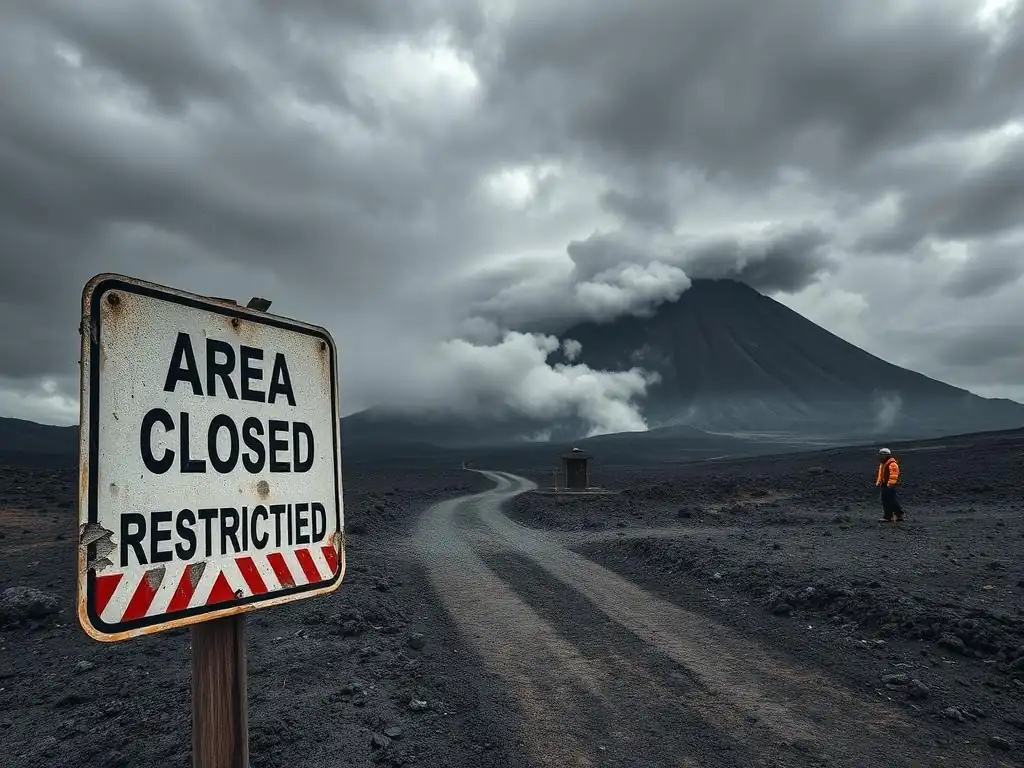
Mount St. Helens: Access Restrictions Following the 1980 Eruption
The 1980 eruption of Mount St. Helens in Washington State, USA, was a landmark event that profoundly shaped our understanding of volcanic hazards and emergency management. Following the catastrophic eruption, a vast area around the volcano was designated as the Mount St. Helens National Volcanic Monument. This area implemented strict access restrictions to protect both the public and the recovering landscape. Initially, the restrictions were very stringent, with large exclusion zones prohibiting any entry into the most hazardous areas.
Over time, as the volcanic activity subsided and the landscape began to stabilize, access restrictions were gradually modified. Permitted zones were established, allowing controlled access for scientific research, recreation, and tourism. The Mount St. Helens case study demonstrates the evolution of emergency access restrictions from complete closure to a more nuanced system of permitted zones and regulated access. It highlights the importance of long-term monitoring, adaptive management, and public education in managing access to volcanic areas following a major eruption. The restrictions, while initially stringent, were crucial for preventing further casualties and allowing the ecosystem to recover.
Kilauea: Managing Access During the 2018 Lower East Rift Zone Eruption
The 2018 eruption of Kilauea volcano in Hawaii, USA, in the Lower East Rift Zone, presented significant challenges for emergency access management. The eruption involved extensive lava flows, volcanic gas emissions, and ground deformation, impacting residential areas and infrastructure. During the eruption, authorities implemented various access restrictions, including road closures, evacuation orders, and no-entry zones in areas directly threatened by lava flows and volcanic hazards.
The dynamic nature of the eruption required constant adjustments to access restrictions. As lava flows advanced and hazard zones shifted, exclusion areas were modified accordingly. Permits were required for essential personnel and researchers to enter restricted zones for monitoring and response efforts. The Kilauea 2018 eruption case study illustrates the complexities of managing access during a prolonged and evolving volcanic crisis. It highlights the need for flexibility, real-time monitoring, and effective communication to ensure public safety and manage emergency access restrictions effectively in a rapidly changing volcanic environment.
The Future of Volcano Tourism: Balancing Access and Safety
Technological Advancements in Monitoring and Prediction
The future of volcano tourism will be increasingly shaped by technological advancements in monitoring and prediction. Improved seismic networks, advanced ground deformation monitoring techniques (like LiDAR and InSAR), and enhanced gas sensing technologies are providing volcanologists with more detailed and real-time data on volcanic activity. These advancements are leading to more sophisticated eruption forecasting models and earlier detection of volcanic unrest. For example, drone technology is being used to monitor remote volcanic areas and collect data in hazardous zones, improving monitoring capabilities while minimizing risks to personnel.
These technological advancements will contribute to more informed decision-making regarding emergency access restrictions. More accurate predictions and earlier warnings can allow for proactive implementation of restrictions, potentially mitigating risks and enhancing public safety. Furthermore, improved monitoring data can help refine hazard assessments and delineate restricted zones more precisely, potentially allowing for more targeted and less disruptive access restrictions in the future.
Community Engagement and Education for Safer Volcano Exploration
Community engagement and education are crucial for fostering safer volcano exploration and responsible volcano tourism. Engaging local communities in volcano monitoring, risk communication, and tourism planning can build trust and enhance preparedness. Educational initiatives aimed at tourists and residents can improve understanding of volcanic hazards, alert systems, and safety protocols. For instance, volcano visitor centers and educational programs can provide valuable information and promote responsible behavior.
Community-based monitoring programs, where local residents are trained to observe and report volcanic activity, can supplement scientific monitoring networks and provide valuable local knowledge. Educational campaigns can use various media to disseminate information about volcano safety, access restrictions, and responsible tourism practices. Increased community engagement and public education are essential for creating a culture of safety and promoting responsible volcano exploration in the long term.
The Ongoing Need for Responsible and Sustainable Practices
Despite technological advancements and increased awareness, the ongoing need for responsible and sustainable practices in volcano tourism remains paramount. Volcanoes are inherently dynamic and unpredictable systems, and the risks associated with volcanic activity will always be present. Responsible tourism requires a continued commitment to prioritizing safety, respecting access restrictions, and minimizing environmental impact. Sustainable practices are essential for ensuring that volcano tourism benefits both visitors and local communities while preserving these unique natural wonders for future generations.
This includes continuous improvement in safety protocols, ongoing education for tourists and tour operators, and adaptive management of access restrictions based on evolving volcanic conditions and scientific understanding. Responsible and sustainable volcano tourism is not just about enjoying the beauty and wonder of volcanoes; it is about doing so in a way that is safe, respectful, and environmentally conscious, ensuring the long-term viability of volcano tourism and the protection of volcanic landscapes.
Conclusion: Prioritizing Safety and Responsible Exploration in Volcanic Regions
Staying Informed and Respecting Emergency Access Restrictions is Crucial
Exploring volcanic regions offers unparalleled experiences, but it is essential to approach these dynamic landscapes with a strong emphasis on safety and responsibility. Staying informed about current volcanic activity and alert levels is the first critical step in safe volcano tourism. Actively seeking information from official sources, understanding volcanic warning signs, and being prepared for potential hazards are all vital aspects of responsible exploration.
Respecting emergency access restrictions is not merely a matter of compliance; it is a fundamental commitment to personal safety and the well-being of others. These restrictions are implemented based on scientific assessments of risk and are designed to mitigate potential dangers. Disregarding these restrictions can have serious consequences, endangering not only oneself but also potentially burdening emergency responders and jeopardizing the safety of others.
Enjoying the Beauty and Wonder of Volcanoes Safely and Responsibly
The goal of responsible volcano tourism is to enable people to enjoy the beauty and wonder of volcanoes safely and sustainably. By prioritizing safety, respecting access restrictions, minimizing environmental impact, and supporting sustainable practices, we can ensure that volcano tourism remains a positive and enriching experience for both visitors and local communities. Volcanoes are powerful forces of nature, and appreciating their majesty comes with the responsibility to explore them with caution, knowledge, and respect. Embracing responsible practices allows us to witness the awe-inspiring power of volcanoes while minimizing risks and preserving these remarkable landscapes for future generations.
Frequently Asked Questions
How do emergency access restrictions impact scientific research on volcanoes?
Emergency access restrictions often limit field work and data collection, hindering scientists' ability to monitor and understand volcanic activity in real-time. This can delay crucial findings and impact hazard assessments.
What are the typical reasons for implementing emergency access restrictions near volcanoes?
These restrictions are usually put in place to protect public safety from potential volcanic hazards like eruptions, ashfall, lahars, and gas emissions. Restrictions also help prevent trespassing and looting near evacuated areas.
Who decides when to implement and lift emergency access restrictions around volcanoes?
Decisions regarding access are typically made by local authorities, often in consultation with volcanologists and emergency management agencies. The decision is based on the level of volcanic activity and associated risks.
How can I stay informed about emergency access restrictions in my area if I live near a volcano?
VolcanoExplorers.org and your local government will provide information via official websites, news channels, and emergency alert systems. Sign up for these updates to stay informed and prepared.
What are the potential penalties for violating emergency access restrictions around a volcano?
Violating restrictions can result in fines, arrest, and potential injury or death. These rules are in place to ensure everyone's safety, so compliance is crucial.
Final Reflection: Embracing Volcanic Vigilance
The preceding exploration of emergency access to volcanoes highlights a critical intersection: the delicate balance between scientific inquiry, public safety, and the raw power of nature. Understanding the nuances of access restrictions, especially during periods of heightened volcanic activity, is not merely an academic exercise; it's a matter of life and death, influencing everything from disaster preparedness to the advancement of volcanology itself.
The ongoing impact of volcanic eruptions, both real and potential, profoundly shapes our relationship with these geological giants. The respect and caution we afford them directly correlate with our ability to mitigate risk and foster resilience in vulnerable communities. The only way to survive is to understand. The only way to understand is to pay attention.
- Ursula K. Le Guin. This quote underscores the vital importance of continuous monitoring, research, and, crucially, the responsible implementation of emergency access protocols.
Let us all, therefore, embrace a spirit of volcanic vigilance. Consider how you can contribute to a safer and more informed future, whether through supporting scientific research, advocating for responsible tourism practices, or simply educating yourself and others about the inherent risks and captivating beauty of these powerful forces of nature. The earth speaks to us through its volcanoes; are we listening?
Ignite Your Inner Explorer: Plan Your Next (Safe!) Volcanic Adventure
Thank you for delving into the complexities of emergency access restrictions around volcanoes. We hope you've gained valuable insights into responsible volcano exploration and the importance of respecting safety guidelines. Now, let's put that knowledge into action!
Here are a few steps you can take to further your understanding and appreciation of these powerful landscapes:
- Prioritize Safety: Research and adhere to all access restrictions before planning your next volcano visit. Check official sources like local park services and the Volcano Explorers website for the most up-to-date information.
- Share Your Knowledge: Spread the word! Discuss this article and its key takeaways with fellow adventurers and help promote responsible and informed volcano tourism.
- Dive Deeper: Explore the "Safety First" section of volcanoexplorers.org for comprehensive guides and resources on safe volcano exploration practices.
What steps will you take to ensure your next volcanic adventure is both thrilling and safe? We'd love to hear your plans in the comments!