
Geological Clocks and Island Origins: Dating the Birth of Volcanic Lands

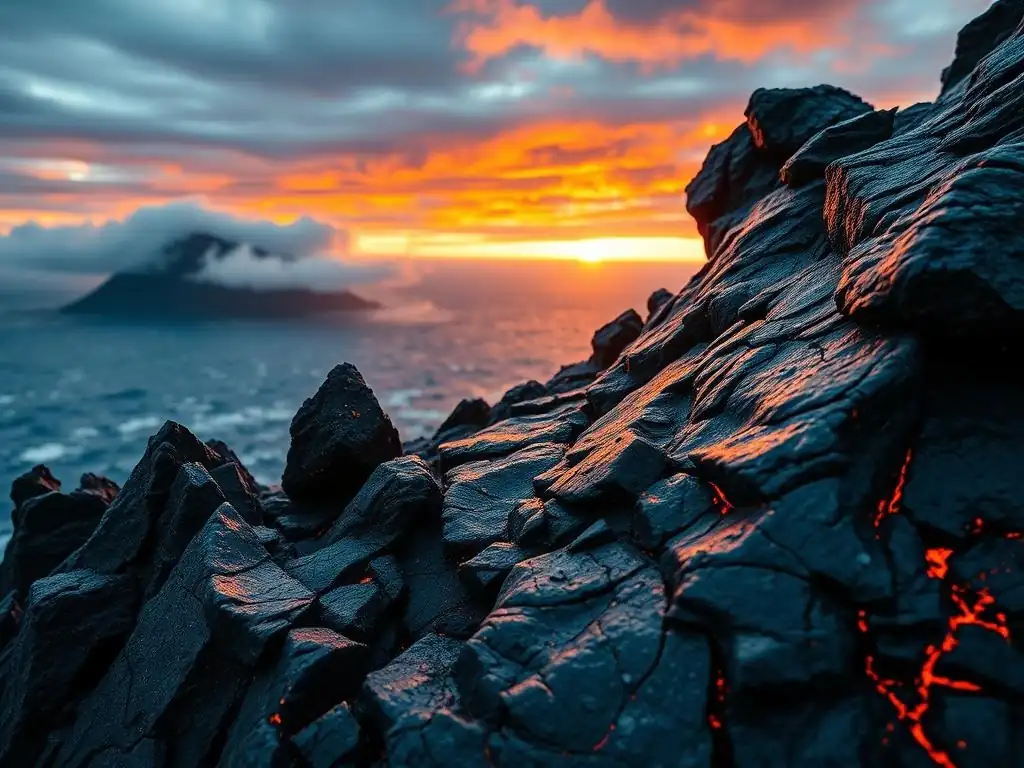
Welcome to Volcano Explorers!
Ever wondered how these fiery giants sculpt the world around us? Beyond the smoke and ash lies a fascinating story of creation, a geological timeline etched in every layer of rock. Dive in, and we'll unravel the secrets of how to date volcanic islands, revealing the incredible processes that give birth to these dramatic landscapes. Are you ready to journey back in time and witness the genesis of volcanic lands?
- Introduction: Unveiling the Age of Volcanic Islands
- Understanding Volcanic Island Formation and the Need for Dating
- Geological Clocks: Principles of Radiometric Dating
- Key Radiometric Dating Methods Used for Volcanic Rocks
- Applying Radiometric Dating to Volcanic Island Samples: A Step-by-Step Process
- Challenges and Limitations in Dating Volcanic Islands
- Case Studies: Dating Famous Volcanic Islands and Their Geological History
- Beyond Radiometric Dating: Other Techniques for Estimating Island Age
- The Future of Volcanic Island Dating: Advancements and New Technologies
- Conclusion: Reconstructing the History of Volcanic Lands Through Dating Techniques
-
Frequently Asked Questions
- How do scientists determine the age of volcanic islands?
- What is the significance of dating volcanic islands?
- What types of rocks are typically used to date volcanic islands?
- Can the age of a volcanic island change over time?
- How does understanding the age of volcanic islands help with safety and planning?
- Final Reflection: Echoes of Creation in Volcanic Stone
- Unearth Your Inner Geologist!
Introduction: Unveiling the Age of Volcanic Islands
Volcanic islands, dramatic jewels rising from the ocean depths, capture our imagination with their raw beauty and dynamic landscapes. From the fiery peaks of Hawaii to the unique ecosystems of the Galapagos, these landmasses are sculpted by powerful geological forces. But beneath their captivating presence lies a fundamental question: how old are these volcanic creations?
Determining the age of volcanic islands is not merely a matter of curiosity; it's a crucial step in understanding the Earth's geological history, the processes that shape our planet, and even the evolution of life itself. Scientists employ sophisticated "geological clocks" to unlock the secrets of island origins, methods that allow us to peer back millions, even billions, of years into the past and precisely date the birth of these volcanic lands.
Understanding Volcanic Island Formation and the Need for Dating
The Dynamic Processes of Island Creation
Volcanic islands are born from the Earth's internal heat and dynamic plate tectonics. The vast majority owe their existence to the movement of tectonic plates and the upwelling of magma from the Earth's mantle. One primary mechanism is the phenomenon of hotspots.
These are plumes of unusually hot mantle material that rise towards the surface, independent of plate boundaries. As a tectonic plate moves over a stationary hotspot, a chain of volcanoes is formed. The Hawaiian Islands are a quintessential example, created by the Pacific Plate drifting over the Hawaiian hotspot.
Another significant process is volcanism along mid-ocean ridges, where tectonic plates diverge. As plates pull apart, magma from the asthenosphere rises to fill the gap, solidifying to create new oceanic crust and, in some instances, volcanic islands like Iceland, situated on the Mid-Atlantic Ridge. These processes, driven by immense geological forces, result in the construction of volcanic edifices from the seabed, eventually emerging as islands.
Why is Dating Volcanic Islands Important?
Knowing the age of a volcanic island is fundamental for a multitude of scientific disciplines. Firstly, it allows geologists to reconstruct the tectonic history of our planet. By dating island chains like Hawaii, scientists can trace the direction and speed of plate movement over millions of years, providing crucial data for understanding plate tectonics.
Secondly, dating volcanic islands is essential for understanding evolutionary biology. Islands, often isolated ecosystems, serve as natural laboratories for evolution. The age of an island directly influences the time available for species to colonize, adapt, and diversify, as famously exemplified by Darwin's finches in the Galapagos.
Furthermore, understanding the age and eruptive history of volcanic islands is critical for assessing volcanic hazards. Dating past eruptions helps volcanologists predict future volcanic activity, assess risks to nearby populations, and develop effective mitigation strategies. In essence, dating volcanic islands is a cornerstone for unraveling Earth's history and understanding the interplay between geological forces and life itself.
Geological Clocks: Principles of Radiometric Dating
What are Radiometric Dating Methods?
Radiometric dating methods are the most reliable and widely used "geological clocks" for determining the age of rocks and minerals, including those found in volcanic islands. These techniques leverage the predictable decay of radioactive isotopes within minerals. Radioactive isotopes are unstable forms of elements that spontaneously transform into stable isotopes over time. This transformation, known as radioactive decay, occurs at a constant rate that is unique to each isotope. Different radiometric dating methods utilize various radioactive isotopes with different decay rates, allowing scientists to date materials ranging from recent organic matter to rocks billions of years old. For dating volcanic rocks, methods like Potassium-Argon (K-Ar), Argon-Argon ( 40 Ar/ 39 Ar), and Uranium-Thorium (U-Th) are particularly crucial due to the presence of suitable radioactive isotopes in volcanic minerals.
The Concept of Radioactive Decay and Half-Life
At the heart of radiometric dating lies the principle of radioactive decay and the concept of half-life. Radioactive decay is the process by which an unstable parent isotope transforms into a stable daughter isotope. This decay occurs randomly at the atomic level, but statistically, a large group of radioactive atoms decays at a constant and predictable rate. The half-life of a radioactive isotope is the time it takes for half of the parent isotopes in a sample to decay into daughter isotopes. Each radioactive isotope has a specific and well-known half-life, ranging from fractions of a second to billions of years. For example, Potassium-40 ( 40 K), used in K-Ar dating, has a half-life of 1.25 billion years, decaying into Argon-40 ( 40 Ar). By measuring the ratio of parent to daughter isotopes in a rock sample and knowing the half-life of the parent isotope, scientists can calculate the time elapsed since the rock solidified and effectively determine its age.
Key Radiometric Dating Methods Used for Volcanic Rocks
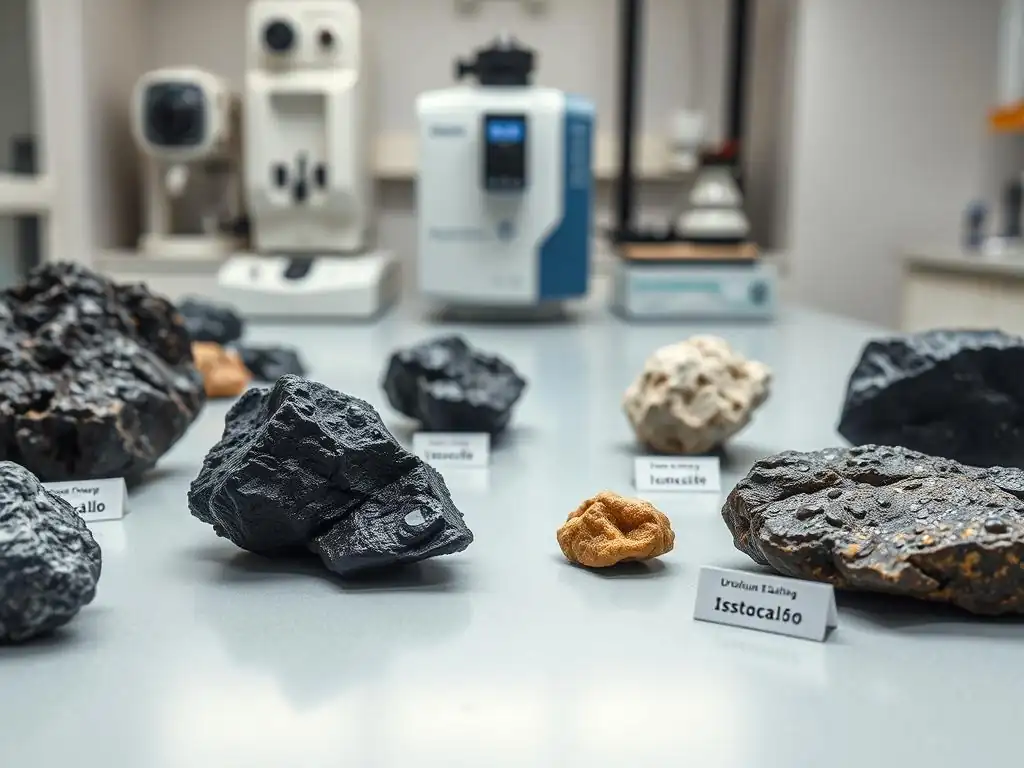
Potassium-Argon (K-Ar) Dating: A Common Method for Dating Volcanic Islands
Potassium-Argon (K-Ar) dating is a widely applied radiometric method, particularly useful for dating volcanic rocks and thus, volcanic islands. Potassium (K) is a common element in many minerals found in volcanic rocks, and one of its isotopes, Potassium-40 ( 40 K), is radioactive. 40 K decays into Argon-40 ( 40 Ar), an inert gas, with a half-life of 1.25 billion years. When volcanic rock solidifies from magma, the newly formed minerals trap Argon within their crystal structure. As time passes, 40 K in the mineral decays into 40 Ar, and this Argon accumulates. By measuring the ratio of 40 Ar to 40 K in a rock sample and knowing the decay rate of 40 K, scientists can calculate the time since the rock cooled and solidified, effectively dating the volcanic event that formed part of the island. K-Ar dating is effective for rocks older than approximately 100,000 years, making it suitable for dating many volcanic islands.
Argon-Argon ( 40 Ar/ 39 Ar) Dating: An Improved Technique for Accuracy
Argon-Argon ( 40 Ar/ 39 Ar) dating is a refinement of the K-Ar method, offering improved accuracy and precision for dating volcanic rocks. Instead of directly measuring Potassium and Argon separately, 40 Ar/ 39 Ar dating utilizes neutron irradiation in a nuclear reactor to convert a known proportion of Potassium-39 ( 39 K) into Argon-39 ( 39 Ar). The sample is then heated in steps, releasing Argon gas at different temperatures. The ratio of 40 Ar to 39 Ar is measured for each temperature step using a mass spectrometer. This step-heating approach allows for the detection and correction of Argon loss or contamination, which can affect the accuracy of K-Ar dating. Furthermore, 40 Ar/ 39 Ar dating requires only a single measurement, reducing analytical errors and enabling the dating of smaller samples. The method is particularly valuable for dating volcanic rocks with complex histories or when high precision is required, providing more reliable ages for volcanic island formation and evolution.
Uranium-Thorium (U-Th) Dating: Dating Younger Volcanic Material
Uranium-Thorium (U-Th) dating is another radiometric method, particularly useful for dating relatively young volcanic materials, typically ranging from a few thousand to around 500,000 years old. This method leverages the radioactive decay of Uranium isotopes ( 238 U and 235 U) and Thorium-230 ( 230 Th). Uranium is soluble in magma while Thorium is not. When volcanic rocks, such as corals or calcium carbonate-rich volcanic materials, crystallize from magma, they incorporate Uranium but exclude Thorium. As time passes, the incorporated Uranium decays into Thorium-230. By measuring the ratio of 230 Th to its parent isotopes ( 238 U or 235 U) in the sample, scientists can determine the time elapsed since the material crystallized. U-Th dating is particularly valuable for dating young volcanic features like lava flows, volcanic ash deposits, and fossil corals found on volcanic islands, providing insights into recent volcanic activity and island development.
Carbon-14 Dating: Limited Application for Dating Volcanic Islands
Carbon-14 ( 14 C) dating is a well-known radiometric method, but its application for directly dating volcanic islands is limited due to its relatively short half-life of approximately 5,730 years. 14 C dating is primarily used to date organic materials, such as wood, charcoal, or shells, that are younger than about 50,000 years. Volcanic rocks themselves are inorganic and generally too old to be dated directly with 14 C. However, 14 C dating can be indirectly useful in understanding the history of volcanic islands. For example, dating layers of volcanic ash that contain organic material can provide a maximum age for the ash deposit. Similarly, dating fossilized organic remains found within or associated with volcanic deposits can offer constraints on the timing of volcanic events and island development. While not a primary method for dating the volcanic rocks themselves, 14 C dating can provide valuable chronological information related to the recent geological and ecological history of volcanic islands.
Applying Radiometric Dating to Volcanic Island Samples: A Step-by-Step Process
Sample Collection and Preparation for Radiometric Analysis
The process of dating volcanic islands begins with meticulous sample collection and preparation. Geologists carefully select rock samples that are representative of the volcanic event they wish to date. For instance, to date the formation of a lava flow, samples would be taken from the solidified lava. Samples are typically collected from fresh, unweathered rock surfaces to minimize alteration that could affect dating accuracy. Once collected, samples undergo preparation in the laboratory.
This often involves crushing the rock into smaller fragments and then separating specific minerals that are suitable for radiometric dating. For K-Ar and Ar-Ar dating, minerals like feldspars, amphiboles, or whole rock samples are commonly used. For U-Th dating, corals or calcium carbonate materials are often targeted. The separated minerals are then purified to ensure they are free from contaminants that could skew the isotopic measurements.
Radiometric Analysis: Measuring Isotope Ratios
After sample preparation, the next crucial step is radiometric analysis, which involves precisely measuring the ratios of parent and daughter isotopes in the prepared mineral samples. This is typically performed using a mass spectrometer, a highly sensitive instrument that separates and measures ions based on their mass-to-charge ratio. For K-Ar and Ar-Ar dating, the sample is heated to release the trapped Argon gas. The gas is then purified and introduced into the mass spectrometer, which measures the amounts of 40 Ar and 39 Ar (in Ar-Ar dating) or 40 Ar and 40 K (in K-Ar dating, indirectly by measuring potassium). For U-Th dating, the sample is chemically dissolved, and Uranium and Thorium isotopes are separated and measured using mass spectrometry. The precision of these isotopic measurements is paramount for accurate dating, and laboratories employ rigorous quality control procedures to ensure reliable data.
Calculating the Age of the Volcanic Rock and Island
The final step in radiometric dating is calculating the age of the volcanic rock and, by extension, inferring the age of the volcanic island formation event. This calculation is based on the measured ratios of parent to daughter isotopes and the known decay constant (related to the half-life) of the radioactive isotope used. For example, in K-Ar dating, the age (t) is calculated using the formula: t = (1/λ) * ln(1 + ( 40 Ar/ 40 K)), where λ is the decay constant of 40 K and 40 Ar/ 40 K is the measured ratio of Argon-40 to Potassium-40. Similar formulas are used for other radiometric methods, incorporating the appropriate decay constants and isotope ratios. The calculated age is typically reported with an associated uncertainty, reflecting analytical errors and uncertainties in the decay constants. Interpreting the age data requires careful consideration of the geological context, potential sources of error, and the limitations of the dating method used. Multiple dating analyses on different samples and using different methods are often employed to ensure the robustness and accuracy of the age determination.
Challenges and Limitations in Dating Volcanic Islands
Alteration of Volcanic Rock: Impact on Dating Accuracy
One significant challenge in dating volcanic islands is the alteration of volcanic rocks over time. Weathering, hydrothermal alteration, and metamorphism can affect the isotopic systems used for radiometric dating, potentially leading to inaccurate age estimates. For example, in K-Ar dating, if Argon gas, the daughter product, escapes from the mineral after its formation due to heating or alteration, the measured 40 Ar/ 40 K ratio will be lower than it should be, resulting in an erroneously young age. Similarly, alteration can introduce or remove parent or daughter isotopes, disrupting the closed system assumption that underlies radiometric dating. Geologists employ various techniques to mitigate the effects of alteration. Careful sample selection, focusing on fresh and unaltered rocks, is crucial. In Ar-Ar dating, the step-heating method helps to identify and correct for Argon loss. Petrographic analysis and geochemical studies are also used to assess the degree of alteration and its potential impact on dating results.
Choosing the Right Dating Method
Selecting the appropriate dating method is crucial for obtaining accurate and meaningful ages for volcanic islands. Different radiometric methods have different age ranges and are suitable for different types of volcanic rocks and minerals. For example, K-Ar and Ar-Ar dating are well-suited for dating older volcanic rocks, typically millions to billions of years old, while U-Th dating is more appropriate for younger volcanic materials, up to a few hundred thousand years old.
Carbon-14 dating is only applicable to very young, organic-bearing materials, which are rarely directly related to the primary formation of volcanic islands. The choice of dating method also depends on the minerals available in the rock sample.
Potassium-bearing minerals are necessary for K-Ar and Ar-Ar dating, while uranium-bearing minerals are needed for U-Th dating. Geologists must carefully consider the age range of the volcanic event they are trying to date, the type of volcanic rocks available, and the minerals present when selecting the most appropriate radiometric dating method.
Potential for Contamination and Analytical Errors
Contamination and analytical errors are inherent challenges in radiometric dating that can affect the accuracy and precision of age determinations for volcanic islands. Contamination can occur at various stages, from sample collection to laboratory analysis. For example, atmospheric Argon contamination can affect K-Ar and Ar-Ar dating if not properly accounted for. Laboratory procedures must be meticulously controlled to minimize contamination.
Analytical errors arise from the limitations of measurement instruments and techniques. Mass spectrometers have inherent uncertainties in their measurements, which contribute to the overall uncertainty of the dating results. Calibration standards and rigorous analytical protocols are used to minimize and quantify analytical errors. Geochronology laboratories employ strict quality control measures, including replicate analyses and inter-laboratory comparisons, to assess and minimize the impact of contamination and analytical errors, ensuring the reliability of volcanic island dating results.
Case Studies: Dating Famous Volcanic Islands and Their Geological History
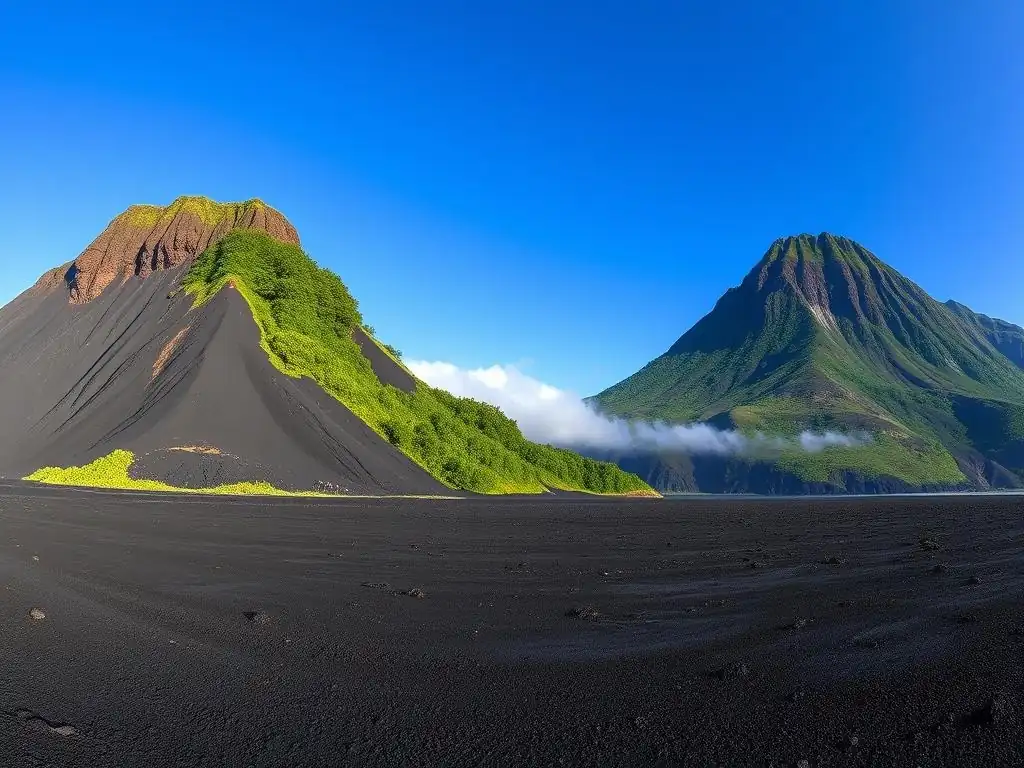
Dating the Hawaiian Islands: A Classic Example
The Hawaiian Islands provide a classic example of how radiometric dating, particularly K-Ar and Ar-Ar dating, has been instrumental in understanding the formation and geological history of volcanic islands. Dating of volcanic rocks from across the Hawaiian island chain has revealed a clear age progression, with islands becoming progressively older to the northwest. The Big Island of Hawaii, the southeasternmost island, is the youngest and volcanically active, while islands further northwest, like Kauai and Niihau, are older and volcanically extinct.
This age progression is strong evidence supporting the hotspot theory, where the Pacific Plate moves over a stationary mantle plume (the Hawaiian hotspot). Radiometric dating has not only confirmed the hotspot theory but also allowed scientists to calculate the rate of plate movement and the lifespan of individual Hawaiian volcanoes.
For example, dating of the Kohala volcano on the Big Island indicates it ceased activity around 120,000 years ago, while dating of older islands like Kauai reveals ages of over 5 million years. The Hawaiian Islands case study beautifully illustrates the power of radiometric dating in unraveling the tectonic processes that create volcanic island chains.
Determining the Age of the Galapagos Islands: Insights into Evolution
Radiometric dating has played a crucial role in understanding the age and geological evolution of the Galapagos Islands, providing critical context for evolutionary studies, particularly those related to Darwin's finches. Located in the eastern Pacific Ocean, the Galapagos are a volcanic archipelago formed by hotspot volcanism.
Dating volcanic rocks from different islands has revealed that the Galapagos are relatively young, with the oldest emerged islands dating back around 3 to 4 million years, while the western islands, like Fernandina and Isabela, are still volcanically active and much younger, some less than a million years old. The relatively young age of the Galapagos Islands is significant for evolutionary biology.
It means that the unique flora and fauna, including Darwin's finches, have evolved and diversified in a relatively short geological timeframe. Dating the Galapagos Islands, primarily using K-Ar and Ar-Ar methods, has provided a chronological framework for understanding the tempo and mode of evolution in this iconic island archipelago, demonstrating the link between geological age and biological diversification.
Dating Iceland: Formation at a Mid-Atlantic Ridge
Iceland presents a more complex case study for dating volcanic islands due to its location on the Mid-Atlantic Ridge, a divergent plate boundary. Unlike hotspot islands like Hawaii, Iceland's volcanism is driven by the spreading of tectonic plates along the ridge. Radiometric dating, particularly Ar-Ar dating, has been extensively applied to Icelandic volcanic rocks to unravel its complex geological history.
Dating studies have shown that Iceland began to form around 24 million years ago, significantly older than previously thought. Furthermore, dating has revealed that Iceland's crust is composed of a mixture of rocks formed at the Mid-Atlantic Ridge and rocks potentially derived from a mantle plume, adding complexity to its formation model.
The ongoing volcanic activity in Iceland, evidenced by frequent eruptions, also presents challenges for dating, as younger volcanic rocks overlay older ones. Despite these complexities, radiometric dating has been crucial in establishing the age and understanding the dynamic geological processes shaping Iceland, highlighting the diverse origins and formation mechanisms of volcanic islands.
Beyond Radiometric Dating: Other Techniques for Estimating Island Age
Paleomagnetism: Using Earth's Magnetic Field to Constrain Age
While radiometric dating is the primary method for determining the age of volcanic islands, other techniques can provide complementary information and sometimes constrain age estimates, particularly when radiometric dating is challenging or inconclusive. Paleomagnetism is one such technique. As volcanic rocks cool and solidify, magnetic minerals within them align with the Earth's magnetic field at that time.
The Earth's magnetic field has reversed its polarity numerous times throughout geological history. These reversals are recorded in the magnetic orientation of rocks. By measuring the remanent magnetization of volcanic rocks and comparing it to the known geomagnetic polarity timescale, scientists can estimate the age of the rocks.
Paleomagnetism can be particularly useful for dating volcanic sequences and correlating volcanic units across different islands. While paleomagnetism typically provides less precise age estimates than radiometric dating, it can offer valuable independent age constraints and help to build a more complete picture of volcanic island history.
Biostratigraphy: Fossil Evidence and Island Age
Biostratigraphy, the study of fossils in rock strata, can also contribute to estimating the age of volcanic islands, particularly when sedimentary rocks are interbedded with volcanic deposits. Fossil assemblages in sedimentary layers can be correlated with known fossil records from other regions with established chronologies. Index fossils, fossils of species that lived for a relatively short period and had a wide geographic distribution, are particularly valuable for biostratigraphic dating.
For volcanic islands, fossiliferous sedimentary rocks may be found between lava flows or in coastal areas. Analyzing the fossils in these sediments can provide constraints on the age of the volcanic rocks above and below.
For example, the presence of certain marine microfossils in sediments overlying a lava flow can indicate a minimum age for the volcanic eruption. Biostratigraphy is less precise than radiometric dating but can provide valuable age information, especially in situations where suitable minerals for radiometric dating are scarce or altered.
Relative Dating Methods
In addition to radiometric and paleomagnetic dating, relative dating methods provide a simpler, though less precise, way to estimate the age of volcanic features and islands. Relative dating methods determine the age of rocks or events in relation to each other, without providing a numerical age. The principle of superposition, a fundamental concept in geology, states that in undisturbed rock sequences, the oldest rocks are at the bottom and the youngest at the top.
Applying this principle to volcanic islands, lava flows at lower elevations are generally older than those at higher elevations, assuming no major tectonic deformation. Cross-cutting relationships are another relative dating method.
For example, if a volcanic dike (an intrusive rock body) cuts across existing lava flows, the dike must be younger than the flows it intrudes. Relative dating methods are useful for establishing the chronological order of volcanic events and features on an island, providing a basic framework that can be further refined by radiometric dating.
The Future of Volcanic Island Dating: Advancements and New Technologies
Improving the Precision and Accuracy of Dating Methods
The field of volcanic island dating is continuously advancing, with ongoing efforts to improve the precision and accuracy of existing radiometric methods. Advances in mass spectrometry, such as multi-collector inductively coupled plasma mass spectrometry (MC-ICP-MS), allow for more precise measurements of isotope ratios, reducing analytical uncertainties. Techniques like laser ablation inductively coupled plasma mass spectrometry (LA-ICP-MS) enable in-situ dating, where mineral grains can be dated directly within a rock thin section, providing spatial context and minimizing sample preparation.
Improvements in calibration standards and data processing algorithms also contribute to enhanced accuracy. Researchers are also working on refining decay constants for various radioactive isotopes, further reducing uncertainties in age calculations. These advancements are pushing the boundaries of radiometric dating, allowing for more precise and reliable age determinations for volcanic islands, even for complex geological scenarios.
Developing New Dating Techniques
Alongside refining existing methods, researchers are actively developing new dating techniques that could potentially expand the age range and applicability of volcanic island dating. Cosmogenic nuclide dating, which measures isotopes produced by cosmic ray interactions in rocks exposed at the Earth's surface, is becoming increasingly important for dating young volcanic surfaces and lava flows, complementing U-Th and Carbon-14 dating. Noble gas diffusion dating, which analyzes the diffusion behavior of noble gases like Helium and Neon in minerals, is being explored as a potential method for dating very young volcanic events and understanding eruption timescales.
Furthermore, advancements in geochronology are exploring the use of new radioactive isotope systems and innovative analytical approaches. These new dating techniques hold promise for addressing currently undateable volcanic materials and for providing higher resolution chronologies of volcanic island formation and evolution.
Integration with Other Geological and Geophysical Data
The future of volcanic island dating lies not only in methodological advancements but also in the integration of dating data with other geological and geophysical datasets. Combining radiometric age constraints with geochemical analyses, petrological studies, and geophysical surveys provides a more holistic understanding of volcanic island formation and evolution. For example, integrating dating data with seismic data can help to constrain the structure of volcanic edifices and the location of magma chambers.
Combining age data with geochemical data can reveal magma source characteristics and the evolution of magmatic systems over time. Tectonic models, constrained by dating data, can provide insights into the plate tectonic setting and the processes driving volcanism. This multi-disciplinary approach, integrating geochronology with other Earth science disciplines, is crucial for building comprehensive and robust models of volcanic island origins and their dynamic geological histories.
Conclusion: Reconstructing the History of Volcanic Lands Through Dating Techniques
Dating volcanic islands is a cornerstone in unraveling the Earth's geological history and understanding the dynamic processes that shape our planet. Through sophisticated "geological clocks," primarily radiometric dating methods like K-Ar, Ar-Ar, and U-Th dating, scientists can precisely determine the age of volcanic rocks and, consequently, the birth and evolution of these remarkable landforms.
These dating techniques, continuously refined and complemented by other methods like paleomagnetism and biostratigraphy, provide a chronological framework for understanding plate tectonics, hotspot volcanism, and the complex geological history of islands like Hawaii, Galapagos, and Iceland. As dating technologies continue to advance and are integrated with other geological and geophysical data, our ability to reconstruct the history of volcanic lands will only deepen, offering ever more profound insights into the dramatic and awe-inspiring world of volcanoes and their profound impact on our planet.
Frequently Asked Questions
How do scientists determine the age of volcanic islands?
Scientists use radiometric dating techniques, such as potassium-argon dating, to analyze the radioactive decay of elements within volcanic rocks. This process provides a reliable estimate of the rock's age, and therefore, the island's formation.
What is the significance of dating volcanic islands?
Dating volcanic islands helps us understand plate tectonics, volcanic processes, and the evolution of ecosystems. It also allows us to reconstruct past geological events and predict future volcanic activity.
What types of rocks are typically used to date volcanic islands?
Basalt, being the most common type of volcanic rock, is frequently used for dating. Other igneous rocks formed during volcanic eruptions can also be analyzed, depending on their mineral composition.
Can the age of a volcanic island change over time?
The core of the island's age remains constant, established by the initial volcanic activity. However, erosion, sedimentation, and new eruptions can alter the island's surface and add layers of new material over time.
How does understanding the age of volcanic islands help with safety and planning?
Knowing the age and history of volcanic activity can help identify potential hazards and inform land-use planning. It also enables scientists to develop effective monitoring systems and evacuation plans for communities near active volcanoes.
Final Reflection: Echoes of Creation in Volcanic Stone
The exploration of geological clocks and their application to dating volcanic islands, as we've discussed, isn't just an academic exercise; it's a window into understanding the very rhythm of our planet's creation. The ability to accurately pinpoint the age of these landmasses allows us to unravel the complex interplay of tectonic forces, volcanic activity, and the evolution of life itself, providing crucial insights into Earth's dynamic history and future.
The enduring impact of understanding how volcanic islands are born and evolve resonates deeply within the scientific community and beyond. This knowledge shapes our understanding of biodiversity hotspots, informs conservation efforts, and even influences our perception of time itself. The mountains are calling and I must go,
John Muir famously wrote, and in a similar vein, the geological record of volcanic islands calls to us, urging us to decipher the stories etched in their ancient rocks.
As we conclude this journey through the science of dating volcanic islands, consider the profound implications of these geological clocks. How might understanding the Earth's deep history shape your own perspective on time and our place within the vastness of geological epochs? Let the knowledge of these volcanic births inspire you to appreciate the dynamic forces that continue to shape our world and to advocate for the preservation of these unique and fragile ecosystems.
Unearth Your Inner Geologist!
Thanks for exploring the fascinating world of volcanic island origins! Now that you've learned about dating these incredible landscapes, it's time to delve deeper into the earth's powerful story.
Here's how you can continue your exploration:
- Investigate the volcanic history of your local area using online geological surveys. You might be surprised by the ancient volcanic activity hidden beneath your feet!
- Explore our resources section for academic articles and documentaries on radiometric dating methods, such as potassium-argon dating.
- Share your newfound knowledge of island formation and geological clocks by posting your favorite fact from this article on social media using #VolcanoExplorers.
What volcanic landform are you most excited to learn more about, and why?