
Panamanian Kuna Molas: Vibrant Art Reflecting Volcanic Landscapes

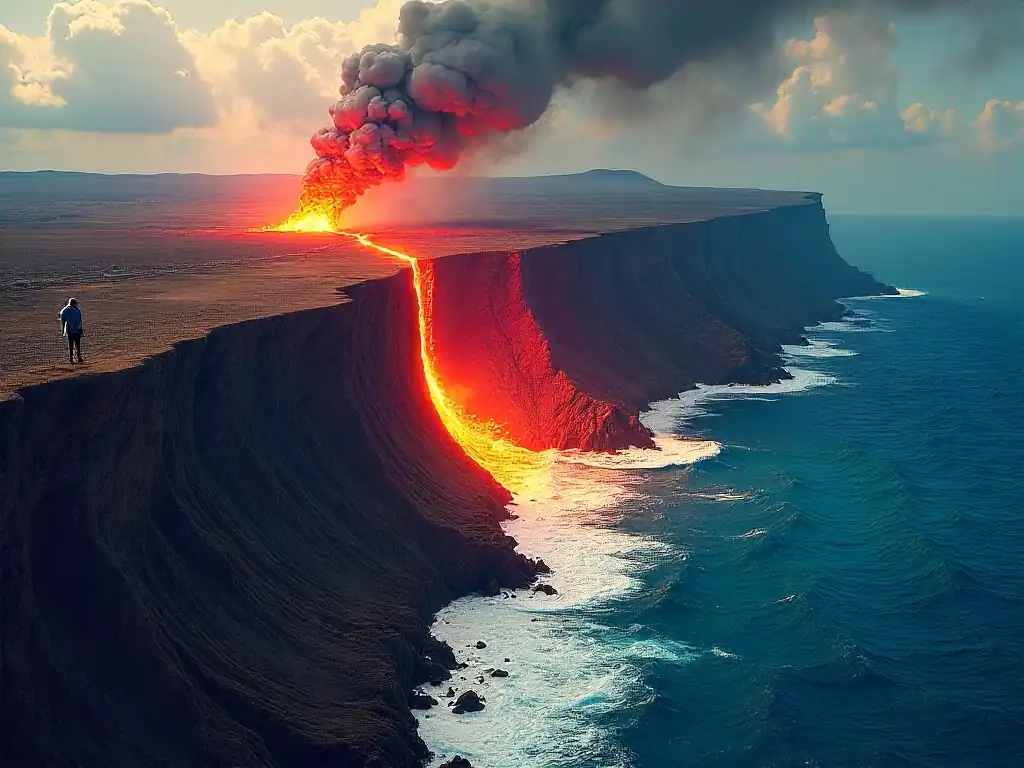
Welcome to Volcano Explorers!
Prepare to be mesmerized. What if the raw power of a volcano could be captured not just in science, but in art? Journey with us into the heart of Panamanian Kuna Molas, where vibrant textiles tell a silent, yet explosive, story. Intrigued? The intricate designs might just hold secrets to understanding the landscape itself. Discover how these stunning works of art reflect the very essence of volcanic regions, and unlock the hidden connection between creativity and the earth's fiery soul.
- Kuna Molas of Panama: Vibrant Art Reflecting Natural and Spiritual Worlds
- Introduction: Exploring the Art and Culture of the Kuna People
- The Kuna People and Their Artistic Tradition: An Overview of Molas
- Natural World Motifs in Kuna Molas: Inspiration from Flora, Fauna, and Cosmology
- The Symbolic Meaning of Natural Imagery in Kuna Molas
- How Kuna Molas are Made: The Art of Reverse Appliqué
- Finding Authentic Kuna Molas: Supporting Kuna Artisans
- Preserving the Cultural Heritage of Kuna Molas: Protecting Indigenous Art Forms
- Experiencing Kuna Culture in Panama: Immersion and Respect
- Conclusion: Appreciating the Art and Culture of the Kuna People
- Frequently Asked Questions
- Final Reflection: Echoes of Fire in Thread
- Unleash Your Inner Artist: Capture the Spirit of Panama's Volcanic Landscapes!
Kuna Molas of Panama: Vibrant Art Reflecting Natural and Spiritual Worlds
Introduction: Exploring the Art and Culture of the Kuna People
The isthmus of Panama, a land bridge connecting continents, is not only a region of significant geological interest, marked by volcanic activity and diverse ecosystems, but also a cradle of rich indigenous cultures. Among these vibrant cultures, the Kuna people stand out, renowned for their intricate and colorful textile art known as Molas. These are not mere crafts; they are powerful visual narratives that reflect the Kuna worldview, their deep connection to the natural world, and their complex cosmology.
Exploring Kuna Molas offers a fascinating glimpse into a culture deeply intertwined with its environment, showcasing artistic traditions that have been passed down through generations and continue to evolve while retaining their profound cultural significance. This article delves into the artistry of Panamanian Kuna Molas, revealing how these textiles serve as a vibrant expression of Kuna identity and their relationship with the world around them.
The Kuna People and Their Artistic Tradition: An Overview of Molas
Who are the Kuna? Exploring the Indigenous Culture of Panama and Colombia
The Kuna people, also known as the Guna, are an indigenous group primarily inhabiting Panama, with a smaller population in neighboring Colombia. Their ancestral lands encompass the San Blas archipelago, now officially called Guna Yala, an autonomous territory in Panama, and parts of the Darién region. Historically, the Kuna have demonstrated remarkable resilience, fiercely defending their autonomy and cultural identity against external pressures since the Spanish colonial era.
Their society is matrilineal, and their culture is rich in oral traditions, music, and spiritual beliefs centered around nature. The Kuna language, part of the Chibchan language family, is still actively spoken, and their traditional social structures and governance systems remain strong, even in the face of modernization and globalization. Their connection to the land and sea is profound, shaping their way of life and worldview, which is vividly expressed through their art, particularly in the creation of Molas.
What are Molas? Definition and Significance of Kuna Textile Art
Molas are unique and intricate textile panels created by Kuna women. They are traditionally worn as blouses, forming an integral part of the Kuna woman's traditional attire. More than just clothing, Molas are a sophisticated art form that embodies Kuna history, beliefs, and daily life.
The term "Mola" in the Kuna language originally referred to clothing, but it has come to specifically denote these elaborate embroidered panels. Molas are created using a reverse appliqué technique, involving multiple layers of brightly colored fabric sewn together and then cut away to reveal designs. The complexity of a Mola can vary greatly, from relatively simple geometric patterns to highly detailed figurative scenes depicting myths, legends, animals, plants, and even contemporary events.
These textiles are not only aesthetically beautiful but also serve as a visual language, communicating cultural values, social identity, and artistic skill within the Kuna community and to the outside world. They are a powerful symbol of Kuna identity and cultural preservation.
Natural World Motifs in Kuna Molas: Inspiration from Flora, Fauna, and Cosmology
The Rainforest Landscapes of Panama and Colombia: A Visual Influence on Kuna Art
The lush rainforests of Panama and Colombia, teeming with biodiversity, serve as a primary source of inspiration for Kuna Mola art. The vibrant colors and intricate patterns found in nature are directly translated into the designs of Molas. Guna Yala, the Kuna territory, is characterized by tropical rainforests, coastal mangroves, and coral reefs, environments that are rich in visual stimuli.
The dense foliage, the bright plumage of tropical birds, the sinuous forms of snakes and other reptiles, and the diverse array of marine life all contribute to the visual vocabulary of Kuna artists. The Kuna people have a deep understanding of their environment, and this intimate knowledge is reflected in the accurate and often stylized representations of flora and fauna found in Molas. The rainforest is not just a backdrop; it is an active participant in Kuna life and a constant source of artistic and spiritual inspiration.
Common Motifs in Kuna Molas: Identifying Recurring Themes
Kuna Molas are replete with recurring motifs that provide insights into their culture and worldview. While geometric patterns are common, figurative representations are particularly significant, often depicting elements from the natural world and Kuna cosmology. Animals, plants, and celestial bodies feature prominently, each carrying symbolic weight within Kuna tradition. The designs are not static reproductions of nature, but rather artistic interpretations that often blend realism with stylized abstraction. By examining these recurring themes, we can gain a deeper understanding of the Kuna's relationship with their environment and the symbolic language embedded within their art.
Depictions of Marine Life: Fish, Turtles, and Coral Reefs
Given the Kuna's close relationship with the sea, marine life is a prevalent motif in Molas. Fish of various species, often rendered with distinctive patterns and colors, are frequently depicted. Sea turtles, symbols of longevity and wisdom in many cultures, also appear, sometimes in intricate scenes showing them swimming amongst coral reefs.
Coral reefs themselves, with their complex structures and diverse inhabitants, are represented in Molas, reflecting the importance of these ecosystems to the Kuna way of life and their understanding of the interconnectedness of nature. These marine motifs are not merely decorative; they reflect the Kuna's dependence on and respect for the ocean and its resources, highlighting the vital role of the marine environment in their culture and survival.
Representations of Birds, Animals, and Plants of the Rainforest
The rich biodiversity of the rainforest is mirrored in the depictions of birds, animals, and plants in Kuna Molas. Colorful birds like parrots, toucans, and hummingbirds, known for their vibrant plumage and presence in the rainforest canopy, are common subjects. Land animals such as jaguars, monkeys, and snakes, all significant creatures in the rainforest ecosystem and Kuna cosmology, also appear.
Plants, including trees, flowers, and vines, are frequently incorporated, often as background elements or as symbolic representations of growth and life. These depictions showcase the Kuna's keen observation of their surroundings and their ability to translate the complexity and beauty of the rainforest into the intricate designs of their Molas.
The Symbolic Meaning of Natural Imagery in Kuna Molas
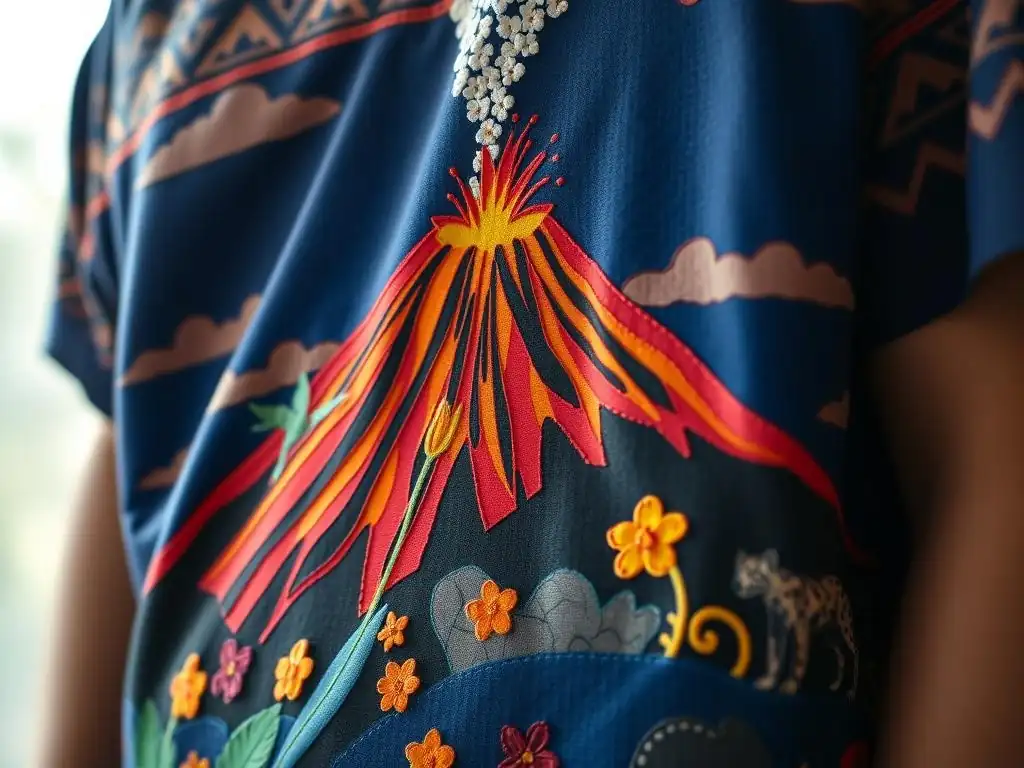
Animals and Plants as Symbols of Spiritual Beliefs in Kuna Cosmology
The animals and plants depicted in Kuna Molas are not merely decorative elements; they are imbued with symbolic meaning rooted in Kuna cosmology and spiritual beliefs. Many animals are considered to be spirit beings or messengers, holding specific roles in Kuna myths and legends. For instance, certain birds might represent freedom or communication with the spiritual realm, while jaguars could symbolize strength and power.
Plants, too, can carry symbolic weight, representing healing properties, connections to ancestors, or different aspects of the natural world. Understanding these symbolic associations is key to appreciating the deeper layers of meaning embedded within Kuna Molas, revealing them as more than just beautiful textiles but as visual representations of a complex spiritual worldview.
Connecting Molas to the Kuna's Relationship with the Natural World
Kuna Molas serve as a powerful testament to the Kuna people's profound and intricate relationship with the natural world. The constant presence of natural motifs in their art underscores the importance of the environment in their lives, both materially and spiritually. Molas are not just depictions of nature; they are expressions of respect, reverence, and understanding of the delicate balance within ecosystems.
Through their art, the Kuna communicate their dependence on and interconnectedness with the natural world, highlighting a worldview that emphasizes harmony and sustainability. In a world increasingly disconnected from nature, Kuna Molas offer a valuable reminder of the importance of living in balance with the environment and appreciating the beauty and complexity of the natural world.
How Kuna Molas are Made: The Art of Reverse Appliqué
The Intricate Process of Creating a Mola: Layering and Stitching Techniques
The creation of a Mola is a meticulous and time-consuming process, reflecting the skill and artistry of Kuna women. The technique employed is reverse appliqué, a method where multiple layers of fabric, typically two to seven, are sewn together. The design is then created by cutting away parts of the upper layers to expose the colors underneath.
The edges of the cut-out designs are then carefully turned under and stitched down, creating clean lines and intricate details. This process requires precision and patience, as even small Molas can involve hundreds of stitches. The complexity of a Mola is often judged by the fineness of the stitching, the intricacy of the design, and the number of layers used, demonstrating the mastery of the craft.
Materials Used in Mola Creation: Traditional Fabrics and Dyes
Traditionally, Molas were made using locally sourced materials, including hand-woven cotton fabrics and natural dyes derived from plants and minerals. While commercially produced cotton fabrics are now widely used, the commitment to vibrant colors remains. Brightly colored cotton fabrics, often in shades of red, orange, yellow, black, and blue, are layered to create striking contrasts and visual depth.
The choice of colors is deliberate and contributes to the overall aesthetic impact of the Mola. While synthetic dyes are now common, some Kuna artisans continue to experiment with or preserve the knowledge of natural dyes, seeking to maintain traditional practices in their art form. The materials, though evolving, remain central to the creation of Molas, contributing to their distinctive visual character.
Finding Authentic Kuna Molas: Supporting Kuna Artisans
Where to Purchase Genuine Molas: Communities in the San Blas Archipelago
To acquire genuine Kuna Molas and directly support the Kuna artisans, the best approach is to purchase them directly from Kuna communities in the San Blas Archipelago (Guna Yala). Visiting the islands offers a unique opportunity to meet the artists, learn about their culture firsthand, and select Molas directly from their creators. Many Kuna women sell their Molas in their homes or in small community cooperatives.
Purchasing Molas in Guna Yala ensures that the money goes directly to the artisans and their communities, contributing to the local economy and the preservation of their cultural traditions. While Molas can also be found in Panama City and tourist areas, purchasing directly from Guna Yala guarantees authenticity and provides the most direct support to the Kuna people.
Identifying Authentic Molas: Quality of Stitching and Design Complexity
Distinguishing authentic Kuna Molas from imitations requires attention to detail and an understanding of the characteristics of genuine pieces. Authentic Molas are known for their meticulous stitching, with fine, even stitches that create clean lines and well-defined shapes. The complexity of the design is another indicator; genuine Molas often feature intricate and elaborate patterns, reflecting the skill and time invested by the artist.
The number of layers in a Mola can also be a sign of quality, with more complex Molas often incorporating multiple layers to enhance depth and detail. Examining the reverse side of the Mola can also be informative; authentic Molas will have a neat and finished back, indicating careful craftsmanship. By paying attention to these details, buyers can ensure they are acquiring genuine Kuna Molas and supporting the artisans who create them.
Preserving the Cultural Heritage of Kuna Molas: Protecting Indigenous Art Forms
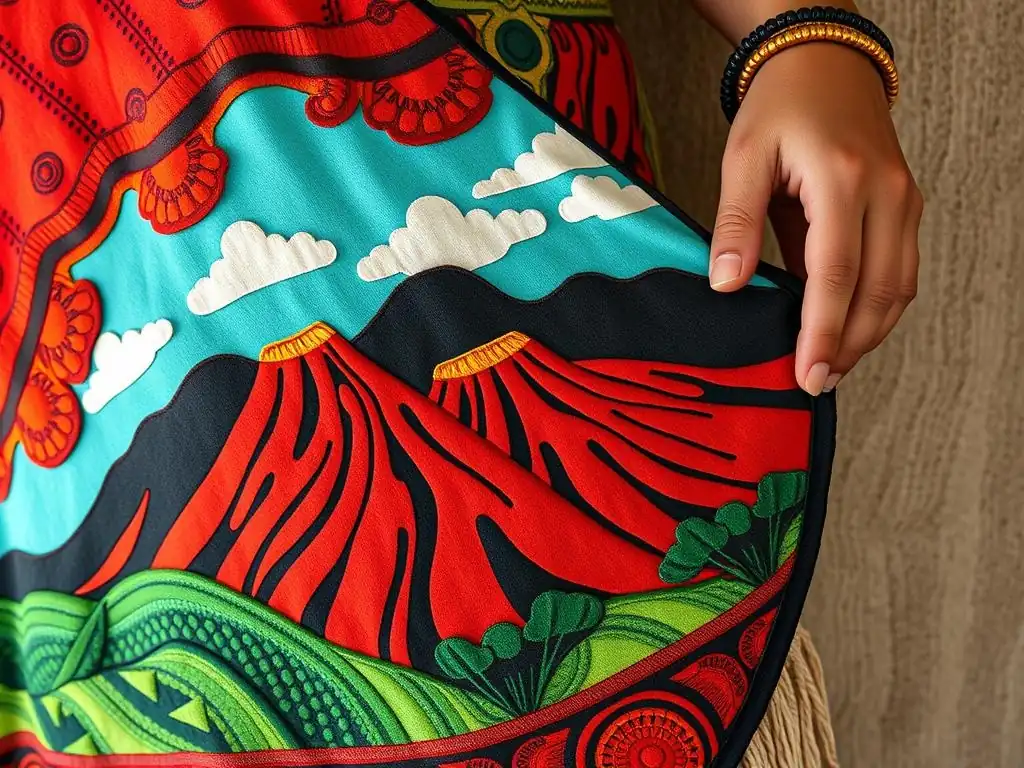
The Importance of Fair Trade and Sustainable Practices in Supporting Kuna Communities
Preserving the cultural heritage of Kuna Molas is inextricably linked to supporting the well-being and autonomy of Kuna communities. Fair trade practices are crucial to ensure that Kuna artisans receive fair compensation for their work, empowering them economically and incentivizing the continuation of their artistic traditions. Sustainable tourism that respects Kuna culture and benefits local communities is also vital.
By promoting fair trade and sustainable practices, we can help ensure that the art of Mola making continues to thrive, providing economic opportunities for Kuna women while preserving their cultural identity and artistic heritage for future generations. Supporting ethical and responsible purchasing of Kuna Molas is an investment in both art and cultural preservation.
Initiatives to Preserve and Promote Kuna Mola Art
Various initiatives are underway to preserve and promote Kuna Mola art both within Panama and internationally. Cultural organizations and NGOs work directly with Kuna communities to support artisan cooperatives, provide training and resources, and facilitate access to wider markets. Museums and galleries around the world exhibit Kuna Molas, raising awareness of this unique art form and its cultural significance.
Educational programs in Panama and beyond aim to teach younger generations about Mola making and Kuna culture, ensuring the transmission of traditional knowledge and skills. These combined efforts are essential to safeguard the future of Kuna Mola art, recognizing it as a valuable cultural treasure and a vital expression of indigenous identity.
Experiencing Kuna Culture in Panama: Immersion and Respect
Cultural Tourism: A Unique Travel Experience in the San Blas Islands
Cultural tourism in Guna Yala offers a unique and enriching travel experience, allowing visitors to immerse themselves in Kuna culture and witness the art of Mola making in its living context. Traveling to the San Blas Islands provides the opportunity to stay in Kuna-owned accommodations, interact with local communities, and learn about their traditions and way of life.
Visitors can observe women creating Molas, purchase them directly from artisans, and gain a deeper appreciation for the cultural significance of this art form. Respectful and responsible tourism in Guna Yala not only supports the local economy but also fosters cultural exchange and understanding, contributing to the preservation of Kuna traditions.
Visiting Kuna Communities: Respectful Interaction and Cultural Exchange
When visiting Kuna communities, it is essential to practice respectful interaction and engage in genuine cultural exchange. Understanding and respecting Kuna customs and traditions is paramount. Seeking permission before taking photographs, dressing modestly, and being mindful of local customs are important aspects of respectful tourism. Engaging in conversations with Kuna people, showing genuine interest in their culture, and supporting local businesses contribute to a positive and mutually beneficial cultural exchange. By approaching visits with respect and openness, travelers can create meaningful connections and contribute to the sustainable preservation of Kuna culture and traditions.
Conclusion: Appreciating the Art and Culture of the Kuna People
Panamanian Kuna Molas are far more than just colorful textiles; they are vibrant expressions of a rich indigenous culture, reflecting the Kuna people's deep connection to the natural world, their complex cosmology, and their enduring artistic traditions. These intricate works of art offer a window into a worldview that emphasizes harmony with nature, spiritual understanding, and cultural resilience.
By appreciating the artistry and cultural significance of Kuna Molas, we gain a deeper understanding of the Kuna people and the valuable contributions of indigenous cultures to the world's artistic and cultural heritage. Supporting Kuna artisans through ethical purchasing and respectful tourism is crucial to ensuring the continued flourishing of this remarkable art form and the preservation of Kuna culture for generations to come.
Frequently Asked Questions
What are Panamanian Kuna Molas?
Kuna Molas are textile art forms created by the Kuna people of Panama. They often feature vibrant colors and intricate designs, reflecting elements of their culture and environment.
How do Molas relate to volcanic landscapes?
While not all Molas depict volcanoes directly, the abstract patterns and color palettes used can be interpreted as representations of the fiery energy and geological formations associated with volcanic landscapes.
What materials are used to create Kuna Molas?
Molas are typically made using a technique called reverse appliqué, involving layers of fabric sewn together and then cut away to reveal the colors beneath. Cotton fabrics are most commonly used.
Why is Kuna art important culturally?
Kuna Molas are a significant part of Kuna identity and heritage. They serve as a form of cultural expression and storytelling, passed down through generations.
Where can I learn more about Kuna Molas and the Kuna people?
You can explore resources like museum exhibits, cultural centers, and online archives dedicated to Kuna art and culture. Websites like VolcanoExplorers.org may also feature related content.
Final Reflection: Echoes of Fire in Thread
The vibrant colors and intricate designs of Panamanian Kuna Molas, as we've explored, are far more than just beautiful textiles; they are living testaments to the enduring power of cultural expression shaped by the natural world. The echoes of volcanic landscapes, once fiery and transformative, continue to resonate in each stitch, reminding us that art can be a powerful medium for preserving history and identity.
The enduring appeal of Kuna Molas lies not only in their aesthetic beauty but also in their profound connection to the Kuna people's heritage and their environment. Witnessing the dedication and skill involved in creating these masterpieces is a humbling experience, underscoring the importance of supporting indigenous art forms and preserving cultural traditions. Art washes away from the soul the dust of everyday life.
- Pablo Picasso. This quote perfectly encapsulates the transformative power of Molas, transporting us beyond the mundane and into a world of vibrant storytelling.
As we conclude this exploration of Panamanian Kuna Molas and their volcanic inspiration, I invite you to consider the landscapes that shape your own creativity and identity. What stories do they hold? What colors do they inspire? Let the vibrant artistry of the Kuna people encourage you to find your own voice, to weave your own narrative, and to celebrate the unique beauty of the world around you.
Unleash Your Inner Artist: Capture the Spirit of Panama's Volcanic Landscapes!
Thank you for exploring the fascinating connection between Panamanian Kuna Molas and the volcanic landscapes that inspire them. We hope you've gained a deeper appreciation for this vibrant art form and its cultural significance. Now, it's your turn to create!
Here's how you can further engage with the art and the landscapes:
- Create your own Mola inspired by volcanic landscapes: Inspired by the geometric patterns and vibrant colors of traditional Kuna Molas, design a piece that reflects your personal interpretation of a volcanic landscape. Experiment with different mediums like fabric, paint, or digital art.
- Explore related volcanic landscapes: Discover more volcanoes with unique cultural traditions at volcanoexplorers.org.
- Share your creation: Post your Mola on social media with #VolcanoMola and connect with other art & volcano enthusiasts!
What specific volcanic feature or color palette will inspire your artwork? Share your ideas in the comments below!