
Responsible Volcano Tours: Choosing Operators Who Put Planet First

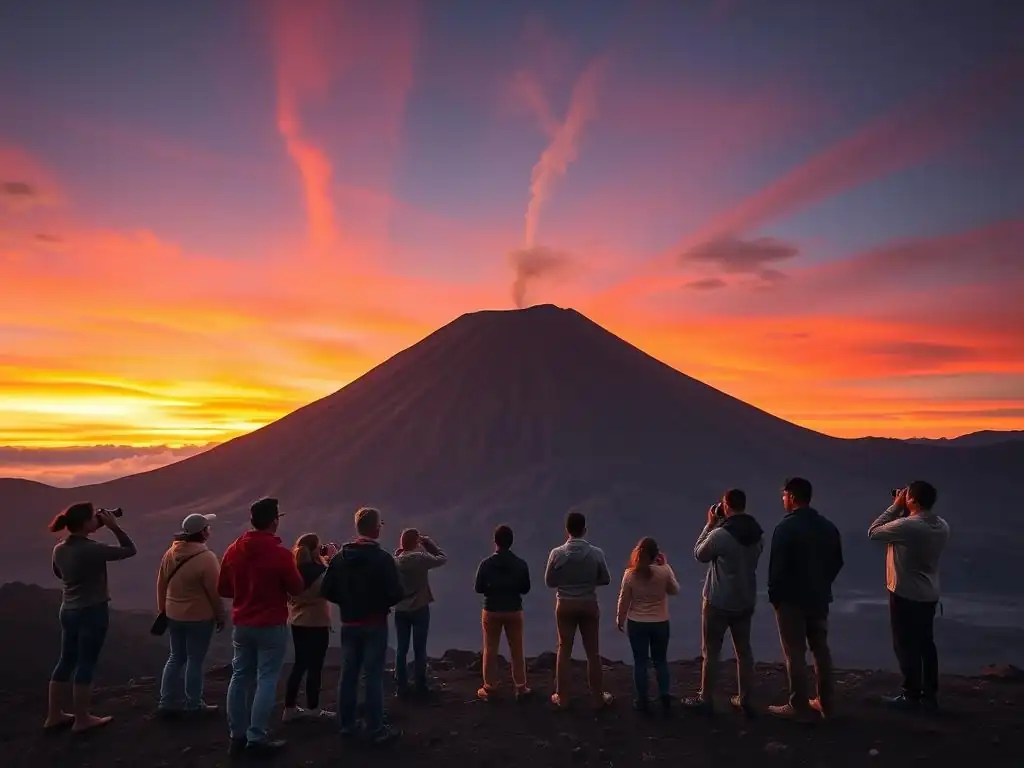
Welcome to Volcano Explorers!
Prepare to journey into the heart of Earth's fiery soul. But before you pack your bags for adventure, consider this: Can we truly explore the raw power of volcanoes responsibly? This article delves into the world of EcoFriendly Volcano Tour Operators, uncovering how you can witness these majestic forces while minimizing your impact on the planet. Unearth the secrets to ethical volcano tourism and discover how to make your next adventure both thrilling and sustainable. Are you ready to explore responsibly?
- Responsible Volcano Tours: Choosing Eco-Friendly Volcano Tour Operators
- Understanding the Impact of Volcano Tourism on the Environment
-
Identifying Eco-Friendly Volcano Tour Operators: What to Look For
- Certifications and Accreditations for Sustainable Volcano Tourism
- Sustainable Practices Employed by Responsible Volcano Tour Companies
- Adventure Green Alaska: Promoting Sustainable Tourism in Alaska
- Minimizing Carbon Footprint: Transportation and Accommodation Choices
- Waste Management and Conservation Efforts During Volcano Tours
- Respecting Local Cultures and Traditions Near Volcanoes
- Key Questions to Ask Potential Volcano Tour Operators
- Examples of Eco-Friendly Volcano Tours Around the World
- Tips for Being a Responsible Volcano Tourist
- The Future of Eco-Friendly Volcano Tourism
-
Frequently Asked Questions
- What are Eco-Friendly Volcano Tour Operators?
- Why is it important to choose Eco-Friendly Volcano Tour Operators?
- What are some key indicators of an Eco-Friendly Volcano Tour Operator?
- How can I find Eco-Friendly Volcano Tour Operators?
- What questions should I ask a tour operator to determine if they are truly Eco-Friendly?
- Final Reflection: Embracing Volcanic Responsibility
- Ignite Your Adventurous Spirit Responsibly!
Responsible Volcano Tours: Choosing Eco-Friendly Volcano Tour Operators
Exploring Volcanoes Responsibly: A Guide for Conscious Travelers
Volcano tourism offers a unique opportunity to witness the raw power and breathtaking beauty of nature's most dramatic geological formations. However, the increasing popularity of volcano exploration necessitates a conscious approach to travel, ensuring that our adventures minimize environmental impact and contribute positively to local communities. Responsible volcano tourism is about more than just seeing a volcano; it's about understanding the delicate ecosystems that surround these natural wonders and actively participating in their preservation. It involves choosing tour operators who prioritize sustainability, respect local cultures, and educate travelers about the importance of environmental stewardship in volcanic regions.
For travelers seeking authentic and impactful experiences, exploring volcanoes responsibly presents a powerful way to connect with nature while safeguarding these fragile environments for future generations. This guide aims to equip you with the knowledge and tools to select eco-friendly volcano tour operators, ensuring your volcanic adventures are both thrilling and ethically sound. By making informed choices, you can contribute to a more sustainable model of volcano tourism that benefits both the environment and the communities who call these volcanic landscapes home.
Understanding the Impact of Volcano Tourism on the Environment
The Allure and Potential Pitfalls of Volcano Exploration
Volcanoes, with their awe-inspiring eruptions, steaming vents, and otherworldly landscapes, draw millions of tourists annually. This influx of visitors can bring significant economic benefits to local economies, providing livelihoods and stimulating infrastructure development in often remote and underserved regions. However, the very features that attract tourists – the fragile volcanic ecosystems, unique geological formations, and often isolated locations – are also vulnerable to the pressures of tourism if not managed responsibly. Unregulated tourism can lead to environmental degradation, habitat disruption, and cultural commodification, potentially undermining the long-term viability of both the natural environment and the tourism industry itself.
The challenge lies in balancing the economic opportunities presented by volcano tourism with the imperative to protect these sensitive environments. The allure of witnessing volcanic activity firsthand should not overshadow the responsibility to minimize our impact. From trail erosion and waste generation to disturbances to local wildlife and cultural sites, the potential pitfalls of unsustainable volcano tourism are numerous. Therefore, understanding these impacts is the first crucial step towards becoming a responsible volcano tourist and choosing eco-friendly volcano tour operators who are committed to mitigating these negative consequences.
Environmental Concerns Associated with Unregulated Volcano Tours
Unregulated volcano tours can contribute to a range of environmental problems. Increased foot traffic on unmanaged trails leads to soil compaction and erosion, damaging delicate volcanic landscapes and vegetation. Off-trail hiking can further exacerbate this issue, destroying fragile plant life and disrupting wildlife habitats. Waste management is another significant concern, as inadequate facilities can result in litter pollution, impacting both the aesthetic beauty of volcanic areas and potentially harming local ecosystems through contamination. For example, in areas around Mount Bromo in Indonesia, plastic waste has become a visible problem, detracting from the natural splendor of the volcanic landscape.
Furthermore, some less responsible tour operators may prioritize profit over environmental protection, engaging in practices like using noisy vehicles that disturb wildlife, or failing to properly manage waste disposal. The use of helicopters and other aircraft for volcano viewing, while offering spectacular perspectives, contributes to air and noise pollution, and increases the carbon footprint of volcano tourism.
In Iceland, the rapid growth of tourism around volcanoes like Eyjafjallajökull has placed pressure on infrastructure and natural resources, highlighting the need for careful planning and sustainable tourism practices to minimize environmental impact. Choosing eco-friendly volcano tour operators who prioritize environmental stewardship is crucial to mitigating these negative impacts.
Supporting Local Communities: The Key to Sustainable Volcano Tourism
Sustainable volcano tourism is intrinsically linked to the well-being of local communities living near these geological wonders. Often, these communities have deep cultural connections to the volcanoes, viewing them as sacred or integral to their heritage. Responsible tourism recognizes and respects these cultural values, ensuring that tourism activities benefit local populations rather than displacing or exploiting them. Eco-friendly volcano tour operators prioritize working with local guides, using locally owned accommodations and services, and supporting community-based tourism initiatives.
By choosing operators who directly contribute to the local economy, tourists can ensure that their spending empowers communities and fosters a sense of ownership in conservation efforts. For example, in Costa Rica around the Arenal Volcano, community-run ecotourism projects provide alternative livelihoods for local residents, reducing reliance on unsustainable practices like deforestation.
In Guatemala, tours to Pacaya Volcano often employ local guides from nearby villages, providing income and preserving traditional knowledge about the volcano and its surroundings. Supporting these initiatives not only enhances the authenticity of the tourist experience but also plays a vital role in the long-term sustainability of volcano tourism and the well-being of local communities.
Identifying Eco-Friendly Volcano Tour Operators: What to Look For
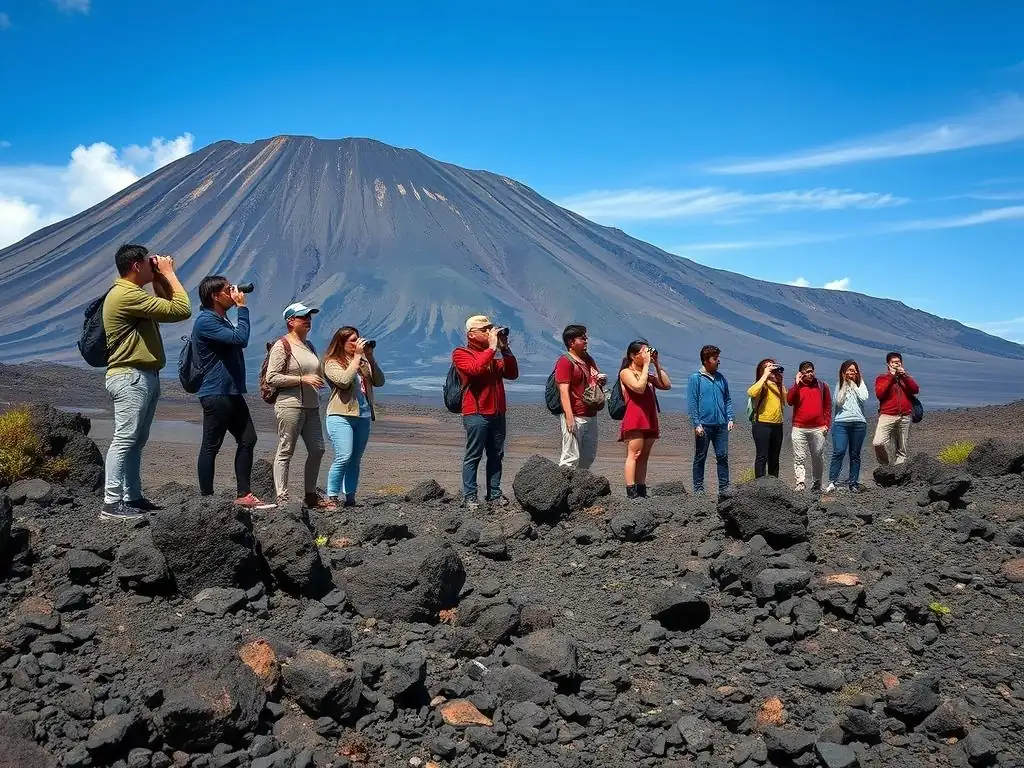
Certifications and Accreditations for Sustainable Volcano Tourism
When selecting an eco-friendly volcano tour operator, certifications and accreditations serve as valuable indicators of their commitment to sustainability. Look for operators who have obtained recognized certifications in sustainable tourism, such as the Travelife Certification, Green Globe Certification, or local equivalents relevant to the specific volcanic region. These certifications often involve rigorous audits and assessments of a company's environmental and social practices, ensuring they meet established standards for responsible tourism.
For instance, in Alaska, the Adventure Green Alaska certification program identifies tourism businesses that demonstrate a commitment to environmental sustainability, economic viability, and social responsibility. Operators certified under such programs are more likely to have implemented concrete measures to minimize their environmental footprint, support local communities, and provide quality, responsible tourism experiences. While certifications are not the only factor to consider, they offer a reliable starting point for identifying eco-conscious tour operators who are genuinely dedicated to sustainable volcano tourism.
Sustainable Practices Employed by Responsible Volcano Tour Companies
Eco-friendly volcano tour operators implement a variety of sustainable practices to minimize their environmental impact and maximize positive contributions to local communities. These practices can range from using fuel-efficient vehicles and promoting carpooling to investing in renewable energy sources for their operations. Responsible operators often prioritize waste reduction and recycling programs, minimizing single-use plastics and ensuring proper disposal of waste generated during tours. They may also implement water conservation measures and support local conservation projects aimed at protecting volcanic ecosystems and wildlife.
Beyond environmental practices, sustainable tour operators also focus on social responsibility. This includes employing local guides and staff, sourcing food and supplies from local businesses, and contributing a portion of their profits to community development or conservation initiatives. They often provide training and education to their staff on sustainable tourism principles and environmental awareness. By scrutinizing the specific practices employed by a tour operator, travelers can gain a deeper understanding of their commitment to eco-friendly volcano tourism and make informed choices that align with their values.
Adventure Green Alaska: Promoting Sustainable Tourism in Alaska
Adventure Green Alaska (AGA) serves as a prime example of a program promoting sustainable tourism within a volcanic region. While Alaska is not solely defined by volcanoes, it boasts numerous volcanic features and active volcanoes within national parks like Katmai and Wrangell-St. Elias. AGA is a certification program recognizing tourism businesses in Alaska that meet specific environmental, social, and economic criteria. Businesses certified by AGA undergo a thorough assessment process, demonstrating their commitment to responsible practices across various aspects of their operations.
AGA criteria encompass areas such as energy efficiency, waste management, water conservation, wildlife protection, and community engagement. For example, an AGA-certified volcano tour operator in Alaska might prioritize small group sizes to minimize impact on fragile volcanic landscapes, utilize fuel-efficient boats or aircraft for transportation to volcanic sites, and partner with local communities to offer cultural experiences and support local economies. The Adventure Green Alaska program exemplifies how regional initiatives can effectively promote and recognize eco-friendly tour operators, guiding travelers towards responsible choices and fostering a more sustainable tourism industry in volcanic regions and beyond.
Minimizing Carbon Footprint: Transportation and Accommodation Choices
Transportation and accommodation are significant contributors to the carbon footprint of any tourism activity, including volcano tours. Eco-friendly volcano tour operators actively seek to minimize their carbon emissions through conscious choices. This can involve utilizing smaller, fuel-efficient vehicles for transportation within volcanic areas, promoting group travel and carpooling options, and offering tours that incorporate walking or cycling as primary modes of exploration. For longer distances, responsible operators may prioritize train travel or partner with airlines committed to carbon offsetting programs.
Accommodation choices also play a crucial role. Sustainable tour operators often favor eco-lodges or locally owned guesthouses that have implemented environmentally friendly practices, such as energy-efficient lighting, water-saving fixtures, and waste recycling programs. These accommodations may also be built with sustainable materials and designed to minimize their impact on the surrounding environment. By considering transportation and accommodation options, travelers can further reduce their carbon footprint when embarking on volcano tours and support operators who prioritize environmental responsibility in all aspects of their operations.
Waste Management and Conservation Efforts During Volcano Tours
Effective waste management and active conservation efforts are hallmarks of eco-friendly volcano tour operators. These operators implement comprehensive waste reduction strategies, minimizing the generation of waste in the first place by encouraging reusable water bottles, discouraging single-use plastics, and providing meals with minimal packaging. They establish robust recycling programs for materials generated during tours and ensure proper disposal of non-recyclable waste in designated facilities. In areas with limited waste management infrastructure, responsible operators may even transport waste out of volcanic regions to ensure its proper processing.
Beyond waste management, eco-conscious operators actively engage in conservation efforts. This can include supporting reforestation projects in volcanic areas, participating in trail maintenance and restoration activities, and contributing to wildlife monitoring or habitat protection programs. Some operators may donate a portion of their profits to local conservation organizations or partner with research institutions to support scientific studies related to volcanic ecosystems. By demonstrating a proactive approach to both waste management and conservation, eco-friendly volcano tour operators contribute significantly to the long-term health and preservation of volcanic environments.
Respecting Local Cultures and Traditions Near Volcanoes
Responsible volcano tourism extends beyond environmental protection to encompass respect for local cultures and traditions. Many volcanic regions are home to indigenous communities or populations with deep historical and cultural connections to the volcanoes. Eco-friendly tour operators recognize and value these cultural aspects, ensuring that tourism activities are conducted in a way that respects local customs, beliefs, and heritage. This involves seeking permission from local communities before accessing culturally significant sites, adhering to local dress codes and etiquette, and avoiding activities that could be considered disrespectful or exploitative.
Sustainable tour operators actively engage with local communities, incorporating cultural experiences into their tours in a way that is both authentic and beneficial to the local population. This may involve visiting local villages, learning about traditional crafts and practices, and supporting community-run cultural centers or tourism initiatives. By fostering cultural exchange and mutual understanding, eco-friendly volcano tourism can contribute to the preservation of local traditions and create positive interactions between tourists and host communities, enriching the overall travel experience for everyone involved.
Key Questions to Ask Potential Volcano Tour Operators
Inquire About Environmental Policies and Practices
Before booking a volcano tour, it is essential to proactively inquire about the operator's environmental policies and practices. Directly asking about their commitment to sustainability demonstrates your concern and helps you make informed choices. Questions to consider include: "Do you have a written environmental policy that guides your operations? ", "What specific measures do you take to minimize your environmental impact? ", "Can you provide examples of your waste reduction or recycling initiatives? ", and "Do you monitor your carbon footprint and take steps to reduce it? ".
Asking about specific practices, such as transportation methods, waste management protocols, and conservation efforts, will provide valuable insights into the operator's genuine commitment to eco-friendly tourism. A responsible operator should be transparent and forthcoming in providing detailed answers to these questions, showcasing their proactive approach to environmental stewardship. Their responses will help you assess whether their stated commitment aligns with their actual practices and make a confident decision in choosing an eco-friendly volcano tour operator.
Confirm Support for Local Communities and Economies
Ensuring that your volcano tour benefits local communities is a crucial aspect of responsible travel. Therefore, it is important to ask potential tour operators about their support for local communities and economies. Inquire about their hiring practices: "Do you employ local guides and staff? ", and "Do you source food, accommodation, and other services from local businesses?". Furthermore, ask if they contribute to community development projects or support local conservation initiatives financially or through in-kind contributions.
Understanding how a tour operator integrates with and supports the local community will reveal their commitment to sustainable tourism beyond just environmental aspects. Operators who prioritize local partnerships and community empowerment are more likely to create positive and lasting impacts on the regions where they operate. By choosing these operators, you contribute to a more equitable and sustainable model of volcano tourism that benefits both travelers and host communities.
Do you have a waste reduction program and carbon offsetting initiatives?
Specific questions regarding waste reduction programs and carbon offsetting initiatives can further differentiate eco-friendly volcano tour operators. Inquire directly about their waste management strategies: "Do you have a comprehensive waste reduction program in place? ", "Do you actively minimize single-use plastics on your tours? ", and "What recycling facilities do you utilize?". Furthermore, ask about their approach to carbon emissions: "Do you measure your carbon footprint? ", and "Do you participate in carbon offsetting programs or invest in renewable energy to mitigate your emissions? ".
Operators who have implemented concrete waste reduction programs and are actively working to offset their carbon emissions demonstrate a higher level of commitment to environmental responsibility. Carbon offsetting, while not a complete solution, can be a valuable interim measure when combined with efforts to reduce emissions at the source. By asking these specific questions, you can identify tour operators who are taking proactive and measurable steps to minimize their environmental impact and contribute to a more sustainable future for volcano tourism.
Examples of Eco-Friendly Volcano Tours Around the World

Volcanoes National Park, Hawaii - Guided Hikes with Cultural Interpretation
Volcanoes National Park in Hawaii offers numerous opportunities for eco-friendly volcano tours. Several tour operators within and around the park specialize in guided hikes that focus on both the geological wonders and the rich cultural heritage of the islands. These tours often incorporate interpretations of Hawaiian mythology and traditions related to volcanoes, providing a deeper understanding of the cultural significance of these natural features. Many operators prioritize small group sizes to minimize impact on trails and fragile ecosystems within the park.
Furthermore, some tours emphasize Leave No Trace principles, educating participants on responsible hiking practices and waste management. Operators often partner with local Hawaiian guides and cultural practitioners, ensuring that tours are respectful of indigenous traditions and contribute to the local economy. By choosing guided hikes within Volcanoes National Park offered by reputable eco-conscious operators, visitors can experience the awe-inspiring volcanic landscapes while supporting sustainable tourism practices and learning about the unique cultural context of these volcanic wonders.
Mount Etna, Sicily - Small-Group Tours Focused on Geological Education
Mount Etna in Sicily, Italy, provides a dramatic setting for eco-friendly volcano tours. Several operators in the region offer small-group tours focused on geological education, emphasizing the scientific aspects of volcanism and the unique ecosystems that thrive on volcanic slopes. These tours are often led by volcanologists or experienced naturalists who provide in-depth explanations of volcanic processes, lava flows, and the diverse flora and fauna adapted to this volcanic environment. Small group sizes minimize impact on trails and sensitive areas within the Mount Etna Regional Park.
Responsible operators prioritize hiking and walking tours, reducing reliance on motorized vehicles within the park and minimizing noise and air pollution. They may also partner with local wineries and farms that practice sustainable agriculture on the fertile volcanic soils, showcasing the interconnectedness of the natural environment and local livelihoods. Choosing small-group, education-focused tours around Mount Etna allows visitors to delve into the fascinating geology of this active volcano while supporting eco-conscious tourism and contributing to the local economy.
Pacaya Volcano, Guatemala - Community-Based Tourism Supporting Local Economy
Pacaya Volcano in Guatemala offers a compelling example of community-based volcano tourism. Tours to Pacaya are often organized and led by local communities living near the volcano, providing direct economic benefits to these populations. These community-based tours often involve hiking to the summit of Pacaya with local guides, who share their knowledge of the volcano, its history, and its cultural significance. The income generated from tourism directly supports local families and contributes to community development projects.
Community-based tourism initiatives around Pacaya Volcano often prioritize environmental sustainability, as the local communities have a vested interest in protecting the natural resources that attract tourists. Tours may incorporate waste management practices, trail maintenance, and conservation awareness education for visitors. By choosing community-based tours to Pacaya Volcano, travelers directly support local economies, empower communities, and contribute to a more sustainable and equitable model of volcano tourism, while experiencing the thrill of hiking an active volcano in a culturally rich setting.
Tips for Being a Responsible Volcano Tourist
Pack Light and Bring Reusable Items
Minimizing your luggage weight and opting for reusable items are simple yet effective ways to reduce your environmental footprint as a volcano tourist. Packing light reduces fuel consumption during transportation, whether by air, land, or sea. Bringing reusable water bottles, coffee cups, shopping bags, and cutlery eliminates the need for single-use plastics that contribute to waste pollution in volcanic regions. Consider packing a reusable container for snacks and meals to further minimize waste generation during your volcano excursions.
By proactively choosing reusable items and reducing your overall baggage weight, you contribute to a more sustainable travel experience. These small actions, when adopted by many tourists, can collectively make a significant positive impact on the environment and help preserve the pristine beauty of volcanic landscapes.
Respect Wildlife and Volcanic Landscapes
Respecting wildlife and volcanic landscapes is paramount for responsible volcano tourism. Maintain a safe distance from animals and avoid feeding or disturbing them in their natural habitats. Stay on marked trails to prevent soil erosion and damage to fragile vegetation. Refrain from collecting volcanic rocks, plants, or any natural souvenirs, as these belong to the ecosystem and their removal can have negative impacts. Be mindful of noise levels and avoid loud sounds that can disturb wildlife and disrupt the tranquility of volcanic areas.
Treat volcanic landscapes with the same respect you would give to any natural wonder. Avoid littering and properly dispose of all waste in designated bins. By practicing Leave No Trace principles and demonstrating respect for both wildlife and the environment, you contribute to the preservation of these unique and valuable ecosystems for future generations to enjoy.
Support Local Businesses and Artisans
Supporting local businesses and artisans is a key aspect of responsible volcano tourism that directly benefits host communities. Choose locally owned restaurants, cafes, and shops whenever possible, rather than opting for international chains. Purchase souvenirs and crafts from local artisans and markets, ensuring that your spending directly supports local livelihoods and preserves traditional skills. Consider staying in locally owned guesthouses or eco-lodges that contribute to the local economy and often have a smaller environmental footprint than large international hotels.
By consciously choosing to support local businesses and artisans, you contribute to the economic sustainability of volcano tourism and help ensure that the benefits of tourism are distributed more equitably within host communities. This also enhances the authenticity of your travel experience, allowing you to connect more deeply with local culture and traditions.
Educate Yourself About the Volcano and Its Environment
Before embarking on a volcano tour, take the time to educate yourself about the specific volcano you are visiting and its surrounding environment. Learn about its geological history, volcanic activity, and the unique ecosystems it supports. Understand the local culture and traditions associated with the volcano and be aware of any environmental challenges facing the region. This knowledge will deepen your appreciation for the volcano and empower you to be a more responsible and informed tourist.
Read books, articles, and websites about the volcano and its region. Watch documentaries or attend lectures to gain a better understanding of volcanism and its impacts. By becoming more knowledgeable, you can make more conscious choices during your volcano tour, ask informed questions of your guides, and contribute more effectively to the sustainable preservation of these remarkable natural wonders.
The Future of Eco-Friendly Volcano Tourism
Promoting Responsible Practices within the Volcano Tourism Industry
The future of volcano tourism hinges on the widespread adoption of responsible practices within the industry. This requires a collaborative effort involving tour operators, governments, local communities, and tourists themselves. Industry associations can play a crucial role in promoting best practices, developing sustainable tourism guidelines, and encouraging certification programs for eco-friendly operators. Governments can implement regulations and policies that support sustainable tourism development, protect volcanic environments, and ensure that tourism benefits local communities.
Tour operators have a responsibility to integrate sustainability into all aspects of their operations, from transportation and accommodation to waste management and community engagement. This includes investing in staff training, adopting environmentally friendly technologies, and actively promoting responsible tourism to their clients. By working together, stakeholders can collectively drive the volcano tourism industry towards a more sustainable and responsible future.
Empowering Travelers to Make Sustainable Choices
Empowering travelers to make sustainable choices is essential for the long-term viability of eco-friendly volcano tourism. Providing clear and accessible information about responsible tourism practices, eco-friendly tour operators, and sustainable travel options enables tourists to make informed decisions that align with their values. Websites, travel guides, and tourism information centers can play a vital role in disseminating this information and raising awareness about the importance of responsible volcano tourism.
Travelers themselves have the power to drive change by actively seeking out eco-friendly tour operators, asking questions about sustainability practices, and making conscious choices during their volcano adventures. By demanding responsible tourism options and supporting operators who prioritize environmental and social responsibility, travelers can collectively incentivize the industry to embrace more sustainable practices and contribute to the preservation of volcanic environments for future generations.
Choose a Certified Operator: Prioritize Responsible Volcano Tourism for a Sustainable Future
Choosing a certified eco-friendly volcano tour operator is a powerful step towards ensuring a sustainable future for volcano tourism. Certifications provide a reliable mechanism for identifying operators who have demonstrated a genuine commitment to environmental and social responsibility. By prioritizing certified operators, travelers can be confident that their tourism activities are contributing to positive outcomes, minimizing environmental impact, and supporting local communities.
Responsible volcano tourism is not just a trend; it is an imperative for preserving these extraordinary natural wonders and ensuring that future generations can experience the awe and inspiration of volcanoes. By making conscious choices, supporting eco-friendly operators, and embracing responsible travel practices, we can collectively contribute to a more sustainable and enriching future for volcano tourism and the planet.
Frequently Asked Questions
What are Eco-Friendly Volcano Tour Operators?
They are tour companies that prioritize environmental sustainability and responsible tourism practices when conducting volcano tours. This often includes minimizing their carbon footprint and supporting local communities.
Why is it important to choose Eco-Friendly Volcano Tour Operators?
Choosing these operators helps to protect the fragile ecosystems around volcanoes and ensures that tourism benefits the local communities. It also reduces the negative environmental impact associated with traditional tourism.
What are some key indicators of an Eco-Friendly Volcano Tour Operator?
Look for operators with certifications related to sustainable tourism, those who actively participate in conservation efforts, and those who prioritize smaller group sizes to minimize impact.
How can I find Eco-Friendly Volcano Tour Operators?
Websites like VolcanoExplorers.org can provide lists and reviews. Search for operators who are transparent about their environmental practices and community involvement.
What questions should I ask a tour operator to determine if they are truly Eco-Friendly?
Ask about their waste management policies, their efforts to offset carbon emissions, and how they support local economies. Inquire about their impact on the local environment.
Final Reflection: Embracing Volcanic Responsibility
The insights shared throughout this article underscore the critical need for conscious travel practices within the realm of volcano tourism. It's no longer enough to simply marvel at the raw power of nature; we must actively seek out and support eco-friendly volcano tour operators who prioritize the planet's well-being alongside the thrill of exploration. The future of these breathtaking landscapes, and the communities that depend on them, hinges on our collective commitment to responsible tourism.
The allure of volcanoes is undeniable, drawing us to witness the Earth's primal forces firsthand. However, this fascination must be tempered with a deep respect for the environment and a commitment to minimizing our impact. The choices we make as travelers directly influence the sustainability of these unique ecosystems. We do not inherit the earth from our ancestors; we borrow it from our children.
This ancient proverb serves as a potent reminder of our responsibility to future generations, urging us to tread lightly and preserve these volcanic wonders for those who will come after us.
As you plan your next adventure to a volcanic landscape, I urge you to consider the principles outlined in this article. Seek out those eco-friendly volcano tour operators who are genuinely dedicated to protecting the environment and supporting local communities. By making informed and responsible choices, you can contribute to a more sustainable future for volcano tourism, ensuring that these magnificent natural wonders continue to inspire awe and wonder for generations to come.
Okay, I'm ready to craft a CTA for a web article on Volcano Explorers about responsible volcano tours. Here it is:
Ignite Your Adventurous Spirit Responsibly!
Thank you for exploring the world of responsible volcano tourism! We hope you've gained valuable insights into making ethical choices when planning your next adventure. Now it's time to put that knowledge into action and become a conscious explorer.
Here are a few ways to continue your journey:
- Commit to booking your next volcano tour with an operator listed on our directory at volcanoexplorers.org that prioritizes environmental sustainability and community impact. This is the single biggest action you can take!
- Share this article with fellow adventure enthusiasts and spark a conversation about responsible tourism on social media using #VolcanoExplorers.
- Consider donating to organizations working to protect volcanic ecosystems and support local communities affected by tourism (research these organizations independently).
What steps will you take this week to ensure your adventures leave a positive impact on our planet?