
Night Visions of Fire: Equipment for Photographing Volcanoes Under the Stars

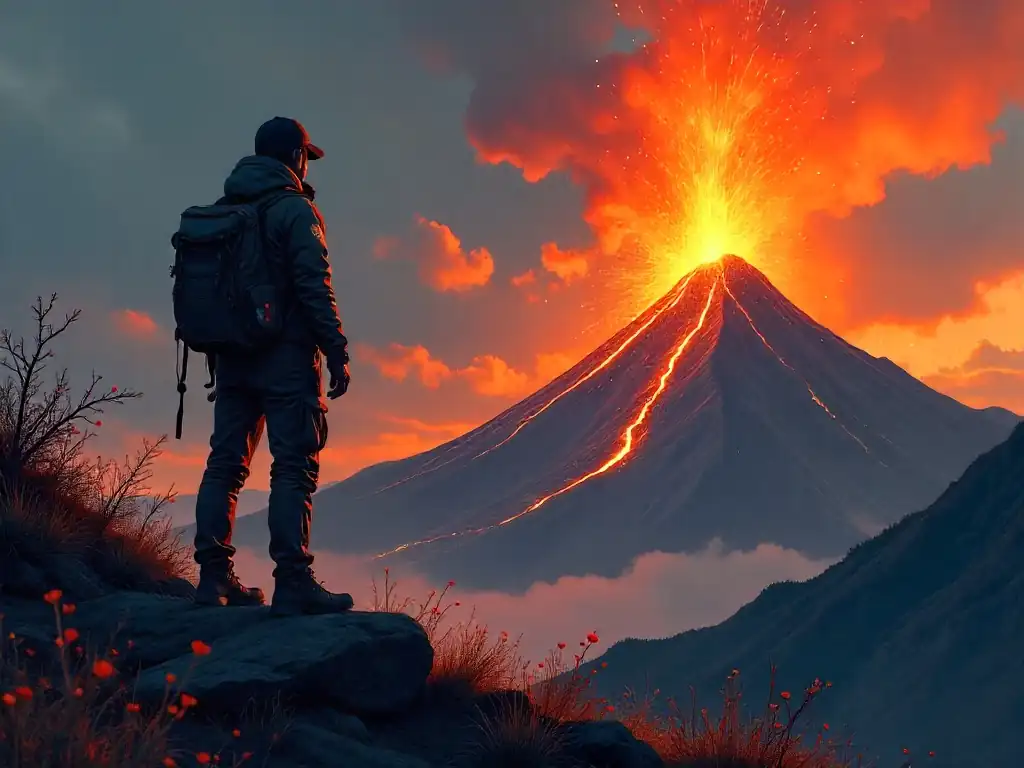
Welcome to Volcano Explorers!
Prepare to be mesmerized. Have you ever wondered what it takes to capture the raw, untamed power of a volcano under the cloak of night? Night Visions of Fire: Equipment for Photographing Volcanoes Under the Stars will pull back the curtain, revealing the secrets and tools needed to immortalize these fiery giants against the celestial canvas. But that's just the beginning. What untold stories lie dormant within the Earth's fiery heart? Keep exploring, and uncover the mysteries that await...
- Understanding the Challenges of Nighttime Volcano Photography
-
Frequently Asked Questions
- What type of camera is best for photographing volcanoes at night?
- What lenses are recommended for night volcano photography?
- Why is a tripod essential for photographing volcanoes at night?
- What other equipment should I consider bringing?
- What safety precautions should I take when photographing volcanoes at night?
- Final Reflection: Embracing the Fiery Darkness
- Capture the Cosmos: Ignite Your Volcanic Photography!
Understanding the Challenges of Nighttime Volcano Photography
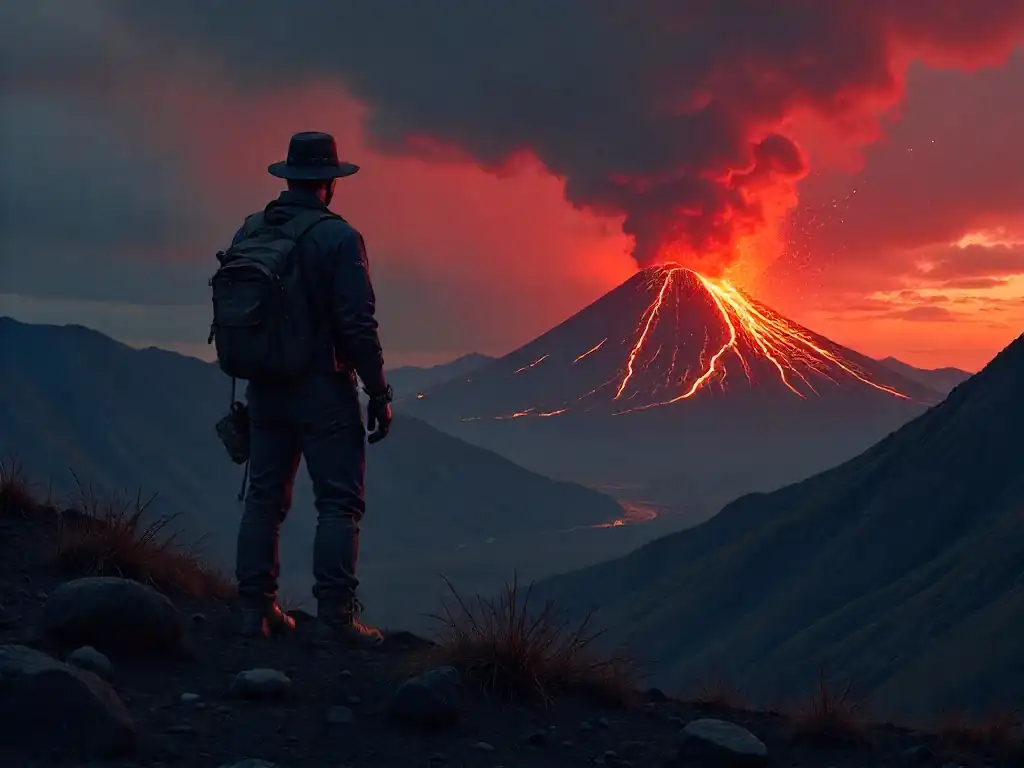
Low Light Conditions and the Need for Specialized Equipment
Photographing volcanoes at night presents a significant hurdle: drastically reduced light levels. Unlike daytime photography where ample sunlight illuminates the landscape, nighttime photography operates under the faint glow of stars, moonlight (if available), and the volcano itself. This scarcity of light necessitates specialized equipment capable of capturing as much of the available light as possible. Standard camera settings and lenses that suffice during the day will fall short in the darkness, resulting in underexposed, noisy, or blurry images.
To overcome these low-light challenges, photographers must rely on gear designed for sensitivity and light gathering. This includes camera bodies with excellent high ISO performance, allowing for brighter images in dark conditions, and lenses with wide apertures that can let in a greater amount of light. Furthermore, stable tripods become indispensable, enabling long exposures without camera shake, a crucial technique for capturing detail in dimly lit environments. Understanding these limitations and preparing with the appropriate equipment is the first step towards successfully photographing volcanoes under the stars.
Frequently Asked Questions
What type of camera is best for photographing volcanoes at night?
A DSLR or mirrorless camera with manual controls and a high ISO performance is ideal. This allows for greater control over exposure and reduces noise in low-light conditions.
What lenses are recommended for night volcano photography?
A wide-angle lens (e.g., 14-24mm) is great for capturing the volcano in the context of the night sky. A telephoto lens (e.g., 70-200mm) can isolate details of the eruption.
Why is a tripod essential for photographing volcanoes at night?
Long exposure times are necessary in the dark, and even the slightest movement can cause blur. A sturdy tripod is crucial for sharp images and allows for longer shutter speeds.
What other equipment should I consider bringing?
Bring extra batteries due to the cold affecting battery life. Also, consider a remote shutter release to avoid camera shake, and a headlamp for navigating in the dark.
What safety precautions should I take when photographing volcanoes at night?
Always check for volcanic activity updates before heading out, and stay a safe distance from the volcano. Be aware of your surroundings and potential hazards like uneven terrain or falling rocks.
Final Reflection: Embracing the Fiery Darkness
The allure of volcanoes, especially when captured under the starlit sky, transcends mere photography; it becomes a testament to the raw power and enduring beauty of our planet. This intersection of earthly fire and celestial wonder speaks to a primal fascination within us, a desire to witness and document the untamed forces that shape our world. The equipment we choose, as detailed in this article, becomes an extension of that desire, enabling us to translate fleeting moments of volcanic activity into lasting works of art.
The act of photographing volcanoes at night is more than just a technical exercise; it's a deeply personal journey into the heart of the Earth's energy. It's a reminder of our own insignificance in the face of such immense power, yet also a celebration of our ability to capture and share these awe-inspiring moments with others. As Ansel Adams so eloquently stated: You don't take a photograph, you make it.
This sentiment resonates deeply with the challenges and rewards of photographing volcanoes at night, where patience, skill, and a profound respect for the landscape converge to create something truly extraordinary.
Now, armed with the knowledge of the right equipment and techniques, I invite you to look up. To find a dark sky, perhaps even near a volcanic landscape, and to contemplate the vastness of the universe and the fiery heart of our planet. Let the images and insights shared in this article inspire you to embark on your own photographic adventure, to capture the magic of the night, and to share your unique vision with the world. Let the fire within the Earth ignite the fire within you.
Capture the Cosmos: Ignite Your Volcanic Photography!
Thanks for joining us on this cosmic journey through volcanic night photography! We hope you've gained some valuable insights into the essential gear and techniques to capture breathtaking images of volcanoes under the starlit sky. Now, it's time to put that knowledge into action and create your own stunning visuals.
Here are a few ways to keep exploring:
- Gear Up & Go: Plan your next volcanic night photography trip and start capturing those fiery visions! Research active volcanoes near you or in your dream destinations and begin assembling your gear based on the advice in this article.
- Dive deeper into astrophotography! Check out online courses or local workshops to improve your skills in capturing the night sky, which will enhance your volcanic shots.
- Share your progress and inspiration with fellow explorers! Post your first night-time volcanic photos on social media using the hashtag #VolcanoExplorers and connect with our community.
What's the first thing you'll photograph on your next volcanic adventure under the stars? Share your plans in the comments below!