
La Palma's WakeUp Call: Urgent Lessons in Volcanic Preparedness for Island Communities

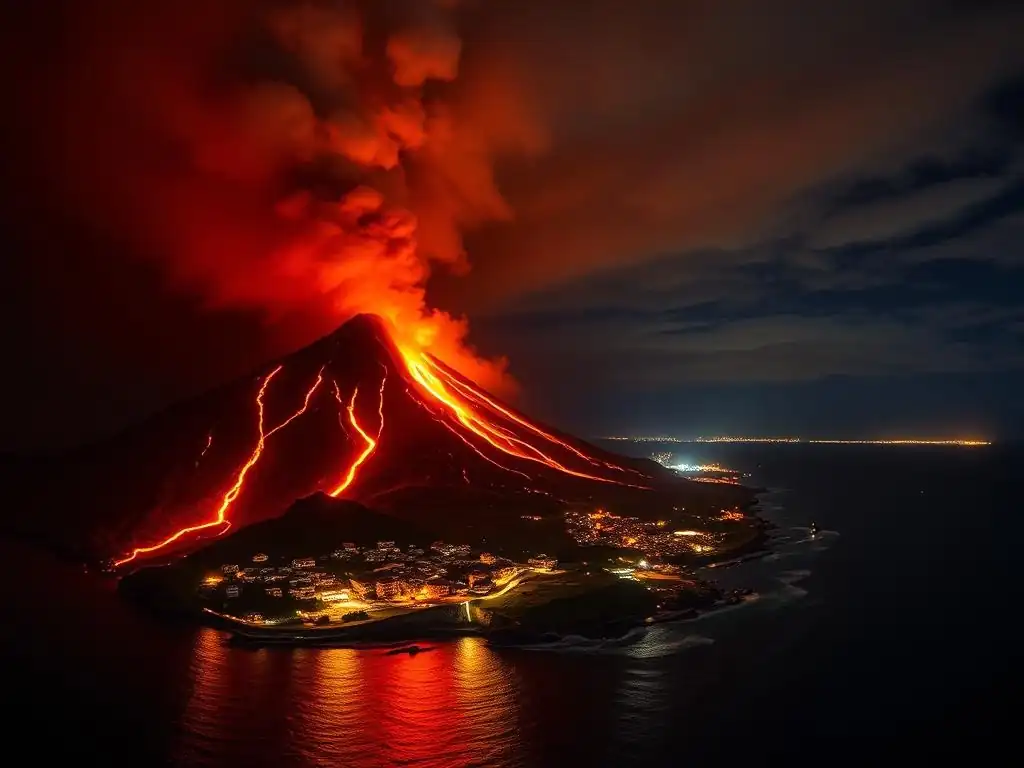
Welcome to Volcano Explorers, where the Earth's fiery heart beats for all to see. Ever wondered how island communities can navigate the volatile dance of living near active volcanoes? Dive into our latest article, "La Palma's Wake-Up Call," a stark reminder of the urgent need for volcanic preparedness for island communities. Could your island be next? Discover the critical lessons learned and the steps you can take to stay informed and safe. The eruption of La Palma serves as a profound case study, and the insights are essential. Read on to unlock the secrets to survival.
- Kilauea's Lessons: Urgent Volcanic Preparedness for Island Communities
- Introduction: The Kilauea Eruption and Its Global Implications
- Understanding the Specific Vulnerabilities of Island Communities to Volcanic Hazards
-
Lessons Learned from Kilauea: Strengthening Volcanic Preparedness Strategies
- Early Warning Systems: The Importance of Real-Time Monitoring and Data Analysis
- Effective Communication and Public Education: Empowering Communities Through Knowledge
- Land Use Planning and Mitigation Strategies: Reducing Exposure to Volcanic Risks
- Emergency Response and Resource Management: Coordination and Collaboration
-
Implementing Enhanced Volcanic Preparedness: A Step-by-Step Guide for Island Communities
- Step 1: Risk Assessment and Hazard Mapping
- Step 2: Developing a Comprehensive Volcanic Emergency Plan
- Step 3: Investing in Early Warning Systems and Monitoring Technologies
- Step 4: Educating the Public and Conducting Regular Drills
- Step 5: Strengthening Emergency Response Capabilities and Resource Management
- The Role of International Collaboration in Volcanic Risk Reduction
- Case Studies: Examples of Successful Volcanic Preparedness in Island Communities
- Conclusion: Building Resilience in the Face of Volcanic Threats
-
Frequently Asked Questions
- What are the primary dangers that volcanic eruptions pose to island communities?
- How does VolcanoExplorers.org help island communities with volcanic preparedness?
- What role does education play in improving volcanic preparedness for island communities?
- What are some of the lessons learned from the La Palma eruption regarding volcanic preparedness?
- Why is volcanic preparedness particularly important for island communities?
- Final Reflection: Embracing Resilience in the Face of Volcanic Fury
- Embrace the Future: Become a Volcano Preparedness Champion!
Kilauea's Lessons: Urgent Volcanic Preparedness for Island Communities
Introduction: The Kilauea Eruption and Its Global Implications
The 2018 Kilauea Eruption: A Case Study in Volcanic Crisis
The 2018 eruption of Kilauea volcano in Hawaii served as a stark reminder of nature's power and the potential devastation volcanic events can unleash, particularly for island communities. Beginning in May 2018, the eruption was characterized by a series of dramatic events, including the collapse of the Pu'u 'Ō'ō crater, the opening of numerous fissures in the Lower East Rift Zone, and the subsequent outpouring of lava that inundated residential areas in the Puna district.
Over the course of several months, this effusive eruption destroyed over 700 homes, displaced thousands of residents, and dramatically reshaped the landscape of the Big Island. The eruption also caused significant disruptions to infrastructure, including roads, power lines, and water systems, highlighting the cascading effects of volcanic activity on essential services.
The Kilauea eruption was not just a local crisis; it offered a crucial case study for volcanic preparedness on a global scale. The prolonged nature of the eruption, the diverse hazards it presented – from lava flows and volcanic gases to earthquakes and ground deformation – and the challenges faced by emergency responders provided invaluable lessons for communities worldwide that live under the shadow of volcanic risk.
Scientists and emergency management agencies from around the globe closely monitored the Kilauea event, seeking to understand the dynamics of the eruption and to glean insights that could improve volcanic preparedness strategies elsewhere. The eruption underscored the necessity for robust monitoring systems, effective communication protocols, and well-coordinated emergency response plans, especially in regions where volcanic activity poses a persistent threat.
Why Kilauea Matters: Understanding Volcanic Risk in Island Nations
Kilauea's 2018 eruption holds particular significance for island nations due to the unique vulnerabilities these communities face when confronted with volcanic hazards. Island ecosystems and societies are often characterized by their limited landmass, geographic isolation, and economic reliance on sectors highly sensitive to natural disasters, such as tourism and agriculture. When a volcano erupts on an island, the impacts can be disproportionately severe compared to continental settings. Evacuation routes may be constrained, access to external aid can be delayed, and the economic fallout can be crippling, potentially setting back development for years.
The lessons from Kilauea are especially pertinent for volcanic preparedness for island communities because it vividly illustrated the complex interplay of volcanic hazards with the specific challenges of island environments. The eruption underscored the importance of tailored preparedness strategies that account for the unique geographic, economic, and social contexts of islands.
For instance, the limited availability of land on islands necessitates careful land-use planning to minimize exposure to volcanic hazards, while the reliance on marine transportation for many island communities highlights the need for contingency plans to maintain supply chains and evacuation routes during volcanic crises. Understanding how Kilauea impacted a modern island society provides a crucial framework for enhancing volcanic preparedness in similar settings around the world.
Focusing on Island Communities: Unique Challenges in Volcanic Preparedness
Volcanic preparedness for island communities presents a distinct set of challenges that require focused attention and tailored strategies. Unlike continental regions where evacuation routes can be more diverse and access to resources is often more readily available, island communities face inherent limitations due to their geographic isolation.
This isolation can complicate every aspect of volcanic crisis management, from early warning dissemination and evacuation logistics to the delivery of emergency supplies and long-term recovery efforts. The relatively small size of many island nations also means that a volcanic eruption can impact a significant portion, or even the entirety, of the territory, concentrating the damage and straining limited resources.
Moreover, the socio-economic structures of many island communities amplify their vulnerability to volcanic events. Many island economies are heavily dependent on tourism, which can be decimated by volcanic eruptions and the associated ashfall, gas emissions, and landscape alterations.
Agriculture and fisheries, vital for local livelihoods and food security, are also susceptible to volcanic impacts, from ash contamination of crops to the disruption of marine ecosystems. These economic vulnerabilities, combined with the often-limited infrastructure and resources of island nations, underscore the urgent need for proactive and comprehensive volcanic preparedness measures specifically designed to address the unique challenges faced by these communities.
Understanding the Specific Vulnerabilities of Island Communities to Volcanic Hazards
Geographic Isolation: Hampering Evacuation and Resource Delivery
Geographic isolation is a defining characteristic of island communities and a primary factor exacerbating their vulnerability to volcanic hazards. Surrounded by water, islands often have limited options for evacuation and rely heavily on sea and air transport, both of which can be severely disrupted by volcanic activity.
Ash plumes can close airports and render air travel unsafe, while volcanic debris and rough seas can impede maritime evacuation efforts and the delivery of essential supplies by sea. The 2010 eruption of Eyjafjallajökull in Iceland, though not directly impacting an island community in the same way as Kilauea on Hawaii, demonstrated the widespread disruption that volcanic ash can cause to air travel, highlighting the potential for island nations to become cut off during a volcanic crisis.
Furthermore, the remoteness of many islands translates to longer lead times for external assistance to arrive. While continental regions can often rely on ground transportation for rapid deployment of emergency personnel and resources from neighboring areas, island communities must typically wait for aid to be shipped or flown in, potentially delaying critical relief efforts.
This isolation also complicates logistical planning for large-scale evacuations and the establishment of temporary shelters, requiring island nations to be more self-reliant and to develop robust internal capacities for volcanic preparedness and response. The challenge of geographic isolation emphasizes the need for island communities to prioritize pre-emptive measures, including stockpiling essential supplies, developing independent communication networks, and establishing resilient local emergency response teams.
Economic Dependence: Volcanic Impact on Tourism, Agriculture, and Fisheries
The economic structures of many island communities are often characterized by a high degree of specialization and dependence on a few key sectors, making them particularly vulnerable to economic shocks from volcanic eruptions. Tourism is a cornerstone of many island economies, providing significant employment and revenue.
However, volcanic eruptions can devastate tourism by disrupting travel, damaging infrastructure, and creating negative perceptions of safety and environmental quality. The eruption of Mount Agung in Bali, Indonesia, in 2017 and 2018, while not causing widespread destruction, led to significant declines in tourism due to airport closures and travel advisories, demonstrating the sensitivity of this sector to volcanic activity even without direct physical impact on tourist areas.
Agriculture and fisheries are also vital economic sectors for many islands, providing food security and livelihoods for local populations. Volcanic ashfall can contaminate crops, damage vegetation, and disrupt agricultural production for extended periods. Lava flows can directly destroy agricultural land and infrastructure.
Similarly, volcanic eruptions can impact fisheries through ash deposition in coastal waters, changes in water chemistry, and disruption of marine ecosystems. The long-term economic consequences of volcanic eruptions for island communities can be profound, potentially leading to job losses, business closures, and increased poverty, underscoring the need for economic diversification and resilience-building strategies as part of volcanic preparedness efforts.
Limited Infrastructure: Strain on Resources During Volcanic Emergencies
Island communities often face limitations in infrastructure capacity, which can be severely strained during volcanic emergencies. Smaller islands may have less developed transportation networks, including fewer roads, ports, and airports, making evacuation and resource distribution more challenging. Essential services such as power grids, water supply systems, and communication networks may also be more vulnerable and less redundant compared to larger continental systems.
The Kilauea eruption highlighted the fragility of infrastructure, with lava flows destroying roads, cutting off power, and disrupting water lines in affected areas. For island communities with even more limited infrastructure to begin with, the impact of such disruptions can be even more critical.
The strain on infrastructure during a volcanic crisis also extends to emergency services. Island communities may have fewer hospitals, medical facilities, and emergency shelters, and their capacity to handle a large-scale disaster may be quickly overwhelmed. The availability of specialized equipment and personnel, such as firefighters trained in volcanic environments or experts in hazardous materials management, may also be limited. This infrastructure vulnerability underscores the importance of investing in resilient infrastructure systems, developing backup power and water supplies, and strengthening local emergency response capacities as key components of volcanic preparedness for island communities.
Communication Challenges: Reaching Remote Populations with Timely Warnings
Effective communication is paramount during a volcanic crisis, yet island communities often face unique challenges in reaching all segments of their population with timely warnings and critical information. Remote and dispersed populations, common in many island settings, can be particularly difficult to reach, especially if communication infrastructure is damaged or unreliable.
Traditional communication methods, such as radio and television broadcasts, may have limited coverage in mountainous or geographically fragmented island regions. Furthermore, reliance on centralized communication systems can be risky if these systems are disrupted by volcanic activity, such as power outages affecting radio transmitters or damage to communication towers.
Language barriers and varying levels of access to technology can also complicate communication efforts within island communities. Ensuring that warnings and information are accessible to all residents, including those who speak minority languages or who lack access to internet or mobile devices, requires a multi-faceted communication strategy.
This strategy should incorporate diverse channels, such as community radio, text messaging, public address systems, and face-to-face communication through community leaders and volunteers. Strengthening community-based communication networks and empowering local leaders to disseminate information are crucial for ensuring that volcanic warnings reach everyone in a timely and effective manner, particularly in remote and vulnerable island populations.
Lessons Learned from Kilauea: Strengthening Volcanic Preparedness Strategies
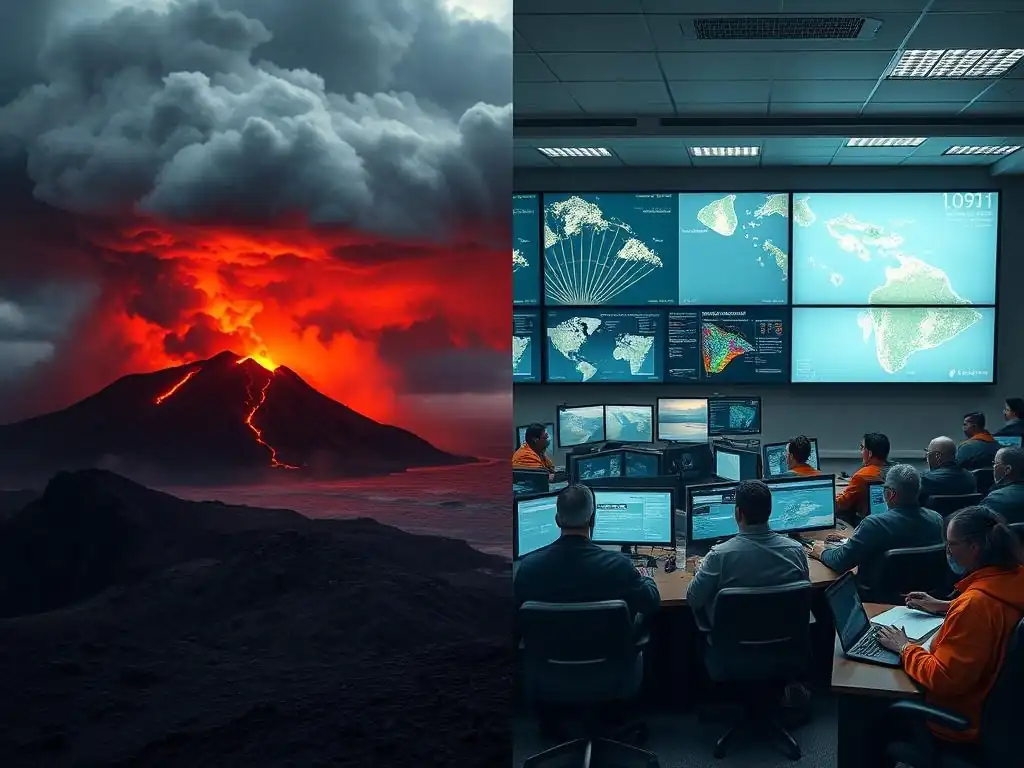
Early Warning Systems: The Importance of Real-Time Monitoring and Data Analysis
The 2018 Kilauea eruption unequivocally demonstrated the critical role of robust early warning systems in mitigating volcanic risk and enhancing volcanic preparedness for island communities. The continuous monitoring of Kilauea by the USGS Hawaiian Volcano Observatory provided crucial real-time data on volcanic activity, allowing scientists to track changes in eruption intensity, lava flow paths, and gas emissions.
This data informed timely warnings and allowed emergency managers to make informed decisions about evacuations and resource allocation. The Kilauea experience underscores the need for island nations to invest in and maintain comprehensive volcanic monitoring networks as the foundation of effective volcanic preparedness.
Improving Seismic Monitoring Networks
Seismic monitoring is a cornerstone of volcanic early warning systems. Earthquakes are often precursors to volcanic eruptions and can also accompany ongoing eruptive activity. Dense networks of seismometers strategically placed around active volcanoes provide continuous data on the frequency, magnitude, and location of earthquakes.
Analyzing these seismic patterns allows volcanologists to detect changes in volcanic unrest, identify magma movement beneath the surface, and assess the likelihood of an eruption. For island communities, improving seismic monitoring networks means deploying a sufficient number of seismometers to adequately cover all potentially active volcanic areas, ensuring reliable data transmission, and establishing robust data analysis capabilities. Investment in modern broadband seismometers and real-time data processing infrastructure is essential for enhancing the sensitivity and effectiveness of seismic monitoring for volcanic preparedness.
Enhancing Gas Emission Measurements
Volcanic gas emissions, such as sulfur dioxide (SO2) and carbon dioxide (CO2), provide valuable insights into magma degassing processes and can be precursors to eruptions. Changes in the composition and flux of volcanic gases can indicate changes in magma supply, pressure buildup within the volcanic system, and the potential for explosive activity. Ground-based gas sensors, spectroscopic instruments, and airborne and satellite-based remote sensing techniques are used to monitor volcanic gas emissions.
Enhancing gas emission measurements for volcanic preparedness involves deploying a combination of these technologies to provide comprehensive and continuous data on gas fluxes and compositions. For island volcanoes, strategically placed gas sensors on different flanks of the volcano and the use of mobile gas monitoring units can provide a more complete picture of gas emission patterns and improve the ability to detect pre-eruptive changes.
Utilizing Satellite Imagery for Deformation Detection
Ground deformation, such as swelling or subsidence of the volcano's surface, is another key indicator of volcanic unrest. Magma movement beneath the surface can cause measurable changes in ground elevation, which can be detected using satellite-based techniques like Interferometric Synthetic Aperture Radar (InSAR) and GPS measurements. InSAR provides high-resolution maps of ground deformation over large areas, allowing scientists to track subtle changes in volcanic activity.
GPS stations deployed on volcanoes provide precise measurements of ground displacement over time. Utilizing satellite imagery for deformation detection is crucial for volcanic preparedness as it provides a synoptic view of volcanic activity and can detect deformation patterns that may not be apparent from ground-based monitoring alone. For island volcanoes, satellite monitoring is particularly valuable due to the often-challenging terrain and limited accessibility for ground-based surveys.
Effective Communication and Public Education: Empowering Communities Through Knowledge
Beyond robust early warning systems, effective communication and public education are paramount for volcanic preparedness for island communities. Even the most advanced monitoring systems are ineffective if warnings do not reach the people at risk or if communities are not prepared to respond appropriately. The Kilauea eruption highlighted the importance of clear, consistent, and timely communication from authorities to the public.
Public education campaigns that raise awareness about volcanic hazards, evacuation procedures, and safety measures are essential for empowering communities to take proactive steps to protect themselves. Volcanic preparedness is not solely the responsibility of government agencies; it requires active participation and informed decision-making by individuals and communities at risk.
Developing Clear and Accessible Evacuation Plans
Clear and accessible evacuation plans are a cornerstone of volcanic preparedness for island communities. Evacuation plans should be tailored to the specific volcanic hazards of each region, taking into account potential lava flow paths, ashfall zones, and lahar routes. Plans should clearly delineate evacuation zones, designated evacuation routes, and assembly points.
It is crucial that evacuation plans are communicated to the public in multiple languages and formats, including maps, brochures, and online resources. Regular community meetings and public forums should be held to explain evacuation plans, answer questions, and address community concerns. Accessibility is also key; evacuation plans should consider the needs of vulnerable populations, such as the elderly, people with disabilities, and those without private transportation.
Implementing Regular Volcanic Hazard Drills
Regular volcanic hazard drills are essential for testing and refining evacuation plans and ensuring that communities are prepared to respond effectively during a volcanic crisis. Drills provide opportunities to practice evacuation routes, familiarize residents with assembly points, and identify potential bottlenecks or logistical challenges. Different types of drills can be conducted, ranging from tabletop exercises and simulated evacuations to full-scale drills involving multiple agencies and community participation.
Drills should be conducted regularly, at least annually, and should be adapted to different volcanic scenarios and hazard levels. Post-drill evaluations are crucial for identifying areas for improvement in evacuation plans and response procedures. Community involvement in planning and conducting drills enhances preparedness and builds local ownership of volcanic risk reduction efforts.
Utilizing Multiple Communication Channels: Reaching All Residents
Reaching all residents with timely and accurate information during a volcanic crisis requires utilizing multiple communication channels. Relying on a single communication method can be risky, as that channel may be disrupted or may not reach all segments of the population. A diverse communication strategy should incorporate traditional channels such as radio, television, and newspapers, as well as modern technologies like mobile phone alerts, social media, and dedicated volcano information websites.
Community radio stations, local newspapers, and public address systems are particularly important for reaching remote and underserved populations. Utilizing social media platforms can facilitate rapid dissemination of information and two-way communication between authorities and the public. Establishing partnerships with local media outlets and community organizations is crucial for ensuring effective and widespread communication during volcanic emergencies.
Land Use Planning and Mitigation Strategies: Reducing Exposure to Volcanic Risks
Proactive land use planning and mitigation strategies are essential components of volcanic preparedness for island communities, aiming to reduce exposure to volcanic hazards and minimize potential damage. These strategies involve incorporating volcanic risk assessments into land use zoning regulations, implementing building codes that enhance resilience to volcanic hazards, and promoting sustainable land management practices that reduce vulnerability. By strategically managing land use and implementing mitigation measures, island communities can significantly reduce the potential impacts of future volcanic eruptions.
Establishing Exclusion Zones Around Active Volcanoes
Establishing exclusion zones around active volcanoes is a fundamental land use planning strategy for reducing volcanic risk. Exclusion zones are areas designated as high-hazard zones where permanent habitation and development are restricted or prohibited. These zones are typically based on volcanic hazard maps that delineate areas at high risk from lava flows, pyroclastic flows, lahars, and other volcanic hazards.
Exclusion zones may vary in size depending on the specific volcanic hazards and the level of volcanic activity. Enforcing building restrictions and regulating land use within exclusion zones can prevent development in the most dangerous areas and minimize potential loss of life and property. However, the establishment of exclusion zones must be carefully considered in consultation with local communities, taking into account social, economic, and cultural factors.
Implementing Building Codes Resistant to Volcanic Ashfall and Lahars
Implementing building codes that incorporate volcanic hazard considerations is crucial for enhancing the resilience of infrastructure in volcanic areas. Building codes can be designed to address specific volcanic hazards, such as ashfall and lahars. For ashfall resistance, building codes can specify roof designs that minimize ash accumulation and structural reinforcements to withstand ash loads.
For lahar-prone areas, building codes can require elevated foundations, reinforced concrete construction, and the avoidance of construction in high-flow channels. Promoting the use of volcanic-ash resistant building materials and construction techniques can also enhance building resilience. Implementing and enforcing volcanic hazard-resistant building codes is a cost-effective way to reduce damage from future volcanic eruptions and protect lives and property.
Promoting Sustainable Land Management Practices
Sustainable land management practices play a vital role in reducing vulnerability to volcanic hazards and enhancing overall volcanic preparedness for island communities. Deforestation and unsustainable agricultural practices can exacerbate volcanic hazards, such as lahars and landslides, by increasing erosion and runoff. Promoting reforestation, soil conservation measures, and sustainable agriculture can help to stabilize slopes, reduce erosion, and mitigate the impacts of volcanic hazards.
Protecting natural vegetation cover in volcanic hazard zones can act as a buffer against lahars and ashfall. Sustainable land management practices not only reduce volcanic risk but also enhance ecosystem resilience and contribute to long-term community sustainability.
Emergency Response and Resource Management: Coordination and Collaboration
Effective emergency response and resource management are critical during a volcanic crisis. This requires strong coordination and collaboration among government agencies, emergency responders, community organizations, and international partners. The Kilauea eruption highlighted the importance of a well-coordinated emergency response effort involving multiple agencies at the local, state, and federal levels. Efficient resource management, including the stockpiling and distribution of essential supplies, is also crucial for meeting the immediate needs of affected populations. Volcanic preparedness for island communities must prioritize strengthening emergency response capabilities and establishing robust resource management systems.
Establishing Regional Emergency Response Teams
Establishing regional emergency response teams specifically trained and equipped to respond to volcanic crises is a vital component of volcanic preparedness. These teams should include personnel from various disciplines, such as fire services, medical services, search and rescue, engineering, and hazardous materials management. Regional teams can provide surge capacity to support local emergency responders during large-scale volcanic events.
Training should focus on volcanic hazard response techniques, including lava flow diversion strategies, ashfall mitigation measures, and volcanic gas monitoring and safety protocols. Regular joint exercises and drills involving regional and local response teams enhance coordination and interoperability. Pre-positioning equipment and supplies for regional response teams in strategic locations can facilitate rapid deployment during volcanic emergencies.
Stockpiling Essential Supplies: Food, Water, and Medical Equipment
Stockpiling essential supplies, such as food, water, medical equipment, and shelter materials, is a crucial preparedness measure for island communities vulnerable to volcanic eruptions. Disruptions to transportation and supply chains during a volcanic crisis can make it difficult to quickly obtain these essential resources. Establishing strategically located stockpiles of emergency supplies ensures that affected populations have access to basic necessities in the immediate aftermath of an eruption.
Stockpile locations should be accessible and protected from volcanic hazards. Regular inventory management and replenishment of stockpiles are essential to ensure that supplies are adequate and in good condition. Community-based stockpiling initiatives, where local communities manage their own emergency supplies, can enhance resilience and promote community ownership of preparedness efforts.
Developing Contingency Plans for Infrastructure Disruptions
Developing comprehensive contingency plans for infrastructure disruptions is essential for maintaining essential services during a volcanic crisis. Volcanic eruptions can damage or destroy critical infrastructure, including power grids, water supply systems, communication networks, and transportation infrastructure. Contingency plans should identify backup systems, alternative routes, and emergency repair procedures for each critical infrastructure sector.
For example, backup generators can ensure continued power supply to essential facilities, such as hospitals and emergency shelters. Mobile communication systems can provide temporary communication capacity if landlines are disrupted. Pre-arranging agreements with utility companies and infrastructure providers for priority repairs during volcanic emergencies can minimize service disruptions and facilitate rapid recovery.
Implementing Enhanced Volcanic Preparedness: A Step-by-Step Guide for Island Communities
Step 1: Risk Assessment and Hazard Mapping
The first crucial step in enhancing volcanic preparedness for island communities is conducting a comprehensive volcanic risk assessment and developing detailed hazard maps. This involves identifying all potential volcanic hazards that could affect the island, including lava flows, pyroclastic flows, lahars, ashfall, volcanic gases, and volcanic earthquakes. Historical records of past eruptions, geological studies, and scientific monitoring data are used to assess the probability and potential intensity of each hazard.
Hazard maps visually represent the spatial distribution of volcanic hazards, delineating areas at different levels of risk. Risk assessments go beyond hazard mapping to evaluate the vulnerability of communities and infrastructure to these hazards, considering factors such as population density, building stock, critical infrastructure locations, and economic activities. The outputs of risk assessments and hazard maps serve as the foundation for developing effective volcanic preparedness strategies.
Step 2: Developing a Comprehensive Volcanic Emergency Plan
Based on the risk assessment and hazard maps, the next step is to develop a comprehensive volcanic emergency plan. This plan outlines the procedures and protocols for all phases of a volcanic crisis, from pre-eruption preparedness to emergency response and post-eruption recovery. The emergency plan should define roles and responsibilities for all relevant agencies and organizations, including government departments, emergency responders, community groups, and international partners.
It should detail early warning protocols, evacuation procedures, communication strategies, resource management plans, and post-eruption recovery strategies. The plan should be regularly reviewed and updated based on new scientific information, lessons learned from past events, and changes in community vulnerability. Community participation in the development and review of the emergency plan is essential to ensure its relevance and effectiveness.
Step 3: Investing in Early Warning Systems and Monitoring Technologies
Investing in robust early warning systems and volcanic monitoring technologies is paramount for providing timely warnings and enabling effective volcanic preparedness for island communities. This includes establishing and maintaining dense networks of seismometers, gas sensors, deformation monitoring instruments (GPS, InSAR), and other relevant monitoring equipment. Data transmission infrastructure, data processing capabilities, and trained personnel are also essential components of an effective monitoring system.
Collaboration with international volcano observatories and research institutions can provide access to expertise, technology, and training opportunities. Continuous investment in upgrading monitoring infrastructure and incorporating new technologies is necessary to maintain the effectiveness of early warning systems and enhance volcanic preparedness over time.
Step 4: Educating the Public and Conducting Regular Drills
Public education and regular volcanic hazard drills are crucial for building community awareness, promoting preparedness actions at the individual and household levels, and ensuring effective response during a volcanic crisis. Public education campaigns should utilize diverse communication channels to reach all segments of the population, providing information on volcanic hazards, early warning signals, evacuation procedures, and safety measures. Community workshops, school programs, and media campaigns are effective tools for raising awareness and promoting preparedness behaviors.
Regular volcanic hazard drills, ranging from tabletop exercises to full-scale simulations, should be conducted to test emergency plans, practice evacuation procedures, and identify areas for improvement. Community participation in planning and conducting drills enhances preparedness and builds local ownership of risk reduction efforts.
Step 5: Strengthening Emergency Response Capabilities and Resource Management
Strengthening emergency response capabilities and resource management systems is essential for effective volcanic crisis management. This involves establishing well-trained and equipped emergency response teams, including fire services, medical services, search and rescue, and hazardous materials specialists. Pre-positioning emergency equipment and supplies, such as communication equipment, transportation assets, shelter materials, and medical supplies, in strategic locations facilitates rapid response. Developing robust resource management plans for stockpiling, distributing, and managing essential resources during a volcanic crisis ensures that affected populations receive timely assistance. Regular training exercises and inter-agency coordination drills enhance the effectiveness of emergency response and resource management systems.
The Role of International Collaboration in Volcanic Risk Reduction
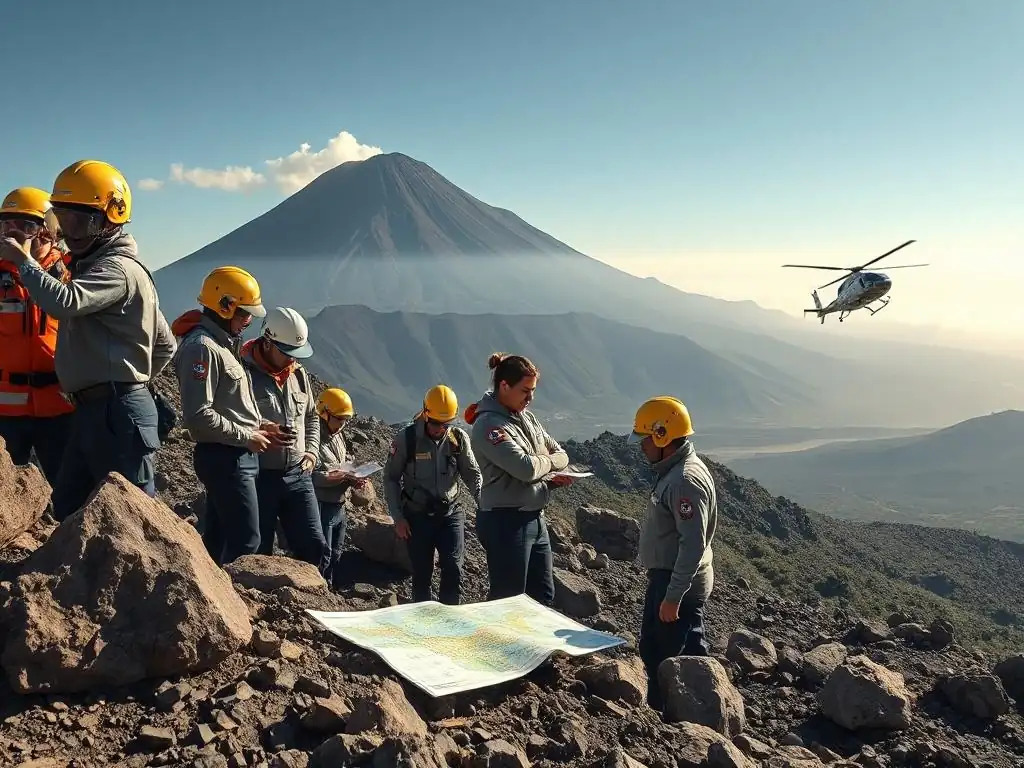
International collaboration plays a vital role in volcanic risk reduction, particularly for island communities that may have limited resources and expertise. Sharing best practices and lessons learned from volcanic eruptions around the world is crucial for improving volcanic preparedness strategies globally. International forums, workshops, and conferences provide platforms for experts from different countries to exchange knowledge, experiences, and technological advancements in volcanic monitoring, hazard assessment, emergency response, and community engagement.
Collaborative research projects and joint training programs facilitate the transfer of knowledge and build capacity in volcanic risk reduction in vulnerable regions. Sharing case studies of successful volcanic preparedness initiatives in island communities, such as Iceland and Montserrat, can inspire and guide other island nations in strengthening their own preparedness efforts.
Providing Technical Assistance and Training
International organizations and volcano observatories in developed countries can provide valuable technical assistance and training to island nations with limited volcanic risk reduction capacity. Technical assistance can include expert advice on volcanic monitoring system design, hazard assessment methodologies, emergency plan development, and community education strategies. Training programs can build local capacity in volcanic monitoring techniques, data analysis, emergency response procedures, and community-based preparedness initiatives.
Volcano observatories can partner with island nations to provide on-site training, remote mentoring, and access to specialized equipment and software. International technical assistance and training are essential for empowering island communities to develop and implement effective volcanic risk reduction measures tailored to their specific needs and contexts.
Supporting Research and Development
International collaboration is crucial for supporting research and development efforts aimed at improving volcanic risk reduction technologies and strategies. Volcanic processes are complex and require ongoing research to better understand eruption dynamics, improve forecasting capabilities, and develop more effective mitigation measures. International research collaborations can leverage diverse expertise, share research infrastructure, and accelerate scientific advancements in volcanology and volcanic risk reduction.
Joint research projects can focus on developing new volcanic monitoring technologies, improving hazard assessment models, evaluating the effectiveness of different mitigation strategies, and studying the socio-economic impacts of volcanic eruptions. Supporting research and development is essential for continuously improving volcanic preparedness and reducing the vulnerability of island communities to volcanic hazards.
Facilitating Access to Funding and Resources
Securing adequate funding and resources is a significant challenge for many island nations in implementing comprehensive volcanic risk reduction programs. International collaboration can play a crucial role in facilitating access to funding and resources from international donors, development agencies, and philanthropic organizations. International organizations can advocate for increased financial support for volcanic risk reduction in vulnerable island communities and help to mobilize resources for monitoring system upgrades, emergency preparedness programs, and community resilience-building initiatives.
Collaborative projects can be designed to leverage funding from multiple sources and maximize the impact of investments in volcanic risk reduction. Facilitating access to funding and resources is essential for enabling island communities to implement sustainable and effective volcanic preparedness measures and reduce their long-term vulnerability to volcanic threats.
Case Studies: Examples of Successful Volcanic Preparedness in Island Communities
Iceland: Volcanic Preparedness Strategies and Community Engagement
Iceland stands as a global exemplar of successful volcanic preparedness, demonstrating how a nation can effectively live with and manage significant volcanic risk. Despite having numerous active volcanoes and a history of large and disruptive eruptions, Iceland has developed a comprehensive and highly effective volcanic preparedness system. Key elements of Iceland's success include a robust national volcano monitoring network operated by the Icelandic Meteorological Office, which provides continuous real-time data on volcanic activity.
Effective communication protocols ensure that warnings and information are rapidly disseminated to the public and emergency responders. Comprehensive emergency plans, regularly tested through drills and exercises, guide evacuation procedures and resource allocation. Public education campaigns raise awareness about volcanic hazards and empower communities to take proactive preparedness measures.
Community engagement is a cornerstone of Iceland's approach, with local communities actively involved in planning and implementing volcanic preparedness strategies. Iceland's experience highlights the importance of scientific monitoring, effective communication, robust emergency planning, and community engagement as key pillars of volcanic preparedness for island communities.
Montserrat: Lessons Learned from the Soufrière Hills Volcano Eruption
Montserrat, a small Caribbean island, provides a compelling case study in volcanic risk management and community resilience in the face of a long-duration volcanic crisis. The eruption of the Soufrière Hills Volcano, which began in 1995, has profoundly impacted Montserrat, rendering a significant portion of the island uninhabitable and displacing a large percentage of the population. However, Montserrat has also demonstrated remarkable resilience and has learned valuable lessons in adapting to living with ongoing volcanic risk.
The Montserrat Volcano Observatory plays a crucial role in monitoring the volcano and providing scientific advice to the government and the public. Phased evacuation plans, based on volcanic hazard assessments, have been implemented to manage risk in different zones around the volcano.
Community relocation and rebuilding efforts have focused on developing safe and sustainable communities in the less hazardous northern part of the island. Montserrat's experience underscores the challenges of long-term volcanic crises, the importance of adaptive risk management strategies, and the resilience of communities in the face of prolonged volcanic threats.
Conclusion: Building Resilience in the Face of Volcanic Threats
The Importance of Proactive Volcanic Preparedness
Proactive volcanic preparedness is not merely a matter of reacting to volcanic crises; it is a fundamental investment in the safety, sustainability, and long-term prosperity of island communities. Waiting for a volcanic eruption to occur before taking action is a recipe for disaster.
The lessons from Kilauea and other volcanic eruptions worldwide unequivocally demonstrate that proactive preparedness measures, including robust monitoring systems, effective communication strategies, comprehensive emergency plans, and community education initiatives, are essential for mitigating volcanic risk and minimizing the devastating impacts of volcanic events. Volcanic preparedness is not a one-time effort; it is an ongoing process that requires continuous investment, adaptation, and community engagement.
Empowering Island Communities to Protect Themselves
Empowering island communities to protect themselves from volcanic threats is at the heart of effective volcanic risk reduction. Volcanic preparedness should not be imposed from above; it must be a participatory process that involves local communities in all stages, from risk assessment and planning to implementation and evaluation. Community-based preparedness initiatives, tailored to local contexts and needs, are crucial for building ownership and ensuring the sustainability of preparedness efforts.
Empowering communities through knowledge, resources, and decision-making authority enables them to become active agents in their own safety and resilience. Volcanic preparedness is not just about protecting infrastructure and economies; it is about protecting lives, livelihoods, and the cultural heritage of island communities.
Moving Forward: A Call to Action for Volcanic Risk Reduction
Moving forward, there is an urgent need for a global call to action to strengthen volcanic risk reduction in island communities. This call to action should encompass increased investment in volcanic monitoring infrastructure, enhanced international collaboration in technical assistance and training, and greater prioritization of volcanic risk reduction in national and international development agendas.
Governments of island nations, international organizations, volcano observatories, research institutions, and donor agencies must work together to mobilize resources, share expertise, and build capacity in volcanic preparedness. A concerted and coordinated global effort is essential to reduce the vulnerability of island communities to volcanic threats and ensure their long-term safety and sustainability.
Ensuring the Safety and Sustainability of Island Communities Prone to Volcanic Activity
Ultimately, the goal of volcanic preparedness for island communities is to ensure their safety and sustainability in the face of volcanic activity. This requires a holistic and integrated approach that addresses not only the immediate risks of volcanic eruptions but also the long-term social, economic, and environmental consequences.
Volcanic preparedness should be viewed as an integral part of sustainable development, contributing to community resilience, economic diversification, and environmental protection. By proactively investing in volcanic risk reduction, island communities can not only mitigate the impacts of future eruptions but also build more resilient and sustainable societies that can thrive in the shadow of these powerful natural forces.
Frequently Asked Questions
What are the primary dangers that volcanic eruptions pose to island communities?
Volcanic eruptions can present a multitude of dangers, including lava flows, ashfall, and pyroclastic flows. These hazards can cause widespread destruction, impacting infrastructure, agriculture, and human health.
How does VolcanoExplorers.org help island communities with volcanic preparedness?
VolcanoExplorers.org offers safety guides and evacuation tips specifically tailored for communities near active volcanoes. The site also provides real-time updates on volcanic activity worldwide, allowing for informed decision-making.
What role does education play in improving volcanic preparedness for island communities?
Education is crucial as it helps residents understand volcanic hazards, recognize warning signs, and follow evacuation procedures. This knowledge empowers individuals to take proactive steps to protect themselves and their communities.
What are some of the lessons learned from the La Palma eruption regarding volcanic preparedness?
The La Palma eruption highlighted the importance of early warning systems, effective communication strategies, and community resilience. It also underscored the need for long-term planning to mitigate the socio-economic impacts of volcanic disasters.
Why is volcanic preparedness particularly important for island communities?
Island communities often face unique challenges due to their geographic isolation and limited resources. This makes them more vulnerable to the devastating effects of volcanic eruptions, necessitating robust preparedness measures.
Final Reflection: Embracing Resilience in the Face of Volcanic Fury
The eruption on La Palma served as a stark reminder of nature's raw power and the inherent vulnerability of island communities. The lessons learned from this event are not just academic; they are a critical blueprint for ensuring the safety and resilience of island populations worldwide. The urgency of enhancing volcanic preparedness for island communities is now undeniable, demanding immediate action and a global commitment to proactive mitigation strategies.
This event has profoundly impacted the way we perceive our relationship with the natural world, highlighting the need for humility and respect in the face of geological forces. Witnessing the devastation firsthand, even through news reports, instilled a deep sense of responsibility to advocate for better preparedness measures. The only way to survive is to be prepared. Preparedness is not a luxury; it is a necessity.
This sentiment, echoed by countless residents of La Palma, underscores the fundamental truth that proactive planning is the cornerstone of survival in volcanically active regions.
Let us not allow the lessons of La Palma to fade into memory. Instead, let us use this experience as a catalyst for change. Consider how you can contribute to fostering greater awareness and preparedness in your own community, whether through supporting research, advocating for policy changes, or simply educating those around you. The future safety and well-being of island communities depend on our collective commitment to learning from the past and building a more resilient tomorrow.
Embrace the Future: Become a Volcano Preparedness Champion!
Thank you for exploring the crucial lessons from La Palma. You've gained valuable insights into volcanic preparedness and the challenges faced by island communities. Now, it's time to translate knowledge into action!
Here's how you can make a difference:
- Become a local Preparedness Advocate: Reach out to your local emergency management agency and volunteer to help spread awareness about volcanic hazards in your area. Share the information you've learned with friends and family.
- Explore community resources: Discover local emergency preparedness resources and workshops. Share your knowledge to help enhance community awareness of risk mitigation strategies, especially for those in vulnerable island communities.
- Share your thoughts: If you live in or near a volcanic area, share your insights and preparedness tips in the comments below.
Are you ready to take the first step in bolstering volcano preparedness in your community?