
The Year of the Comet... or Was it Tambora? Misconceptions of 1816

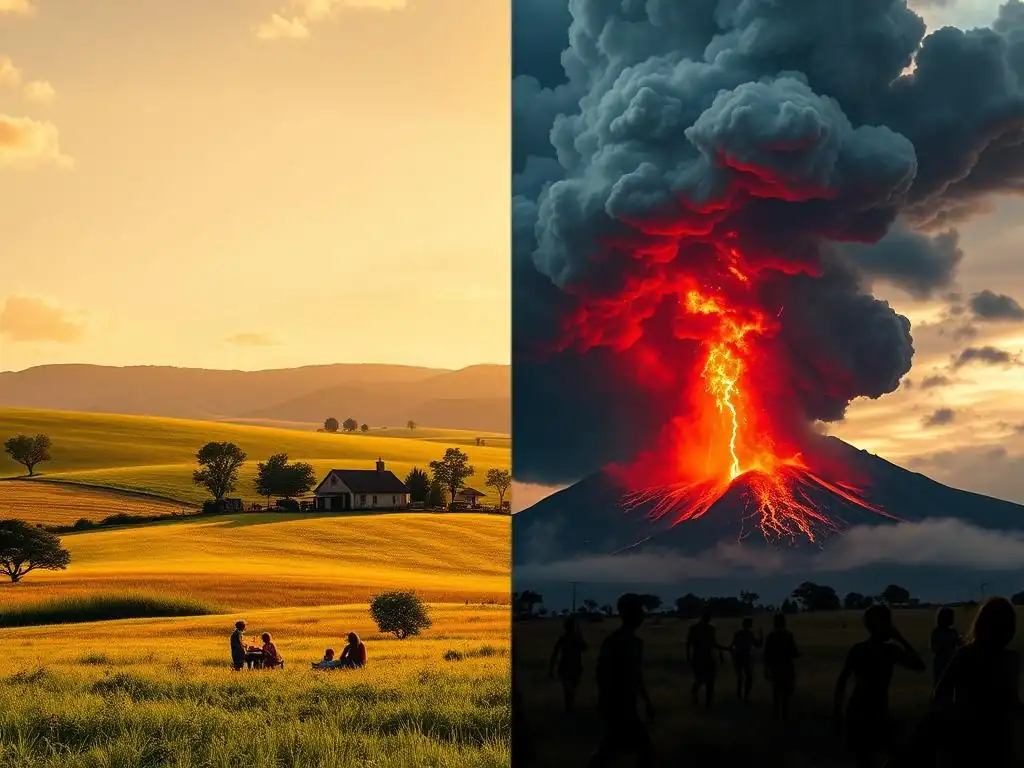
Welcome to Volcano Explorers, where we unravel the mysteries of Earth's fiery giants! Prepare to question what you thought you knew about the past. Did a comet truly darken the skies of 1816, or was a far more terrestrial terror at play? Dive into "The Year of the Comet... or Was it Tambora? Misconceptions of 1816" and discover the truth behind one of history's most devastating volcanic events. The reality is more complex – and more fascinating – than you might imagine.
- The Eruption of Mount Tambora: Separating Fact from Fiction in the "Year Without a Summer"
- Introduction: Unraveling the Mysteries of 1816 - The Year Without a Summer
- The Great Comet of 1811: A Celestial Spectacle Before the Disaster
- Mount Tambora's Eruption: The True Culprit Behind the "Year Without a Summer"
- Misconceptions Surrounding the Cause of 1816's Climate Anomaly
- Debunking the Myths: Scientific Evidence Points to Tambora
- The Social and Economic Consequences of the Tambora Eruption
- The Tambora Eruption: A Lasting Legacy
- Further Research: Exploring the Science Behind Tambora and Volcanic Climate Change
-
Frequently Asked Questions
- What were some common misconceptions surrounding the Tambora eruption and the year 1816?
- How did the Tambora eruption specifically impact global weather in 1816?
- Why is 1816 referred to as the "Year Without a Summer"?
- What role did volcanologists play in understanding the cause of the 1816 climate anomalies?
- What are some of the long-term consequences of the Tambora eruption, beyond the immediate climate impact?
- Final Reflection: Echoes of a Forgotten Cataclysm
- Unearth the Truth: Become a Volcano Detective!
The Eruption of Mount Tambora: Separating Fact from Fiction in the "Year Without a Summer"
Introduction: Unraveling the Mysteries of 1816 - The Year Without a Summer
Setting the Stage: The Unprecedented Cold Weather Patterns of 1816
1816 stands as a stark reminder of nature's power to disrupt global climates and human societies. Dubbed the "Year Without a Summer," it was characterized by bizarre and brutal weather anomalies across the Northern Hemisphere. Regions from North America to Europe experienced unseasonably cold temperatures throughout the spring and summer months. Frosts plagued agricultural lands well into June, and in some areas, snow fell in July. These unusual conditions led to widespread crop failures, famine, and social unrest, leaving a lasting scar on the early 19th century.
The anomalous weather was not just a slight dip in temperatures; it was a dramatic and pervasive cooling that defied typical seasonal patterns. Historical records from the time paint a grim picture of persistent cloud cover, relentless rain, and an overall chilling dampness that penetrated everything. Diaries and letters from farmers in New England, for example, detail the repeated planting of crops only to see them destroyed by frost or incessant cold rains. The disruption to the agricultural cycle was so profound that it triggered food shortages and economic hardship on a scale rarely witnessed in peacetime.
Teasing Apart the Myths: Comets, Volcanoes, and Public Perception in the Early 19th Century
In an era before modern scientific understanding of climate systems, the bizarre weather of 1816 was shrouded in mystery and speculation. Public perception, heavily influenced by folklore and religious beliefs, sought explanations in celestial events and divine omens. One prominent theory that gained traction at the time was the idea that a comet, visible in the preceding years, was somehow responsible for the atmospheric disturbances and subsequent cold weather. Comets, often perceived as harbingers of change or disaster, fit neatly into existing cultural frameworks for explaining inexplicable natural phenomena.
However, a more accurate, albeit initially less understood, explanation lay not in the heavens, but beneath the Earth's surface. The eruption of Mount Tambora in the Dutch East Indies (present-day Indonesia) in April 1815, though geographically distant, was the true catalyst for the "Year Without a Summer."
The massive volcanic eruption injected vast quantities of ash and sulfur dioxide gas into the stratosphere, creating a global veil that reflected sunlight back into space and led to a significant drop in global temperatures. Understanding the interplay between public perception, scientific limitations, and the true volcanic cause is crucial to dissecting the misconceptions surrounding 1816.
The Great Comet of 1811: A Celestial Spectacle Before the Disaster
Comet Sightings: Understanding the Public Fascination with Comets
The early 19th century was an era of heightened astronomical interest, fueled by advancements in telescope technology and a growing public fascination with the cosmos. Against this backdrop, the Great Comet of 1811 captured the world's attention. Visible to the naked eye for an unprecedented 260 days, it was a truly spectacular celestial event. Its brilliant tail stretched across the night sky, becoming a topic of widespread conversation and wonder. Newspapers and pamphlets disseminated information about the comet, further amplifying public awareness and excitement.
The comet's prolonged visibility and striking appearance cemented its place in the public imagination. For many, it was more than just a scientific curiosity; it was a sign, an omen, or a portent. This fascination with comets stemmed from centuries-old traditions that linked these celestial visitors to significant earthly events, both good and bad. The Comet of 1811, with its grandeur and timing preceding a period of significant upheaval, became inextricably linked in the popular mind with the subsequent hardships of 1816.
The Comet's Lingering Influence: How 1811 Shaped Perceptions of Unusual Events
The memory of the Great Comet of 1811 was still fresh in people's minds as the unusual weather patterns of 1816 began to unfold. Having witnessed such a dramatic celestial event so recently, it was natural for many to draw a connection between the comet and the unprecedented cold. The comet became a readily available explanation for the inexplicable climate anomalies, particularly in the absence of a clear understanding of volcanic impacts on global weather.
This lingering influence of the 1811 comet highlights the power of recent, impactful events to shape perceptions of subsequent occurrences. In a time when scientific knowledge about atmospheric science and volcanism was limited, readily observable and awe-inspiring phenomena like comets were more likely to be invoked as causal factors. The comet served as a convenient, albeit inaccurate, scapegoat for the climatic disruptions of 1816, illustrating how pre-existing beliefs and recent experiences can influence the interpretation of natural events.
Mount Tambora's Eruption: The True Culprit Behind the "Year Without a Summer"
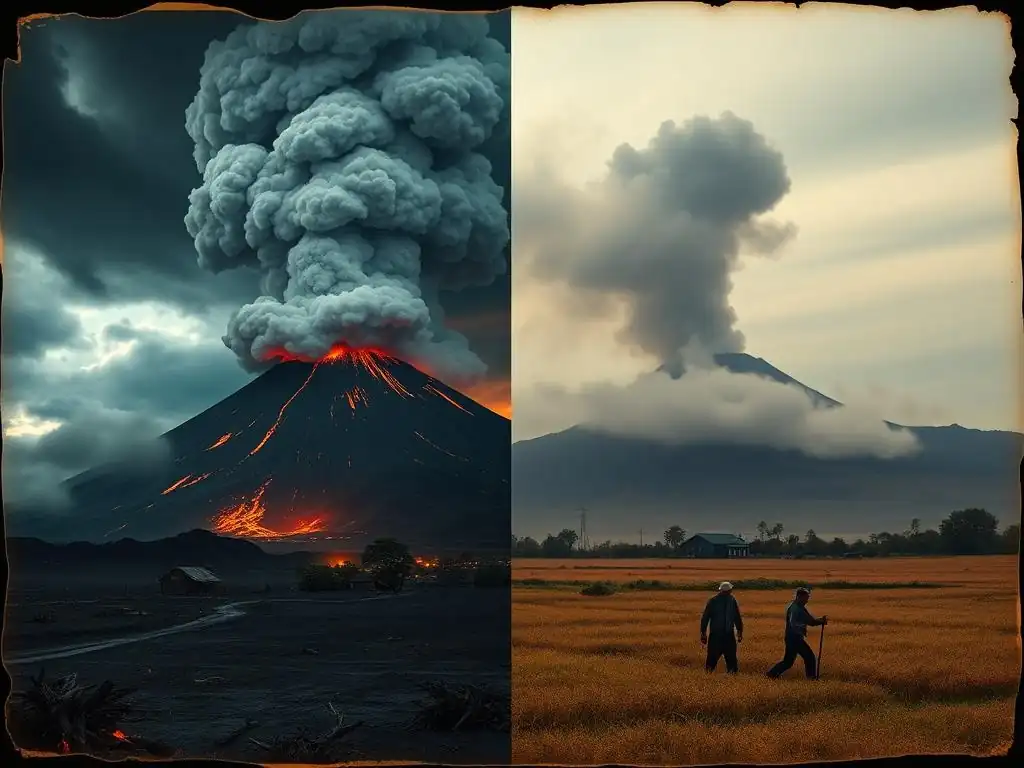
The Explosive Reality: Detailing the Volcanic Explosivity Index (VEI) 7 Eruption
While comets captured public attention, the true cause of the "Year Without a Summer" was a far more terrestrial, and devastating, event: the eruption of Mount Tambora. In April 1815, Tambora, located on the island of Sumbawa in present-day Indonesia, unleashed a colossal eruption, ranking a 7 on the Volcanic Explosivity Index (VEI).
This places it among the largest volcanic eruptions in recorded history, comparable in scale to the 180 AD eruption of Lake Taupo and the 1257 Samalas eruption. The eruption was so powerful that it was heard thousands of kilometers away on Sumatra, and volcanic ash darkened skies hundreds of kilometers from the volcano for days.
The Tambora eruption was not a singular explosive event, but rather a series of paroxysmal phases culminating in the VEI 7 climax. Pyroclastic flows and surges devastated the surrounding landscape, and the eruption column reached an estimated height of over 40 kilometers (25 miles) into the stratosphere. The sheer volume of ejected material was staggering, estimated to be around 160 cubic kilometers (38 cubic miles) of tephra. This massive outpouring of volcanic material, particularly sulfur dioxide gas, was the key to understanding the global climate impact that followed.
Volcanic Ash and Aerosols: Explaining the Atmospheric Impact of Sulfur Dioxide Emissions
The immediate devastation caused by the Tambora eruption was localized to the Indonesian archipelago, but its long-term impact was global and atmospheric. While volcanic ash played a role in regional disruptions, the primary driver of the "Year Without a Summer" was the massive injection of sulfur dioxide (SO2) into the stratosphere. Upon reaching the stratosphere, the sulfur dioxide reacted with water vapor to form sulfate aerosols, tiny particles that can linger in the upper atmosphere for months or even years.
These sulfate aerosols act as a global sunshade, reflecting incoming solar radiation back into space. This process reduces the amount of sunlight reaching the Earth's surface, leading to a cooling effect. The Tambora eruption released an estimated 50-100 megatons of sulfur dioxide, an amount far exceeding that of typical volcanic eruptions. This massive injection of stratospheric aerosols created a global veil, reducing solar radiation and triggering a significant drop in global average temperatures.
A Global Climate Shift: The Immediate and Long-Term Effects on Global Temperatures and Weather
The atmospheric veil created by the Tambora eruption's sulfate aerosols had a profound and immediate impact on global climate. In 1816, average global temperatures decreased by an estimated 0.4–0.7 °C (0.7–1.3 °F). While this may seem like a small change, it was enough to disrupt weather patterns and agricultural cycles across the Northern Hemisphere significantly. The most pronounced cooling occurred during the summer months, hence the moniker "Year Without a Summer."
The climate shift manifested in a range of extreme weather events. North America and Europe experienced unusually cold springs, late frosts extending into June and July, and persistent rainfall. Monsoon patterns in Asia were disrupted, leading to droughts and floods in different regions. The reduced temperatures shortened growing seasons, leading to widespread crop failures and subsequent famines. The effects of the Tambora eruption on global climate were not limited to 1816; climate records indicate that the cooling effect persisted for several years, with lingering impacts on weather patterns and agricultural productivity.
Misconceptions Surrounding the Cause of 1816's Climate Anomaly
The Comet Blame Game: Why Comets Were Initially Suspected for Atmospheric Changes
In the immediate aftermath of the "Year Without a Summer," and even for some time after, comets became the primary suspect in the public mind for the unusual weather. This "comet blame game" stemmed from several factors. Firstly, the Great Comet of 1811 was a recent and highly visible celestial event, making it a readily available and memorable explanation. Secondly, comets held a long-standing place in folklore and popular belief as omens of change, disaster, or divine intervention. Their appearance was often associated with significant events on Earth.
Furthermore, the scientific understanding of volcanic impacts on climate was nascent in the early 19th century. While some scientists were beginning to explore the connection between volcanic eruptions and atmospheric phenomena, this knowledge was not widely disseminated to the public. In the absence of a clear scientific explanation for the widespread cold, the more familiar and culturally resonant idea of a comet influencing Earth's climate took hold. The comet, in essence, became a convenient and easily digestible explanation for a complex and poorly understood phenomenon.
Lack of Scientific Understanding: The Limited Knowledge of Volcanic Impacts in 1816
The early 19th century marked a period of significant scientific advancement, but the understanding of atmospheric science and volcanology was still in its infancy. The concept of stratospheric aerosols and their ability to influence global climate was not yet established. While some scientists had observed correlations between volcanic eruptions and temporary cooling effects, the mechanisms and scale of these impacts were not fully comprehended.
The scientific community of 1816 lacked the sophisticated tools and knowledge necessary to definitively link the Tambora eruption to the global climate anomalies. Systematic global temperature records were not yet available, and the understanding of atmospheric circulation and radiative transfer was limited. Without the scientific framework to explain the volcanic forcing of climate, the more readily understood and culturally ingrained explanations, like cometary influence, gained prominence.
The Power of Superstition: How Folklore Influenced Public Opinion and Attributions of Blame
Superstition and folklore played a significant role in shaping public opinion regarding the cause of the "Year Without a Summer." For centuries, comets had been viewed as celestial omens, often associated with misfortune, famine, or war. This cultural baggage predisposed many to see the Comet of 1811 as a harbinger of the subsequent hardships of 1816. Religious interpretations also contributed to this perspective, with some viewing the unusual weather as divine punishment or a sign of apocalyptic times.
These deeply ingrained beliefs, combined with the lack of scientific understanding, created a fertile ground for misconceptions. Folklore provided readily available narratives that resonated with people's anxieties and offered seemingly plausible explanations for the inexplicable. The power of superstition, deeply rooted in cultural traditions and reinforced by religious interpretations, effectively overshadowed nascent scientific insights and solidified the comet as the popular scapegoat for the climate disaster of 1816.
Debunking the Myths: Scientific Evidence Points to Tambora
Analyzing Historical Climate Data: Reconstructing the Events of 1816 Through Temperature Records
Modern science has unequivocally debunked the comet theory and firmly established the Tambora eruption as the primary cause of the "Year Without a Summer." This understanding is built upon a wealth of scientific evidence, including detailed analysis of historical climate data. Researchers have meticulously examined temperature records from the 19th century, including ship logs, weather diaries, and early instrumental measurements. These records consistently show a significant and abrupt drop in global temperatures in 1816, precisely coinciding with the aftermath of the Tambora eruption.
The historical temperature data reveals not just a general cooling, but specific patterns consistent with volcanic forcing. The cooling was most pronounced in the Northern Hemisphere summer months, aligning with the expected seasonal impact of stratospheric aerosols reflecting sunlight. Furthermore, the data shows that the cooling effect was global, affecting regions across North America, Europe, and Asia, which is consistent with the worldwide dispersal of volcanic aerosols. The spatial and temporal patterns in historical climate data strongly support the volcanic origin of the 1816 climate anomaly.
Volcanic Sulfur Dioxide: The Key Indicator of Stratospheric Aerosol Injection
The link between the Tambora eruption and the "Year Without a Summer" is further strengthened by the understanding of volcanic sulfur dioxide emissions. Modern volcanological studies have shown that large volcanic eruptions, like Tambora, inject massive quantities of sulfur dioxide gas into the stratosphere. This sulfur dioxide, as previously explained, converts into sulfate aerosols that have a significant cooling effect on the planet.
Analysis of ice cores and other geological archives provides direct evidence of elevated sulfate levels in the stratosphere following the Tambora eruption. These sulfate spikes are a clear fingerprint of volcanic aerosol injection and are temporally correlated with the climate anomalies of 1816. The presence of elevated sulfate levels in ice cores from both Greenland and Antarctica provides compelling evidence of a global stratospheric aerosol layer resulting from the Tambora eruption, directly linking the volcanic event to the observed climate cooling.
Ice Core Records: Confirming the Volcanic Signal Through Sulfate Deposits
Ice core records offer a powerful tool for reconstructing past volcanic eruptions and their climatic impacts. Ice cores, drilled from glaciers and ice sheets in polar regions, preserve layers of ice that accumulate year after year. These layers contain trapped atmospheric particles, including sulfate aerosols from volcanic eruptions. By analyzing the chemical composition of ice layers, scientists can identify past volcanic events and estimate the magnitude of their sulfur dioxide emissions.
Ice core analysis from Greenland and Antarctica has revealed a distinct and significant sulfate spike in the ice layers corresponding to the years following the Tambora eruption. This sulfate signal is much larger than background levels and is temporally consistent with the 1815 eruption date. The isotopic signature of the sulfate also points to a volcanic source. The ice core evidence provides independent and robust confirmation that the Tambora eruption injected a massive amount of sulfur dioxide into the stratosphere, leading to the formation of a global aerosol layer and the subsequent climate cooling observed in 1816.
Famine and Disease: The Devastating Impact on Agriculture, Food Security, and Public Health
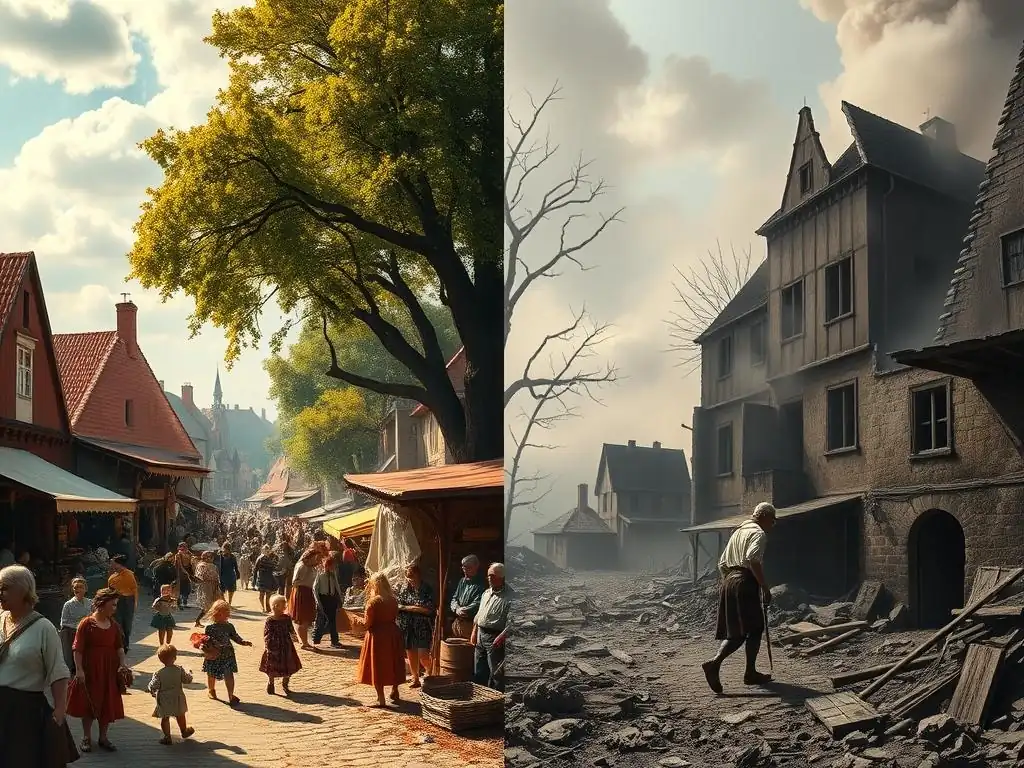
The "Year Without a Summer" had catastrophic social and economic consequences, primarily driven by widespread agricultural failures. The unseasonably cold temperatures and persistent rainfall severely disrupted growing seasons across the Northern Hemisphere. In regions like New England, multiple frosts destroyed crops repeatedly throughout the summer. Grain harvests in Europe were drastically reduced, in some areas by as much as 75%. This widespread crop failure led to severe food shortages and soaring food prices.
The resulting famine was devastating, particularly for the poorest segments of society. Starvation and malnutrition weakened populations, making them more vulnerable to disease. Outbreaks of typhus, dysentery, and cholera became rampant in many parts of Europe and Asia. Mortality rates increased significantly in 1816 and the following years due to the combined effects of famine and disease. The Tambora eruption, through its impact on global climate and agriculture, indirectly triggered a major public health crisis.
The famine and economic hardship caused by the "Year Without a Summer" led to significant social unrest and migration. Desperate for food and work, many rural populations were forced to migrate to urban centers or other regions in search of sustenance. This mass migration strained resources in already struggling areas and contributed to social tensions. Food riots and protests erupted in several European countries as people demanded government intervention to alleviate the food crisis.
In some regions, the social unrest took on a more organized form. For example, in parts of Switzerland and Germany, there were instances of peasant uprisings and local rebellions fueled by food scarcity and economic desperation. The Tambora eruption, therefore, not only caused environmental and health crises but also contributed to social instability and political tensions in the years following 1816. The ripple effects of the volcanic eruption extended far beyond the immediate climate impact, profoundly affecting human societies.
Lessons Learned: Understanding the Vulnerability to Volcanic Climate Forcing and Societal Resilience
The "Year Without a Summer" serves as a stark reminder of human vulnerability to volcanic climate forcing. It demonstrates that even a single, albeit massive, volcanic eruption can have global-scale climate impacts with devastating social and economic consequences. The Tambora eruption highlights the interconnectedness of the Earth system and the potential for natural events to trigger cascading crises across different sectors, including agriculture, public health, and social stability.
The historical experience of 1816 also offers valuable lessons for enhancing societal resilience to future climate shocks, whether volcanic or otherwise. Improving food security, strengthening public health infrastructure, and developing robust disaster preparedness plans are crucial for mitigating the impacts of future climate-related crises. Understanding the lessons of Tambora underscores the importance of scientific literacy and informed decision-making in addressing global environmental challenges and building more resilient societies.
The Tambora Eruption: A Lasting Legacy
The Importance of Scientific Literacy: Combating Misinformation and Promoting Understanding of Climate Science
The misconceptions surrounding the cause of the "Year Without a Summer" underscore the critical importance of scientific literacy in society. In 1816, the lack of widespread scientific understanding of volcanism and climate allowed misinformation and superstition to flourish. The comet theory, despite lacking scientific basis, gained traction due to cultural predispositions and limited access to accurate information.
Today, in an era of rapid information dissemination and online misinformation, scientific literacy remains as crucial as ever. Promoting public understanding of climate science, volcanology, and other scientific disciplines is essential for combating misinformation and fostering informed decision-making on critical environmental issues. Education, outreach, and effective science communication are vital tools for ensuring that public discourse is grounded in evidence-based knowledge rather than unfounded speculation.
The Ongoing Threat of Volcanic Eruptions: Preparing for Future Climate Impacts and Mitigation Strategies
While the Tambora eruption occurred two centuries ago, the threat of large volcanic eruptions and their potential climate impacts remains very real. Geological records show that VEI 7 eruptions, like Tambora, have occurred multiple times in Earth's history, and future eruptions of similar magnitude are inevitable. The potential for a future "Year Without a Summer" scenario, or even more severe volcanic climate forcing, is a significant concern for the 21st century.
Preparing for future volcanic climate impacts requires a multi-faceted approach. Enhanced monitoring of volcanic activity, improved climate modeling to predict volcanic climate effects, and development of strategies to mitigate the social and economic consequences of volcanic eruptions are all crucial steps. Investing in research, early warning systems, and international cooperation is essential for building resilience to the ongoing threat of volcanic climate forcing.
The Legacy of Tambora: Remembering the "Year Without a Summer" and its True Cause
The "Year Without a Summer" stands as a powerful historical case study of the profound and far-reaching impacts of volcanic eruptions on global climate and human societies. Remembering the Tambora eruption and its true cause is not just an exercise in historical accuracy; it is a vital lesson for the present and future. Understanding the scientific basis of the 1816 climate anomaly, debunking past misconceptions, and learning from the social and economic consequences are essential for building a more informed and resilient world.
The legacy of Tambora serves as a reminder of the Earth's dynamic nature and the interconnectedness of human societies with the natural world. By acknowledging the power of volcanic eruptions to shape global climate and impact human lives, we can better prepare for future challenges and promote a more sustainable and resilient future. The "Year Without a Summer" is a historical event with enduring relevance, offering valuable insights into the complex interplay between volcanism, climate, and society.
Further Research: Exploring the Science Behind Tambora and Volcanic Climate Change
References and Sources
Frequently Asked Questions
What were some common misconceptions surrounding the Tambora eruption and the year 1816?
Many believed the unusual weather patterns were due to a comet sighting, rather than understanding the volcanic ash's impact on the atmosphere. Some also attributed the problems to divine punishment or other supernatural causes.
How did the Tambora eruption specifically impact global weather in 1816?
The massive eruption released sulfur dioxide into the stratosphere, forming sulfate aerosols. These aerosols blocked sunlight, leading to a significant drop in global temperatures and widespread crop failures.
Why is 1816 referred to as the "Year Without a Summer"?
The dramatic cooling effect caused by the Tambora eruption resulted in unusually cold temperatures throughout the summer months, leading to crop failures and hardship across the Northern Hemisphere. This extreme climate anomaly is why it earned the moniker "Year Without a Summer."
What role did volcanologists play in understanding the cause of the 1816 climate anomalies?
While volcanology was still developing, early scientists recognized the connection between the eruption and the global climate disruption. However, the full extent of the impact and the specific mechanisms involved were not fully understood until much later.
What are some of the long-term consequences of the Tambora eruption, beyond the immediate climate impact?
Beyond the immediate famine and disease, the eruption may have contributed to social and political unrest in affected regions. It also spurred advancements in meteorological understanding and disaster preparedness, however rudimentary.
Okay, here's a final reflection designed to close your article, "The Year of the Comet... or Was it Tambora? Misconceptions of 1816," tailored to connect with the reader, stimulate personal reflection, and look toward the future, while also subtly reinforcing the keyword "Tambora eruption misconceptions 1816."
Final Reflection: Echoes of a Forgotten Cataclysm
The exploration of 1816, the infamous "Year Without a Summer," reveals that even historical events are susceptible to the distorting lens of time and popular imagination. Unraveling the Tambora eruption misconceptions 1816 is not merely an academic exercise; it serves as a potent reminder of the Earth's power and humanity's enduring struggle to comprehend and adapt to its forces. The echoes of that distant year resonate today, as we grapple with a changing climate and the urgent need for informed understanding.
The legacy of Tambora, often overshadowed by romanticized notions of comets and divine retribution, underscores the importance of critical thinking and evidence-based analysis. The persistent misconceptions surrounding the eruption highlight our tendency to seek simple explanations for complex phenomena, a tendency that continues to shape our understanding of the world around us. The greatest enemy of knowledge is not ignorance, it is the illusion of knowledge.
- Daniel J. Boorstin. This quote perfectly encapsulates the danger of accepting misinformation, especially when dealing with events that have profound and lasting consequences.
As we reflect on the "Year Without a Summer" and the Tambora eruption misconceptions 1816, let us remember the lessons learned. Let us strive to cultivate a deeper understanding of the intricate systems that govern our planet, and to approach historical narratives with a discerning eye. Consider how the spread of misinformation, even centuries ago, shaped perceptions and influenced actions.
How can you, in your own life, champion truth and promote informed decision-making in the face of uncertainty? The answers to these questions hold the key to navigating the challenges of our own time and building a more resilient future.
Unearth the Truth: Become a Volcano Detective!
Thanks for exploring the real story behind 1816's "Year Without a Summer." We hope this journey into historical misconceptions has sparked your curiosity about the powerful forces that shape our planet and its past. Ready to dig deeper and share the knowledge?
Here's how you can continue your exploration:
- Dive into our volcano database and discover other eruptions that dramatically altered history. This is your chance to connect events and understand global impacts.
- Share your thoughts: What surprised you most about the impact of the Tambora eruption? Leave a comment and spark a discussion with fellow Volcano Explorers!
- Challenge a friend! Share this article and ask them if they knew the true cause of the Year Without a Summer. Help bust some historical myths!
What other surprising connections can you find between volcanic activity and major historical events? Let us know in the comments below!