
Iceland's Laki: A Volcano That Changed the Course of European History

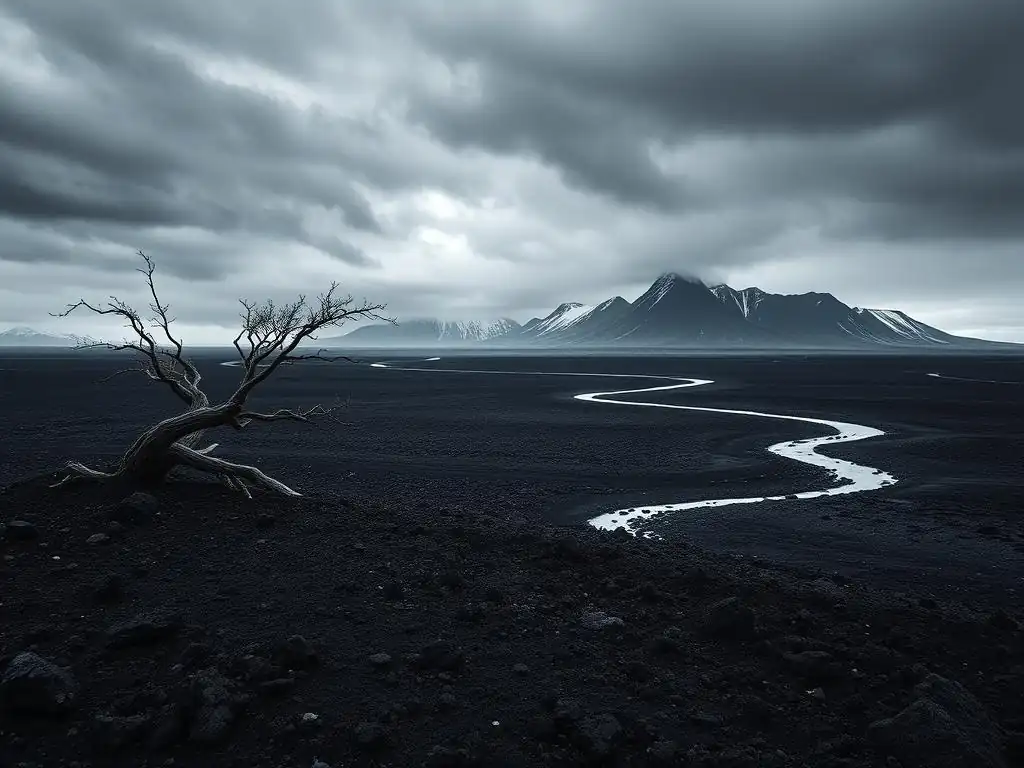
Welcome to Volcano Explorers, where we unravel the earth's fiery secrets. Imagine a single eruption capable of plunging Europe into famine and altering the very course of history. This month, we journey to Iceland to explore the chilling tale of Iceland's Laki volcano history, a cataclysmic event you won't soon forget. What truly happened during Laki's reign of fire, and what lessons can we learn from its devastating impact? Dive in and discover the truth...
- Introduction: Exploring the Historical Impact of Iceland's Laki Eruption
-
Frequently Asked Questions
- What was the Laki eruption in Iceland, and why is it significant?
- How did the Laki eruption impact Iceland's population and environment?
- Beyond Iceland, what were the broader European impacts of the Laki eruption?
- What role did the Laki eruption potentially play in historical events?
- How do volcanologists study events like the Laki eruption to understand modern volcanic hazards?
- Final Reflection: Echoes of Laki's Fury
- Unearth the Power: Shape Our Understanding of Volcanoes!
Introduction: Exploring the Historical Impact of Iceland's Laki Eruption
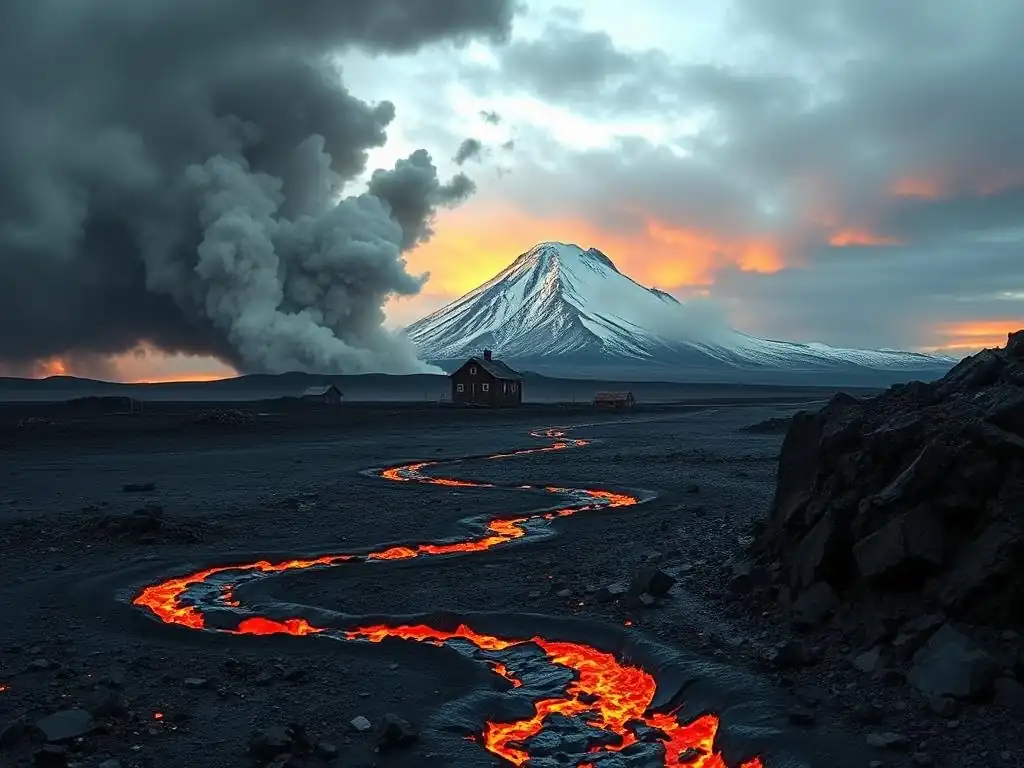
Unveiling the Laki Fissure: A Volcanic Event of Global Significance
The Laki fissure, often referred to as Lakagígar (the craters of Laki), represents more than just a geological feature in Iceland's volcanic landscape; it stands as a stark reminder of nature's capacity to reshape human history on a grand scale. The eruption from this fissure between 1783 and 1784 was not merely a localized event affecting Iceland.
It unleashed a cascade of environmental and societal repercussions that rippled across Europe and even extended its reach globally. Understanding the Laki eruption is crucial because it provides a profound case study in the interconnectedness of natural phenomena and human civilization, demonstrating how a single volcanic event could trigger widespread famine, disease, and potentially even contribute to significant political upheavals.
The magnitude of the Laki eruption sets it apart in historical records. Over an eight-month period, an estimated 14.7 cubic kilometers of basalt lava and a staggering quantity of volcanic gases were ejected into the atmosphere. This volume of lava is enough to cover an area the size of Manhattan to a depth of over 750 meters.
However, it was not the lava flows themselves that exerted the most far-reaching influence, but rather the unprecedented release of sulfur dioxide and other noxious gases. These emissions ascended high into the atmosphere, forming a persistent haze that blanketed Europe, disrupting weather patterns, devastating agriculture, and ultimately altering the course of European history. The Iceland Laki volcano history is therefore not just a geological study, but a crucial chapter in understanding the Earth's system and its profound impact on human societies.
Frequently Asked Questions
What was the Laki eruption in Iceland, and why is it significant?
The Laki eruption, occurring in 1783-1784, was a massive fissure eruption in Iceland. It's significant because it had devastating environmental and societal consequences across Europe.
How did the Laki eruption impact Iceland's population and environment?
The eruption caused widespread poisoning of livestock from fluorine emissions, leading to famine and the death of approximately 25% of Iceland's population. It also resulted in significant environmental damage due to acid rain and ashfall.
Beyond Iceland, what were the broader European impacts of the Laki eruption?
The Laki eruption caused a "fog fever" due to sulfur dioxide emissions that spread across Europe. This resulted in widespread respiratory problems, crop failures, and a harsh winter.
What role did the Laki eruption potentially play in historical events?
Some historians suggest the Laki eruption may have indirectly contributed to the French Revolution, due to the widespread famine and economic hardship it caused across Europe leading to social unrest.
How do volcanologists study events like the Laki eruption to understand modern volcanic hazards?
By studying historical eruptions like Laki, scientists can better understand the long-term impacts of volcanic emissions, the potential for climate disruption, and how to mitigate the risks associated with future eruptions.
Final Reflection: Echoes of Laki's Fury
The devastating eruption of Laki in 1783 may seem like a distant historical event, yet its consequences resonate even today, reminding us of the fragility of our interconnected world and the profound impact of natural disasters. The lessons learned from Laki's impact on European history, from its influence on the French Revolution to its lasting environmental damage, serve as a stark warning about the potential for volcanic activity to reshape societies and ecosystems on a global scale.
The story of Laki is not just a historical account; it's a potent reminder of our vulnerability and the interconnectedness of natural and human systems. Witnessing the long-term effects of a single volcanic event underscores the importance of understanding and mitigating the risks posed by geological forces. The eruption of Laki was a catastrophe of global proportions, a stark reminder that even seemingly isolated events can have far-reaching and devastating consequences.
This quote encapsulates the enduring significance of Laki, urging us to consider the broader implications of environmental change and the need for proactive measures.
As we reflect on the history of Iceland's Laki volcano, let us not see it as merely a chapter in a textbook, but as a call to action. Let us use the knowledge gained from this historical tragedy to better understand and prepare for future environmental challenges. Consider how your own actions contribute to or mitigate environmental risks, and strive to be a responsible steward of our planet. The echoes of Laki's fury should inspire us to build a more resilient and sustainable future for all.
Unearth the Power: Shape Our Understanding of Volcanoes!
Thank you for delving into the story of Laki and its profound impact on history. Now that you've explored the volcano's fiery legacy, it's time to turn knowledge into action and help us expand our understanding of these natural forces.
- Be a Volcanic Historian: Research a lesser-known volcanic eruption and share its story in the comments!: Let's expand our collective knowledge base.
- Join the Volcano Explorers community! Share this article with your friends and family on social media to spread awareness about the power of volcanoes and their impact.
- Contribute to our Database: If you have personal stories or historical documents related to volcanic events, consider sharing them with us to enrich our understanding.
What unique angle can you bring to the conversation about volcanoes and their impact on human history? Share your thoughts below!