
Protecting Culture, Protecting Lives: Preserving Indigenous Volcano Knowledge

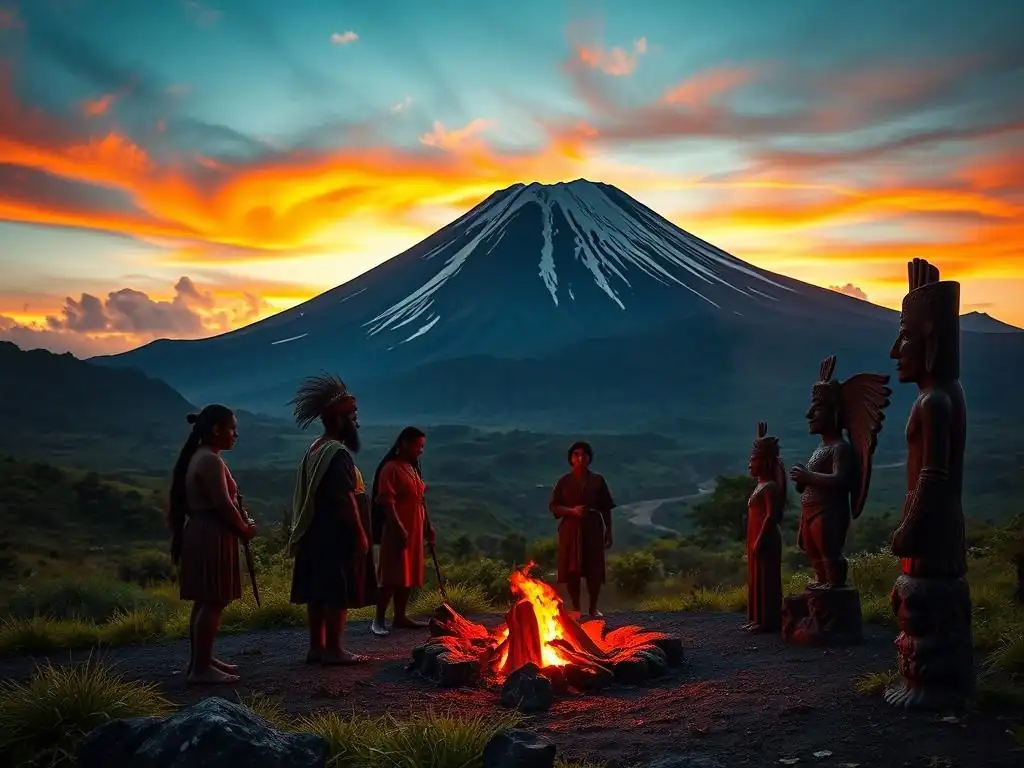
Welcome to Volcano Explorers!
Prepare to journey beyond the fiery surface and uncover secrets whispered through generations. Did you know that some of the most profound insights into volcano behavior aren't found in textbooks, but in the ancient traditions of communities living in their shadow? This article delves into the invaluable Indigenous knowledge of volcanoes, revealing how these time-honored observations can not only enhance our understanding of these natural giants but also, quite literally, save lives. Are you ready to explore the wisdom forged in the heart of the Earth?
- Introduction: The Vital Role of Indigenous Knowledge in Volcano Understanding
- Understanding Indigenous Knowledge Systems Related to Volcanoes
- The Significance of Preserving Traditional Volcano Lore
- Case Studies: Examples of Indigenous Volcano Knowledge in Action
- Benefits of Integrating Indigenous Knowledge with Scientific Research
- Challenges in Preserving and Sharing Indigenous Volcano Knowledge
- How Volcano Explorers Supports the Preservation of Indigenous Volcano Knowledge
- The Future of Indigenous Knowledge and Volcano Research
- Conclusion: Protecting Culture, Protecting Lives Through Indigenous Wisdom
-
Frequently Asked Questions
- How does Indigenous knowledge contribute to understanding volcanoes?
- What are some examples of how Indigenous communities have predicted volcanic eruptions?
- Why is it important to preserve Indigenous knowledge about volcanoes?
- How can volcanologists work with Indigenous communities to improve volcano monitoring?
- What are the challenges in integrating Indigenous knowledge with scientific research on volcanoes?
- Final Reflection: The Enduring Power of Indigenous Wisdom
- Embrace Ancient Wisdom: Become a Volcano Guardian!
Introduction: The Vital Role of Indigenous Knowledge in Volcano Understanding
Volcano Explorers: Honoring Indigenous Perspectives on Volcanic Activity
Volcanoes are powerful natural phenomena that have shaped landscapes and human civilizations for millennia. While modern volcanology offers invaluable scientific insights into these forces of nature, it's crucial to recognize the profound understanding held by Indigenous communities who have lived alongside volcanoes for countless generations. Volcano Explorers acknowledges the immense value of Indigenous knowledge of volcanoes, understanding it not just as historical accounts, but as a living, evolving body of wisdom that offers unique perspectives on volcanic activity, risk management, and the cultural significance of these majestic mountains.
This website aims to be a platform that respects and elevates Indigenous voices, recognizing that their traditional knowledge is not separate from, but deeply intertwined with, scientific understanding. By honoring Indigenous perspectives, Volcano Explorers seeks to enrich our collective comprehension of volcanoes, fostering a more holistic and inclusive approach to volcanology that benefits both scientific research and the communities most directly impacted by volcanic activity. We believe that understanding volcanoes is not just about studying rocks and eruptions, but also about understanding the deep cultural and spiritual connections that humans have forged with these awe-inspiring forces of nature.
What is Indigenous Volcano Knowledge? A Deep Dive
Indigenous volcano knowledge is a complex and multifaceted system of understanding volcanoes developed over centuries, often millennia, through direct observation, lived experience, and intergenerational transmission. It encompasses a wealth of information about volcanic landscapes, eruption patterns, precursor signs, and the impacts of volcanic events on ecosystems and human societies. This knowledge is often embedded within oral traditions, rituals, spiritual beliefs, and practical land management practices. It is not static, but rather a dynamic system that adapts and evolves as communities continue to interact with their volcanic environments.
Unlike Western scientific approaches that often compartmentalize knowledge, Indigenous volcano knowledge is typically holistic and interconnected. It integrates ecological, spiritual, social, and practical dimensions, viewing volcanoes not just as geological features but as living entities within a larger web of relationships. This understanding often includes detailed classifications of volcanic phenomena, interpretations of natural signs that precede eruptions – such as changes in animal behavior, water sources, or plant life – and sophisticated strategies for mitigating volcanic hazards based on generations of experience living in volcanic regions.
The Intertwined Relationship: Indigenous Communities and Active Volcanoes
For countless Indigenous communities around the world, active volcanoes are not merely geological features, but integral parts of their ancestral lands, cultural identity, and spiritual beliefs. These communities have developed deep and intimate relationships with volcanoes, understanding their rhythms, moods, and potential for both creation and destruction. Their lives are often intricately interwoven with the volcanic landscape, shaping their settlement patterns, agricultural practices, resource management, and social structures.
This close relationship means that Indigenous communities are often the first and most directly impacted by volcanic eruptions. However, this proximity has also fostered a profound understanding of volcanic processes, developed through generations of observation and adaptation. Indigenous knowledge systems offer invaluable insights into long-term volcanic cycles, subtle changes in volcanic activity that might be missed by modern monitoring techniques, and effective community-based strategies for living safely and sustainably in volcanic environments. Their traditional practices often reflect a deep respect for the power of volcanoes and a sophisticated understanding of how to coexist with these dynamic forces of nature.
The Significance of Preserving Traditional Volcano Lore
Why Indigenous Volcano Knowledge Matters for Modern Volcanology
In an era of advanced scientific instrumentation and sophisticated models, the value of Indigenous volcano knowledge might seem overlooked. However, this traditional knowledge is not only relevant but increasingly vital for enhancing modern volcanology. Indigenous communities often possess long-term observational data that predates scientific record-keeping, offering crucial historical context for understanding volcanic behavior and predicting future eruptions. For instance, oral histories may recount previous eruption cycles, the impacts of past events, and even early warning signs that have proven reliable over generations.
Furthermore, Indigenous knowledge can complement scientific monitoring by providing insights into localized phenomena and subtle environmental changes that scientific instruments might not detect. For example, Indigenous communities may recognize changes in water taste, vegetation stress, or animal behavior that precede volcanic unrest, offering valuable early warning indicators. Integrating this traditional knowledge with scientific data can lead to more comprehensive and nuanced volcano monitoring systems, ultimately improving eruption forecasting and hazard assessments, particularly in remote or under-resourced volcanic regions.
Cultural Preservation: Safeguarding Indigenous Heritage Linked to Volcanoes
Beyond its scientific value, preserving Indigenous volcano knowledge is fundamentally important for safeguarding cultural heritage. For many Indigenous communities, volcano lore is deeply intertwined with their identity, language, spiritual beliefs, and cultural practices. Volcanoes often feature prominently in origin stories, creation myths, and traditional ceremonies, serving as powerful symbols of ancestral connection and cultural continuity. The erosion or loss of this knowledge represents a significant cultural loss for these communities.
Preserving Indigenous volcano knowledge is therefore an act of cultural preservation, ensuring that these rich traditions and understandings are passed down to future generations. This includes supporting Indigenous languages, documenting oral histories and traditional practices, and creating educational resources that celebrate and promote Indigenous perspectives on volcanoes. By valuing and protecting this cultural heritage, we not only enrich our collective understanding of volcanoes but also contribute to the self-determination and cultural revitalization of Indigenous communities worldwide.
Case Studies: Examples of Indigenous Volcano Knowledge in Action
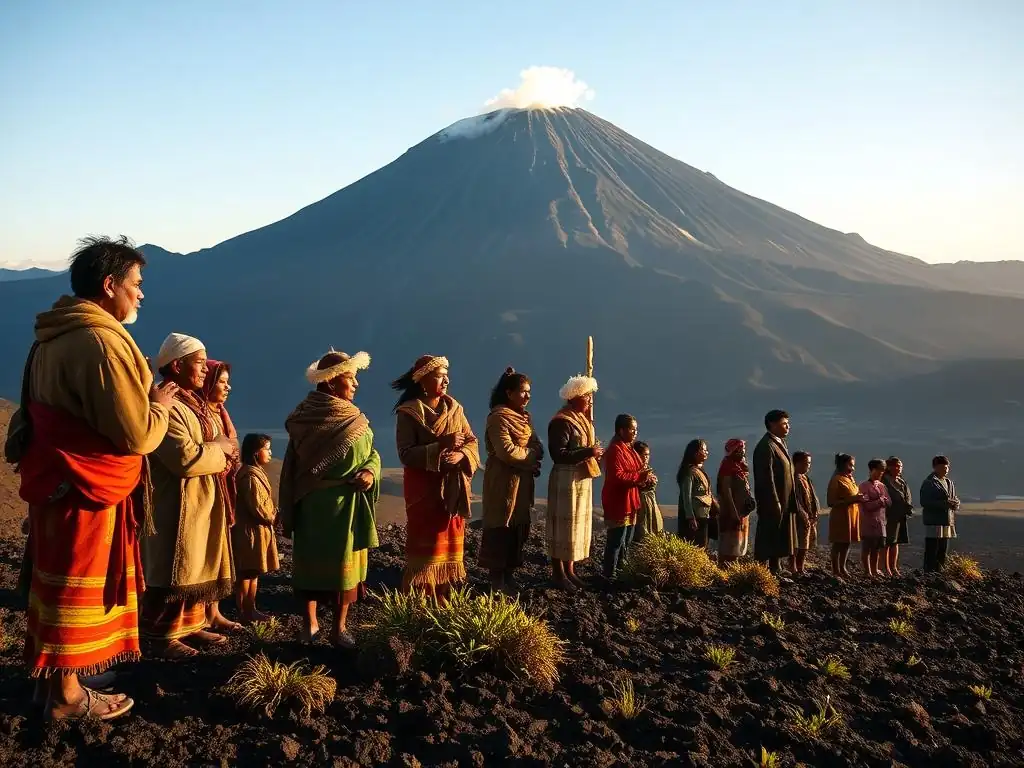
Case Study 1: Mount Shasta, California: The Wintu People and Understanding Eruptive Cycles
Mount Shasta, a majestic stratovolcano in Northern California, holds profound cultural and spiritual significance for the Wintu people, who have inhabited the region for millennia. Wintu traditional knowledge includes detailed accounts of past eruptions, often encoded in oral histories and place names. For example, certain geological features around Mount Shasta are interpreted by the Wintu as remnants of past volcanic events, aligning remarkably with scientific understanding of the volcano's eruptive history.
The Wintu also possess a deep understanding of the ecological impacts of Mount Shasta's volcanic activity, recognizing the role of volcanic ash in soil fertility and the interconnectedness of the mountain's ecosystem. Their traditional practices, including sustainable harvesting of resources and respect for sacred sites around the volcano, reflect a long-standing adaptation to living in a volcanically active landscape. Preserving and understanding Wintu knowledge can contribute to a more comprehensive assessment of Mount Shasta's long-term eruptive cycles and inform contemporary hazard mitigation strategies in the region.
Case Study 2: Mount Agung, Bali, Indonesia: Balinese Hinduism and Volcanic Harmony
Mount Agung, the highest volcano in Bali, is not just a geographical landmark but the most sacred mountain in Balinese Hinduism. For the Balinese people, Mount Agung is the cosmic axis of the universe, the abode of deities, and the spiritual heart of their island. Traditional Balinese knowledge of volcanoes is deeply embedded within their religious beliefs, rituals, and social organization. Temple complexes are strategically located around Mount Agung, reflecting a sophisticated understanding of volcanic hazards and a spiritual approach to mitigating risk.
Balinese cosmology incorporates detailed understandings of volcanic processes, viewing eruptions not merely as natural disasters but as potentially sacred events with spiritual meanings. Traditional ceremonies and offerings are performed to maintain harmony with the volcanic forces, reflecting a cultural approach to coexisting with an active volcano. The Balinese Subak irrigation system, a UNESCO World Heritage site, demonstrates a sophisticated water management system adapted to the volcanic landscape, showcasing how traditional practices are intertwined with living in a volcanic environment. Studying Balinese Hindu perspectives on Mount Agung provides valuable insights into cultural resilience and sustainable living in volcanic regions.
Benefits of Integrating Indigenous Knowledge with Scientific Research
Enhanced Volcano Monitoring and Early Warning Systems
Integrating Indigenous knowledge into modern volcano monitoring can significantly enhance early warning systems, particularly in regions where scientific infrastructure is limited or where communication with remote communities is challenging. Indigenous communities often serve as "first responders," observing subtle changes in their environment that may precede volcanic unrest. Their traditional indicators, such as alterations in water sources, animal behavior, or unusual seismic activity felt locally, can complement scientific data from seismographs, gas sensors, and GPS stations.
By incorporating Indigenous observations into monitoring protocols, scientists can gain a more holistic and localized understanding of volcanic activity. This collaborative approach can lead to earlier detection of volcanic unrest, improved eruption forecasting, and more effective dissemination of warnings to vulnerable populations. Involving Indigenous communities in the design and implementation of early warning systems ensures that these systems are culturally appropriate, locally relevant, and effectively reach those most at risk.
Community-Based Disaster Risk Reduction Strategies
Indigenous knowledge systems offer invaluable insights for developing community-based disaster risk reduction strategies in volcanic regions. Traditional practices often include time-tested methods for mitigating volcanic hazards, such as land-use planning that avoids high-risk zones, construction techniques that are resilient to ashfall and earthquakes, and community-based evacuation plans based on traditional knowledge of safe routes and shelters.
Integrating these traditional strategies with modern disaster risk reduction frameworks can lead to more effective and culturally appropriate preparedness measures. Community-based approaches, informed by Indigenous knowledge, empower local populations to take ownership of their safety and resilience. This includes incorporating Indigenous perspectives into disaster education programs, involving community elders and knowledge holders in planning and decision-making processes, and supporting traditional coping mechanisms and social support networks that enhance community resilience in the face of volcanic crises.
Sustainable Land Management Practices Around Volcanoes
Indigenous communities have often developed sustainable land management practices that are specifically adapted to volcanic environments. Traditional agricultural techniques, for example, may utilize volcanic soils effectively, manage water resources in volcanic landscapes, and promote biodiversity in volcanic ecosystems. Indigenous knowledge of plant and animal resources in volcanic regions can inform conservation efforts and sustainable resource management practices.
Integrating Indigenous ecological knowledge with modern environmental science can contribute to more sustainable land management around volcanoes. This includes incorporating traditional practices into land-use planning, promoting agroforestry and other sustainable agricultural systems, and supporting Indigenous-led conservation initiatives. By learning from Indigenous approaches to living sustainably with volcanoes, we can promote environmental stewardship and ensure the long-term health and resilience of volcanic landscapes and the communities that depend on them.
Challenges in Preserving and Sharing Indigenous Volcano Knowledge
Language Barriers and Documentation Issues
A significant challenge in preserving and sharing Indigenous volcano knowledge is the prevalence of language barriers and the lack of comprehensive documentation. Much of this knowledge is transmitted orally, often in Indigenous languages that are endangered or not widely spoken or understood outside of specific communities. The loss of Indigenous languages directly threatens the survival of this valuable knowledge.
Documenting Indigenous volcano knowledge requires overcoming linguistic barriers and employing culturally sensitive methods for recording and translating oral traditions. This includes working collaboratively with Indigenous language speakers and cultural experts, developing culturally appropriate documentation protocols, and ensuring that documentation efforts respect Indigenous intellectual property rights and cultural protocols. Supporting Indigenous language revitalization initiatives is crucial for preserving the linguistic and cultural context in which volcano knowledge is embedded.
Respectful Collaboration with Indigenous Communities
Effective preservation and sharing of Indigenous volcano knowledge requires building relationships based on mutual respect, trust, and genuine collaboration with Indigenous communities. Historically, Indigenous knowledge has often been appropriated or misrepresented by external researchers without proper consultation or recognition. Ethical research practices are essential to ensure that collaborations are respectful, equitable, and beneficial to Indigenous communities.
Respectful collaboration involves seeking free, prior, and informed consent from Indigenous communities before engaging in research or documentation activities. It requires recognizing Indigenous communities as knowledge holders and partners in research, not just as research subjects. This includes ensuring that Indigenous perspectives are represented accurately and respectfully, that benefits from research are shared equitably, and that Indigenous communities have control over the use and dissemination of their knowledge.
Protecting Intellectual Property Rights
Indigenous volcano knowledge, like other forms of traditional knowledge, is often considered intellectual property belonging to Indigenous communities. Protecting these intellectual property rights is crucial to prevent misappropriation, commercial exploitation, and the erosion of cultural heritage. Existing intellectual property frameworks may not adequately protect traditional knowledge, necessitating the development of culturally appropriate mechanisms for safeguarding Indigenous rights.
This includes recognizing Indigenous customary law and protocols related to knowledge ownership and sharing, developing community-based intellectual property protocols, and advocating for legal frameworks that protect traditional knowledge from unauthorized use. Collaborative research agreements should clearly outline intellectual property rights, data ownership, and benefit-sharing arrangements. Respecting and protecting Indigenous intellectual property rights is essential for fostering ethical and equitable partnerships in the preservation and sharing of Indigenous volcano knowledge.
How Volcano Explorers Supports the Preservation of Indigenous Volcano Knowledge
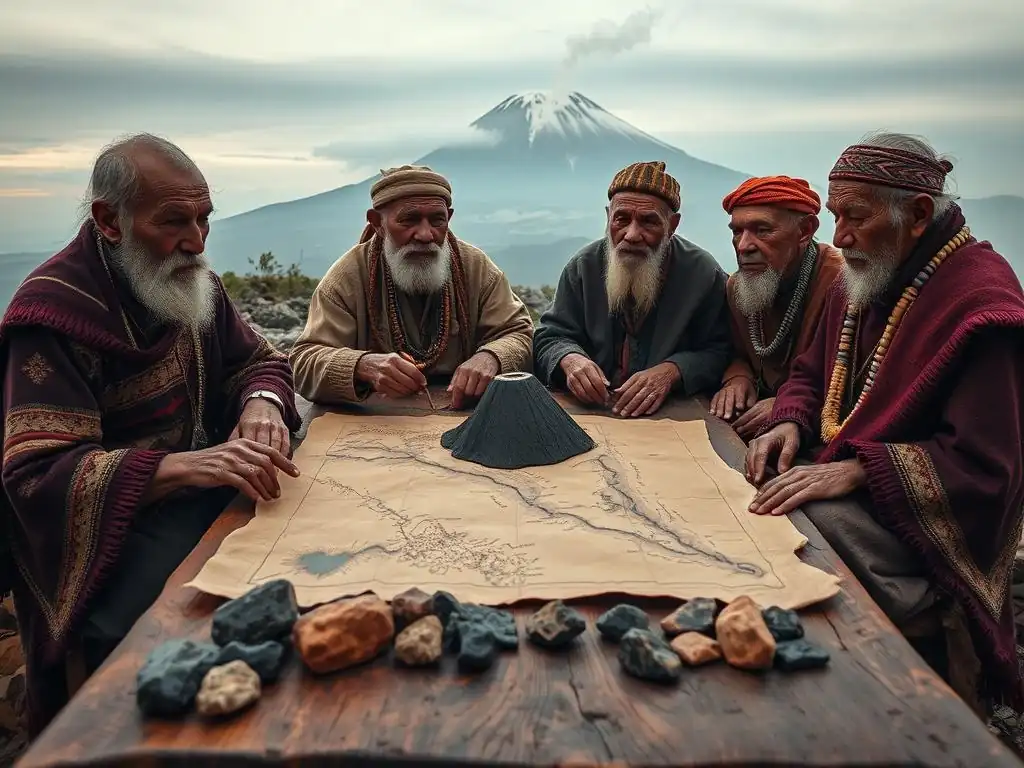
Resources for Learning About and Respecting Indigenous Volcano Knowledge
Volcano Explorers is committed to providing resources that promote learning about and respecting Indigenous volcano knowledge. This website will feature curated content that highlights Indigenous perspectives on volcanoes, including articles, interviews, and multimedia resources that showcase the diversity and richness of traditional knowledge systems. We aim to provide accurate and respectful information that challenges stereotypes and promotes a deeper understanding of Indigenous cultures and their relationships with volcanoes.
We will also compile resources for researchers, educators, and the general public who are interested in learning more about Indigenous volcano knowledge and engaging in respectful collaboration with Indigenous communities. This includes links to relevant organizations, publications, and educational materials that promote ethical research practices and cultural sensitivity. Volcano Explorers seeks to be a hub for information and resources that support the preservation and promotion of Indigenous volcano knowledge.
Platform for Sharing Indigenous Perspectives on Volcanoes
Volcano Explorers aims to be a platform that amplifies Indigenous voices and provides opportunities for Indigenous communities to share their perspectives on volcanoes directly with a wider audience. We will actively seek to collaborate with Indigenous knowledge holders, organizations, and communities to feature their stories, knowledge, and experiences on our website. This may include publishing articles written by Indigenous authors, featuring interviews with community elders and knowledge keepers, and showcasing multimedia content created by Indigenous artists and storytellers.
We are committed to ensuring that this platform is accessible, respectful, and culturally appropriate. We will work collaboratively with Indigenous partners to develop content that accurately reflects their perspectives and respects their cultural protocols. Volcano Explorers believes that providing a platform for Indigenous voices is essential for promoting the recognition and appreciation of Indigenous volcano knowledge and for fostering cross-cultural understanding and collaboration.
The Future of Indigenous Knowledge and Volcano Research
Bridging the Gap: Collaborative Research Initiatives
The future of volcano research lies in bridging the gap between scientific and Indigenous knowledge systems through collaborative research initiatives. Meaningful collaboration requires establishing equitable partnerships between scientists and Indigenous communities, where both knowledge systems are valued and respected. This includes co-designing research projects, sharing data and findings transparently, and ensuring that research benefits Indigenous communities directly.
Collaborative research should prioritize community-led research questions, address issues of concern to Indigenous communities, and incorporate Indigenous methodologies and ethical protocols. This approach not only enriches scientific understanding but also empowers Indigenous communities to participate actively in research and decision-making processes related to volcanic hazards and resource management. Bridging the gap between knowledge systems requires a commitment to long-term partnerships, mutual learning, and shared responsibility.
Empowering Indigenous Voices in Volcanic Hazard Management
Empowering Indigenous voices in volcanic hazard management is crucial for creating more effective and culturally appropriate risk reduction strategies. Indigenous communities are often the first and most directly affected by volcanic eruptions, and their traditional knowledge offers invaluable insights for mitigating risk and building resilience. Including Indigenous representatives in decision-making processes related to volcanic hazard assessment, early warning systems, and disaster preparedness is essential.
Empowerment also involves supporting Indigenous-led initiatives in volcanic hazard management, such as community-based monitoring programs, traditional evacuation planning, and culturally appropriate disaster education. Recognizing Indigenous self-determination and supporting their capacity to manage volcanic risks according to their own values and priorities is fundamental to creating truly effective and equitable hazard management systems. Empowering Indigenous voices ensures that volcanic hazard management is not only scientifically sound but also culturally relevant and socially just.
Conclusion: Protecting Culture, Protecting Lives Through Indigenous Wisdom
The Enduring Legacy of Indigenous Volcano Knowledge
Indigenous knowledge of volcanoes represents an enduring legacy of human interaction with the Earth's powerful forces. It is a testament to the resilience, adaptability, and profound understanding of communities who have lived in close proximity to volcanoes for generations. This knowledge is not merely historical; it is a living, evolving system that continues to offer valuable insights for modern volcanology, disaster risk reduction, and sustainable living in volcanic regions.
Protecting and preserving Indigenous volcano knowledge is not just about safeguarding cultural heritage; it is about protecting lives and building a more holistic and inclusive understanding of volcanoes. By honoring Indigenous wisdom, fostering respectful collaboration, and empowering Indigenous voices, we can enrich our collective knowledge, enhance our ability to mitigate volcanic hazards, and learn valuable lessons about living in harmony with the dynamic forces of nature. The enduring legacy of Indigenous volcano knowledge reminds us of the deep interconnectedness between culture, environment, and human well-being.
Frequently Asked Questions
How does Indigenous knowledge contribute to understanding volcanoes?
Indigenous knowledge offers long-term observations and cultural interpretations of volcanic activity that complement scientific data, often spanning generations. This provides a historical context unavailable through modern research alone.
What are some examples of how Indigenous communities have predicted volcanic eruptions?
Some Indigenous communities use changes in animal behavior, plant life, or water sources as indicators of impending eruptions. These observations, passed down through oral tradition, can supplement instrumental monitoring.
Why is it important to preserve Indigenous knowledge about volcanoes?
Preserving this knowledge helps protect Indigenous cultures by maintaining traditional practices and spiritual connections to the land. It also enhances our understanding of volcanic hazards and improves community resilience.
How can volcanologists work with Indigenous communities to improve volcano monitoring?
Volcanologists can collaborate with Indigenous communities by integrating traditional knowledge into monitoring programs and sharing scientific data in accessible formats. This fosters mutual trust and improves risk communication.
What are the challenges in integrating Indigenous knowledge with scientific research on volcanoes?
Challenges include language barriers, cultural differences, and the potential for misinterpretation or appropriation of knowledge. Respectful dialogue and collaborative research are crucial for successful integration.
Final Reflection: The Enduring Power of Indigenous Wisdom
The insights shared throughout this article underscore the profound connection between Indigenous knowledge of volcanoes and the safety and well-being of communities. It's clear that dismissing this wisdom in favor of solely Western scientific approaches is not only a cultural loss but also a dangerous oversight, especially in a world increasingly vulnerable to natural disasters.
This topic resonates deeply because it highlights the vital role of cultural preservation in safeguarding lives. Recognizing and valuing Indigenous knowledge is not simply about respecting tradition; it's about acknowledging a wealth of practical, time-tested strategies for living in harmony with our planet. We do not inherit the earth from our ancestors; we borrow it from our children.
This quote perfectly encapsulates the responsibility we have to learn from the past and protect the future, ensuring that Indigenous wisdom continues to guide us.
As you reflect on the stories and insights shared, consider how you can contribute to a world that values and protects Indigenous knowledge. What steps can you take to learn more, advocate for its inclusion in disaster preparedness strategies, and support the communities who hold this invaluable wisdom? The future demands a collaborative approach, one where ancient wisdom and modern science work together to build a safer and more resilient world for all.
Embrace Ancient Wisdom: Become a Volcano Guardian!
Thank you for exploring the vital connection between Indigenous knowledge and volcano safety. You've learned how these communities safeguard lives using generations of experience. Now, let's turn that knowledge into action!
Here's how you can help preserve this invaluable heritage:
- Share this article to raise awareness about the importance of integrating Indigenous knowledge into volcano monitoring and disaster preparedness. Help us amplify their voices!
- Learn more about the volcano knowledge of an Indigenous community near you, or research online. Discover and respect their unique understanding.
- Support organizations that work directly with Indigenous communities to preserve and promote their vital knowledge through donations or volunteering.
What other ways can we effectively integrate Indigenous wisdom into modern volcano monitoring techniques to better protect at-risk populations? Share your ideas in the comments below!