
The Future is Geothermal? Projecting the Growth and Potential of Volcano Energy

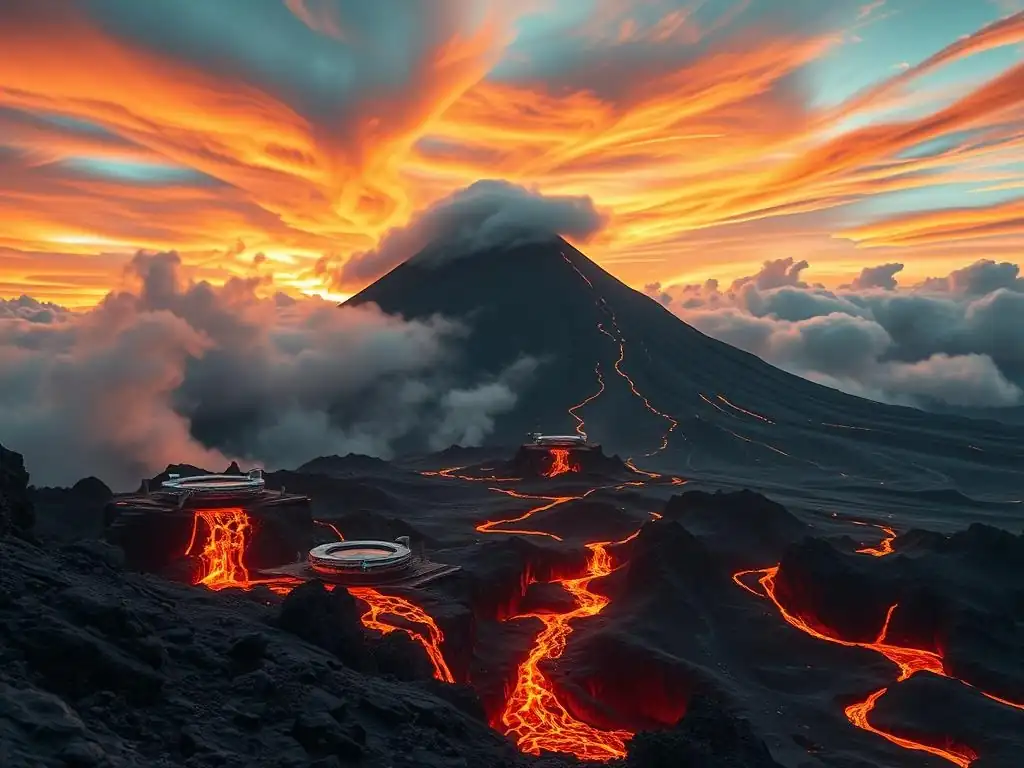
Welcome to Volcano Explorers, where the Earth breathes fire and science meets spectacle. Ever wondered if the raw power of a volcano could light up our future? Dive in to explore the surprising potential of geothermal energy, a hidden treasure buried beneath the Earth's fiery heart. What if we could harness this immense power to create a cleaner, more sustainable world? Prepare to be amazed as we uncover the secrets and possibilities… the answers might just erupt.
- Geothermal Energy: Harnessing Volcanic Power for a Sustainable Future
- Introduction: Tapping into the Earth's Heat - Geothermal Energy and its Potential
- Volcanic Geothermal Energy: A Clean and Renewable Energy Source
- Global Overview of Volcanic Geothermal Energy Projects
- Projecting Future Growth of Geothermal Energy from Volcanoes
- Case Studies: Successful Volcanic Geothermal Energy Projects
- Conclusion: Volcanic Geothermal Energy - A Key Component of a Sustainable Energy Future
-
Frequently Asked Questions
- What is geothermal energy, and how is it related to volcanoes?
- How can energy be harnessed from volcanoes?
- What are the advantages of using geothermal energy from volcanoes?
- What are some of the challenges associated with developing geothermal energy near volcanoes?
- What is the future potential for geothermal energy derived from volcanic regions?
- Final Reflection: Harnessing the Earth's Hidden Power
- Unleash the Earth's Power: Become a Geothermal Advocate!
Geothermal Energy: Harnessing Volcanic Power for a Sustainable Future
Introduction: Tapping into the Earth's Heat - Geothermal Energy and its Potential
Geothermal energy, derived from the Earth's internal heat, presents a compelling pathway towards a sustainable energy future. This renewable resource, constantly replenished by natural processes, offers a consistent and reliable alternative to fossil fuels. The Earth's core, radiating outwards, creates a vast reservoir of thermal energy, and in certain geologically active regions, like volcanic areas, this heat is significantly closer to the surface and more accessible. Understanding and harnessing this inherent geothermal energy potential is becoming increasingly critical as global energy demands rise and the urgency to transition to cleaner energy sources intensifies.
The allure of geothermal energy lies in its inherent sustainability and minimal environmental footprint compared to traditional energy sources. Unlike solar or wind power, geothermal energy is not dependent on weather conditions or daylight hours, providing a stable baseload power supply. Moreover, advancements in drilling and extraction technologies are constantly improving the efficiency and accessibility of geothermal resources, making it an increasingly viable option for diverse geographical locations, particularly those blessed with volcanic activity. This article will delve into the specific potential of volcanic geothermal energy, exploring its benefits, challenges, and future prospects in the global energy landscape.
Volcanic Geothermal Energy: A Clean and Renewable Energy Source
Volcanic regions are particularly promising locations for geothermal energy exploitation due to their unique geological characteristics. These areas are characterized by shallower depths to high-temperature heat sources, often associated with magma chambers and hydrothermal systems. This proximity to intense heat significantly reduces drilling costs and enhances the efficiency of geothermal power plants. Volcanic geothermal energy leverages the Earth's natural processes to generate electricity and heat, making it a truly renewable and environmentally friendly energy source.
Harnessing volcanic geothermal energy offers a compelling solution to reduce reliance on fossil fuels and mitigate climate change. Geothermal power plants produce minimal greenhouse gas emissions compared to coal or natural gas power plants. While there are some emissions associated with geothermal energy production, primarily steam and small amounts of carbon dioxide and hydrogen sulfide released from geothermal reservoirs, these are significantly lower than those from fossil fuel combustion. Furthermore, advancements in closed-loop geothermal systems are being developed to minimize even these emissions, further solidifying volcanic geothermal energy's position as a clean energy alternative.
Understanding Geothermal Systems in Volcanic Regions
Volcanic geothermal systems are dynamic and complex natural phenomena. They are fundamentally driven by magma, molten rock beneath the Earth's surface, which acts as the primary heat source. This magma heats up surrounding rocks and any groundwater present, creating hydrothermal reservoirs. These reservoirs are characterized by hot water and steam trapped beneath impermeable layers of rock. The heat from the magma can reach temperatures of hundreds of degrees Celsius, making it ideal for power generation.
The key components of a volcanic geothermal system include a heat source (magma), a reservoir (permeable rocks saturated with hot water or steam), a caprock (impermeable layer preventing heat and fluid escape), and a recharge mechanism (water infiltrating the system). Volcanologists and geophysicists use various techniques to explore and understand these systems, including geological surveys, seismic studies, and geochemical analysis.
Understanding the subsurface geology, temperature gradients, and fluid flow patterns within these systems is crucial for the successful development and sustainable operation of volcanic geothermal power plants. For instance, the Geysers geothermal field in California, one of the largest in the world, is associated with a volcanic system and relies on steam extracted from a fractured volcanic rock reservoir.
Environmental Advantages and Considerations of Volcano-Based Geothermal Power
Volcano-based geothermal power offers significant environmental advantages over traditional energy sources. Its most prominent benefit is the drastically reduced carbon footprint. Compared to fossil fuel power plants, geothermal facilities emit negligible amounts of greenhouse gases, contributing minimally to climate change. Studies by the Intergovernmental Panel on Climate Change (IPCC) have consistently shown geothermal energy to have one of the lowest lifecycle greenhouse gas emissions among energy technologies. This is crucial in the global effort to decarbonize energy production and mitigate the impacts of global warming.
However, it is important to acknowledge that geothermal energy development is not entirely without environmental considerations. Potential impacts can include land use changes, induced seismicity (minor earthquakes triggered by fluid injection or extraction), and the release of non-condensable gases like hydrogen sulfide (H₂S). H₂S, while present in small quantities, can have an odor and, in high concentrations, be harmful.
Modern geothermal power plants employ technologies to mitigate these issues, such as reinjection of geothermal fluids to reduce land subsidence and induced seismicity, and scrubbers to remove H₂S from emissions. Furthermore, the land footprint of geothermal power plants is relatively small compared to other energy infrastructure, especially when considering the energy output. For example, a typical 100 MW geothermal power plant might occupy a few square kilometers, significantly less than the land required for a comparable coal mine or a large hydroelectric dam reservoir.
Global Overview of Volcanic Geothermal Energy Projects

Volcanic geothermal energy is currently being harnessed in various regions around the world, with significant concentrations in areas along the Pacific Ring of Fire, the East African Rift Valley, and the Mediterranean region. These areas are characterized by active or recently active volcanism, providing readily accessible geothermal resources. The global distribution of volcanic geothermal energy projects reflects the geological distribution of volcanically active regions and the varying levels of technological development and energy policies in different countries.
The utilization of volcanic geothermal energy is not uniform across the globe. Some nations have been pioneers in developing and deploying this technology, while others are just beginning to explore their geothermal potential. Factors influencing the adoption of volcanic geothermal energy include the availability of geothermal resources, the cost-effectiveness of geothermal power generation compared to other energy sources, government policies supporting renewable energy, and public acceptance of geothermal technology. As the global demand for clean energy grows, and as technology continues to advance, the global landscape of volcanic geothermal energy is expected to expand significantly.
Leading Nations in Volcanic Geothermal Power Generation
Several nations stand out as leaders in volcanic geothermal power generation, having successfully developed and deployed geothermal technologies on a large scale. Iceland, for example, is a global leader in geothermal energy utilization. Due to its location on the Mid-Atlantic Ridge and abundant volcanic activity, Iceland derives a significant portion of its electricity and heating from geothermal sources. Approximately 25% of Iceland's electricity generation comes from geothermal power, and over 90% of homes are heated geothermally. This reliance on geothermal energy has made Iceland a model for sustainable energy development.
The Philippines is another major player in volcanic geothermal energy. Located within the Pacific Ring of Fire, the Philippines boasts substantial geothermal resources. Geothermal energy contributes significantly to the country's electricity mix, accounting for around 12% of total power generation. Indonesia, also situated within the Pacific Ring of Fire, possesses the world's largest geothermal energy potential.
Indonesia is actively developing its geothermal resources and is among the top geothermal power producers globally. The Wayang Windu geothermal power plant in Indonesia, as will be discussed later, is a prime example of successful volcanic geothermal energy development. Other leading nations include the United States, particularly in western states like California and Nevada, and New Zealand, both with significant geothermal resources associated with volcanic activity. These nations have demonstrated the feasibility and reliability of volcanic geothermal energy as a substantial contributor to their energy portfolios.
Emerging Volcanic Geothermal Energy Initiatives
Beyond the established leaders, numerous countries with volcanic regions are actively exploring and initiating new volcanic geothermal energy projects. In East Africa, countries like Kenya, Ethiopia, and Tanzania are located along the East African Rift Valley, a region with extensive volcanic activity and significant geothermal potential. Kenya, in particular, has made substantial progress in developing its geothermal resources, with projects like the Olkaria geothermal field becoming a major source of electricity for the country. Ethiopia is also actively pursuing geothermal development as part of its renewable energy strategy.
In Central and South America, countries like Costa Rica, Nicaragua, and Chile, located along the Pacific Ring of Fire, are also exploring their volcanic geothermal energy potential. Costa Rica has a long history of geothermal energy development and aims to become carbon neutral, with geothermal energy playing a key role. Chile, with its Andean volcanism, is also exploring geothermal resources to diversify its energy matrix.
Furthermore, advancements in Enhanced Geothermal Systems (EGS) are expanding the geographical reach of geothermal energy, potentially making it viable in regions not traditionally considered geothermal hotspots. EGS technologies aim to create artificial geothermal reservoirs in hot, dry rocks, which are more widely distributed than naturally occurring hydrothermal systems. These emerging initiatives and technological advancements signal a growing global interest in and expansion of volcanic geothermal energy utilization.
Projecting Future Growth of Geothermal Energy from Volcanoes
The future of volcanic geothermal energy is promising, with projections indicating significant growth in the coming decades. Several factors are driving this expansion, including the increasing global demand for clean and renewable energy, advancements in geothermal technologies, and supportive government policies. As the world transitions towards a low-carbon energy future, volcanic geothermal energy is poised to play an increasingly important role.
The International Energy Agency (IEA) and other energy forecasting organizations project substantial growth in geothermal energy capacity globally. Factors like rising carbon prices, mandates for renewable energy integration, and growing concerns about energy security are further incentivizing the development of geothermal resources.
Furthermore, ongoing research and development efforts are focused on improving drilling techniques, enhancing reservoir management, and reducing the costs of geothermal power generation, making it even more competitive with other energy sources. The inherent reliability and baseload nature of geothermal power also make it a valuable asset in a diversified energy mix, complementing intermittent renewable sources like solar and wind.
Factors Driving the Expansion of Volcanic Geothermal Energy
Several key factors are propelling the expansion of volcanic geothermal energy. Firstly, the global imperative to combat climate change is a major driver. Governments worldwide are setting ambitious carbon reduction targets and implementing policies to promote renewable energy sources. Geothermal energy, with its low carbon footprint, is well-positioned to benefit from these policies and contribute to achieving climate goals. Feed-in tariffs, renewable portfolio standards, and carbon taxes are examples of policies that incentivize geothermal energy development.
Secondly, technological advancements are making geothermal energy more accessible and cost-effective. Advanced drilling techniques, such as horizontal drilling and enhanced drilling fluids, are enabling access to deeper and hotter geothermal resources. Improvements in power plant technology, such as binary cycle power plants, allow for efficient electricity generation from lower-temperature geothermal fluids, expanding the range of usable geothermal resources.
Furthermore, innovations in reservoir characterization and management are improving the sustainability and longevity of geothermal power plants. The decreasing levelized cost of electricity (LCOE) for geothermal energy, driven by these technological advancements, is making it increasingly competitive with fossil fuels and other renewable energy sources.
Thirdly, the increasing energy demand, particularly in developing economies, is creating a need for reliable and sustainable energy sources. Many developing countries are located in volcanically active regions and possess significant untapped geothermal resources. Developing these resources can provide a secure and indigenous energy supply, reducing reliance on imported fossil fuels and fostering economic development. International development agencies and private investors are increasingly recognizing the potential of geothermal energy in developing countries and are providing financial and technical support for project development.
Challenges and Opportunities in Volcanic Geothermal Energy Development
While the future of volcanic geothermal energy is bright, there are challenges that need to be addressed to realize its full potential. One significant challenge is the high upfront capital cost associated with geothermal projects. Exploration, drilling, and power plant construction require substantial investment. Mitigating this challenge requires innovative financing mechanisms, risk mitigation instruments, and government support to reduce investment risks and attract private capital.
Another challenge is the geological complexity of volcanic geothermal systems. Characterizing and managing these complex subsurface reservoirs requires advanced geological and geophysical expertise. Uncertainties in reservoir properties, fluid flow patterns, and long-term sustainability need to be carefully assessed and managed. Investing in research and development to improve reservoir characterization techniques, develop advanced monitoring systems, and enhance reservoir management strategies is crucial for mitigating these geological risks.
However, these challenges also present opportunities for innovation and growth. The need to reduce upfront costs is driving research into more efficient drilling technologies, modular power plant designs, and optimized project development approaches. The geological complexity of volcanic systems is fostering innovation in exploration techniques, data analysis methods, and reservoir modeling, leading to a better understanding and more efficient utilization of geothermal resources.
Furthermore, addressing the environmental considerations associated with geothermal development, such as induced seismicity and non-condensable gas emissions, is driving innovation in mitigation technologies and sustainable project design. Overcoming these challenges through innovation and collaboration will unlock the vast potential of volcanic geothermal energy.
Estimating Untapped Geothermal Energy Potential in Volcanic Zones
Estimating the untapped geothermal energy potential in volcanic zones is a complex but crucial task for guiding future development. Various assessments have been conducted at global, regional, and national levels to quantify this potential. These assessments typically consider geological data, temperature gradients, resource accessibility, and technological feasibility. The Geothermal Energy Association (GEA) and other organizations have published reports estimating the global geothermal energy potential to be several times larger than current installed capacity.
Specifically, volcanic zones are estimated to hold a significant portion of this untapped potential due to their high heat flow and accessible hydrothermal resources. However, accurately quantifying this potential is challenging due to the subsurface uncertainties and the varying levels of exploration and data availability in different volcanic regions. Estimates often rely on probabilistic methods and scenario analysis to account for these uncertainties.
For example, studies have estimated that the Pacific Ring of Fire alone holds hundreds of gigawatts of untapped geothermal energy potential. The "hot sedimentary aquifers" and "enhanced geothermal systems" categories also offer substantial potential, particularly in volcanic regions with suitable geological formations.
Realizing this untapped geothermal energy potential requires continued exploration, technological advancements, and supportive policies. Investing in geothermal resource assessments, developing advanced exploration techniques, and streamlining permitting processes are essential steps to unlock the vast geothermal energy resources in volcanic zones and contribute significantly to a sustainable energy future.
Case Studies: Successful Volcanic Geothermal Energy Projects
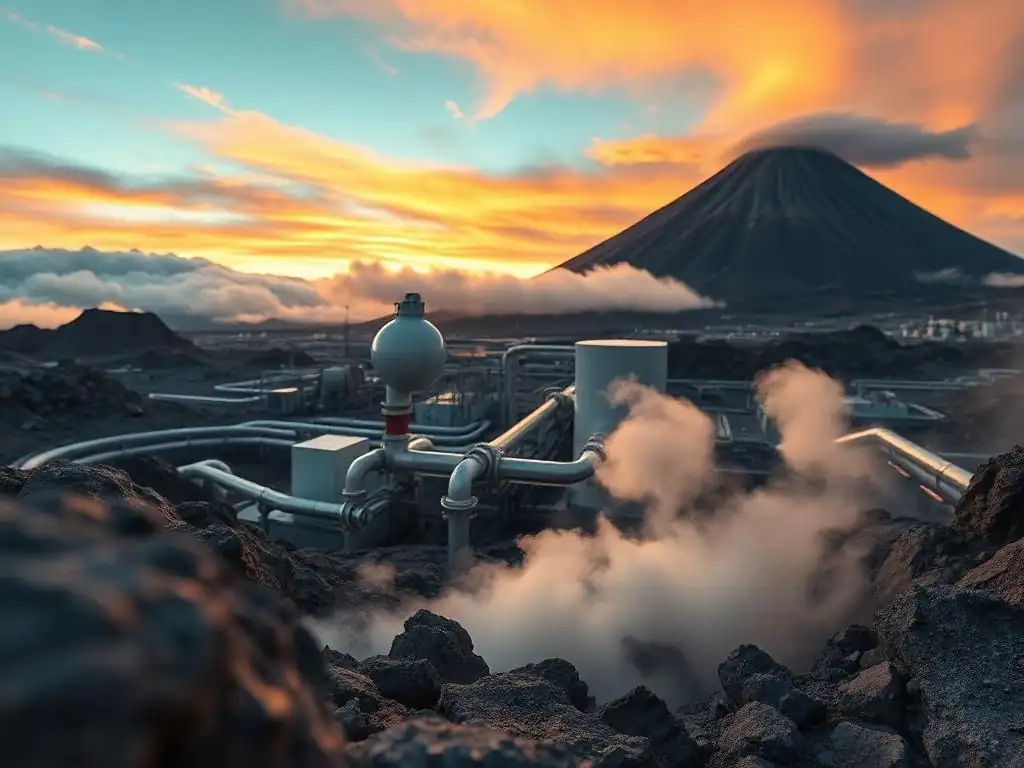
Examining successful volcanic geothermal energy projects provides valuable insights into best practices, technological solutions, and the economic and environmental benefits of harnessing this renewable resource. Case studies from different regions highlight the diverse geological settings, technological approaches, and socio-economic contexts in which volcanic geothermal energy has been successfully deployed. Two notable examples are the Svartsengi geothermal power plant in Iceland and the Wayang Windu geothermal power plant in Indonesia.
These case studies demonstrate the long-term viability, reliability, and sustainability of volcanic geothermal energy. They also showcase the adaptability of geothermal technologies to different geological conditions and energy needs. Analyzing these successful projects helps to identify key success factors, lessons learned, and opportunities for replication and scaling up volcanic geothermal energy development in other regions with similar geological and socio-economic characteristics.
Case Study 1: Svartsengi Geothermal Power Plant, Iceland
The Svartsengi geothermal power plant in Iceland is a pioneering example of integrated geothermal energy utilization. Located on the Reykjanes Peninsula, a highly volcanic region, Svartsengi is not only a power plant but also a combined heat and power (CHP) facility, and the source of the famous Blue Lagoon geothermal spa. The plant utilizes geothermal fluids from a high-temperature geothermal reservoir associated with the volcanic system.
Svartsengi was commissioned in 1976 and has undergone several expansions over the years, currently boasting a total installed capacity of approximately 75 MW of electricity and 150 MW of thermal energy. The plant extracts geothermal fluids at temperatures around 240°C and uses a combination of condensing and backpressure turbines to generate electricity. The waste heat from electricity generation is then utilized for district heating, providing hot water to nearby communities.
Furthermore, the mineral-rich geothermal brine, after passing through the power plant, is discharged into the Blue Lagoon, creating a unique and economically valuable tourist attraction. Svartsengi exemplifies a holistic approach to geothermal resource utilization, maximizing energy efficiency and creating synergistic benefits for the local community and economy. It demonstrates the potential of volcanic geothermal energy to contribute not only to electricity generation but also to heating, tourism, and other sectors.
Case Study 2: Wayang Windu Geothermal Power Plant, Indonesia
The Wayang Windu geothermal power plant in Indonesia is a large-scale example of volcanic geothermal energy development in a developing country context. Located in West Java, Indonesia, Wayang Windu is situated within a volcanic complex and taps into a high-enthalpy geothermal reservoir. The plant is one of the largest single-unit geothermal power plants in the world, with a current installed capacity of 230 MW.
Wayang Windu utilizes advanced geothermal technologies and best practices to ensure efficient and sustainable operation. The plant employs condensing turbines to generate electricity from geothermal steam. It also incorporates a state-of-the-art reinjection system to return condensed steam and separated brine back into the geothermal reservoir, maintaining reservoir pressure and enhancing long-term sustainability.
The project has contributed significantly to Indonesia's electricity supply and has played a crucial role in reducing the country's reliance on fossil fuels. Wayang Windu demonstrates the feasibility of developing large-scale volcanic geothermal power plants in complex geological settings and highlights the potential of geothermal energy to meet the growing energy demands of developing economies while promoting sustainable development.
Conclusion: Volcanic Geothermal Energy - A Key Component of a Sustainable Energy Future
Volcanic geothermal energy stands as a pivotal renewable resource with the potential to significantly contribute to a sustainable energy future. Its inherent clean and renewable nature, coupled with its baseload power capability, makes it a compelling alternative to fossil fuels. Harnessing the Earth's volcanic heat offers a pathway to reduce greenhouse gas emissions, enhance energy security, and foster economic development, particularly in volcanically active regions around the world.
The projected growth of volcanic geothermal energy is driven by increasing global energy demand, advancements in geothermal technologies, and supportive policies promoting renewable energy. While challenges remain in terms of upfront costs and geological complexities, ongoing innovation and successful case studies demonstrate the feasibility and long-term viability of volcanic geothermal power.
As the world transitions towards a low-carbon energy future, volcanic geothermal energy is poised to play an increasingly crucial role, providing a reliable, sustainable, and environmentally responsible energy solution. Realizing the full geothermal energy potential of volcanic zones requires continued investment in exploration, technology development, and supportive policy frameworks to unlock this vast and valuable resource for generations to come.
Frequently Asked Questions
Geothermal energy is heat derived from the Earth's interior. Volcanoes are direct manifestations of this heat, often providing accessible reservoirs of high-temperature steam and hot water ideal for geothermal power generation.
How can energy be harnessed from volcanoes?
Volcanic geothermal energy can be harnessed by drilling into underground reservoirs of steam or hot water. This steam is then used to power turbines that generate electricity.
What are the advantages of using geothermal energy from volcanoes?
Geothermal energy is a renewable and sustainable resource. It also offers a consistent and reliable energy supply, unlike solar or wind power, which are intermittent.
What are some of the challenges associated with developing geothermal energy near volcanoes?
Challenges include the high upfront costs of drilling and infrastructure. There are also concerns about environmental impacts, such as land use and potential seismic activity.
What is the future potential for geothermal energy derived from volcanic regions?
The future potential is significant, with many regions having untapped geothermal resources. Advancements in technology are making it easier and more efficient to harness this clean energy source and reduce our reliance on fossil fuels.
The exploration of geothermal energy's potential, particularly through innovative projects like harnessing volcano energy, is no longer a futuristic fantasy but a critical imperative for a sustainable future. As we grapple with the escalating climate crisis and the urgent need for clean energy alternatives, the untapped reservoirs of geothermal power represent a beacon of hope, offering a reliable and environmentally friendly solution to meet our growing energy demands.
The promise of geothermal energy extends far beyond simply powering our homes and industries; it represents a shift in our relationship with the planet, moving from exploitation to harmonious utilization of its inherent resources. This transition requires a fundamental rethinking of our energy infrastructure and a commitment to investing in innovative technologies. We are like tenant farmers chopping down the fence around our house for fuel when we should be using nature's inexhaustible sources of energy—sun, wind, and tide. ... I'd put my money on the sun and solar energy. What a source of power! I hope we don't have to wait until oil and coal run out before we tackle that.
- Thomas Edison. This quote, though predating our current geothermal focus, perfectly encapsulates the spirit of seeking sustainable, abundant energy sources.
Let us not underestimate the transformative power of geothermal energy. It is an invitation to reflect on our responsibility as stewards of this planet and to actively participate in shaping a cleaner, more sustainable future. Consider how you can support the development and implementation of geothermal technologies, whether through advocating for policy changes, investing in renewable energy initiatives, or simply educating yourself and others about the immense geothermal energy potential that lies beneath our feet. The future is not just geothermal; it is a future powered by our collective commitment to a healthier planet.
Unleash the Earth's Power: Become a Geothermal Advocate!
Thanks for exploring the incredible potential of geothermal energy with us! We hope this article has illuminated the future possibilities of geothermal power and its role in sustainable energy solutions. Now, let's translate that knowledge into action!
Ready to contribute to a cleaner future? Here's how you can get involved:
- Advocate for Geothermal Energy: Contact your local representatives and express your support for geothermal energy initiatives. Let them know you believe in a future powered by renewable resources!
- Learn More About Geothermal Innovation: Explore the websites of leading geothermal research institutions and companies. Discover the cutting-edge technologies and projects shaping the future of clean energy.
- Share this article on your favorite social media platforms! Help spread awareness about the potential of geothermal energy and inspire others to join the movement.
What's one small action you'll take this week to support the expansion of geothermal energy? Share your commitment in the comments below!