
The Volcano's Shadow in Mythology: Unseen Forces and Hidden Powers

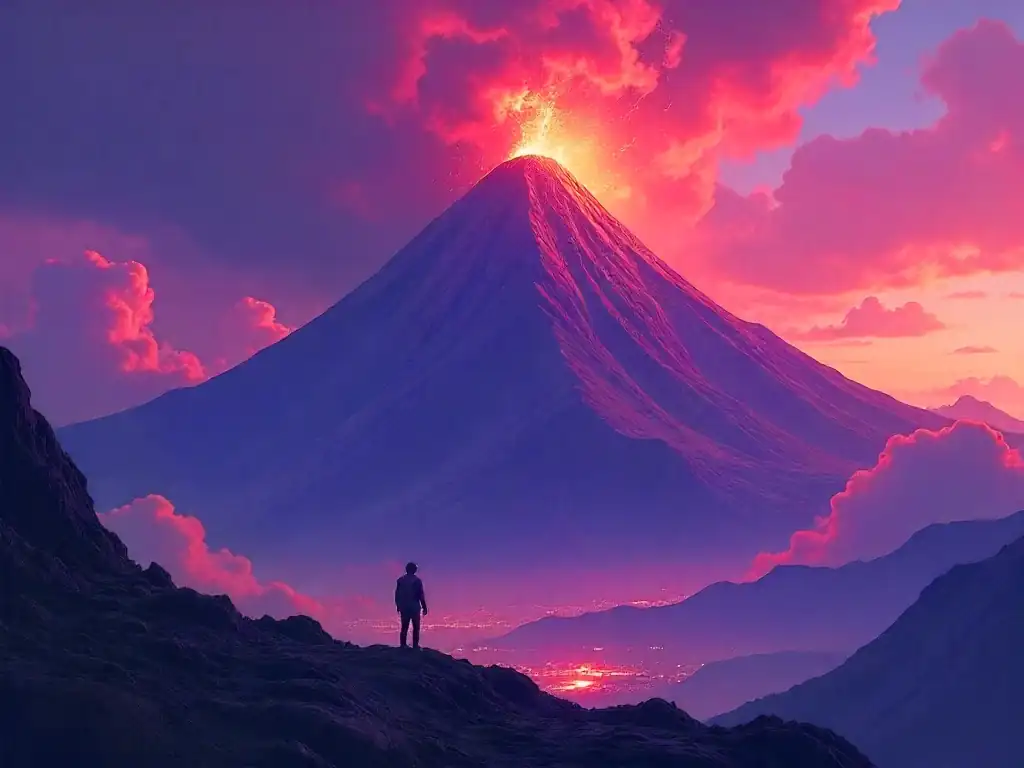
Welcome to Volcano Explorers!
Dare to uncover the secrets simmering beneath the surface? Journey with us into a realm where fiery mountains aren't just geological marvels, but powerful symbols etched into the very fabric of human culture. Today, we delve into " volcano mythology hidden powers," exploring how these majestic giants have shaped our stories, beliefs, and perhaps even our destinies. What unseen forces lie dormant within their fiery hearts? The answers might surprise you...
- Volcanoes in Mythology: Unseen Forces and Hidden Powers
- Volcanoes in Mythology: An Introduction
- Powers Attributed to Volcanoes
- Symbolic Interpretations of Volcanoes
- Volcano Mythology: A Comparative Analysis
- Volcanoes, Mythology, and the Human Psyche
- The Legacy of Volcano Mythology
-
Frequently Asked Questions
- What role do volcanoes play in different cultures' myths and legends?
- How does "VolcanoExplorers.org" explore the connection between volcano mythology and hidden powers?
- Can volcanoes truly possess "hidden powers" as suggested in mythology?
- How can understanding volcano mythology help us better understand volcanoes themselves?
- Where can I find more information about volcano safety and real-time volcanic activity updates?
- Final Reflection: Unearthing the Volcano's Hidden Power
- Unleash Your Inner Mythologist: Explore the Volcano's Secrets!
Volcanoes in Mythology: An Introduction
Exploring the Cultural Significance of Volcanoes
Volcanoes, with their dramatic eruptions and awe-inspiring power, have profoundly shaped human cultures throughout history. For societies living in volcanic regions, these geological giants were not merely natural features but powerful forces influencing every aspect of life. From the fertile soils enriched by volcanic ash that supported agriculture to the ever-present threat of devastating eruptions, volcanoes were central to the worldview of many ancient civilizations. Their imposing physical presence, coupled with the unpredictable nature of volcanic activity, imbued them with a deep cultural significance, often leading to their integration into spiritual beliefs and mythological narratives.
The towering peaks of volcanoes served as natural landmarks and were often considered sacred spaces, connecting the earthly realm with the heavens or the underworld. Ancient communities developed intricate systems of beliefs and rituals to appease the perceived spirits or deities residing within these fiery mountains.
These beliefs were not simply abstract spiritual notions; they were deeply practical, aimed at understanding and coping with the very real risks and benefits associated with living in the shadow of volcanoes. Volcanic mythology, therefore, is not just a collection of fascinating stories, but a window into the complex relationship between humanity and the powerful geological forces that shape our planet.
The Enduring Fascination with Volcanic Mythology
The fascination with volcano mythology endures even in our modern, technologically advanced age. While scientific understanding has demystified the geological processes behind volcanic eruptions, the primal awe and sense of wonder they evoke remain deeply ingrained in the human psyche.
These myths offer a glimpse into how our ancestors grappled with forces of nature far beyond their control, seeking to explain the inexplicable and find meaning in the face of both creation and destruction. The stories of volcano gods and goddesses, of fiery underworlds and divine wrath, continue to resonate because they tap into fundamental human emotions – fear, respect, and a profound sense of the power of the natural world.
Furthermore, exploring volcano mythology provides valuable insights into the diverse cultural interpretations of natural phenomena. By examining myths from different regions and time periods, we can appreciate the rich tapestry of human imagination and the varied ways in which different societies have sought to understand their place within the volcanic landscape.
The enduring appeal of these myths lies in their ability to connect us to our past, reminding us of the long history of human interaction with volcanoes and the persistent human need to make sense of the powerful forces that shape our world. The hidden powers attributed to volcanoes in these myths, while not literal, reflect a deeper understanding of the immense geological and cultural influence these mountains possess.
Powers Attributed to Volcanoes
Volcanoes as Portals to the Underworld
Across diverse cultures, a recurring theme in volcano mythology is the perception of volcanoes as portals to the underworld. This association stems from the fiery nature of volcanic eruptions, the emission of smoke and fumes, and the deep, cavernous craters that resemble openings into the earth’s depths.
In ancient Greek mythology, for instance, Mount Etna in Sicily was believed to be the forge of Hephaestus, the god of fire and blacksmiths, and the entrance to Tartarus, the deepest abyss of the underworld. Similarly, in Roman mythology, volcanoes were linked to Vulcan, the god of fire, and were considered entrances to his fiery domain.
This concept of volcanoes as underworld gateways is not limited to Greco-Roman traditions. In Japanese mythology, Mount Fuji, while revered as a sacred mountain, was also seen as a pathway to the realm of spirits and the afterlife.
Indigenous cultures of Central and South America, living amongst active volcanoes, often incorporated similar beliefs into their cosmology, viewing volcanic caves and craters as entrances to subterranean worlds inhabited by spirits or deities. These myths reflect a profound understanding of volcanoes as powerful conduits connecting the surface world with hidden, unseen realms, imbuing them with an aura of mystery and supernatural power.
Volcano Gods: Personifying Volcanic Fury and Creation
The immense power and unpredictable nature of volcanic eruptions led many cultures to personify volcanoes as deities, often embodying both destructive fury and creative potential. These volcano gods and goddesses were not simply representations of natural forces; they were active agents, capable of influencing human affairs and demanding respect and appeasement. For example, in Roman mythology, Vulcan, the god of fire and volcanoes, was a powerful and often volatile deity, whose forge beneath the earth was responsible for both volcanic eruptions and the creation of magnificent weapons for the gods.
In Norse mythology, while not explicitly a volcano god, the fire giant Surtr, wielding a flaming sword, was prophesied to play a crucial role in Ragnarök, the end of the world, unleashing fire and destruction that would consume the cosmos. Across the Pacific Islands, numerous volcano deities feature prominently in local mythologies, reflecting the volcanic landscapes of these regions.
These deities, often associated with fire, earth, and creation, highlight the dual nature of volcanoes – forces of destruction capable of immense devastation, yet also agents of creation, responsible for forming new land and enriching the soil. The concept of volcano gods underscores the profound impact these geological phenomena had on the spiritual and cultural beliefs of ancient societies.
Hawaiian Mythology: Pele, Goddess of Volcanoes
Hawaiian mythology offers a particularly compelling example of a volcano deity in the figure of Pele, the goddess of volcanoes, fire, lightning, and wind. Pele is not merely a personification of volcanic forces; she is a dynamic and complex character, deeply woven into the fabric of Hawaiian culture and landscape. According to legend, Pele traveled across the Pacific Islands, eventually making her home in Kīlauea volcano on the Big Island of Hawaiʻi. Her fiery temperament and passionate nature are reflected in the dramatic eruptions of Hawaiian volcanoes, which are often attributed to her anger or jealousy.
Pele’s stories are rich with symbolism, representing not only the destructive power of volcanoes but also their creative force. New land is formed from lava flows, and the fertile volcanic soil sustains life. Pele is both feared and revered, embodying the dual nature of volcanoes as agents of both devastation and renewal.
Her mythology extends beyond simple explanations of volcanic activity; it encompasses themes of family rivalry, love, loss, and the constant cycle of creation and destruction that defines the volcanic landscape. Pele’s enduring presence in Hawaiian culture demonstrates the powerful and personal relationship between people and the volcano, highlighting the profound influence of volcano mythology on shaping cultural identity and understanding of the natural world.
Symbolic Interpretations of Volcanoes
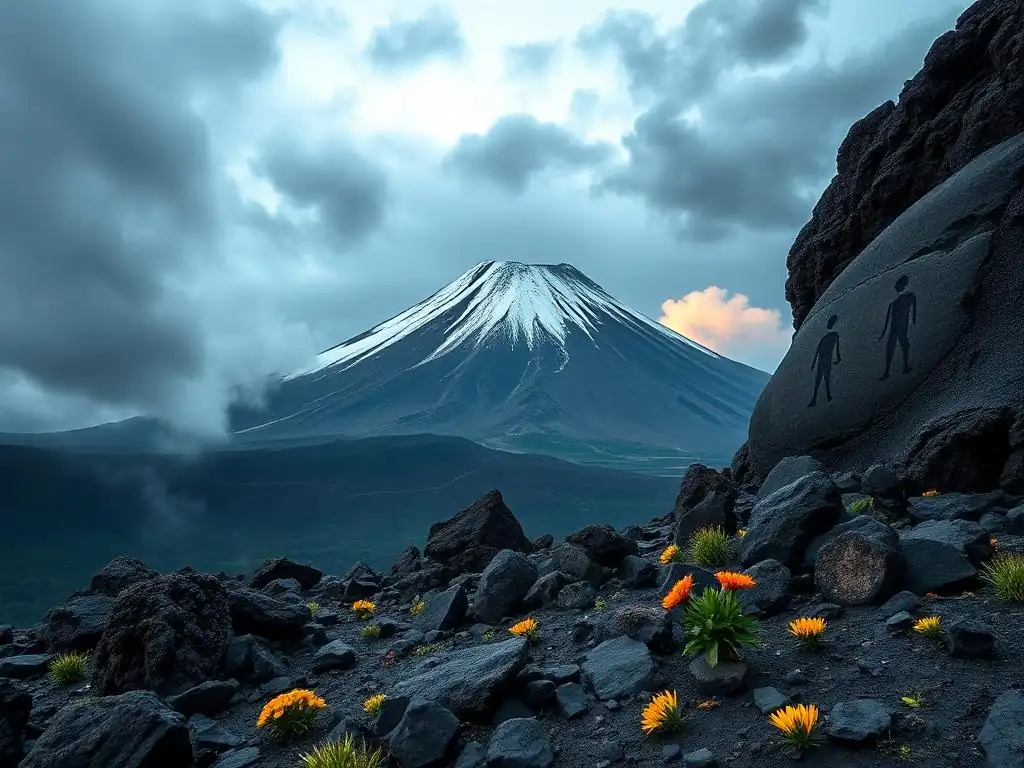
Volcanic Eruptions as Symbols of Divine Wrath
Throughout history, volcanic eruptions have often been interpreted as acts of divine wrath or punishment. In societies lacking scientific understanding of geological processes, the sudden and devastating nature of eruptions seemed to defy natural explanation, leading to the attribution of these events to supernatural forces. The fiery spectacle, the earth-shattering explosions, and the destructive lava flows were readily perceived as expressions of anger or displeasure from powerful deities. Ancient Romans, for instance, might have interpreted eruptions of Mount Vesuvius as signs of Vulcan's displeasure, potentially linked to societal failings or impiety.
Similarly, in various indigenous cultures around the world, volcanic eruptions were understood as manifestations of divine anger, often triggered by human transgressions or a failure to properly appease the resident volcano gods. These interpretations served not only to explain the seemingly inexplicable but also to reinforce social norms and moral codes.
By associating volcanic eruptions with divine punishment, societies instilled a sense of fear and respect for both the natural world and the established religious and social order. The symbolic link between volcanic eruptions and divine wrath highlights the human tendency to seek meaning and purpose in natural disasters, often interpreting them through a religious or moral lens.
Volcanoes as Symbols of Transformation and Rebirth
While often associated with destruction, volcanoes also carry powerful symbolism related to transformation and rebirth. The very process of volcanic eruption, though initially devastating, ultimately leads to creation. Lava flows, while destructive in their immediate path, solidify to form new land, expanding territories and altering landscapes. Volcanic ash, initially a hazard, enriches the soil over time, creating fertile ground that supports agriculture and new life. This cycle of destruction and creation inherent in volcanic activity has been recognized and symbolized in various mythologies.
For example, some interpretations of Pele in Hawaiian mythology emphasize her role not just as a destroyer but also as a creator, constantly reshaping the islands and bringing forth new land. Similarly, in some cultures, the fiery furnace of a volcano is seen as a metaphor for purification and transformation, burning away the old to make way for the new.
The powerful imagery of volcanic eruptions, with fire emerging from the earth, can be interpreted as a symbolic representation of rebirth, of new beginnings emerging from chaos and destruction. This symbolic dimension of volcanoes as agents of transformation and renewal offers a counterpoint to their destructive image, highlighting their complex and multifaceted nature in mythology.
Fear and Respect in Ancient Societies
The relationship between ancient societies and volcanoes was characterized by a complex interplay of fear and respect. The destructive potential of volcanic eruptions, capable of wiping out entire settlements and altering landscapes dramatically, naturally instilled fear in those living in volcanic regions. This fear was not simply a primal reaction to danger; it was often intertwined with religious beliefs and mythological interpretations of volcanic activity. The unpredictable nature of eruptions further amplified this fear, as communities lived under the constant threat of sudden and devastating events.
However, alongside fear, there was also a profound sense of respect for volcanoes. This respect stemmed from an acknowledgement of the immense power and awe-inspiring grandeur of these natural phenomena. Volcanoes were not just feared as agents of destruction but also revered as powerful forces of nature, capable of creation and transformation.
This respect often manifested in elaborate rituals and offerings aimed at appeasing volcano deities and ensuring their continued favor. The dual emotions of fear and respect shaped the cultural interactions with volcanoes, fostering a complex and nuanced relationship that is reflected in the rich tapestry of volcano mythology worldwide.
Volcano Mythology: A Comparative Analysis
Similarities in Myths Across Cultures
Despite the geographical and cultural diversity of volcanic regions around the world, striking similarities emerge in volcano mythology across different cultures. One recurring theme is the association of volcanoes with fire and the underworld, reflecting the universal experience of volcanic eruptions as fiery events originating from the earth's depths. The personification of volcanoes as deities, often embodying both destructive and creative forces, is another common motif found in mythologies from Hawaii to Japan to the Mediterranean. These deities are frequently depicted as powerful and volatile, demanding respect and appeasement.
Another similarity lies in the interpretation of volcanic eruptions as signs of divine communication or intervention. Whether seen as expressions of divine wrath, warnings, or even blessings, eruptions are often imbued with supernatural significance, reflecting a human desire to find meaning and purpose in these dramatic natural events. These cross-cultural similarities in volcano mythology suggest a common human response to the awe-inspiring and often terrifying power of volcanoes, highlighting the fundamental ways in which different societies have sought to understand and interpret these geological phenomena through the lens of myth and legend.
Icelandic Mythology: Volcanoes and Elves
Iceland, a land forged by volcanic activity, possesses a rich folklore that intertwines volcanoes with mythical beings, particularly elves (Huldufólk - hidden people). While not explicitly volcano deities in the same vein as Pele or Vulcan, elves in Icelandic folklore are deeply connected to the natural landscape, including volcanoes and geothermal areas. Volcanoes themselves are often seen as dwelling places or portals to the realm of the elves, imbuing these geological features with a sense of mystery and the supernatural. Stories abound of elves living within or beneath volcanoes, their activities believed to influence volcanic events.
The geothermal areas and hot springs, abundant in Iceland's volcanic landscape, are also closely linked to elf mythology. These areas are often considered sacred spaces, inhabited by elves and deserving of respect. Disturbing or disrespecting these places is believed to incur the wrath of the elves, potentially leading to misfortune or even volcanic unrest. This intertwining of volcano mythology with elf folklore highlights a unique cultural interpretation of volcanic landscapes, where the geological forces are not only understood in terms of natural processes but also deeply connected to a vibrant world of mythical beings and unseen powers.
Volcanoes in Shaping Cultural Identity
Volcanoes have played a significant role in shaping the cultural identity of communities living in volcanic regions. The constant presence of these imposing geological features, coupled with the recurring experiences of volcanic eruptions, has deeply influenced social structures, religious beliefs, and artistic expressions. For communities living near active volcanoes, their shared history and collective memory are often intertwined with volcanic events, creating a strong sense of place and shared identity. The myths and legends surrounding volcanoes become integral parts of cultural heritage, passed down through generations and reinforcing a unique sense of belonging.
In volcanic regions, traditional practices and rituals often revolve around appeasing volcano deities or seeking protection from eruptions, further solidifying the volcano's central role in cultural life. The economic activities of these communities, such as agriculture in volcanic soils or tourism centered around volcanic landscapes, are also directly influenced by the presence of volcanoes. In essence, volcanoes are not just geological features in these regions; they are integral components of the cultural landscape, shaping identity, fostering community cohesion, and influencing the very fabric of daily life.
Volcanoes, Mythology, and the Human Psyche
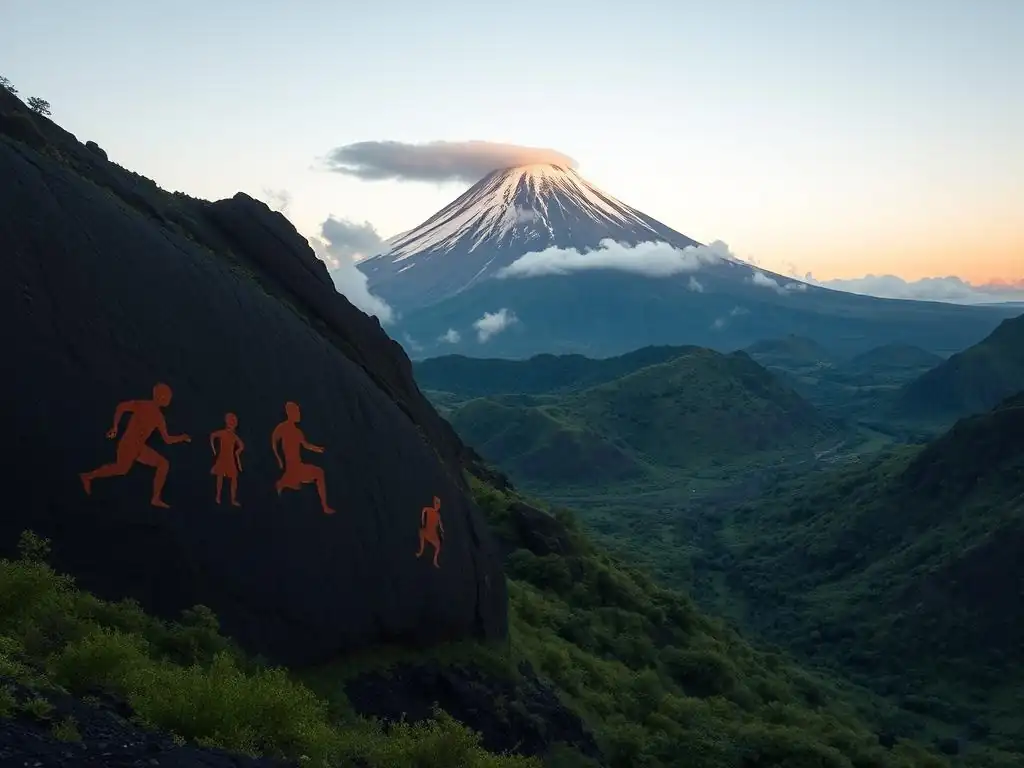
The Archetype of the Volcano
From a Jungian perspective, the volcano can be seen as a powerful archetype within the human psyche. Archetypes are universal, primordial images and patterns of behavior that reside in the collective unconscious, influencing our perceptions and experiences. The volcano, with its inherent duality of creation and destruction, represents potent forces within the human psyche. The fiery eruptions can symbolize repressed emotions, sudden outbursts of anger, or periods of intense transformation and upheaval. Conversely, the fertile land created by volcanic activity can represent creativity, fertility, and the potential for renewal and rebirth.
The volcano archetype resonates deeply because it mirrors the internal dynamics of the human psyche, where opposing forces of chaos and order, destruction and creation, are constantly at play. Dreams and myths featuring volcanoes can be interpreted as reflections of these internal conflicts and transformative processes. The image of the volcano, therefore, taps into primal human experiences and emotions, making it a powerful and enduring symbol across cultures and throughout history.
Our Relationship with Nature
Volcano mythology provides valuable insights into the complex and evolving relationship between humanity and nature. In ancient societies, where life was more directly dependent on the natural environment, volcanoes were not simply geological phenomena but powerful forces that demanded respect and appeasement. Volcano myths reflect this intimate relationship, expressing both awe and fear, and highlighting the human struggle to understand and cope with the unpredictable forces of nature. These myths are not just stories; they are cultural adaptations, strategies for navigating a world shaped by powerful natural forces.
As societies have become increasingly urbanized and technologically advanced, the direct connection to nature may have diminished for many. However, volcano mythology continues to resonate, reminding us of the immense power of the natural world and our inherent vulnerability in the face of geological forces. In an age of increasing environmental awareness, exploring volcano mythology can offer a renewed appreciation for the power and beauty of nature, and the importance of understanding and respecting the delicate balance of our planet.
Mythology and the Search for Meaning
Ultimately, volcano mythology, like all mythology, serves a fundamental human need: the search for meaning. In the face of powerful and often incomprehensible natural events like volcanic eruptions, mythology provides a framework for understanding, explanation, and coping. These myths offer narratives that give context to chaos, transforming seemingly random events into meaningful stories with purpose and significance. By personifying volcanoes as deities or attributing eruptions to divine actions, ancient societies sought to make sense of the world around them and their place within it.
Mythology provides a way to grapple with existential questions about life, death, and the forces that shape our world. Volcano myths, in particular, address the profound duality of nature – its capacity for both creation and destruction. By exploring these myths, we can gain a deeper understanding of the human condition, our enduring fascination with powerful natural forces, and the timeless quest to find meaning and purpose in a world that is both beautiful and dangerous.
The Legacy of Volcano Mythology
Influence on Art, Literature, and Film
The powerful imagery and dramatic narratives of volcano mythology have profoundly influenced art, literature, and film throughout history. Volcanoes, both as physical landscapes and symbolic representations, have served as inspiration for artists, writers, and filmmakers across diverse cultures and genres. From classical paintings depicting volcanic eruptions to Romantic literature exploring the sublime power of nature, volcanoes have provided a rich source of creative inspiration. The dramatic destruction of Pompeii by Mount Vesuvius, for instance, has been a recurring subject in art and literature, serving as a cautionary tale and a testament to the power of nature.
In modern cinema, volcanoes continue to captivate audiences, often depicted as symbols of impending disaster, hidden threats, or transformative forces. Films featuring volcanic eruptions often tap into primal human fears and anxieties, while also showcasing the awe-inspiring spectacle of these geological events. The enduring presence of volcano imagery and mythology in art and popular culture demonstrates the continued relevance and power of these ancient narratives in shaping our contemporary imagination.
Relevance in a Technological Age
In a technologically advanced age where science has largely explained the mechanics of volcanic eruptions, the relevance of volcano mythology might seem diminished. However, these ancient stories continue to hold significance, even in the 21st century. While science provides factual explanations, mythology offers a deeper understanding of the human experience of living with volcanoes. It reveals the emotional, psychological, and cultural responses to these powerful natural forces, aspects that science alone cannot fully capture. Volcano mythology reminds us of the enduring power of nature and the limitations of human control, even with advanced technology.
Moreover, in an era of increasing environmental challenges, volcano mythology can offer valuable perspectives on our relationship with the planet. These myths emphasize the interconnectedness of humanity and nature, highlighting the need for respect, understanding, and a recognition of the powerful forces that shape our world. The ancient wisdom embedded in volcano mythology can provide inspiration for a more sustainable and harmonious relationship with the natural environment in the face of modern challenges.
Future Research: Exploring Geomythology
The study of volcano mythology is increasingly recognized as a valuable field of research within geomythology, a multidisciplinary approach that explores the intersection of geology and mythology. Geomythology seeks to understand how geological phenomena, such as volcanic eruptions, earthquakes, and floods, have been interpreted and incorporated into myths and legends across cultures. Future research in this area can further illuminate the complex relationship between human societies and their geological environments, utilizing both mythological narratives and geological data to reconstruct past events and understand cultural responses to natural disasters.
Further exploration of volcano mythology can contribute to a richer understanding of human cognition, cultural adaptation, and the enduring power of storytelling in shaping our perception of the world. By examining volcano myths from diverse cultures and time periods, researchers can uncover deeper patterns and insights into the human experience of living with volcanoes and the enduring legacy of these powerful geological forces on human culture and imagination.
Frequently Asked Questions
What role do volcanoes play in different cultures' myths and legends?
Volcanoes are often seen as sacred sites or homes of gods and spirits. Many cultures attribute powerful forces and hidden powers to them, reflecting their awe and fear of these natural phenomena.
The site delves into the cultural significance of volcanoes, showing how different societies have interpreted their destructive potential and creative force. It highlights the myths and legends associated with volcanoes, revealing their unseen forces.
While volcanoes don't have literal magical powers, they possess immense geological power capable of reshaping landscapes. Their activity can influence weather patterns, create fertile land, and even trigger catastrophic events, embodying a different kind of power.
How can understanding volcano mythology help us better understand volcanoes themselves?
Exploring the myths surrounding volcanoes provides insights into how people perceive and interact with these powerful natural forces. It reveals how cultures have tried to explain and cope with the threat and benefits of volcanic activity.
Where can I find more information about volcano safety and real-time volcanic activity updates?
VolcanoExplorers.org offers safety guides and evacuation tips for those living near active volcanoes. It also provides real-time updates on volcanic activity worldwide.
The exploration of volcano mythology reveals more than just ancient beliefs; it unveils a profound understanding of humanity's enduring relationship with the raw, untamed power of nature. The stories we've unearthed, from fiery deities to the hidden energies attributed to volcanic landscapes, resonate even today as we grapple with the Earth's volatile forces and our place within its dynamic systems.
The enduring influence of these myths highlights our deep-seated fascination with the unknown and our attempts to understand the seemingly uncontrollable. Personally, I find it humbling to consider how these ancient narratives continue to shape our perception of volcanic regions, often imbuing them with a sense of awe and respect. Myth is the secret opening through which the inexhaustible energies of the cosmos pour into human cultural manifestation.
- Joseph Campbell. This quote perfectly encapsulates how volcano mythology continues to fuel our imagination and inspire our understanding of the world around us.
As we conclude this journey through the volcano's shadow in mythology, let us not forget the lessons learned about respect, resilience, and the hidden powers that lie dormant within the Earth and ourselves. Consider how these ancient narratives can inform our modern understanding of risk, responsibility, and the interconnectedness of all things. Embrace the power of these stories, and let them inspire you to find your own inner strength and resilience in the face of life's inevitable eruptions.
Unleash Your Inner Mythologist: Explore the Volcano's Secrets!
Thank you for delving into the powerful myths and unseen forces that volcanoes inspire. You've unlocked a new understanding of these natural wonders beyond their geological impact. Now, it's time to take that knowledge and ignite your own exploration!
Here are some actionable steps to continue your journey:
- Share this article to illuminate the profound symbolism and power of volcanoes
- Dive deeper into the subject by reading more articles in the category "Volcanoes in Mythology."
- Brainstorm your own myth or legend inspired by a real or imagined volcano.
How might your personal volcano myth reflect the hidden forces within yourself or your community?