
The Year Without a Summer, the Year of Disease? Volcanoes and ClimateDriven Pandemics.

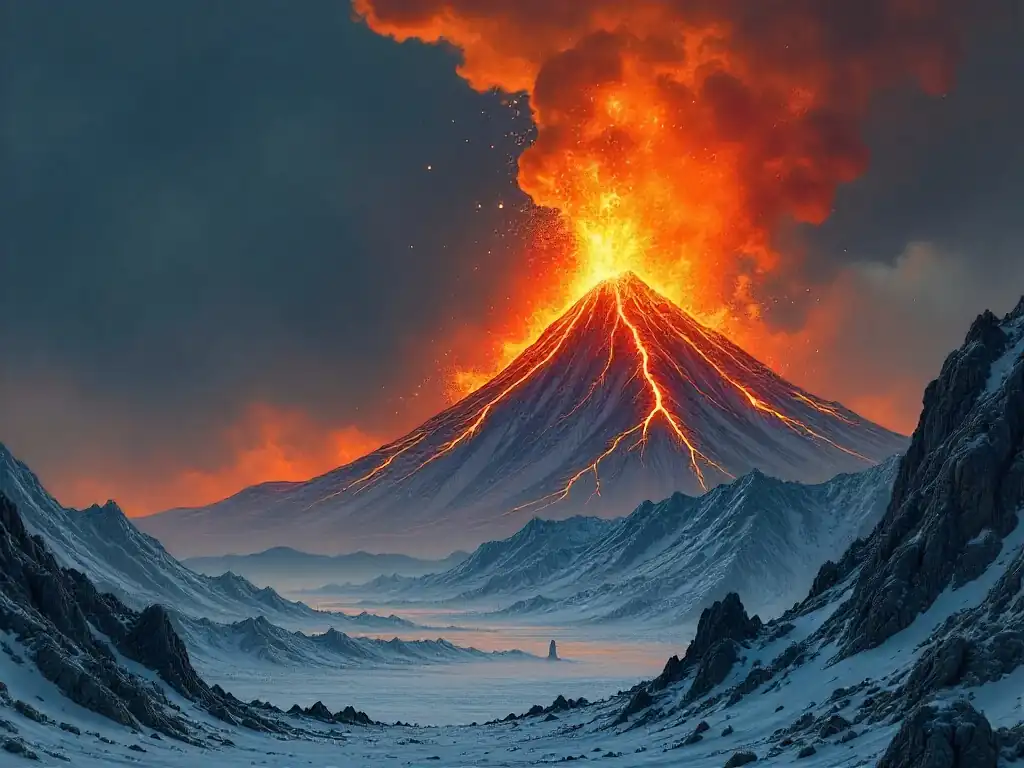
Welcome to Volcano Explorers, where the Earth breathes fire and the very ground beneath our feet tells a story of immense power. Ever wondered if a volcanic eruption could trigger a pandemic? Today, we delve into a chilling chapter of history: The Year Without a Summer, and explore the disturbing link between volcanoes climate change impact and the potential for climate-driven disease outbreaks. Are we doomed to repeat the past? Unearth the truth now, and brace yourself for a revelation that will forever change how you view these fiery giants.
- Laki's Legacy: Volcanic Eruptions, Climate, and the French Revolution's Famine
- Introduction: Unveiling the Link Between Volcanic Eruptions, Climate Change, and Societal Upheaval
- Laki's Eruption (1783-1784): A Catalyst for Climate Change in Europe
- Volcanic Eruptions and Societal Instability: Exploring Potential Mechanisms
- The French Revolution's Famine: Examining the Evidence
- Volcanoes, Climate Change, and Modern Societal Risks
- Conclusion: Understanding the Complex Interplay of Volcanoes, Climate, and Social Resilience
-
Frequently Asked Questions
- What is the main connection between volcanoes and climate change?
- How can a volcanic eruption lead to a "Year Without a Summer"?
- What role might volcanoes play in the spread of disease?
- Besides cooling, what other climate impacts can volcanoes have?
- What can volcanologists do to better understand the volcanoes climate change impact?
- Final Reflection: Echoes of Eruption, Whispers of Change
- Unearth the Past, Secure Our Future: Take Climate Action Now!
Laki's Legacy: Volcanic Eruptions, Climate, and the French Revolution's Famine
Introduction: Unveiling the Link Between Volcanic Eruptions, Climate Change, and Societal Upheaval
Volcanic eruptions, among nature's most formidable displays of power, have long been recognized for their immediate and devastating local impacts. However, the reach of these events extends far beyond the pyroclastic flows and ashfalls. Emerging research increasingly highlights the profound influence of major volcanic eruptions on global climate patterns, and consequently, on the delicate fabric of human societies. The eruption of Iceland's Laki fissure in 1783 serves as a stark historical example, suggesting a compelling link between volcanic activity, climate change impact, and widespread societal disruption, potentially even contributing to the tumultuous events of the French Revolution.
This article delves into the intricate relationship between volcanic eruptions, climate change, and societal instability, using the Laki eruption as a central case study. We will explore how this massive volcanic event triggered significant climate anomalies in Europe, leading to widespread famine and economic hardship.
Furthermore, we will investigate the potential mechanisms through which such climate-driven crises can exacerbate existing social tensions and contribute to large-scale societal upheavals. By examining historical events through the lens of volcanoes climate change impact, we aim to gain a deeper understanding of the complex interplay between natural disasters, environmental shifts, and human history, drawing lessons that remain relevant in our contemporary world.
Laki's Eruption (1783-1784): A Catalyst for Climate Change in Europe
The Eruption of Laki: Magnitude, Impact, and Atmospheric Effects
The year 1783 witnessed the onset of one of the largest basaltic fissure eruptions in recorded history: the Laki eruption in Iceland. Beginning in June and lasting for eight months, this colossal event released an estimated 14.7 cubic kilometers of lava and vast quantities of volcanic gases into the atmosphere.
Unlike explosive eruptions that propel ash high into the stratosphere, Laki was primarily effusive, characterized by the outpouring of lava, but it was the unprecedented volume of sulfur dioxide (SO2) and other gases that had the most far-reaching consequences. Scientists estimate that Laki emitted approximately 120 million kilograms of sulfur dioxide per day at its peak, dwarfing even modern industrial emissions for that period and representing a significant pulse of atmospheric pollution.
The sheer scale of gas emissions from Laki had immediate and devastating local effects in Iceland. The "Móðuharðindin," or "Mist Hardships," as the period is known in Iceland, saw acid rain poisoning crops and pastures, leading to the death of over 50% of Iceland's livestock and subsequent famine that killed roughly 25% of the island's human population. However, the impact of Laki was not confined to Iceland. The massive release of sulfur dioxide into the troposphere had profound repercussions for the climate of Europe and beyond, initiating a chain of events that extended across continents and years.
Global Cooling and the "Laki Haze": A Devastating Climate Shift in Europe
The sulfur dioxide emitted by Laki reacted with water vapor in the atmosphere to form sulfate aerosols, microscopic particles that reflect sunlight back into space. This process led to a phenomenon known as "volcanic cooling," where a significant eruption can temporarily lower global average temperatures. In the summer of 1783, a peculiar "dry fog" or "haze," later attributed to the Laki eruption, descended across Europe, from Scandinavia to Italy.
Contemporary accounts describe a reddish-brown haze that obscured the sun, reducing sunlight intensity significantly. Benjamin Franklin, then in Paris, noted the unusual summer conditions and correctly attributed them to a volcanic eruption, observing the persistent haze and its impact on solar heating.
The "Laki haze" was not merely an aesthetic phenomenon; it signified a tangible and impactful climate shift. Temperatures across Europe plummeted. England experienced its coldest summer since 1740, with average temperatures in July and August dropping by approximately 1.5°C.
Continental Europe fared even worse, with some regions experiencing temperature reductions of up to 3°C. This abrupt and substantial cooling had devastating consequences for agriculture, disrupting growing seasons and leading to widespread crop failures. The volcanoes climate change impact in 1783 was not a long-term shift, but a sharp, impactful shock that exposed the vulnerabilities of European societies to climate variability.
Volcanic Eruptions and Societal Instability: Exploring Potential Mechanisms
Climate Change as a Driver of Famine and Economic Crisis
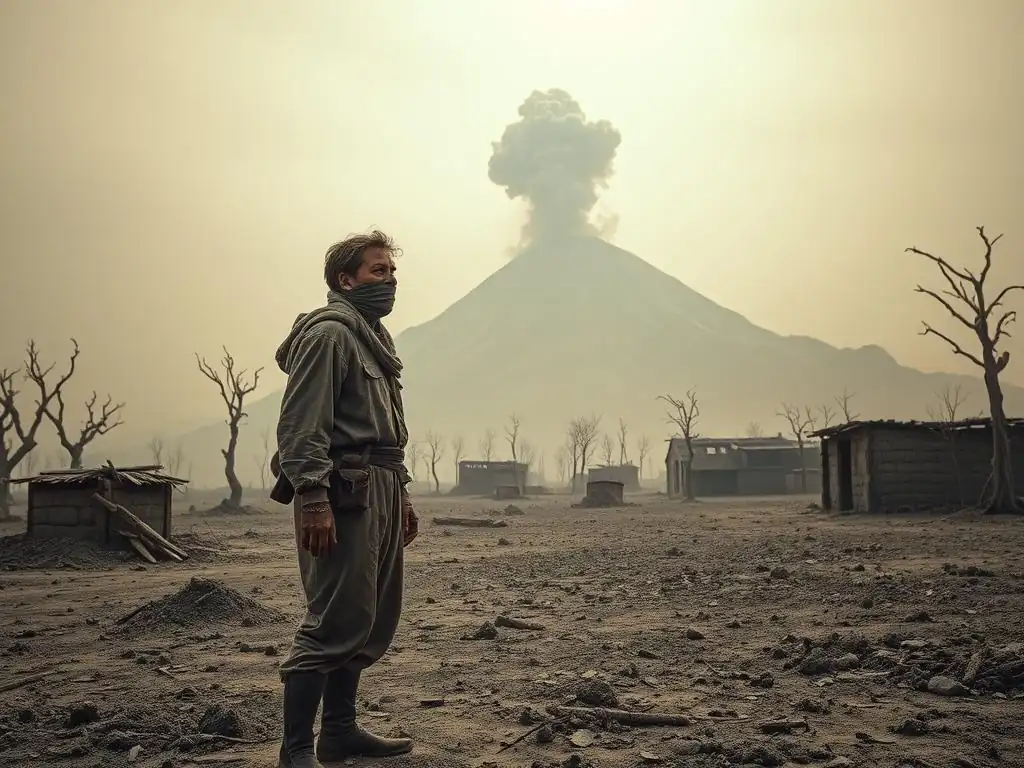
Volcanic eruptions, by inducing rapid climate change, can act as powerful catalysts for societal instability, primarily through their impact on food production and economic systems. The sudden cooling and altered precipitation patterns caused by volcanic aerosols can severely disrupt agricultural cycles. Reduced sunlight and lower temperatures shorten growing seasons, delay harvests, and diminish crop yields. In pre-industrial societies, heavily reliant on agriculture, these disruptions translate directly into food shortages and escalating food prices, triggering widespread famine.
Famine, in turn, is a potent driver of economic crisis. Beyond the immediate human suffering, food scarcity leads to increased mortality, reduced labor productivity, and social unrest. Economic activities dependent on agriculture, such as trade and related industries, suffer significantly. The disruption of agricultural economies can ripple through the entire societal structure, leading to economic depression, increased poverty, and social stratification. Historical examples, beyond Laki, such as the Tambora eruption of 1815 and its subsequent "Year Without a Summer," further illustrate this pattern of volcanoes climate change impact leading to famine and economic hardship globally.
Beyond immediate climate shifts, volcanic eruptions can also trigger longer-term environmental degradation that exacerbates societal vulnerability. Acid rain, a direct consequence of volcanic gas emissions, damages forests, acidifies lakes and rivers, and contaminates soil. This environmental damage can further reduce agricultural productivity and deplete natural resources, impacting livelihoods and increasing competition for scarce resources. The "Laki haze" itself, composed of sulfuric acid aerosols, contributed to respiratory problems and potentially increased mortality rates in already vulnerable populations.
Furthermore, environmental degradation weakens societal resilience to future shocks. Damaged ecosystems are less capable of providing essential services, such as clean water and fertile land. Populations weakened by malnutrition and disease are less able to cope with further environmental stresses or economic downturns. Thus, the environmental legacy of a volcanic eruption can create a cycle of vulnerability, making societies more susceptible to future crises, whether natural or societal in origin. Understanding this long-term environmental impact is crucial to fully grasping the broader societal consequences of volcanoes climate change impact.
The Role of Volcanic Aerosols in Agricultural Decline and Resource Scarcity
Volcanic aerosols, particularly sulfate aerosols, play a critical role in driving agricultural decline and resource scarcity following large eruptions. As discussed, these aerosols reduce solar radiation reaching the Earth's surface, directly impacting photosynthesis, the fundamental process of plant growth. Reduced sunlight translates to lower crop yields across a wide range of agricultural systems. Furthermore, sulfate aerosols can alter precipitation patterns, leading to droughts in some regions and excessive rainfall in others, further disrupting agricultural production.
Beyond direct impacts on crops, volcanic aerosols can also affect livestock and fisheries. Acid rain contaminates pastures and water sources, harming animals directly and reducing forage quality. Ocean acidification, though a longer-term effect primarily linked to carbon dioxide emissions, can also be influenced by volcanic sulfur emissions, impacting marine ecosystems and fish stocks, a crucial food source for many populations.
The combined effects of reduced crop yields, livestock losses, and potential disruptions to fisheries contribute to widespread food scarcity and resource competition, amplifying social stresses and increasing the risk of conflict and societal breakdown. The intricate web of volcanoes climate change impact on agriculture and resources highlights the cascading consequences of these natural events.
The French Revolution's Famine: Examining the Evidence
France in the late 1780s was already teetering on the brink of social and political upheaval. Years of extravagant royal spending, costly wars, and an inequitable tax system had plunged the nation into deep financial crisis. The burden of taxation fell disproportionately on the Third Estate – the commoners, including peasants, urban workers, and the bourgeoisie – while the privileged First and Second Estates (clergy and nobility) enjoyed exemptions.
This systemic inequality fueled widespread resentment and social unrest. Compounding the financial woes were a series of poor harvests in the years leading up to 1789, driven by factors including weather variability and agricultural practices.
By the late 1780s, bread prices, the staple food for the majority of the French population, had been steadily rising, placing immense pressure on the already struggling lower classes. Unemployment was also rampant, particularly in urban centers, further exacerbating poverty and social tensions. This pre-revolutionary crisis created a volatile environment ripe for explosion. The existing social and economic grievances, coupled with food insecurity, set the stage for the dramatic events that would unfold in 1789, culminating in the French Revolution.
The Laki Eruption's Impact on French Agriculture and Food Supply
The Laki eruption of 1783, with its profound climate impact on Europe, occurred during this period of pre-revolutionary crisis in France. The "Laki haze" and associated cooling significantly affected the French growing season. Historical records indicate that 1783 was a year of poor harvests across France, with reduced yields of wheat, rye, and other staple crops. While not the sole cause, the volcanic-induced climate anomaly exacerbated the existing agricultural vulnerabilities of France. The already strained food supply was further diminished, driving up bread prices even higher.
The winter of 1788-1789 was particularly harsh in France, compounding the agricultural crisis. A severe frost destroyed olive and wine production in many regions, and further damaged grain crops. By the spring of 1789, France was facing a full-blown food crisis, with widespread famine in many rural areas and skyrocketing bread prices in cities like Paris. This dramatic increase in food costs, directly linked to poor harvests partly attributable to the volcanoes climate change impact of Laki, became a major catalyst for popular discontent and played a crucial role in igniting the French Revolution.
Linking Laki to the Revolution: A Complex Web of Causation
While it is overly simplistic to claim that the Laki eruption caused the French Revolution, the evidence strongly suggests that it was a significant contributing factor, operating within a complex web of pre-existing social, economic, and political tensions. The volcanic-induced climate anomaly exacerbated the already precarious food situation in France, triggering a severe famine that pushed the population to the brink. Skyrocketing bread prices fueled popular anger and resentment towards the ruling elite, who were perceived as indifferent to the suffering of the common people.
The famine of 1788-1789 acted as a powerful accelerant to the revolutionary process. It provided the immediate material grievance that mobilized the masses and transformed simmering discontent into open rebellion.
The storming of the Bastille in July 1789, a pivotal moment in the revolution, occurred against the backdrop of widespread food shortages and popular hunger. Thus, while the French Revolution was a complex event with multiple interacting causes, the volcanoes climate change impact of the Laki eruption, through its contribution to famine and societal stress, likely played a more significant role than previously acknowledged in triggering this pivotal moment in European history.
Volcanoes, Climate Change, and Modern Societal Risks
The Increasing Frequency and Intensity of Climate Extremes
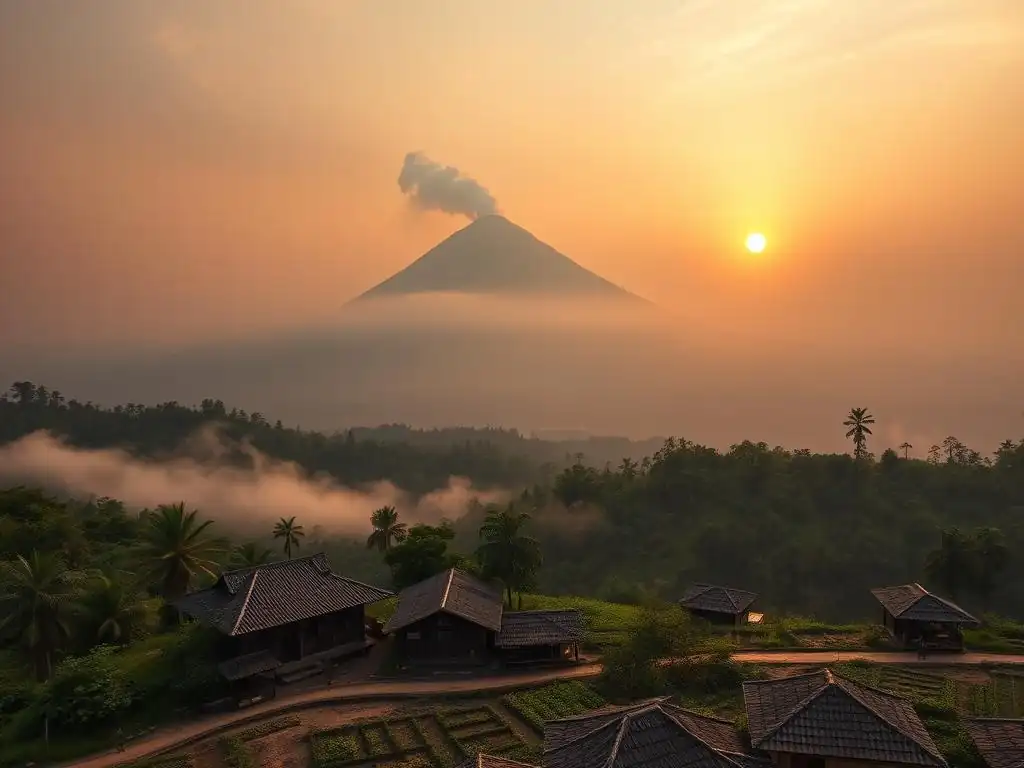
In our contemporary world, marked by anthropogenic climate change, understanding the societal impacts of volcanoes climate change impact becomes even more critical. While volcanic eruptions are natural events beyond human control, the background context of a rapidly changing climate amplifies the risks associated with them. Climate change is already increasing the frequency and intensity of extreme weather events such as heatwaves, droughts, floods, and storms. These climate extremes are placing growing stress on agricultural systems, infrastructure, and social safety nets globally.
When a major volcanic eruption occurs in this already stressed global system, the potential for cascading societal impacts is significantly heightened. A volcanic eruption-induced climate shock could exacerbate existing vulnerabilities, triggering food crises, mass migrations, and social unrest in regions already struggling with climate change impacts. The interconnectedness of the modern world, through global trade and communication networks, means that the effects of a volcanic eruption in one region can rapidly propagate across the globe, creating complex and unpredictable challenges.
Given the potential for volcanoes climate change impact to trigger societal instability, preparedness and mitigation strategies are crucial. Enhanced monitoring of volcanic activity is essential for providing early warnings of impending eruptions, allowing for timely evacuations and reducing immediate casualties. Investing in resilient agricultural systems, capable of withstanding climate shocks, is also paramount. This includes diversifying crops, improving water management, and developing drought-resistant varieties.
Furthermore, strengthening social safety nets and disaster relief mechanisms is critical for mitigating the societal consequences of volcanic eruptions and associated climate shocks. This includes establishing food reserves, improving emergency response capabilities, and providing financial assistance to vulnerable populations. International cooperation is also vital, as the impacts of major volcanic eruptions can transcend national borders. Sharing data, resources, and expertise is crucial for effectively responding to these global challenges and building greater societal resilience to both volcanic hazards and the broader impacts of climate change.
The Laki eruption of 1783 stands as a powerful historical reminder of the complex and far-reaching consequences of volcanoes climate change impact. It demonstrates how a natural event, seemingly localized in Iceland, could trigger climate anomalies across Europe, contributing to famine, economic hardship, and potentially even influencing major societal upheavals like the French Revolution. While the link between Laki and the French Revolution is complex and multifaceted, the eruption undoubtedly exacerbated existing vulnerabilities and acted as a catalyst for social unrest.
In our contemporary world, facing the challenges of anthropogenic climate change, understanding this interplay between volcanoes, climate, and social resilience is more important than ever. As climate extremes become more frequent and intense, the potential for volcanic eruptions to trigger cascading societal crises increases.
By learning from historical events like the Laki eruption, investing in preparedness and mitigation strategies, and fostering international cooperation, we can strive to build more resilient societies capable of weathering both natural and human-induced environmental challenges. The legacy of Laki is a call for vigilance, preparedness, and a deeper understanding of the intricate connections between the Earth's natural systems and the trajectory of human history.
Frequently Asked Questions
What is the main connection between volcanoes and climate change?
Volcanic eruptions can release large amounts of sulfur dioxide into the atmosphere, which forms sulfate aerosols. These aerosols reflect sunlight back into space, leading to a temporary cooling effect on global temperatures.
How can a volcanic eruption lead to a "Year Without a Summer"?
Large eruptions, especially those that inject sulfur dioxide into the stratosphere, can cause a significant decrease in global temperatures for several years. This cooling can disrupt weather patterns and lead to crop failures, hence the term "Year Without a Summer".
What role might volcanoes play in the spread of disease?
Climate disruptions caused by volcanic eruptions, such as extreme weather events and crop failures, can weaken populations and increase their vulnerability to disease. This can create conditions that favor the spread of existing diseases or the emergence of new ones.
Besides cooling, what other climate impacts can volcanoes have?
Volcanic eruptions can influence precipitation patterns, leading to droughts or floods in different regions. They can also affect ocean currents and atmospheric circulation, further contributing to climate variability.
What can volcanologists do to better understand the volcanoes climate change impact?
Volcanologists use a combination of monitoring techniques, such as satellite observations and ground-based measurements, to track volcanic activity and assess the amount of gases released. They also use climate models to simulate the impact of eruptions on global temperatures and weather patterns.
Final Reflection: Echoes of Eruption, Whispers of Change
The historical narrative of 1816, the "Year Without a Summer," serves as a stark reminder that volcanic eruptions are not merely geological events, but potent drivers of global climate and, consequently, societal vulnerability. The chilling impact of Tambora's eruption, as explored throughout this article, continues to resonate today, highlighting the interconnectedness of our planet's systems and the potential for climate-driven disruptions to exacerbate existing challenges, including the spread of disease.
The lessons learned from "The Year Without a Summer" extend far beyond historical curiosity. Understanding the intricate relationship between volcanoes, climate change, and disease is crucial for building resilience in a world facing increasing environmental pressures. The past offers a powerful lens through which to view our present and future. Those who cannot remember the past are condemned to repeat it.
- George Santayana. This quote underscores the urgency of studying historical climate anomalies to better prepare for the challenges that lie ahead.
As we navigate an era defined by climate change, let us remember the profound impact of past volcanic eruptions. Consider how the lessons from "The Year Without a Summer" can inform our actions today. Reflect on the interconnectedness of our planet and the importance of proactive measures to mitigate the risks of climate-driven pandemics. Let us strive to build a more resilient and sustainable future, one where we are better prepared to face the inevitable challenges that nature presents.
Unearth the Past, Secure Our Future: Take Climate Action Now!
Thank you for exploring the fascinating connection between volcanic eruptions, climate shifts, and historical pandemics. We hope you've gained a deeper understanding of how these events have shaped our world and continue to pose a threat. Now, let's put this knowledge into action!
Here's how you can contribute to a safer future:
- Dive Deeper into Climate Research: Actively support scientific studies focused on the intersection of volcanic activity, climate change, and disease outbreaks. Understanding these complex relationships is crucial for predicting and mitigating future risks. This is a vital step in building a more resilient future.
- Share Your Knowledge: Educate your friends, family, and community about the impact of past volcanic events on global health. Start conversations about climate change and the importance of preparedness.
- Join the Volcano Explorers Community: Share your thoughts, ask questions, and connect with fellow enthusiasts in our online forum. Let's learn and grow together!
What innovative solutions can we implement to build more resilient communities in the face of future climate and volcanic-related challenges? Share your ideas in the comments below!