
The Shadow of Krakatoa: How a Volcano Changed Global Culture and Beliefs

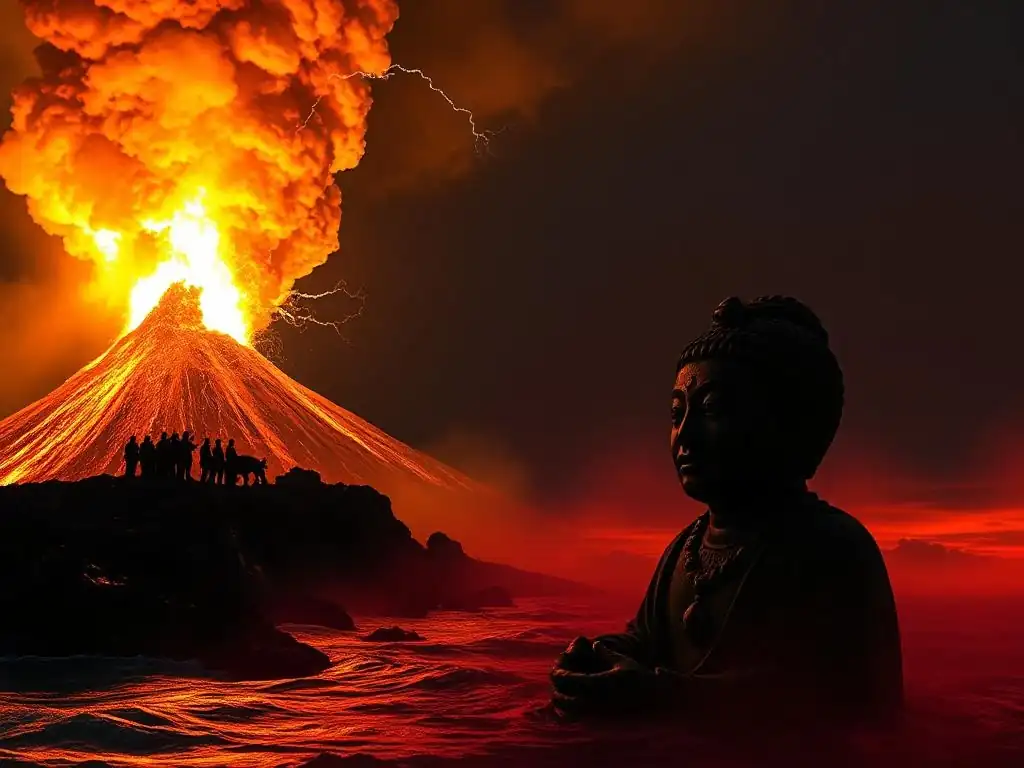
Welcome to Volcano Explorers, where fiery depths meet human fascination.
Did you know a single volcanic eruption could ripple through cultures and beliefs worldwide? Delve into the captivating story of how one infamous volcano, Krakatoa, didn't just reshape landscapes, but also left an indelible mark on global culture. Uncover the surprising ways this eruption continues to echo in our art, literature, and even our fears. Are you ready to explore the shadow of Krakatoa?
- Introduction: Krakatoa's Eruption and its Lasting Legacy
- The 1883 Eruption: A Global Cataclysm
- Cultural and Societal Responses to Krakatoa
- Literary and Artistic Representations of Krakatoa
- The Enduring Impact of Krakatoa on Cultural Memory
- Conclusion: Krakatoa's Continuing Resonance
-
Frequently Asked Questions
- What was the primary impact of the Krakatoa eruption on global culture?
- How did the Krakatoa eruption influence art and literature?
- Did the Krakatoa eruption affect religious beliefs?
- What role did communication technologies play in shaping the cultural impact of Krakatoa?
- Besides fear, what positive cultural impacts, if any, resulted from the Krakatoa eruption?
- Final Reflection: Echoes of Krakatoa
- Ignite Your Curiosity: Explore Volcanoes and Their Impact!
Introduction: Krakatoa's Eruption and its Lasting Legacy
The name Krakatoa, or Krakatau as it is also known, resonates with a deep and primal fear, conjuring images of unimaginable volcanic power. This small, unassuming island located in the Sunda Strait between Java and Sumatra, Indonesia, became globally infamous in 1883 due to one of the most catastrophic volcanic eruptions in recorded history. More than just a geological event, the eruption of Krakatoa transcended geographical boundaries, leaving an indelible mark on global culture and beliefs.
Its impact extended far beyond the immediate devastation, shaping societal perceptions of natural disasters, inspiring artistic expressions, and even influencing scientific understanding of our planet. The shadow of Krakatoa, cast by its ash and amplified by its cultural echoes, continues to loom large, reminding us of the awesome and terrifying power of nature.
The 1883 Eruption: A Global Cataclysm
The Volcanic Event: Explosion and Aftermath
On the morning of August 27, 1883, the world witnessed a series of colossal explosions emanating from Krakatoa. The final, and most devastating, eruption is estimated to have been equivalent to 200 megatons of TNT, making it thousands of times more powerful than the atomic bomb dropped on Hiroshima. The sound was heard as far away as Rodriguez Island, near Mauritius, approximately 4,800 kilometers (3,000 miles) across the Indian Ocean.
The eruption obliterated most of the island of Krakatoa, sending cubic miles of rock, ash, and pumice into the atmosphere. Pyroclastic flows and massive tsunamis were generated, devastating coastlines in Java and Sumatra. The immediate aftermath was catastrophic, with estimates placing the death toll at over 36,000 people, primarily due to the tsunamis.
The volcanic event itself was a complex sequence of escalating activity over several months, culminating in the paroxysmal eruption. Prior to the main event, smaller eruptions and earthquakes had been reported in the region. On August 26th, a significant increase in activity was noted, leading to increasingly violent explosions throughout the day and night.
The final, cataclysmic eruption destroyed much of the volcanic edifice, leaving behind only a remnant island and a massive underwater caldera. The eruption ejected vast quantities of sulfur dioxide gas into the stratosphere. This had profound global consequences, affecting weather patterns and creating spectacular atmospheric phenomena for years to come.
Global Reach: Tsunamis, Climate Change, and "Volcanic Sunsets"
The immediate impact of the Krakatoa eruption was felt across the globe. The tsunamis generated by the eruption were recorded on tide gauges as far away as South America and even the English Channel. Coastal areas of Java and Sumatra were completely overwhelmed, with waves reaching heights of over 40 meters (130 feet). Ships were carried inland, villages were wiped out, and entire communities were decimated. The sheer scale of the destruction demonstrated the terrifying power of volcanically generated tsunamis and highlighted the interconnectedness of the world's oceans.
Beyond the immediate devastation, the Krakatoa eruption triggered a period of global climate disruption. The massive injection of sulfur dioxide into the stratosphere formed a haze of sulfuric acid aerosols that reflected sunlight back into space. This resulted in a measurable decrease in global average temperatures over the following years.
More dramatically, the aerosols caused spectacular sunsets and sunrises around the world for months, even years, after the eruption. These "volcanic sunsets," often described as intensely red and vivid, were widely reported and even depicted in paintings of the time, becoming a striking and unsettling reminder of the distant catastrophe. The phenomenon was so pronounced that it contributed to a period known as the "long winter" in some regions, impacting agricultural harvests and further emphasizing the far-reaching consequences of the Krakatoa eruption.
Cultural and Societal Responses to Krakatoa
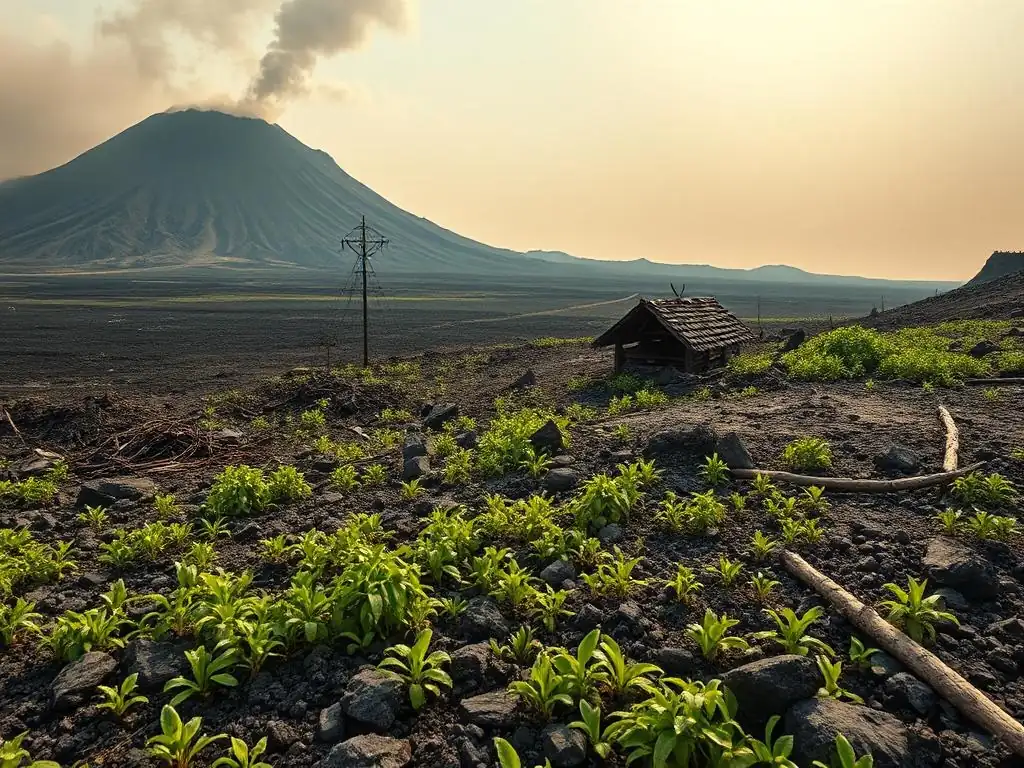
Fear and Wonder: The Initial Reactions
The news of the Krakatoa eruption spread rapidly across the globe, facilitated by the burgeoning telegraph networks of the late 19th century. Initial reactions were a mixture of fear and wonder. For those living in the affected regions, the experience was one of unimaginable terror and loss. Survivors recounted stories of deafening explosions, towering waves, and skies darkened by ash for days.
The sheer scale of the destruction instilled a deep sense of vulnerability and highlighted the unpredictable nature of natural forces. Even for those far removed from the immediate disaster zone, the news of Krakatoa evoked a sense of awe and apprehension. Newspapers around the world carried detailed accounts of the eruption, often sensationalizing the events and contributing to a growing public fascination with volcanic phenomena.
The vivid descriptions of the eruption and its aftermath captured the public imagination. The "volcanic sunsets" became a global conversation starter, prompting scientific inquiries and artistic interpretations. For many, the eruption served as a stark reminder of the power of nature to dwarf human endeavors. It challenged the prevailing sense of Victorian-era optimism and progress, underscoring the fragility of civilization in the face of such immense natural forces. The eruption of Krakatoa, therefore, not only caused physical destruction but also triggered a profound psychological and cultural response, forcing societies to confront their relationship with the natural world.
The Rise of Apocalyptic Beliefs and Religious Interpretations
In the late 19th century, a period of rapid industrialization and social change, the Krakatoa eruption was interpreted by some as a sign of divine wrath or an omen of impending apocalypse. Religious leaders and commentators, particularly in more fundamentalist circles, saw the catastrophe as a punishment for societal sins or a harbinger of the end times. The dramatic sunsets, the prolonged period of atmospheric disturbance, and the sheer scale of death and destruction were all seen as fitting elements of biblical prophecies of doom. Sermons and religious tracts circulated, interpreting Krakatoa as a divine warning and urging repentance.
This apocalyptic interpretation was not universally accepted, but it resonated with certain segments of society already grappling with anxieties about modernity and societal upheaval. The eruption provided a tangible and dramatic example of nature's destructive power, reinforcing pre-existing fears of societal collapse and divine judgment. While mainstream scientific and secular interpretations focused on geological processes and meteorological effects, the religious and apocalyptic interpretations of Krakatoa highlight the diverse ways in which societies make sense of large-scale disasters, often through existing cultural and belief systems.
Krakatoa as a Symbol of Nature's Power
Beyond religious interpretations, the Krakatoa eruption became a potent symbol of nature's raw, untamed power. In an age of increasing technological advancement, the volcano served as a stark reminder of the limitations of human control over the natural world. The sheer force of the eruption, dwarfing any human-made explosion of the time, underscored the insignificance of human endeavors in the face of such geological forces. Krakatoa became synonymous with natural catastrophe, representing the potential for sudden and overwhelming destruction inherent in the planet itself.
This symbolic power extended beyond immediate fear to encompass a broader sense of awe and respect for nature. For some, Krakatoa was not just a destructive force but also a manifestation of the Earth's dynamic and transformative processes. The eruption, while devastating, was also a powerful demonstration of the planet's geological activity, reminding humanity of the deep-seated forces shaping the world we inhabit. This duality – of fear and respect, destruction and creation – became central to the cultural understanding of volcanoes and natural disasters in the wake of Krakatoa.
Literary and Artistic Representations of Krakatoa
Krakatoa in Literature: Fiction and Poetry
The dramatic narrative of the Krakatoa eruption, with its explosive climax and global reach, proved to be fertile ground for literary imagination. Almost immediately after the event, fictional accounts and poems began to emerge, drawing inspiration from the real-life catastrophe. These works often explored themes of human vulnerability, the power of nature, and the fragility of civilization. Some authors used Krakatoa as a backdrop for tales of adventure and survival, while others focused on the psychological and emotional impact of the disaster on individuals and communities.
One notable example is the children's book "Twenty Thousand Leagues Under the Sea" by Jules Verne, published in 1870, before the Krakatoa eruption but containing a scene where the Nautilus narrowly escapes a volcanic eruption in the Sunda Strait. While predating the actual event, this scene resonated powerfully with readers after 1883, effectively becoming associated with Krakatoa in the public imagination.
More directly inspired works included poems and short stories that captured the terror and awe of the eruption, often employing vivid imagery and dramatic language to convey the scale of the event. Krakatoa became a literary motif, representing both destruction and the sublime power of the natural world.
Krakatoa in Visual Arts: Paintings, Photography, and Film
The visual spectacle of the Krakatoa eruption, particularly the "volcanic sunsets," left a lasting impression on artists worldwide. Paintings from the period, inspired by the atmospheric phenomena, often depict intensely red and orange skies, reflecting the aerosol-induced scattering of sunlight. These artworks serve as both artistic expressions and historical records of the eruption's global reach. The vibrant and unusual colors of the sunsets became a recurring motif in landscape paintings for several years after 1883, capturing the public fascination with the atmospheric aftereffects of the volcano.
Photography, a relatively new technology at the time, also played a role in documenting and disseminating images of the disaster. While direct photographs of the eruption itself are scarce, images of the devastated landscapes and the aftermath of the tsunamis were widely circulated, bringing the reality of the catastrophe into homes around the world. In later years, Krakatoa has continued to inspire visual artists and filmmakers.
Documentaries and fictional films have explored the eruption, often utilizing special effects to recreate the explosive events and their devastating impact. The visual representation of Krakatoa, from paintings of fiery sunsets to cinematic depictions of volcanic fury, has contributed significantly to its cultural legacy.
The "Krakatoa Effect" on Scientific Understanding
The Krakatoa eruption was not only a cultural phenomenon but also a significant event for the scientific community. The sheer scale and global reach of the eruption provided unprecedented opportunities for scientific observation and analysis. Meteorologists studied the atmospheric effects of the volcanic aerosols, leading to a better understanding of stratospheric circulation and the impact of volcanic eruptions on global climate. Seismologists analyzed the seismic waves generated by the eruption, contributing to the development of seismology as a science. Oceanographers studied the tsunamis, gaining valuable insights into the dynamics of these destructive waves.
The eruption also spurred advancements in volcanology itself. Scientists traveled to the region to study the remnants of Krakatoa and the surrounding geological formations. The event prompted further research into volcanic processes, eruption mechanisms, and the prediction of volcanic hazards. The "Krakatoa Effect," as it might be termed, was to accelerate scientific inquiry into various earth science disciplines, pushing the boundaries of knowledge and contributing to a more comprehensive understanding of the planet's dynamic systems. The eruption served as a natural laboratory, providing invaluable data and stimulating scientific progress in the late 19th and early 20th centuries.
The Enduring Impact of Krakatoa on Cultural Memory
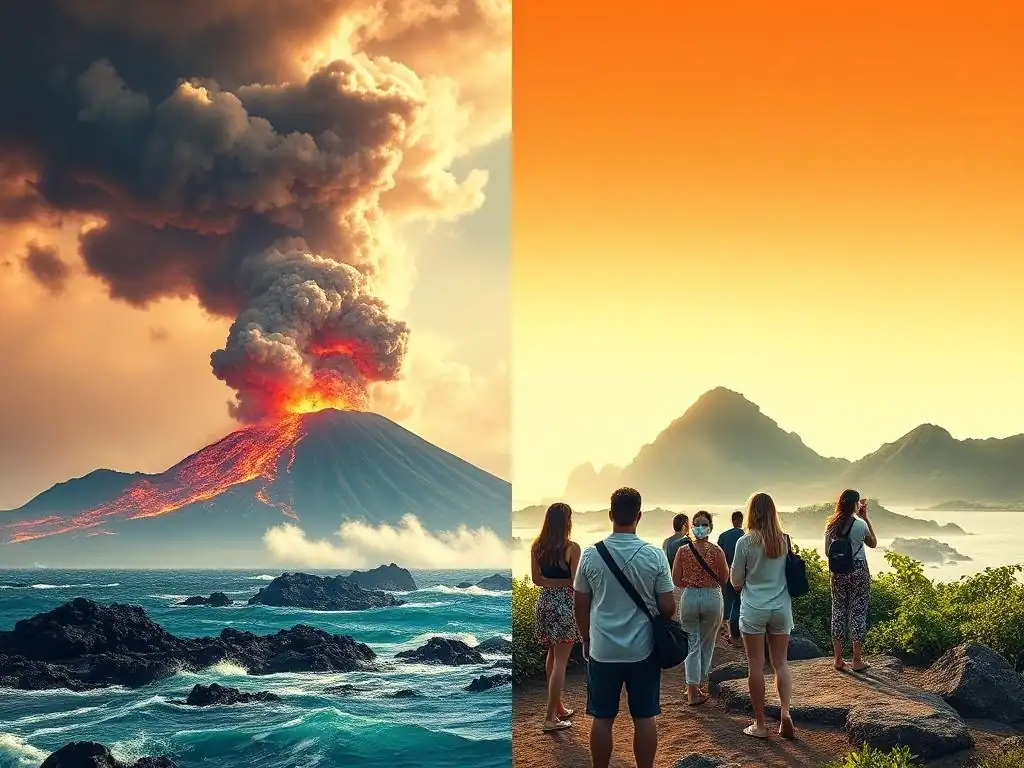
Krakatoa in Popular Culture: Myths and Legends
Even decades after the event, the Krakatoa eruption continues to resonate in popular culture, albeit often in simplified or mythologized forms. The name "Krakatoa" itself has become synonymous with large volcanic eruptions and natural disasters in general. It is often invoked in fictional contexts to represent a catastrophic event, even when the specific details of the 1883 eruption are not accurately portrayed. The sheer drama and scale of the event have cemented its place in collective memory, transforming it into a cultural touchstone for discussions of natural power and environmental catastrophe.
Legends and myths have also grown around Krakatoa, often exaggerating the scale of the eruption or attributing supernatural elements to the event. These narratives, while not always historically accurate, reflect the enduring fascination with the volcano and its dramatic history. In some popular culture representations, Krakatoa is depicted as a monstrous or mythical entity, embodying the untamed forces of nature. This mythologizing process further contributes to the cultural impact of Krakatoa, ensuring its continued relevance in the popular imagination.
Lessons from Krakatoa: Preparedness and Risk Perception
The Krakatoa eruption served as a stark and brutal lesson in the importance of disaster preparedness and risk perception. The catastrophic loss of life and the widespread devastation highlighted the vulnerability of coastal communities to volcanic tsunamis and the need for effective early warning systems. While 19th-century technology was limited, the experience of Krakatoa spurred efforts to improve communication networks and develop better methods for monitoring volcanic activity and predicting potential hazards.
In the 21st century, with advances in volcanology, seismology, and communication technology, the lessons of Krakatoa remain highly relevant. Volcanic monitoring networks are now in place around the world, providing real-time data on volcanic activity. Tsunami warning systems have been developed, capable of detecting and disseminating alerts for potential tsunami-generating events.
Public education campaigns aim to raise awareness of volcanic hazards and promote preparedness measures in at-risk communities. The enduring legacy of Krakatoa is not just one of destruction but also one of learning and adaptation, driving ongoing efforts to mitigate the risks posed by volcanoes and other natural hazards.
Conclusion: Krakatoa's Continuing Resonance
The eruption of Krakatoa in 1883 was more than just a geological event; it was a global cataclysm that reverberated through culture, science, and society. From the immediate terror and devastation to the long-lasting atmospheric effects and the subsequent cultural and artistic responses, Krakatoa left an indelible mark on the world. Its impact extended from shaping apocalyptic beliefs to inspiring scientific advancements, and from fueling artistic creativity to highlighting the critical need for disaster preparedness.
The shadow of Krakatoa, cast by its ash and amplified by its cultural echoes, continues to stretch across time, serving as a potent reminder of the awesome and sometimes terrifying power of nature and the enduring human need to understand and adapt to the forces that shape our planet. Krakatoa's story remains a vital part of our collective memory, a testament to both the destructive potential and the sublime grandeur of the natural world.
Frequently Asked Questions
What was the primary impact of the Krakatoa eruption on global culture?
The eruption of Krakatoa in 1883 had a profound impact, primarily through the spread of panic and superstition across the globe. It led to widespread belief in divine punishment and the end of the world.
How did the Krakatoa eruption influence art and literature?
The dramatic atmospheric effects, like vivid sunsets and strange weather, inspired numerous artists and writers. Many works incorporated themes of destruction, awe, and the power of nature influenced by the event.
Did the Krakatoa eruption affect religious beliefs?
Yes, for many, the eruption reinforced existing religious beliefs or led to the adoption of new ones. Some saw it as divine wrath, while others sought new spiritual interpretations to explain the disaster and its global reach.
What role did communication technologies play in shaping the cultural impact of Krakatoa?
The telegraph allowed news of the eruption and its aftermath to spread rapidly around the world. This instant global communication amplified the sense of fear and uncertainty and created a shared global experience of the disaster.
Besides fear, what positive cultural impacts, if any, resulted from the Krakatoa eruption?
While fear was a major factor, the eruption also spurred scientific inquiry and a greater understanding of volcanism. It also highlighted the interconnectedness of the world, leading to increased international cooperation in disaster relief.
Final Reflection: Echoes of Krakatoa
The eruption of Krakatoa in 1883 was more than just a geological event; it was a seismic shift that reverberated through the world, leaving an indelible mark on culture and belief. The enduring power of Krakatoa lies not just in its destructive force, but in its ability to shape our collective memory and understanding of nature's potential. Its impact continues to resonate today, reminding us of the fragility of our existence and the profound interconnectedness of our planet.
The cultural landscape was irrevocably altered by Krakatoa. From the surge in apocalyptic literature to the subtle shifts in artistic expression, the volcano's shadow stretched far beyond the immediate devastation. Witnessing the enduring fascination with Krakatoa underscores the human need to understand and grapple with events that challenge our sense of control and order. The earth is not a mere fragment of dead history, stratum upon stratum like the leaves of a book, to be studied by geologists and antiquaries chiefly, but living poetry like the leaves of a tree, which precede flowers and fruit - not a fossil earth, but a living earth.
- Henry David Thoreau. This quote encapsulates the enduring relevance of Krakatoa, reminding us that our planet is a dynamic force, constantly shaping our lives and beliefs.
Let us not forget the lessons learned from Krakatoa. As we navigate an era of increasing environmental awareness and climate change, the volcano serves as a stark reminder of the power of nature and the importance of respecting its boundaries. Consider how the story of Krakatoa can inform your own perspective on the world around you.
How can you contribute to a greater understanding of our planet's delicate balance and work towards a future where humanity and nature coexist in harmony? Embrace the spirit of resilience and adaptation that emerged in the wake of Krakatoa, and let it inspire you to face the challenges of our time with courage and hope.
Ignite Your Curiosity: Explore Volcanoes and Their Impact!
Thanks for joining us on this fascinating journey through the cultural and geological ripple effects of Krakatoa. We hope this exploration has ignited your curiosity about the profound ways volcanoes shape our world. Ready to dive deeper?
Here are a few ways you can continue your exploration:
- Delve into the Past: Research other historical volcanic eruptions and their lasting cultural impacts. Compare and contrast their effects with Krakatoa's, focusing on specific art, literature, or belief systems. This is your primary action!
- Share Your Insights:Share this article with your friends, family, or social media followers. Help spread awareness about the power and influence of volcanic events.
- Join the Conversation: Contribute to our Volcano Explorers community. Search online for "Volcano Explorers forum" and start a discussion about the unexpected connections between geology and global culture.
What lesser-known cultural impact of a volcanic eruption has most surprised or intrigued you, and how could we learn more about it?