
Volcanic Gods and Goddesses: Deities of Fire and Fury in Art and Mythology

Welcome to Volcano Explorers!
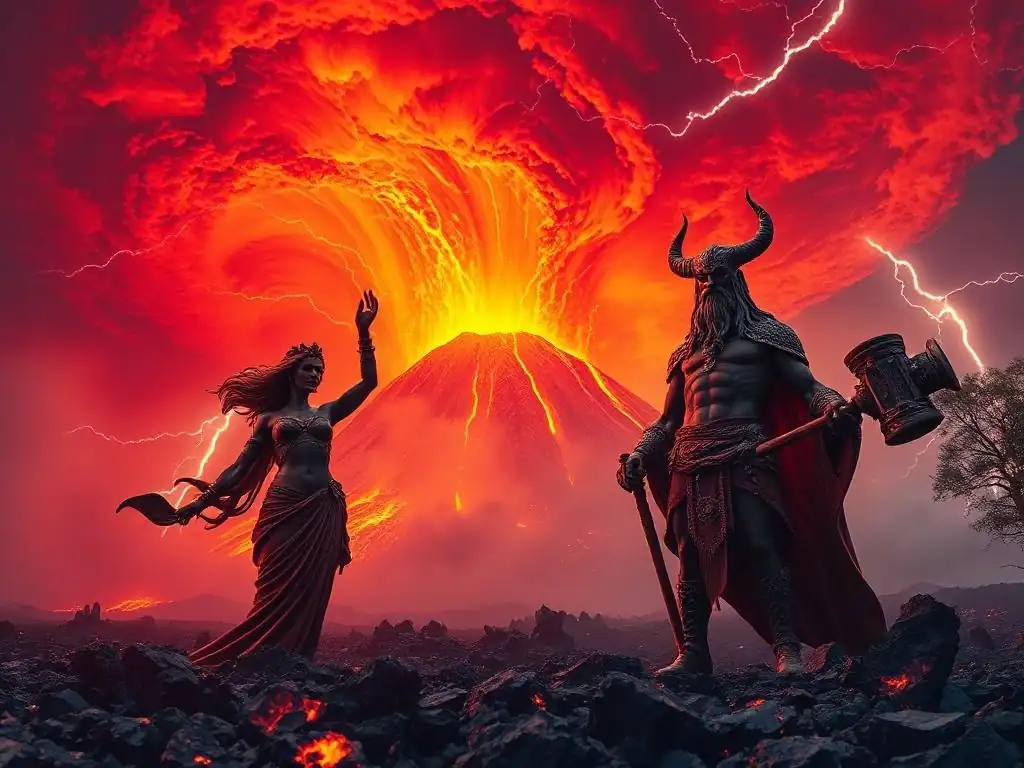
Ever wondered who whispers to the molten heart of the Earth? Prepare to journey beyond the science and into the realm of legend, where fire and fury are personified. This exploration delves into the captivating mythology of volcanic deities, revealing the gods and goddesses who once commanded the very forces that shape our world. Unearth their stories, their power, and their enduring influence – a story as old as the volcanoes themselves. Read on, and discover the fiery pantheon that dwells within...
- Introduction to the Mythology of Volcanic Deities
- Prominent Volcanic Gods and Goddesses Across Cultures
- The Symbolism of Fire and Fury: Deities of Destruction and Creation
- Volcanic Deities in Art: Representing Power and Spectacle
- The Enduring Legacy of Volcanic Deities in Modern Culture
- Conclusion: Understanding the Deep Connection Between Humanity and Volcanic Deities
-
Frequently Asked Questions
- What is the significance of volcanic deities in mythology?
- Why are volcanoes associated with gods and goddesses?
- Which cultures have prominent volcanic deities in their mythology?
- How are volcanic deities typically depicted in art?
- Does VolcanoExplorers.org offer information about the mythology of volcanic deities?
- Final Reflection: Echoes of Volcanic Power
- Unearth Your Inner Fire: Explore the Volcanic World Further!
Introduction to the Mythology of Volcanic Deities
Volcanoes: A Source of Awe, Fear, and Divine Inspiration
Volcanoes, with their earth-shattering eruptions and rivers of molten rock, have captivated and terrified humanity since the dawn of time. These geological powerhouses, capable of both creation and destruction, have profoundly shaped landscapes and human civilizations. For ancient peoples, witnessing a volcanic eruption was an experience imbued with immense spiritual significance. The sheer scale of these events, the dramatic display of fire and ash reaching skyward, and the ground trembling beneath their feet, inspired a sense of awe and fear that naturally led to their incorporation into mythologies and religious beliefs.
The unpredictable and often violent nature of volcanic activity made it easy to associate these phenomena with supernatural forces or divine beings. Ancient cultures, lacking scientific understanding of plate tectonics and magma chambers, sought explanations within their existing frameworks of gods and spirits. Volcanoes became seen as manifestations of divine power, places where the earthly realm intersected with the celestial or underworld. This perception fueled the development of rich mythologies centered around volcanic deities, figures who embodied the raw power of these natural wonders and held sway over fire, earth, and the very forces of creation and destruction.
The Role of Volcanic Deities in Ancient Cultures
In ancient cultures across the globe, volcanic deities served a crucial role in explaining the inexplicable and mediating between humans and the volatile forces of nature. These deities were not merely symbolic representations of volcanoes; they were believed to be actively responsible for volcanic activity, controlling eruptions, lava flows, and the associated phenomena of earthquakes and geothermal vents. By personifying these powerful forces, ancient societies sought to understand, appease, and even influence the behavior of volcanoes.
The mythology of volcanic deities provided a framework for coping with the unpredictable dangers of living near active volcanic regions. Through rituals, prayers, and offerings, people hoped to earn the favor of these powerful gods and goddesses, ensuring protection from destructive eruptions and securing blessings for fertile lands enriched by volcanic ash.
The stories and legends surrounding these deities served as both explanations of the natural world and moral lessons, often emphasizing the need for respect towards the environment and the divine forces that governed it. In essence, the mythology of volcanic deities was integral to the cultural, religious, and social fabric of societies living under the shadow of these magnificent and formidable geological features.
Prominent Volcanic Gods and Goddesses Across Cultures
Vulcan: The Roman God of Fire and the Forge
Vulcan, known as Hephaestus in Greek mythology, held a prominent position in the Roman pantheon as the god of fire, metalworking, volcanoes, and the forge. His domain extended to the transformative power of fire, both in its destructive and creative aspects. Represented as the divine blacksmith, Vulcan was credited with crafting magnificent weapons, armor, and jewelry for gods and heroes alike.
His forge was often imagined to be located beneath volcanoes, with the fiery eruptions being attributed to his divine smithing activities. The Romans linked volcanic activity directly to Vulcan's powerful workshop, believing that the rumbling and spewing of volcanoes were the sounds and sights of the god at work.
Vulcan's importance in Roman religious life is evident in the establishment of the Volcanalia, an annual festival held on August 23rd. This festival was dedicated to honoring Vulcan and seeking his favor to prevent destructive fires, particularly during the hot and dry summer months when the risk of conflagrations was high in Rome. Temples and altars dedicated to Vulcan were constructed throughout the Roman Empire, often located near sites associated with fire or industry. His influence permeated various aspects of Roman life, from military endeavors reliant on his crafted weapons to everyday activities involving fire and metal tools.
Vulcan's Artistic Representations: Pompeian Frescoes and Sculptures
The artistic depictions of Vulcan in Roman art, particularly in frescoes from Pompeii and Herculaneum, offer valuable insights into how the Romans visualized this powerful deity. Often portrayed as a muscular, bearded man, Vulcan is typically depicted with the tools of his trade: a hammer, tongs, and anvil. Frescoes found in Pompeian workshops and homes frequently feature scenes from Vulcan's forge, showcasing his divine craftsmanship and associating him with the skills of human artisans.
Sculptures of Vulcan, while less common than frescoes, further emphasize his strength and connection to fire. Statues often depict him in a dynamic pose, actively working at his forge or holding a newly crafted piece of armor. The use of bronze, a metal associated with fire and forging, was particularly apt for representing Vulcan in sculptural form. These artistic representations served not only as religious icons but also as reminders of the power and importance of fire and craftsmanship in Roman society, with Vulcan embodying both the divine and practical aspects of these essential elements.
Pele: The Hawaiian Goddess of Volcanoes and Fire
Pele, a central figure in Hawaiian mythology, reigns as the goddess of volcanoes, fire, lightning, and wind. Her fiery temperament and immense power are intrinsically linked to the volcanic landscape of the Hawaiian Islands. Pele is believed to reside in the Halemaʻumaʻu crater at the summit of Kīlauea volcano, on the Big Island of Hawaiʻi, considered her sacred dwelling place. Her presence is palpable in the islands' volcanic activity, with eruptions seen as manifestations of her anger, passion, and creative force.
Pele's mythology is rich with stories of her travels across the Hawaiian Islands, her rivalries with other deities, and her shaping of the land through volcanic eruptions. She is a complex figure, embodying both destructive and creative energies. While capable of unleashing devastating lava flows and earthquakes, Pele is also revered as a creator of new land, as volcanic eruptions continually add to the size and formation of the islands. Her stories are passed down through generations in oral traditions, chants, and hula performances, keeping her vibrant presence alive in Hawaiian culture.
Pele's Legend: Creation, Destruction, and Respect
The legends of Pele are filled with dramatic tales that illustrate her dual nature and demand respect for her power. One prominent legend recounts Pele's journey from Kahiki (a mythical ancestral homeland) to Hawaiʻi, seeking a permanent home. Her fiery temper led to conflicts with her siblings and other deities, resulting in volcanic eruptions and the formation of various geological features across the islands. These stories often serve as explanations for the volcanic landscape and the distribution of lava flows.
Pele's destructive capabilities are vividly depicted in myths recounting her fiery outbursts and the devastation they can cause. However, her legends also emphasize the creative aspect of volcanic activity. Lava flows, while destructive in the short term, ultimately create new land and fertile soil. This duality is central to the Hawaiian understanding of Pele, who is both feared and revered. Respect for Pele is deeply ingrained in Hawaiian culture, with traditional practices including offerings and avoidance of disrespectful actions near volcanic areas, demonstrating an understanding of the delicate balance between creation and destruction embodied by the volcano goddess.
Pele in Modern Hawaiian Art and Culture
Pele's influence extends far beyond ancient mythology, remaining a vital and potent force in modern Hawaiian art and culture. Contemporary Hawaiian artists frequently draw inspiration from Pele's legends and imagery, incorporating her into paintings, sculptures, music, and performance art. Her fiery persona and connection to the land resonate deeply with modern Hawaiians, serving as a symbol of cultural identity and the enduring power of nature.
Pele's image is often used to represent the spirit of Hawaiʻi itself, embodying the volcanic origins and dynamic energy of the islands. She appears in contemporary hula performances, where dancers interpret her stories and movements, keeping her legends alive for new generations. Furthermore, Pele's mythology informs contemporary environmental consciousness in Hawaiʻi, emphasizing the need for balance and respect for the natural world. Her enduring presence in modern art and culture underscores the profound and lasting impact of volcanic deities on human societies.
Etna: The Sicilian Nymph and Personification of Mount Etna
In the mythology of Sicily, Mount Etna, one of Europe's most active volcanoes, is personified by the nymph Etna. Unlike purely divine figures, Etna is often depicted as a beautiful nymph associated with the mountain itself, embodying its grandeur and volatile nature. While not as widely worshipped as deities like Vulcan or Pele, Etna holds a significant place in Sicilian folklore and ancient Greek and Roman literature, representing the powerful and awe-inspiring presence of the volcano.
Etna's mythology blends Greek and Roman traditions, reflecting Sicily's rich history. She is sometimes described as a daughter of Uranus and Gaia, placing her among the primordial deities of the earth and sky. Other accounts link her to Oceanus and Tethys, titans of the ocean, further emphasizing her connection to the elemental forces of nature. Regardless of her parentage, Etna embodies the spirit of the volcano, representing its beauty, danger, and the constant threat and promise of its volcanic activity.
The Mythological Origins of Mount Etna: The Story of Typhon and Enceladus
The mythological origins of Mount Etna are often intertwined with tales of powerful giants, specifically Typhon and Enceladus, in Greek mythology. These monstrous figures, who challenged the Olympian gods, were said to be imprisoned beneath Mount Etna, their struggles causing earthquakes and volcanic eruptions. These myths provided a dramatic explanation for the volcano's activity, attributing it to the immense power and rage of these imprisoned giants.
According to one prominent myth, Zeus, after defeating Typhon, trapped him beneath Mount Etna. Typhon's fiery breath and restless movements were believed to be the cause of the volcano's eruptions and seismic activity. Similarly, another giant, Enceladus, was also said to be buried under Etna, his sighs and groans manifesting as the mountain's rumblings. These myths served to personify the volcano's power as the result of a divine struggle, linking the natural phenomenon of volcanic eruptions to epic battles between gods and giants, further emphasizing the perceived divine or supernatural nature of these events.
Other Volcanic Deities and Spirits: Brief Overview of Examples from Around the World
Beyond the well-known figures of Vulcan, Pele, and Etna, numerous other cultures across the globe have developed their own unique volcanic deities and spirits, reflecting the widespread impact of volcanoes on human societies. These lesser-known figures, while not as prominent in Western mythology, offer valuable insights into the diverse ways in which different cultures have interpreted and mythologized volcanic phenomena. From Asia to Africa and the Americas, volcanic deities embody the specific cultural and environmental contexts in which they arose.
These diverse examples showcase the universal human tendency to ascribe divine agency to powerful natural forces like volcanoes. The specific characteristics and stories associated with these deities vary widely, reflecting the unique cultural beliefs and environmental contexts of each region. However, they share a common thread: the recognition of volcanoes as potent and awe-inspiring forces that demand explanation, respect, and often, propitiation.
Examples of Volcanic Spirits from Asia, Africa, and the Americas
In Japan, Fujin, while primarily known as the god of wind, is also associated with Mount Fuji, a sacred volcano. Mount Fuji itself is revered as a kami, a divine spirit, embodying the power and beauty of nature. In Indonesian mythology, Batara Kala is a powerful deity often linked to earthquakes and volcanic eruptions, reflecting the archipelago's intense seismic and volcanic activity. Among some indigenous groups in the Philippines, spirits residing in volcanoes are believed to control eruptions and are appeased through rituals and offerings.
In Africa, particularly in regions with volcanic mountains like Cameroon, local traditions often feature spirits or deities associated with specific volcanoes. These spirits are believed to inhabit the mountains and control their eruptions, requiring respect and sometimes offerings to maintain harmony. In Mesoamerica, the Aztecs worshipped Xiuhtecuhtli, the god of fire, who was associated with volcanoes and the hearth.
His fiery power was seen as both destructive and essential for warmth and sustenance. Similarly, in Andean cultures, volcanic peaks were often considered sacred apus, mountain spirits, some of which were directly linked to volcanic activity and worshipped for their power over the land.
The Symbolism of Fire and Fury: Deities of Destruction and Creation
The Dual Nature of Volcanic Deities: Creation and Destruction
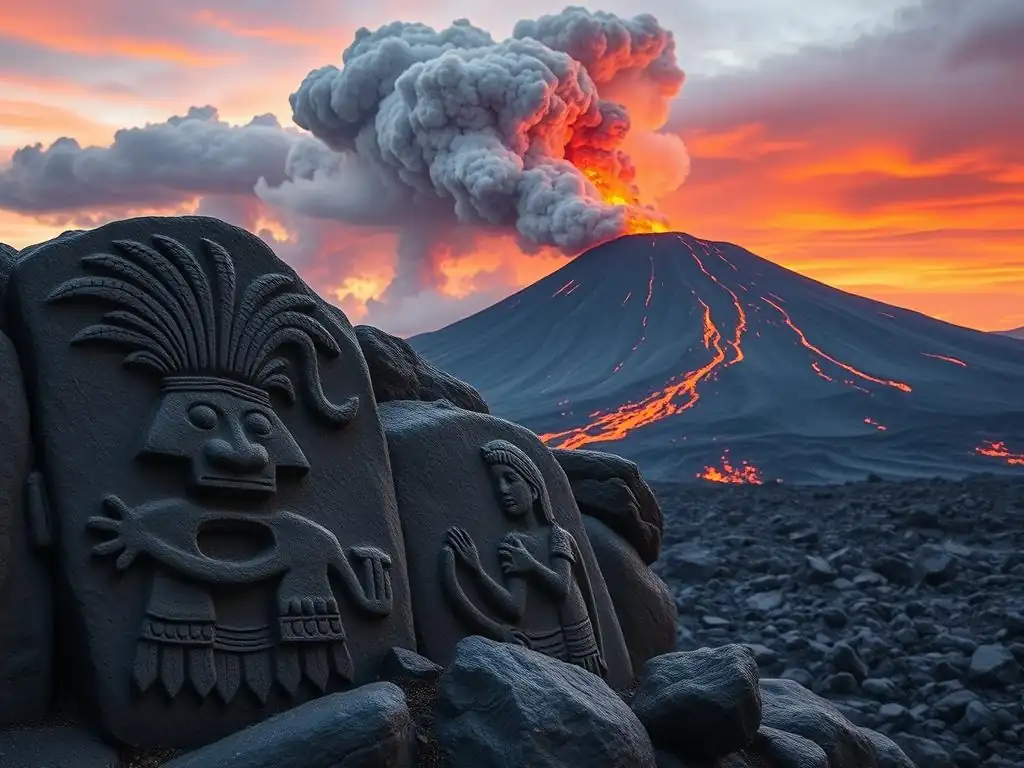
A defining characteristic of volcanic deities across cultures is their inherent duality, embodying both destructive and creative forces. This reflects the very nature of volcanoes, which are capable of unleashing devastating eruptions yet simultaneously contribute to the creation of new land and fertile soils. Volcanic deities are rarely seen as purely benevolent or malevolent; instead, they embody a complex interplay of these opposing forces, mirroring the ambivalent relationship humans have with volcanic landscapes.
This dual nature is evident in the stories and attributes associated with these deities. Pele, for example, is known for her fiery temper and destructive eruptions, yet she is also revered as the creator of new landmass in Hawaiʻi. Vulcan's fire can forge powerful weapons but also consume cities. This inherent duality is not a contradiction but rather a reflection of the natural world itself, where destruction and creation are often intertwined processes. Volcanic deities, therefore, serve as powerful symbols of this dynamic balance, reminding humanity of the constant cycle of change and transformation inherent in nature.
Fire as a Symbol: Purification, Renewal, and Transformation
Fire, the element most closely associated with volcanic deities, holds deep symbolic meaning across cultures. Beyond its literal properties of heat and light, fire is often interpreted as a force of purification, renewal, and transformation. This symbolism is deeply connected to the destructive and creative aspects of volcanic activity. Volcanic eruptions, while devastating, can clear away old growth, making way for new life to emerge from the nutrient-rich volcanic ash. In this sense, volcanic fire can be seen as a purifying force, cleansing the land and preparing it for renewal.
Furthermore, fire is a transformative element, capable of changing the form of materials and driving processes of change. Vulcan's forge exemplifies this transformative power, shaping raw materials into valuable tools and objects. Similarly, the fiery processes within volcanoes transform molten rock into new landforms. This transformative aspect of fire resonates with the idea of spiritual transformation and renewal, making volcanic deities powerful symbols of change, rebirth, and the cyclical nature of life. The fiery nature of these deities, therefore, is not simply an attribute of destruction but also a potent symbol of positive change and regeneration.
The Power of Eruption: Divine Wrath and Natural Forces
Volcanic eruptions, with their immense power and dramatic displays of natural force, have often been interpreted as manifestations of divine wrath or the raw power of nature personified. For ancient societies lacking scientific explanations, the sudden and violent eruption of a volcano seemed to be a clear sign of divine intervention, a display of anger or displeasure from the gods. Volcanic deities, therefore, became associated with punishment, retribution, and the unpredictable forces of the natural world.
The imagery of fire, ash, and molten rock raining down from the sky naturally evokes a sense of destruction and divine judgment. Myths often depict volcanic eruptions as consequences of human transgressions or divine conflicts, reinforcing the idea that these events are not random but rather purposeful acts of a powerful deity.
However, beyond divine wrath, volcanic eruptions also represent the sheer power of nature, a force far greater than human control. Volcanic deities embody this untamed power, reminding humanity of its vulnerability in the face of natural forces and the importance of respecting the delicate balance of the environment.
Volcanic Deities in Art: Representing Power and Spectacle
Art Depicting Volcanic Eruptions and Divine Intervention
The dramatic and awe-inspiring nature of volcanic eruptions, combined with the perceived presence of powerful deities, has made volcanoes a recurring subject in art throughout history. From ancient frescoes to contemporary paintings, artists have sought to capture the spectacle of volcanic eruptions and the perceived intervention of volcanic deities in these events. These artistic representations serve not only as visual records of volcanic phenomena but also as interpretations of their cultural and religious significance.
Ancient Roman frescoes, for instance, sometimes depict scenes of Mount Vesuvius erupting, possibly with subtle allusions to Vulcan's power. While not always explicitly depicting volcanic deities, these artworks convey the awe and terror associated with volcanic eruptions. In later periods, particularly during the Romantic era, artists like J.M.W. Turner captured the sublime power of volcanoes in dramatic paintings, often emphasizing the overwhelming forces of nature. Artistic depictions of volcanic eruptions often blend realism with symbolic representation, conveying both the physical spectacle and the deeper cultural and spiritual meanings attributed to these events.
The Use of Color and Light to Convey the Power of Volcanic Deities
Artists depicting volcanic deities and eruptions frequently employ specific techniques of color and light to convey the power and spectacle associated with these subjects. The use of vibrant, contrasting colors, particularly reds, oranges, yellows, and blacks, is crucial in representing the fiery and dramatic nature of volcanic activity. These colors evoke the heat, intensity, and visual impact of lava flows, ash plumes, and the glow of molten rock.
The manipulation of light and shadow is equally important in conveying the power of volcanic deities. Dramatic lighting, often contrasting bright highlights with deep shadows, can emphasize the scale and dynamism of volcanic eruptions and the imposing presence of divine figures.
The use of chiaroscuro, the strong contrast between light and dark, is particularly effective in creating a sense of drama and awe, reflecting the overwhelming and sometimes terrifying power associated with volcanic phenomena and their divine rulers. Through skillful use of color and light, artists can translate the raw energy and spectacle of volcanoes into visually compelling and emotionally resonant artworks.
Specific Art Examples: Paintings, Sculptures, and Other Media
While direct depictions of volcanic deities in art are less frequent than representations of volcanic eruptions themselves, certain artworks offer compelling examples of how these figures have been visualized. Pompeian frescoes, as previously mentioned, often feature Vulcan in scenes of his forge, associating him with the fiery power of volcanoes. Although not explicitly depicting an eruption, these frescoes connect Vulcan directly to the source of volcanic fire.
In Hawaiian art, representations of Pele are prevalent, ranging from traditional carvings and kapa cloth designs to contemporary paintings and sculptures. These depictions often emphasize Pele's fiery hair, her dynamic movements, and her connection to the volcanic landscape. Contemporary Hawaiian artists continue to explore Pele's imagery, creating diverse interpretations that reflect her enduring cultural significance. Beyond paintings and sculptures, volcanic deities can also be found represented in other media, such as theatrical performances, dances, and even digital art, demonstrating the ongoing artistic fascination with these powerful figures and their fiery domains.
The Enduring Legacy of Volcanic Deities in Modern Culture
Volcanic Mythology in Literature and Film
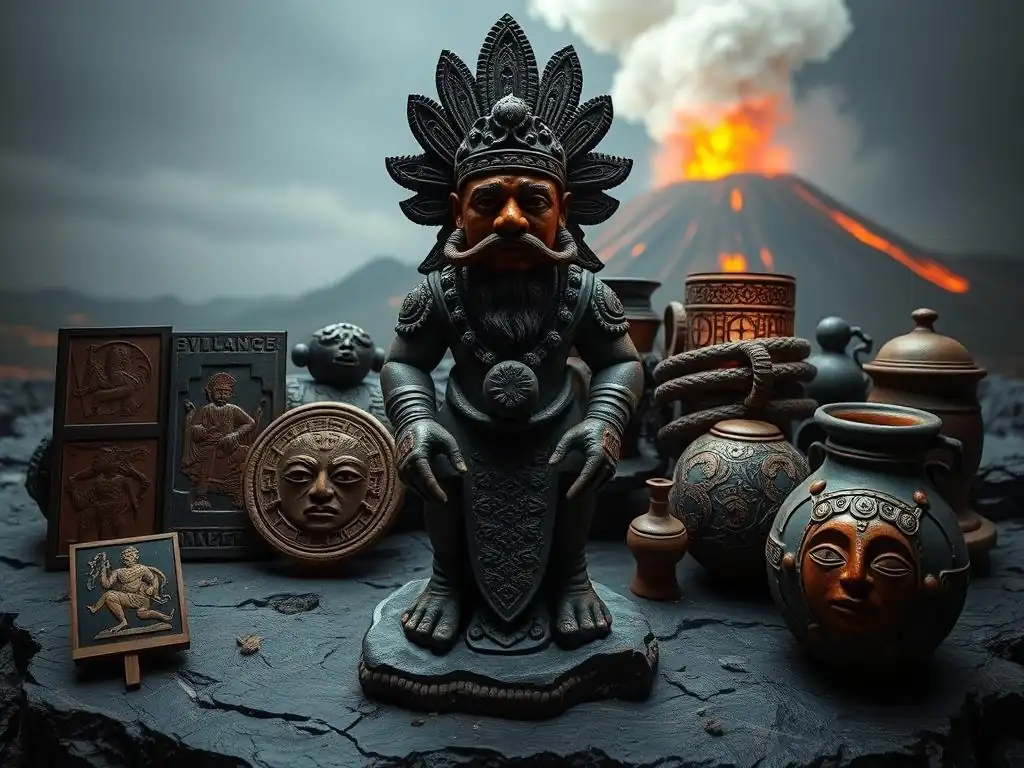
The rich mythology surrounding volcanic deities continues to resonate in modern literature and film, demonstrating the enduring power of these ancient narratives. Volcanoes and volcanic themes often appear as metaphors for intense emotions, destructive forces, or transformative events in storytelling. Volcanic deities themselves, or characters inspired by them, sometimes make appearances, adding a layer of mythological depth to contemporary narratives.
In literature, volcanoes can symbolize inner turmoil, suppressed emotions erupting to the surface, or the destructive potential of unchecked passions. Volcanic landscapes are often used to create dramatic and otherworldly settings, enhancing the sense of danger and spectacle in stories. Similarly, in film, volcanoes provide visually stunning backdrops for action, adventure, and disaster scenarios. The dramatic imagery of volcanic eruptions and the mythological associations with powerful deities lend themselves well to cinematic storytelling, captivating audiences with their raw power and visual spectacle.
The Influence of Volcanic Deities on Contemporary Art
Contemporary artists continue to draw inspiration from volcanic deities and the mythology surrounding them. In a world increasingly aware of environmental issues and the power of natural forces, volcanic deities resonate as potent symbols of both destruction and creation, reminding us of the dynamic and sometimes volatile relationship between humanity and the natural world. Contemporary artists explore these themes through diverse media, from painting and sculpture to performance art and digital installations.
Some artists directly reference specific volcanic deities like Pele or Vulcan, reinterpreting their myths and imagery in contemporary contexts. Others use volcanic themes more abstractly, exploring the symbolic potential of fire, lava, and volcanic landscapes to represent broader concepts such as transformation, environmental change, or the power of the Earth. The enduring appeal of volcanic deities to contemporary artists highlights their continued relevance as powerful cultural symbols and sources of creative inspiration.
Respecting Volcanoes and Their Cultural Significance: Ethical Considerations for Volcano Explorers
For those drawn to explore volcanoes, whether for scientific study, adventure, or artistic inspiration, understanding and respecting the cultural significance of volcanic deities is crucial. Volcanoes are not merely geological formations; they are often sacred sites, imbued with deep cultural and spiritual meaning for local communities. Especially in cultures where volcanic deities hold prominent roles, approaching volcanoes with respect and sensitivity is paramount.
Ethical volcano exploration involves acknowledging and honoring the cultural significance of these sites. This includes being mindful of local traditions, seeking permission before entering sacred areas, and avoiding actions that could be considered disrespectful or desecrating. Understanding the mythology of volcanic deities can enrich the experience of volcano exploration, fostering a deeper appreciation for the complex relationship between humanity and these powerful natural wonders and promoting responsible and culturally sensitive engagement with volcanic landscapes.
Conclusion: Understanding the Deep Connection Between Humanity and Volcanic Deities
The mythology of volcanic deities reveals a profound and enduring connection between humanity and volcanoes. Across diverse cultures and throughout history, people have sought to understand and interact with these awe-inspiring forces of nature by personifying them as gods and goddesses. These deities, embodying the dual nature of volcanoes as agents of both destruction and creation, reflect the complex human experience of living in volcanic landscapes.
By studying the mythology of volcanic deities, we gain valuable insights into how different cultures have interpreted natural phenomena, constructed meaning around powerful forces, and developed spiritual frameworks for understanding their place in the world. This exploration not only enriches our understanding of cultural history but also fosters a deeper appreciation for the ongoing dialogue between humanity and the dynamic, often volatile, yet ultimately life-giving power of volcanoes.
Frequently Asked Questions
What is the significance of volcanic deities in mythology?
Volcanic deities represent the powerful and unpredictable forces of nature. They often embody creation and destruction, reflecting the dual nature of volcanoes themselves.
Why are volcanoes associated with gods and goddesses?
Early civilizations often lacked the scientific understanding of volcanic activity, attributing eruptions to the wrath or favor of powerful deities. These gods and goddesses were seen as controlling the Earth's inner fire.
Which cultures have prominent volcanic deities in their mythology?
Many cultures, including Roman (Vulcan), Hawaiian (Pele), and Japanese (Kagutsuchi), feature significant volcanic deities. These figures often reflect the local volcanic landscape and its impact on the community.
How are volcanic deities typically depicted in art?
Volcanic deities are often portrayed with fiery imagery, such as flames, lava, and smoke. They may also be depicted with tools of blacksmithing or warfare, reflecting their power and connection to the Earth's core.
Does VolcanoExplorers.org offer information about the mythology of volcanic deities?
Yes, VolcanoExplorers.org delves into the mythology of volcanic deities to help visitors delve into the dramatic and awe-inspiring world of volcanoes. It offers educational content on the different types of volcanoes, famous eruptions throughout history, and how volcanologists study these powerful phenomena.
Final Reflection: Echoes of Volcanic Power
The stories we've explored, filled with volcanic gods and goddesses, are not simply relics of the past. They resonate even today, reminding us of the raw, untamed power that shapes our planet and, by extension, our lives. From Pele's fiery temper to Vulcan's masterful forge, these deities embody the forces that both create and destroy, forces that continue to influence our world through geological events and our collective imagination.
The mythology of volcanic deities has profoundly shaped our understanding of nature's duality. These narratives, passed down through generations, serve as a constant reminder of humanity's delicate position in the face of overwhelming natural forces. They also offer a framework for understanding creation and destruction as intertwined processes. The earth is not our plaything, but our mother. We must treat her with respect and reverence, for she holds the power of life and death within her fiery core.
This ancient wisdom, echoed in countless myths, urges us to acknowledge the profound connection between humanity and the volcanic landscapes that inspire both awe and fear.
Now, as you reflect on the stories of these powerful deities, consider the volcanoes in your own life – the passions that burn within you, the creative forces that demand expression, and the destructive tendencies that must be tempered. Embrace the fiery spirit of creation, but remember the importance of balance and respect for the immense power you wield. Let the mythology of volcanic deities inspire you to harness your inner fire for good, shaping a future where humanity and nature can coexist in harmony.
Unearth Your Inner Fire: Explore the Volcanic World Further!
Thank you for exploring the fascinating world of volcanic deities and their captivating stories. We hope you've gained a deeper appreciation for the powerful symbolism behind these figures and their enduring influence on art and culture. Now, let's keep that fiery spirit burning!
Here are a few ways to continue your volcanic adventure:
- Research a local volcano and share its history and mythology with friends and family. Bring the legends to life in your own community!
- Explore artwork inspired by volcanic deities. Visit a museum or browse online galleries to see creative interpretations of these powerful figures.
- Share your favorite volcanic deity story on social media using #VolcanoExplorers. Let's connect and celebrate these incredible legends!
Which deity resonated most with you, and how will you share their story? Tell us in the comments below!