
Kapoho Bay's Demise: The Underwater Transformation Caused by Kilauea's 2018 Lava Entry

Welcome to Volcano Explorers!
Prepare to be captivated by the raw power of Earth's fiery heart. The story of Kilauea's 2018 eruption is one of destruction and creation, a dramatic illustration of nature's untamed force. But what really happened when that molten river met the sea at Kapoho Bay? Join us as we plunge beneath the waves to uncover the lasting impact of the Kilauea 2018 lava entry, a transformation more profound than you might imagine. Are you ready to explore its submerged secrets?
- Introduction: Remembering Kapoho Bay Before the Kilauea 2018 Eruption
-
Frequently Asked Questions
- What was the main cause of Kapoho Bay's destruction in 2018?
- How did the Kilauea 2018 eruption impact the underwater environment of Kapoho Bay?
- What is the long-term effect of the Kilauea 2018 lava entry on Kapoho Bay's ecosystem?
- What made the Kilauea 2018 eruption and lava entry so significant?
- Can Kapoho Bay ever recover after the Kilauea 2018 lava entry?
- Final Reflection: Rebirth from Ruin
- Unearth Kapoho's Hidden Underwater Story!
Introduction: Remembering Kapoho Bay Before the Kilauea 2018 Eruption

A Hawaiian Paradise Lost: Setting the Scene of Kapoho Bay
Before the earth dramatically reshaped its coastline in 2018, Kapoho Bay on the southeastern tip of the Big Island of Hawai'i was a picture of tropical serenity. Nestled within the Puna District, this idyllic bay was renowned for its calm, crystal-clear waters, vibrant coral reefs, and abundant marine life. Protected from the open ocean by a natural lava rock barrier, Kapoho Bay offered exceptional snorkeling and diving conditions, drawing tourists and locals alike to its shores.
The area was characterized by a mix of residential communities, tide pools teeming with life, and unique geothermal features that made it a truly special place within the Hawaiian archipelago. Lush vegetation thrived in the fertile volcanic soil surrounding the bay, completing the image of a Hawaiian paradise.
Kapoho was not just visually stunning; it was also geographically unique. Situated in a low-lying rift zone of the Kilauea volcano, the area was geologically active, though not in a way that immediately threatened its tranquil existence – or so it seemed. The unique combination of volcanic terrain and coastal environment fostered a rich biodiversity. Warm, shallow waters nurtured delicate ecosystems, and the gentle waves lapped against shores lined with coconut palms and ironwood trees. For generations, Kapoho Bay represented a harmonious blend of natural beauty and community life, a treasured coastal haven in Hawai'i.
The Significance of Kapoho Bay: A Geothermal Oasis and Thriving Reef Ecosystem
Kapoho Bay’s significance extended far beyond its postcard-perfect appearance. It was a geothermal oasis, heated by naturally occurring underground springs, creating unique warm ponds and tide pools that supported an extraordinary array of life. These geothermal features, such as the famous Wai‘ōpae tide pools, were home to endemic species of fish and invertebrates adapted to the warmer waters. The area was particularly celebrated for its vibrant coral reefs, some of the healthiest and most biodiverse in Hawai'i. These reefs were not only visually stunning but also crucial for coastal protection, acting as natural buffers against wave energy and erosion.
The thriving reef ecosystem of Kapoho Bay was a critical habitat for a wide variety of marine species. Green sea turtles, Hawaiian monk seals, and various species of reef fish, including butterflyfish, parrotfish, and tangs, were commonly sighted in its waters. The reefs provided food and shelter, making Kapoho Bay an essential nursery and feeding ground.
Local fishermen depended on the bay's bounty, and its ecological health was intrinsically linked to the community's well-being. Furthermore, the geothermal waters supported unique microbial communities, adding another layer to the bay's ecological complexity and scientific interest. Kapoho Bay was, in essence, a natural laboratory and a vital component of Hawai'i's marine heritage, a testament to the delicate balance between volcanic activity and thriving ecosystems.
Kilauea 2018: A Volcanic Eruption Unlike Any Other
The year 2018 witnessed an unprecedented volcanic event at Kilauea, an eruption that would dramatically alter the landscape of the Puna District and obliterate Kapoho Bay. While Kilauea is one of the world's most active volcanoes and eruptions are relatively frequent, the 2018 event was exceptional in its duration, intensity, and the sheer volume of lava erupted.
Starting in May, the eruption was characterized by the opening of numerous fissures in the lower East Rift Zone of Kilauea, far from the summit caldera. These fissures unleashed rivers of lava that flowed relentlessly towards the coast, consuming everything in their path.
Unlike typical summit eruptions, the 2018 event was driven by magma draining from the summit reservoir and migrating downrift. This resulted in a prolonged period of high lava effusion rates, sustained for months.
The eruption was marked by dramatic collapses of Kilauea's summit caldera, explosive eruptions, and the formation of a massive lava flow field that extended miles from the fissures to the ocean. The scale of the eruption dwarfed previous events in recent history, impacting communities on an unprecedented level and permanently reshaping the geography of the affected areas, most notably, the complete filling and transformation of Kapoho Bay by the relentless advance of lava from the Kilauea 2018 lava entry.
Frequently Asked Questions
What was the main cause of Kapoho Bay's destruction in 2018?
The main cause was the lava entry from Kilauea's 2018 eruption, which flowed into Kapoho Bay, dramatically altering the coastline. This lava flow fundamentally reshaped the landscape.
How did the Kilauea 2018 eruption impact the underwater environment of Kapoho Bay?
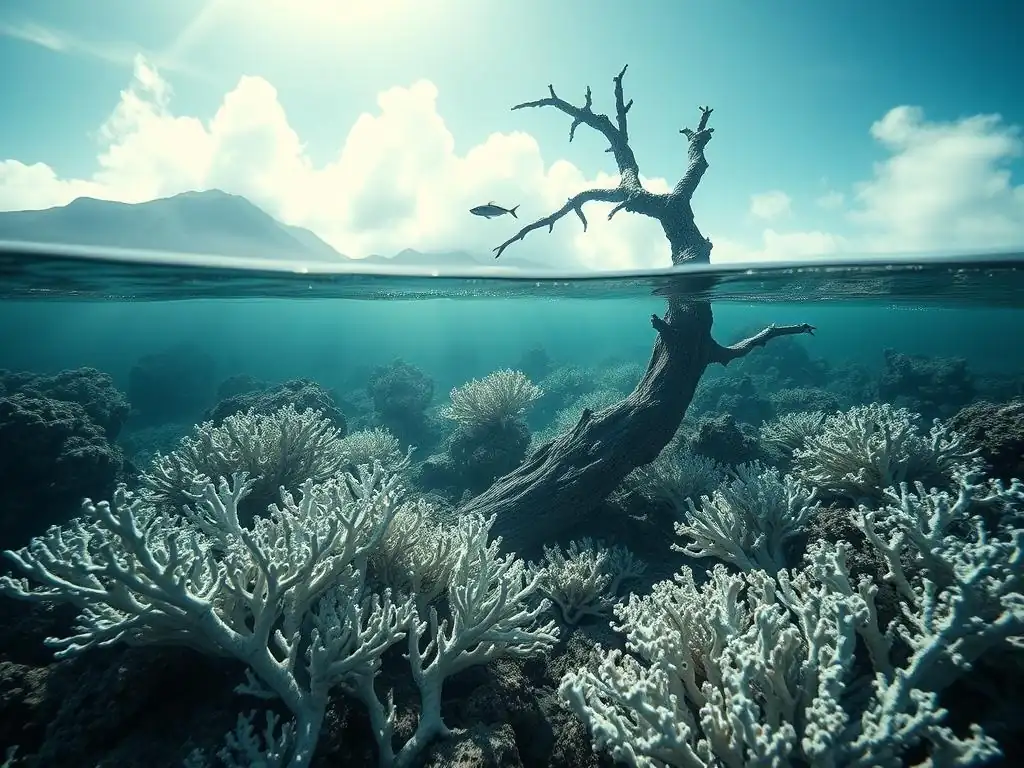
The lava entry caused significant damage, burying the existing coral reefs and marine life under a thick layer of newly formed volcanic rock. The influx of hot lava also caused a temporary rise in water temperature.
What is the long-term effect of the Kilauea 2018 lava entry on Kapoho Bay's ecosystem?
While initially destructive, the new volcanic land provides a substrate for new life to eventually colonize. However, the previous ecosystem was completely destroyed.
What made the Kilauea 2018 eruption and lava entry so significant?
The Kilauea 2018 eruption was significant due to its sheer volume of lava, long duration, and its impact on populated areas. The lava entry into Kapoho Bay caused unprecedented coastal changes.
Can Kapoho Bay ever recover after the Kilauea 2018 lava entry?
While Kapoho Bay will never be the same, new ecosystems will eventually develop on the newly formed land. Full recovery to its pre-2018 state is unlikely.
Final Reflection: Rebirth from Ruin
The story of Kapoho Bay, forever altered by Kilauea's 2018 eruption, serves as a stark reminder of nature's raw power and its capacity for both destruction and creation. The underwater transformation caused by the lava entry is not just a geological event; it's a profound ecological reset, reshaping marine ecosystems and challenging our understanding of resilience in the face of overwhelming change.
This event, though devastating, has also sparked a wave of scientific curiosity and conservation efforts. Witnessing the slow but undeniable return of life to the lava-covered seabed underscores the enduring power of nature to heal and adapt. The Earth has music for those who listen.
This quote, often attributed to William Shakespeare, resonates deeply when considering Kapoho's story; even in the aftermath of destruction, a new symphony of life is beginning to play.
As we reflect on the Kilauea 2018 lava entry impact, let us not only mourn what was lost but also celebrate the potential for renewal. Consider how you, too, can contribute to understanding and protecting our planet's fragile ecosystems. What small steps can you take to foster resilience and support the delicate balance of life, even in the face of seemingly insurmountable challenges? Let Kapoho's story inspire you to become a steward of our planet, embracing both its power and its vulnerability.
Okay, here's a CTA designed for the end of the article "Kapoho Bay's Demise: The Underwater Transformation Caused by Kilauea's 2018 Lava Entry," aimed at readers of Volcano Explorers:
Thanks for delving into the dramatic transformation of Kapoho Bay. We hope you've gained a deeper understanding of the powerful forces that reshape our planet and the resilience of nature. Now, it's time to take that knowledge and explore further.
- Immerse yourself virtually in Kapoho Bay's new underwater landscape! Research online resources and videos documenting the post-eruption dive expeditions.
- Dive Deeper: Share this article with friends, family, or fellow volcano enthusiasts to spread awareness about the ongoing changes in Hawaii's volcanic landscapes.
- Brainstorm innovative ways to support responsible ecotourism initiatives in areas impacted by volcanic activity. Share your ideas with your community!
What small step will you take today to honor the memory of Kapoho Bay and contribute to a greater understanding of volcanic impact on our planet?