
Gas Mask Guardians: Protecting Yourself and Your Gear from Volcanic Fumes

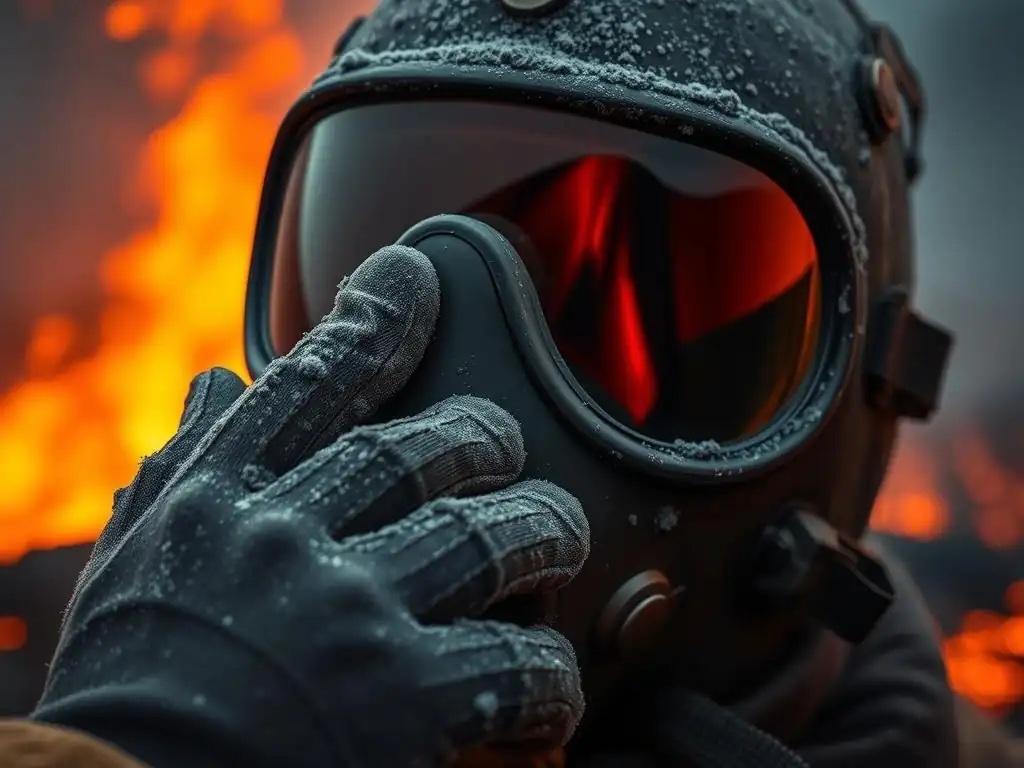
Welcome to Volcano Explorers!
Ever wondered what it really takes to stand face-to-face with a roaring volcano and capture that perfect shot? Beyond the breathtaking scenery lies an invisible threat: volcanic gases. In " Gas Mask Guardians: Protecting Yourself and Your Gear from Volcanic Fumes," we unlock the secrets to staying safe while exploring these magnificent, yet volatile, landscapes. Discover essential volcanic gas protection tips to safeguard yourself and your precious equipment. Are you ready to breathe easy and explore with confidence? Let's dive in...
- Introduction: The Invisible Threat - Volcanic Gases and Your Safety
- Selecting the Right Gas Mask for Volcano Exploration
- Protecting Your Photography Gear from Volcanic Gases
- Essential Safety Tips for Using Gas Masks Near Volcanoes
- Additional Protective Gear for Volcano Exploration
- Storage and Maintenance of Your Volcanic Gas Protection Gear
- Conclusion: Prioritizing Safety for Unforgettable Volcano Photography
-
Frequently Asked Questions
- What are the primary dangers of volcanic gases?
- What type of gas mask is best for volcanic environments?
- How often should I replace the filter on my volcanic gas mask?
- Besides a gas mask, what other protective gear is recommended near volcanoes?
- Are there any specific precautions for people with respiratory issues when visiting volcanic areas?
- Final Reflection: Breathing Easy in the Shadow of the Volcano
- Unleash Your Inner Volcano Hero: Breathe Easy, Explore Safely!
Introduction: The Invisible Threat - Volcanic Gases and Your Safety
Why Volcanic Gas Protection is Crucial for Volcano Explorers
Venturing into volcanic landscapes offers unparalleled photographic opportunities, from fiery lava flows to ash-covered terrains. However, this dramatic environment also presents significant hazards, most notably invisible yet potent volcanic gases. These gases, released from vents, fumaroles, and even diffuse ground degassing, can pose serious health risks and rapidly corrode sensitive photography equipment.
For volcano explorers, especially photographers focused on capturing the raw power and beauty of these geological wonders, understanding and mitigating the risks associated with volcanic gases is not just recommended—it’s essential for both personal safety and the longevity of their gear. Ignoring volcanic gas protection can lead to respiratory issues, skin and eye irritation, and in severe cases, even fatalities.
The allure of capturing the perfect shot should never overshadow the importance of safety. Volcanic gases are often odorless or have a faint smell that can become easily unnoticed or even misinterpreted as part of the "volcanic experience." This deceptive nature makes them particularly dangerous.
Therefore, equipping oneself with appropriate respiratory protection, primarily a gas mask, is a fundamental precaution. It allows explorers to focus on their artistic pursuits without constantly worrying about the immediate and long-term health consequences of inhaling toxic volcanic fumes. Prioritizing safety through proper gas mask use ensures that the pursuit of breathtaking volcano photography remains a rewarding and sustainable passion, rather than a dangerous gamble.
Understanding the Dangers of Volcanic Fumes: A Brief Overview
Volcanic fumes are a complex mixture of gases released during volcanic activity. While water vapor (H2O) often constitutes the majority, several other components pose significant threats to health and equipment. Sulfur dioxide (SO2) is a common and easily detectable gas, known for its pungent, irritating odor, similar to burnt matches. Even at low concentrations, SO2 can cause irritation to the eyes, nose, throat, and respiratory system.
Prolonged exposure can lead to bronchitis and more severe respiratory problems. Hydrogen sulfide (H2S), another frequently encountered gas, is infamous for its "rotten egg" smell. While easily detected at low levels, at higher concentrations, H2S can paralyze the olfactory nerve, making it undetectable and even more dangerous. H2S is highly toxic and can cause rapid loss of consciousness and death at high concentrations.
Carbon dioxide (CO2) is a colorless and odorless gas that, although naturally present in the atmosphere, can accumulate in dangerous concentrations in volcanic areas, particularly in depressions or poorly ventilated spaces. CO2 is heavier than air and can displace oxygen, leading to asphyxiation. This is a silent killer, as there are no immediate warning signs other than rapid breathing and dizziness, which can quickly progress to unconsciousness.
Beyond these primary gases, volcanic fumes can also contain hydrogen halides like hydrogen chloride (HCl) and hydrogen fluoride (HF), which are highly corrosive and irritating to the skin, eyes, and respiratory tract. These gases not only pose direct health risks but also contribute significantly to the accelerated corrosion of camera equipment, emphasizing the dual importance of robust volcanic gas protection for both personal well-being and equipment preservation.
Selecting the Right Gas Mask for Volcano Exploration
Key Features to Look For in a Volcanic Gas Mask
Choosing the right gas mask for volcano exploration is paramount, as not all masks offer adequate protection against the specific hazards encountered in volcanic environments. Several key features should be considered to ensure both safety and functionality in the field. Firstly, certified protection against acid gases is non-negotiable.
Volcanic fumes are predominantly composed of acid gases like sulfur dioxide and hydrogen sulfide, so the mask and its filters must be certified to effectively neutralize these substances. Look for masks and filters that meet recognized safety standards such as NIOSH (National Institute for Occupational Safety and Health) in the United States or EN standards in Europe, specifically indicating acid gas protection.
Secondly, a proper and comfortable fit is crucial. A gas mask only works if it forms a tight seal against the face, preventing contaminated air from leaking in. The mask should fit snugly but not too tightly, allowing for comfortable breathing and movement. Features like adjustable straps and different mask sizes are essential to achieve a personalized and secure fit. Consider masks made of soft, flexible materials that conform to facial contours.
Thirdly, compatibility with filter cartridges designed for volcanic gases is vital. The mask must be designed to accept replaceable filter cartridges, and these cartridges must be specifically rated for acid gases and potentially particulate matter like volcanic ash. Finally, durability and visibility are important practical considerations. The mask should be robust enough to withstand the rigors of outdoor exploration and ideally offer a wide field of vision to maintain situational awareness in often challenging volcanic terrains.
Types of Respirators for Volcanic Gas Protection: A Comparison
For volcanic gas protection, two primary types of respirators are commonly used: full-face respirators and half-mask respirators. Each type offers different levels of protection and comfort, making them suitable for varying situations and user preferences.
Full-Face Respirators: Maximum Protection in Volcanic Environments
Full-face respirators provide the highest level of protection against volcanic gases and particulate matter. These respirators seal around the entire face, covering the eyes, nose, and mouth, offering comprehensive protection to all vulnerable areas. The integrated face shield protects the eyes from irritating volcanic gases and ash, eliminating the need for separate goggles and ensuring a sealed system.
This is particularly advantageous in environments with high concentrations of volcanic gases or when dealing with fine volcanic ash, which can be extremely irritating to the eyes. Full-face respirators often offer a wider field of vision compared to half-mask respirators combined with goggles, enhancing situational awareness in potentially hazardous volcanic landscapes.
Furthermore, full-face respirators are generally more comfortable for extended use in harsh conditions because the seal is distributed across a larger facial area, reducing pressure points. Many models also feature advanced exhalation valves that minimize breathing resistance and heat buildup inside the mask, crucial for strenuous activities like hiking and photography in volcanic regions. For volcano photographers who prioritize maximum safety and often operate in close proximity to volcanic vents or during periods of heightened gas emission, a full-face respirator is the recommended choice, offering the most robust defense against the hazards of volcanic fumes.
Half-Mask Respirators: Balancing Protection and Comfort
Half-mask respirators cover the nose and mouth, providing protection against inhaling volcanic gases when used with appropriate filter cartridges. They are generally lighter and less bulky than full-face respirators, offering greater freedom of movement and potentially better ventilation, which can be advantageous in warmer climates or during physically demanding activities. Half-mask respirators are often preferred for their more compact design, making them easier to pack and carry, and they can be less intimidating to wear for extended periods compared to full-face models.
However, half-mask respirators leave the eyes exposed, requiring the use of separate, well-fitting goggles to protect against eye irritation from volcanic gases and ash. Ensuring compatibility and a proper seal between the respirator and goggles is critical to maintain comprehensive protection.
While offering a balance between protection and comfort, half-mask respirators may be less suitable for environments with very high concentrations of volcanic gases or fine ash, where the comprehensive seal and eye protection of a full-face respirator are paramount. For volcano explorers and photographers who anticipate moderate gas levels and prioritize agility and comfort, a high-quality half-mask respirator paired with certified safety goggles can provide adequate volcanic gas protection, provided that the filters are correctly chosen and the face seal is meticulously checked before each use.
The choice between a full-face and half-mask respirator ultimately depends on the specific volcanic environment, anticipated gas concentrations, personal comfort preferences, and the level of protection deemed necessary for the intended exploration.
Choosing the Correct Filter Cartridges for Volcanic Gases
Selecting the appropriate filter cartridges is as crucial as choosing the right gas mask itself. Filters are the active component that removes hazardous gases and particles from the inhaled air. Using the wrong type of filter renders the gas mask ineffective and can lead to serious health consequences.
Identifying Common Volcanic Gases: SO2, H2S, and CO2
The most common and hazardous volcanic gases that require filtration are sulfur dioxide (SO2), hydrogen sulfide (H2S), and to a lesser extent, carbon dioxide (CO2), although CO2 is primarily a risk in enclosed or low-lying areas where it can accumulate and displace oxygen. SO2 is readily identifiable by its pungent, suffocating odor, similar to burnt matches, and is a significant respiratory irritant. H2S, with its characteristic "rotten egg" smell, is highly toxic and can quickly overwhelm the sense of smell at dangerous concentrations.
While specialized filters exist for CO2, they are less commonly used in typical volcano exploration scenarios focused on open-air environments. The primary concern for most volcano photographers and explorers is protection against acid gases, particularly SO2 and H2S.
Therefore, filter cartridges specifically designed and certified for acid gases are essential. These filters typically contain chemical adsorbents that neutralize acid gases as air passes through them. It is imperative to check the filter cartridge labeling to ensure it explicitly states protection against acid gases, often indicated by markings such as "acid gas," "AG," or specific gas symbols like "SO2" or "H2S." Using general-purpose filters or particulate filters alone will not provide adequate protection against volcanic gases and is a dangerous mistake in volcanic environments.
Understanding Filter Ratings and Lifespan
Filter cartridges are rated based on their capacity and efficiency in removing specific contaminants. Ratings such as "P1," "P2," or "P3" (for particulate filters) and classifications based on color codes and alphanumeric codes (for gas filters) indicate the level of protection offered. For acid gas filters, look for ratings that correspond to the expected gas concentrations and exposure duration. Manufacturers provide guidelines on filter lifespan, which is influenced by factors like gas concentration, humidity, breathing rate, and the type of filter.
Crucially, filter cartridges have a limited lifespan, even if unused. The adsorbent materials degrade over time, and sealed cartridges have an expiration date. Always check the expiration date before use and replace cartridges accordingly.
Once a filter cartridge is in use, its lifespan is further reduced. A noticeable odor breakthrough, increased breathing resistance, or reaching the manufacturer's recommended usage duration (typically based on gas concentration and exposure time) are clear indicators that the filter needs immediate replacement. It is a prudent practice to carry spare filter cartridges when exploring volcanic areas, especially for extended durations or in regions with known high gas emissions. Regularly monitoring filter condition and adhering to replacement guidelines are vital components of effective volcanic gas protection.
Protecting Your Photography Gear from Volcanic Gases
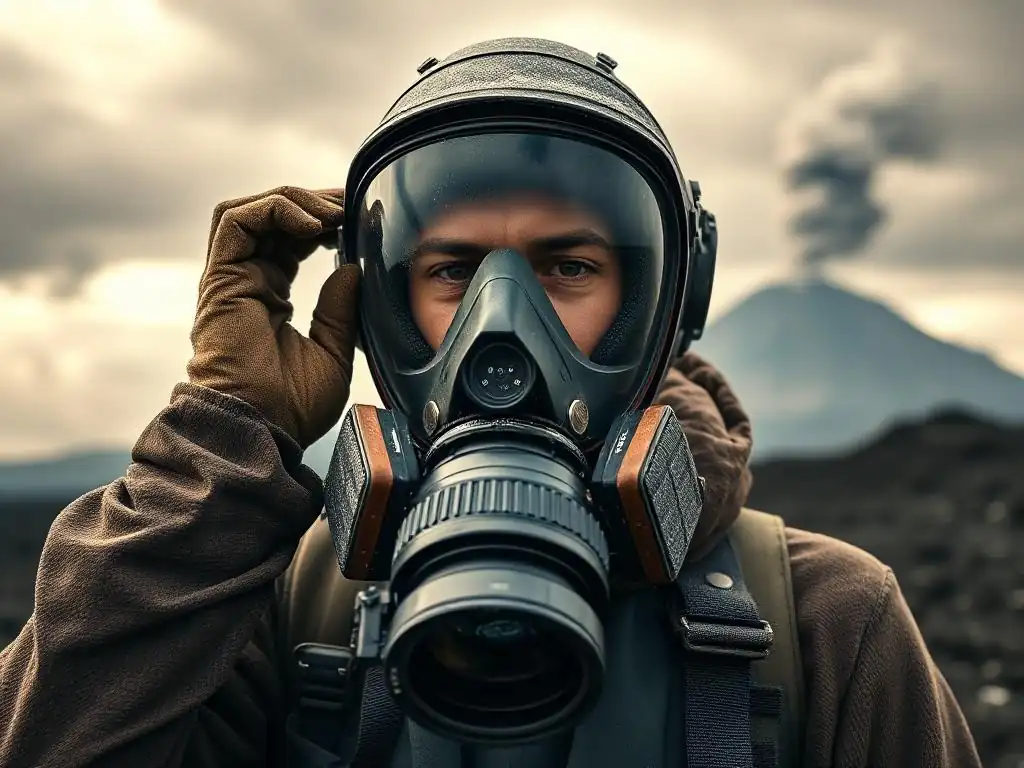
The Corrosive Effects of Volcanic Gases on Camera Equipment
Volcanic gases are not only harmful to human health but also aggressively corrosive to electronic equipment, including cameras, lenses, and accessories. Sulfur dioxide (SO2) and hydrogen sulfide (H2S), in particular, are notorious for their corrosive properties. When these gases react with moisture in the air, they form sulfuric acid and other acidic compounds.
These acids can attack metal components, causing corrosion, rust, and weakening of structural parts in cameras and lenses. Electronic circuitry is also vulnerable, leading to malfunctions, short circuits, and eventual failure. Lens coatings, delicate glass elements, and sensor surfaces are susceptible to etching and damage from acidic deposition.
The fine volcanic ash often present in volcanic environments exacerbates these corrosive effects. Ash particles can act as abrasive agents, scratching lens surfaces and camera bodies. Moreover, ash can trap moisture and acidic gases against equipment surfaces, prolonging the corrosive process.
The cumulative effect of gas corrosion and ash abrasion can significantly shorten the lifespan of expensive photography gear and compromise image quality. Professional photographers who regularly document volcanic activity often report accelerated wear and tear on their equipment compared to use in normal environments. Therefore, implementing proactive protective measures is essential to safeguard valuable photography investments from the harsh realities of volcanic landscapes.
Protective Measures for Cameras and Lenses in Volcanic Zones
Protecting camera equipment from volcanic gases and ash requires a multi-faceted approach, combining physical barriers, protective coatings, and careful handling practices.
Using Waterproof and Dustproof Cases
Investing in high-quality waterproof and dustproof cases is the first line of defense. These cases create a sealed environment that isolates equipment from external contaminants. Look for cases with robust seals, pressure relief valves (to equalize pressure changes during altitude shifts), and durable construction materials. Hard cases made of impact-resistant polymers or aluminum offer superior protection against physical damage and environmental ingress. For on-the-go protection while actively shooting, consider using rain covers or camera wraps made from waterproof and dustproof materials. These provide a barrier against light rain, ashfall, and airborne gases during brief exposures.
For lens protection, use UV filters or clear protective filters on all lenses. These filters act as sacrificial layers, protecting the front lens element from scratches, dust, and acidic deposition. While they won't completely prevent gas ingress, they offer an easily replaceable protective barrier. When not actively shooting, store lenses and cameras in sealed, airtight bags or containers with desiccant packs to absorb moisture and minimize humidity inside the storage space. This further reduces the potential for corrosion.
Applying Protective Coatings and Wraps
Beyond physical cases, consider applying protective coatings to camera bodies and lenses. Specialized coatings designed for electronics can provide a barrier against moisture, dust, and corrosive substances. These coatings can be applied as sprays or films and can help to repel water and reduce the adhesion of ash and acidic deposits. Lens wraps made of microfiber or silicone materials offer an additional layer of protection during handling and transport. These wraps can cushion equipment and provide a barrier against scratches and minor impacts.
For exposed metal parts, consider applying anti-corrosion sprays specifically designed for electronics. These sprays create a protective film that inhibits rust and corrosion caused by acidic gases and moisture. However, exercise caution when applying any coatings or sprays and ensure they are compatible with your equipment materials and won't damage sensitive components. Always test in an inconspicuous area first.
Cleaning Your Equipment After Volcanic Exposure: A Step-by-Step Guide
Even with the best protective measures, some exposure to volcanic gases and ash is often unavoidable. Prompt and thorough cleaning after each volcanic exploration is crucial to minimize long-term damage to equipment.
- Initial Dust Removal: Before anything else, use a blower (not compressed air, which can force particles further into crevices) to remove loose dust and ash from camera bodies, lenses, and accessories. Gently brush away stubborn particles with a soft brush designed for camera cleaning.
- Wipe Down Surfaces: Use lens cleaning wipes or a slightly damp microfiber cloth (dampened with distilled water or lens cleaning solution) to wipe down all external surfaces of cameras and lenses. Pay particular attention to seams, buttons, and crevices where ash and gas residue can accumulate. For lens elements, use a dedicated lens cleaning solution and lens cleaning tissue or microfiber cloth, using a circular motion from the center outwards.
- Sensor Cleaning (If Necessary): If you suspect that volcanic ash has entered the camera body and landed on the sensor (indicated by spots on your images), sensor cleaning may be necessary. This is a delicate process, and it's generally recommended to have it done professionally. However, if you are experienced, you can use sensor cleaning swabs and sensor cleaning solution carefully, following manufacturer instructions.
- Filter Cleaning: Remove UV or protective filters and clean them separately using lens cleaning solution and tissue. Inspect filters for damage or etching from acidic gases and replace them if necessary.
- Case Cleaning: Clean camera cases and bags thoroughly, removing any dust, ash, or moisture. Wipe down hard cases with a damp cloth and mild detergent. For soft cases and bags, vacuum them out and consider washing them according to the manufacturer's instructions.
- Inspection and Lubrication: After cleaning, carefully inspect all equipment for any signs of corrosion, damage, or malfunction. Check lens focus and zoom rings for smooth operation. If necessary, apply a small amount of silicone grease to lens zoom and focus rings to maintain smooth movement (consult manufacturer recommendations).
- Thorough Drying: Ensure all equipment is completely dry before storing it. Allow equipment to air dry in a well-ventilated area or use a gentle stream of cool air from a hair dryer (on the cool setting) to expedite drying. Avoid using heat, which can damage sensitive electronics.
Regular and meticulous cleaning after each volcanic excursion is an essential preventative measure that significantly prolongs the lifespan and maintains the performance of your valuable photography equipment in harsh volcanic environments.
Essential Safety Tips for Using Gas Masks Near Volcanoes
Proper Gas Mask Fit: Ensuring a Secure Seal
A gas mask is only effective if it fits properly and creates a secure seal against your face. An improper fit allows contaminated air to leak in, negating the protection offered by the mask. Before each use, perform a fit check. Put on the mask and adjust the straps to achieve a snug but comfortable fit.
The mask should sit evenly on your face, covering your nose and mouth (for half-masks) or entire face (for full-face masks). Once the mask is on, inhale sharply. The mask should collapse slightly against your face and you should not feel any air leaking in around the edges. Exhale sharply; you should feel air exiting through the exhalation valve(s).
If you detect air leaks during the fit check, readjust the straps, reposition the mask, or try a different size or model. Facial hair, such as beards or mustaches, can interfere with the seal of a gas mask. Ideally, facial hair should be trimmed or shaved in the area where the mask seal contacts the face to ensure a proper fit.
If wearing glasses, ensure they do not interfere with the mask seal, especially with full-face respirators. Some full-face masks are designed to accommodate eyeglasses or have prescription lens inserts available. Regularly check the mask for any signs of damage, such as cracks, tears, or worn straps, which can compromise the seal and effectiveness of the respirator.
Breathing Techniques for Optimal Gas Mask Performance
Wearing a gas mask can initially feel restrictive, and adopting proper breathing techniques can improve comfort and reduce fatigue, especially during physical activity. Practice controlled and deep breathing. Inhale slowly and deeply through the mask, filling your lungs completely. Exhale slowly and completely. Avoid shallow, rapid breathing, which can lead to increased breathing resistance and CO2 buildup inside the mask. Focus on breathing through your diaphragm (belly breathing) rather than your chest. Diaphragmatic breathing is more efficient and helps to maximize air intake and reduce respiratory effort.
If you experience increased breathing resistance, it may indicate that the filter cartridges are becoming saturated or that the mask is not properly sealed. Stop and check the filter condition and mask fit. If necessary, replace the filters or readjust the mask. Avoid strenuous activities if you feel overly winded or uncomfortable while wearing a gas mask. Pace yourself and take breaks as needed. Proper breathing techniques not only enhance comfort while wearing a gas mask but also contribute to more efficient filter use and overall respiratory protection in volcanic environments.
Maintaining Awareness of Wind Direction and Gas Concentration
Wind direction plays a crucial role in volcanic gas exposure. Volcanic gases are carried downwind from vents and fumaroles. Always be aware of the prevailing wind direction and position yourself upwind of gas sources whenever possible. Observe smoke plumes or steam vents to visually assess wind direction. If the wind shifts and starts blowing towards you, move to an upwind location or retreat from the area. Gas concentrations can vary significantly depending on proximity to gas sources, wind conditions, and volcanic activity levels. Gas concentrations are typically highest near vents, fumaroles, and areas of active degassing.
Be mindful of topographical features that can influence gas accumulation. Valleys, depressions, and enclosed areas can trap heavier-than-air gases like CO2, creating pockets of high concentration. Avoid lingering in low-lying areas or poorly ventilated spaces in volcanic terrains. If available, use portable gas detectors to monitor real-time gas concentrations of SO2, H2S, or CO2. These devices provide quantitative measurements and can alert you to dangerous gas levels. Even without gas detectors, be observant of your surroundings. Increased vegetation stress or dead vegetation in an area can be an indicator of chronic gas exposure and potentially higher gas concentrations.
Recognizing Signs of Gas Exposure and Taking Corrective Action
Despite taking precautions, exposure to volcanic gases can still occur. It is essential to recognize the early signs and symptoms of gas exposure and take immediate corrective action. Symptoms of sulfur dioxide (SO2) exposure include eye, nose, and throat irritation, coughing, wheezing, shortness of breath, and chest tightness. Hydrogen sulfide (H2S) exposure can cause eye and respiratory irritation, nausea, headache, dizziness, and in severe cases, rapid loss of consciousness. Carbon dioxide (CO2) exposure symptoms include rapid breathing, headache, dizziness, confusion, and unconsciousness.
If you experience any of these symptoms, even mild ones, immediately move to an upwind location or away from the volcanic gas source. Remove yourself from the potentially contaminated area to fresh air. If symptoms are mild, rest and monitor your condition. If symptoms are moderate to severe, seek medical attention promptly.
Inform medical personnel that you have been exposed to volcanic gases and describe your symptoms. In case of severe exposure, especially loss of consciousness due to H2S or CO2, immediate evacuation and emergency medical care are critical. Never ignore symptoms of gas exposure, even if they seem minor initially. Early recognition and prompt action can prevent more serious health consequences.
Additional Protective Gear for Volcano Exploration
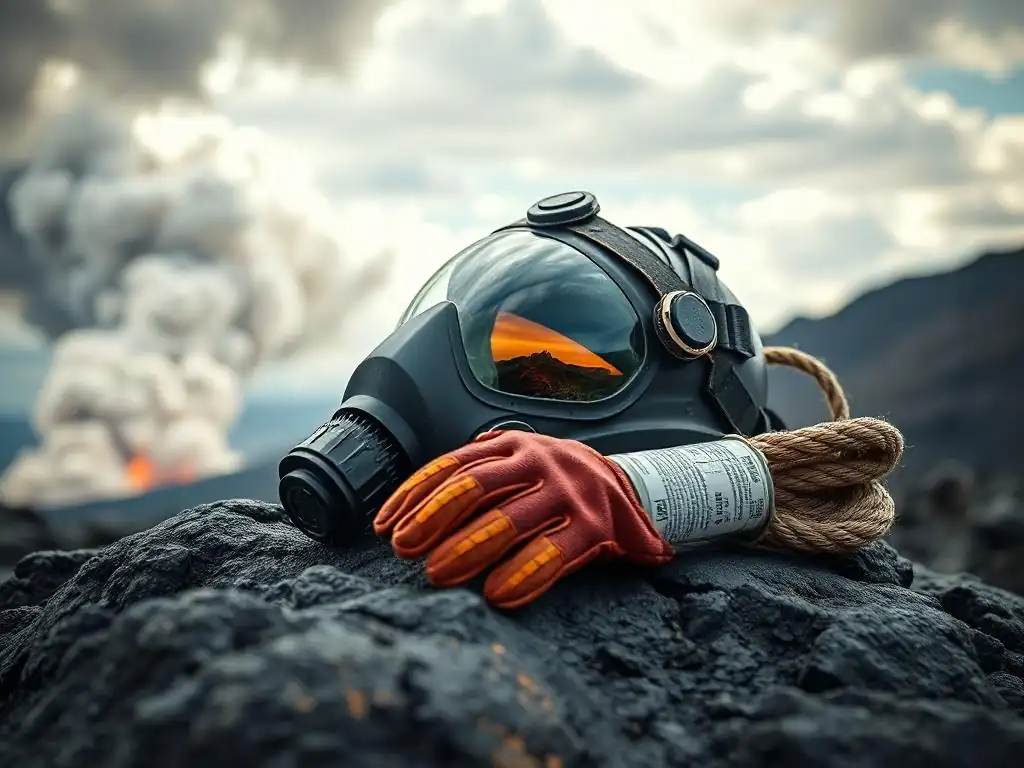
Eye Protection: Preventing Irritation from Volcanic Ash and Gases
While full-face respirators offer integrated eye protection, those using half-mask respirators or in situations with lower gas concentrations but potential ashfall require separate eye protection. Volcanic ash is composed of fine glass shards and rock fragments, which can be extremely irritating and abrasive to the eyes. Volcanic gases, particularly SO2 and HCl, can also cause eye irritation and burning sensations.
Safety goggles or safety glasses with side shields are essential to protect the eyes from both ash and gas exposure. Choose goggles or glasses that provide a snug and comfortable fit, sealing around the eyes to prevent dust and gas from entering.
Look for eyewear that is impact-resistant and meets safety standards such as ANSI Z87.1 in the United States or EN 166 in Europe. Consider goggles or glasses with anti-fog coatings to prevent lens fogging, especially in humid or cold conditions, which can impair vision. For contact lens wearers, goggles are particularly important, as volcanic ash can easily get trapped under contact lenses, causing severe irritation and potential corneal abrasion.
Even with goggles, it is advisable to carry eye wash solution (sterile saline solution) to flush out eyes if ash or irritants do get in. Promptly rinsing eyes with eyewash can prevent more serious irritation and damage.
Skin Protection: Covering Exposed Areas to Minimize Gas Contact
Volcanic gases and acidic aerosols can irritate and even burn exposed skin. Prolonged contact can lead to skin rashes, dermatitis, and chemical burns. Covering exposed skin is a simple yet effective protective measure. Wear long-sleeved shirts and long pants to minimize skin exposure to gases and ash. Tuck shirts into pants and pants into socks or boots to create a more complete barrier. Use gloves to protect your hands, especially when handling equipment or touching potentially contaminated surfaces. Nitrile gloves or heavy-duty work gloves are suitable choices.
Apply sunscreen to exposed skin, even on cloudy days, as volcanic environments often have high UV radiation levels, and some volcanic gases can increase skin sensitivity to sunlight. Consider using a barrier cream on exposed skin areas, such as the face and neck. Barrier creams create a protective layer that can help to repel acidic substances and reduce skin irritation. After volcanic exploration, wash exposed skin thoroughly with soap and water to remove any ash or gas residue. Pay particular attention to washing hands and face.
Clothing Considerations: Choosing Materials Resistant to Volcanic Acids
The type of clothing material can also influence the level of protection against volcanic gases and ash. Synthetic fabrics like polyester and nylon are generally more resistant to acid degradation and water absorption compared to natural fibers like cotton. Cotton absorbs moisture and acidic substances more readily, potentially holding them against the skin and increasing irritation. Choose clothing made from durable, tightly woven fabrics to minimize ash penetration. Loose-fitting clothing can allow ash and gases to get trapped inside, so consider clothing that is fitted but still allows for comfortable movement.
Layering clothing is a practical approach for volcano exploration, allowing you to adjust insulation based on changing weather conditions and activity levels. A windproof and water-resistant outer layer can provide additional protection against wind, rain, and ashfall. Consider wearing clothing in light colors to reflect sunlight and reduce heat buildup, especially in sunny volcanic environments. Avoid wearing delicate or valuable clothing that could be easily damaged by ash, gases, or abrasion. Choose clothing that is practical, durable, and designed for outdoor activities in challenging conditions.
Storage and Maintenance of Your Volcanic Gas Protection Gear
Proper Storage Techniques to Extend Gas Mask Lifespan
Proper storage is crucial for maintaining the integrity and extending the lifespan of your volcanic gas protection gear, particularly gas masks and filter cartridges. After each use, clean the gas mask according to the manufacturer's instructions. Remove filter cartridges and store them separately in airtight containers or resealable bags to prevent contamination and extend their shelf life. Store the gas mask in a clean, dry, and cool place, away from direct sunlight, extreme temperatures, and chemicals. Avoid storing the mask in humid environments, as moisture can degrade the mask materials and filter media.
Store the gas mask in a protective bag or container to prevent physical damage, dust accumulation, and contamination. Do not store heavy items on top of the gas mask, as this can deform the mask shape and compromise the seal. If possible, store the gas mask in its original packaging or a designated respirator storage bag. Regularly check the storage area for any signs of pests or rodents, which could damage the mask or filters. Proper storage techniques help to preserve the effectiveness and longevity of your gas mask and ensure it is ready for use when needed.
Regular Inspection and Cleaning Procedures
Regular inspection and cleaning are essential maintenance tasks for volcanic gas protection gear. Before each use, thoroughly inspect the gas mask for any signs of damage, such as cracks, tears, worn straps, or damaged valves. Check the facepiece for flexibility and elasticity. Inspect filter cartridges for expiration dates, damage, or signs of saturation. Ensure that all components are properly assembled and securely attached. After each use, clean the gas mask facepiece with mild soap and water or disinfectant wipes, following the manufacturer's instructions. Rinse thoroughly with clean water and allow to air dry completely before storing.
Clean the straps and valves as needed. Inspect the exhalation valve(s) to ensure they are clean and functioning properly. Replace any damaged or worn parts immediately. Keep a maintenance log to track inspection dates, cleaning procedures, filter cartridge replacements, and any repairs performed. Regular inspection and cleaning not only ensure the proper functioning of your gas mask but also extend its lifespan and maintain hygiene.
Replacing Filters and Components: When and How
Filter cartridges for gas masks have a limited lifespan and must be replaced regularly to ensure continued protection. Filter cartridges have expiration dates, even if unused. Always check the expiration date before use and replace cartridges that have expired. Once a filter cartridge is in use, its lifespan is further reduced. Replace filter cartridges according to the manufacturer's recommendations, which are typically based on estimated exposure time and gas concentrations. Replace cartridges immediately if you detect a gas odor breakthrough, experience increased breathing resistance, or if the filter becomes visibly damaged or contaminated.
Keep track of the usage time of filter cartridges and replace them at regular intervals, even if they have not reached their stated lifespan. It is a prudent practice to replace filters after each volcanic exploration trip, especially if you have been exposed to significant gas concentrations. When replacing filter cartridges, ensure you are using the correct type of filters certified for acid gases and compatible with your gas mask model. Follow the manufacturer's instructions for filter cartridge replacement.
Dispose of used filter cartridges properly according to local regulations. Regular and timely replacement of filter cartridges is critical for maintaining effective volcanic gas protection. Additionally, inspect other components of the gas mask, such as straps, valves, and seals, for wear and tear, and replace them as needed to maintain the overall integrity of the respirator.
Conclusion: Prioritizing Safety for Unforgettable Volcano Photography
Staying Informed About Volcanic Activity and Gas Levels
Before embarking on any volcano exploration or photography trip, thoroughly research the volcanic activity status of your intended destination. Consult official sources such as volcano observatories, geological surveys, and local authorities for up-to-date information on volcanic alerts, gas emission levels, and potential hazards. Monitor volcanic activity reports and advisories regularly, both before and during your trip. Be aware of any changes in alert levels or gas emission trends. Understand the types of volcanic gases typically emitted at your destination volcano and their potential health risks.
Familiarize yourself with local emergency procedures and evacuation plans in case of increased volcanic activity or hazardous gas releases. Inform someone of your travel plans, itinerary, and expected return date, especially if you are venturing into remote volcanic areas. Carry a reliable communication device, such as a satellite phone or personal locator beacon, in case of emergencies in areas with limited cell phone coverage. Staying informed about volcanic activity and gas levels is a crucial aspect of responsible volcano exploration and photography, allowing you to make informed decisions and prioritize safety.
Investing in Quality Volcanic Gas Protection for a Safe and Rewarding Experience
Volcano photography offers the unique opportunity to capture the awe-inspiring power and beauty of nature's most dramatic displays. However, this pursuit must always be balanced with a strong commitment to safety. Investing in quality volcanic gas protection gear is not an optional expense; it is a fundamental necessity for protecting your health and well-being in volcanic environments.
Choose a gas mask that fits properly, is certified for acid gas protection, and is comfortable for extended use. Select appropriate filter cartridges and replace them regularly. Protect your eyes, skin, and photography equipment from the corrosive effects of volcanic gases and ash.
Practice proper gas mask usage, breathing techniques, and maintain awareness of wind direction and gas concentrations. Recognize the signs of gas exposure and take corrective action promptly.
By prioritizing safety and equipping yourself with the right gear and knowledge, you can minimize the risks associated with volcanic gases and enjoy a safe and incredibly rewarding volcano photography experience. Volcano exploration, when approached with respect for the environment and a focus on safety, can be an unforgettable adventure, allowing you to witness and capture the raw power and beauty of these geological wonders while ensuring your personal well-being and the longevity of your photographic pursuits.
Frequently Asked Questions
What are the primary dangers of volcanic gases?
Volcanic gases can be extremely hazardous. They primarily pose a threat through asphyxiation due to a lack of oxygen, acidic corrosion from gases like sulfur dioxide, and poisoning from gases like hydrogen sulfide.
What type of gas mask is best for volcanic environments?
The best gas mask for volcanic environments should have a multi-gas canister, specifically designed to filter out acid gases like sulfur dioxide and hydrogen sulfide. Look for a mask that offers a tight seal and a high level of protection.
How often should I replace the filter on my volcanic gas mask?
The lifespan of a gas mask filter depends on the concentration of gases and the duration of exposure. It's crucial to follow the manufacturer's instructions, but generally, replace the filter after any noticeable odor or if you experience any breathing difficulties.
Besides a gas mask, what other protective gear is recommended near volcanoes?
In addition to a gas mask, wear eye protection (goggles), long sleeves and pants to protect your skin, and sturdy boots. Consider carrying a personal gas detector to monitor gas levels and a first-aid kit.
Are there any specific precautions for people with respiratory issues when visiting volcanic areas?
Individuals with pre-existing respiratory conditions like asthma or COPD should exercise extreme caution and consult with their doctor before visiting volcanic areas. They may need to avoid volcanic areas altogether or take extra precautions and carry rescue medications.
Final Reflection: Breathing Easy in the Shadow of the Volcano
The information presented throughout this article underscores the critical importance of proactive volcanic gas protection. While the raw power of a volcano is undeniable, understanding and implementing effective safety measures allows us to explore these geological wonders with a greater sense of security and respect. The tips and strategies outlined are not merely theoretical; they are practical tools for safeguarding your health and equipment in a potentially hazardous environment, ensuring that the allure of the volcano doesn't come at the cost of well-being.
The impact of volcanic activity extends far beyond immediate danger zones, influencing air quality and environmental health on a broader scale. This article serves as a reminder that preparedness is not just about individual safety, but also about responsible engagement with our planet's natural forces. Nature, to be commanded, must be obeyed.
- Francis Bacon. This quote encapsulates the essence of our approach: understanding the risks and adapting our behavior to mitigate them, allowing us to coexist with these powerful geological phenomena.
Now, armed with these insights and practical tips, consider how you can integrate these principles into your own explorations and preparations. Whether you're a seasoned volcanologist, an avid hiker, or simply a curious traveler, take the time to assess your gear, understand the potential risks, and prioritize your safety. Let this knowledge empower you to explore the world's volcanic landscapes with confidence and respect, ensuring that your adventures are both thrilling and safe.
Okay, here's a CTA draft for the end of the "Gas Mask Guardians: Protecting Yourself and Your Gear from Volcanic Fumes" article, tailored for Volcano Explorers (volcanoexplorers.org):
Unleash Your Inner Volcano Hero: Breathe Easy, Explore Safely!
Thank you for diving deep into the essential world of volcanic fume protection. You now have the knowledge to navigate these challenging environments with confidence. Ready to put that knowledge into action?
- Gear up! Make sure your gas mask is ready for your next adventure. Inspect it, test the seal, and replace filters if needed. Your safety is our top priority!
- Share your newfound wisdom! Help fellow explorers stay safe by sharing this article on social media or with your volcano-loving friends. Let’s build a community of informed and protected adventurers.
- Plan your next excursion! Research locations known for volcanic activity, considering fume safety measures. Visit Volcano Explorers forum for inspiration and advice from experienced members.
What steps will you take to ensure you're fully prepared for your next journey into the heart of a volcano?