
Volcanic Gas Emissions: A Global Inventory and Its Implications

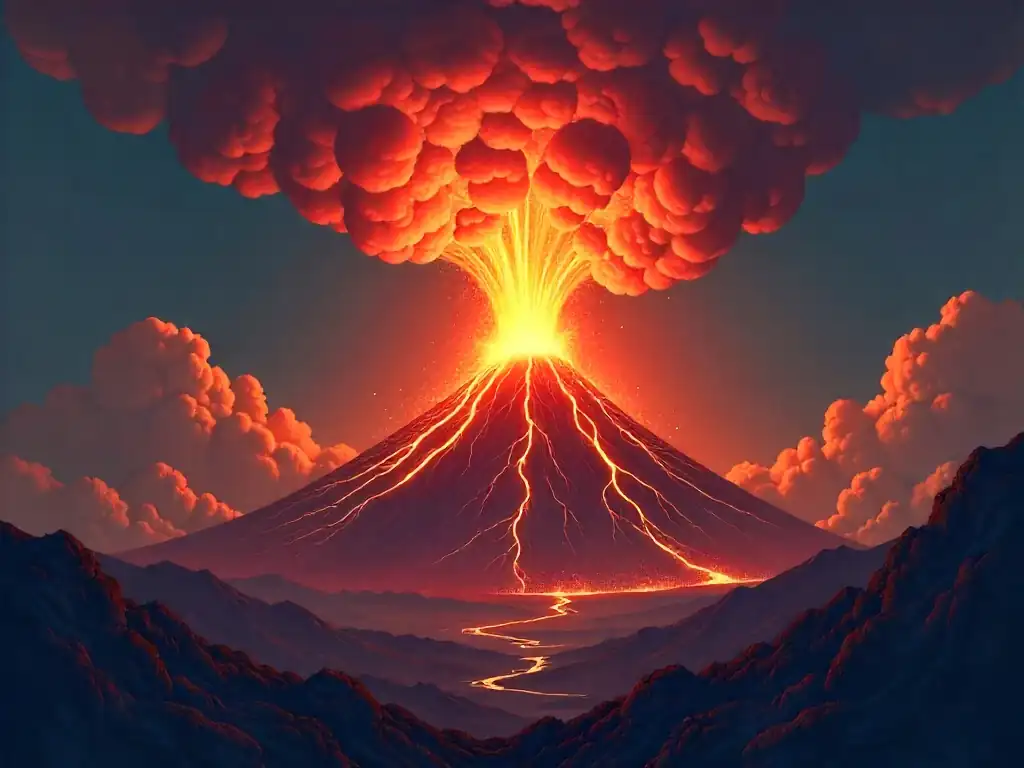
Welcome to Volcano Explorers, where the Earth breathes fire!
Prepare to be captivated by the raw power and hidden dangers lurking beneath our planet's surface. Did you know that the air around a volcano can be just as treacherous as the lava itself? Dive in and discover the profound effects of volcanic gas emissions, a complex global inventory that unveils surprising implications for our environment and beyond. What secrets are hidden in these plumes of smoke and steam? Your journey into the heart of volcanic activity starts now...
- Volcanic Gas Emissions: A Global Inventory and Its Implications for Air Quality and Climate
- Introduction: Understanding Volcanic Gas Emissions Effects on a Global Scale
-
Frequently Asked Questions
- What are the main volcanic gases released during an eruption, and what are their primary sources?
- How do volcanic gas emissions contribute to climate change, and what is their relative impact compared to anthropogenic sources?
- What are the potential health hazards associated with exposure to volcanic gas emissions, and how can people protect themselves?
- How do scientists monitor volcanic gas emissions, and what instruments or techniques are typically used?
- What are the long-term effects of volcanic gas emissions on the environment, including soil and water quality?
- Final Reflection: Breathing with the Earth's Breath
- Uncover Your Inner Volcanologist: Start Exploring!
Volcanic Gas Emissions: A Global Inventory and Its Implications for Air Quality and Climate
Introduction: Understanding Volcanic Gas Emissions Effects on a Global Scale
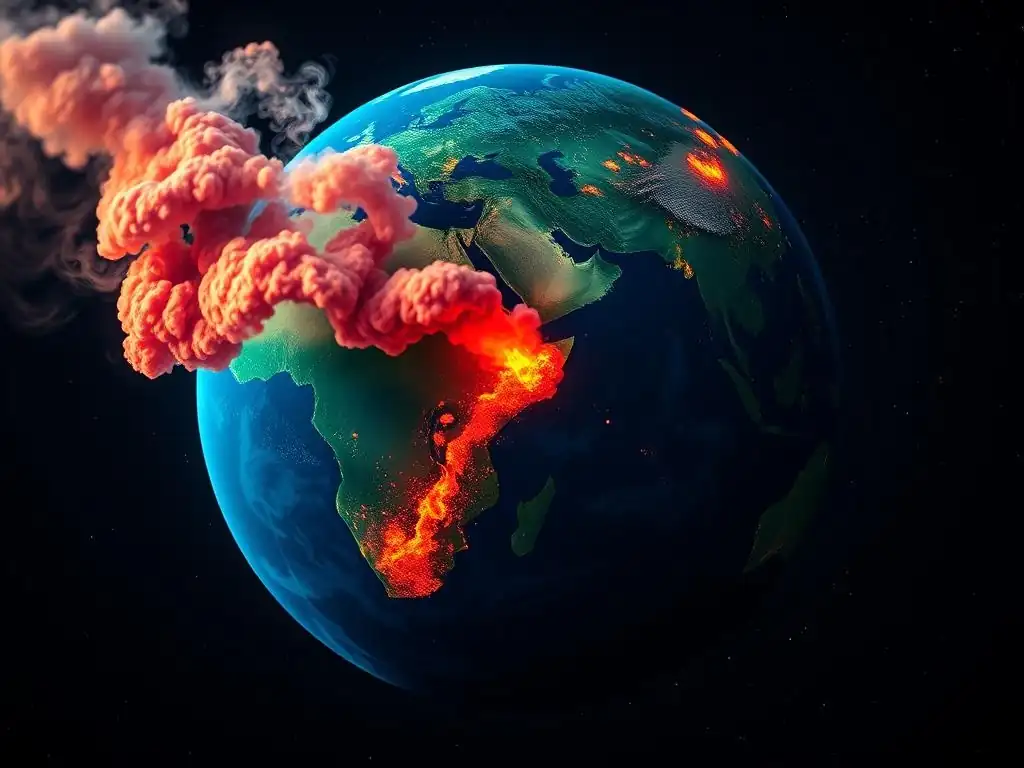
Why Study Volcanic Gas Emissions? The Role of Volcanoes in Atmospheric Chemistry
Volcanoes, both during eruptions and in their quiescent periods, are significant sources of gases released into the atmosphere. Studying volcanic gas emissions is paramount because these emissions have profound effects on atmospheric chemistry, air quality, and even global climate. Understanding the composition and volume of these gases, and how they disperse and react in the atmosphere, is critical for assessing environmental impacts and potential hazards. The effects of volcanic gas emissions can range from local air pollution events to global-scale climate perturbations, making their study a multidisciplinary endeavor involving volcanology, atmospheric science, and public health.
The investigation of volcanic gas emissions effects is essential for several reasons. Firstly, these emissions provide valuable insights into the Earth's interior processes, offering clues about magma generation, storage, and ascent. By analyzing the types and amounts of gases released, scientists can better understand the dynamics of volcanic systems and improve eruption forecasting. Secondly, volcanic gases directly impact atmospheric composition and chemistry.
For example, sulfur dioxide (SO2) emitted by volcanoes can lead to acid rain and the formation of sulfate aerosols, which influence cloud formation and radiative balance. Carbon dioxide (CO2), another major volcanic gas, contributes to the greenhouse effect, although its contribution relative to anthropogenic emissions is a subject of ongoing research. Therefore, studying volcanic gas emissions is not only crucial for understanding volcanic processes but also for comprehending their broader environmental and climatic implications.
Frequently Asked Questions
What are the main volcanic gases released during an eruption, and what are their primary sources?
Volcanic gas emissions primarily consist of water vapor (H2O), carbon dioxide (CO2), sulfur dioxide (SO2), and smaller amounts of other gases. These gases originate from magma deep within the Earth and are released during volcanic activity.
How do volcanic gas emissions contribute to climate change, and what is their relative impact compared to anthropogenic sources?
Volcanic gas emissions, especially CO2, can contribute to the greenhouse effect and global warming. However, their impact is significantly less than that of human-caused emissions from burning fossil fuels.
What are the potential health hazards associated with exposure to volcanic gas emissions, and how can people protect themselves?
Exposure to volcanic gases like SO2 and hydrogen sulfide (H2S) can cause respiratory problems and skin irritation. Protective measures include wearing masks, staying indoors, and evacuating if necessary.
How do scientists monitor volcanic gas emissions, and what instruments or techniques are typically used?
Scientists use various techniques, including remote sensing, ground-based measurements, and gas sampling, to monitor volcanic gas emissions. Instruments like spectrometers and gas sensors are commonly employed.
What are the long-term effects of volcanic gas emissions on the environment, including soil and water quality?
Volcanic gas emissions can acidify soil and water, impacting plant life and aquatic ecosystems. The deposition of sulfur compounds can lead to acid rain and environmental damage over time.
Final Reflection: Breathing with the Earth's Breath
The preceding analysis of volcanic gas emissions and their global impact underscores a crucial reality: the Earth's internal processes are inextricably linked to our atmosphere and, consequently, our lives. Understanding the scale and effects of these emissions, from localized acid rain to global climate perturbations, is no longer a purely academic pursuit but a vital necessity for informed environmental stewardship.
The persistent influence of volcanic activity on our planet's climate and ecosystems is undeniable. Witnessing the tangible consequences of these emissions, from the subtle shifts in atmospheric composition to the dramatic alterations in local environments, reinforces the profound interconnectedness of natural systems. The Earth does not belong to us: we belong to the Earth.
- Marlee Matlin. This quote encapsulates the responsibility we bear in understanding and mitigating the potential negative impacts of natural phenomena like volcanic gas emissions.
As we conclude this exploration of volcanic gas emissions effects, I invite you to reflect on your own connection to this planetary dance. Consider the air you breathe, the climate you experience, and the subtle ways in which the Earth's breath shapes your world. Let this knowledge inspire you to advocate for informed policies, support scientific research, and embrace a deeper appreciation for the delicate balance of our planet.
Uncover Your Inner Volcanologist: Start Exploring!
Thanks for exploring the fascinating world of volcanic gas emissions with us! We hope you've gained valuable insights into the global inventory and its implications. Now, it's time to put that knowledge to use.
Here are a few ways to continue your learning:
- Deepen your understanding by researching a specific volcano mentioned in the article and tracking its recent gas emission data using publicly available resources.
- Share this article with fellow science enthusiasts and spark a conversation about the impact of volcanic gases on our planet.
- Consider contributing your own field observations (always prioritizing safety!) to reputable volcanic databases to help advance scientific understanding.
What surprising connection did you discover between volcanic gas emissions and climate change? Share your thoughts in the comments below!