
Mount Agung's Rice Terraces: Photographing Bali's Iconic Landscapes with a Volcano View

Welcome to Volcano Explorers!
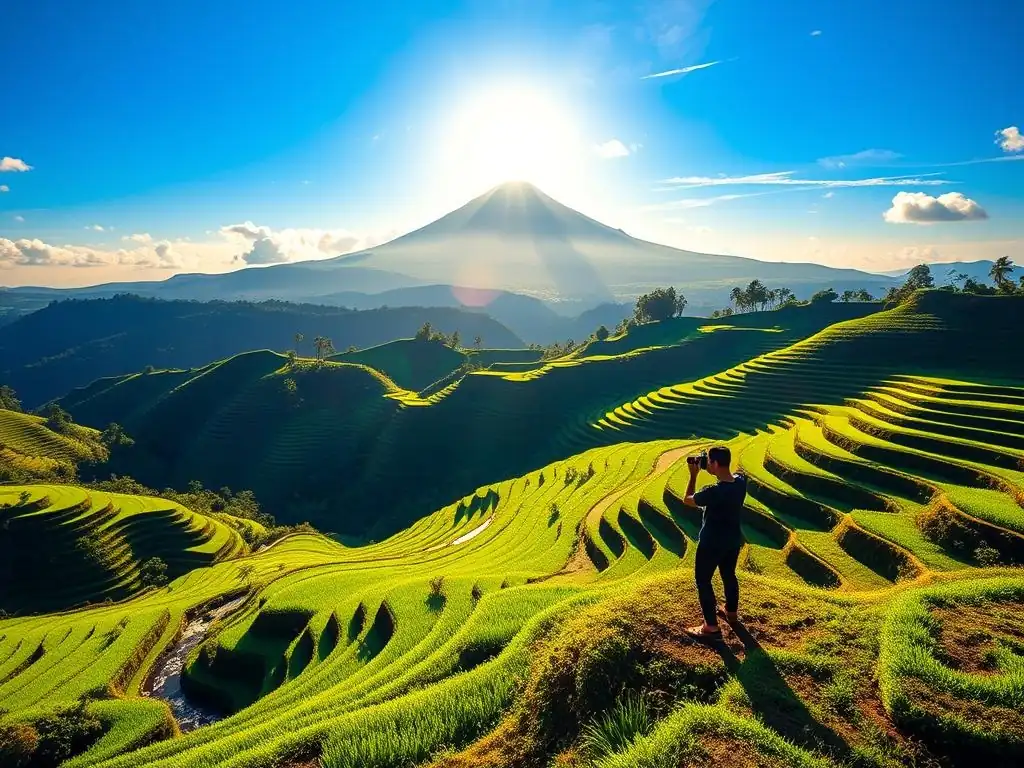
Prepare to be captivated by the raw power and stunning beauty of the volcanic world. Ever wondered how to capture the perfect shot of a majestic volcano framed by breathtaking scenery? Our latest article delves into the art of Bali volcano photography, revealing insider tips and tricks for photographing Mount Agung's iconic rice terraces. But what secrets do these landscapes hold, and how can you harness the volcano's presence to create truly unforgettable images? Explore further and unlock the volcanic vista!
- Photographing Mount Bromo: Capturing Java's Iconic Volcano at Sunrise
- Introduction to Volcano Photography in Indonesia: Bromo's Mystique
- Planning Your Mount Bromo Photography Trip: Essential Tips
- Finding the Perfect Vantage Point: Bromo Sunrise Photography Locations
- Mastering Composition: Bromo Landscape Photography Techniques
- Technical Considerations for Photographing in Extreme Conditions
- Post-Processing Mount Bromo Photos: Enhancing Your Images
- Safety First: Staying Safe While Photographing in a Volcanic Environment
- Beyond Sunrise: Exploring Other Mount Bromo Photography Opportunities
- Conclusion: Creating Stunning Mount Bromo Photography
-
Frequently Asked Questions
- How can I capture the best light when photographing Mount Agung and the rice terraces?
- What are some essential photography gear recommendations for photographing Mount Agung and the rice terraces?
- Are there any safety considerations to keep in mind when photographing Mount Agung, given its volcanic activity?
- What are some unique compositional techniques I can use to make my Mount Agung and rice terrace photos stand out?
- How can I find the best locations with unobstructed views of both Mount Agung and the rice terraces?
- Final Reflection: Capturing the Soul of Bali
- Unearth Your Inner Landscape Photographer!
Photographing Mount Bromo: Capturing Java's Iconic Volcano at Sunrise
Introduction to Volcano Photography in Indonesia: Bromo's Mystique
Why Mount Bromo is a Photographer's Dream: Sunrise and Surreal Landscapes
Mount Bromo, an active stratovolcano, is nestled within the Tengger caldera in East Java, Indonesia. Its dramatic landscape, particularly at sunrise, has captivated photographers for decades, making it a bucket-list destination for volcano photography enthusiasts. The appeal lies in the otherworldly beauty of the caldera – a vast expanse of volcanic sand, often shrouded in mist, punctuated by the stark silhouettes of Mount Bromo, Mount Batok, and Mount Semeru in the distance.
The rising sun casts golden light across this surreal terrain, painting the volcanic peaks and the ethereal sea of clouds with vibrant hues, creating a truly unforgettable photographic spectacle. It's a scene that embodies the raw power and breathtaking beauty of volcanic landscapes, offering endless opportunities for stunning compositions.
The unique combination of elements at Mount Bromo contributes to its photographic allure. Unlike the lush, green landscapes often associated with tropical destinations like Bali, Bromo presents a stark, almost lunar environment. This contrast is further amplified by the frequent presence of volcanic smoke billowing from Bromo's crater, adding a dynamic and slightly menacing element to the serene sunrise scene.
The Tenggerese people, the local Hindu community who inhabit the area, further enrich the photographic narrative. Their colorful attire and traditional rituals, often performed against the backdrop of the volcano, provide compelling subjects that add a human element to the dramatic landscape, transforming a purely geological scene into a richer cultural tapestry.
Setting the Scene: Understanding the Tengger Caldera
The Tengger Caldera, where Mount Bromo resides, is a massive volcanic feature, approximately 10 kilometers in diameter. This caldera was formed by a catastrophic eruption of an ancient volcano, leaving behind a vast basin. Within this basin, new volcanic cones have emerged, most notably Mount Bromo, Mount Batok (an inactive cone with a distinctive corrugated surface), and Mount Semeru, Java's highest volcano, which often puffs plumes of smoke into the sky in the distance. Understanding this geological context is crucial for photographers, as it dictates the unique perspective and framing possibilities available at Bromo.
The "sea of sand," known locally as Segara Wedi, is the vast expanse of volcanic sand that covers the caldera floor. This almost desert-like environment contributes significantly to the surreal and otherworldly atmosphere of Bromo. Photographically, the Segara Wedi acts as a foreground canvas, reflecting the sunrise colors and providing a sense of scale to the towering volcanic cones.
The caldera's rim, accessible from various viewpoints like Penanjakan and King Kong Hill, offers elevated perspectives that capture the entirety of this dramatic landscape, allowing photographers to showcase the grandeur of the Tengger Caldera and its volcanic offspring. The interplay between the caldera’s vastness and the individual volcanic peaks is what makes Bromo such a compelling subject for landscape photography.
Planning Your Mount Bromo Photography Trip: Essential Tips
Best Time to Visit for Optimal Weather and Visibility
The dry season, from May to September, is generally considered the best time to visit Mount Bromo for photography. During these months, you are most likely to experience clear skies and minimal rainfall, crucial for capturing the vibrant colors of sunrise and maximizing visibility of the volcanic landscape.
While temperatures are cooler during the dry season, particularly in the early morning hours, the reduced cloud cover significantly increases your chances of witnessing the iconic Bromo sunrise unobstructed. Conversely, the wet season (October to April) brings increased rainfall and humidity, which can lead to frequent cloud cover and potentially obscure the volcanic views.
However, even within the dry season, weather at Mount Bromo can be unpredictable due to its high altitude. Mist and fog are common, particularly in the early morning, but these can actually enhance the mystical atmosphere of the landscape, creating ethereal and dreamy photographs. While clear skies are ideal for capturing the full spectrum of sunrise colors, don't discount the photographic potential of misty conditions.
Check weather forecasts closer to your travel dates, but be prepared for varying conditions and pack accordingly for both sunshine and potential rain or mist. Remember that sunrise at Bromo is a popular event, so planning your visit during the weekdays rather than weekends can also help to avoid larger crowds, especially during peak tourist season within the dry months.
Essential Gear for Photographing Mount Bromo: Cold Weather Considerations
Photographing Mount Bromo, especially at sunrise, requires careful consideration of your photographic gear and personal clothing. Temperatures at the caldera rim can drop significantly in the early morning, often reaching near freezing point, even during the dry season. Therefore, warm layers are essential. Pack thermal underwear, fleece jackets, windproof outerwear, gloves, beanies, and warm socks to protect yourself from the cold. Comfortable and sturdy trekking shoes are also a must, as you'll likely be walking on uneven terrain and potentially sandy slopes to reach the viewpoints.
From a photography perspective, a wide-angle lens is crucial for capturing the expansive landscape of the Tengger Caldera and the panoramic sunrise views. A focal length in the range of 16-35mm (on a full-frame camera) is ideal. A telephoto lens, such as a 70-200mm, is also beneficial for isolating specific volcanic peaks, compressing the perspective, and capturing details of the volcanic smoke or the Tenggerese people from a distance.
A sturdy tripod is indispensable for sharp sunrise photos in low light and for long exposures to capture the Milky Way at night, should you decide to extend your photography session. Don't forget extra batteries, as cold weather can drain battery life quickly, and sufficient memory cards to capture the abundance of photographic opportunities. A lens cleaning cloth and a blower are also vital for dealing with volcanic dust, which is pervasive in the Bromo area.
Arranging Transportation and Accommodation near the Volcano
Several options exist for transportation and accommodation when planning your Mount Bromo photography trip. The most common entry point to the Bromo Tengger Semeru National Park is through the town of Probolinggo. From Probolinggo, you can arrange jeep tours that are specifically designed for sunrise viewing at Mount Bromo.
These jeep tours typically include pick-up from your accommodation in Probolinggo or nearby villages like Cemoro Lawang, transportation to the viewpoints (Penanjakan or King Kong Hill), and sometimes a visit to the Sea of Sand and the Bromo crater itself. Booking a jeep tour in advance, especially during peak season, is highly recommended to ensure availability and secure a reputable operator.
Accommodation options range from basic guesthouses in Cemoro Lawang, the village closest to the Bromo caldera rim, to more comfortable hotels in Probolinggo or Malang (a larger city about 2-3 hours away). Staying in Cemoro Lawang offers the advantage of being very close to the viewpoints, allowing for a shorter and earlier start to your sunrise photography session. However, accommodation in Cemoro Lawang is generally more basic and can be pricier due to its proximity to the volcano.
Probolinggo and Malang offer a wider range of hotels at various price points, but require a longer jeep ride (approximately 2-3 hours from Malang) to reach Bromo for sunrise. Consider your budget, desired comfort level, and the importance of proximity to the volcano when choosing your accommodation and transportation arrangements. Online travel agencies and local tour operators can assist with booking both jeeps and accommodation packages.
Finding the Perfect Vantage Point: Bromo Sunrise Photography Locations
Penanjakan Viewpoint: The Classic Bromo Sunrise Perspective
Penanjakan Viewpoint is arguably the most famous and most visited location for sunrise photography at Mount Bromo. Perched high on the caldera rim, Penanjakan offers a panoramic vista encompassing Mount Bromo, Mount Batok, Mount Semeru, and the vast Sea of Sand stretching out below. This viewpoint provides the quintessential Bromo sunrise perspective, often featured in postcards and travel brochures. From Penanjakan, photographers can capture the entire volcanic amphitheater bathed in the golden light of dawn, with the sun rising behind Mount Semeru, creating a truly iconic and breathtaking scene.
The popularity of Penanjakan, however, means it can get extremely crowded, especially during weekends and peak season. To secure a good spot for your tripod and avoid being jostled by crowds, it's essential to arrive very early, often well before sunrise (think 3-4 AM). Despite the crowds, Penanjakan remains a worthwhile location for first-time Bromo photographers due to its classic and unobstructed view.
The paved viewing platform and relatively easy access (via jeep and a short walk) make it accessible to most visitors. While the crowds can be a challenge, the iconic perspective and sheer grandeur of the sunrise view from Penanjakan are undeniable and continue to draw photographers from around the world.
King Kong Hill: An Alternative Vantage Point with Fewer Crowds
King Kong Hill, also known as Bukit King Kong, offers a compelling alternative to the often-crowded Penanjakan Viewpoint. Located slightly further along the caldera rim from Penanjakan, King Kong Hill provides a similar panoramic view of Mount Bromo and the surrounding landscape, but typically with fewer tourists. While still popular, King Kong Hill generally experiences less congestion than Penanjakan, offering photographers a slightly more relaxed and less crowded environment to set up their equipment and compose their shots.
The view from King Kong Hill is arguably just as spectacular as Penanjakan, though the precise angle and framing may differ slightly. From King Kong Hill, you still get a stunning vista of Mount Bromo, Mount Batok, and Mount Semeru, with the Sea of Sand in the foreground. The slightly different vantage point can offer unique compositional opportunities, and the reduced crowds are a significant advantage for photographers who prefer a more peaceful and less hurried shooting experience.
Access to King Kong Hill is also via jeep, followed by a short uphill walk, similar to Penanjakan. For photographers seeking a classic Bromo sunrise view with a slightly less chaotic atmosphere, King Kong Hill is an excellent choice.
Seruni Point: Another Option for Elevated Views of the Caldera
Seruni Point is another elevated viewpoint offering panoramic perspectives of Mount Bromo and the Tengger Caldera, and it often presents a less crowded experience compared to Penanjakan. Located somewhat further away from the main Penanjakan area, Seruni Point requires a slightly longer jeep ride and potentially a bit more walking to reach, which may contribute to its relative quietness. However, the effort is rewarded with stunning views and a more tranquil atmosphere for photography.
Seruni Point provides a slightly different angle compared to Penanjakan and King Kong Hill, offering a broader vista that encompasses more of the caldera rim and the surrounding mountainous terrain. From Seruni Point, photographers can capture wider panoramic shots that showcase the scale of the Tengger Caldera and the dramatic volcanic landscape in its entirety.
While the view of Mount Semeru might be slightly less prominent from Seruni Point compared to Penanjakan, the expansive vista and the relative lack of crowds make it a very attractive option, particularly for photographers seeking a more serene and less congested sunrise photography experience. Seruni Point is becoming increasingly popular as word spreads about its stunning views and quieter atmosphere, but it generally remains less crowded than the more established viewpoints.
Mastering Composition: Bromo Landscape Photography Techniques
Incorporating the Sea of Sand into Your Composition
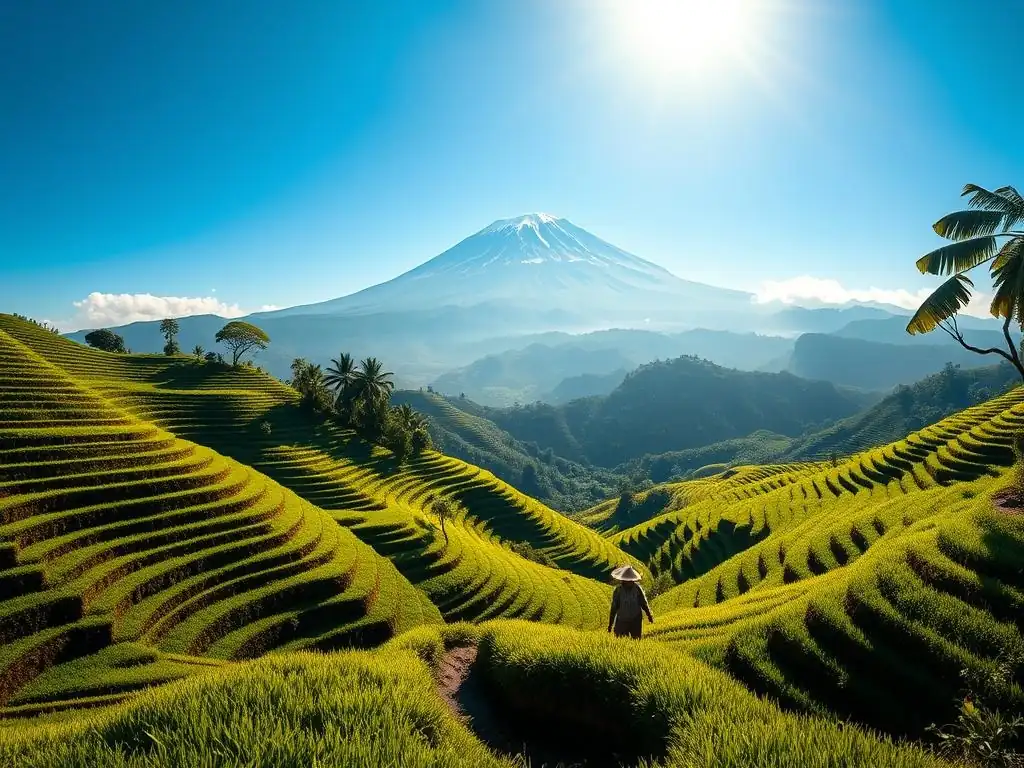
The Segara Wedi, or Sea of Sand, is a defining feature of the Mount Bromo landscape and a crucial element to incorporate effectively into your compositions. This vast expanse of volcanic sand not only creates a unique and surreal foreground but also provides a sense of scale and context to the towering volcanic cones that rise from its surface. When composing your shots, consider how the Segara Wedi can lead the viewer's eye towards Mount Bromo and the other volcanic peaks, creating depth and visual interest in your images.
Utilize the textures and patterns of the sand to your advantage. The wind-swept sand often forms beautiful ripples and curves, especially in the early morning light. Shooting from a slightly lower angle can emphasize these patterns and make the Sea of Sand appear even more expansive.
Consider including elements within the Segara Wedi to add further interest and scale, such as the jeep tracks crisscrossing the sand, or the silhouettes of people walking or riding horses across the caldera floor. The Segara Wedi is not just empty space; it's an integral part of the Bromo landscape, and thoughtful incorporation of this element will significantly enhance your compositions.
Using Silhouettes to Emphasize the Volcanic Landscape
Silhouettes are a powerful compositional technique that can be particularly effective when photographing Mount Bromo at sunrise and sunset. By positioning your subject against the bright light of the rising or setting sun, you can create dramatic silhouettes that emphasize the shapes and forms of the volcanic landscape and any figures within it. The stark contrast between the dark silhouette and the vibrant sky creates a visually striking and impactful image, often conveying a sense of drama and mystery.
Consider silhouetting Mount Bromo itself, or Mount Batok, against the colorful sunrise sky. The distinctive shapes of these volcanic cones lend themselves well to silhouette photography. You can also incorporate human figures or horses into your compositions as silhouettes within the Sea of Sand or on the caldera rim.
These human elements, when silhouetted, can add a sense of scale and narrative to your images, while also emphasizing the vastness and grandeur of the volcanic landscape. Experiment with different angles and positions to find the most compelling silhouettes and ensure that the shapes are clearly defined against the bright background.
Capturing the Milky Way Over Mount Bromo (Night Photography)
Mount Bromo's remote location and high altitude make it an excellent destination for astrophotography, offering stunning opportunities to capture the Milky Way arching over the volcanic landscape. With minimal light pollution, the night skies above Bromo are incredibly dark, revealing a breathtaking expanse of stars. Photographing the Milky Way requires planning and patience, but the resulting images can be truly spectacular, showcasing the cosmic beauty juxtaposed with the terrestrial drama of the volcanic terrain.
To photograph the Milky Way, you need to visit during a new moon phase when the sky is darkest. Clear skies are also essential, so check weather forecasts for cloud cover. Arrive at your chosen viewpoint well before moonrise (or during a new moon night) to allow your eyes to adjust to the darkness and to set up your equipment.
Use a wide-angle lens with a fast aperture (f/2.8 or wider) to capture as much light as possible. Set your ISO to a high value (typically between 3200 and 6400, depending on your camera's noise performance) and use a long exposure time (around 20-30 seconds, depending on your lens and focal length) to capture the faint light of the Milky Way. A sturdy tripod is absolutely essential for sharp long exposures.
Experiment with different compositions, incorporating Mount Bromo or Mount Batok into the foreground to create a sense of place and scale within your astrophotography images. Night photography at Bromo offers a unique perspective and a chance to capture a completely different facet of this volcanic wonder.
Technical Considerations for Photographing in Extreme Conditions
Protecting Your Camera from Volcanic Dust
Volcanic dust is a pervasive and potentially damaging element when photographing around Mount Bromo. The fine particles of ash and sand can infiltrate camera bodies and lenses, potentially scratching lens elements, gumming up moving parts, and causing sensor issues. Protecting your camera gear from volcanic dust is therefore paramount to ensure its longevity and proper functioning.
Use lens filters, such as UV or clear protective filters, to shield the front element of your lenses from dust and scratches. Keep your lenses capped when not in use and change lenses in a sheltered location, away from direct wind and dust. Consider using a camera rain cover or a plastic bag to protect your camera body from dust, especially in windy conditions or when volcanic activity is heightened. After each photography session, thoroughly clean your camera and lenses using a blower to remove loose dust particles.
Use a lens cleaning cloth and lens cleaning solution to carefully wipe down lens elements. For more stubborn dust inside the camera body or lens, consider professional cleaning services. Regular and diligent cleaning is crucial for mitigating the damaging effects of volcanic dust on your valuable photography equipment.
Dealing with Low Light During Sunrise
Sunrise photography inherently involves working in low light conditions, particularly in the pre-dawn hours before the sun fully rises. Mastering low-light techniques is essential to capture sharp and well-exposed sunrise images at Mount Bromo. Using a tripod is fundamental for achieving sharp images in low light, allowing you to use slower shutter speeds without introducing camera shake.
Increase your camera's ISO sensitivity to gather more light. However, be mindful of noise levels at higher ISO settings. Experiment to find the highest ISO your camera can handle while maintaining acceptable image quality.
Shoot in aperture priority mode (Av or A) or manual mode (M) to control your aperture and shutter speed. Use a wide aperture (low f-number, such as f/2.8 or f/4) to allow more light to enter the lens. Be aware that wider apertures result in shallower depth of field.
If necessary, increase your shutter speed to achieve proper exposure, but ensure it's not so slow that it introduces motion blur if there's wind or movement in your scene. Consider using exposure bracketing, taking multiple shots at different exposures, to ensure you capture detail in both the highlights and shadows of the high-contrast sunrise scene. In post-processing, you can blend these bracketed exposures to create a high dynamic range (HDR) image, capturing the full range of tones in the scene.
Managing Condensation in Cold Weather
Condensation is a common problem when photographing in cold and humid environments like Mount Bromo, especially during sunrise when temperatures can drop rapidly. Condensation occurs when warm, moist air comes into contact with cold surfaces, such as your camera lens or body, causing water vapor to condense into liquid droplets. This condensation can fog up your lens, blurring your images and hindering your ability to capture sharp photographs.
To prevent condensation, acclimatize your camera gear to the cold outdoor temperature gradually. Avoid taking your camera directly from a warm hotel room into the cold morning air. Instead, place your camera bag in a cooler location, like an unheated lobby or your car, for a while before heading out to the viewpoints.
Use lens warmers, which are electrically heated straps that wrap around your lens barrel to keep the lens temperature slightly above the dew point, preventing condensation from forming. Keep a lens cleaning cloth readily accessible to wipe away any condensation that does form on your lens. Consider using silica gel packets in your camera bag to absorb moisture and help keep your gear dry.
If condensation becomes a persistent problem, try placing your camera gear inside a sealed plastic bag when you're not actively shooting, and only remove it when you're ready to take a photo. This can help to minimize temperature fluctuations and reduce condensation buildup.
Post-Processing Mount Bromo Photos: Enhancing Your Images
Reducing Noise in High ISO Images
Shooting in low light conditions, such as during sunrise at Mount Bromo, often necessitates using high ISO settings, which can introduce noise into your images. Noise appears as graininess or speckling, particularly in the darker areas of your photos, and can detract from image quality. Post-processing techniques are crucial for reducing noise and cleaning up your high ISO images while preserving detail.
Use noise reduction software, such as Adobe Lightroom, Photoshop, or dedicated noise reduction plugins like Topaz DeNoise AI or Noise Ninja. These software programs employ algorithms to identify and reduce noise while minimizing the loss of sharpness and detail. Apply noise reduction selectively, focusing on areas where noise is most noticeable, such as shadows and smooth surfaces like the sky or the Sea of Sand.
Avoid over-applying noise reduction, as this can result in images that look overly smooth and artificial, losing fine details and textures. Experiment with different noise reduction settings to find a balance between noise reduction and detail preservation. Sharpening can sometimes be used in conjunction with noise reduction to counteract any softening that may occur during the noise reduction process, but use sharpening judiciously to avoid introducing unwanted artifacts.
Enhancing the Colors of the Sunrise
Bromo sunrises are renowned for their vibrant colors, and post-processing can be used to enhance these colors and bring out the full beauty of the dawn light. However, the goal should be to enhance the natural colors realistically, rather than creating overly saturated or artificial-looking images.
Use color temperature and white balance adjustments to fine-tune the overall color cast of your images. Experiment with warming up the color temperature slightly to enhance the golden hues of sunrise. Adjust vibrance and saturation sliders carefully. Vibrance typically enhances the colors in a more subtle and intelligent way, targeting less saturated colors first, while saturation increases the intensity of all colors equally.
Use curves or levels adjustments to fine-tune contrast and brightness, enhancing the dynamic range of your sunrise photos. Consider using color grading tools to subtly adjust the hues and tones of specific color ranges, such as the reds, oranges, and yellows of the sunrise sky. When enhancing colors, always refer back to your original image and avoid pushing the adjustments too far, aiming for a natural and believable representation of the stunning sunrise colors you witnessed at Mount Bromo.
Correcting Perspective for Wide-Angle Shots
Wide-angle lenses, essential for capturing the expansive landscape of Mount Bromo, can sometimes introduce perspective distortion, particularly when shooting subjects with vertical lines, such as volcanic cones or trees (if present). Perspective distortion can cause vertical lines to appear to converge or lean inwards, especially when tilting the camera up or down. Post-processing tools can be used to correct perspective distortion and straighten vertical lines, resulting in more balanced and natural-looking wide-angle images.
Use lens correction profiles in software like Adobe Lightroom or Photoshop. These profiles are designed to automatically correct lens distortion, chromatic aberration, and perspective distortion based on the specific lens used. Manual perspective correction tools, such as the "Upright" tool in Lightroom or the "Perspective Warp" tool in Photoshop, allow you to manually adjust vertical and horizontal perspective. Use these tools to straighten vertical lines and ensure that the volcanic cones appear upright and not leaning.
Crop your image slightly after perspective correction, as correcting perspective may introduce empty areas at the edges of the frame. When correcting perspective, aim for a natural and realistic look, avoiding over-correction which can sometimes make images appear unnatural or distorted in other ways. Subtle perspective correction can significantly improve the visual balance and overall aesthetic of your wide-angle Bromo landscape photographs.
Safety First: Staying Safe While Photographing in a Volcanic Environment
Monitoring Volcanic Activity Reports and Alerts
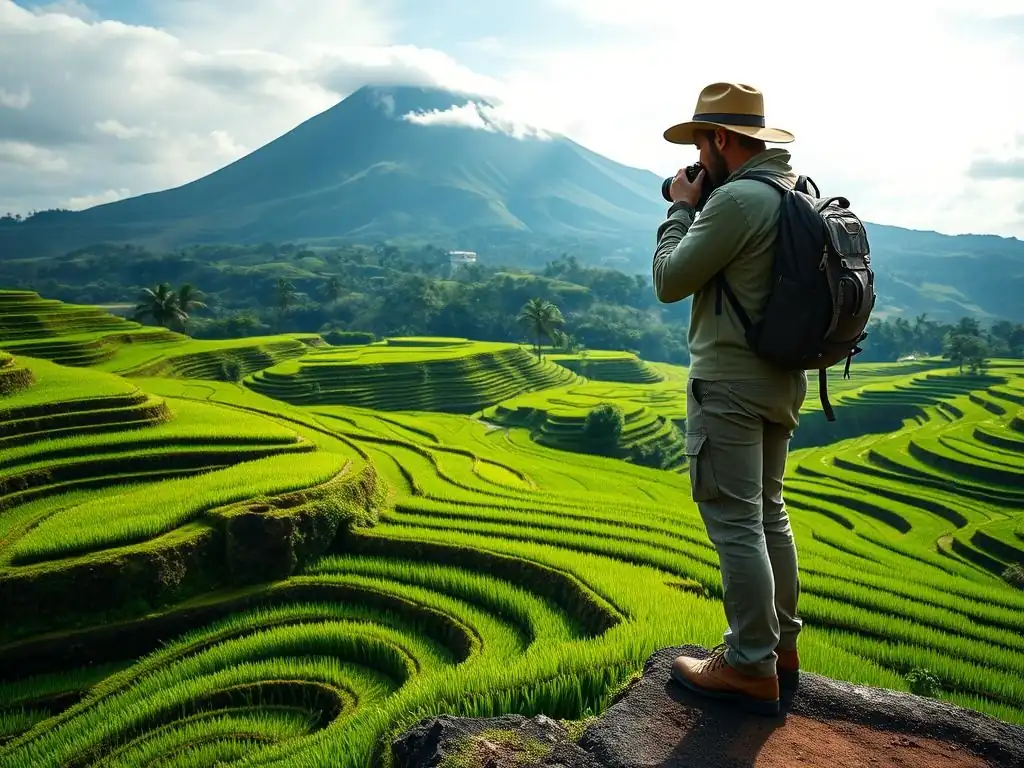
Mount Bromo is an active volcano, and while it is generally safe to visit, it's crucial to prioritize safety and be aware of potential volcanic hazards. Before and during your trip, diligently monitor volcanic activity reports and alerts issued by official sources, such as the Indonesian Center for Volcanology and Geological Hazard Mitigation (PVMBG). These agencies provide up-to-date information on volcanic activity levels, potential hazards, and any restrictions or advisories in place for the Bromo area.
Check the PVMBG website or social media channels regularly for the latest volcanic activity updates. Pay attention to alert levels, which indicate the current state of volcanic activity and the associated risks. Be aware of any exclusion zones or restricted areas around the volcano that may be implemented due to increased activity.
Heed the advice and instructions of local authorities and park rangers regarding safety guidelines and any temporary closures or evacuations. Volcanic activity can change rapidly, so staying informed and vigilant is essential for ensuring your safety while photographing at Mount Bromo. Respect the power of nature and prioritize your well-being over capturing photographs if there are any signs of increased volcanic unrest or warnings issued by authorities.
Understanding Evacuation Routes and Emergency Procedures
In the unlikely event of increased volcanic activity or an eruption while you are at Mount Bromo, it's essential to be aware of evacuation routes and emergency procedures. Familiarize yourself with the designated evacuation routes from the viewpoints and surrounding areas. These routes are typically marked and communicated by park authorities. Pay attention to any safety briefings or instructions provided by your jeep tour operator or park rangers upon arrival at Bromo.
Know the location of assembly points or safe zones in case of an evacuation. Understand the emergency signals or alarms that may be used to indicate an evacuation order. In the event of an evacuation, remain calm, follow the instructions of park rangers and local authorities, and proceed quickly and orderly along the designated evacuation routes.
Do not attempt to retrieve your camera gear or belongings if it delays your evacuation or puts you at risk. Your safety is the top priority. Having a basic understanding of evacuation procedures and being prepared to act quickly and responsibly in an emergency situation is crucial for ensuring your well-being in a volcanic environment.
Wearing Appropriate Protective Gear (Masks, Eye Protection)
Volcanic environments like Mount Bromo can present certain environmental hazards, particularly volcanic dust and gases. Wearing appropriate protective gear is advisable to minimize exposure to these hazards and protect your health, especially if you have respiratory sensitivities. Volcanic dust, as previously mentioned, is pervasive and can irritate the respiratory system, eyes, and skin. Volcanic gases, such as sulfur dioxide, can also be present, particularly near active vents, and can cause respiratory irritation.
Wearing a dust mask or respirator is recommended to protect your lungs from inhaling volcanic dust particles. Choose a mask that is rated to filter out fine particles (N95 or higher). Eye protection, such as goggles or wraparound sunglasses, can help shield your eyes from volcanic dust and irritation.
Wearing long sleeves and long pants can also provide some protection for your skin from dust and potential minor skin irritation. If you have pre-existing respiratory conditions, such as asthma, consult your doctor before visiting Mount Bromo and take extra precautions to minimize exposure to volcanic dust and gases. Proper protective gear can significantly enhance your comfort and safety while photographing in the volcanic environment of Mount Bromo.
Beyond Sunrise: Exploring Other Mount Bromo Photography Opportunities
Photographing the Hindu Tenggerese People and Culture
Beyond the dramatic volcanic landscapes, Mount Bromo offers a unique opportunity to photograph the Hindu Tenggerese people and their rich culture. The Tenggerese are the indigenous inhabitants of the Tengger caldera region and have a distinct Hindu culture that has been preserved for centuries. Their traditional way of life, colorful clothing, and religious ceremonies provide compelling subjects for cultural and documentary photography.
Visit local villages, such as Cemoro Lawang, and observe daily life. With respect and permission, photograph villagers in their traditional attire, engaged in everyday activities. The annual Yadnya Kasada festival, a major Tenggerese Hindu ceremony held at the Bromo crater, is a particularly photogenic event, showcasing vibrant processions, offerings, and traditional rituals.
When photographing people, always be respectful and ask for permission before taking photos, especially during religious ceremonies or in private settings. Learn about Tenggerese customs and traditions to better understand and appreciate their culture, and to capture more meaningful and authentic photographs that go beyond just the landscape. Interacting with and photographing the Tenggerese people can add a rich human dimension to your Bromo photography portfolio.
Exploring the Whispering Sands and Teletubbies Hill
Beyond the main viewpoints and the Bromo crater, the Tengger Caldera offers other photogenic locations worth exploring. The Whispering Sands, a vast expanse of volcanic sand dunes within the caldera, presents a unique desert-like landscape that contrasts with the volcanic peaks. The undulating sand dunes and the play of light and shadow create interesting textures and patterns, offering opportunities for abstract and minimalist landscape photography. The name "Whispering Sands" comes from the sound the wind makes as it blows across the sand dunes.
Teletubbies Hill, also known as Bukit Teletubbies, is a series of rolling green hills located on the outer edge of the caldera. These hills provide a striking contrast to the stark volcanic landscape of the Sea of Sand and Mount Bromo, offering a different perspective and photographic subject. The lush green hills, often dotted with wildflowers, provide a vibrant and colorful foreground against the backdrop of the volcanic peaks.
Exploring these locations beyond the main viewpoints allows you to discover different facets of the Bromo landscape and capture a more diverse range of photographs, moving beyond the typical sunrise shots. Consider allocating extra time to explore these less-visited areas of the Tengger Caldera and discover their unique photographic potential.
Photographing the Bromo Crater Up Close (with caution)
For adventurous photographers, venturing closer to the Bromo crater itself can offer dramatic and intimate perspectives of the active volcano. However, approaching the crater involves some physical exertion and requires caution due to the volcanic environment and potential hazards. From the Sea of Sand, you can walk or hire a horse to reach the base of Mount Bromo and then climb the stairs leading to the crater rim. The climb is moderately strenuous, especially at altitude, but the views from the crater rim are rewarding.
From the crater rim, you can photograph the steaming crater, the sulfurous fumes, and the inner walls of the volcano. Be aware of volcanic gases, which can be strong and irritating at the crater rim. Do not spend extended periods at the crater rim and be mindful of wind direction to avoid inhaling excessive fumes.
Exercise extreme caution near the crater edge, as the terrain can be uneven and unstable. Follow any safety guidelines or warnings issued by park authorities regarding access to the crater. Photographing the Bromo crater up close offers a unique and visceral experience, allowing you to capture the raw power and activity of this active volcano, but always prioritize safety and be aware of the potential hazards involved.
Conclusion: Creating Stunning Mount Bromo Photography
Reflecting on the Unique Beauty of Mount Bromo and its Surroundings
Mount Bromo stands as a testament to the raw power and breathtaking beauty of volcanic landscapes. Its unique combination of geological features, from the vast Tengger Caldera to the iconic volcanic cones and the surreal Sea of Sand, creates a photographer's paradise unlike any other.
The ethereal sunrise views, the dramatic volcanic activity, and the rich cultural heritage of the Tenggerese people all contribute to the captivating allure of Bromo. Photographing Mount Bromo is not just about capturing images; it's about experiencing the majesty of nature, witnessing the interplay of light and landscape, and immersing oneself in a truly unique and awe-inspiring environment.
The challenges of photographing in this volcanic environment, from the cold temperatures and volcanic dust to the low light conditions, are part of what makes the experience so rewarding. Overcoming these challenges and capturing stunning images of Mount Bromo is a testament to a photographer's skill, planning, and perseverance. The photographs you create at Bromo will not only document a remarkable landscape but also serve as a lasting reminder of the incredible beauty and power of our planet.
Encouragement to Respect the Local Culture and Environment
As you embark on your Mount Bromo photography adventure, remember to travel responsibly and respectfully. The Tengger Caldera is not just a tourist destination; it is the ancestral home of the Tenggerese people and a sacred landscape for their Hindu traditions. Respect their culture, customs, and religious sites. Dress modestly when visiting villages and temples, and ask for permission before photographing people or religious ceremonies.
Be mindful of the environment and practiceLeave No Trace principles. Do not litter, stay on marked trails, and avoid disturbing the natural landscape. Support local businesses and communities by using local guides, jeep operators, and staying in locally owned guesthouses. By traveling responsibly and respectfully, you can help ensure the preservation of both the cultural heritage and the natural beauty of Mount Bromo for future generations. Your photographs can then serve not only as stunning visual records but also as a testament to your mindful and ethical approach to travel and photography.
Frequently Asked Questions
How can I capture the best light when photographing Mount Agung and the rice terraces?
The golden hours (sunrise and sunset) offer the most dramatic lighting for capturing the vibrant colors of the rice terraces and the silhouette of Mount Agung. Plan your shoots accordingly for the best results.
What are some essential photography gear recommendations for photographing Mount Agung and the rice terraces?
A wide-angle lens is crucial to capture the expansive rice terraces, while a telephoto lens allows you to zoom in on Mount Agung. Don't forget a sturdy tripod for sharp images in low light.
Are there any safety considerations to keep in mind when photographing Mount Agung, given its volcanic activity?
Always check the current volcanic activity alerts before heading out and be aware of evacuation routes. Stay informed and heed the advice of local authorities for your personal safety.
What are some unique compositional techniques I can use to make my Mount Agung and rice terrace photos stand out?
Experiment with leading lines created by the rice terraces to draw the viewer's eye to Mount Agung. Also, consider including local farmers or cultural elements to add depth and story to your images.
How can I find the best locations with unobstructed views of both Mount Agung and the rice terraces?
Explore the Tegalalang Rice Terraces and surrounding areas, looking for vantage points on higher ground. Ask local guides for their recommendations on the best viewpoints.
Final Reflection: Capturing the Soul of Bali
The allure of Bali, particularly its iconic rice terraces framed by the majestic Mount Agung, continues to captivate photographers worldwide. This enduring fascination underscores the power of landscape photography to not only document beauty but also to connect us with the raw, untamed spirit of nature. The tips and techniques explored in this article serve as a guide, not just to taking better pictures, but to experiencing Bali on a deeper, more meaningful level.
The interplay between the volcanic presence and the meticulously cultivated rice paddies has profoundly shaped Bali's cultural and spiritual identity. This delicate balance, constantly threatened by natural forces and human impact, reminds us of the fragility of beauty and the importance of responsible tourism. The best and most beautiful things in the world cannot be seen or even touched - they must be felt with the heart.
- Helen Keller. This sentiment resonates deeply when witnessing the sunrise paint the slopes of Agung, illuminating the emerald terraces below.
As you embark on your own photographic journey in Bali, remember that the most compelling images are born from patience, respect, and a genuine connection with the land. Let the tips shared here be a starting point, but allow your own intuition and creativity to guide you. Capture not just the scenery, but the soul of Bali, and in doing so, perhaps you'll discover a little more about your own.
Unearth Your Inner Landscape Photographer!
Thank you for joining us on this visual journey through the breathtaking rice terraces of Mount Agung. We hope you've discovered new inspiration and practical tips for capturing the magic of Bali's landscapes. Now, it's your turn to bring these vistas to life!
Here's how you can continue the adventure:
- Plan your photography trip to the rice terraces! Choose the golden hour for the best light and capture the volcano's majesty.
- Share your own best Mount Agung rice terrace photos using the hashtag #VolcanoExplorersBali to connect with fellow photographers and inspire our community.
- Unexpected action: Research traditional Balinese farming techniques and seek out opportunities to ethically engage with local farmers, capturing not just the landscape but also the heart of Balinese culture.
Ready to pack your camera and chase those unforgettable volcano views?