
Pinatubo: The Volcano That Briefly Put the Brakes on Global Warming

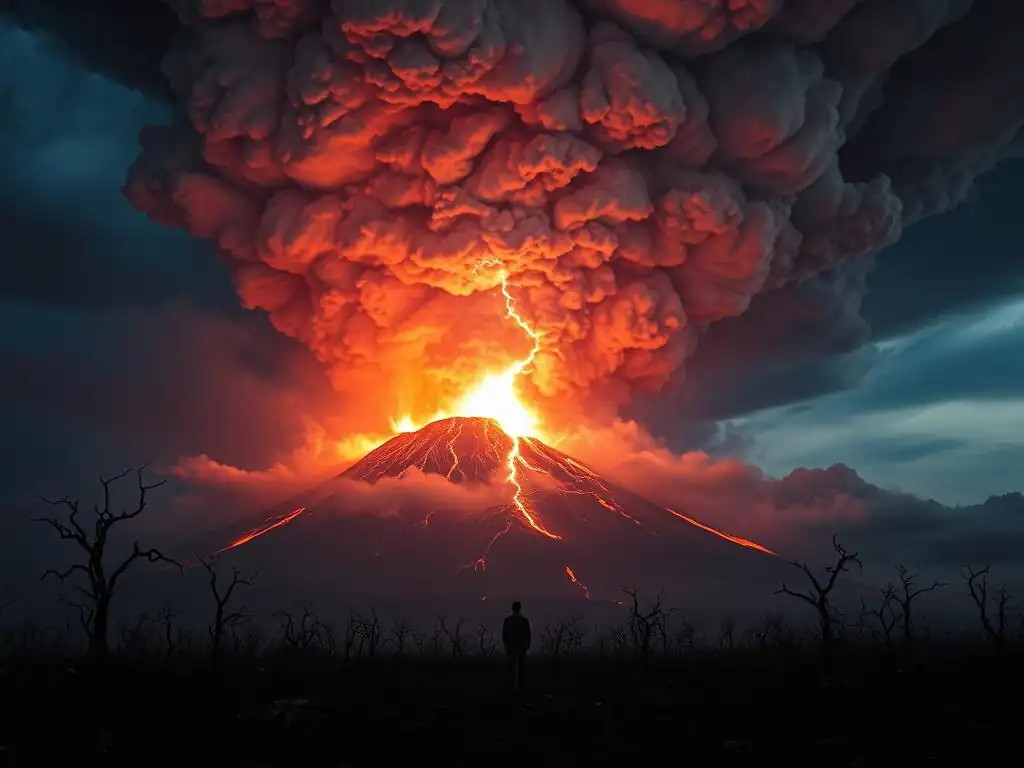
Welcome to Volcano Explorers, where we ignite your curiosity about the Earth's fiery heart! Prepare to be captivated by the raw power and breathtaking beauty of volcanoes. But what if a volcano could actually cool the planet? Dive in to uncover the surprising truth about the Pinatubo volcanic eruption impact and discover how this colossal event briefly put the brakes on global warming. What secrets does this famous eruption hold, and what lessons can we learn from its awesome force? Let the exploration begin!
- Introduction: The 1991 Pinatubo Eruption and its Global Impact
- Pinatubo's Explosive Eruption: A Geological Overview
- The Pinatubo Volcanic Eruption Impact on the Atmosphere
- Global Cooling After Pinatubo: A Temporary Climate Shift
- Pinatubo's Impact on Global Climate: A Deeper Dive
- Beyond Temperature: Other Environmental Consequences of the Pinatubo Eruption
- The Pinatubo Eruption: Lessons Learned and Future Volcanic Hazards
- Pinatubo: A Reminder of Nature's Power and Influence
-
Frequently Asked Questions
- What was the most significant environmental impact of the Pinatubo volcanic eruption?
- How did the Pinatubo eruption affect the local population surrounding the volcano?
- What made the Pinatubo eruption unique compared to other large volcanic events?
- How did the scientific community study and understand the Pinatubo eruption?
- What are some long-term lessons learned from the Pinatubo volcanic eruption?
- Final Reflection: The Enduring Echoes of Pinatubo
- Ignite Your Inner Volcanologist!
Introduction: The 1991 Pinatubo Eruption and its Global Impact
The year 1991 witnessed one of the most significant volcanic eruptions of the 20th century: the cataclysmic explosion of Mount Pinatubo in the Philippines. This eruption was not only devastating locally, reshaping landscapes and impacting communities, but it also had a profound effect on the global climate. In the years following the eruption, scientists observed a noticeable dip in global temperatures, a phenomenon directly linked to the massive amounts of volcanic gases and particles injected into the stratosphere.
This event serves as a powerful real-world example of how natural phenomena can influence the Earth's climate system, providing invaluable insights into the complex interactions between volcanism and global temperatures. The Pinatubo volcanic eruption impact became a crucial case study for climate scientists, demonstrating the short-term cooling effects of large volcanic events.
The eruption of Mount Pinatubo provided a unique opportunity to study the Earth's climate response to a large-scale natural perturbation. Unlike human-induced climate change, which operates over decades and centuries, the Pinatubo eruption offered a relatively rapid and measurable impact. The event allowed researchers to test and refine climate models, improve our understanding of atmospheric processes, and appreciate the delicate balance of Earth's climate.
Furthermore, the Pinatubo volcanic eruption impact highlighted the potential for volcanic eruptions to temporarily offset, or at least mask, the warming trend associated with greenhouse gas emissions, albeit with a host of other environmental consequences. This article will delve into the specifics of the Pinatubo eruption, its geological context, and the intricate mechanisms through which it exerted its global cooling influence.
Pinatubo's Explosive Eruption: A Geological Overview
The Pre-Eruption Activity and Warning Signs at Mount Pinatubo
Before the colossal eruption of June 1991, Mount Pinatubo had been dormant for over 500 years, leading many to believe it was extinct. However, in the months leading up to the major event, subtle but increasingly concerning signs of volcanic unrest began to emerge. In March 1991, steam explosions started occurring on the volcano's north flank, a clear indication of rising magma interacting with groundwater.
These initial phreatic explosions were followed by an increase in seismic activity, with earthquakes becoming more frequent and stronger, signaling magma movement beneath the surface. Philippine volcanologists, alongside scientists from the U.S. Geological Survey (USGS), closely monitored these developments, recognizing the escalating threat.
The scientific monitoring efforts at Mount Pinatubo were crucial in providing early warnings and facilitating timely evacuations. Gas measurements revealed increasing sulfur dioxide emissions, further confirming the ascent of magma rich in volatile components. Ground deformation studies showed the volcano's edifice was swelling, another classic precursor to an eruption.
By May and early June, the alert level was raised multiple times as activity intensified, culminating in the issuance of warnings for a major eruption. This proactive monitoring and communication, based on a combination of seismic, gas, and deformation data, played a vital role in saving thousands of lives, despite the immense power of the impending Pinatubo volcanic eruption impact.
The Cataclysmic Eruption of June 1991: A Timeline of Events
The climactic phase of the Pinatubo eruption unfolded over several days in June 1991, reaching its peak on June 15th. On June 12th, the first major explosive eruption occurred, sending ash clouds high into the atmosphere and generating pyroclastic flows down the volcano's slopes. This event served as a dramatic escalation of the volcanic activity and prompted further evacuations in the surrounding areas. Over the next few days, eruptions continued, with increasing intensity and volume of ejected material.
June 15th marked the most powerful phase of the eruption. Triggered by a typhoon passing over the Philippines, the interaction of rainwater with hot volcanic deposits may have contributed to the eruption's intensity. A massive eruption column soared over 35 kilometers (22 miles) into the stratosphere. Pyroclastic flows raced down all sides of the volcano, devastating everything in their path.
The eruption produced an estimated 10 cubic kilometers (2.4 cubic miles) of volcanic material, making it the second-largest volcanic eruption of the 20th century, after the 1912 eruption of Novarupta in Alaska. The Pinatubo volcanic eruption impact on the landscape and atmosphere was immediate and catastrophic. The eruption continued at a reduced level for several more days before gradually subsiding.
Volcanic Ash and Pyroclastic Flows: The Immediate Devastation
The immediate aftermath of the Pinatubo eruption was characterized by widespread devastation caused by volcanic ashfall and pyroclastic flows. Ash, a mixture of pulverized rock, mineral, and volcanic glass particles, blanketed a vast area surrounding the volcano. Several inches of ash accumulated on buildings, infrastructure, and agricultural lands, causing roofs to collapse, disrupting transportation, and devastating crops. The heavy ashfall also posed significant health hazards, causing respiratory problems and eye irritation for those exposed.
Pyroclastic flows, fast-moving currents of hot gas and volcanic debris, were responsible for the most destructive immediate impacts. These flows swept down the valleys surrounding Pinatubo at speeds exceeding 100 kilometers per hour (60 mph) and temperatures reaching hundreds of degrees Celsius. They incinerated forests, buried villages, and completely reshaped the landscape.
The areas directly affected by pyroclastic flows were rendered uninhabitable, and the ecological damage was immense. The Pinatubo volcanic eruption impact on the local environment was profound and long-lasting, requiring extensive recovery and rebuilding efforts in the years that followed. Lahars, volcanic mudflows, further compounded the destruction in the months and years after the eruption, as heavy rainfall remobilized volcanic ash and debris.
The Pinatubo Volcanic Eruption Impact on the Atmosphere

Sulfur Dioxide Injection: The Key to Global Cooling
The global cooling effect of the Pinatubo eruption was primarily attributed to the massive injection of sulfur dioxide (SO₂) gas into the stratosphere. During the eruption, approximately 20 million tons of sulfur dioxide were propelled high into the atmosphere, reaching altitudes of over 20 kilometers (12 miles). This quantity was significantly greater than that released by most other eruptions in recent history. Sulfur dioxide itself does not directly cause cooling, but it initiates a series of atmospheric chemical reactions that lead to the formation of sulfate aerosols, which are the primary drivers of volcanic cooling.
Once in the stratosphere, the sulfur dioxide gas reacted with water vapor through a process called oxidation, gradually transforming into sulfuric acid (H₂SO₄) droplets. These droplets, in turn, condensed and grew, forming a widespread layer of sulfate aerosols in the stratosphere.
The longevity of these aerosols in the stratosphere is crucial; unlike aerosols in the lower troposphere which are quickly washed out by rain, stratospheric aerosols can persist for one to two years. This extended residence time allowed the sulfate aerosols from the Pinatubo volcanic eruption impact to effectively influence the global radiation budget and induce a period of global cooling.
Aerosol Formation and Stratospheric Haze: Blocking Sunlight
The layer of sulfate aerosols formed in the stratosphere after the Pinatubo eruption created a global haze, effectively increasing the Earth's albedo, or reflectivity. These aerosols are highly reflective to incoming solar radiation, scattering a portion of sunlight back into space before it could reach the Earth's surface. This reduction in incoming solar radiation led to a decrease in the amount of energy absorbed by the Earth's system, resulting in a cooling effect. The stratospheric aerosol cloud from Pinatubo was observed to spread rapidly around the globe, encircling the Earth within a few weeks of the eruption.
The optical properties of these sulfate aerosols are key to their cooling effect. They are most effective at scattering shortwave radiation (sunlight), while being relatively transparent to longwave radiation (heat emitted from the Earth). This selective scattering of sunlight is what causes the net cooling effect.
The Pinatubo volcanic eruption impact on the atmosphere, through the formation of this stratospheric aerosol haze, was a significant perturbation to the Earth's radiative balance, leading to observable and measurable changes in global temperatures and other climate variables. The thickness and distribution of this aerosol layer were meticulously tracked by satellites and ground-based instruments, providing valuable data for climate research.
Measuring the Atmospheric Effects: Scientific Data and Observations
Scientists meticulously measured the atmospheric effects of the Pinatubo eruption using a variety of tools and techniques. Satellites played a crucial role in monitoring the spread and evolution of the stratospheric aerosol cloud. Instruments like the Stratospheric Aerosol and Gas Experiment (SAGE) provided detailed measurements of aerosol optical depth, altitude distribution, and composition. These satellite observations confirmed the rapid global dispersal of the aerosol cloud and its persistence in the stratosphere.
Ground-based lidar (Light Detection and Ranging) systems were also deployed to measure the vertical distribution of aerosols in the atmosphere, complementing satellite observations. Radiosondes, weather balloons equipped with instruments, measured changes in stratospheric temperatures and ozone concentrations.
Surface-based radiation measurements, taken at various locations around the world, recorded a decrease in incoming solar radiation and an increase in diffuse radiation (scattered sunlight), directly confirming the aerosol cloud's impact on the Earth's radiation budget. Analysis of this extensive dataset allowed scientists to quantify the Pinatubo volcanic eruption impact on the atmosphere with unprecedented precision, providing robust evidence for the link between volcanic eruptions and global cooling.
Global Cooling After Pinatubo: A Temporary Climate Shift
The Drop in Global Temperatures: How Much and For How Long?
The Pinatubo volcanic eruption impact on global temperatures was readily apparent in the years following 1991. Global average temperatures decreased by approximately 0.4 to 0.6 degrees Celsius (0.7 to 1.1 degrees Fahrenheit) in the year after the eruption. This cooling was significant, effectively offsetting a portion of the warming trend associated with human-induced greenhouse gas emissions at that time. The cooling effect was most pronounced in 1992 and 1993, with temperatures gradually recovering to pre-eruption levels over the subsequent years as the stratospheric aerosol cloud dissipated.
The magnitude of the temperature drop was consistent with climate model predictions based on the amount of sulfur dioxide injected into the stratosphere. This agreement between observations and model simulations further validated the understanding of the mechanisms driving volcanic cooling. While seemingly small, a global temperature decrease of 0.4 to 0.6 degrees Celsius has noticeable impacts on weather patterns and ecosystems. The Pinatubo eruption provided a clear demonstration of the sensitivity of the Earth's climate system to radiative forcing changes, even those of relatively short duration.
Regional Variations in Cooling: Different Impacts Across the Globe
While the Pinatubo eruption caused a global average cooling, the temperature changes were not uniform across the globe. Some regions experienced more pronounced cooling than others, and some even experienced localized warming in certain seasons. The Northern Hemisphere, particularly mid-to-high latitudes, generally experienced greater cooling than the Southern Hemisphere. This hemispheric asymmetry is partly attributed to the distribution of landmasses and the prevailing atmospheric circulation patterns.
Over land areas, the cooling effect was generally more pronounced than over oceans, due to the lower thermal inertia of land compared to water. Continental interiors in the Northern Hemisphere, such as North America and Eurasia, experienced notable temperature reductions. In contrast, some regions, such as parts of the Arctic and North Atlantic, experienced localized and temporary warming during winter months.
These regional variations highlight the complex interplay of atmospheric circulation, ocean currents, and land-sea contrasts in modulating the Pinatubo volcanic eruption impact on regional climates. Understanding these regional nuances is crucial for predicting the impacts of future volcanic eruptions on different parts of the world.
Changes in Precipitation Patterns: Monsoons and Droughts
Beyond temperature changes, the Pinatubo eruption also influenced global precipitation patterns. The altered atmospheric circulation and radiative balance resulting from the stratospheric aerosols led to shifts in monsoon systems and increased the likelihood of droughts in some regions. Studies have indicated that the eruption weakened the Asian monsoon circulation, resulting in reduced rainfall in parts of South Asia and Southeast Asia in the summers following the eruption. This disruption of the monsoon system can have significant implications for agriculture and water resources in these regions.
Conversely, some regions experienced increased precipitation. For example, parts of Africa and South America saw wetter conditions in the years after Pinatubo. These changes in precipitation patterns are complex and less well-understood than the temperature effects, but they underscore the far-reaching consequences of large volcanic eruptions on the global climate system. The Pinatubo volcanic eruption impact on precipitation patterns demonstrates that volcanic eruptions can influence not only temperature but also other critical aspects of the global hydrological cycle, with potential socioeconomic consequences related to water availability and agricultural productivity.
Pinatubo's Impact on Global Climate: A Deeper Dive
The Role of Volcanic Eruptions in Earth's Climate System
Volcanic eruptions have played a significant role in shaping Earth's climate throughout geological history. Large volcanic eruptions, particularly those that inject substantial amounts of sulfur dioxide into the stratosphere, can exert a short-term cooling influence on the global climate. These events provide natural experiments that help scientists understand the sensitivity of the climate system to changes in radiative forcing. While the cooling effect of individual eruptions is temporary, lasting for a few years at most, the cumulative effect of volcanic activity over long timescales can influence long-term climate trends.
In Earth's distant past, massive volcanic eruptions, known as Large Igneous Provinces (LIPs), are thought to have triggered periods of both global cooling and warming, depending on the types of gases released and the specific geological context. While sulfur dioxide leads to cooling, volcanic carbon dioxide (CO₂) emissions, although much smaller than human emissions currently, can contribute to long-term warming over geological timescales. The Pinatubo volcanic eruption impact, while relatively short-lived, provides a modern analog for understanding the cooling mechanisms associated with volcanic sulfur emissions and their role in the broader context of Earth's climate system.
Pinatubo vs. Other Major Volcanic Eruptions: A Comparative Analysis
The Pinatubo eruption, while significant, was not the largest volcanic eruption in recorded history. Several other eruptions, both in the distant past and more recently, have had comparable or even greater impacts on the global climate. The 1815 eruption of Mount Tambora in Indonesia, for example, was significantly larger than Pinatubo and led to the "Year Without a Summer" in 1816, with widespread crop failures and famine in many parts of the world. The Krakatoa eruption in 1883 also injected a substantial amount of sulfur dioxide into the stratosphere, causing measurable global cooling.
Comparing the Pinatubo volcanic eruption impact with these other eruptions highlights the variability in volcanic forcing and climate response. Factors such as the latitude of the eruption, the altitude of sulfur dioxide injection, and the background climate state can influence the magnitude and duration of the cooling effect. While Pinatubo provided a well-documented case study of volcanic cooling in the late 20th century, studying past eruptions, through ice core records and other paleoclimate archives, is crucial for understanding the full range of volcanic influences on Earth's climate and for refining climate models to better represent these natural forcings.
Improving Climate Models with Volcanic Data
The Pinatubo eruption provided an invaluable test case for climate models. The detailed observations of the eruption's atmospheric effects, including the distribution of aerosols and the resulting temperature changes, allowed scientists to evaluate and improve the representation of volcanic forcing in climate models. By comparing model simulations with observational data from Pinatubo, researchers could identify strengths and weaknesses in model parameterizations of aerosol formation, radiative transfer, and atmospheric dynamics.
The Pinatubo data helped refine the representation of sulfate aerosol chemistry and microphysics in climate models, leading to more accurate simulations of volcanic cooling. It also highlighted the importance of accurately representing stratospheric processes in climate models, as the stratosphere plays a key role in mediating the climate response to volcanic eruptions.
The Pinatubo volcanic eruption impact has significantly contributed to the advancement of climate modeling capabilities, enhancing the reliability of climate projections and improving our understanding of the complex interactions within the Earth's climate system. Volcanic eruptions continue to be an important factor considered in modern climate models used for future climate projections.
Beyond Temperature: Other Environmental Consequences of the Pinatubo Eruption
Ozone Depletion: The Interaction with Atmospheric Chemicals
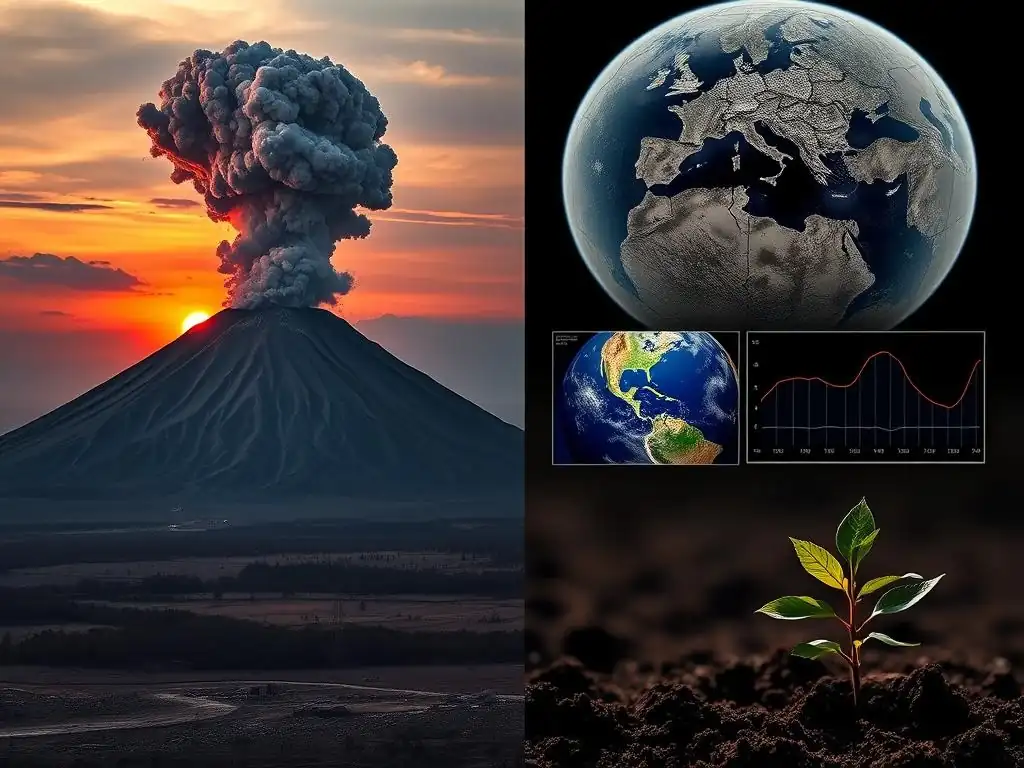
Beyond its impact on global temperatures, the Pinatubo eruption also had significant consequences for stratospheric ozone. The sulfate aerosols from the eruption provided surfaces for chemical reactions that enhanced the destruction of ozone, particularly in the mid-latitudes. These reactions, involving chlorine-containing chemicals already present in the stratosphere due to human activities (like CFCs), were accelerated by the presence of sulfate aerosols. This led to a temporary increase in ozone depletion in the years following the eruption, particularly during winter and spring in both hemispheres.
The Pinatubo volcanic eruption impact on ozone depletion was most pronounced in regions already experiencing ozone thinning, such as the Antarctic ozone hole. While the volcanic aerosols themselves do not directly destroy ozone, they enhance the efficiency of ozone-depleting substances already in the atmosphere. The enhanced ozone depletion was temporary, as the aerosol cloud dissipated and the atmosphere gradually recovered. However, it highlighted the complex interactions between volcanic eruptions, atmospheric chemistry, and human-induced pollution, demonstrating that volcanic eruptions can exacerbate existing environmental problems.
Acid Rain and its Impact on Ecosystems
While the global cooling effect was the most prominent and far-reaching consequence of the Pinatubo eruption, the eruption also caused localized acid rain in the regions surrounding the volcano. The sulfur dioxide gas released during the eruption reacted with water vapor in the atmosphere to form sulfuric acid, which then fell as acid rain. Acid rain can have detrimental effects on ecosystems, damaging vegetation, acidifying lakes and rivers, and leaching nutrients from soils.
In the areas directly downwind of Pinatubo, acid rain caused significant damage to forests and agricultural lands. The acidity of rainfall increased substantially in the immediate aftermath of the eruption. While the acid rain effects were primarily localized, they represent another facet of the Pinatubo volcanic eruption impact on the environment. The release of volcanic gases, including sulfur dioxide, can have multiple environmental consequences, ranging from global climate effects to regional ecological damage.
Impact on Ocean Productivity and Marine Ecosystems
The Pinatubo eruption, through its influence on atmospheric conditions and nutrient deposition, also had indirect impacts on ocean productivity and marine ecosystems. Changes in solar radiation and atmospheric circulation patterns can affect ocean temperatures, nutrient mixing, and phytoplankton growth. Studies have suggested that the Pinatubo eruption led to a temporary decrease in ocean productivity in some regions, particularly in the equatorial Pacific. Reduced sunlight due to the stratospheric aerosols may have limited phytoplankton photosynthesis, the base of the marine food web.
Conversely, volcanic ash deposition can also act as a source of nutrients for the ocean, potentially stimulating phytoplankton growth in some areas. The Pinatubo volcanic eruption impact on marine ecosystems is complex and multifaceted, involving both negative and potentially positive effects. Further research is needed to fully understand the long-term consequences of volcanic eruptions on ocean productivity and marine food webs, but it is clear that these events can have far-reaching ecological impacts beyond the immediate volcanic region.
The Pinatubo Eruption: Lessons Learned and Future Volcanic Hazards
Monitoring Volcanoes: Improving Prediction and Early Warning Systems
The Pinatubo eruption, despite its devastating power, is considered a success story in terms of volcanic hazard mitigation. The effective monitoring efforts and timely warnings issued by volcanologists undoubtedly saved thousands of lives. The eruption highlighted the importance of robust volcano monitoring networks, including seismic, gas, and deformation measurements, for detecting signs of volcanic unrest and providing early warnings. The experience gained from Pinatubo led to significant improvements in volcano monitoring techniques and early warning systems worldwide.
Following Pinatubo, there was increased investment in volcano monitoring infrastructure and research, particularly in developing countries with significant volcanic hazards. New technologies, such as satellite-based monitoring and advanced seismic networks, have enhanced the ability to detect and track volcanic activity. The Pinatubo volcanic eruption impact served as a powerful reminder of the importance of preparedness and proactive monitoring in mitigating volcanic risks. The eruption underscored the need for continued vigilance and investment in volcano science to protect communities living near active volcanoes.
Assessing Volcanic Risk: Vulnerability and Mitigation Strategies
The Pinatubo eruption also emphasized the importance of comprehensive volcanic risk assessments and effective mitigation strategies. Volcanic risk is determined not only by the hazard posed by the volcano itself but also by the vulnerability of the exposed population and infrastructure. The eruption highlighted the need to consider social, economic, and infrastructure vulnerabilities in volcanic risk assessments. Effective mitigation strategies include land-use planning, building codes, evacuation plans, and public education programs.
The Pinatubo volcanic eruption impact demonstrated that even with advanced warning, effective evacuation and preparedness are crucial for minimizing casualties and economic losses. The eruption underscored the need for community-based disaster risk reduction approaches, involving local populations in planning and preparedness efforts. Lessons learned from Pinatubo continue to inform volcanic risk management practices around the world, emphasizing the importance of a holistic approach that integrates scientific monitoring, risk assessment, and community engagement.
Advancements in Volcanic Ash Cloud Tracking
The Pinatubo eruption significantly advanced the field of volcanic ash cloud tracking. The eruption produced a massive ash cloud that disrupted air travel across Southeast Asia and beyond. The need to mitigate the hazards posed by volcanic ash to aviation spurred the development of improved ash cloud detection and tracking techniques. Satellite-based instruments, weather radar, and ground-based observation networks have been enhanced to better monitor and forecast the movement of volcanic ash clouds.
Volcanic Ash Advisory Centers (VAACs) around the world play a critical role in providing timely information to the aviation industry about ash cloud locations and forecasts. The Pinatubo volcanic eruption impact on air travel highlighted the vulnerability of aviation to volcanic eruptions and the importance of accurate ash cloud tracking for flight safety. Advancements in ash cloud modeling and forecasting continue to improve aviation safety and minimize disruptions caused by volcanic eruptions. The event served as a catalyst for international collaboration and technological development in this critical area of volcanic hazard mitigation.
Pinatubo: A Reminder of Nature's Power and Influence
The Beauty and Destruction of Volcanic Landscapes
Volcanoes are both awe-inspiring natural wonders and agents of immense destruction. The Pinatubo eruption vividly demonstrated this duality. The eruption created stunning volcanic landscapes, including the vast caldera now filled with the beautiful Crater Lake. The dramatic scenery and geological formations attract tourists and researchers alike, highlighting the aesthetic and scientific value of volcanic areas.
However, the eruption also caused widespread devastation, reshaping landscapes, burying communities, and impacting ecosystems. The Pinatubo volcanic eruption impact serves as a stark reminder of the immense power of nature and the potential for volcanic eruptions to cause both beauty and destruction. Volcanoes are dynamic forces that shape our planet, creating fertile lands and geothermal resources, while also posing significant hazards to human populations and the environment.
The Socioeconomic Impact on Local Communities
The Pinatubo eruption had profound and long-lasting socioeconomic impacts on local communities in the Philippines. The immediate aftermath of the eruption caused widespread displacement, loss of livelihoods, and damage to infrastructure. Agriculture, a major source of income for many communities, was severely affected by ashfall and pyroclastic flows. Rebuilding infrastructure and re-establishing livelihoods required significant resources and long-term recovery efforts.
The Pinatubo volcanic eruption impact highlighted the vulnerability of communities living near active volcanoes, particularly in developing countries with limited resources. The eruption underscored the need for sustainable development strategies that take into account volcanic hazards and promote community resilience. While recovery efforts have been substantial, the socioeconomic consequences of the Pinatubo eruption continue to be felt in the affected regions, emphasizing the long-term challenges of living with volcanic risk.
Conclusion: Understanding the Long-Term Legacy of the Pinatubo Volcanic Eruption Impact
The Pinatubo eruption of 1991 stands as a landmark event in volcanology and climate science. Its Pinatubo volcanic eruption impact extended far beyond the immediate vicinity of the volcano, influencing global temperatures, atmospheric chemistry, and even precipitation patterns. The eruption provided invaluable insights into the mechanisms of volcanic cooling and the role of volcanic eruptions in the Earth's climate system. It also highlighted the importance of volcano monitoring, risk assessment, and preparedness in mitigating volcanic hazards.
The long-term legacy of the Pinatubo eruption includes advancements in volcano science, improved climate models, and enhanced awareness of volcanic risks. The eruption serves as a powerful reminder of the interconnectedness of Earth's systems and the profound influence of natural events on our planet. Understanding the lessons learned from Pinatubo is crucial for preparing for future volcanic eruptions and for building more resilient communities in volcanically active regions around the world. The event remains a critical case study for understanding the complex interplay between volcanism, climate, and society.
Frequently Asked Questions
What was the most significant environmental impact of the Pinatubo volcanic eruption?
The injection of massive amounts of aerosols into the stratosphere led to a temporary global cooling effect. This was due to the aerosols reflecting sunlight back into space.
How did the Pinatubo eruption affect the local population surrounding the volcano?
The eruption caused widespread destruction from pyroclastic flows, lahars, and ashfall. This resulted in displacement, loss of life, and long-term health impacts.
What made the Pinatubo eruption unique compared to other large volcanic events?
The sheer volume of sulfur dioxide released into the atmosphere was exceptional. This resulted in a particularly pronounced and measurable global cooling effect.
How did the scientific community study and understand the Pinatubo eruption?
Volcanologists used a variety of tools, including satellite observations and ground-based monitoring, to track the eruption's progress. They also analyzed the composition of the volcanic ash and gases to understand its impact.
What are some long-term lessons learned from the Pinatubo volcanic eruption?
The eruption highlighted the potential for volcanic eruptions to significantly influence global climate. It also emphasized the importance of volcano monitoring and disaster preparedness for vulnerable communities.
Final Reflection: The Enduring Echoes of Pinatubo
The eruption of Mount Pinatubo in 1991 serves as a stark reminder of nature's immense power and its capacity to influence global climate patterns. The temporary cooling effect, a direct consequence of the Pinatubo volcanic eruption impact, underscores the intricate and often unpredictable relationship between volcanic activity and our planet's climate system. Understanding this relationship is more critical than ever as we grapple with the long-term effects of human-induced climate change.
The lessons learned from Pinatubo extend beyond scientific data; they touch upon our understanding of resilience, adaptation, and the interconnectedness of global systems. The eruption forced us to confront the fragility of our environment and the potential for sudden, dramatic shifts. The Earth speaks to all of us, and if we listen, we can understand.
This quote, though not directly about Pinatubo, encapsulates the profound message embedded within its legacy: we must heed the Earth's signals and act responsibly to safeguard our future.
As we move forward, let us remember the lessons of Pinatubo. Consider how this single event, a powerful volcanic eruption, temporarily altered the course of global warming. What actions, both large and small, can you take to contribute to a more sustainable future? Reflect on your own impact on the planet and strive to be a force for positive change, ensuring that the echoes of Pinatubo serve as a constant reminder of the responsibility we all share.
Ignite Your Inner Volcanologist!
Thank you for delving into the fascinating story of Mount Pinatubo and its surprising impact on global temperatures. Now that you've learned about this colossal eruption and its ripple effects, it's time to translate that knowledge into action.
- Become a citizen scientist: Research ongoing volcanic monitoring programs near you (or globally!) and discover how you can contribute valuable data to help scientists understand and predict future eruptions.
- Share this article with three friends or family members who are interested in science, history, or climate change. Help spread awareness about the complex relationship between volcanoes and our planet.
- Uncover the secrets of your local geological history! Visit a nearby geological survey website (e.g., in the US, search for your state's "geological survey") and explore the volcanic or tectonic history of your area.
What questions about volcanoes and climate change still burn brightest for you? Share your thoughts in the comments below!