
Breathing Under Ash Clouds: Unmasking the Environmental Scars of La Palma's Eruption

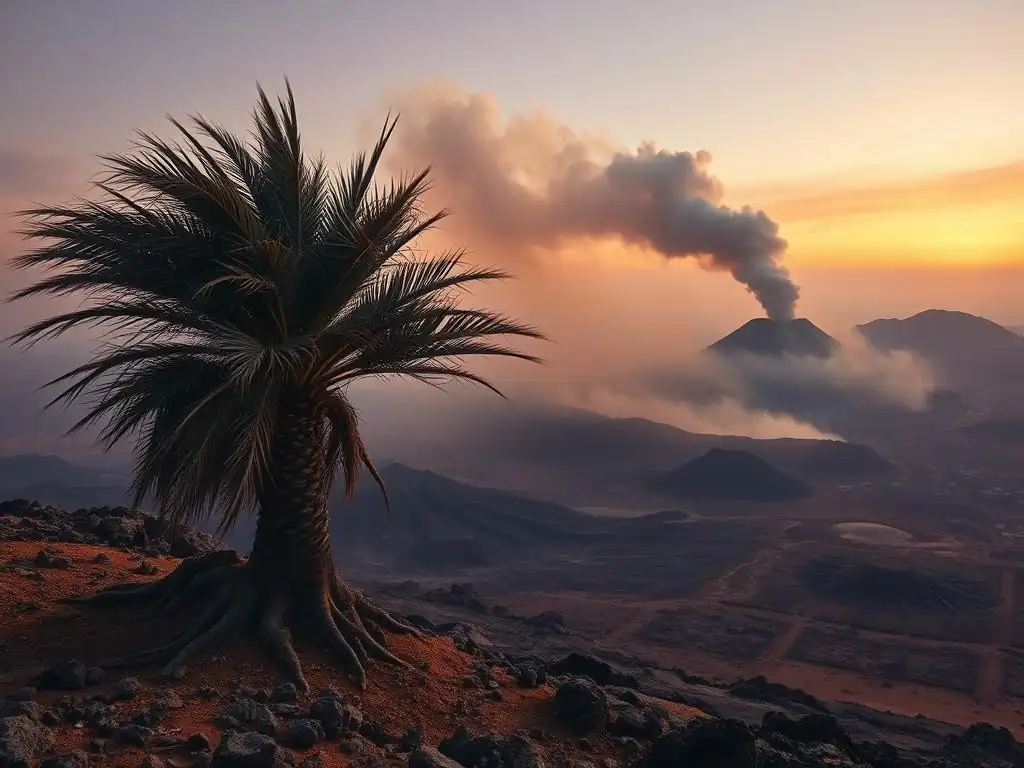
Welcome to Volcano Explorers, where the Earth breathes fire and ash. Ever wondered about the true cost of nature's most dramatic displays? Today, we're diving deep into the environmental impact of volcanic eruptions, focusing on the unforgettable scars left by La Palma. Prepare to unmask the devastating consequences that ripple far beyond the immediate destruction, sparking a vital conversation about our planet's resilience. Are you ready to explore?
- Introduction: La Palma's Eruption and its Environmental Toll
- Ashfall's Impact: A Deep Dive into the Immediate Environmental Effects
- Long-Term Environmental Consequences of the La Palma Eruption
- The Chemical Footprint: Analyzing Volcanic Gas Emissions
- The Human Cost: Environmental Health Impacts on La Palma Residents
- Comparing La Palma's Environmental Impact with Other Volcanic Eruptions
- Recovery and Mitigation: Addressing the Environmental Scars
- The Role of Volcanologists in Environmental Monitoring and Mitigation
- Conclusion: La Palma's Legacy and the Importance of Environmental Preparedness
-
Frequently Asked Questions
- What are some immediate environmental impacts of a volcanic eruption like the one on La Palma?
- How does volcanic ash specifically affect the environment?
- What are the long-term effects on the soil after a volcanic eruption?
- How do volcanic gases contribute to environmental problems?
- What can be done to mitigate the environmental impact of volcanic eruptions?
- Final Reflection: The Enduring Breath of Resilience
- Discover Your Inner Geologist: Explore, Connect, and Protect!
Introduction: La Palma's Eruption and its Environmental Toll
A Brief Overview of the 2021 La Palma Eruption
On September 19, 2021, the Cumbre Vieja volcano on the island of La Palma, in the Canary Islands, commenced a dramatic eruption that would persist for 85 days, officially ending on December 13, 2021. This prolonged event became the longest-lasting eruption on La Palma since the 17th century. The eruption originated in the Montaña Rajada area, rapidly evolving into a multi-vent system that relentlessly expelled lava, ash, and volcanic gases.
The volcanic activity forced the evacuation of over 7,000 residents and profoundly impacted the island’s infrastructure, agriculture, and, critically, its environment. The eruption dramatically reshaped landscapes, burying homes and farmland under thick layers of lava and ash, and served as a stark reminder of the raw power of nature and the far-reaching environmental consequences of volcanic events.
The eruption of Cumbre Vieja was characterized by Strombolian and Vulcanian activity, producing significant volumes of pyroclastic material and lava flows that descended towards the western side of the island. Molten rock flowed for kilometers, reaching the Atlantic Ocean and forming new land, known as "fajana," which expanded the island's territory.
The eruption was monitored intensely by scientists worldwide, providing valuable data on volcanic processes. However, beyond the immediate spectacle and geological changes, the eruption left an indelible mark on the environment, prompting urgent investigations into the extent and nature of the environmental damage caused by the extensive ashfall and gas emissions.
The Focus: Understanding the Environmental Impact of Volcanic Eruptions
Volcanic eruptions, while spectacular displays of Earth's power, are also potent agents of environmental change. They release vast quantities of materials into the atmosphere and onto the land and sea, triggering a cascade of environmental effects that can range from immediate and acute to long-term and chronic. Understanding the environmental impact of volcanic eruptions is crucial for effective disaster management, long-term recovery planning, and developing strategies to mitigate risks in volcanically active regions. These impacts encompass a wide spectrum, including alterations in air and water quality, soil contamination, vegetation damage, disruption of ecosystems, and even broader climate effects.
This article will focus specifically on unmasking the environmental scars left by the 2021 La Palma eruption. By examining the various facets of environmental damage – from the immediate effects of ashfall to the long-term consequences of gas emissions – we aim to provide a comprehensive understanding of the environmental impact of volcanic eruptions.
The La Palma event serves as a compelling case study to explore these complex interactions, offering valuable insights into the vulnerabilities of island ecosystems and human populations to volcanic hazards. Furthermore, by drawing comparisons with other significant eruptions and analyzing recovery strategies, we aim to highlight the importance of environmental preparedness and sustainable practices in volcanic regions worldwide.
Ashfall's Impact: A Deep Dive into the Immediate Environmental Effects
Air Quality Degradation: Breathing Under Ash Clouds
Volcanic ash, composed of pulverized rock, minerals, and volcanic glass shards, is a primary concern for air quality during and after an eruption. The La Palma eruption ejected massive plumes of ash high into the atmosphere, which then descended across the island and even reached neighboring islands. The immediate impact was a drastic reduction in air quality.
Particulate matter, particularly PM10 and PM2.5 (particles with a diameter of less than 10 and 2.5 micrometers respectively), surged to hazardous levels. For instance, during peak eruption periods, PM10 concentrations in some areas of La Palma reportedly exceeded 1000 µg/m³, far surpassing the World Health Organization's (WHO) guideline of 45 µg/m³ for 24-hour average exposure.
This heavy ashfall led to significant respiratory problems for the population. The fine particles can penetrate deep into the respiratory system, causing irritation of the airways, coughing, bronchitis, and exacerbation of pre-existing conditions like asthma. Beyond respiratory health, volcanic ash also contains trace amounts of toxic heavy metals, such as silica, arsenic, and fluorine, which can pose long-term health risks with prolonged exposure. Furthermore, reduced visibility due to ash clouds disrupted transportation, including air travel, and impacted daily life across La Palma, underscoring the immediate and widespread consequences of volcanic ash on air quality and human activities.
Soil Contamination: Altering Land Composition and Fertility
Ashfall's impact extends profoundly to soil composition and fertility. Initially, a thin layer of ash can sometimes be beneficial, acting as a natural fertilizer due to the presence of minerals like phosphorus, potassium, and calcium. However, the sheer volume of ash deposited during the La Palma eruption, in some areas exceeding several meters in depth, overwhelmed any potential short-term benefits. The thick ash layers physically smothered the soil, reducing aeration and water infiltration, essential processes for healthy soil function and plant growth.
Moreover, the chemical composition of the ash itself can lead to soil contamination. While some elements are beneficial in small amounts, excessive deposition can disrupt the delicate balance of soil nutrients. For example, high acidity or alkalinity from the ash can alter soil pH, making it unsuitable for many plant species.
The leaching of heavy metals from the ash into the soil is another significant concern. Studies following other eruptions have shown that volcanic ash can contribute to elevated levels of aluminum, iron, and manganese in soils, potentially affecting plant uptake and long-term soil health. The agricultural sector of La Palma, heavily reliant on banana plantations and vineyards, faced substantial challenges as fertile topsoil was buried under meters of volcanic ash, requiring extensive remediation efforts to restore land productivity.
Water Resources: The Impact of Ashfall on Water Quality
Water resources, both surface and groundwater, are highly vulnerable to volcanic ash contamination. Ashfall directly pollutes surface water bodies such as reservoirs, rivers, and lakes. The influx of ash increases turbidity, reducing light penetration and affecting aquatic ecosystems. Decomposition of organic matter within the ash can also deplete oxygen levels in the water, potentially harming aquatic life. Furthermore, ash introduces various chemical contaminants into water sources.
The leaching of soluble salts and heavy metals from ash into water is a significant concern. Elements like sulfates, chlorides, and fluorides can dissolve in water, increasing salinity and potentially making water sources unsuitable for drinking or irrigation. Fluoride contamination, in particular, is a well-documented consequence of volcanic eruptions, and high fluoride levels in drinking water can lead to fluorosis, a condition affecting teeth and bones.
Groundwater resources, while somewhat protected, are not immune to ashfall impacts. Rainwater percolating through ash-covered soil can carry contaminants down to aquifers, potentially affecting groundwater quality over time. La Palma, like many volcanic islands, relies heavily on groundwater for its water supply, making the potential for long-term water resource contamination a critical environmental concern.
Long-Term Environmental Consequences of the La Palma Eruption
Deforestation and Vegetation Damage: Recovering from Volcanic Ash
The long-term environmental consequences of the La Palma eruption extend significantly to vegetation and forest ecosystems. The immediate impact of ashfall was widespread defoliation and physical damage to plants. Thick ash layers blanketed vegetation, blocking sunlight necessary for photosynthesis and physically weighing down branches, leading to breakage and collapse, particularly in forested areas. The abrasive nature of volcanic ash also caused physical damage to leaf surfaces, further reducing photosynthetic capacity.
Beyond the immediate physical damage, the altered soil conditions caused by ashfall contribute to long-term vegetation stress. Changes in soil pH, nutrient imbalances, and reduced water infiltration create a hostile environment for plant regrowth. Deforestation caused by volcanic eruptions can have cascading effects on ecosystems, including increased soil erosion, altered hydrological cycles, and loss of habitat for wildlife.
The recovery of vegetation in areas heavily impacted by the La Palma eruption will be a slow process, potentially taking years or even decades, depending on the severity of ash deposition and the resilience of local plant species. Reforestation efforts and soil remediation strategies are crucial for accelerating the recovery of these vital ecosystems.
Marine Ecosystem Disruption: Volcanic Ash and Coastal Waters
The La Palma eruption’s impact reached the marine environment when lava flows entered the Atlantic Ocean, and through significant ashfall deposition directly into coastal waters. Lava deltas created new land, dramatically altering coastal morphology and seabed habitats in localized areas. However, the broader impact stemmed from ash and volcanic material entering the sea. Ash plumes reaching the ocean surface increased water turbidity, reducing light penetration and affecting marine primary productivity – the base of the marine food web. Phytoplankton, which rely on sunlight for photosynthesis, can be significantly impacted by reduced light availability.
Furthermore, volcanic ash introduces various chemical substances into the marine environment. The dissolution of ash releases trace metals and nutrients, which, while sometimes beneficial in small quantities, can become pollutants at high concentrations.
For example, increased iron input from volcanic ash can stimulate algal blooms, but excessive or harmful algal blooms can deplete oxygen levels and disrupt marine ecosystems. The long-term effects of ash deposition on marine biodiversity, coral reefs (if present in the region, though less relevant to La Palma), and fish populations require ongoing monitoring and research to fully understand the extent of the disruption and guide effective conservation and mitigation strategies.
Impact on Wildlife: Assessing the Effects on Animal Populations
The La Palma eruption had a multifaceted impact on wildlife, ranging from immediate displacement and mortality to longer-term habitat alteration and food web disruption. The intense volcanic activity, including explosions, lava flows, and heavy ashfall, directly threatened animal life in the affected areas. Animals unable to escape the lava flows perished, and ashfall forced many to relocate, disrupting their natural behaviors and habitats. Birds, for example, faced challenges navigating through ash-laden skies, and ground-dwelling animals struggled to find food and shelter under thick ash layers.
Longer-term impacts on wildlife stem from habitat degradation and food source depletion. Deforestation and vegetation damage reduce food availability and nesting sites for numerous species. Changes in soil and water quality can also indirectly affect wildlife by impacting their food sources and water supplies. Marine wildlife is also vulnerable, with ashfall and altered water chemistry potentially affecting fish populations, marine mammals, and seabirds. Assessing the full extent of the eruption’s impact on wildlife populations requires comprehensive ecological studies, including monitoring population trends, habitat recovery, and potential long-term effects on animal health and biodiversity in the La Palma region.
The Chemical Footprint: Analyzing Volcanic Gas Emissions
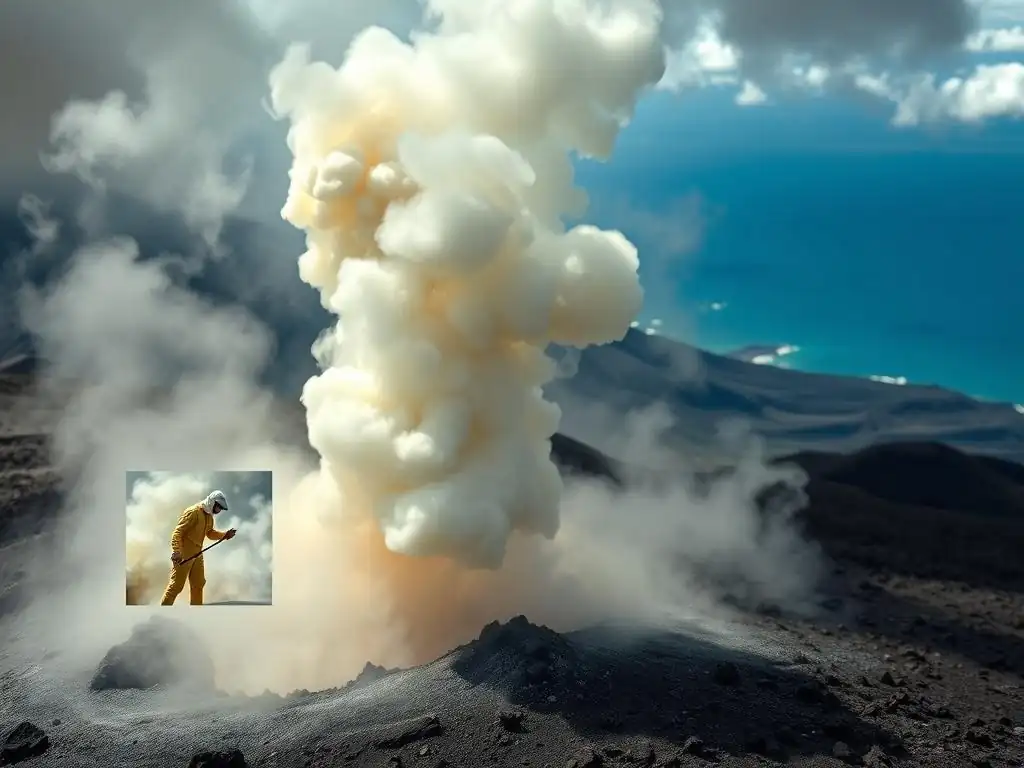
Sulfur Dioxide (SO2) and its Environmental Impact
Volcanic gas emissions are a significant component of the environmental footprint of eruptions, and sulfur dioxide (SO2) is often one of the most abundant and impactful gases released. The La Palma eruption emitted substantial quantities of SO2 into the atmosphere. Satellite data from instruments like the TROPOMI sensor on board the Sentinel-5P satellite tracked the SO2 plumes emanating from Cumbre Vieja, showing significant atmospheric concentrations extending far beyond the Canary Islands, reaching parts of Europe and even across the Atlantic.
SO2 has several adverse environmental effects. In the atmosphere, it can react with water vapor to form sulfuric acid aerosols, contributing to acid rain. Acid rain can damage vegetation, acidify lakes and soils, and corrode buildings and infrastructure.
Elevated SO2 concentrations also directly impact human health, causing respiratory irritation and exacerbating asthma and other respiratory conditions. Furthermore, SO2 and its derivative aerosols can influence climate by reflecting sunlight back into space, potentially having a cooling effect, although the overall climate impact of volcanic eruptions is complex and depends on various factors. The significant SO2 emissions from La Palma underscored the regional and potentially wider-scale atmospheric and environmental consequences of volcanic gas release.
Carbon Dioxide (CO2) Emissions from the La Palma Volcano
While SO2 often receives more immediate attention due to its acute air quality and acid rain impacts, carbon dioxide (CO2) is another important volcanic gas, particularly in the context of long-term climate change. Volcanic eruptions release CO2, a greenhouse gas that contributes to global warming. The La Palma eruption, like all volcanic events, released CO2 into the atmosphere. However, it’s crucial to put volcanic CO2 emissions into perspective compared to human-caused emissions.
Globally, annual volcanic CO2 emissions are estimated to be significantly smaller than anthropogenic CO2 emissions from burning fossil fuels, deforestation, and industrial processes. Scientists estimate that human activities release approximately 100 times more CO2 annually than all volcanoes combined. While individual volcanic eruptions like La Palma do contribute to atmospheric CO2, their overall contribution to the global carbon budget and long-term climate change is relatively small compared to human activities. Nevertheless, monitoring volcanic CO2 emissions is important for a complete understanding of Earth's carbon cycle and for accurately assessing the overall environmental impact of volcanic events.
Other Volcanic Gases and their Effects on Air Quality and Climate
Beyond SO2 and CO2, volcanoes release a cocktail of other gases, including water vapor (H2O), hydrogen sulfide (H2S), hydrogen halides (HCl, HF), and trace amounts of other compounds. Water vapor is the most abundant volcanic gas, but its direct environmental impact is less significant compared to other gases. Hydrogen sulfide (H2S) is known for its characteristic rotten egg smell and can cause irritation to the eyes and respiratory system at higher concentrations.
Hydrogen halides, such as hydrogen chloride (HCl) and hydrogen fluoride (HF), are particularly reactive and corrosive. HCl contributes to acid rain, while HF, even in small concentrations, can be highly toxic and pose risks to human and animal health. Fluorine, in particular, can accumulate in vegetation and pose a hazard to grazing animals through fluorosis.
Collectively, these volcanic gases contribute to air quality degradation, acid deposition, and can have localized and regional impacts on ecosystems and human health. Monitoring the full suite of volcanic gas emissions is essential for a comprehensive assessment of the environmental and health risks associated with eruptions like the one on La Palma.
The Human Cost: Environmental Health Impacts on La Palma Residents
Respiratory Issues and Health Risks Associated with Ash Inhalation
The most immediate and widespread human health impact of the La Palma eruption was related to respiratory issues caused by ash inhalation. The fine particulate matter in volcanic ash, particularly PM10 and PM2.5, poses significant risks to the respiratory system. Inhalation of these particles can trigger a range of symptoms, from mild irritation of the nose and throat to more severe conditions like bronchitis, aggravated asthma, and increased susceptibility to respiratory infections. Vulnerable populations, including children, the elderly, and individuals with pre-existing respiratory or cardiovascular conditions, are particularly at risk.
During the La Palma eruption, healthcare facilities reported a surge in cases of respiratory complaints directly linked to ash exposure. Public health advisories were issued, recommending residents to stay indoors, wear masks, and avoid strenuous outdoor activities to minimize ash inhalation. Long-term exposure to volcanic ash can potentially lead to more chronic respiratory diseases, including silicosis, although this is more commonly associated with occupational exposure to crystalline silica rather than typical environmental exposure to volcanic ash. Nonetheless, the prolonged ashfall in La Palma raised concerns about both acute and potential chronic respiratory health impacts on the affected population.
Water Contamination and its Impact on Public Health
Water contamination from volcanic ash and associated chemical pollutants also posed a significant public health risk during and after the La Palma eruption. As discussed earlier, ashfall can contaminate both surface and groundwater sources with various substances, including heavy metals, fluoride, sulfates, and chlorides. Contaminated drinking water can lead to a range of health problems, from gastrointestinal illnesses to more serious conditions depending on the specific contaminants and their concentrations.
In La Palma, the potential for fluoride contamination of water sources was a particular concern, given the known presence of fluorine in volcanic gases and ash. Elevated fluoride levels in drinking water over prolonged periods can cause dental and skeletal fluorosis. Regular monitoring of water quality, particularly for key contaminants like fluoride and heavy metals, is crucial in volcanic regions to ensure public health safety. Providing access to safe and alternative water sources, and implementing water treatment measures if necessary, are essential public health interventions in the aftermath of volcanic eruptions to mitigate waterborne health risks.
Long-Term Health Monitoring and Mitigation Strategies on La Palma
Addressing the long-term health consequences of the La Palma eruption requires ongoing monitoring and proactive mitigation strategies. For respiratory health, continued surveillance of respiratory disease incidence in the affected population is essential to detect any long-term trends or increases related to ash exposure. Public health programs promoting respiratory health, providing access to respiratory healthcare, and educating the population about protective measures against air pollution are important long-term strategies.
Regarding water quality, sustained monitoring of water sources for chemical contamination is crucial. Regular testing for fluoride, heavy metals, and other pollutants, and implementing appropriate water treatment measures if contamination is detected, are vital for ensuring safe drinking water.
Furthermore, long-term health studies assessing the overall health impacts of the eruption, including both respiratory and other potential health effects, are needed to fully understand the human cost of the environmental changes and to inform public health policies and interventions in volcanic regions. These strategies are essential for safeguarding the long-term health and well-being of the La Palma residents affected by the eruption.
Comparing La Palma's Environmental Impact with Other Volcanic Eruptions
Case Studies: Mount St. Helens and Eyjafjallajökull
To contextualize the environmental impact of the La Palma eruption, it's helpful to compare it with other significant volcanic events. Two notable examples are the 1980 eruption of Mount St. Helens in the United States and the 2010 eruption of Eyjafjallajökull in Iceland. The Mount St. Helens eruption was a catastrophic explosive event that caused widespread devastation to forests and ecosystems in the immediate vicinity.
The eruption triggered massive landslides, pyroclastic flows, and ashfall, leading to significant deforestation, soil erosion, and lake acidification. The recovery of the Mount St. Helens area has been a long-term ecological process, showcasing the resilience of nature but also the profound and lasting environmental changes caused by large explosive eruptions.
The 2010 Eyjafjallajökull eruption, while less explosive than Mount St. Helens, gained global attention due to its extensive ash plume that disrupted air travel across Europe. The fine-grained ash from Eyjafjallajökull posed a significant hazard to aircraft engines, leading to widespread airspace closures. Environmentally, Eyjafjallajökull also resulted in significant ashfall in Iceland, impacting agriculture and water resources.
However, compared to Mount St. Helens and La Palma, the immediate environmental devastation was less geographically concentrated, but the far-reaching atmospheric impact and disruption to human activities were globally significant. Comparing these eruptions highlights the variability in environmental impacts depending on eruption style, location, and scale.
Unique Aspects of La Palma's Environmental Damage
While sharing common environmental impacts with other volcanic eruptions, the La Palma event also presented some unique aspects. The prolonged duration of the eruption – lasting 85 days – was exceptional for recent volcanic events in the Canary Islands and contributed to a cumulative and sustained environmental stress. The continuous ashfall over an extended period led to significant ash accumulation, impacting soil, vegetation, and water resources for a prolonged duration. The lava flows reaching the ocean and creating new land ("fajana") were another distinctive feature, altering coastal morphology and marine habitats in a relatively rapid timeframe.
Furthermore, the specific socio-economic context of La Palma, an island economy heavily reliant on agriculture and tourism, amplified the environmental consequences. The damage to agricultural land from ashfall and lava flows had significant economic repercussions for the island’s agricultural sector. The disruption to tourism due to ash clouds and the overall impact on the island’s landscape and infrastructure also had considerable economic and social consequences. These unique aspects of the La Palma eruption underscore the importance of considering the specific geographical, ecological, and socio-economic context when assessing the environmental damage from volcanic events.
Common Environmental Challenges in Volcanic Eruption Zones
Despite the unique aspects of each eruption, volcanic eruption zones worldwide share common environmental challenges. Air quality degradation due to ash and volcanic gases is a universal concern, posing respiratory health risks to populations in volcanic regions. Water resource contamination, both surface and groundwater, is another recurring issue, requiring careful monitoring and management. Soil degradation and vegetation damage are also common environmental consequences, impacting agriculture and ecosystem health.
Furthermore, the long-term recovery of ecosystems and human communities in volcanic areas often faces similar challenges. Reforestation and soil remediation efforts are frequently needed to restore degraded land. Monitoring and mitigating long-term health risks associated with volcanic exposure is also a common public health concern. Sharing experiences and best practices in environmental monitoring, mitigation, and recovery strategies among volcanic regions globally is crucial for enhancing preparedness and resilience to volcanic hazards and their environmental impacts.
Recovery and Mitigation: Addressing the Environmental Scars
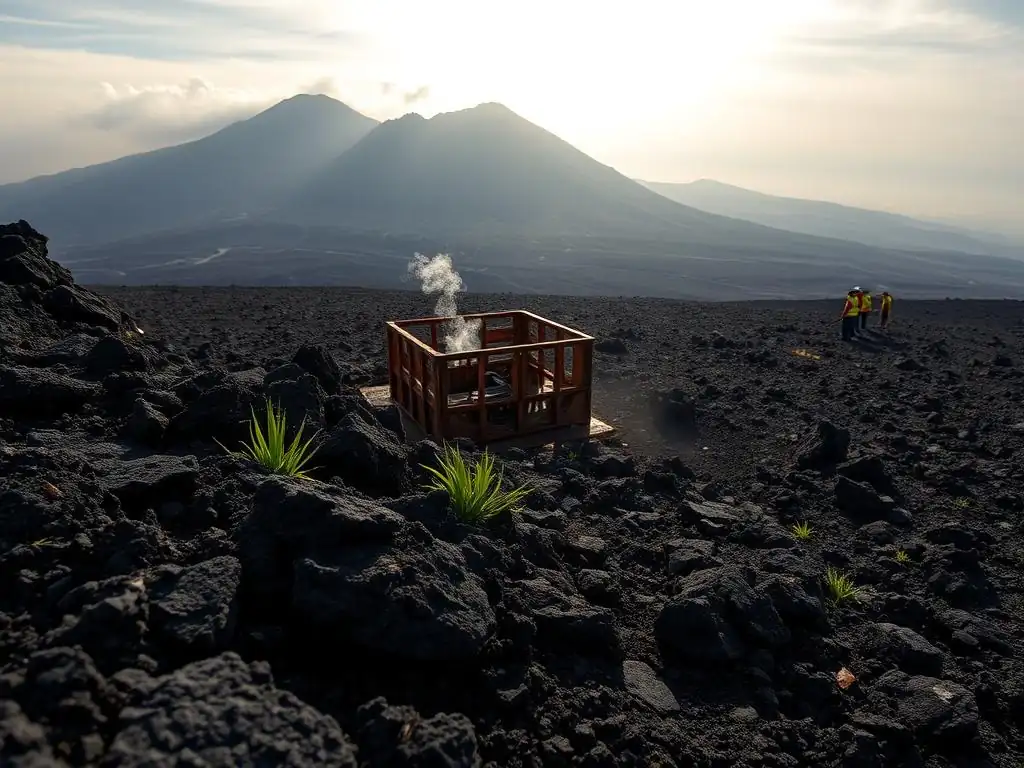
Reforestation Efforts and Soil Remediation Strategies
Addressing the environmental scars of the La Palma eruption requires comprehensive recovery and mitigation strategies, particularly focused on reforestation and soil remediation. Reforestation efforts are crucial to restore deforested areas, promote biodiversity recovery, and stabilize soils to prevent erosion. This involves selecting appropriate native plant species adapted to volcanic environments and implementing planting programs in ash-affected areas. Soil remediation is equally important to restore soil fertility and functionality.
Strategies may include removing thick ash layers in heavily impacted agricultural areas, amending soils with organic matter to improve structure and nutrient content, and addressing any chemical imbalances caused by ashfall, such as pH adjustments or heavy metal remediation if necessary. Long-term monitoring of soil health and vegetation recovery is essential to assess the effectiveness of remediation efforts and to adapt strategies as needed. Community involvement and local ecological knowledge are valuable assets in designing and implementing successful reforestation and soil remediation programs.
Air Quality Monitoring and Public Health Initiatives
Sustained air quality monitoring and targeted public health initiatives are essential components of environmental recovery in La Palma. Continuous monitoring of particulate matter (PM10, PM2.5), SO2, and other key pollutants is crucial to track air quality trends and to provide timely public health information. Public health initiatives should focus on educating residents about protective measures against air pollution, such as wearing masks during ash events, and providing access to respiratory healthcare services.
Long-term health surveillance programs can help detect and manage any chronic respiratory health issues potentially linked to volcanic ash exposure. Strengthening public health infrastructure and emergency preparedness plans for volcanic events are also important long-term investments. These measures are crucial for mitigating the ongoing and potential future air quality impacts of volcanic activity and for safeguarding the health of the La Palma population.
Sustainable Practices for Volcanic Regions: Lessons from La Palma
The La Palma eruption provides valuable lessons for developing sustainable practices in volcanic regions worldwide. Strengthening land-use planning and zoning regulations to minimize development in high-risk volcanic areas is crucial. Investing in resilient infrastructure that can withstand volcanic hazards, such as ashfall and seismic activity, is essential. Promoting sustainable agriculture practices that are adaptable to volcanic environments and less vulnerable to ashfall impacts is also important.
Building community resilience through education, public awareness campaigns, and participatory disaster preparedness planning is vital. Furthermore, fostering international collaboration and knowledge sharing among volcanic regions can enhance global preparedness and response capabilities. The experiences from La Palma highlight the need for a holistic and integrated approach to sustainable development in volcanic areas, balancing economic development with environmental protection and community safety.
The Role of Volcanologists in Environmental Monitoring and Mitigation
Measuring and Analyzing Volcanic Gases and Ashfall
Volcanologists play a critical role in environmental monitoring and mitigation during and after volcanic eruptions. Their expertise is essential for measuring and analyzing volcanic gases and ashfall, providing crucial data for assessing environmental hazards and informing public health and emergency response strategies. Volcanologists use a range of sophisticated instruments and techniques to monitor volcanic gas emissions, including remote sensing from satellites, ground-based spectrometers, and gas sampling methods. They analyze the composition and concentration of volcanic gases to track changes in volcanic activity and to assess the potential for air quality impacts and acid rain.
Similarly, volcanologists collect and analyze ash samples to determine their physical and chemical properties, including particle size distribution, mineral composition, and the presence of potentially harmful substances like heavy metals and fluorine. This information is vital for assessing the potential impacts of ashfall on air quality, soil, water, and infrastructure. The data collected and analyzed by volcanologists provides the scientific basis for informed decision-making in environmental management and hazard mitigation in volcanic regions.
Predicting and Mitigating Environmental Hazards
Volcanologists contribute to predicting and mitigating environmental hazards associated with volcanic eruptions. By monitoring volcanic activity and analyzing precursory signals, they can help forecast potential eruptions and provide early warnings to communities at risk. Volcanic hazard assessments, based on geological history and eruption scenarios, are crucial for land-use planning and for identifying areas vulnerable to different volcanic hazards, including ashfall, lava flows, and pyroclastic flows.
Volcanologists also play a role in developing mitigation strategies to reduce environmental risks. This can include advising on ash removal and disposal methods, developing strategies for protecting water resources from contamination, and informing reforestation and soil remediation efforts. Their expertise in volcanic processes and hazards is essential for developing effective and science-based approaches to environmental risk reduction in volcanic regions. Effective communication of volcanic hazards and environmental risks to the public and policymakers is also a key responsibility of volcanologists.
Communicating Environmental Risks to the Public
Effective communication of environmental risks associated with volcanic eruptions is paramount for public safety and preparedness. Volcanologists play a crucial role in translating complex scientific information into clear and understandable messages for the public, emergency responders, and policymakers. This includes communicating the potential hazards of ashfall, volcanic gases, and water contamination, and providing guidance on protective measures and evacuation procedures when necessary.
Public education campaigns, using various communication channels, are essential to raise awareness about volcanic hazards and environmental risks in volcanic regions. Building trust and effective communication channels between volcanologists, emergency management agencies, and the public is critical for ensuring that communities are well-informed and prepared to respond to volcanic crises and to mitigate environmental impacts. Clear, timely, and accurate communication is a vital component of reducing the human and environmental costs of volcanic eruptions.
Conclusion: La Palma's Legacy and the Importance of Environmental Preparedness
The Lasting Environmental Impact of Volcanic Activity
The La Palma eruption of 2021 serves as a stark reminder of the lasting environmental impact of volcanic activity. From the immediate devastation caused by lava flows and ashfall to the longer-term consequences of altered soil composition, water contamination, and ecosystem disruption, the eruption has left indelible environmental scars on the island. The prolonged duration of the eruption amplified these impacts, highlighting the cumulative effects of sustained volcanic activity. The environmental legacy of La Palma underscores the need for comprehensive and long-term approaches to environmental monitoring, mitigation, and recovery in volcanic regions worldwide.
The eruption also demonstrated the interconnectedness of environmental systems, with impacts cascading across air, land, and sea. The effects on air quality, soil fertility, water resources, vegetation, wildlife, and marine ecosystems illustrate the complex web of environmental consequences triggered by volcanic events. Understanding these interconnected impacts is crucial for developing holistic and effective strategies for environmental management and disaster preparedness in volcanic areas.
Future Research and Mitigation Efforts
Future research and mitigation efforts are essential to address the ongoing environmental challenges in La Palma and to enhance preparedness for future volcanic events globally. Continued research is needed to fully understand the long-term ecological recovery processes in ash-affected areas, to assess the potential for chronic health impacts from volcanic exposure, and to develop more effective soil remediation and reforestation techniques. Investing in advanced monitoring technologies for volcanic gases and ashfall is crucial for improving early warning systems and for providing timely information for public health protection.
Strengthening international collaboration among volcanic regions to share knowledge, best practices, and resources is vital for enhancing global resilience to volcanic hazards. Developing and implementing sustainable land-use practices, resilient infrastructure, and community-based disaster preparedness programs are essential long-term mitigation strategies for volcanic regions worldwide. The lessons learned from La Palma can inform and guide these future research and mitigation efforts, contributing to a safer and more sustainable future for communities living in volcanic environments.
Supporting Environmental Restoration in La Palma
Supporting environmental restoration in La Palma is a crucial step in addressing the lasting legacy of the 2021 eruption. This includes supporting reforestation projects to restore damaged forests and promote biodiversity recovery. Investing in soil remediation programs to revitalize agricultural land and improve soil health is essential for the island's economic recovery and long-term sustainability. Supporting initiatives to monitor and protect water resources from contamination is vital for public health and ecosystem health.
Furthermore, supporting community-based environmental education and awareness programs can empower local residents to participate in restoration efforts and to build long-term environmental stewardship. International collaboration and financial support are crucial for providing the resources and expertise needed for comprehensive environmental restoration in La Palma. By investing in environmental restoration, we can help La Palma recover from the environmental scars of the eruption and build a more resilient and sustainable future for the island and its community.
Frequently Asked Questions
What are some immediate environmental impacts of a volcanic eruption like the one on La Palma?
The immediate impacts often include air pollution from ash and gases, water contamination due to ashfall, and destruction of vegetation by lava flows and pyroclastic surges.
How does volcanic ash specifically affect the environment?
Volcanic ash can smother plants, contaminate water sources making them undrinkable, and cause respiratory problems in animals and humans. It can also disrupt ecosystems.
What are the long-term effects on the soil after a volcanic eruption?
Initially, the soil may be sterilized, but over time, volcanic ash can enrich the soil with essential minerals, leading to increased fertility in the long run. This can take years or decades.
How do volcanic gases contribute to environmental problems?
Volcanic gases like sulfur dioxide (SO2) can cause acid rain, which damages vegetation and pollutes water bodies. They also contribute to global climate change by releasing greenhouse gases.
What can be done to mitigate the environmental impact of volcanic eruptions?
Mitigation includes monitoring volcanic activity, implementing ash cleanup programs, and developing strategies for water resource management to minimize contamination risks.
Final Reflection: The Enduring Breath of Resilience
The eruption of La Palma served as a stark reminder of nature's raw power, and its environmental impact continues to resonate globally. The ash clouds, once a distant news story, now symbolize the vulnerability of our ecosystems and the urgent need for proactive environmental stewardship in the face of increasing geological instability.
The experience of La Palma has profoundly influenced our understanding of volcanic eruptions, moving beyond immediate disaster relief to encompass long-term ecological recovery. Witnessing the resilience of both the land and its people has been deeply moving, highlighting the interconnectedness of human and environmental well-being. The Earth does not belong to us: we belong to the Earth.
- Marlee Matlin. This quote encapsulates the shift in perspective needed to address the lasting consequences of such events.
Let us not forget the lessons learned from La Palma. As we navigate an era of increasing environmental challenges, consider how you can contribute to a more sustainable future. Reflect on the power of community, the importance of scientific understanding, and the enduring spirit of resilience. Let the ash clouds of La Palma inspire you to breathe new life into our planet, one conscious action at a time.
Discover Your Inner Geologist: Explore, Connect, and Protect!
Thank you for delving into the environmental impact of La Palma's eruption. You've gained valuable insights into the resilience of our planet and the critical role we play in understanding and safeguarding it. Now, let's put that knowledge into action:
- Commit to one eco-friendly change in your daily routine to reduce your carbon footprint, remembering that even small actions contribute to a larger positive impact. This can be as simple as using reusable shopping bags, or switching to energy-efficient light bulbs.
- Explore the digital archives of the Instituto Volcanológico de Canarias (INVOLCAN) to deepen your understanding of volcanic activity in the Canary Islands. Immerse yourself in the science and gain a firsthand look at the research being conducted.
- Share this article with three friends or family members to raise awareness about the environmental consequences of volcanic eruptions and inspire broader participation in environmental conservation efforts.
What specific action will you take today to become a more informed and engaged steward of our planet? Share your ideas in the comments below!