
The Challenge of Rebuilding After a Volcanic Eruption: LongTerm Resilience


Welcome to Volcano Explorers!
Ever wondered what happens after the ash settles and the lava cools? Dive into the fascinating—and often heartbreaking—reality of longterm recovery after volcanic eruptions. It's a challenge far beyond the immediate devastation, a story of resilience, rebuilding, and a community's enduring spirit in the face of nature's raw power. What does it really take to rebuild a life when everything you know is buried beneath ash? Discover the untold stories here...
- The Challenge of Rebuilding After the Mount Pinatubo Eruption: A Long-Term Resilience Case Study
- Understanding the Complexities of Post-Eruption Recovery in the Philippines
- Planning for Long-Term Recovery: A Multifaceted Approach in the Philippines
- Building Back Better: Sustainable Infrastructure and Housing in a High-Risk Environment
- Economic Recovery and Diversification After Volcanic Activity in Central Luzon
- Social and Psychological Recovery: Healing Communities After the Pinatubo Disaster
- Environmental Rehabilitation and Conservation in the Pinatubo Region
- Case Studies: Successful Long-Term Recovery Strategies After the Mount Pinatubo Eruption
-
The Future of Volcanic Risk Management and Community Resilience in the Philippines
- Investing in Early Warning Systems and Evacuation Planning for Lahar Events
- Promoting Public Education and Awareness about Volcanic Hazards in Vulnerable Communities
- Fostering Collaboration between Scientists, Policymakers, and Communities for Long-Term Recovery After Volcanic Eruptions in the Philippines
-
Frequently Asked Questions
- What are some of the biggest challenges faced during long-term recovery after a volcanic eruption?
- How does volcanic ash impact long-term recovery efforts?
- What role do volcanologists play in the long-term recovery phase?
- What types of support are most crucial for communities during the long-term recovery period?
- How can communities prepare long-term for future volcanic eruptions to improve recovery?
- Final Reflection: Embracing Resilience in the Face of Volcanic Fury
- Ignite Your Resilience: Rebuild and Thrive!
The Challenge of Rebuilding After the Mount Pinatubo Eruption: A Long-Term Resilience Case Study
Understanding the Complexities of Post-Eruption Recovery in the Philippines
The Devastating Impact of the Mount Pinatubo Eruption on Central Luzon Communities
The 1991 eruption of Mount Pinatubo was one of the 20th century’s largest volcanic events, profoundly altering the landscape and lives of millions in Central Luzon, Philippines. The eruption itself ejected an estimated 10 cubic kilometers of material into the atmosphere, blanketing the region in ash and triggering massive pyroclastic flows and lahars. Beyond the immediate devastation caused by the eruption on June 15th, the long-term impacts proved even more challenging.
Communities faced not only the destruction of homes and infrastructure, but also the disruption of livelihoods, displacement, and the ongoing threat of lahars for years to come. The eruption fundamentally reshaped the physical, social, and economic fabric of the provinces surrounding Mount Pinatubo, including Pampanga, Tarlac, and Zambales.
The immediate aftermath saw widespread destruction of infrastructure. Roads, bridges, and communication lines were severed, isolating communities and hindering initial relief efforts. Agricultural lands, the primary source of livelihood for many, were buried under thick layers of volcanic ash, rendering them unproductive. Entire towns and villages were either destroyed by pyroclastic flows or buried under lahar deposits.
Beyond the physical damage, the eruption caused immense social disruption. Hundreds of thousands were displaced from their homes, seeking refuge in evacuation centers or with relatives. The psychological toll on the affected population was immense, dealing with loss of life, property, and the uncertainty of the future in a drastically changed environment. The challenge of long-term recovery was not just about rebuilding structures, but about restoring livelihoods, social cohesion, and a sense of normalcy in the face of persistent volcanic hazards.
Assessing the Damage: Initial Steps for Long-Term Recovery After the 1991 Eruption
The immediate aftermath of the Mount Pinatubo eruption demanded a rapid and comprehensive damage assessment to guide relief and recovery efforts. This initial phase was crucial for understanding the scale of the disaster and prioritizing needs for the affected population. Government agencies, international organizations, and scientific teams collaborated to evaluate the extent of damage across various sectors, including infrastructure, agriculture, housing, and public health. Aerial surveys, ground inspections, and data collection from various sources were employed to map the areas most severely impacted by ashfall, pyroclastic flows, and lahars.
A critical aspect of the damage assessment was understanding the long-term implications of lahar flows. The eruption deposited billions of cubic meters of volcanic debris on the slopes of Mount Pinatubo, which, during subsequent rainy seasons, remobilized as lahars, posing a continuous threat to communities and infrastructure downstream. Scientists from the Philippine Institute of Volcanology and Seismology (PHIVOLCS) and international geological surveys played a crucial role in mapping lahar pathways and assessing the potential for future lahar events.
This scientific assessment was fundamental for informing land-use planning, infrastructure development, and long-term recovery strategies in lahar-prone areas. The initial damage assessment wasn't just about quantifying immediate losses; it was about laying the groundwork for a sustainable and resilient long-term recovery after volcanic eruptions, taking into account the ongoing volcanic hazards.
Key Considerations for Sustainable Rebuilding Efforts in a Lahar-Prone Region
Rebuilding after the Mount Pinatubo eruption required a shift from immediate relief to long-term sustainable recovery, especially considering the persistent threat of lahars. Sustainability in this context meant not just reconstructing what was lost, but building back in a way that reduced vulnerability to future volcanic hazards and fostered long-term community resilience. A key consideration was integrating lahar hazard assessments into all aspects of reconstruction planning.
This involved understanding lahar pathways, deposition areas, and the frequency of lahar events to guide land-use planning and infrastructure development. Simply rebuilding in the same locations, without accounting for lahar risks, would have been unsustainable and put communities back in harm's way.
Another vital element for sustainable rebuilding was community participation and ownership. Recovery efforts needed to be driven not just by government agencies and external aid, but also by the needs and priorities of the affected communities themselves. This participatory approach ensured that reconstruction projects were culturally appropriate, addressed local needs, and fostered a sense of ownership among residents.
Furthermore, sustainable rebuilding demanded an integrated approach that considered not only physical infrastructure but also social, economic, and environmental dimensions. This meant addressing livelihood restoration, mental health needs, environmental rehabilitation, and promoting diversified economic activities to reduce dependence on vulnerable sectors like agriculture in lahar-prone areas, ensuring a truly sustainable longterm recovery after the volcanic eruption.
Planning for Long-Term Recovery: A Multifaceted Approach in the Philippines
Integrating Lahar Hazard Assessments into Reconstruction Plans in Pampanga and Zambales
The long-term recovery after the Mount Pinatubo eruption in Pampanga and Zambales heavily depended on effectively integrating lahar hazard assessments into reconstruction plans. The continuous threat of lahars, even years after the eruption, meant that rebuilding could not proceed without a thorough understanding of lahar risks.
PHIVOLCS played a pivotal role in providing scientific data and expertise, conducting detailed lahar hazard mapping and monitoring lahar activity in river systems draining Mount Pinatubo, such as the Pasig-Potrero, Sacobia, and Abacan river systems. These hazard maps delineated areas at high, medium, and low risk from lahars, providing crucial information for land-use planning and zoning regulations.
Reconstruction plans in lahar-prone areas incorporated these hazard assessments in several ways. Firstly, land-use zoning was revised to restrict development in high-risk lahar pathways. Secondly, infrastructure projects, such as roads, bridges, and dikes, were designed and constructed to withstand lahar flows or were relocated to safer areas.
For instance, the construction of the Sacobia River mega-dike system aimed to divert lahar flows away from densely populated areas and critical infrastructure. Moreover, relocation and resettlement programs were implemented to move communities from high-risk zones to safer locations identified through lahar hazard assessments. Integrating lahar hazard assessments was not just a technical exercise; it was a fundamental element of ensuring the safety and sustainability of longterm recovery after the volcanic eruption, protecting communities from ongoing risks.
Developing Community-Based Disaster Risk Reduction Strategies
Recognizing that government-led efforts alone were insufficient for effective long-term recovery after volcanic eruptions, community-based disaster risk reduction (CBDRR) strategies became crucial in the Pinatubo region. CBDRR emphasizes empowering local communities to understand, assess, and manage the risks they face. This approach recognized that communities are the first responders in any disaster and possess valuable local knowledge and capacities that can be harnessed for disaster preparedness and risk reduction. In the context of Pinatubo, CBDRR initiatives focused on building community resilience to lahars and other volcanic hazards.
These strategies involved several key components. Community-based early warning systems were established, utilizing local communication networks and indigenous knowledge to disseminate warnings about impending lahar events. Disaster preparedness trainings were conducted to educate communities on evacuation procedures, first aid, and other essential skills for responding to lahar emergencies.
Community disaster preparedness plans were developed collaboratively, outlining roles and responsibilities, evacuation routes, and safe evacuation areas. Furthermore, CBDRR initiatives promoted community participation in monitoring lahar activity and reporting observations to authorities. By empowering communities to take ownership of their safety and resilience, CBDRR became a vital component of longterm recovery after the volcanic eruption, fostering a culture of preparedness and self-reliance.
The Role of the Philippine Government and International Aid in Post-Eruption Recovery
The Philippine government played a central role in coordinating and leading the long-term recovery efforts after the Mount Pinatubo eruption. Various government agencies, including the National Disaster Coordinating Council (NDCC, now the National Disaster Risk Reduction and Management Council - NDRRMC), the Department of Public Works and Highways (DPWH), and the Department of Social Welfare and Development (DSWD), were involved in different aspects of recovery, from emergency relief to infrastructure reconstruction and social services. The government allocated significant resources to support recovery programs, including funding for housing, infrastructure, livelihood restoration, and social assistance.
International aid also played a crucial role in supplementing the government's efforts. Numerous international organizations, including the United Nations, the World Bank, and bilateral aid agencies from various countries, provided financial, technical, and logistical support for recovery programs. International aid was particularly vital in the initial stages of relief and early recovery, providing emergency shelter, food, medical supplies, and technical expertise.
In the long term, international partners supported infrastructure reconstruction projects, capacity building for disaster risk reduction, and technical assistance in areas such as lahar hazard assessment and monitoring. The collaborative efforts of the Philippine government and international aid agencies were essential for mobilizing resources and expertise needed for the complex and prolonged longterm recovery after the volcanic eruption.
Building Back Better: Sustainable Infrastructure and Housing in a High-Risk Environment
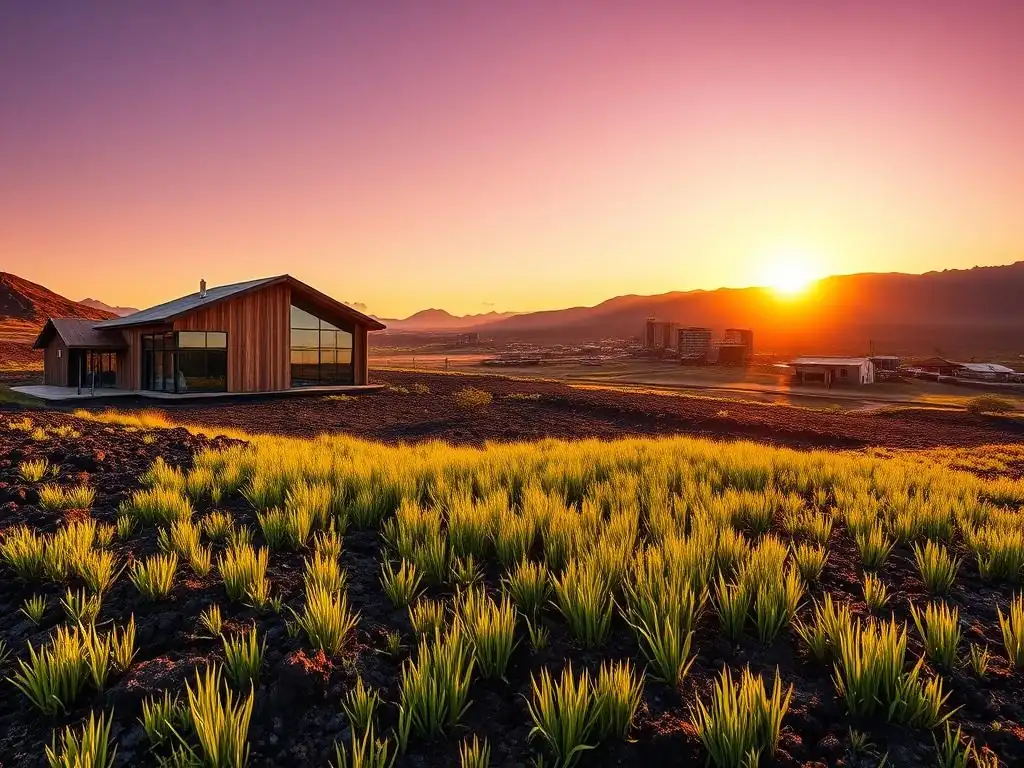
Designing Lahar-Resilient Infrastructure: Lessons Learned from the Pinatubo Experience
The Mount Pinatubo eruption and subsequent lahar events provided invaluable lessons for designing lahar-resilient infrastructure in volcanic regions. Traditional infrastructure designs proved inadequate against the destructive power of lahars, necessitating a shift towards more robust and adaptable solutions. One key lesson was the importance of incorporating lahar hazard assessments into the design process. Infrastructure projects in lahar-prone areas needed to be located, designed, and constructed based on a thorough understanding of lahar pathways, flow depths, and velocities. This included avoiding construction in high-risk areas and implementing engineering measures to mitigate lahar impacts.
Several innovative engineering approaches emerged from the Pinatubo experience. The construction of mega-dike systems, like the Sacobia River Dike, demonstrated the potential of large-scale engineering interventions to divert lahar flows away from critical assets. However, the limitations and high costs of such mega-structures also became apparent, highlighting the need for a combination of strategies.
Other approaches included the use of lahar-resistant construction materials, elevated infrastructure designs, and the incorporation of sediment basins and debris flow barriers to manage lahar flows. The Pinatubo experience underscored that lahar-resilient infrastructure is not just about building stronger structures, but about adopting a holistic approach that integrates hazard assessment, innovative engineering, and land-use planning for sustainable longterm recovery after volcanic eruptions.
Implementing Building Codes for Earthquake and Ashfall Resistance
Beyond lahar hazards, the Philippines is also prone to earthquakes and volcanic ashfall, necessitating building codes that address multiple hazards. The National Structural Code of the Philippines (NSCP) incorporates provisions for earthquake-resistant design, but the Pinatubo eruption highlighted the need to strengthen building codes to also address volcanic ashfall loads. Ashfall, although seemingly less dramatic than lahars, can impose significant loads on roofs, potentially causing structural collapse, especially in areas with heavy ash accumulation.
Following the Pinatubo eruption, revisions to building codes and construction practices were considered to enhance ashfall resistance. This included specifying minimum roof slopes to facilitate ash shedding, increasing roof load capacities, and promoting the use of stronger roofing materials. Furthermore, building codes in volcanic areas also needed to consider the corrosive effects of volcanic ash on building materials and infrastructure. Implementing and enforcing these building codes is crucial for ensuring the safety and resilience of buildings in volcanic regions, reducing vulnerability to both earthquake and ashfall hazards and contributing to longterm recovery after volcanic eruptions.
Utilizing Indigenous Materials and Construction Techniques for Affordable Housing
In the context of post-disaster reconstruction, affordability and cultural appropriateness are critical considerations for housing. The Pinatubo recovery efforts explored the utilization of indigenous materials and traditional construction techniques to provide affordable and culturally sensitive housing solutions for displaced communities. Traditional Filipino houses, often built with bamboo, wood, and nipa palm, are well-adapted to the local climate and can be constructed using readily available and affordable materials. These materials are also relatively lightweight, offering some advantages in earthquake-prone areas.
The use of indigenous materials and techniques not only reduces construction costs but also promotes local employment and skills development. Community-based housing programs, utilizing bayanihan (communal unity) principles and local labor, were implemented to build affordable and culturally appropriate houses for displaced families. However, challenges also exist in ensuring the durability and hazard resistance of traditional materials, particularly against lahars and strong winds. Combining traditional techniques with modern engineering principles and incorporating disaster-resistant features can lead to sustainable and culturally relevant housing solutions that contribute to longterm recovery after volcanic eruptions, while respecting local traditions and resources.
Economic Recovery and Diversification After Volcanic Activity in Central Luzon
Supporting Local Businesses and Entrepreneurship in Affected Barangays
Economic recovery after the Mount Pinatubo eruption involved not only restoring pre-eruption livelihoods but also fostering economic diversification and resilience in affected barangays. Many communities in Central Luzon were heavily reliant on agriculture, which was severely impacted by ashfall and lahar deposition. Supporting local businesses and entrepreneurship became crucial for creating new economic opportunities and reducing dependence on vulnerable sectors. Microfinance programs were implemented to provide small loans to entrepreneurs and small businesses to restart or diversify their operations.
Skills training programs were also offered to equip residents with new skills in sectors such as tourism, handicrafts, and light manufacturing. Business development services, including training in business planning, marketing, and financial management, were provided to help local entrepreneurs succeed. Supporting local businesses also involved creating enabling environments, such as improving infrastructure, access to markets, and reducing bureaucratic hurdles. By fostering local entrepreneurship and business development, communities could build more diversified and resilient local economies, contributing to sustainable economic longterm recovery after the volcanic eruption, and reducing vulnerability to future shocks.
Developing Ecotourism Opportunities in the Pinatubo Region
The dramatic landscape transformation caused by the Mount Pinatubo eruption, paradoxically, created new ecotourism opportunities. The lahar canyons, ash-covered plains, and the newly formed crater lake became unique tourist attractions, drawing visitors interested in witnessing the power of nature and the resilience of the environment. Developing ecotourism in the Pinatubo region offered a pathway for economic diversification and sustainable development, providing alternative livelihoods for communities affected by the eruption.
Ecotourism initiatives focused on responsible and sustainable tourism practices, minimizing environmental impacts and maximizing benefits for local communities. Community-based tourism enterprises were developed, involving local residents in guiding, accommodation, and other tourism services. Tourism infrastructure, such as trails, viewing platforms, and visitor centers, were developed in a way that was sensitive to the environment and local culture. Promoting ecotourism not only generated income and employment but also raised awareness about volcanic hazards and the importance of environmental conservation, contributing to a more sustainable and resilient longterm recovery after the volcanic eruption.
Investing in Agricultural Diversification and Soil Rehabilitation for Farmers
While ecotourism offered new opportunities, agriculture remained a vital sector for many communities in Central Luzon. However, the eruption significantly degraded agricultural lands, burying them under ash and lahar deposits. Long-term agricultural recovery required both soil rehabilitation efforts and diversification of agricultural practices to reduce vulnerability to future volcanic events and changing environmental conditions. Soil rehabilitation programs focused on removing ash layers, improving soil drainage, and restoring soil fertility through organic amendments and appropriate fertilization techniques.
Agricultural diversification strategies encouraged farmers to shift from monoculture farming to cultivating a wider range of crops and livestock, reducing reliance on single crops vulnerable to volcanic impacts. Promoting drought-resistant crops and climate-smart agricultural practices also enhanced resilience to changing climate conditions. Furthermore, investing in agricultural extension services provided farmers with access to new technologies, farming techniques, and market information. Supporting agricultural diversification and soil rehabilitation was crucial for ensuring food security and restoring livelihoods for farming communities, contributing to holistic longterm recovery after the volcanic eruption.
Addressing Trauma and Mental Health Needs Following the Eruption and Subsequent Lahars
The Mount Pinatubo eruption and the prolonged threat of lahars had a profound psychological impact on affected communities. Witnessing the destruction, experiencing displacement, and living with ongoing uncertainty caused widespread trauma, anxiety, and stress. Addressing the mental health and psychosocial needs of the population was a critical but often overlooked aspect of longterm recovery after volcanic eruptions. Mental health programs were implemented to provide psychosocial support, counseling, and mental health services to affected individuals and communities.
These programs involved training community health workers and counselors to identify and address mental health issues, providing individual and group counseling sessions, and establishing referral systems for more specialized mental health care. Psychosocial support activities focused on promoting coping mechanisms, building resilience, and fostering social support networks within communities. Addressing trauma and mental health needs was essential not only for individual well-being but also for community cohesion and overall longterm recovery after the volcanic eruption, recognizing the profound human cost of such disasters.
Displacement and resettlement can disrupt existing social networks and community cohesion, which are crucial for resilience and recovery. Many communities affected by the Pinatubo eruption were relocated to resettlement areas, requiring deliberate efforts to foster community cohesion and rebuild social support networks in these new settings. Community development programs were implemented in resettlement areas to promote social interaction, community participation, and the formation of new social bonds.
These programs included community organizing activities, community centers, and social events to bring residents together and facilitate interaction. Participatory planning processes were used to involve residents in decision-making and community development initiatives, fostering a sense of ownership and collective action. Support for community-based organizations and social support groups helped to strengthen social networks and provide mutual assistance within resettlement communities. Fostering community cohesion and strong social support networks was vital for the social and psychological wellbeing of resettled populations and for facilitating successful longterm recovery after the volcanic eruption.
Preserving Cultural Heritage and Identity of Displaced Indigenous Communities
The Mount Pinatubo eruption disproportionately impacted indigenous communities, particularly the Aeta people, who lived on the slopes of the volcano. Displacement and resettlement threatened their traditional way of life, cultural heritage, and ancestral domain. Preserving the cultural heritage and identity of displaced indigenous communities was an essential aspect of just and equitable longterm recovery after volcanic eruptions. Cultural preservation programs were implemented to support the Aeta and other indigenous groups in maintaining their traditions, languages, and cultural practices.
These programs included documentation of cultural heritage, support for traditional arts and crafts, cultural education programs for younger generations, and advocacy for the recognition of indigenous rights and ancestral domain. Efforts were made to involve indigenous communities in the planning and implementation of recovery programs, ensuring that their cultural values and perspectives were respected and integrated. Recognizing and supporting the cultural heritage and identity of indigenous communities was not only a matter of social justice but also contributed to the richness and diversity of Philippine society and to a more inclusive longterm recovery after the volcanic eruption.
Environmental Rehabilitation and Conservation in the Pinatubo Region
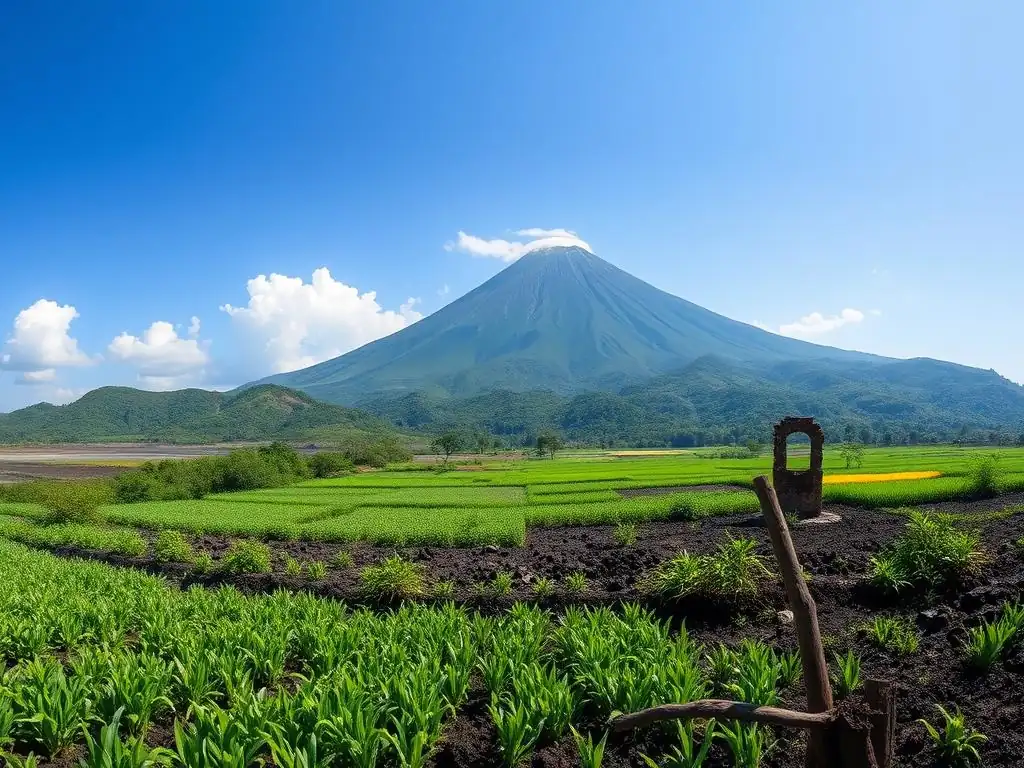
Managing Volcanic Ash and Lahar Debris Disposal
The Mount Pinatubo eruption generated massive volumes of volcanic ash and lahar debris, posing significant environmental management challenges. Improper disposal of ash and lahar debris could lead to environmental pollution, water contamination, and health hazards. Environmentally sound management strategies for volcanic ash and lahar debris were crucial for minimizing negative environmental impacts and ensuring sustainable longterm recovery after volcanic eruptions. Controlled disposal sites were identified and established for ash and lahar debris, minimizing impacts on water resources and sensitive ecosystems.
Repurposing and reuse of volcanic ash and lahar materials were explored, such as using ash in cement production or road construction, reducing the volume of waste requiring disposal. Reforestation and revegetation efforts were implemented in ash-covered areas to stabilize slopes, prevent erosion, and restore vegetation cover. Public awareness campaigns were conducted to educate communities about proper ash disposal practices and the environmental impacts of improper disposal. Effective management of volcanic ash and lahar debris was essential for protecting environmental quality and promoting a healthy environment for longterm recovery after the volcanic eruption.
Restoring Ecosystems Damaged by the Eruption and Lahar Flows
The Mount Pinatubo eruption and subsequent lahar flows caused widespread damage to ecosystems in the surrounding region. Forests, rivers, and wetlands were affected by ashfall, pyroclastic flows, and lahar deposition, disrupting ecological processes and biodiversity. Ecosystem restoration efforts were undertaken to rehabilitate damaged ecosystems and promote biodiversity recovery. Reforestation and afforestation programs were implemented to restore forest cover on denuded slopes and ash-covered areas, using native tree species to enhance ecological restoration.
River rehabilitation projects focused on restoring river channels, stabilizing riverbanks, and improving water quality. Wetland restoration initiatives aimed to rehabilitate damaged wetlands and enhance their ecological functions. Monitoring programs were established to track ecosystem recovery and assess the effectiveness of restoration efforts. Ecosystem restoration was not only important for environmental recovery but also for supporting livelihoods that depend on healthy ecosystems, such as agriculture and fisheries, contributing to a more comprehensive longterm recovery after the volcanic eruption.
Protecting Water Resources from Volcanic Contamination and Sedimentation
Volcanic eruptions can significantly impact water resources through contamination and sedimentation. Ashfall can pollute surface water and groundwater sources, while lahars can deposit large volumes of sediment into rivers and lakes, affecting water quality and availability. Protecting water resources from volcanic contamination and sedimentation was a priority for ensuring public health and sustainable water supply for longterm recovery after volcanic eruptions. Water quality monitoring programs were established to assess the extent of water contamination and track water quality recovery.
Water treatment facilities were upgraded or established to remove volcanic contaminants from water supplies. Watershed management practices were implemented to reduce soil erosion and sedimentation into water bodies. Protection of water sources, such as springs and wells, was enhanced to prevent contamination. Public awareness campaigns promoted water conservation and safe water handling practices. Ensuring access to safe and reliable water resources was fundamental for public health, sanitation, and overall wellbeing during the longterm recovery after the volcanic eruption.
Case Studies: Successful Long-Term Recovery Strategies After the Mount Pinatubo Eruption
Rebuilding Efforts in Angeles City and San Fernando, Pampanga
Angeles City and San Fernando, Pampanga, were severely affected by the Mount Pinatubo eruption, experiencing heavy ashfall, pyroclastic flows, and subsequent lahars. The rebuilding efforts in these cities offer valuable case studies in urban recovery after volcanic disasters. In Angeles City, Clark Air Base, a major economic asset, was heavily damaged by ashfall. The conversion of Clark Air Base into the Clark Freeport Zone and Clark International Airport was a pivotal strategy for economic recovery. This transformation attracted investments, created jobs, and diversified the local economy, shifting away from dependence on the US military base.
San Fernando, the provincial capital of Pampanga, faced significant lahar threats. The construction of the FVR Megadike, a massive lahar control structure, was crucial in protecting San Fernando and surrounding areas from lahar inundation. Urban planning and zoning regulations were revised to restrict development in lahar-prone areas. Community-based disaster preparedness programs were implemented to enhance resilience to lahar hazards. The rebuilding efforts in Angeles City and San Fernando demonstrate the importance of economic diversification, infrastructure development, and disaster risk reduction in achieving successful longterm recovery after volcanic eruptions in urban settings.
Resilience in the Aeta Communities Displaced by the Eruption
The Aeta communities, indigenous peoples living on the slopes of Mount Pinatubo, were among the most vulnerable and severely affected by the eruption. Their displacement and the destruction of their ancestral lands posed significant challenges to their cultural survival and longterm recovery after volcanic eruptions. Resilience in Aeta communities involved not only physical relocation and livelihood restoration but also the preservation of their cultural identity and ancestral domain rights. Resettlement programs for Aeta communities were implemented, providing housing, land, and livelihood assistance.
However, resettlement was often challenging, as it disrupted their traditional way of life and connection to their ancestral lands. Advocacy for indigenous rights and ancestral domain recognition became crucial for empowering Aeta communities and ensuring their self-determination. Cultural preservation programs supported the maintenance of Aeta traditions, languages, and cultural practices. Community-based development initiatives aimed to empower Aeta communities to participate in decision-making and shape their own recovery path. The resilience of Aeta communities highlights the importance of culturally sensitive and rights-based approaches in longterm recovery after volcanic eruptions for indigenous populations.
The Development of the Sacobia River Dike System
The Sacobia River Dike system stands as a significant engineering achievement in lahar risk management after the Mount Pinatubo eruption. The Sacobia River, draining the eastern slopes of Pinatubo, posed a major lahar threat to densely populated areas and critical infrastructure downstream. The Sacobia River Dike system, a massive network of dikes, diversion channels, and sediment basins, was constructed to control and divert lahar flows away from vulnerable areas. This mega-dike system is one of the largest lahar control structures in the world, demonstrating the scale of engineering interventions possible for mitigating lahar risks.
The development of the Sacobia River Dike system involved complex engineering design, large-scale construction, and ongoing maintenance. The dike system has been largely successful in protecting downstream communities and infrastructure from major lahar inundation. However, the dike system also has environmental and social impacts, altering riverine ecosystems and requiring ongoing monitoring and maintenance. The Sacobia River Dike system serves as a case study in both the potential and the limitations of large-scale engineering solutions for lahar risk management and the need for integrated approaches to longterm recovery after volcanic eruptions, combining engineering with land-use planning and community preparedness.
The Future of Volcanic Risk Management and Community Resilience in the Philippines
Investing in Early Warning Systems and Evacuation Planning for Lahar Events
Despite significant progress in lahar risk management after the Pinatubo eruption, lahars remain a persistent hazard in the region. Investing in improved early warning systems and effective evacuation planning is crucial for reducing future lahar risks and enhancing community safety. Modern early warning systems utilize real-time monitoring of rainfall, river flow, and seismic activity to detect and predict lahar events. These systems incorporate advanced technologies such as automated rain gauges, river sensors, and seismic networks, providing timely warnings to vulnerable communities.
Effective evacuation planning requires clear evacuation routes, designated evacuation centers, and well-coordinated communication systems. Regular drills and simulations are essential to ensure community preparedness and effective response during lahar emergencies. Community-based early warning systems, integrating local knowledge and communication networks, are also vital for reaching remote communities and ensuring timely warnings. Continued investment in early warning systems and evacuation planning is essential for building long-term community resilience to lahar hazards and improving volcanic risk management in the Philippines for future longterm recovery after volcanic eruptions.
Promoting Public Education and Awareness about Volcanic Hazards in Vulnerable Communities
Public education and awareness are fundamental pillars of volcanic risk management and community resilience. Vulnerable communities need to understand the nature of volcanic hazards, the risks they face, and the actions they can take to protect themselves. Public education programs should utilize various channels, including schools, community meetings, media, and online platforms, to disseminate information about volcanic hazards, early warning systems, evacuation procedures, and disaster preparedness measures.
Community-based education initiatives, tailored to local contexts and using culturally appropriate materials, are particularly effective in reaching vulnerable populations. Participatory approaches, involving communities in developing and delivering educational programs, enhance ownership and effectiveness. Raising public awareness about volcanic hazards not only empowers individuals and communities to take proactive measures but also fosters a culture of preparedness and risk consciousness, contributing to more effective longterm recovery after volcanic eruptions and enhanced community safety.
Fostering Collaboration between Scientists, Policymakers, and Communities for Long-Term Recovery After Volcanic Eruptions in the Philippines
Effective longterm recovery after volcanic eruptions, and robust volcanic risk management, requires strong collaboration and coordination between scientists, policymakers, and communities. Scientists provide crucial scientific data, hazard assessments, and technical expertise to inform decision-making. Policymakers are responsible for developing and implementing policies, regulations, and programs for disaster risk reduction and recovery. Communities are at the forefront of volcanic hazards and possess valuable local knowledge and capacities.
Fostering effective collaboration involves establishing mechanisms for regular communication, information sharing, and joint planning among these stakeholders. Participatory approaches, involving communities in research, planning, and implementation, ensure that recovery and risk reduction efforts are relevant, culturally appropriate, and sustainable. Strengthening the science-policy-community interface is essential for evidence-based decision-making, effective resource allocation, and building long-term community resilience to volcanic hazards in the Philippines, paving the way for more effective longterm recovery after volcanic eruptions in the future and creating volcano-resilient communities.
Frequently Asked Questions
What are some of the biggest challenges faced during long-term recovery after a volcanic eruption?
One major challenge is the destruction of infrastructure, including homes, roads, and utilities. Another is the economic impact from loss of agriculture and tourism. Finally, psychological trauma affecting residents can hinder the rebuilding process.
How does volcanic ash impact long-term recovery efforts?
Volcanic ash can cause significant damage to machinery and electrical systems. It can also contaminate water sources and affect agricultural productivity for years. Removal and disposal of ash is a major logistical undertaking.
What role do volcanologists play in the long-term recovery phase?
Volcanologists continue to monitor volcanic activity for potential future eruptions. They also provide scientific data to inform rebuilding efforts and assess the stability of the land.
What types of support are most crucial for communities during the long-term recovery period?
Financial assistance is critical to rebuild homes and businesses. Mental health support helps residents cope with trauma and loss. Sustainable development initiatives are needed to diversify economies and build resilience.
How can communities prepare long-term for future volcanic eruptions to improve recovery?
Investing in early warning systems and evacuation plans is essential. Developing strong community networks and emergency response teams enhances preparedness. Promoting disaster-resistant construction can minimize future damage.
Okay, here's a final reflection designed for your article "The Challenge of Rebuilding After a Volcanic Eruption: LongTerm Resilience," optimized for the keyword "longterm recovery after volcanic eruptions," and following your specified structure:
Final Reflection: Embracing Resilience in the Face of Volcanic Fury
The preceding analysis has illuminated the multifaceted challenges of longterm recovery after volcanic eruptions, highlighting the critical need for proactive planning, community engagement, and sustainable development. The devastation wrought by these natural disasters extends far beyond the immediate aftermath, demanding a commitment to rebuilding not just infrastructure, but also the social fabric and economic stability of affected regions. The lessons learned from past eruptions underscore the importance of shifting from reactive responses to proactive strategies that prioritize resilience and long-term well-being.
The enduring impact of volcanic eruptions on communities underscores the profound interconnectedness between humanity and the natural world. Witnessing the resilience of those who have faced such adversity is both humbling and inspiring, reminding us of the inherent human capacity to overcome even the most daunting challenges. The human spirit is like a volcano; when broken, it pours forth lava of strength and determination.
This quote encapsulates the spirit of those who rebuild their lives and communities, brick by brick, after the earth has shaken and the skies have rained ash.
As you reflect on the insights shared in this article, consider the role you can play in fostering resilience, whether in your own community or on a global scale. Let us strive to support initiatives that promote sustainable development, empower local communities, and prioritize preparedness in the face of natural disasters. By embracing a proactive and compassionate approach, we can help ensure that communities not only recover from volcanic eruptions, but emerge stronger and more resilient than ever before.
Ignite Your Resilience: Rebuild and Thrive!
Thank you for exploring the challenges and triumphs of rebuilding after a volcanic eruption. We hope you've gained a deeper understanding of the strength and resilience required for long-term recovery. Now it's time to turn that knowledge into action!
Here's how you can make a difference:
- Donate to Volcano Explorers and directly support our on-the-ground relief efforts in affected communities. Your contribution will help provide essential resources and long-term assistance.
- Share this article with your network to raise awareness and inspire others to get involved. Every share amplifies the message of hope and resilience.
- Research sustainable building practices applicable to volcanic regions and share your findings in our comments section. Let's collaborate on innovative solutions!
What specific skill or resource can you offer to help rebuild communities stronger and more sustainably after a volcanic eruption?