
Protecting Your Gear from Volcanic Ash: Practical Tips

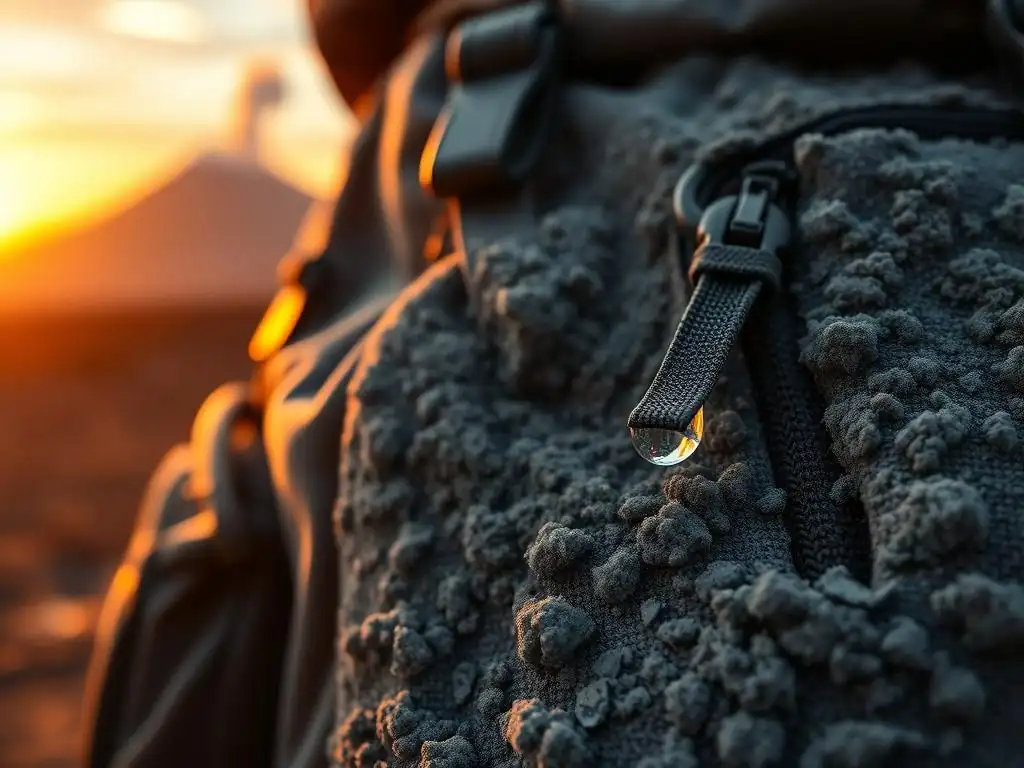
Welcome to Volcano Explorers, where the Earth's fiery heart comes to life! Ever wondered how to safeguard your precious equipment amidst the chaos of a volcanic eruption? Our latest article, " Protecting Your Gear from Volcanic Ash: Practical Tips," dives deep into the often-overlooked but crucial aspects of keeping your cameras and other tools safe. But that's just the beginning. What secrets do the layers of ash reveal about past eruptions, and how can you, as a responsible explorer, minimize your impact? Uncover these answers and more as you venture further into the fascinating world of volcanoes.
- Protecting Your Gear from Volcanic Ash: Practical Tips for Volcano Photographers
- Introduction: Safeguarding Your Photography Equipment from Volcanic Ash
- Understanding the Properties of Volcanic Ash and Its Impact on Equipment
- Essential Volcanic Ash Gear Protection Tips for Photographers
- Specific Gear Protection Strategies for Different Equipment Types
- Long-Term Volcanic Ash Gear Maintenance and Storage
- Alternative Photography Techniques in Volcanic Ash Environments
- Conclusion: Minimizing Risk and Maximizing Volcanic Photography Opportunities
-
Frequently Asked Questions
- What types of gear are most vulnerable to volcanic ash?
- How can I prevent volcanic ash from damaging my camera lens?
- What kind of respiratory protection is most effective against volcanic ash?
- How should I clean my equipment after exposure to volcanic ash?
- Are there any specific storage tips to protect my gear from volcanic ash when not in use?
- Final Reflection: Embracing Preparedness in the Face of Nature's Fury
- Shield Your Adventure: Implement These Volcano Ash Protection Strategies Now!
Protecting Your Gear from Volcanic Ash: Practical Tips for Volcano Photographers
Introduction: Safeguarding Your Photography Equipment from Volcanic Ash
The Peril of Volcanic Ash: A Threat to Photography Gear
Volcanic ash, seemingly innocuous as it drifts through the air, poses a significant threat to sensitive photography equipment. More than just a nuisance, this fine particulate matter, composed of pulverized rock, mineral, and volcanic glass, can infiltrate every crevice of your camera gear, leading to operational failures and costly repairs. For volcano photographers venturing into ash-prone zones, understanding and mitigating these risks is paramount to capturing stunning images without sacrificing their equipment. Ignoring the potential damage of volcanic ash can quickly turn an exciting photographic expedition into a gear-damaging disaster, leaving you with broken equipment and missed opportunities.
Why Volcanic Ash Requires Special Protection Measures
Unlike typical dust or sand, volcanic ash possesses unique characteristics that necessitate specialized protection measures. Its microscopic particles are incredibly abrasive, capable of scratching lens coatings, sensor surfaces, and even the internal mechanisms of cameras. Furthermore, volcanic ash is often chemically reactive, containing sulfuric compounds that can corrode metal and degrade rubber and plastic components over time.
Adding to these dangers, electrostatic properties of volcanic ash can cause it to cling to surfaces and penetrate even seemingly sealed compartments, potentially leading to short circuits and electronic malfunctions. Therefore, standard dust protection measures are often insufficient, and photographers need to adopt specific strategies to safeguard their valuable equipment in volcanic environments.
Understanding the Properties of Volcanic Ash and Its Impact on Equipment
Abrasive Nature: How Volcanic Ash Scratches Lenses and Sensors
The abrasive nature of volcanic ash stems from its composition. These tiny fragments are essentially shards of volcanic glass and pulverized rock, often with sharp, irregular edges. When these particles come into contact with delicate optical surfaces like lenses and sensors, they act like microscopic sandpaper, causing scratches and micro-abrasions.
Even minimal movement or cleaning attempts without proper technique can exacerbate this scratching effect. For instance, a seemingly gentle wipe with a standard lens cloth on an ash-covered lens can grind the particles into the coating, resulting in irreparable damage. This abrasive action not only degrades image quality over time but can also lead to permanent visual artifacts in your photographs.
Corrosive Effects: The Chemical Composition of Volcanic Ash and Its Damage
Beyond its abrasive nature, volcanic ash frequently contains corrosive chemicals, particularly sulfur dioxide and hydrogen sulfide, which react with moisture to form sulfuric and sulfurous acids. These acids can corrode metal components within cameras and lenses, leading to malfunctions and weakening structural integrity. The electronic contacts, battery terminals, and even the delicate circuitry inside cameras are susceptible to this corrosive damage.
Furthermore, the acidic nature of ash can degrade rubber seals and plastic parts, compromising weather sealing and potentially allowing further ingress of ash. In areas with high humidity or rainfall following an ashfall event, the corrosive effects are amplified, accelerating the damage to unprotected equipment.
Static Electricity: Volcanic Ash Attraction and Electronic Component Failure
Volcanic ash particles often carry a static electric charge due to friction during volcanic eruptions and transport. This electrostatic charge causes the ash to cling stubbornly to surfaces, including camera bodies and lenses, and makes it difficult to remove by simply blowing or brushing. More critically, this static charge can attract ash particles deep into the internal components of electronic devices.
When ash penetrates sensitive electronic circuits, it can bridge connections, cause short circuits, and lead to component failure. The delicate electronics within modern cameras, including sensors, image processors, and control systems, are particularly vulnerable to damage from static-charged volcanic ash, potentially resulting in permanent and costly malfunctions.
Essential Volcanic Ash Gear Protection Tips for Photographers
Pre-Trip Preparation: Planning for Volcanic Ash Exposure
Assessing Volcanic Risk and Weather Conditions Before You Go
Before embarking on a volcano photography trip, thorough research into the current volcanic activity and weather conditions is crucial. Websites like the Smithsonian Institution's Global Volcanism Program and local volcano observatories provide up-to-date information on eruption status, ash advisories, and potential hazards. Weather forecasts are equally important, as wind direction and precipitation patterns significantly influence ash dispersal.
For example, prevailing winds can carry ash plumes hundreds of kilometers downwind, while rainfall can consolidate ash, making it heavier and potentially more damaging. Understanding these factors allows for informed decisions about location, timing, and necessary protective measures, minimizing the risk of unexpected ash exposure.
Packing Protective Gear: Essential Items for Ash Environments
Proper packing is a fundamental step in preparing for volcanic ash. Essential protective gear includes:
- Camera rain covers and dust shields: These provide a physical barrier against ash ingress. Look for models specifically designed for your camera body and lens size.
- Lens filters (UV or clear): These act as sacrificial layers, protecting the front element of your valuable lenses from scratches.
- Microfiber cloths and lens cleaning solution: For gentle cleaning in the field. Ensure the cloths are sealed in dust-proof bags to prevent contamination.
- Air blower: A bulb blower is essential for removing loose ash particles without scratching surfaces. Avoid canned air, which can contain propellants that could damage sensitive equipment.
- Sealable plastic bags (zip-lock): For storing cameras and lenses when not in use and for isolating potentially contaminated items.
- Waterproof and dustproof backpack: To protect your gear during transport and while on location.
- Respirator or dust mask (N95 or higher): For personal protection against inhaling volcanic ash.
- Eye protection (goggles or glasses): To prevent eye irritation from ash.
On-Location Protection: Shielding Your Camera and Lenses
Using Camera Rain Covers and Dust Shields
On location, consistently using camera rain covers and dust shields is the primary defense against volcanic ash. These covers should snugly fit your camera body and lens, providing a sealed barrier against airborne particles. Ensure all openings, such as battery compartments and memory card slots, are properly covered.
For added protection, consider using waterproof tape to seal any gaps in the covers, especially around zippers or Velcro closures. Regularly check the covers for tears or damage and replace them as needed. Remember that even in seemingly low-ash conditions, fine particles can still be present, so maintaining consistent protection is crucial.
Employing Lens Filters as a First Line of Defense
Employing UV or clear lens filters is a simple yet highly effective strategy for protecting your lenses from volcanic ash. These filters act as a sacrificial layer, absorbing scratches and impacts that would otherwise damage the front element of your valuable lens. In ash-prone environments, consider keeping a filter permanently attached to your lens.
If the filter becomes heavily scratched or coated with ash, it is far less expensive and easier to replace than the entire front lens element. Ensure you use high-quality filters to minimize any potential impact on image quality. Carry spare filters in your protective gear kit, as they may need to be replaced during prolonged exposure to volcanic ash.
Regularly Cleaning Your Gear in the Field (Safely)
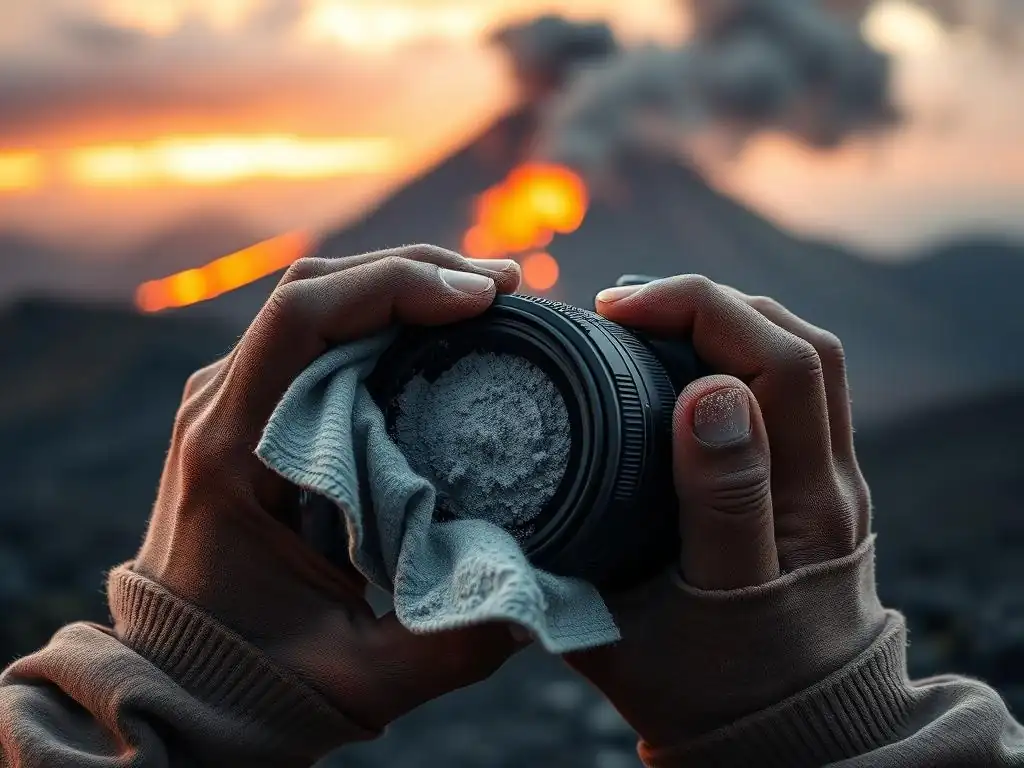
While minimizing ash exposure is the goal, some accumulation is inevitable. Regular, safe cleaning in the field is essential to prevent buildup and minimize damage. Use a bulb blower to gently remove loose ash particles from camera bodies, lenses, and filters. Hold the camera or lens facing downwards to allow ash to fall away. For more stubborn ash, use a clean, dry microfiber cloth with a light blotting motion.
Avoid rubbing or wiping aggressively, as this can scratch surfaces. If necessary, a lens cleaning solution can be used sparingly on a microfiber cloth to remove greasy or stuck-on ash particles. Always apply the solution to the cloth, not directly to the lens or camera body, and use a fresh section of the cloth for each wipe to avoid redepositing ash. Conduct cleaning in a sheltered area, if possible, to minimize further ash contamination during the process.
Post-Exposure Cleaning: Removing Volcanic Ash Effectively
Safe Methods for Cleaning Camera Bodies and Lenses
Post-exposure cleaning requires a more thorough approach than field cleaning. Begin by using a bulb blower to remove as much loose ash as possible from all external surfaces of camera bodies and lenses. For camera bodies, use a slightly damp (not wet) microfiber cloth to wipe down external surfaces, paying attention to crevices and buttons where ash can accumulate.
For lenses, use a lens cleaning solution and microfiber cloths to carefully clean the lens elements and barrels. Start with the rear element and work your way to the front, using circular motions and fresh sections of the cloth. For stubborn ash or grime, consider using specialized lens cleaning brushes or swabs designed for delicate optics.
Cleaning Sensors and Internal Components: A Delicate Process
Sensor cleaning is a delicate process best approached with caution. If you are comfortable and experienced, you can attempt dry sensor cleaning using a bulb blower and sensor swabs designed for your camera model. Follow the manufacturer's instructions carefully.
However, if you are unsure or if the ash contamination is significant, it is highly recommended to have your sensor professionally cleaned. Attempting wet sensor cleaning without proper training can easily damage the sensor. Similarly, cleaning internal components beyond the sensor is best left to qualified camera repair technicians, as disassembling camera bodies can void warranties and potentially cause further damage if not done correctly.
Protecting Memory Cards and Other Accessories from Ash Damage
Memory cards, batteries, and other accessories can also be affected by volcanic ash. Store memory cards in protective cases when not in use. If memory cards have been exposed to ash, gently blow off any loose particles before inserting them into a card reader or camera.
Battery terminals can corrode from ash exposure, so inspect and clean them with a dry cloth or contact cleaner if necessary. Consider storing batteries in sealed plastic bags or waterproof cases during volcanic photography trips. Tripods and other support equipment should also be wiped down after exposure to ash to prevent corrosion and ensure smooth operation.
Specific Gear Protection Strategies for Different Equipment Types
Protecting DSLR and Mirrorless Cameras from Volcanic Ash
DSLR and mirrorless cameras, with their interchangeable lens systems and complex internal mechanisms, require comprehensive protection from volcanic ash. Utilize camera rain covers and dust shields designed specifically for these camera types. Pay close attention to sealing points around the lens mount and any openings.
Regularly inspect and clean the lens mount area to prevent ash buildup. Consider using body caps and rear lens caps when lenses are removed to minimize dust and ash entry into the camera body. For mirrorless cameras with electronic viewfinders (EVFs), ensure the EVF eyepiece is also protected from ash ingress, as dust on the EVF sensor can be distracting.
Shielding Lenses: Preventing Scratches and Internal Damage
Lenses are particularly vulnerable to volcanic ash due to their exposed optical elements and intricate internal mechanisms. Always use lens filters as a primary layer of protection. Lens hoods can also provide some shielding from airborne ash and should be used whenever possible.
For lenses with zoom mechanisms, be mindful that ash can be drawn into the lens barrel during zooming. Avoid excessive zooming in highly ashy conditions if possible. If lenses have been exposed to significant ash, consider having them professionally cleaned and serviced to remove any internal ash accumulation and ensure smooth operation of focusing and zoom mechanisms.
Protecting Drones from Volcanic Ash Ingestion and Damage
Drones used for aerial volcano photography face unique challenges in ash environments. Volcanic ash ingestion can severely damage drone motors and electronics, leading to crashes and irreparable damage. Avoid flying drones directly through ash plumes. If drone photography is necessary in ash-prone areas, operate at a safe distance from active vents and ash clouds. Consider using propeller guards to provide some protection from larger ash particles. After flying in potentially ashy conditions, thoroughly inspect and clean the drone, paying particular attention to motors, propellers, and air intakes. Consult drone manufacturer guidelines for specific cleaning recommendations for ash exposure.
Protecting Action Cameras and Waterproof Housings
Action cameras, often used for capturing dynamic volcano footage, benefit from their inherent ruggedness and waterproof housings. However, even waterproof housings are not completely impervious to fine volcanic ash. Ensure the housing seals are clean and properly closed before use. Rinse the housing with fresh water after exposure to ash to prevent buildup and corrosion. For action cameras without housings, consider using lens protectors and dust covers designed for these compact devices. Pay attention to buttons and controls, as ash can accumulate around them and affect their functionality.
Long-Term Volcanic Ash Gear Maintenance and Storage
Deep Cleaning After Volcanic Ash Exposure
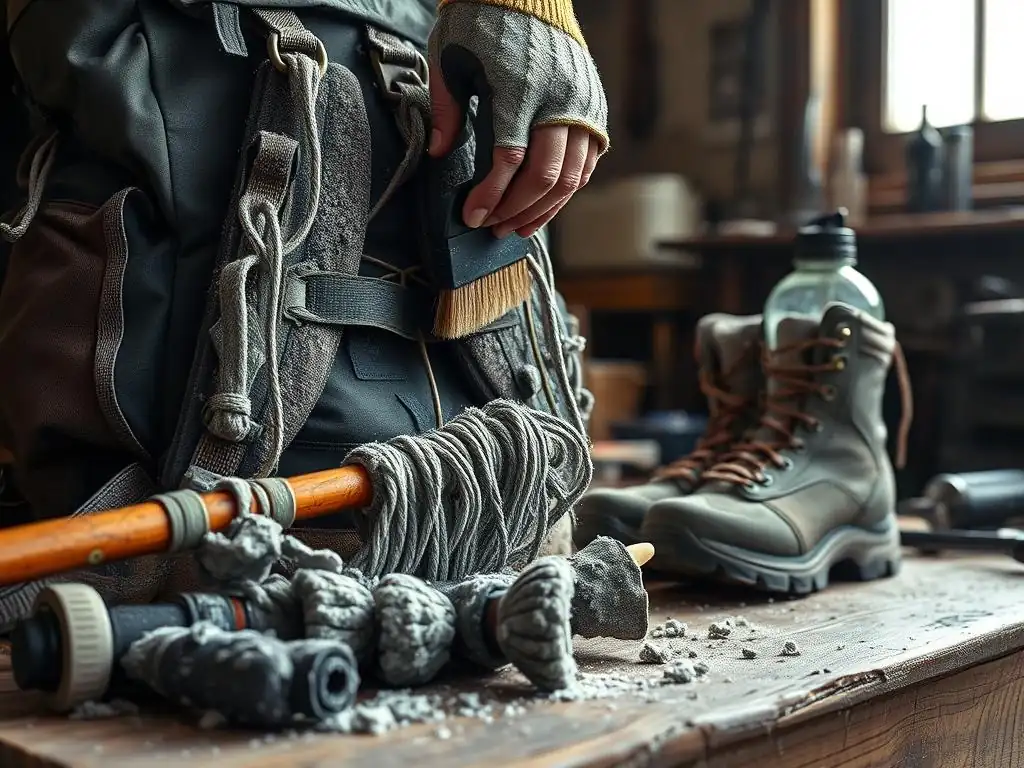
After returning from a volcano photography trip, a deep cleaning of all gear is essential. This goes beyond regular cleaning and involves a more thorough inspection and removal of any remaining ash. Disassemble lenses (if comfortable and capable) to clean lens elements and internal barrels more effectively.
Use a vacuum cleaner with a soft brush attachment to remove ash from camera bags and backpacks. For camera bodies, consider using a sensor loupe to inspect the sensor for residual ash after cleaning. If you are unsure about any aspect of deep cleaning, it is always best to consult with a professional camera repair service.
Proper Storage Techniques to Prevent Future Damage
Proper storage is crucial for preventing long-term damage from residual volcanic ash. Ensure all gear is completely dry before storing it, as moisture can react with remaining ash and accelerate corrosion. Store cameras and lenses in airtight containers or dry cabinets with desiccant packs to control humidity and prevent fungal growth. Keep gear away from direct sunlight and extreme temperatures, as these can degrade materials and exacerbate ash-related damage. Regularly inspect stored gear for any signs of corrosion or ash buildup and perform periodic cleaning as needed.
When to Seek Professional Cleaning and Repair
Knowing when to seek professional help is vital for preserving your photography equipment. If you are uncomfortable cleaning your sensor, or if you suspect internal ash contamination in your camera or lenses, consult a reputable camera repair service. Professional technicians have specialized tools and expertise to safely and effectively clean and repair equipment damaged by volcanic ash. If you notice any operational issues, such as focusing problems, zoom malfunctions, or electronic errors after ash exposure, professional repair is highly recommended. Attempting to fix complex issues yourself can often lead to further damage and void warranties.
Alternative Photography Techniques in Volcanic Ash Environments
Photographing Volcanic Landscapes Without Exposing Your Gear Directly
In heavily ashy conditions, consider alternative photography techniques that minimize direct gear exposure. Focus on capturing wide volcanic landscapes from sheltered locations, such as inside vehicles or buildings. Utilize natural barriers like rock formations or vegetation to shield yourself and your equipment from ashfall. Embrace telephoto lenses to capture distant volcanic features without needing to be directly in the ash plume. Prioritize composition and storytelling over getting extremely close-up shots, especially when ashfall is heavy and poses a significant risk to your gear.
Using Telephoto Lenses to Maintain Distance
Telephoto lenses are invaluable tools in volcanic environments, allowing you to capture compelling images of volcanic activity from a safe distance. By using longer focal lengths, you can photograph erupting vents, lava flows, and ash plumes without placing yourself or your gear directly in harm's way. Telephoto lenses also compress perspective, making distant volcanic features appear larger and more dramatic in your photographs. Combine telephoto lenses with sturdy tripods to ensure sharp images, especially in windy conditions often associated with volcanic eruptions.
Focusing on Volcanic Ash-Resistant Photography Subjects
In extreme ashfall conditions, shift your photographic focus to subjects that are less sensitive to ash exposure or that can even benefit from the dramatic effects of ash. Capture the stark beauty of ash-covered landscapes, the textures of ash deposits, or the impact of ashfall on vegetation and structures. Photographing human resilience in ash-affected areas can also be a powerful subject. By adapting your photographic approach to the environment, you can still capture compelling images even when direct volcano photography is too risky for your equipment.
Conclusion: Minimizing Risk and Maximizing Volcanic Photography Opportunities
Key Takeaways: Protecting Your Gear in Volcanic Environments
Protecting your photography gear from volcanic ash requires a proactive and multifaceted approach. Pre-trip planning, packing essential protective gear, diligent on-location protection, and thorough post-exposure cleaning are all crucial steps. Understanding the properties of volcanic ash and its potential damage mechanisms is fundamental to implementing effective protection strategies. By prioritizing gear safety, photographers can minimize risks and maximize their opportunities to capture stunning images of volcanoes without sacrificing their valuable equipment.
Resources for Further Learning About Volcanic Ash and Gear Protection
For further learning about volcanic ash and gear protection, consult the following resources:
- Volcano observatories websites: USGS Volcano Hazards Program, Smithsonian Global Volcanism Program, and local volcano observatory websites for real-time volcanic activity updates and ash advisories.
- Photography equipment manufacturer websites: For information on camera and lens cleaning and maintenance recommendations.
- Online photography forums and communities: For sharing experiences and tips from other photographers who have photographed in volcanic environments.
- Scientific publications on volcanic ash: For in-depth information on the properties and hazards of volcanic ash.
Frequently Asked Questions
What types of gear are most vulnerable to volcanic ash?
Volcanic ash is particularly damaging to electronics like cameras and laptops, as well as mechanical equipment with moving parts, due to its abrasive nature. Also, breathing equipment is very vulnerable.
How can I prevent volcanic ash from damaging my camera lens?
Use a UV filter as a sacrificial layer to protect the lens itself. Regularly clean the filter with specialized lens cleaning solutions and a microfiber cloth. It's also wise to use a lens hood.
What kind of respiratory protection is most effective against volcanic ash?
An N95 or higher-rated respirator mask is crucial for filtering out the fine particles of volcanic ash. Ensure a proper seal around your face for optimal protection. Replace filters regularly.
How should I clean my equipment after exposure to volcanic ash?
Use compressed air to remove loose ash particles before wiping. Avoid using water directly, as it can create an abrasive paste. Follow up with a specialized cleaning solution appropriate for the material.
Are there any specific storage tips to protect my gear from volcanic ash when not in use?
Store equipment in sealed, airtight containers with desiccant packs to absorb moisture. Consider using protective covers for larger items like backpacks. Keep containers in a sheltered location away from potential ashfall.
Final Reflection: Embracing Preparedness in the Face of Nature's Fury
The insights shared throughout this article underscore the critical importance of proactive gear protection when facing the unpredictable threat of volcanic ash. While the beauty and power of volcanoes are undeniable, their eruptions serve as a stark reminder of nature's capacity to disrupt and damage. Understanding and implementing these practical tips is not just about safeguarding equipment; it's about fostering resilience and preparedness in communities vulnerable to volcanic activity.
The lessons learned extend beyond mere technical advice; they touch upon our relationship with the environment and our responsibility to mitigate potential harm. This article serves as a reminder that careful planning and informed action can significantly reduce the impact of natural disasters, fostering a sense of security and control in the face of uncertainty. By failing to prepare, you are preparing to fail.
- Benjamin Franklin. This quote resonates deeply when considering the potential devastation of volcanic ash and the simple steps we can take to protect our valuable gear and, ultimately, our well-being.
As you navigate the world, whether you live near a volcano or simply appreciate the power of preparedness, consider the principles outlined here. Let this article serve as a catalyst for reflection on your own readiness for unforeseen events. Ask yourself: What steps can I take today to better protect myself and my belongings from the unexpected? By embracing a mindset of proactive protection, you empower yourself to face the future with greater confidence and resilience, transforming potential vulnerability into strength.
Shield Your Adventure: Implement These Volcano Ash Protection Strategies Now!
Thank you for exploring practical tips to protect your gear from volcanic ash. We hope you found valuable information to ensure your future adventures are safe and your equipment remains in top condition. Now it's time to put that knowledge into action!
- Create a dedicated cleaning and protection kit for your camera and other sensitive equipment. Include cleaning supplies, protective wraps, and airtight containers for immediate use. This is your first line of defense!
- Share this article with fellow adventurers to spread awareness and help others prepare. Knowledge is power, especially when facing volcanic activity!
- Research local weather patterns and real-time volcanic ash advisories before any trip to an active volcanic region. This extra step can save you—and your gear—a lot of trouble!
What specific modifications will you make to your gear protection strategy, and what challenges do you anticipate? Share your thoughts in the comments!