
The Color Palette of Comeback: Observing the Greening of Volcanic Worlds

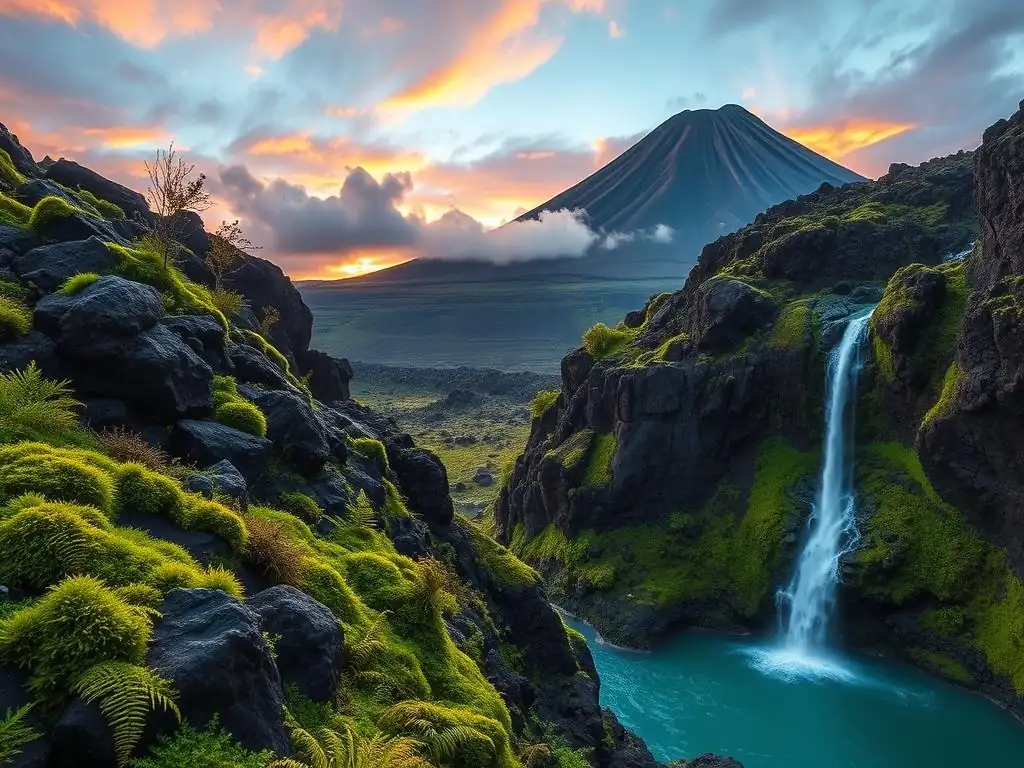
Welcome to Volcano Explorers, where we journey into the heart of Earth's fiery wonders. Have you ever considered the surprising resilience of life in the face of volcanic devastation? Prepare to witness a spectacle of rebirth as we unveil the vibrant story of "greening volcanic landscapes photography." Discover how life finds a way, painting a new color palette on these seemingly barren worlds. Intrigued? Dive in to explore this stunning testament to nature's enduring power.
Volcano Explorers: Documenting Ecological Recovery After Volcanic Eruptions
Volcano Explorers serves as a dedicated platform for those fascinated by the dynamic interplay between volcanic forces and the environment. Within this digital space, we aim to not only unravel the geological processes behind eruptions but also to meticulously document the remarkable resilience of nature in their aftermath.
A core mission of Volcano Explorers is to showcase the long-term ecological recovery that unfolds in volcanic landscapes, highlighting the often-underestimated capacity of ecosystems to regenerate even after catastrophic events. We believe in the power of observation and documentation to understand these processes, providing a valuable resource for researchers, educators, and anyone captivated by the natural world's ability to reclaim and revitalize itself.
Through articles, photographic showcases, and detailed case studies, Volcano Explorers aims to become a leading resource for understanding and appreciating the ecological comeback of volcanic regions. We emphasize the importance of long-term monitoring and research in these environments, recognizing that the greening of volcanic landscapes is not a swift event but a gradual, complex process spanning decades and even centuries.
By sharing knowledge and fostering a sense of wonder, we hope to inspire a deeper appreciation for the intricate ecosystems that emerge from volcanic disturbances and the vital role they play in the broader global environment. Our focus extends from the initial colonization by pioneer species to the eventual establishment of mature, diverse communities, capturing every stage of this fascinating ecological journey.
- How does vegetation return to volcanic landscapes after an eruption?
- What factors influence the speed of greening in volcanic areas?
- Why is photography important for documenting the greening of volcanic landscapes?
- What are some examples of plant life that are often the first to colonize volcanic areas?
- Where can I find examples of "greening volcanic landscapes photography"?
Frequently Asked Questions
How does vegetation return to volcanic landscapes after an eruption?
Plants typically return through processes like wind dispersal of seeds, the survival of underground roots, and the gradual weathering of volcanic rock to create soil. This process is called ecological succession.
What factors influence the speed of greening in volcanic areas?
The speed depends on factors like the severity of the eruption, the type of volcanic material deposited, the climate, and the availability of water and nutrients.
Why is photography important for documenting the greening of volcanic landscapes?
Photography provides a visual record of the changes over time, allowing scientists and the public to track the progress of ecological recovery and understand the impact of volcanic activity on the environment. It also helps raise awareness about these processes.
What are some examples of plant life that are often the first to colonize volcanic areas?
Common pioneer species include lichens, mosses, and certain types of grasses and shrubs that are adapted to harsh conditions and can help to break down volcanic rock. These species create conditions for other plants to follow.
Where can I find examples of "greening volcanic landscapes photography"?
Websites like VolcanoExplorers.org and other scientific or nature photography platforms often showcase images of this phenomenon. Searching online with keywords like "volcanic landscape recovery" or "ecological succession volcano" can also yield results.
Final Reflection: Embracing Renewal in Ash
The vibrant hues emerging from volcanic landscapes, as documented in this exploration of greening volcanic landscapes photography, serve as a powerful reminder of nature's resilience. What was once perceived as barren and desolate is, in reality, a canvas for rebirth, a testament to the enduring power of life to reclaim even the most challenging environments.
The journey from ash to verdant life is not merely a scientific observation; it's a profound metaphor for our own capacity for renewal. Witnessing this transformation through the lens of photography allows us to connect with the earth's inherent ability to heal and adapt, inspiring us to find similar strength within ourselves. The best view comes after the hardest climb.
This sentiment echoes the arduous yet ultimately rewarding process of ecological succession on volcanic terrain, and it resonates deeply with the human experience of overcoming adversity.
As you contemplate the images and insights shared, consider the "volcanic landscapes" in your own life – the areas that seem scorched, barren, or devoid of potential. Dare to envision the green shoots of hope and renewal that can emerge from even the most unlikely places. Let the "greening" of these landscapes inspire you to cultivate resilience, embrace change, and actively participate in the ongoing cycle of rebirth, both within yourself and in the world around you.
Unleash Your Inner Volcanic Botanist!
Thank you for exploring the fascinating world of volcanic regrowth with us! We hope you've gained a new appreciation for the resilience of life and the incredible beauty that emerges from even the harshest environments. Now, it's time to put that inspiration into action!
Here are a few ways you can further connect with the wonders of volcanic ecosystems:
- Become a Citizen Scientist: Share your observations of plant life around volcanic landscapes on our forum. Your photos and notes could contribute to valuable research!
- Delve deeper into the unique organisms that thrive in lava fields by reading our related article.
- Spread the word and share this article with anyone fascinated by nature's tenacity and stunning power of recovery.
What unexpected signs of life have you witnessed on your own explorations, and how did it change your perspective on resilience? Share your stories below!