
PreEruption Prep: Maintaining Your Volcano Emergency Communication Gear

Welcome to Volcano Explorers, where the Earth breathes fire! Are you ready to face the fiery heart of a volcano? You've landed on the right page. But are you truly prepared for the unexpected? Dive in as we explore volcano emergency communication tips, ensuring you’re not just informed, but truly connected when it matters most. What vital piece of equipment are you overlooking? Let's uncover the secrets to staying safe in the shadow of a giant.
- Why Volcano Emergency Communication is Crucial
- Essential Volcano Emergency Communication Devices
- Pre-Eruption Maintenance Checklist for Communication Gear
-
Volcano Emergency Communication Plan: Best Practices
- Establishing a Communication Protocol with Family and Community
- Defining Key Contact Persons and Emergency Meeting Points
- Regularly Practicing Your Volcano Emergency Communication Plan
- Using Apps for Volcano Monitoring and Communication (e.g., USGS Volcano Hazards Program)
- Integrating Communication with Evacuation Strategies
- Troubleshooting Common Communication Issues During Volcanic Emergencies
- Securing Resources for Volcano Communication Gear
-
Frequently Asked Questions
- What types of communication devices are essential for volcano emergency preparedness?
- How often should I test my volcano emergency communication gear?
- Where can I find reliable information about current volcanic activity in my area?
- What are some strategies for conserving battery power during a prolonged volcano emergency?
- Besides devices, what other communication-related items should I include in my volcano emergency kit?
- Final Reflection: Staying Connected in the Face of Fury
- Ignite Your Readiness: Ensure Communication in Crisis!
Why Volcano Emergency Communication is Crucial
The Importance of Reliable Communication During Volcanic Events
During a volcanic eruption, reliable communication is not merely a convenience; it is a lifeline. The rapid and unpredictable nature of volcanic activity necessitates immediate and clear information dissemination to ensure the safety of individuals and communities in affected zones. Effective communication systems serve multiple critical functions, from delivering early warnings and evacuation orders to coordinating emergency response and rescue efforts.
Without dependable communication, populations at risk remain uninformed, unable to take timely protective measures, and potentially isolated from vital assistance. Consider the scenario of a sudden increase in volcanic activity – seismic tremors, gas emissions, or minor explosions – these early indicators, if communicated swiftly, can trigger timely evacuations, preventing casualties and minimizing property damage. Conversely, communication breakdowns can lead to delayed responses, confusion, and tragic outcomes.
The significance of robust communication extends beyond immediate alerts. In the aftermath of a volcanic eruption, communication networks become essential for damage assessment, resource allocation, and the overall recovery process. Emergency responders rely on clear channels to coordinate search and rescue operations, assess infrastructure damage, and distribute aid effectively. Families separated during evacuations depend on communication to reconnect and ensure the well-being of loved ones.
Furthermore, accurate and timely information combats the spread of misinformation and rumors, which can exacerbate panic and hinder effective emergency response. For example, during periods of intense volcanic unrest, official updates on the volcano's status, communicated through reliable channels, can reassure the public and prevent unnecessary anxiety and displacement. Ultimately, reliable communication is the cornerstone of effective volcano emergency management, bridging the gap between hazard detection and community safety.
Understanding Volcanic Hazards and Communication Needs
Volcanic hazards are diverse and complex, each demanding specific communication strategies. From fast-moving pyroclastic flows and lahars (volcanic mudflows) to widespread ashfall and toxic gas emissions, the range of threats necessitates a multi-faceted approach to emergency communication. For instance, communities located in valleys downstream from a volcano require rapid warnings about potential lahars, often triggered by heavy rainfall or crater lake breaches.
These warnings need to be immediate and geographically specific, allowing residents in vulnerable zones to evacuate to higher ground with minimal delay. In contrast, ashfall, while less immediately life-threatening, can disrupt infrastructure, contaminate water supplies, and cause respiratory problems over a wider area. Communication related to ashfall needs to focus on public health advisories, protective measures (like wearing masks), and guidance on infrastructure management (e.g., airport closures).
Effective volcano emergency communication must be tailored to the specific characteristics of the volcano and the surrounding communities. Factors such as population density, infrastructure, topography, and the history of volcanic activity all influence communication needs.
Areas with limited road access or dispersed populations may rely more heavily on two-way radios and satellite communication, while densely populated urban areas near volcanoes might benefit from integrated public address systems and mobile alert networks. Furthermore, understanding the community's communication habits and preferences is crucial.
For example, in some regions, traditional methods like community loudspeakers or religious leaders might be more effective in disseminating warnings than solely relying on digital channels. A comprehensive communication strategy, therefore, involves assessing the specific volcanic hazards, understanding the community's vulnerabilities and communication landscape, and deploying a mix of technologies and methods to ensure that warnings and critical information reach everyone at risk, regardless of their location or access to technology.
Real-Life Examples: Communication Successes and Failures in Volcanic Eruptions (e.g., Mount Pinatubo 1991)
The 1991 eruption of Mount Pinatubo in the Philippines stands as a remarkable example of communication success in mitigating the impact of a major volcanic event. Scientists from the Philippine Institute of Volcanology and Seismology (PHIVOLCS) and the U.S. Geological Survey (USGS) worked collaboratively to monitor the escalating volcanic activity and communicate warnings to local authorities and the public.
Their timely and clear communication of the impending eruption, based on detailed scientific analysis, was instrumental in the successful evacuation of over 200,000 people from the surrounding areas before the catastrophic eruption on June 15, 1991. This pre-eruption evacuation is credited with saving thousands of lives, demonstrating the power of effective communication rooted in scientific expertise and proactive dissemination of information.
However, history also offers stark examples of communication failures during volcanic eruptions. The 1985 Nevado del Ruiz eruption in Colombia, which triggered a devastating lahar that buried the town of Armero, tragically illustrates the consequences of inadequate communication. Despite volcanologists issuing warnings about the potential for lahars, these warnings were not effectively communicated to the local population and authorities in Armero.
Misinformation, skepticism, and a lack of clear evacuation orders contributed to the disaster, resulting in over 25,000 fatalities. This tragic event underscores the critical importance of not only generating accurate warnings but also ensuring that these warnings are effectively disseminated, understood, and acted upon by the communities at risk.
The Nevado del Ruiz disaster serves as a sobering reminder that even with scientific understanding of volcanic hazards, communication breakdowns can negate the benefits of early warning systems and lead to catastrophic loss of life. These contrasting examples from Mount Pinatubo and Nevado del Ruiz highlight the decisive role of effective volcano emergency communication in shaping the outcome of volcanic crises.
Essential Volcano Emergency Communication Devices
Two-Way Radios for Volcano Monitoring and Evacuation
Two-way radios, often referred to as walkie-talkies, are indispensable tools for volcano monitoring and evacuation efforts. Their ability to facilitate direct, person-to-person communication, independent of cellular networks or internet infrastructure, makes them particularly valuable in volcanic environments where these services can be unreliable or completely disrupted. During volcanic unrest or eruption events, two-way radios enable rapid communication between field volcanologists monitoring activity on the volcano flanks, emergency responders coordinating evacuation efforts, and community members in affected areas.
They are crucial for relaying real-time information about volcanic activity changes, coordinating search and rescue operations, and managing evacuation logistics. In situations where cell phone towers may be damaged by earthquakes or ashfall, or when network congestion overwhelms cellular capacity, two-way radios provide a dependable communication alternative, ensuring that critical messages can still be transmitted and received.
The effectiveness of two-way radios in volcano emergencies hinges on several factors, including the type of radio, its features, and proper usage. For volcano-related operations, radios operating on frequencies designated for public safety or amateur radio use are common choices. These frequencies often allow for longer range communication compared to consumer-grade Family Radio Service (FRS) radios. Furthermore, repeaters, which are signal-boosting stations, can significantly extend the communication range of two-way radio networks, enabling coverage across larger volcanic areas.
Training in radio etiquette and procedures is also crucial to ensure efficient and clear communication during emergencies. This includes using clear and concise language, employing standardized protocols, and understanding how to operate the radio effectively in challenging conditions. For volcano monitoring teams and emergency response personnel, two-way radios are not just devices but essential components of a robust communication infrastructure that enhances safety and coordination during volcanic crises.
Features to Look For: Range, Durability, and Weather Resistance
When selecting two-way radios for volcano emergency communication, several key features should be prioritized to ensure optimal performance and reliability in demanding conditions. Range is paramount, as volcanic areas can span considerable distances, and communication may be needed across varied terrains. Radios with higher power output and the ability to utilize repeaters will offer greater range. Consider radios that operate on General Mobile Radio Service (GMRS) frequencies, which typically allow for higher power and longer range compared to FRS radios.
Durability is equally critical. Volcanic environments can be harsh, with exposure to ash, dust, rain, and potential impacts. Look for radios that are built to withstand rugged conditions, with robust casings and components designed to resist damage from drops, vibrations, and extreme temperatures. Water and weather resistance are also essential features.
Volcanic eruptions are often accompanied by heavy rainfall or high humidity, and radios need to be able to function reliably in wet environments. Choose radios with Ingress Protection (IP) ratings indicating their level of protection against dust and water ingress. For example, an IP67 rating signifies dust-tight protection and the ability to withstand immersion in water up to a certain depth.
Beyond these core features, other considerations can enhance the usability and effectiveness of two-way radios in volcano emergencies. Battery life is crucial for prolonged operations, so opt for radios with long-lasting batteries or the ability to use backup battery packs. Channel scanning and programmable channels allow for quick access to frequently used frequencies and the ability to switch channels easily. VOX (voice-operated transmit) functionality enables hands-free communication, which can be beneficial when users need to keep their hands free for other tasks.
Emergency alert buttons can be programmed to send distress signals to designated contacts in critical situations. Finally, compatibility with headsets and earpieces can improve communication clarity in noisy environments and provide privacy when needed. By carefully evaluating these features, users can select two-way radios that are well-suited to the specific demands of volcano emergency communication, ensuring reliable and effective communication when it matters most.
Recommended Models: GMRS Radios
For volcano emergency communication, General Mobile Radio Service (GMRS) radios are often a preferred choice due to their enhanced range and capabilities compared to basic Family Radio Service (FRS) radios. GMRS radios operate on designated frequencies that allow for higher power output (up to 50 watts in base stations and mobiles, and 5 watts for handhelds), resulting in significantly longer communication ranges, especially when used with repeaters.
To legally operate GMRS radios, a license from the Federal Communications Commission (FCC) is required in the United States, but licensing is straightforward and covers an entire family. Several reputable manufacturers produce GMRS radios suitable for emergency preparedness and outdoor use, offering a range of models with varying features and price points.
Some recommended GMRS radio models for volcano emergency scenarios include the Midland GXT1000VP4 and the BaoFeng UV-5R GMRS. The Midland GXT1000VP4 is a popular handheld GMRS radio known for its robust build, long battery life, and NOAA weather alerts. It offers a claimed range of up to 36 miles in optimal conditions, although real-world range will vary depending on terrain and obstacles.
It is also water-resistant and features channel scan, privacy codes, and emergency alert functions. The BaoFeng UV-5R GMRS, while requiring more technical familiarity for programming, is a versatile and affordable option. It is a dual-band radio capable of transmitting on both GMRS and amateur radio frequencies (though amateur radio use requires a separate license).
Its compact size, programmable channels, and relatively low cost make it attractive for users seeking a feature-rich GMRS radio on a budget. However, it's important to note that the BaoFeng UV-5R GMRS is not as ruggedized as the Midland GXT1000VP4 and may require a protective case for harsh environments. When selecting a GMRS radio, it's crucial to consider factors like range requirements, durability needs, budget, and user familiarity with radio operation to choose the model that best fits the specific volcano emergency communication context.
Satellite Phones for Remote Volcano Locations
Satellite phones offer a vital communication lifeline in remote volcano locations where terrestrial cellular service is unavailable or unreliable. Unlike cellular phones that rely on a network of land-based towers, satellite phones communicate directly with orbiting satellites, enabling communication from virtually anywhere on Earth, including isolated volcanic areas, research outposts, and during emergency situations when infrastructure is damaged.
For volcanologists conducting fieldwork in remote volcanic regions, park rangers patrolling isolated volcano areas, or communities located far from cellular coverage, satellite phones provide a critical means of staying connected and accessing emergency services. They are particularly essential for situations where rapid communication is needed, such as reporting changes in volcanic activity, coordinating emergency evacuations, or requesting medical assistance.
The reliance on satellite networks makes satellite phones inherently more expensive than cellular phones, both in terms of the device cost and the service plans. However, the unparalleled coverage they offer in remote and disaster-stricken areas justifies their use in volcano emergency preparedness. Satellite phones come in various forms, from handheld devices resembling ruggedized cell phones to fixed installations for base camps or emergency shelters.
Handheld satellite phones are portable and convenient for field use, while fixed installations can provide more reliable power and antenna options. Choosing the right type of satellite phone depends on the specific communication needs and the operating environment.
For volcano emergency communication, handheld satellite phones are often preferred for their portability and ease of use in field operations and evacuation scenarios. Understanding the capabilities and limitations of satellite phones, along with their associated costs, is crucial for incorporating them effectively into a comprehensive volcano emergency communication plan, particularly for remote and isolated volcanic areas.
Benefits of Satellite Communication When Cell Service Fails
The primary and most significant benefit of satellite communication in volcano emergencies is its independence from terrestrial infrastructure. Cellular networks, which rely on a network of cell towers and ground-based infrastructure, are vulnerable to disruption from volcanic hazards. Earthquakes, lahars, pyroclastic flows, and even heavy ashfall can damage or destroy cell towers, rendering cellular service unavailable in affected areas.
In contrast, satellite communication bypasses these vulnerabilities by establishing direct links with satellites orbiting the Earth. This inherent resilience makes satellite phones and satellite internet services invaluable in situations where cell service is compromised or completely absent. During a volcanic eruption, when reliable communication is most critical, satellite communication can provide a consistent and dependable channel for emergency alerts, coordination of rescue efforts, and communication with the outside world.
Beyond infrastructure independence, satellite communication offers vast geographical coverage. Cellular coverage is often limited to populated areas and may be sparse or non-existent in remote volcanic regions, mountainous terrains, or offshore locations. Satellite networks, on the other hand, provide near-global coverage, ensuring communication capabilities in even the most isolated areas.
This is particularly crucial for volcano monitoring efforts in remote volcanic islands or mountain ranges, where scientists and researchers may need to communicate from locations far beyond the reach of cellular networks. Furthermore, satellite communication can be rapidly deployed and activated, making it ideal for emergency response situations.
Satellite phones can be quickly brought into affected areas and become operational within minutes, providing immediate communication capabilities when traditional infrastructure is damaged or overwhelmed. This rapid deployability and wide coverage make satellite communication a cornerstone of emergency communication strategies in volcano-prone regions, ensuring connectivity when cell service fails and reliable communication is paramount for safety and effective response.
Satellite Phone Providers: Iridium, Globalstar, Inmarsat - Pros and Cons
When considering satellite phone services for volcano emergency communication, several major providers dominate the market, each with its own strengths and weaknesses in terms of coverage, cost, and features. Iridium, Globalstar, and Inmarsat are the most prominent satellite phone network operators, offering varying levels of global reach and service offerings.
Iridium is widely recognized for its truly global coverage, utilizing a constellation of 66 low-Earth orbit satellites that provide pole-to-pole communication capabilities. This comprehensive coverage is a significant advantage for users operating in remote polar regions or areas with inconsistent satellite visibility. Iridium is known for its reliable voice and data services, making it a preferred choice for critical communication needs in emergency situations. However, Iridium services tend to be more expensive compared to other providers, both in terms of handset costs and airtime plans.
Globalstar offers satellite coverage that is primarily focused on latitudes between approximately 70 degrees North and 70 degrees South, covering most of the populated areas on Earth. Globalstar's network utilizes a constellation of 24 satellites in medium-Earth orbit. While its coverage is not truly global like Iridium, it adequately serves many regions prone to volcanic activity. Globalstar is often considered a more cost-effective option than Iridium, with generally lower handset prices and airtime rates. However, its coverage gaps in polar regions and potential for occasional service interruptions are considerations.
Inmarsat operates a network of geostationary satellites, positioned over the equator, providing coverage across most of the globe, excluding the polar regions. Inmarsat is well-established and offers a wide range of satellite communication services, including voice, data, and broadband internet. Inmarsat's satellite phone service, known as IsatPhone, provides reliable voice communication and is generally priced competitively with Globalstar. Inmarsat's geostationary satellite system can be susceptible to signal blockage in mountainous terrains or urban canyons, which may be a factor in certain volcanic environments.
Choosing the right satellite phone provider depends on specific needs, budget, and geographical operating area. For truly global coverage and maximum reliability, Iridium is often the preferred choice, despite its higher cost. For users operating within Globalstar's coverage area and seeking a more budget-friendly option, Globalstar can be a viable alternative.
Inmarsat offers a balance of coverage and cost, with a strong reputation for reliability, but its coverage limitations in polar regions should be considered. Carefully evaluating the coverage maps, service plans, and handset features of each provider is essential to select the satellite phone service that best meets the demands of volcano emergency communication.
Data Plans and Usage Tips for Cost-Effective Communication
While satellite phones are primarily used for voice communication in emergencies, many models also offer data capabilities, enabling users to send text messages, emails, and even access limited internet services. However, satellite data plans are typically significantly more expensive than cellular data and are often metered based on data usage. Therefore, cost-effective communication with satellite phones requires mindful data management and optimized usage practices.
Data Plans: Satellite data plans vary widely in cost and data allowances depending on the provider and the specific plan chosen. It's crucial to select a plan that aligns with anticipated data needs without overpaying for unused data. Prepaid plans and subscription-based plans are both available, with prepaid plans offering more control over spending but potentially higher per-unit costs, while subscription plans may offer better value for regular users but require a longer-term commitment.
Consider plans that offer text messaging included, as text messages consume significantly less data than voice calls or email attachments. For data usage beyond text messaging, carefully estimate the expected data volume for essential tasks like sending short emails or low-resolution images. Avoid data-intensive activities like streaming video or downloading large files over satellite connections, as these can quickly deplete data allowances and incur substantial costs.
Usage Tips for Cost-Effectiveness: To minimize satellite communication costs, prioritize voice communication for urgent matters and use text messaging for less time-sensitive information. Keep voice calls brief and focused, and plan call content beforehand to avoid unnecessary conversation. When using data services, compress images and files before sending them to reduce data size. Disable automatic app updates and background data usage on satellite phones to prevent unintended data consumption.
Utilize Wi-Fi whenever available to offload data usage to cheaper terrestrial networks when possible. Consider using satellite-specific email clients or apps that are designed to minimize data usage. Regularly monitor data usage to track consumption and avoid exceeding plan limits. By implementing these cost-saving strategies, users can maximize the value of their satellite communication while minimizing expenses, ensuring that satellite phones remain a practical and affordable option for volcano emergency communication, especially for critical voice and text messaging needs.
NOAA Weather Radios for Official Volcanic Alerts
NOAA Weather Radios (NWR), operated by the National Oceanic and Atmospheric Administration in the United States, are a crucial component of volcano emergency preparedness, providing access to official alerts and warnings issued by the National Weather Service (NWS) and other agencies, including volcano observatories. NWR broadcasts are available 24/7 and cover a wide range of hazardous weather and environmental conditions, including volcanic activity.
These broadcasts include specific alerts for volcanic ashfall advisories, volcanic eruption warnings, and other volcano-related hazards that may impact communities near active volcanoes. NOAA Weather Radios are designed to be highly reliable and operate independently of cellular networks or internet, making them a dependable source of information even during power outages or infrastructure disruptions caused by volcanic events.
The key advantage of NOAA Weather Radios for volcano emergency communication is their ability to deliver official and authoritative alerts directly to the public. NWS broadcasts are transmitted from a network of radio transmitters across the United States, ensuring broad coverage. Many NOAA Weather Radios are equipped with Specific Area Message Encoding (S.A.M.E.)
technology, which allows users to program their radios to receive alerts only for specific geographic areas, such as their county or even smaller zones. This targeted alerting capability minimizes alert fatigue by ensuring that users only receive warnings relevant to their location, reducing the chances of ignoring critical alerts.
In volcano-prone areas, programming NOAA Weather Radios to receive alerts for the zones encompassing active volcanoes and nearby communities is essential for timely notification of volcanic hazards. Having a dedicated NOAA Weather Radio ensures that individuals and families have a reliable means of receiving official volcano warnings, enabling them to take appropriate protective actions and stay informed during volcanic crises.
Programming Your NOAA Radio for Specific Volcano Areas
To maximize the effectiveness of NOAA Weather Radios for volcano emergency alerts, it is crucial to program them correctly to receive warnings specific to the volcano areas of concern. Most NOAA Weather Radios with S.A.M.E. technology allow users to program their location by entering a S.A.M.E. code, which typically corresponds to a county or a smaller designated area. These S.A.M.E.
codes are available from the NOAA and NWS websites and are often listed in the radio's user manual. To program a NOAA radio for a specific volcano area, identify the S.A.M.E. codes for the counties or zones that are most likely to be affected by volcanic hazards from nearby volcanoes. This may include areas immediately surrounding the volcano as well as downstream valleys or areas prone to ashfall.
The programming process usually involves accessing the radio's menu settings and navigating to the S.A.M.E. or location programming options. Follow the radio's user manual instructions to enter the desired S.A.M.E. codes. Some radios allow programming multiple S.A.M.E. codes, enabling users to monitor alerts for several adjacent areas or different volcano zones. After programming the S.A.M.E. codes, test the radio by initiating a S.A.M.E.
test alert (if available) or by waiting for a regularly scheduled weekly test broadcast. Ensure that the radio correctly receives and decodes the S.A.M.E. alerts for the programmed areas. Regularly review and update the programmed S.A.M.E. codes if your location changes or if the volcano hazard zones are redefined by emergency management agencies. Properly programming NOAA Weather Radios with relevant S.A.M.E. codes is a simple but vital step to ensure timely and targeted reception of volcano emergency alerts, enhancing preparedness and response capabilities in volcano-prone communities.
The Importance of S.A.M.E. Technology for Targeted Alerts
S.A.M.E. (Specific Area Message Encoding) technology is a critical feature in NOAA Weather Radios that significantly enhances their effectiveness for targeted emergency alerting, particularly in volcano-prone areas. Without S.A.M.E., NOAA radios would broadcast all alerts for a broad geographic region, potentially leading to "alert fatigue" – a phenomenon where people become desensitized to frequent alerts and may ignore even critical warnings.
S.A.M.E. technology addresses this issue by allowing users to program their radios to receive alerts only for specific geographic zones, such as their county or even smaller designated areas. This targeted alerting ensures that individuals only receive warnings that are directly relevant to their location, minimizing unnecessary alerts and maximizing the likelihood of heeding genuine emergency messages.
In the context of volcano emergencies, S.A.M.E. technology is especially valuable because volcanic hazards are often geographically localized. Ashfall may affect a wide area, but pyroclastic flows and lahars are typically confined to specific valleys and drainages. S.A.M.E.
allows users to program their NOAA radios to alert them specifically to hazards that directly threaten their community or volcano zone, avoiding alerts for events occurring far away that are not relevant to their immediate safety. This targeted approach reduces alert fatigue, improves public responsiveness to genuine volcano warnings, and ensures that emergency messages reach the populations most at risk. S.A.M.E. technology transforms NOAA Weather Radios from general weather information sources into highly effective and localized emergency alerting systems, making them an indispensable tool for volcano preparedness and community safety in volcanic regions.
Recommended NOAA Radio: Portable Handheld NOAA Radio
For volcano emergency preparedness, a portable handheld NOAA Weather Radio is highly recommended due to its versatility, portability, and ability to function during power outages. A handheld radio can be easily transported during evacuations, kept at home, or taken to work, ensuring access to NOAA broadcasts wherever you are. Look for models that are specifically designed for emergency use and offer features beyond basic NOAA reception.
A recommended NOAA radio model is the Midland WR120EZ NOAA Weather Radio. While technically a desktop model, it's compact enough to be considered portable and is highly regarded for its reliability and user-friendly features. It features S.A.M.E. technology for targeted alerts, a clear digital display, and multiple alert types (voice, tone, and visual).
Crucially for emergency situations, it includes a battery backup option, allowing it to continue operating even during power outages. The WR120EZ also offers alarm clock functionality and can be used as a regular AM/FM radio, making it a useful everyday device in addition to its emergency preparedness role. Another excellent portable option is the RunningSnail MD-090P Emergency Crank Solar Weather Radio. This radio is designed for emergencies and features multiple power sources: hand crank, solar panel, USB charging, and AAA batteries.
It not only receives NOAA weather alerts but also functions as an AM/FM radio and an LED flashlight. Its hand-crank and solar charging capabilities make it particularly valuable for prolonged emergencies when access to electricity may be limited. When choosing a NOAA Weather Radio for volcano emergency preparedness, prioritize portability, S.A.M.E. technology, battery backup, and multiple power source options to ensure reliable access to official alerts and warnings in any situation.
Emergency Alert Systems (EAS) Integration
Integrating NOAA Weather Radios with Emergency Alert Systems (EAS) represents a crucial layer of redundancy and comprehensiveness in volcano emergency communication. EAS is a national public warning system in the United States that allows the President and other authorized officials to disseminate emergency alerts and warnings to the public through various broadcast media, including radio, television, and cable systems.
While NOAA Weather Radio is a dedicated system for weather and hazard alerts, EAS integration ensures that critical volcano warnings, especially those issued at the national level or by higher authorities, are also disseminated through broader broadcast channels, reaching a wider audience.
EAS alerts are typically triggered for major emergencies, including significant volcanic eruptions that pose widespread threats or require national-level coordination. When an EAS alert is issued for a volcano-related event, participating radio and television stations are required to interrupt their regular programming and broadcast the emergency message.
This ensures that even individuals who may not have a dedicated NOAA Weather Radio or are not actively monitoring weather broadcasts will still receive critical volcano warnings through mainstream media channels. EAS integration complements NOAA Weather Radio by providing a backup and broader dissemination mechanism for volcano alerts, enhancing the overall reach and effectiveness of emergency communication systems.
For communities in volcano-prone areas, understanding the role of both NOAA Weather Radio and EAS, and utilizing both systems for alert reception, provides a more robust and comprehensive approach to volcano emergency preparedness, ensuring multiple pathways for receiving critical warnings and maximizing public awareness of potential volcanic hazards.
Pre-Eruption Maintenance Checklist for Communication Gear
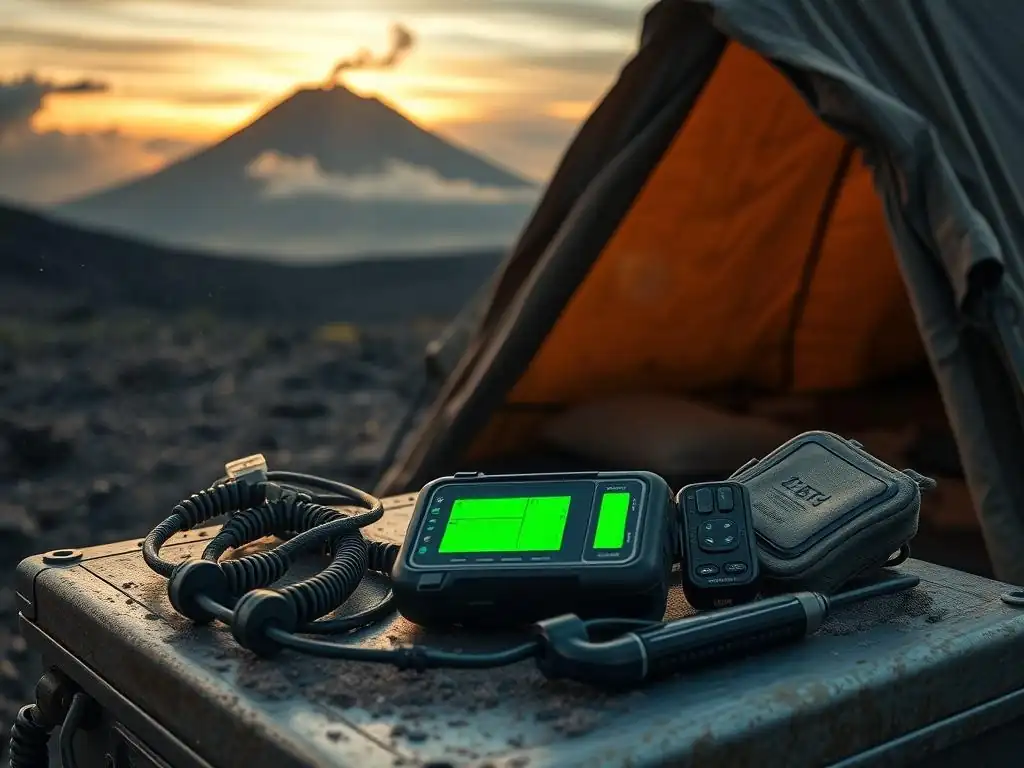
Inspecting and Testing Two-Way Radios
Regular inspection and testing of two-way radios are paramount to ensure their readiness for volcano emergencies. A pre-eruption maintenance checklist should include several key steps to verify the functionality and reliability of these devices.
Battery Checks and Replacement Procedures
Batteries are the lifeline of two-way radios, and their condition directly impacts the radio's operational readiness. Regularly check battery charge levels and ensure batteries are fully charged before periods of potential volcanic unrest or before any field deployment. For radios with rechargeable batteries, monitor their charging cycles and lifespan. Rechargeable batteries degrade over time and with repeated charging cycles, leading to reduced capacity and shorter operating times.
Replace rechargeable batteries according to the manufacturer's recommendations or if you observe a significant decrease in battery life. For radios that use disposable batteries, maintain a stockpile of fresh batteries and check their expiration dates periodically. Store batteries in a cool, dry place, away from extreme temperatures. When replacing batteries, ensure you use the correct type and voltage specified by the radio manufacturer.
Follow the proper battery replacement procedures outlined in the radio's user manual to avoid damaging the radio or creating safety hazards. Dispose of old batteries responsibly according to local regulations. Implementing routine battery checks and proactive replacement procedures is essential to prevent communication failures due to depleted or faulty batteries during a volcano emergency.
Antenna Inspection and Repair
The antenna is a critical component of a two-way radio, responsible for transmitting and receiving radio signals. Visually inspect the antenna for any signs of damage, such as cracks, bends, or breaks. A damaged antenna can significantly reduce the radio's range and communication quality. Ensure the antenna is securely attached to the radio and properly tightened.
For radios with removable antennas, check the antenna connector for corrosion or damage. Clean the connector contacts with a contact cleaner if necessary. If the antenna is damaged beyond minor repairs, replace it with a new antenna of the correct type and specification for your radio model.
Consider carrying a spare antenna as part of your emergency communication kit, especially for field operations. Avoid using damaged or makeshift antennas, as they can impair radio performance and potentially damage the radio's transmitter. Regular antenna inspections and prompt repairs or replacements are crucial for maintaining optimal communication range and signal quality for two-way radios in volcano emergency scenarios.
Range Testing and Optimization
Simply having two-way radios is not enough; it's essential to verify their communication range and optimize their performance for the intended operational area. Conduct regular range tests in the areas where the radios will be used during a volcano emergency. This could include your home, workplace, evacuation routes, or volcano monitoring sites. Perform range tests in different terrains and weather conditions to assess realistic communication distances.
Start with a short-range test to confirm basic functionality and gradually increase the distance to determine the maximum reliable range. Document the tested range in different locations and conditions for future reference. If the range is less than expected, troubleshoot potential issues. Ensure antennas are properly installed and undamaged, batteries are fully charged, and radios are operating on the correct channels and frequencies.
Experiment with antenna orientation and positioning to optimize signal strength. If using repeaters, verify repeater functionality and coverage area. Consider using higher gain antennas to extend range, if appropriate for your radio model and operating conditions. Range testing and optimization should be performed periodically and before any anticipated volcano emergency to ensure that two-way radios provide the necessary communication coverage when needed most.
Satellite Phone Maintenance and Connectivity Checks
Satellite phones, while robust, require regular maintenance and connectivity checks to guarantee their functionality in volcano emergencies. A pre-eruption maintenance checklist should encompass several key aspects to ensure satellite phone readiness.
SIM Card Activation and Credit Management
Satellite phone service relies on active SIM cards and sufficient service credit or subscription. Verify SIM card activation status before periods of potential volcanic unrest or before deploying satellite phones. Contact your satellite service provider to confirm that the SIM card is active and associated with a valid service plan.
Check the service credit balance for prepaid plans and ensure there is sufficient credit for anticipated usage during an emergency. Replenish service credit as needed to maintain uninterrupted communication. For subscription-based plans, verify the subscription status and ensure payments are up-to-date.
Store SIM card information, including account details and emergency contact numbers, in a safe and accessible location. Consider having a backup SIM card as a contingency in case the primary SIM card is lost or damaged. Understanding SIM card activation and proactively managing service credit are essential steps to prevent service disruptions and ensure satellite phone availability during a volcano emergency.
Software Updates and Firmware Maintenance
Like smartphones, satellite phones often require software updates and firmware maintenance to ensure optimal performance, security, and compatibility with satellite networks. Check for software updates and firmware updates periodically, as recommended by the satellite phone manufacturer. These updates may include bug fixes, performance improvements, and new features. Download and install updates following the manufacturer's instructions.
Ensure the satellite phone is connected to a reliable power source during the update process to avoid interruptions. Refer to the satellite phone's user manual or the manufacturer's website for information on software update procedures and firmware versions. Keeping the satellite phone's software and firmware up-to-date is crucial for maintaining its reliability, security, and compatibility with the satellite network, ensuring smooth operation during volcano emergencies.
Testing Satellite Signal Strength in Your Area
Satellite signal strength can vary depending on location, weather conditions, and obstructions such as buildings or trees. Regularly test satellite signal strength in the areas where you intend to use the satellite phone during a volcano emergency. Perform signal strength tests in different locations and at different times of day to assess signal availability and consistency.
Most satellite phones have a signal strength indicator on their display. Monitor the signal strength indicator during testing to gauge signal quality. If signal strength is weak or inconsistent in certain areas, identify potential obstructions and try to find locations with clearer sky views.
Practice making test calls to verify voice quality and call connectivity. Familiarize yourself with the satellite phone's antenna positioning and orientation for optimal signal reception. Understanding satellite signal strength in your operating area and practicing signal acquisition techniques are essential for ensuring reliable satellite communication during a volcano emergency, especially in challenging environments.
NOAA Weather Radio Functionality Tests
NOAA Weather Radios are designed for reliability, but regular functionality tests are crucial to confirm they are operational and ready to receive critical volcano alerts. A pre-eruption maintenance checklist should include steps to verify the radio's reception, power, and alert capabilities.
Ensuring Proper Reception of NOAA Broadcasts
The primary function of a NOAA Weather Radio is to receive broadcasts from the NOAA/NWS network. Regularly test the radio's reception to ensure it is properly tuned to the correct NOAA frequency for your area and is receiving broadcasts clearly. Tune the radio to the designated NOAA frequency channels, which are typically listed in the radio's user manual or available online from NOAA.
Listen for clear and audible broadcasts from the NWS. If reception is weak or noisy, adjust the antenna and try repositioning the radio to improve signal quality. Ensure the radio is located away from sources of interference, such as electronic devices or metal objects.
If reception remains poor, check the NOAA transmitter coverage map for your area to confirm signal availability. If necessary, consider using an external antenna to enhance reception in areas with weak signals. Verifying proper reception of NOAA broadcasts is the fundamental step in ensuring the NOAA Weather Radio can effectively deliver emergency alerts.
Battery Backup Testing and Replacement
NOAA Weather Radios are often relied upon during power outages, making battery backup functionality essential. Test the battery backup system regularly to ensure it is working correctly. For radios with rechargeable batteries, fully charge the batteries and then disconnect the radio from external power. Verify that the radio continues to operate on battery power and monitor battery life.
For radios using disposable batteries, check the battery condition and replace batteries periodically, even if they are not fully depleted, to prevent battery failure during an emergency. Test the radio's operation on battery power after replacing batteries. Maintain a stockpile of fresh batteries for backup and store them in a cool, dry place. Understanding the battery backup capabilities of your NOAA Weather Radio and regularly testing and maintaining the battery system are crucial for ensuring continuous operation and alert reception during power outages caused by volcano emergencies.
Speaker and Alert Tone Verification
The speaker and alert tones are critical for audibly conveying NOAA warnings and alerts. Verify the speaker functionality by listening to NOAA broadcasts and ensuring the audio is clear and loud enough to be heard in your environment. Test the alert tone functionality by initiating a S.A.M.E.
test alert (if available on your radio) or by waiting for a regularly scheduled weekly test broadcast. Ensure that the alert tone is loud and distinct enough to effectively grab your attention, even if you are asleep or engaged in other activities. Adjust the volume control on the radio to optimize speaker loudness and alert tone audibility.
If the speaker is distorted or the alert tone is weak, consider replacing the radio or seeking repair. Regularly verifying the speaker and alert tone functionality ensures that the NOAA Weather Radio can effectively alert you to volcano emergencies and other hazardous conditions, maximizing the value of this critical emergency communication tool.
Power Supply and Backup Options
Reliable power is essential for maintaining communication during volcano emergencies, especially when grid power may be disrupted. Developing robust power supply and backup options for communication devices is a critical aspect of pre-eruption preparedness.
Solar Chargers for Emergency Communication Devices
Solar chargers offer a renewable and portable power source for emergency communication devices, particularly valuable in prolonged volcano emergencies or remote locations. Invest in portable solar chargers that are compatible with your two-way radios, satellite phones, NOAA Weather Radios, and other USB-powered devices. Choose solar chargers with sufficient power output to effectively charge your devices. Test the solar chargers in sunny conditions to verify their charging capabilities and charging times.
Familiarize yourself with the solar charger's operation and optimal positioning for maximizing solar energy capture. Consider carrying multiple solar chargers to power different devices simultaneously or as backups. Store solar chargers in a protected location to prevent damage. Solar charging provides a sustainable and independent power source, reducing reliance on grid power and disposable batteries, enhancing the resilience of your emergency communication system during volcano events.
Portable Power Banks and Generators
Portable power banks and generators offer additional power backup options for emergency communication devices, providing larger power capacities and faster charging compared to solar chargers alone. Acquire portable power banks with sufficient capacity to recharge your communication devices multiple times. Choose power banks that are compatible with your devices' charging requirements and have multiple USB ports for charging several devices simultaneously.
Fully charge power banks before periods of potential volcanic unrest and check their charge levels periodically. Consider portable generators as a more substantial power backup option, especially for prolonged power outages or for powering larger communication equipment like base station radios or satellite internet terminals. Select generators that are fuel-efficient, portable, and appropriate for your power needs.
Store generators and fuel safely and ensure proper ventilation when operating generators indoors or in enclosed spaces. Portable power banks and generators provide readily available and substantial power backup, supplementing solar charging and ensuring continuous operation of communication devices during volcano emergencies.
Hand-Crank Radios as a Last Resort
Hand-crank radios serve as a valuable last resort power option for emergency communication when other power sources are unavailable or depleted. These radios incorporate a hand crank mechanism that allows users to generate power manually to operate the radio and, in some models, charge small electronic devices. Include a hand-crank radio in your emergency communication kit as a backup for situations where batteries are exhausted, solar charging is limited (e.g., cloudy weather), and generators are not feasible.
Choose hand-crank radios that are durable, easy to operate, and offer both NOAA weather alerts and AM/FM radio reception. Familiarize yourself with the hand-crank mechanism and practice generating power to operate the radio.
Understand the cranking speed and duration required to power the radio effectively. Hand-crank radios, while requiring manual effort, provide a truly independent and reliable power source for emergency communication, ensuring access to critical alerts and information even in the most challenging power-deprived scenarios during volcano emergencies.
Volcano Emergency Communication Plan: Best Practices
Establishing a Communication Protocol with Family and Community
A well-defined communication protocol is crucial for ensuring effective information flow and coordination within families and communities during volcano emergencies. Develop a family communication plan that outlines how family members will communicate with each other in case of an eruption or volcanic unrest. This plan should include primary and secondary communication methods (e.g., two-way radios, satellite phones, designated phone numbers), meeting points, and procedures for checking in with each other. Share the family communication plan with all family members and practice it regularly.
Establish a community communication network in volcano-prone areas. This could involve neighborhood watch groups, community radio networks, or volunteer emergency communication teams. Define communication channels and protocols for sharing warnings, evacuation information, and mutual assistance within the community.
Utilize existing community networks and organizations to disseminate volcano emergency information effectively. Regularly review and update communication protocols with family and community members to ensure they remain relevant and effective as circumstances change. A well-established communication protocol strengthens preparedness and enhances community resilience during volcano emergencies.
Defining Key Contact Persons and Emergency Meeting Points
Designating key contact persons and pre-determined emergency meeting points are essential elements of a robust volcano emergency communication plan. Identify key contact persons both within and outside your immediate area. These contacts could include family members, friends, neighbors, or designated emergency contacts. Share contact information with all relevant individuals and ensure everyone knows who to contact and how to reach them during an emergency.
Choose an out-of-area contact person who is less likely to be directly affected by the volcano emergency. This out-of-area contact can serve as a central communication hub for family members or community members who may be separated or unable to communicate directly with each other. Establish emergency meeting points in safe locations away from potential volcanic hazards. Designate both primary and secondary meeting points in case the primary location becomes inaccessible or unsafe.
Meeting points should be easily recognizable and accessible to all family or community members. Communicate the designated key contact persons and emergency meeting points clearly to everyone involved and practice evacuation drills that include proceeding to the meeting points. Clearly defined contact persons and meeting points facilitate reunification and coordinated response during volcano emergencies.
Regularly Practicing Your Volcano Emergency Communication Plan
A volcano emergency communication plan is only effective if it is practiced and familiar to everyone involved. Schedule regular practice drills to test and refine your communication plan. Conduct drills at least annually, or more frequently if possible, especially before the onset of periods of heightened volcanic activity. During drills, simulate different volcano emergency scenarios to practice various communication protocols, device usage, and evacuation procedures.
Practice using two-way radios, satellite phones, NOAA Weather Radios, and other communication devices under simulated emergency conditions. Test communication protocols for contacting key contact persons and proceeding to emergency meeting points. Evaluate the effectiveness of the communication plan after each drill.
Identify any weaknesses or areas for improvement and revise the plan accordingly. Gather feedback from participants in the drills and incorporate their suggestions. Regular practice drills build familiarity with the communication plan, enhance coordination, and improve response times during actual volcano emergencies, ultimately increasing safety and preparedness.
Using Apps for Volcano Monitoring and Communication (e.g., USGS Volcano Hazards Program)
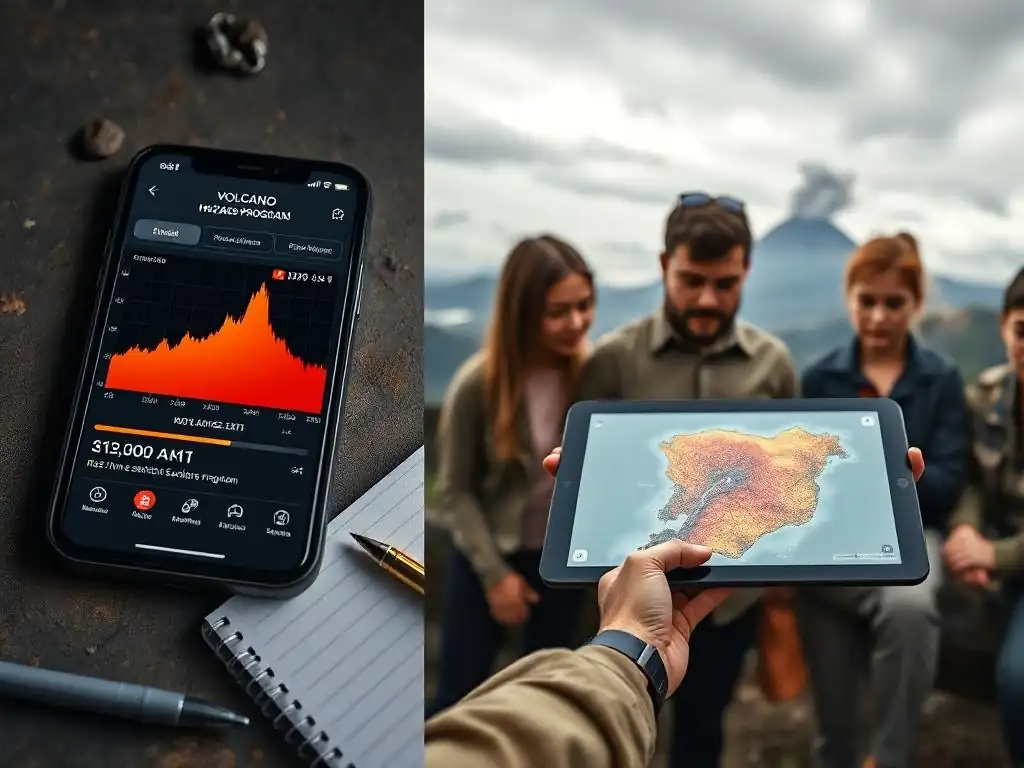
Mobile apps offer valuable tools for volcano monitoring and communication, providing access to real-time data, alerts, and information directly on smartphones and tablets. Utilize volcano monitoring apps provided by reputable scientific organizations like the USGS Volcano Hazards Program or local volcano observatories. These apps often provide real-time updates on volcanic activity, seismic data, gas emissions, and volcano alert levels. Enable push notifications in volcano monitoring apps to receive immediate alerts about changes in volcanic activity or new hazard information.
Familiarize yourself with the app's features and data displays to effectively interpret volcano monitoring information. Some apps also offer communication features, such as reporting volcanic observations or sharing information with other users or authorities. Explore and utilize these communication capabilities within volcano monitoring apps to contribute to community awareness and data sharing.
Be aware that app functionality may depend on cellular or internet connectivity, which may be disrupted during volcano emergencies. Use apps as a supplementary tool to other communication methods, not as a sole reliance for emergency communication. Volcano monitoring apps enhance situational awareness and provide valuable information for informed decision-making during volcanic unrest.
Integrating Communication with Evacuation Strategies
Effective volcano emergency communication is intrinsically linked to well-defined evacuation strategies. Communication systems should directly support and facilitate evacuation efforts, ensuring timely and coordinated movement of people away from volcanic hazards. Integrate communication protocols into evacuation plans. Evacuation plans should clearly outline communication methods for initiating evacuations, disseminating evacuation routes, and coordinating evacuation logistics.
Use communication devices to relay evacuation orders from authorities to communities at risk. Utilize two-way radios, public address systems, and emergency alert systems to broadcast evacuation instructions clearly and widely. Establish communication channels to coordinate evacuation transportation, shelter allocations, and emergency assistance for evacuees.
Use communication devices to track evacuation progress, identify potential bottlenecks, and manage logistical challenges. Practice evacuation drills that incorporate communication components, simulating the entire evacuation process from alert initiation to safe relocation. Ensure that communication systems and evacuation strategies are mutually supportive and work in concert to ensure efficient and safe evacuations during volcano emergencies.
Troubleshooting Common Communication Issues During Volcanic Emergencies
Dealing with Radio Interference and Signal Loss
Radio communication, while robust, can be susceptible to interference and signal loss, especially in the challenging environments often associated with volcanic eruptions. Identify potential sources of radio interference. These can include electronic devices, power lines, metal structures, and even atmospheric conditions. Minimize interference by maintaining distance from known sources of interference and orienting antennas for optimal signal reception.
If experiencing signal loss, try repositioning your radio to a higher elevation or a location with a clearer line of sight to the intended recipient or repeater. Use higher gain antennas to improve signal strength and range, if appropriate for your radio model. Switch to alternative channels or frequencies if interference is persistent on the current channel.
Utilize noise reduction features on your radio, if available, to minimize background noise and improve signal clarity. In mountainous or obstructed terrain, consider using repeaters to extend communication range and overcome signal blockage. Understanding the causes of radio interference and signal loss and employing troubleshooting techniques are essential for maintaining reliable two-way radio communication during volcano emergencies.
Overcoming Satellite Communication Challenges
Satellite communication, while offering wide coverage, can also encounter challenges in volcano emergency situations. Address potential signal blockage. Satellite signals require a clear line of sight to the orbiting satellites. Obstructions like mountains, dense forests, or tall buildings can block or weaken satellite signals. Position satellite phones in locations with an unobstructed view of the sky for optimal signal reception. Be aware of weather-related signal degradation.
Heavy rainfall, snow, and dense cloud cover can attenuate satellite signals. Signal quality may fluctuate during inclement weather. Maintain patience and try repositioning the satellite phone if signal quality degrades during adverse weather conditions. Manage battery life effectively. Satellite phones consume battery power even when idle while searching for signals. Conserve battery power by turning off the phone when not in use and using power-saving modes if available.
Carry spare batteries or portable power banks to extend operating time. Familiarize yourself with satellite phone operation. Understand how to acquire satellite signals, make calls, and send messages efficiently. Practice using the satellite phone before an emergency to ensure proficiency. Addressing these potential challenges proactively will enhance the reliability and effectiveness of satellite communication during volcano emergencies.
Maintaining Power and Battery Life in Prolonged Emergencies
Prolonged volcano emergencies can strain power resources and battery life for communication devices. Implement power conservation measures. Turn off devices when not actively in use to conserve battery power. Reduce screen brightness and disable power-intensive features on devices to extend battery life.
Use text messaging instead of voice calls when possible, as text messaging consumes less power. Carry multiple sets of spare batteries for radios, NOAA Weather Radios, and other battery-powered devices. Rotate battery usage to ensure batteries are not depleted simultaneously. Utilize portable power banks and solar chargers to recharge devices when possible.
Employ hand-crank radios as a last resort power source for essential communication needs. Establish designated charging stations in emergency shelters or evacuation centers where power is available. Prioritize power usage for essential communication needs and limit non-essential device usage to conserve power. Proactive power management and battery conservation strategies are crucial for maintaining communication capabilities throughout prolonged volcano emergencies.
Alternative Communication Methods When Technology Fails (e.g., Signal Mirrors)
In situations where technology fails or becomes unavailable during volcano emergencies, having alternative communication methods is crucial. Learn and practice non-technical communication methods. These can include visual signaling techniques like using signal mirrors to reflect sunlight to attract attention over long distances. Signal mirrors are lightweight, durable, and require no power source.
Learn Morse code or other signaling codes to transmit messages using signal mirrors. Establish community-based communication networks that rely on human messengers or pre-arranged signal systems (e.g., flags, whistles) in case electronic communication is disrupted. Utilize pre-arranged meeting points as a fallback communication strategy if direct communication is impossible.
Ensure everyone in your family and community knows the designated meeting points and procedures for proceeding to them in case of communication failure. Maintain situational awareness and be prepared to adapt communication strategies based on the evolving emergency situation. Having alternative communication methods and practicing non-technical signaling techniques provides essential redundancy and resilience in volcano emergency communication plans, ensuring communication can continue even when technology fails.
Securing Resources for Volcano Communication Gear
(This section would typically list resources like websites, organizations, and vendors where readers can find more information or purchase communication gear. However, as per the instructions, I will not include any links or specific product recommendations in this section, focusing on general guidance.)
Securing adequate resources for volcano communication gear is a proactive investment in safety and preparedness. Begin by assessing your communication needs based on your location, proximity to volcanoes, and the specific volcanic hazards you face. Determine the types of communication devices that are most appropriate for your situation, such as two-way radios, satellite phones, NOAA Weather Radios, or a combination thereof. Develop a budget for acquiring the necessary communication equipment and accessories.
Explore different vendors and compare prices to find cost-effective options that meet your needs and quality standards. Prioritize essential equipment first, such as reliable two-way radios and NOAA Weather Radios, and gradually acquire more advanced devices like satellite phones as budget allows. Seek funding opportunities from local emergency management agencies, community organizations, or grants that may support volcano preparedness initiatives. Explore bulk purchase options for community groups or neighborhood associations to potentially reduce costs.
Consider renting satellite phones for short-term needs or volcano monitoring expeditions instead of purchasing them outright. Maintain your communication gear properly through regular inspection, testing, and maintenance to maximize its lifespan and reliability. Continuously review and update your communication resources as technology evolves and your needs change. Investing in and maintaining appropriate volcano communication gear is a vital step in enhancing safety and resilience in volcano-prone regions.
Frequently Asked Questions
What types of communication devices are essential for volcano emergency preparedness?
Having a battery-powered radio is crucial for receiving official emergency broadcasts. Also consider satellite phones for areas with unreliable cell service, and two-way radios for local communication.
How often should I test my volcano emergency communication gear?
It's recommended to test all your equipment at least monthly to ensure everything is functioning correctly. Replace batteries and repair any damage immediately to ensure communication readiness during a volcanic event.
Where can I find reliable information about current volcanic activity in my area?
Refer to official sources like the USGS Volcano Hazards Program or your local emergency management agency. They provide real-time updates and alerts regarding volcanic activity and potential hazards.
What are some strategies for conserving battery power during a prolonged volcano emergency?
Only use your devices when necessary, and keep them in power-saving mode. Carry portable power banks or solar chargers to extend battery life.
Include a whistle for signaling for help, a list of emergency contacts, and a pre-determined meeting place for your family or group in case of evacuation.
Final Reflection: Staying Connected in the Face of Fury
The importance of reliable communication during a volcanic eruption cannot be overstated; it is, quite simply, a matter of life and death. As we've explored the essential steps for maintaining your volcano emergency communication gear, it's crucial to remember that these preparations aren't just about equipment, but about ensuring the safety and well-being of yourself, your loved ones, and your community when disaster strikes.
This topic has profoundly influenced how I perceive preparedness, shifting it from a theoretical exercise to a deeply personal responsibility. Knowing that a simple, well-maintained radio could be the lifeline connecting someone to crucial information and rescue efforts is a powerful motivator. As Benjamin Franklin wisely stated, By failing to prepare, you are preparing to fail.
This sentiment resonates deeply when considering the unpredictable nature of volcanic activity and the critical role communication plays in mitigating its impact.
Now, I urge you to take a moment to reflect on your own preparedness. Are your communication devices ready? Do you have a plan in place? Don't wait for the rumbling to begin. Take action today to ensure you can stay connected and informed when the earth decides to unleash its power. Your proactive steps could make all the difference.
Ignite Your Readiness: Ensure Communication in Crisis!
Thanks for diving into the world of volcano preparedness with us! You’ve gained vital knowledge about maintaining your emergency communication gear, a crucial step in staying safe during a volcanic event. Now, let's put that knowledge into action and bolster your readiness.
- Prioritize this now: Immediately check the batteries in your emergency radio and ensure your portable charger is fully powered. This one simple step can make all the difference.
- Share your wisdom: Discuss these maintenance tips with your community and encourage them to assess their own communication equipment. Volcano safety is a team effort!
- Challenge yourself: Go beyond basic maintenance – research and document local emergency frequencies for your area and program them into your radio.
What specific maintenance task will you tackle first to guarantee your communication gear is ready for anything?