
Access for All: Ensuring Volcano Comms Reach Every Vulnerable Community

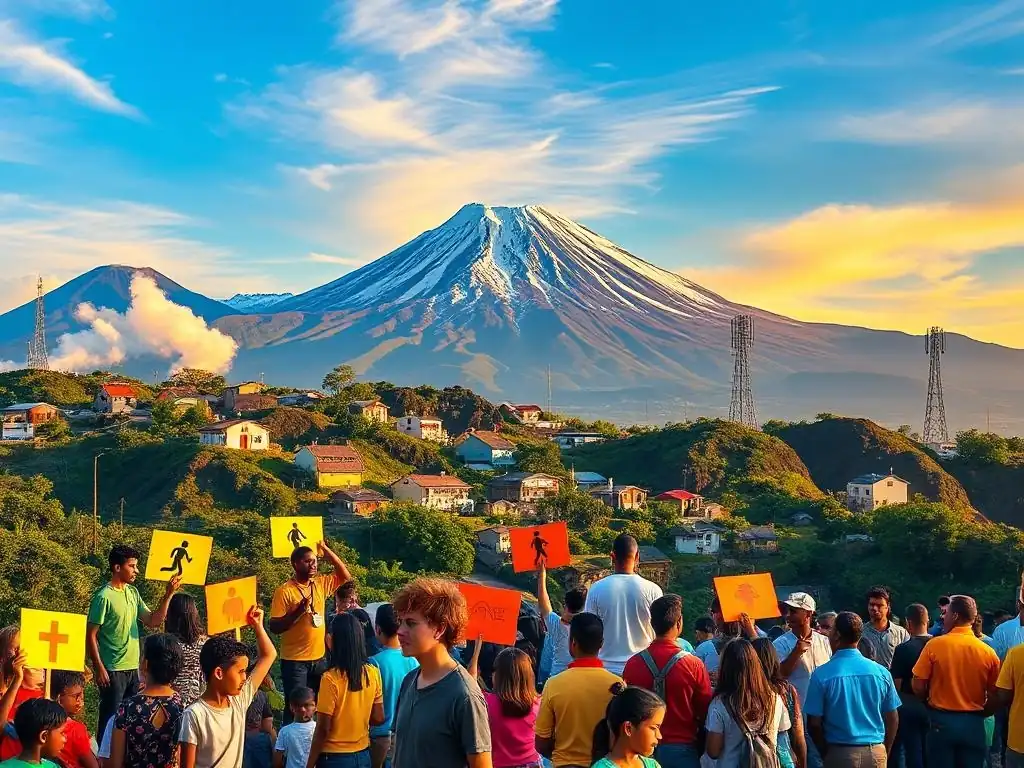
Welcome to Volcano Explorers, where the Earth breathes fire and molten rock reigns supreme. Ever wondered how we ensure life-saving information reaches every community living in the shadow of these majestic giants? Dive into our latest exploration of volcano communication for communities, where we uncover the crucial strategies and technologies bridging the gap between scientific understanding and on-the-ground safety. The secrets to effective preparedness are waiting to be unearthed… are you ready to dig in?
- The Critical Need for Effective Volcano Communication for Communities
- Reaching Every Corner: Diverse Strategies for Community Volcano Communication
- Addressing Accessibility Gaps in Volcano Communication for Communities
- Real-World Examples of Effective Volcano Communication for Communities
- Investing in the Future: Sustainable Volcano Communication Solutions
- Product Recommendations: Equipping Communities for Effective Volcano Communication
- Conclusion: Empowering Communities Through Effective Volcano Communication
-
Frequently Asked Questions
- How does VolcanoExplorers.org address volcano communication for vulnerable communities?
- What are the key challenges in volcano communication with diverse communities?
- How do you ensure volcano communication reaches individuals with disabilities?
- What role does community involvement play in effective volcano communication?
- How does VolcanoExplorers.org provide real-time updates on volcanic activity to vulnerable communities?
- Final Reflection: Embracing Inclusive Volcano Communication
- Empower Communities: Become a Volcano Preparedness Advocate!
The Critical Need for Effective Volcano Communication for Communities
Why Timely Volcano Alerts Are a Matter of Life and Death
Volcanic eruptions, while awe-inspiring natural phenomena, are inherently dangerous events that demand immediate and effective communication to safeguard communities living in their vicinity. The speed at which a volcanic crisis can escalate from subtle unrest to a full-blown eruption is often startlingly rapid, sometimes leaving mere hours, or even minutes, to react. Consider the devastating eruption of Mount Vesuvius in 79 AD, which buried Pompeii and Herculaneum.
While ancient, this event starkly illustrates the catastrophic consequences of inadequate or non-existent warning systems. In modern times, the 1985 Nevado del Ruiz eruption in Colombia, which triggered a massive lahar, resulted in the Armero tragedy, claiming over 25,000 lives. A crucial factor contributing to this immense loss of life was the ineffective dissemination of warnings and a lack of community preparedness.
These historical events underscore a fundamental truth: timely and effective volcano communication is not merely a matter of convenience, but a critical lifeline for vulnerable populations. The difference between life and death in a volcanic emergency often hinges on the ability to receive and understand alerts, enabling prompt evacuation and protective measures.
Beyond the immediate threat of pyroclastic flows, lahars, and ashfall, volcanic eruptions present a cascade of secondary hazards that require ongoing communication. Ash clouds can disrupt air travel for thousands of kilometers, impacting global economies and supply chains. Sulfur dioxide emissions can lead to acid rain, affecting agriculture and water quality.
Furthermore, the psychological impact of living under the shadow of an active volcano is significant, and clear, consistent communication from authorities helps to mitigate fear, reduce anxiety, and build trust. For instance, during the 2010 eruption of Eyjafjallajökull in Iceland, while the eruption itself was relatively small in terms of direct casualties, the widespread ash cloud caused unprecedented air traffic disruption across Europe, impacting millions of travelers and costing airlines an estimated $1.7 billion in revenue.
Effective communication in this scenario was vital not only for local safety but also for managing the wider global consequences. Therefore, robust volcano communication systems are essential for mitigating immediate danger, managing cascading effects, and fostering resilience within volcano-prone communities.
Understanding the Unique Challenges of Communicating in Volcanic Zones
Communicating effectively in volcanic zones presents a unique set of challenges that necessitate tailored strategies and technologies. These areas are often characterized by remote and rugged terrain, making infrastructure development and maintenance difficult and costly. Consider regions around volcanoes like Popocatépetl in Mexico or Mount Rainier in the United States; these are often sparsely populated mountainous areas, making the deployment of traditional communication infrastructure, such as fiber optic cables or cell towers, logistically complex and economically unviable.
Furthermore, volcanic eruptions themselves can directly damage communication infrastructure. Pyroclastic flows, lahars, and heavy ashfall can destroy power lines, communication towers, and buried cables, rendering conventional communication systems inoperable precisely when they are needed most. The 1991 eruption of Mount Pinatubo in the Philippines, one of the largest eruptions of the 20th century, caused widespread destruction of infrastructure, including communication networks, highlighting the vulnerability of these systems in volcanic crises.
Beyond physical infrastructure challenges, the diverse demographics of communities living near volcanoes also pose significant communication hurdles. These populations often include indigenous groups, recent immigrants, and transient populations, leading to linguistic and cultural diversity. Effective volcano communication strategies must account for these differences, ensuring that alerts and information are accessible and understandable to everyone, regardless of their language, literacy level, or cultural background.
For example, in regions like the Andes Mountains, where multiple indigenous languages are spoken alongside Spanish, relying solely on Spanish-language alerts would exclude a significant portion of the population. Moreover, socio-economic disparities can further complicate communication efforts.
Access to technology, such as smartphones or internet connectivity, may be limited in vulnerable communities, creating a digital divide that hinders the effectiveness of communication strategies relying solely on these technologies. Therefore, a multifaceted approach that considers both the physical and social landscape is crucial for establishing robust and inclusive volcano communication systems that effectively reach every member of the community at risk.
Reaching Every Corner: Diverse Strategies for Community Volcano Communication
Utilizing Radio Systems for Wide-Area Volcano Alerts: The Motorola Advantage
Radio communication systems stand out as a particularly robust and reliable solution for disseminating volcano alerts, especially in remote and infrastructure-scarce volcanic zones. Unlike cellular networks or internet-based systems, radio communication can operate independently of vulnerable terrestrial infrastructure, making it resilient to the disruptive effects of volcanic eruptions. Professional-grade two-way radio systems, such as those offered by Motorola Solutions, provide dedicated channels for emergency communication, ensuring that critical alerts can be transmitted even when other communication methods fail.
Motorola's MOTOTRBO line, for instance, offers digital radio technology that enhances voice clarity, extends communication range, and supports data applications for text messaging and GPS tracking, all vital features in emergency response scenarios. In areas where establishing and maintaining wired infrastructure is impractical or too costly, radio systems offer a readily deployable and scalable alternative for wide-area volcano communication.
Cost-Effective Radio Solutions for Remote Communities
For remote communities facing the threat of volcanic eruptions, cost-effectiveness is a paramount consideration when selecting communication technologies. Radio systems, particularly VHF/UHF radio, offer a comparatively lower initial investment and operational cost compared to satellite or fiber-optic based solutions. While satellite communication provides global coverage, the ongoing subscription fees and equipment costs can be prohibitive for resource-constrained communities.
Similarly, deploying and maintaining fiber optic infrastructure in remote volcanic terrains involves significant upfront capital expenditure and ongoing maintenance costs. In contrast, VHF/UHF radio systems require relatively less expensive base stations, handheld radios, and antennas. The licensing fees for radio frequencies are also typically more manageable than satellite bandwidth costs.
Furthermore, radio technology is mature and widely available, leading to competitive pricing and readily accessible technical expertise for installation and maintenance. For example, a community radio station, often utilized for local information dissemination, can be readily adapted to broadcast volcano alerts, leveraging existing infrastructure and community trust at minimal additional expense. This makes radio a financially sustainable and practically viable option for establishing and maintaining long-term volcano communication capabilities in remote and underserved communities.
Benefits of VHF/UHF Radio Communication During Volcanic Eruptions
VHF (Very High Frequency) and UHF (Ultra High Frequency) radio communication bands possess characteristics that are particularly advantageous in volcanic eruption scenarios. VHF radio waves, operating in the 30-300 MHz range, offer excellent propagation characteristics over long distances, especially in relatively flat terrain. This makes VHF ideal for covering wide areas with fewer base stations, crucial for alerting dispersed communities around large volcanic regions.
UHF radio, operating in the 300 MHz - 3 GHz range, while having a shorter range than VHF, excels in penetrating obstacles like buildings and vegetation. This characteristic is beneficial in densely populated or forested areas within volcanic zones, ensuring that alerts reach individuals even indoors or in areas with obstructed line-of-sight. Moreover, both VHF and UHF radio systems are less susceptible to atmospheric interference compared to higher frequency bands, making them more reliable during inclement weather conditions often associated with volcanic activity, such as heavy rainfall or ash clouds.
Crucially, VHF/UHF radio communication can function independently of the power grid. Radio equipment can be powered by batteries or generators, ensuring continued operation even during power outages caused by volcanic eruptions or related disasters, making it a vital communication lifeline when other systems fail.
Leveraging Satellite Communication for Reliable Volcano Disaster Alerts
Satellite communication offers a vital layer of redundancy and reach for volcano disaster alerts, particularly in areas where terrestrial communication infrastructure is unreliable or non-existent. Unlike ground-based systems, satellite communication is not dependent on local infrastructure, making it inherently resilient to the physical damage caused by volcanic eruptions. Satellite networks provide near-global coverage, ensuring that alerts can be transmitted to even the most remote and isolated communities, irrespective of geographical barriers.
In areas lacking cellular coverage or prone to infrastructure damage, satellite communication serves as a critical primary or backup communication pathway for disseminating timely volcano warnings and coordinating emergency response efforts. Furthermore, satellite technology can support a variety of communication modes, including voice, data, and text messaging, enabling comprehensive information dissemination and two-way communication during volcanic crises.
Iridium Satellite Phones: A Lifeline in Volcanic Emergencies
Iridium satellite phones stand out as a particularly reliable and effective communication tool in volcanic emergencies due to their unique network architecture. The Iridium network utilizes a constellation of 66 low-Earth orbit (LEO) satellites that provide true global coverage, including polar regions, ensuring connectivity from virtually anywhere on Earth.
Unlike geostationary satellites, LEO satellites are closer to Earth, resulting in lower latency and stronger signal strength, even in challenging environments. Iridium phones are ruggedized and designed for harsh conditions, making them durable and dependable in volcanic zones where environmental conditions can be extreme.
During a volcanic eruption, when terrestrial communication infrastructure may be compromised, Iridium phones can provide a critical lifeline for emergency responders, scientists monitoring volcanic activity, and communities needing to communicate with the outside world. For example, volcanologists deployed in remote volcanic areas often rely on Iridium phones to transmit real-time data back to monitoring centers and to maintain communication with emergency management agencies, ensuring timely warnings and informed decision-making.
Satellite Internet Terminals for Real-Time Data and Communication
Beyond voice communication, satellite internet terminals offer the capability to transmit and receive large volumes of data, crucial for real-time monitoring of volcanic activity and for disseminating comprehensive information to affected communities. Satellite internet terminals, such as those utilizing VSAT (Very Small Aperture Terminal) technology, can establish high-bandwidth internet connections even in areas lacking terrestrial internet infrastructure.
This enables the transmission of real-time data from volcano monitoring sensors, including seismic data, gas emission readings, and thermal imagery, to volcano observatories and emergency management centers. This real-time data flow is vital for accurate assessment of volcanic unrest and for issuing timely and specific warnings.
Furthermore, satellite internet allows for the dissemination of detailed volcano information to communities through websites, online portals, and social media platforms, providing access to maps, evacuation routes, safety guidelines, and updated eruption status reports. In situations where traditional internet infrastructure is disrupted, satellite internet terminals can serve as a vital communication hub, facilitating information sharing and coordination among emergency responders, government agencies, and affected populations, enhancing overall preparedness and response effectiveness.
Mobile Technology and Apps for Disseminating Volcano Information
Mobile technology, particularly smartphones and mobile applications, presents a powerful tool for disseminating volcano information to communities, leveraging the widespread adoption of mobile devices globally. Smartphones offer multiple communication channels, including voice calls, text messaging, internet access, and app-based notifications, providing diverse avenues for delivering volcano alerts and information.
Mobile apps, specifically designed for volcano monitoring and emergency communication, can provide users with real-time updates on volcanic activity, personalized alerts based on location, interactive maps showing hazard zones and evacuation routes, and educational resources on volcano safety. The ubiquity of mobile phones, even in many developing nations, makes mobile technology a highly accessible platform for reaching a large segment of the population with timely volcano information, complementing traditional communication methods and enhancing overall community preparedness.
GeoNet App: Reaching Users via Smartphones
The GeoNet app, developed by GNS Science in New Zealand, serves as a prime example of how mobile applications can effectively disseminate volcano information to the public. GeoNet is New Zealand's geological hazard monitoring agency, responsible for monitoring earthquakes, volcanoes, and landslides. The GeoNet app provides users with real-time information on volcanic activity in New Zealand, including volcano alert levels, eruption updates, seismic activity near volcanoes, and webcams showing live views of volcanic cones.
Users can customize notifications to receive alerts for specific volcanoes or regions, ensuring they are informed of events relevant to their location. The app also features interactive maps showing volcano locations, hazard zones, and evacuation routes, enhancing situational awareness and facilitating informed decision-making during volcanic crises.
Furthermore, the GeoNet app provides access to educational resources on volcano hazards and safety guidelines, promoting community preparedness and resilience. The success of the GeoNet app demonstrates the potential of mobile applications to empower citizens with timely and accessible volcano information, fostering a culture of preparedness and enhancing community safety in volcanic regions.
SMS-Based Volcano Warning Systems: A Simple and Accessible Solution
SMS (Short Message Service) text messaging offers a remarkably simple yet highly effective solution for disseminating volcano warnings, particularly in communities where smartphone penetration is lower or internet access is limited. SMS technology is universally supported by virtually all mobile phones, including basic feature phones, making it accessible to a vast majority of the population, regardless of their technological sophistication. SMS-based volcano warning systems can deliver concise and timely alerts directly to mobile phones, informing individuals of imminent volcanic hazards and prompting immediate protective actions.
SMS alerts are highly reliable and require minimal bandwidth, ensuring delivery even in congested networks or areas with limited infrastructure. Furthermore, SMS messages are easily understood and can be translated into multiple languages, enhancing accessibility for diverse communities.
For example, during volcanic unrest or an impending eruption, automated SMS alerts can be sent to registered users in affected areas, providing critical information such as the volcano alert level, recommended evacuation routes, and safety instructions. The simplicity, accessibility, and reliability of SMS make it an indispensable component of a comprehensive volcano communication strategy, ensuring that even the most vulnerable populations receive timely warnings and are empowered to take life-saving actions.
Addressing Accessibility Gaps in Volcano Communication for Communities
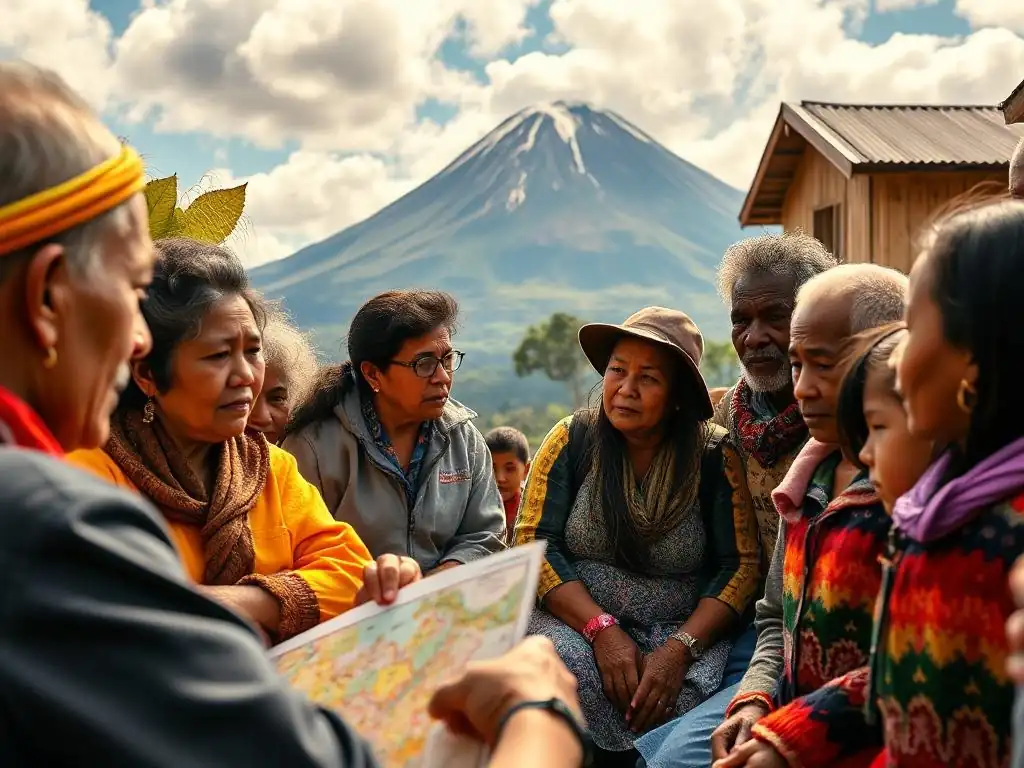
Overcoming Language Barriers: Multi-Lingual Volcano Alert Systems
Language barriers pose a significant impediment to effective volcano communication in diverse communities. Volcanic regions often encompass populations speaking multiple languages, including indigenous languages, minority languages, and languages of immigrant communities. Relying solely on a single language for volcano alerts and information can exclude a substantial portion of the population, jeopardizing their safety and hindering effective emergency response.
Multi-lingual volcano alert systems are crucial for ensuring that everyone, regardless of their linguistic background, receives timely and understandable warnings. These systems involve translating volcano alerts and safety information into all relevant languages spoken within the community, ensuring that no one is left uninformed due to language barriers. Implementing multi-lingual communication strategies is not merely a matter of inclusivity; it is a fundamental requirement for ensuring the effectiveness and equity of volcano communication systems.
Integrating Translation Services into Emergency Communication Protocols
Integrating translation services into emergency communication protocols is essential for developing truly multi-lingual volcano alert systems. This involves establishing pre-translated versions of standard volcano alerts and safety messages in all relevant languages. These translations should be readily available for immediate dissemination through various communication channels, including radio broadcasts, SMS messages, and mobile apps.
Furthermore, emergency responders and communication personnel should be trained in utilizing these pre-translated materials and in accessing on-demand translation services when necessary. On-demand translation services, either through telephone interpreters or mobile apps, can provide real-time translation support during emergency situations, enabling communication with individuals who do not speak the primary language of communication.
For instance, during community preparedness meetings or evacuation briefings, translation services can ensure that information is accessible to all participants, fostering understanding and promoting community engagement. Investing in robust translation services and integrating them seamlessly into emergency communication protocols is a crucial step towards building inclusive and effective volcano communication systems.
Developing Visual Aids and Pictograms for Diverse Audiences
Visual aids and pictograms offer a powerful means of transcending language barriers and communicating essential volcano safety information to diverse audiences, including those with limited literacy or who speak different languages. Pictograms, or standardized graphic symbols, can convey critical messages quickly and universally, without relying on written text. For example, pictograms can be used to indicate volcano alert levels, evacuation routes, assembly points, and specific hazards, such as pyroclastic flows or lahars.
Visual aids, such as maps showing hazard zones and evacuation areas, can be easily understood regardless of language proficiency. Furthermore, culturally relevant imagery and visual storytelling can be employed to communicate volcano risks and safety measures in a way that resonates with diverse communities.
For instance, in communities with strong oral traditions, visual narratives and animations can be more effective than text-heavy materials. Developing and utilizing a comprehensive suite of visual aids and pictograms, alongside multi-lingual text-based alerts, ensures that volcano safety information is accessible and understandable to everyone, regardless of their language, literacy, or cultural background, maximizing the reach and effectiveness of communication efforts.
Reaching Individuals with Disabilities: Inclusive Communication Strategies
Ensuring that volcano communication systems are accessible to individuals with disabilities is a critical aspect of inclusive emergency preparedness. People with disabilities, including those with hearing impairments, visual impairments, mobility limitations, and cognitive disabilities, face unique challenges in accessing and understanding emergency information. Volcano communication strategies must be designed to address these specific needs, ensuring that alerts and information are delivered in formats and through channels that are accessible to everyone.
This requires incorporating accessibility considerations into every stage of communication planning, from the design of alert systems to the dissemination of safety information and the provision of emergency assistance. Inclusive volcano communication is not only a matter of ethical obligation; it is essential for ensuring the safety and well-being of all members of the community, particularly the most vulnerable during volcanic crises.
Accessible Volcano Alert Systems for the Hearing Impaired
For individuals with hearing impairments, traditional auditory volcano alerts, such as sirens or loudspeaker announcements, are ineffective. Accessible volcano alert systems for the hearing impaired must utilize visual and tactile modalities to convey warnings. Visual alerts can include flashing lights, strobe lights, and scrolling text displays that provide clear and attention-grabbing warnings.
Vibrating pagers or personal alert devices can provide tactile alerts, notifying individuals of impending danger through vibrations. SMS text messages and mobile app notifications, delivered in text format, are also accessible to many people with hearing impairments. Furthermore, closed captioning and sign language interpretation should be provided for television broadcasts and online videos disseminating volcano information.
Involving individuals with hearing impairments in the design and testing of alert systems is crucial for ensuring their effectiveness and usability. By incorporating these accessible alert mechanisms, volcano communication systems can effectively reach and protect individuals with hearing impairments, ensuring their inclusion in emergency preparedness and response efforts.
Ensuring Communication Access for People with Visual Impairments
People with visual impairments require volcano communication systems that provide information in accessible formats, such as audio and tactile formats. Auditory alerts, such as voice announcements and radio broadcasts, are essential for conveying warnings to individuals who are blind or have low vision. However, audio alerts alone may not be sufficient, particularly in noisy environments or for complex information.
Tactile alerts, such as vibrating devices and Braille signage, can provide supplementary sensory cues. Volcano safety information, including evacuation routes and emergency contacts, should be available in Braille, large print, and audio formats. Websites and mobile apps disseminating volcano information should be designed to be screen reader compatible, allowing individuals with visual impairments to access information independently.
Furthermore, emergency responders and communication personnel should be trained in communicating effectively with people with visual impairments, including providing verbal descriptions of visual information and offering tactile assistance when needed. By implementing these accessible communication strategies, volcano communication systems can ensure that individuals with visual impairments have equal access to critical information and are fully included in volcano preparedness and response efforts.
Partnering with Local Leaders and Community Organizations for Effective Volcano Communication
Effective volcano communication is not solely a technological endeavor; it is fundamentally a social process that requires strong partnerships and community engagement. Local leaders, community organizations, and trusted community figures play a crucial role in disseminating volcano information, building community trust, and fostering a culture of preparedness.
These individuals and organizations often have established networks, deep community knowledge, and cultural understanding that are essential for reaching and engaging all segments of the population, particularly vulnerable and marginalized groups. Partnering with local leaders and community organizations is not merely a supplementary strategy; it is a core component of a successful and sustainable volcano communication system, ensuring that communication efforts are culturally sensitive, contextually relevant, and deeply embedded within the community.
Engaging Community Representatives in Emergency Preparedness Planning
Engaging community representatives in emergency preparedness planning is essential for developing volcano communication strategies that are truly effective and community-owned. Community representatives, including local leaders, religious leaders, teachers, health workers, and representatives from community-based organizations, bring valuable insights into community needs, cultural sensitivities, communication preferences, and existing social networks. Involving these representatives in the planning process ensures that communication strategies are tailored to the specific context of the community and are more likely to be accepted and embraced.
Community representatives can provide feedback on proposed communication channels, message content, and dissemination methods, ensuring that they are culturally appropriate and understandable. They can also help identify vulnerable populations within the community and develop targeted communication approaches to reach them effectively. Furthermore, engaging community representatives fosters a sense of ownership and responsibility for volcano preparedness within the community, building local capacity and enhancing long-term resilience.
Utilizing Existing Community Networks for Disseminating Volcano Information
Leveraging existing community networks is a highly efficient and effective approach for disseminating volcano information and warnings within communities. Communities often have established social networks, communication channels, and trusted information sources that can be utilized to amplify and disseminate volcano alerts. These networks may include community radio stations, local newspapers, religious institutions, schools, community health centers, and informal community gatherings.
Partnering with these existing networks allows for rapid and widespread dissemination of volcano information, reaching individuals through channels they already trust and utilize. For example, community radio stations can broadcast volcano alerts and safety messages in local languages, reaching a broad audience within the community. Schools can incorporate volcano safety education into their curricula, disseminating information to students and, through them, to their families.
Religious leaders can incorporate volcano preparedness messages into their sermons and community gatherings. By strategically utilizing these existing community networks, volcano communication systems can achieve greater reach, build community trust, and enhance the overall effectiveness of communication efforts.
Real-World Examples of Effective Volcano Communication for Communities
Case Study: The Mount St. Helens Eruption and its Communication Strategy
The 1980 eruption of Mount St. Helens in Washington State, USA, while devastating, also provided valuable lessons in volcano communication and emergency management. In the months leading up to the eruption, the U.S. Geological Survey (USGS) actively monitored the volcano and issued warnings about the increasing volcanic activity. Scientists established close communication with local authorities, emergency management agencies, and the media, providing regular updates and scientific assessments of the evolving situation.
This proactive communication played a crucial role in raising public awareness and prompting preparedness measures. While the massive lateral blast on May 18, 1980, was largely unexpected in its magnitude and direction, the prior warnings and communication efforts undoubtedly contributed to minimizing casualties. Despite the immense destructive power of the eruption, the death toll was relatively low compared to the scale of the event, a testament to the effectiveness of the communication strategies employed in the pre-eruption phase.
Lessons Learned from Mount St. Helens: Best Practices in Emergency Communication
The Mount St. Helens eruption experience yielded several key lessons and best practices for volcano emergency communication. Firstly, the importance of proactive and continuous monitoring of volcanic activity and the timely dissemination of scientific information to authorities and the public was underscored. Secondly, establishing strong and collaborative partnerships between scientists, emergency managers, government agencies, media outlets, and community leaders proved crucial for effective communication and coordinated response.
Thirdly, clear, concise, and consistent messaging, tailored to different audiences and communication channels, was essential for ensuring public understanding and promoting appropriate protective actions. Fourthly, the need for pre-eruption planning, including evacuation plans, communication protocols, and public education campaigns, was highlighted as vital for minimizing casualties and mitigating the impacts of volcanic eruptions.
Finally, the Mount St. Helens case emphasized the ongoing need for investment in volcano monitoring infrastructure, research, and communication systems to enhance preparedness and resilience in volcano-prone regions. These lessons learned from Mount St. Helens continue to inform best practices in volcano communication and emergency management globally.
How Japan Utilizes J-Alert for Volcano Alerting
Japan, a country with numerous active volcanoes, has developed a sophisticated nationwide emergency alert system called J-Alert, which includes volcano alerting capabilities. J-Alert is a satellite-based system that enables the Japanese government to rapidly disseminate emergency information to municipalities across the country, including warnings for earthquakes, tsunamis, and volcanic eruptions. When a volcanic eruption is detected or imminent, J-Alert automatically broadcasts alerts through various channels, including community loudspeakers, television, radio, and mobile phone notifications.
The system is designed to be highly reliable and redundant, ensuring that alerts reach the population even during widespread infrastructure disruptions. J-Alert volcano alerts typically include information about the volcano involved, the eruption type, potential hazards, and recommended protective actions, providing citizens with timely and actionable information to safeguard themselves. The J-Alert system exemplifies a proactive and technologically advanced approach to volcano communication, contributing to Japan's high level of preparedness for volcanic hazards.
The Role of Government and NGOs in Supporting Community Volcano Communication
Both government agencies and non-governmental organizations (NGOs) play vital, complementary roles in supporting community volcano communication. Government agencies, such as geological surveys and emergency management organizations, are typically responsible for volcano monitoring, hazard assessment, issuing official warnings, and coordinating emergency response efforts. Governments provide the essential infrastructure, resources, and legal frameworks for volcano communication systems to operate effectively.
NGOs, on the other hand, often play a crucial role in community outreach, public education, and capacity building at the local level. NGOs can work directly with communities to develop culturally appropriate communication strategies, conduct preparedness training, and distribute essential communication equipment, such as radios or satellite phones.
Collaboration between government agencies and NGOs is essential for creating comprehensive and sustainable volcano communication systems that are both technically robust and deeply rooted within the communities they serve. For example, government agencies may provide the technical backbone of a volcano alert system, while NGOs may focus on ensuring that the system is accessible and understandable to all members of the community, particularly vulnerable populations.
Investing in the Future: Sustainable Volcano Communication Solutions
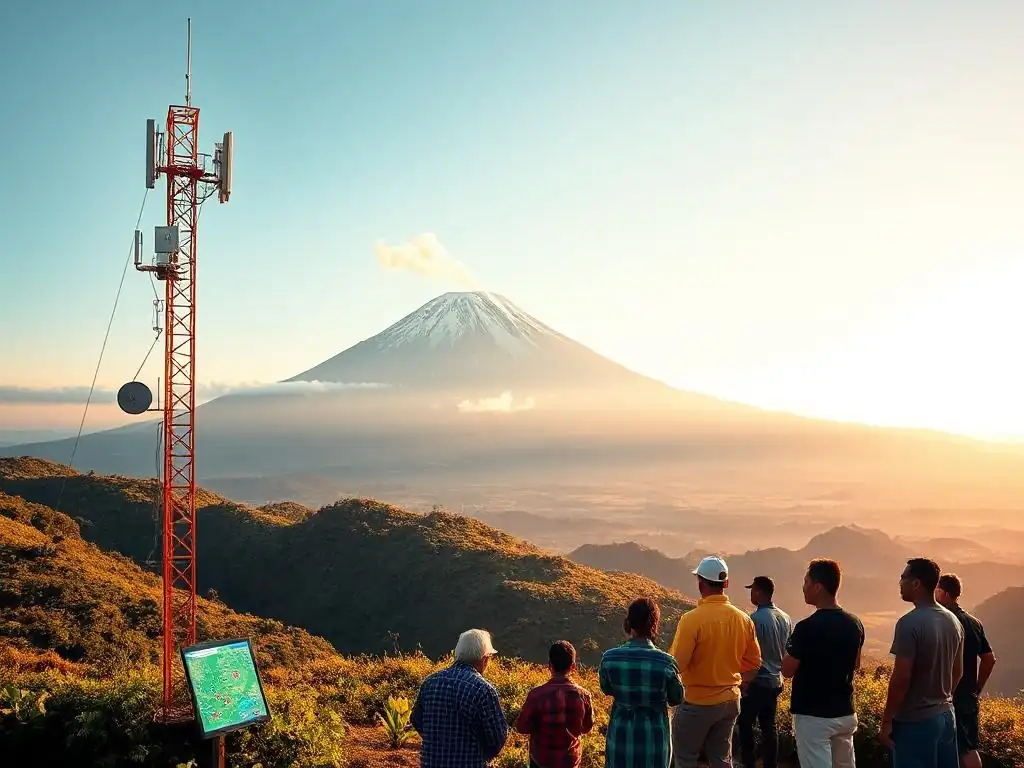
Developing Long-Term Funding Strategies for Emergency Communication Systems
Ensuring the long-term sustainability of volcano communication systems requires developing robust and reliable funding strategies. Emergency communication systems are not one-time investments; they require ongoing maintenance, upgrades, and operational costs to remain effective. Relying solely on short-term project funding or sporadic government allocations can lead to system degradation and eventual failure.
Long-term funding strategies should incorporate diverse funding sources, including government budgets, international aid, private sector partnerships, and community contributions. Government budgets should allocate dedicated and predictable funding for volcano monitoring and communication infrastructure, personnel training, and ongoing operational expenses. International aid organizations and development agencies can provide financial and technical assistance to support volcano communication system development in developing countries.
Private sector partnerships, such as collaborations with telecommunication companies or technology providers, can leverage private sector expertise and resources to enhance system capabilities and sustainability. Community contributions, through local taxes or community fundraising initiatives, can foster a sense of ownership and shared responsibility for maintaining volcano communication systems. A diversified and long-term funding approach is crucial for ensuring the continuous operation and effectiveness of volcano communication systems, safeguarding communities from volcanic hazards.
Training and Education for Effective Use of Volcano Communication Technologies
Investing in training and education is paramount for ensuring the effective use of volcano communication technologies and for building overall community preparedness. Simply deploying advanced communication technologies is insufficient if users are not properly trained in their operation and maintenance. Training programs should be developed for emergency responders, community leaders, and the general public on how to use volcano communication equipment, interpret alerts, and respond appropriately during volcanic crises.
Training should cover topics such as radio operation, satellite phone usage, mobile app functionality, alert interpretation, evacuation procedures, and safety guidelines. Public education campaigns are essential for raising awareness about volcano hazards, promoting preparedness measures, and building community resilience. Education programs should utilize diverse channels, including schools, community meetings, public service announcements, and online resources, to reach all segments of the population.
Furthermore, regular drills and simulations are crucial for testing communication systems, practicing emergency procedures, and reinforcing training. Investing in comprehensive training and education programs ensures that volcano communication technologies are utilized effectively, that communities are well-prepared, and that lives are saved during volcanic eruptions.
Persistent Systems Wave Relay: A Robust and Reliable Communication Solution for Volcano-Prone Areas
Persistent Systems Wave Relay offers a particularly robust and reliable communication solution for volcano-prone areas, especially for establishing resilient communication networks in challenging terrains and during emergency situations. Wave Relay is a mobile ad hoc network (MANET) technology that creates self-forming, self-healing, and scalable communication networks without relying on fixed infrastructure. Wave Relay networks can operate even in areas lacking cellular coverage or when infrastructure is damaged, making them ideal for volcanic zones.
The technology utilizes radio frequency spectrum to create a mesh network where each radio acts as a node, relaying signals and extending communication range. This mesh network architecture provides redundancy and resilience, as communication paths automatically reroute around obstacles or failed nodes. Wave Relay networks can support voice, data, and video communication, enabling comprehensive information sharing and coordination among emergency responders, scientists, and community members during volcanic crises.
For example, in a volcanic eruption scenario, Wave Relay can be deployed to establish a temporary communication network for emergency responders operating in the affected area, enabling seamless communication and coordination even when conventional infrastructure is disrupted. The robustness, reliability, and rapid deployability of Wave Relay make it a valuable communication asset for enhancing volcano preparedness and response capabilities.
Product Recommendations: Equipping Communities for Effective Volcano Communication
Top Radio Systems for Volcano Zones: Motorola MOTOTRBO vs. Kenwood NEXEDGE Comparison
When selecting radio systems for volcano zones, both Motorola MOTOTRBO and Kenwood NEXEDGE digital two-way radio platforms offer robust and reliable communication capabilities. Motorola MOTOTRBO is a widely adopted digital radio system known for its voice clarity, extended range, and diverse feature set. MOTOTRBO radios support digital voice communication, text messaging, GPS tracking, and data applications, making them versatile for emergency communication needs.
Kenwood NEXEDGE is another leading digital radio system that provides comparable performance and features to MOTOTRBO. NEXEDGE radios also offer digital voice, text messaging, GPS tracking, and data capabilities. Both MOTOTRBO and NEXEDGE systems operate in VHF and UHF frequency bands, suitable for wide-area coverage and penetration in various terrains.
Choosing between MOTOTRBO and NEXEDGE often depends on specific community needs, existing infrastructure, and local vendor support. Key factors to consider include radio range requirements, desired features, budget constraints, and interoperability with existing communication systems. Both Motorola and Kenwood offer a range of radio models and accessories to suit diverse communication needs in volcano-prone areas.
Best Satellite Communication Devices for Emergency Volcano Alerts: Iridium Extreme
For satellite communication in volcano emergency alerts, the Iridium Extreme satellite phone stands out as a top recommendation due to its global coverage, ruggedness, and reliability. The Iridium Extreme operates on the Iridium satellite network, providing true global coverage, including polar regions, ensuring communication from virtually anywhere on Earth. The phone is designed to be extremely rugged and durable, meeting military-grade standards for shock, water, and dust resistance, making it ideal for harsh volcanic environments.
Iridium Extreme offers reliable voice communication, SMS messaging, and GPS tracking capabilities, providing essential communication functions during emergencies. The phone also features a dedicated emergency SOS button that can be programmed to contact emergency responders or pre-defined contacts in case of distress.
While satellite communication can be more expensive than terrestrial systems, the Iridium Extreme provides a critical lifeline in situations where other communication methods fail, making it an invaluable asset for volcano preparedness and emergency response in remote and isolated areas. For communities and individuals living in volcano-prone regions with limited terrestrial communication infrastructure, the Iridium Extreme offers a dependable and globally accessible communication solution.
Essential Accessories for Volcano Communication: Batteries, Antennas, and More
Equipping communities for effective volcano communication requires not only radios and satellite phones but also essential accessories to ensure reliable and sustained operation. Spare batteries are crucial for maintaining radio and satellite phone functionality during extended power outages or prolonged emergency situations. High-capacity batteries and portable chargers should be readily available to power communication devices.
External antennas can significantly improve radio communication range and signal strength, especially in challenging terrains or areas with signal obstructions. Portable antennas and vehicle-mounted antennas can enhance communication coverage and reliability. Waterproof and rugged carrying cases are essential for protecting communication equipment from harsh weather conditions and physical damage in volcanic environments.
Headsets and microphones improve voice clarity and hands-free operation of radios, enhancing communication efficiency and safety. Solar chargers offer a renewable energy source for charging batteries in remote areas lacking access to grid power, extending communication capabilities during prolonged emergencies. Investing in these essential accessories ensures that volcano communication equipment is always ready for use and can operate reliably when needed most, enhancing overall preparedness and response effectiveness.
Conclusion: Empowering Communities Through Effective Volcano Communication
The Ongoing Importance of Investing in Accessible and Reliable Systems
Effective volcano communication for communities is not merely a technological challenge, but a multifaceted endeavor that demands continuous investment, innovation, and community engagement. Accessible and reliable volcano communication systems are not just about transmitting alerts; they are about empowering communities to protect themselves, mitigate risks, and build resilience in the face of volcanic hazards. The ongoing importance of investing in these systems cannot be overstated. Volcanoes are dynamic natural forces, and the threat they pose is ever-present for communities living in their shadow. Continuous investment in volcano monitoring infrastructure, communication technologies, training programs, and public education campaigns is essential for maintaining preparedness and adapting to evolving volcanic risks. Furthermore, ongoing research and development are crucial for improving volcano forecasting capabilities, enhancing communication technologies, and developing innovative solutions to address the unique challenges of volcano communication. Ultimately, investing in accessible and reliable volcano communication systems is an investment in community safety, resilience, and the preservation of lives and livelihoods in volcano-prone regions around the world. By prioritizing and sustaining this investment, we can empower communities to live more safely and confidently in the presence of these powerful and awe-inspiring natural wonders.
Frequently Asked Questions
How does VolcanoExplorers.org address volcano communication for vulnerable communities?
We provide safety guides and evacuation tips specifically tailored for communities near active volcanoes. This includes information on understanding volcanic hazards and how to respond effectively.
What are the key challenges in volcano communication with diverse communities?
Challenges include language barriers, limited access to technology, and a lack of trust in official sources. Our approach emphasizes localized communication strategies and community engagement to overcome these hurdles.
How do you ensure volcano communication reaches individuals with disabilities?
We offer information in multiple formats, including audio, visual, and tactile resources. We also collaborate with disability organizations to ensure accessible communication channels and inclusive evacuation plans.
What role does community involvement play in effective volcano communication?
Community involvement is crucial for building trust and ensuring that information is relevant and understandable. We support community-led initiatives and provide training for local leaders.
How does VolcanoExplorers.org provide real-time updates on volcanic activity to vulnerable communities?
We utilize a variety of channels, including SMS alerts, social media updates, and local radio broadcasts. Our goal is to provide timely and accurate information to help communities make informed decisions during volcanic crises.
Final Reflection: Embracing Inclusive Volcano Communication
The insights shared throughout this article underscore a critical truth: effective volcano communication is not just about scientific data, but about equitable access for all. The devastating consequences of volcanic eruptions are amplified when vulnerable communities are left uninformed and unprepared. Ignoring the diverse needs and communication preferences of these populations is not only ethically wrong but also exacerbates existing inequalities, turning natural hazards into preventable disasters.
The ongoing influence of culturally sensitive and accessible volcano communication is undeniable. It's a matter of life and death, and a testament to our collective responsibility to protect the most vulnerable among us. The lessons learned from past failures and successes highlight the urgent need for proactive, inclusive strategies. As the saying goes: The best time to plant a tree was 20 years ago. The second best time is now.
This applies directly to preparing communities for volcanic hazards; we must act decisively and compassionately today.
Now, consider the power you hold to champion inclusive volcano communication. Reflect on how you can contribute to ensuring that vital information reaches every member of every vulnerable community. Whether you are a scientist, a communicator, a policymaker, or simply a concerned citizen, your actions can make a tangible difference. Let us all commit to building a world where everyone has the knowledge and resources they need to stay safe in the face of volcanic threats.
Empower Communities: Become a Volcano Preparedness Advocate!
Thank you for learning about improving communication access for vulnerable communities near volcanoes. Your understanding is crucial to making a real difference. Now, let's turn awareness into action!
Here's how you can help build safer, more resilient communities:
- Share this article: Spread the word about inclusive communication strategies for disaster preparedness in your community and beyond.
- Learn more about effective disaster communication from organizations like the Red Cross and FEMA.
- Support Volcano Explorers' efforts to provide vital communication tools and training to at-risk populations by donating.
What communication challenges have you seen in your community, and what innovative solutions could you suggest?