
Vanuatu Land Diving: Ancient Rites on Pentecost Island Volcanoes

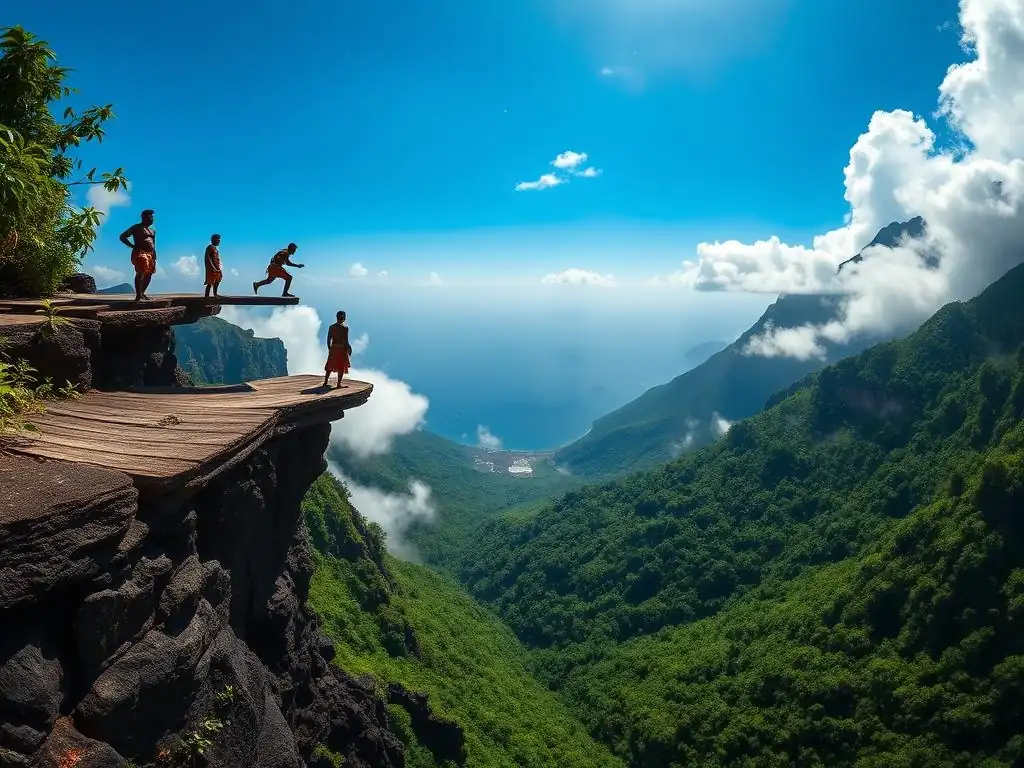
Welcome to Volcano Explorers, where the Earth breathes fire and ash!
Prepare to be captivated by the raw power and stunning beauty of volcanoes. Ever wondered about the ancient traditions that intertwine with these fiery giants? Our journey begins with an exploration of the breathtaking and perilous Vanuatu land diving traditions. Discover how these ancient rites on Pentecost Island are inextricably linked to the volcanoes that dominate their landscape. What secrets do these daring dives hold, and how do they connect to the very spirit of the volcano? Dive in and find out!
- Vanuatu Land Diving: Ancient Rites on Pentecost Island
- Unveiling Naghol: Vanuatu's Land Diving Tradition
- The Ritual of Land Diving: A Leap of Faith
- Land Diving and the Harvest: A Connection to Nature's Bounty
- Witnessing Naghol: Ethical Tourism on Pentecost Island
- The Evolution of Land Diving: From Ritual to Spectacle
- Comparing Land Diving with Other Ritualistic Jumps
- The Future of Naghol: Ensuring Sustainability and Cultural Preservation
- Exploring Other Cultural Experiences in Vanuatu
- Frequently Asked Questions
- Final Reflection: Embracing the Leap of Faith
- Unearth Your Inner Explorer: Dive Deeper into Vanuatu!
Vanuatu Land Diving: Ancient Rites on Pentecost Island
Unveiling Naghol: Vanuatu's Land Diving Tradition
Exploring the Cultural Significance of Naghol
Naghol, commonly known as land diving, is a profound and deeply rooted tradition originating from the southern part of Pentecost Island in Vanuatu. It's far more than a mere spectacle of bravery; Naghol is a complex ritual intertwined with the Yam harvest, symbolizing the transition from boyhood to manhood and ensuring prosperity for the community.
For the people of Pentecost, Naghol is an intrinsic part of their identity, a living testament to their connection with the land and their ancestors. The practice is believed to have originated from a legend of a woman named Tamalie who fled her abusive husband and climbed a banyan tree to escape.
To escape his pursuit, she tied vines to her ankles and jumped, surviving the fall while her husband perished attempting to follow. This act of defiance and ingenuity is commemorated in Naghol, initially performed by women but now predominantly a male rite of passage.
The cultural significance of Naghol extends beyond personal courage and historical commemoration. It is deeply embedded in the social fabric of Pentecost Island, influencing community dynamics and reinforcing traditional values. The construction of the towering wooden structures, the meticulous selection of vines, and the chanting and dancing that accompany the dives are all communal activities that strengthen social bonds.
Furthermore, the success of the dives is interpreted as a sign of good fortune for the upcoming yam harvest, directly linking the ritual to the community’s sustenance and well-being. Elders play a crucial role in overseeing the entire process, ensuring that traditions are upheld and that the spiritual and practical aspects of Naghol are properly observed.
Pentecost Island: The Birthplace of Land Diving
Pentecost Island, part of the archipelago nation of Vanuatu, is the sole birthplace of Naghol. This lush, volcanic island in the Pacific Ocean provides the unique geographical and cultural context for this extraordinary tradition. The island's rugged terrain, abundant forests providing vines, and the yam-centric agricultural lifestyle are all integral to the development and continuation of land diving.
Pentecost Island, roughly 490 square kilometers, is characterized by its mountainous interior and fertile coastal plains, making it ideal for yam cultivation, which is central to the Naghol ritual. The island's population, estimated to be around 18,000, is largely agrarian, with strong adherence to custom and tradition, making it a fertile ground for preserving ancient practices like land diving.
The villages where Naghol is practiced are primarily located in the southern regions of Pentecost Island, notably around the villages of Bunlap and Lonoror. These communities have meticulously preserved the traditions over generations, resisting external influences and maintaining the authenticity of the ritual. While the northern parts of Pentecost Island may have different cultural practices, it is the south that remains the heartland of Naghol. The island's isolation and strong cultural identity have played a significant role in protecting this unique custom, allowing it to flourish and become recognized globally as a remarkable example of Vanuatu land diving traditions.
The Ritual of Land Diving: A Leap of Faith
Preparing for the Dive: Vines, Towers, and Rituals
The preparation for Naghol is an elaborate and meticulous process that spans weeks, involving the entire community. Central to the ritual is the construction of the diving tower, a towering wooden structure built from logs and branches, sometimes reaching heights of up to 30 meters (approximately 98 feet). The tower's height varies based on the age and experience of the divers, with younger divers starting at lower platforms and gradually progressing to higher ones.
The construction itself is a communal effort, requiring skilled craftsmen to erect a sturdy yet flexible structure that can withstand the impact of the divers. The wood used for the tower is carefully selected from local forests, ensuring it possesses the necessary strength and resilience.
Equally crucial is the selection and preparation of the vines. These vines, specifically chosen from the rainforest, must be of the correct length and elasticity to ensure a safe dive. Too long, and the diver could hit the ground too hard; too short, and the diver might collide with the tower.
The vines are meticulously measured and tested for strength and flexibility, a task usually undertaken by experienced elders who possess deep knowledge of local flora and traditional techniques. Before the dives commence, there are ritualistic chants and dances performed by the community, invoking ancestral spirits and ensuring the success and safety of the divers. These rituals are integral to the spiritual dimension of Naghol, setting the stage for the physical and spiritual leap of faith.
The Dive Itself: A Test of Courage and Skill
The dive itself is a breathtaking spectacle of courage and precision. Divers, typically young men undergoing initiation into manhood, ascend the towering structure, adorned in traditional nambas (penis sheaths) and sometimes painted with tribal markings. From the platform, they perform a series of symbolic gestures and chants before launching themselves into the air.
The objective is not merely to jump, but to touch the ground with their head or shoulders. The vines, carefully measured and attached to their ankles, are meant to bring them to a stop just before hitting the ground. A successful dive is considered a demonstration of bravery, skill, and a connection with the spiritual realm.
The level of skill involved in Naghol is immense. Divers must accurately judge the distance, the elasticity of the vines, and the wind conditions, all in a matter of seconds. The dive is not just a physical act but also a mental and spiritual challenge, requiring immense focus and control.
The crowd below watches with bated breath, their cheers and chants rising as each diver plunges from the tower. The sound of the vine snapping taut at the last moment, followed by the diver's safe landing, is met with resounding applause and relief. Each successful dive is a testament to the diver's courage and the community's collective skill in orchestrating this ancient ritual.
Safety Measures and Risks in Vanuatu Land Diving
While Naghol is a deeply significant cultural practice, it inherently involves considerable risks. Despite the meticulous preparations and safety measures, injuries are not uncommon, and in rare cases, fatalities have occurred. The primary safety measure lies in the careful selection and measurement of the vines. Experienced vine experts ensure that the vines are strong enough to hold the diver's weight and that the length is precisely calculated based on the tower's height and the diver's weight. Ground below the tower is also prepared, often softened with loose earth to cushion the impact in case of miscalculation.
However, the inherent risks remain. Vines can break, miscalculations in length can occur, and divers can misjudge their jump or landing. Injuries range from sprains and bruises to broken bones and head injuries. Traditionally, there were fewer external interventions, and the focus was on adhering to the ritualistic aspects. With increased tourism and international attention, there have been growing discussions about implementing more modern safety protocols without compromising the cultural integrity of Naghol. It's a delicate balance between preserving tradition and ensuring the well-being of the participants in this extraordinary Vanuatu land diving tradition.
Land Diving and the Harvest: A Connection to Nature's Bounty
The Agricultural Cycle of Pentecost Island
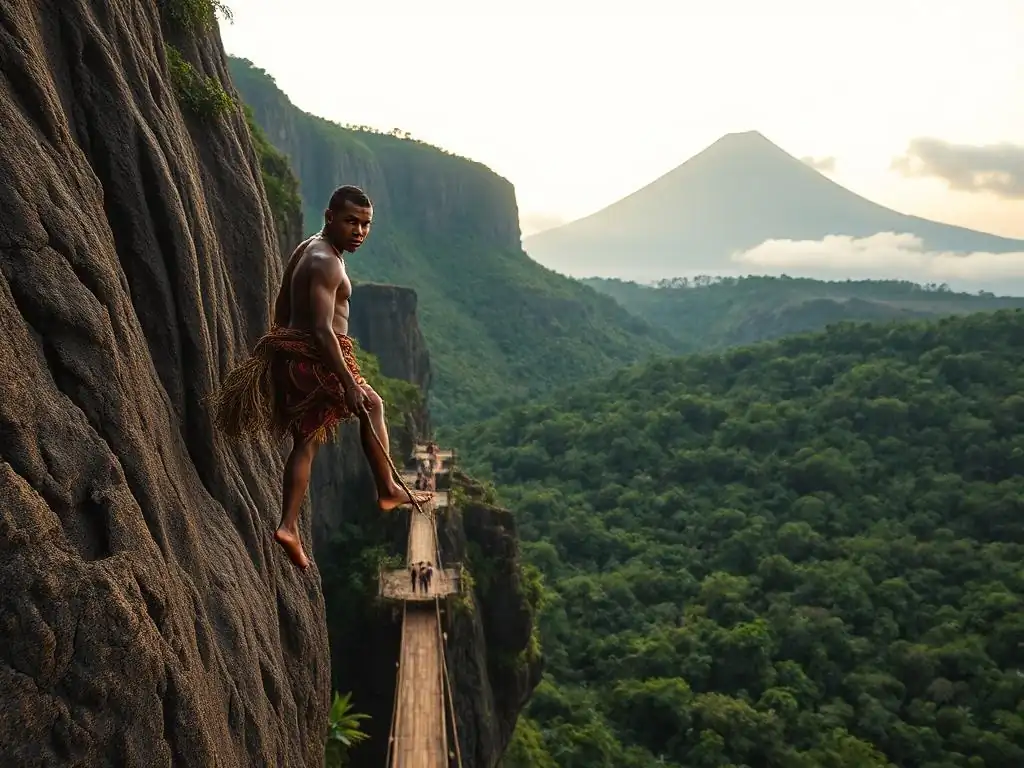
The Naghol ceremony is intrinsically linked to the agricultural cycle of Pentecost Island, specifically to the yam harvest. Yams are a staple crop and hold immense cultural significance in Vanuatu, particularly on Pentecost. The timing of Naghol is not arbitrary; it is deliberately scheduled during the yam harvest season, typically from April to June.
This timing underscores the ritual's purpose as not only a rite of passage but also a fertility rite intended to ensure a bountiful yam harvest for the coming year. The success of the Naghol dives is believed to influence the productivity of the land and the abundance of yams.
The agricultural cycle dictates the rhythms of life on Pentecost Island, and Naghol is deeply embedded within this rhythm. The planting, cultivation, and harvesting of yams are communal activities that bind the community together. The Naghol ceremony serves as a symbolic culmination of the agricultural year, a moment to celebrate the harvest and to implore the spirits for continued prosperity. The connection between land diving and the harvest highlights the profound relationship between the people of Pentecost and their natural environment.
How the Environment Influences the Naghol Ceremony
The environment of Pentecost Island directly shapes the Naghol ceremony in numerous ways. The availability of specific types of trees for tower construction and the rainforest vines are essential prerequisites. The local climate and weather patterns also play a significant role in determining the timing and execution of the dives. Strong winds, for example, can pose a significant hazard, potentially swaying the tower and affecting the divers' trajectory. Rain can also make the tower slippery and the ground muddy, adding to the risks.
The natural landscape of Pentecost Island, with its volcanic soil and lush vegetation, provides the very foundation for the Naghol tradition. The fertile soil allows for the cultivation of yams, the central crop linked to the ritual. The forests provide the raw materials for the towers and vines. The entire ceremony is, in essence, an expression of the community's deep connection to and dependence on their environment. The Vanuatu land diving traditions are not just a cultural artifact but a living embodiment of the islanders' harmonious relationship with their natural surroundings.
Witnessing Naghol: Ethical Tourism on Pentecost Island
Planning Your Trip to See Vanuatu Land Diving
Witnessing Naghol is a unique and unforgettable cultural experience, but it requires careful planning and a commitment to ethical tourism. The Naghol season typically runs from April to June, coinciding with the yam harvest. It's crucial to plan your trip well in advance, as accommodations on Pentecost Island are limited and demand is high during the diving season. Flights to Pentecost Island are usually from Port Vila, the capital of Vanuatu, and are often on smaller domestic carriers. Accommodation options range from basic guesthouses in villages to more comfortable lodges, often run by local communities.
When planning your trip, it's essential to engage with reputable tour operators who prioritize ethical and sustainable tourism practices. These operators should work closely with local communities, ensuring that tourism benefits the islanders directly and respects their cultural traditions. Permits are usually required to witness Naghol, and these are often arranged through tour operators or local village chiefs. Respecting the local customs and traditions is paramount, and understanding the cultural significance of Naghol beforehand will enhance your experience and ensure you are a respectful visitor.
Respecting Local Customs and Traditions
Respect for local customs and traditions is paramount when witnessing Naghol. Tourists are guests in the communities of Pentecost Island, and it's crucial to behave in a manner that is respectful and considerate of local culture. Dress modestly, particularly when attending the Naghol ceremony. Women should avoid wearing overly revealing clothing, and men should also dress respectfully. Always ask for permission before taking photographs or videos, especially of individuals. Remember that Naghol is not merely a performance for tourists; it is a sacred ritual with deep cultural and spiritual significance.
Avoid treating Naghol as simply a spectacle. Engage with the community respectfully, listen to their explanations of the ritual, and show genuine interest in their culture. Be mindful of noise levels and avoid disruptive behavior during the ceremony. Purchasing local crafts and supporting local businesses is a positive way to contribute to the community's economy. By demonstrating respect for local customs, tourists can help ensure that Naghol remains a vibrant and authentic cultural tradition for generations to come. Supporting ethical tourism practices is key to preserving Vanuatu land diving traditions.
Lodges and Guided Tours on Pentecost Island
Accommodations on Pentecost Island are primarily locally owned and operated, offering a more authentic and immersive experience compared to large resorts. Lodges and guesthouses are often simple but comfortable, providing basic amenities and meals. Staying in locally run accommodations directly benefits the community and provides opportunities to interact with islanders and learn more about their culture. Guided tours are highly recommended for witnessing Naghol, as they provide valuable insights into the ritual's significance and ensure that tourists behave respectfully.
Reputable tour operators work in close partnership with local villages, ensuring that tourism revenue is shared equitably and that cultural protocols are followed. Guides are usually from Pentecost Island themselves, possessing deep knowledge of Naghol and local customs. They can provide translations, explain the nuances of the ceremony, and facilitate respectful interactions between tourists and the community. Choosing guided tours and local accommodations is not only ethically responsible but also enriches the visitor's experience, providing a deeper understanding and appreciation of Vanuatu land diving traditions.
The Evolution of Land Diving: From Ritual to Spectacle
The Impact of Tourism on the Naghol Tradition
The increasing popularity of Naghol as a tourist attraction has had a complex and multifaceted impact on the tradition. On one hand, tourism has provided economic benefits to the communities of Pentecost Island, generating income that can be used for development projects, education, and healthcare. Tourism has also raised international awareness of Naghol, helping to preserve and promote this unique cultural practice. The influx of tourists has, in some ways, incentivized the continuation of Naghol, ensuring its survival in a rapidly changing world.
However, the commercialization of Naghol also presents challenges. There is a risk that the ritual could become overly focused on tourist entertainment, potentially diluting its cultural and spiritual significance. The pressure to perform Naghol more frequently or for longer periods to cater to tourist schedules could strain resources and potentially compromise safety. Maintaining a balance between economic benefits and cultural preservation is crucial to ensure the sustainable future of Vanuatu land diving traditions.
Preserving the Authenticity of Vanuatu Land Diving Traditions
Preserving the authenticity of Naghol in the face of increasing tourism requires a concerted effort from both the local communities and the tourism industry. Community ownership and control over tourism are paramount. Ensuring that local villagers are the primary beneficiaries of tourism revenue and that they have a say in how Naghol is presented to tourists is essential for maintaining its cultural integrity. Strict regulations and guidelines are needed to prevent over-commercialization and to ensure that the ritual remains true to its original purpose.
Education and awareness are also crucial. Tourists need to be educated about the cultural significance of Naghol and the importance of respectful behavior. Tour operators have a responsibility to promote ethical tourism practices and to work in partnership with local communities to ensure that tourism benefits the islanders and respects their traditions. By prioritizing cultural sensitivity, community involvement, and sustainable tourism practices, it is possible to preserve the authenticity of Vanuatu land diving traditions for future generations.
Comparing Land Diving with Other Ritualistic Jumps
From Naghol to Other Coming-of-Age Rituals
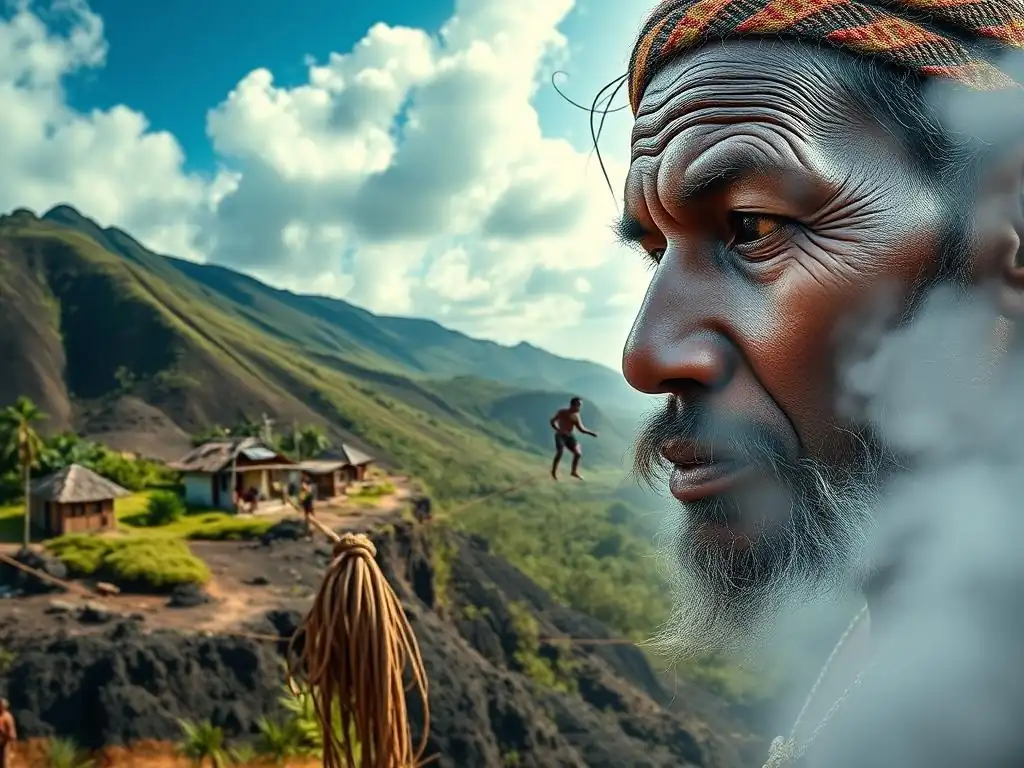
While Naghol is unique in its specific form and cultural context, it shares similarities with other coming-of-age rituals involving jumps or tests of courage found in various cultures around the world. Across different societies, young men and women often undergo rites of passage that mark their transition into adulthood.
These rituals often involve physical challenges, symbolic tests, and demonstrations of bravery and resilience. Examples include various forms of bungee jumping rituals in other Pacific Island cultures, cliff diving in parts of Mexico, and even certain types of extreme sports that can be seen as modern, secularized forms of coming-of-age challenges.
These rituals, including Vanuatu land diving traditions, serve important social and psychological functions. They help to define and reinforce cultural values, instill discipline and courage in young people, and solidify social bonds within the community. They often involve a symbolic separation from childhood, a period of testing or ordeal, and a reintegration into adult society with a new status and responsibilities. Comparing Naghol with other ritualistic jumps highlights the universality of certain human experiences and the diverse ways in which cultures mark important life transitions.
The Psychological Aspects of Risk-Taking
The act of land diving, like other ritualistic jumps, taps into fundamental psychological aspects of risk-taking, fear, and courage. For the divers, Naghol is a profound personal challenge, requiring them to confront their fears and push their physical and mental limits. The adrenaline rush associated with the dive, the social recognition of successfully completing the ritual, and the sense of accomplishment all contribute to the psychological significance of Naghol. From a psychological perspective, these rituals can be seen as a form of controlled risk-taking that allows individuals to test themselves, develop resilience, and gain confidence.
The community also plays a crucial role in the psychological aspects of Naghol. The collective support, encouragement, and celebration of successful dives reinforce social cohesion and strengthen community identity. The ritual provides a shared experience that binds individuals together and transmits cultural values across generations. Understanding the psychological dimensions of risk-taking in rituals like Vanuatu land diving traditions offers insights into human behavior, cultural values, and the ways in which societies use ritual to shape individual and collective identities.
The Future of Naghol: Ensuring Sustainability and Cultural Preservation
Community Involvement in Land Diving Tourism
The future sustainability of Naghol hinges on ensuring strong community involvement in land diving tourism. Local communities must be at the heart of tourism initiatives, actively participating in planning, management, and benefit-sharing. This includes community ownership of tourist accommodations, tour operations, and guiding services. Directing tourism revenue back into the villages through community-led projects, education, and healthcare is crucial for ensuring that tourism is a positive force for local development. Empowering local communities to control and manage tourism related to Naghol is key to preserving its cultural integrity and ensuring its long-term viability.
Community-based tourism models, where villagers are actively involved as stakeholders and decision-makers, are particularly well-suited for Naghol. These models prioritize cultural preservation, environmental sustainability, and equitable benefit-sharing. By fostering genuine partnerships between tourists, tour operators, and local communities, it is possible to create a tourism industry that respects and supports Vanuatu land diving traditions while providing economic opportunities for the people of Pentecost Island.
Balancing Tradition and Modernity on Pentecost Island
Pentecost Island, like many traditional societies, faces the challenge of balancing tradition and modernity. While embracing certain aspects of modernity, such as improved healthcare and education, it is crucial to safeguard and cherish unique cultural heritage like Naghol. Finding this balance requires careful consideration and a commitment to preserving cultural identity while adapting to a changing world. Education plays a vital role in this process, both in educating younger generations about the importance of their cultural heritage and in educating outsiders about the significance of Naghol.
Sustainable development strategies that prioritize cultural preservation alongside economic progress are essential for Pentecost Island. This includes promoting culturally sensitive tourism, supporting traditional crafts and practices, and ensuring that development initiatives respect local customs and values. The future of Naghol, and indeed the broader cultural heritage of Pentecost Island, depends on finding a harmonious balance between tradition and modernity, ensuring that Vanuatu land diving traditions continue to thrive for generations to come.
Exploring Other Cultural Experiences in Vanuatu
Custom Dance and Storytelling Traditions
Beyond Naghol, Vanuatu offers a rich tapestry of cultural experiences deeply rooted in tradition and storytelling. Custom dances, performed across various islands, are vibrant expressions of cultural identity, history, and spirituality. These dances, often accompanied by rhythmic drumming and chanting, vary significantly from island to island, reflecting the diverse cultural heritage of Vanuatu. They are not mere performances but living traditions that play a vital role in ceremonies, festivals, and community gatherings. Exploring these custom dance traditions offers a deeper understanding of Vanuatu's cultural richness beyond the well-known Naghol ritual.
Storytelling is another integral aspect of Vanuatu culture, serving as a means of transmitting history, values, and ancestral knowledge across generations. Oral traditions are rich with myths, legends, and folktales that explain the origins of the islands, the customs of the people, and the spiritual beliefs that shape their worldview. Engaging with local storytellers and learning about these narratives provides invaluable insights into the cultural heart of Vanuatu. These traditions, like Vanuatu land diving traditions, are vital to preserving cultural heritage and fostering a sense of identity.
Kava Drinking Ceremonies
Kava drinking ceremonies are a significant cultural practice throughout Vanuatu, offering a unique glimpse into social customs and traditions. Kava, a traditional drink made from the root of the Piper methysticum plant, has a mild sedative effect and plays a central role in social and ceremonial life. Kava ceremonies are often conducted in Nakamals, traditional meeting places, and follow specific protocols and customs. The preparation and consumption of kava are steeped in ritual and symbolism, reflecting respect for tradition and community.
Participating respectfully in a kava ceremony can be a rewarding cultural experience, providing an opportunity to witness and understand a central aspect of Vanuatu social life. It's important to be aware of and adhere to local customs when attending a kava ceremony, showing respect for the traditions and the community hosting the event. Like Naghol and custom dances, kava ceremonies are integral to the cultural fabric of Vanuatu, offering visitors diverse avenues to engage with and appreciate the islands' rich heritage.
Frequently Asked Questions
What is Vanuatu land diving, and where does it take place?
Vanuatu land diving, also known as nanggol, is an ancient rite of passage practiced on Pentecost Island in Vanuatu. It involves young men jumping from tall wooden towers with vines tied to their ankles.
What is the purpose of Vanuatu land diving?
The primary purpose is to ensure a bountiful yam harvest for the coming year. It's also a display of courage and manhood for the participants.
How is the land diving tower constructed?
The tower is built from locally sourced timber and vines. Its height varies depending on the age and experience of the divers, and is carefully constructed to ensure safety.
Are there any risks associated with Vanuatu land diving?
Yes, the practice carries significant risks. Miscalculations in vine length or tower construction can lead to serious injuries or even death.
How has tourism impacted the land diving tradition?
While tourism provides economic benefits to the island, it also presents challenges in maintaining the authenticity and cultural integrity of the land diving ceremony. It's important to ensure the tradition is respected.
Final Reflection: Embracing the Leap of Faith
The exploration of Vanuatu land diving traditions reveals more than just a daring spectacle; it unveils a profound connection between humanity and nature, a testament to the enduring power of cultural heritage. The ritual's continued practice in the face of modernization underscores its vital role in maintaining social cohesion and spiritual well-being within the Pentecost Island communities. This ancient rite serves as a powerful reminder of the importance of preserving traditions that connect us to our past and shape our identity.
The influence of Vanuatu land diving extends beyond the shores of Pentecost Island, captivating the world with its raw courage and deep symbolism. Witnessing this tradition, even through stories and images, evokes a sense of awe and a renewed appreciation for the resilience of indigenous cultures. It reminds us that true progress lies not in abandoning our roots, but in honoring and preserving them. Tradition is not the worship of ashes, but the preservation of fire.
- Gustav Mahler. This fire, burning brightly in the hearts of the Ni-Vanuatu people, illuminates the path towards a more meaningful and connected existence.
As we reflect on the gravity-defying leaps of the land divers, let us consider the "dives" we take in our own lives. What fears do we face? What traditions do we cherish? What leaps of faith are we willing to take to honor our values and connect with something greater than ourselves? The spirit of Vanuatu land diving invites you to embrace the unknown, to trust in your strength, and to leap boldly into the future, carrying with you the wisdom of the past.
Unearth Your Inner Explorer: Dive Deeper into Vanuatu!
Thank you for venturing with us into the heart of Vanuatu's breathtaking Land Diving ritual. You've glimpsed a tradition steeped in courage and connection to the land. Now, let's channel that inspiration into action.
Here are a few ways to continue your exploration:
- Plan Your Volcano Adventure: Take the plunge and book a trip to Pentecost Island through a reputable tour operator specializing in responsible cultural tourism. Experience the magic firsthand!
- Share the Wonder: Spark curiosity in others by sharing this article on your social media with the hashtag #VolcanoExplorers.
- Delve Deeper: Research and document another unique tradition from a volcanic region that inspires you, and share your findings with us!
What other ancient volcano-related traditions have ignited your sense of adventure? Share your thoughts in the comments below!