
Debunking Myths: Volcanoes and Carbon Emissions The Real Story

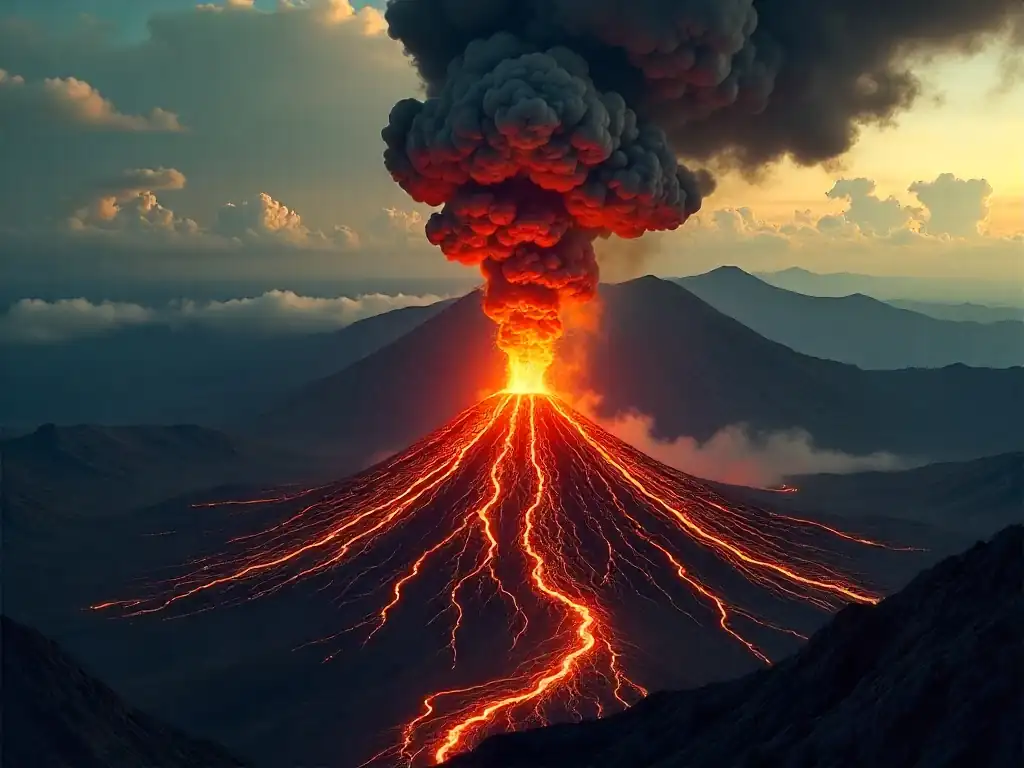
Welcome to Volcano Explorers, where the earth breathes fire! Are you ready to confront some uncomfortable truths? Think you know the real impact of volcanic eruptions on our planet's climate? Prepare to have your assumptions challenged. Dive into "Debunking Myths: Volcanoes and Carbon Emissions – The Real Story" and uncover the surprising facts behind volcanoes and carbon emissions myths. The truth might just erupt before your eyes...
- Introduction: Unveiling the Truth About Volcanoes and CO2 Emissions
- Myth #1: Volcanoes Are the Biggest Source of Carbon Dioxide
- Myth #2: Volcanoes Cause Significant Climate Change
- Myth #3: All Volcanoes Emit the Same Amount of Carbon Dioxide
- Myth #4: Volcanoes Have a Net-Positive Impact on Atmospheric CO2
- The Role of Volcanoes in the Earth's Carbon Cycle: A Deeper Look
- Understanding Volcanic Gases Beyond Carbon Dioxide
- Monitoring Volcanic Carbon Emissions: Current Research and Technologies
- The Future of Volcanic Carbon Research: Addressing Key Questions
- Conclusion: Separating Fact from Fiction in the Volcanoes and Carbon Emissions Debate
-
Frequently Asked Questions
- Are volcanoes the biggest contributors to global carbon emissions?
- Do all types of volcanoes emit the same amount of carbon dioxide?
- Is it true that volcanic eruptions can cause significant global cooling?
- Can we accurately predict how much carbon dioxide a volcano will release?
- Does volcanic carbon dioxide contribute to the greenhouse effect?
- Final Reflection: Unveiling Earth's Breath
- Ignite Your Curiosity: Become a Volcano Champion!
Introduction: Unveiling the Truth About Volcanoes and CO2 Emissions
Volcanoes, Earth's dramatic vents, have always captivated and terrified humanity. Their explosive power and lava flows are undeniable forces of nature. In recent years, as concerns about climate change intensify, questions about the role of volcanoes in carbon dioxide (CO2) emissions have become increasingly prevalent. Are volcanoes a major driver of global warming? Do they dwarf human emissions? It's time to delve into the science and separate fact from fiction regarding volcanoes and their contribution to atmospheric CO2.
The narrative surrounding volcanoes and climate change is often riddled with misconceptions. These misunderstandings can hinder productive conversations about the real drivers of climate change and the urgent need for human action. This article aims to clarify the role of volcanoes in the carbon cycle, debunk common myths, and present the scientific consensus on volcanic carbon emissions. By understanding the true scale of volcanic CO2 output, we can better contextualize the human impact and focus our efforts on effective climate solutions.
USGS: Setting the Record Straight on Volcanic Carbon Footprint
The United States Geological Survey (USGS), a leading authority on volcanic activity and earth science, provides invaluable data and research on volcanic emissions. The USGS plays a crucial role in monitoring volcanoes globally and studying their impact on the environment, including their contribution to the carbon cycle. Their research consistently emphasizes that while volcanoes do release CO2, their contribution is dwarfed by human activities.
According to USGS data, all the volcanoes on Earth, both on land and under the sea, release less than 1% of the CO2 released by human activities annually. This stark contrast highlights a critical point: while volcanoes are a natural source of CO2, their impact is minimal compared to the emissions from burning fossil fuels, deforestation, and industrial processes. The USGS actively works to communicate these findings to the public, ensuring that discussions about climate change are based on accurate scientific information and dispelling misleading claims about volcanic CO2 dominance.
Why Understanding Volcanoes' Role in the Carbon Cycle Matters
Understanding the true role of volcanoes in the carbon cycle is crucial for several reasons. Firstly, it provides a baseline for natural CO2 emissions against which we can compare human-induced changes. By knowing the natural background levels of volcanic CO2, we can more accurately assess the unprecedented scale of anthropogenic emissions and their impact on the climate system. This understanding is fundamental to climate modeling and projections.
Secondly, accurately portraying the volcanic contribution to the carbon cycle is essential for public discourse and policy-making. Misinformation about volcanoes being the primary drivers of climate change can distract from the urgent need to reduce human emissions. It can also fuel climate change denial by falsely suggesting that climate change is a purely natural phenomenon beyond human control. Therefore, disseminating accurate information about volcanoes and carbon emissions is vital for fostering informed public discussions and effective climate action.
Myth #1: Volcanoes Are the Biggest Source of Carbon Dioxide
A common misconception is that volcanoes are the largest source of carbon dioxide on Earth, overshadowing human emissions. This myth often surfaces in discussions about climate change, sometimes used to downplay or dismiss the impact of human activities. However, this assertion is demonstrably false when compared against scientific data and rigorous measurements.
While volcanoes undeniably release CO2, they are not the dominant force in the global carbon cycle, especially in the context of current atmospheric CO2 levels. The scale of human emissions from burning fossil fuels, cement production, and land-use changes dwarfs the natural CO2 output from volcanoes by orders of magnitude. To understand the real picture, it's necessary to compare the quantifiable data on volcanic and human-caused CO2 emissions.
The Reality: Comparing Volcanic CO2 Emissions to Human Activities
The reality is starkly different from the myth. Human activities are the overwhelming source of carbon dioxide emissions in the modern era. Burning fossil fuels for energy, industry, and transportation releases vast amounts of stored carbon into the atmosphere, a process that has accelerated dramatically since the Industrial Revolution. Deforestation and changes in land use further contribute to CO2 emissions by reducing carbon sinks and releasing stored carbon from vegetation and soils.
In contrast, volcanic CO2 emissions are relatively small on a global scale. While individual volcanic eruptions can release significant amounts of gas in short bursts, the total annual volcanic CO2 output is a tiny fraction of human emissions. Think of it this way: if human emissions were represented by a towering skyscraper, volcanic emissions would be a small house next door. This difference in scale is crucial to understanding the true drivers of current climate change.
Quantifying Volcanic Carbon Dioxide Output: A Global Perspective
Scientists have made considerable efforts to quantify both volcanic and human-caused CO2 emissions. Global estimates for present-day volcanic CO2 emissions range around 0.26 to 0.3 billion tonnes of CO2 per year. This includes emissions from subaerial (above sea level) and submarine volcanoes, as well as diffuse degassing from volcanic regions. While this is a substantial amount in absolute terms, consider this figure in comparison to human emissions.
In 2022, global human CO2 emissions were estimated to be around 37 billion tonnes. This means that human activities release more than 100 times the amount of CO2 that volcanoes do annually. To put it another way, for every tonne of CO2 released by volcanoes, humans release over 100 tonnes. These figures, based on data from organizations like the Global Carbon Project and the USGS, clearly demonstrate that volcanoes are not the primary driver of increased atmospheric CO2 concentrations and the associated climate change.
Myth #2: Volcanoes Cause Significant Climate Change
Another persistent myth is that volcanoes are a major cause of climate change, implying they are a primary driver of long-term global warming. While large volcanic eruptions can have a temporary impact on global climate, their long-term influence is fundamentally different from the sustained warming trend driven by human greenhouse gas emissions. It's important to distinguish between the short-term and long-term effects of volcanic eruptions on the climate system.
Volcanic eruptions do release greenhouse gases, including CO2, but they also eject other substances into the atmosphere, most notably sulfur dioxide (SO2). This SO2 reacts in the atmosphere to form sulfate aerosols, which have a cooling effect by reflecting sunlight back into space. This cooling effect is often more immediate and noticeable than the warming effect of volcanic CO2, leading to further misconceptions about the overall climate impact of volcanoes.
The Short-Term Cooling Effect of Volcanic Eruptions: Aerosols vs. CO2
Large volcanic eruptions can indeed cause short-term global cooling. This cooling is primarily due to the injection of sulfur dioxide (SO2) into the stratosphere. Once in the stratosphere, SO2 reacts with water vapor to form sulfate aerosols, tiny particles that can persist for one to two years. These aerosols act like a haze, reflecting incoming solar radiation back into space and reducing the amount of sunlight reaching the Earth's surface.
The eruption of Mount Pinatubo in 1991 is a well-documented example of this cooling effect. The eruption injected a significant amount of SO2 into the stratosphere, leading to a measurable global average temperature decrease of about 0.5°C (0.9°F) for a couple of years following the eruption. However, this cooling is temporary.
Sulfate aerosols are eventually removed from the atmosphere through natural processes, and the climate system returns to its previous trajectory. The CO2 released by the eruption, while contributing to the greenhouse effect, is far less impactful in the long term compared to the vast amounts of anthropogenic CO2 accumulating in the atmosphere.
Long-Term Climate Impact: Distinguishing Natural Variations from Anthropogenic Change
While volcanic eruptions can cause temporary climate fluctuations, they are not the driving force behind long-term climate change, especially the ongoing warming trend observed over the past century. The crucial difference lies in the scale and persistence of greenhouse gas emissions. Human activities are continuously adding large quantities of CO2 and other greenhouse gases to the atmosphere at a rate far exceeding natural volcanic emissions.
The CO2 released by volcanoes does contribute to the greenhouse effect, but the amount is relatively small and occurs over geological timescales. The current rapid warming trend is unequivocally linked to the accumulation of anthropogenic greenhouse gases in the atmosphere. Climate models and paleoclimate records consistently demonstrate that the observed warming cannot be explained by natural factors alone, including volcanic activity. The overwhelming scientific consensus is that human emissions are the primary driver of modern climate change, and focusing on volcanic CO2 as a significant cause is a misdirection from the real issue.
Myth #3: All Volcanoes Emit the Same Amount of Carbon Dioxide
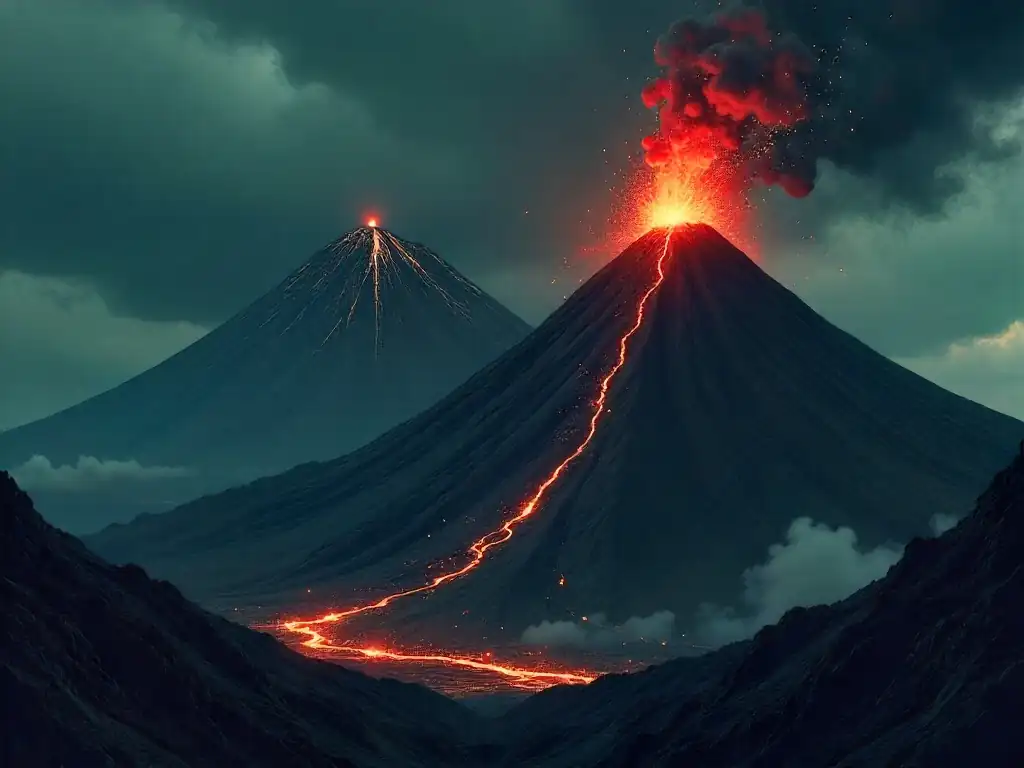
Another oversimplification is the idea that all volcanoes are created equal in terms of their carbon dioxide emissions. This is far from the truth. Volcanoes are diverse geological features, and their CO2 output varies significantly depending on several factors, including their tectonic setting, magma composition, and eruptive style. Understanding these variations is crucial for a nuanced view of volcanic contributions to the carbon cycle.
The amount of CO2 released by a volcano is not a fixed characteristic. It's a dynamic process influenced by the geological context in which the volcano exists. For example, volcanoes located in different tectonic settings, such as subduction zones versus mid-ocean ridges, exhibit distinct carbon signatures. Similarly, the composition of the magma feeding a volcano plays a crucial role in determining the amount of CO2 released during eruptions and degassing.
Different Volcanic Settings, Different Carbon Signatures
Volcanoes are broadly associated with different tectonic settings, each influencing their magma source and gas release characteristics. Subduction zones, where one tectonic plate slides beneath another, are often characterized by explosive, gas-rich volcanoes. These volcanoes typically erupt magmas that have interacted with crustal materials and dissolved gases, leading to significant CO2 emissions. Examples include volcanoes in the Pacific Ring of Fire.
In contrast, mid-ocean ridges, where tectonic plates diverge and new oceanic crust is formed, are associated with effusive, less gas-rich volcanism. While mid-ocean ridges are the most volcanically active regions on Earth in terms of volume of erupted material, their individual CO2 release rates per eruption or degassing event may be lower compared to subduction zone volcanoes.
However, due to their vast extent and continuous activity, mid-ocean ridges still contribute a significant portion of the total global volcanic CO2 output. Intraplate volcanoes, like those in Hawaii, also have their own distinct CO2 signatures related to their mantle plume origin and magma composition.
The Influence of Magma Composition and Tectonic Setting on CO2 Release
The composition of magma is a primary control on the amount of CO2 a volcano can release. Magmas richer in silica (felsic magmas) tend to be more viscous and trap gases, leading to explosive eruptions with potentially high CO2 release in short bursts. Conversely, magmas poorer in silica (mafic magmas), like basalt, are less viscous and allow gases to escape more readily, often resulting in more effusive eruptions and continuous degassing, potentially contributing to a more sustained CO2 release over time.
The tectonic setting further influences magma composition and gas content. Subduction zone magmas, often formed from melting of the mantle wedge and subducted crust, can be enriched in volatiles, including CO2, due to the incorporation of fluids and sediments from the subducting plate. Mid-ocean ridge magmas, derived from the upper mantle, typically have lower volatile contents. Therefore, understanding the interplay between tectonic setting and magma composition is essential for accurately estimating and comparing CO2 emissions from different types of volcanoes across the globe.
Myth #4: Volcanoes Have a Net-Positive Impact on Atmospheric CO2
A less common but still present myth suggests that volcanoes somehow have a net-positive impact on atmospheric CO2, implying they ultimately remove more carbon from the atmosphere than they release. This notion often arises from a misunderstanding of geological processes and the long-term carbon cycle. While volcanic landscapes are indeed involved in carbon sequestration through weathering, this process operates over vastly different timescales compared to volcanic CO2 emissions.
It's true that volcanic rocks, once exposed at the Earth's surface, are subject to weathering. Weathering is a complex set of processes that break down rocks physically and chemically. Chemical weathering, in particular, plays a role in carbon sequestration. However, it's crucial to understand the timescales involved and the overall balance of carbon release and capture in volcanic environments.
The Role of Weathering and Carbon Sequestration in Volcanic Landscapes
Volcanic rocks, especially basalt, are rich in minerals that react with atmospheric CO2 during weathering processes. A significant form of chemical weathering is silicate weathering, where silicate minerals in rocks react with CO2 and water to form carbonates, bicarbonates, and other dissolved ions. These dissolved ions are then transported by rivers to the oceans, where they can eventually be incorporated into marine sediments and effectively removed from the atmosphere over geological timescales.
Volcanic landscapes, with their abundant fresh rock surfaces exposed to weathering, can indeed act as carbon sinks over long periods. Studies have shown that weathering of basaltic rocks can sequester substantial amounts of CO2. However, this carbon sequestration process is slow, operating over thousands to millions of years. In contrast, volcanic CO2 emissions, while relatively small compared to human emissions, are released on much shorter timescales, from single eruptions to continuous degassing over years or decades.
Balancing the Equation: Carbon Release vs. Carbon Capture
When we compare the rate of volcanic CO2 release to the rate of carbon sequestration through weathering in volcanic landscapes, it's clear that they are not balanced on human timescales. Volcanic CO2 emissions contribute to the atmospheric CO2 budget, albeit at a much smaller scale than human emissions. Carbon sequestration through weathering of volcanic rocks is a long-term process that does remove CO2 from the atmosphere, but it does so over geological timescales, far too slowly to offset the current rapid increase in atmospheric CO2 driven by human activities.
Therefore, while volcanic landscapes are involved in carbon sequestration, it is inaccurate to claim that volcanoes have a net-positive impact on atmospheric CO2 in the context of current climate change. The immediate effect of volcanic emissions is to add CO2 to the atmosphere, while the carbon sequestration through weathering is a long-term, slow process that does not counteract the current rapid accumulation of greenhouse gases.
The Role of Volcanoes in the Earth's Carbon Cycle: A Deeper Look
Beyond debunking myths, it's important to understand the broader role of volcanoes in the Earth's long-term carbon cycle. Volcanoes are a natural part of this cycle, releasing carbon from the Earth's interior to the atmosphere and oceans over geological timescales. Understanding pre-industrial volcanic carbon emissions provides a baseline for assessing human impact, and volcanoes themselves serve as natural laboratories for studying carbon cycle processes.
The Earth's carbon cycle is a complex system involving the exchange of carbon between the atmosphere, oceans, land, and the Earth's interior. Volcanoes are a key component of the long-term carbon cycle, releasing carbon stored in the mantle and crust back to the surface. This release has been happening for billions of years, playing a fundamental role in shaping Earth's atmosphere and climate over geological time.
Pre-Industrial Volcanic Carbon Emissions: Establishing a Baseline
To understand the impact of human activities on the carbon cycle, it's essential to know the natural baseline of carbon fluxes. Pre-industrial volcanic CO2 emissions represent a significant component of this natural baseline. Before the Industrial Revolution, volcanic activity was a primary natural source of CO2 to the atmosphere, alongside other natural processes like respiration and decomposition.
Estimating pre-industrial volcanic CO2 emissions is challenging but crucial. Scientists use various methods, including analyzing ice core records, studying volcanic rock degassing, and modeling volcanic activity rates over geological time. These studies suggest that pre-industrial volcanic CO2 emissions were relatively stable over long periods, contributing to a natural background level of atmospheric CO2. This baseline helps us contextualize the dramatic increase in atmospheric CO2 since the Industrial Revolution, which is clearly attributable to human emissions exceeding natural fluctuations, including those from volcanoes.
Volcanoes as Natural Laboratories for Carbon Cycle Research
Volcanoes, and volcanic regions in general, serve as invaluable natural laboratories for studying various aspects of the carbon cycle. Active volcanoes provide direct opportunities to measure gas fluxes and understand the processes of CO2 release from the Earth's interior. Volcanic landscapes are also ideal locations to study weathering processes and carbon sequestration in action.
Research conducted in volcanic areas contributes significantly to our understanding of how carbon is exchanged between different Earth reservoirs. Studies of volcanic gases provide insights into the composition of the Earth's mantle and the processes that control volatile release during magma generation and eruption. Investigations of weathering in volcanic terrains help quantify the rates of carbon sequestration and the factors that influence this process. By studying these natural laboratories, scientists gain a deeper understanding of the complex mechanisms governing the Earth's carbon cycle and how it has evolved over time.
Understanding Volcanic Gases Beyond Carbon Dioxide
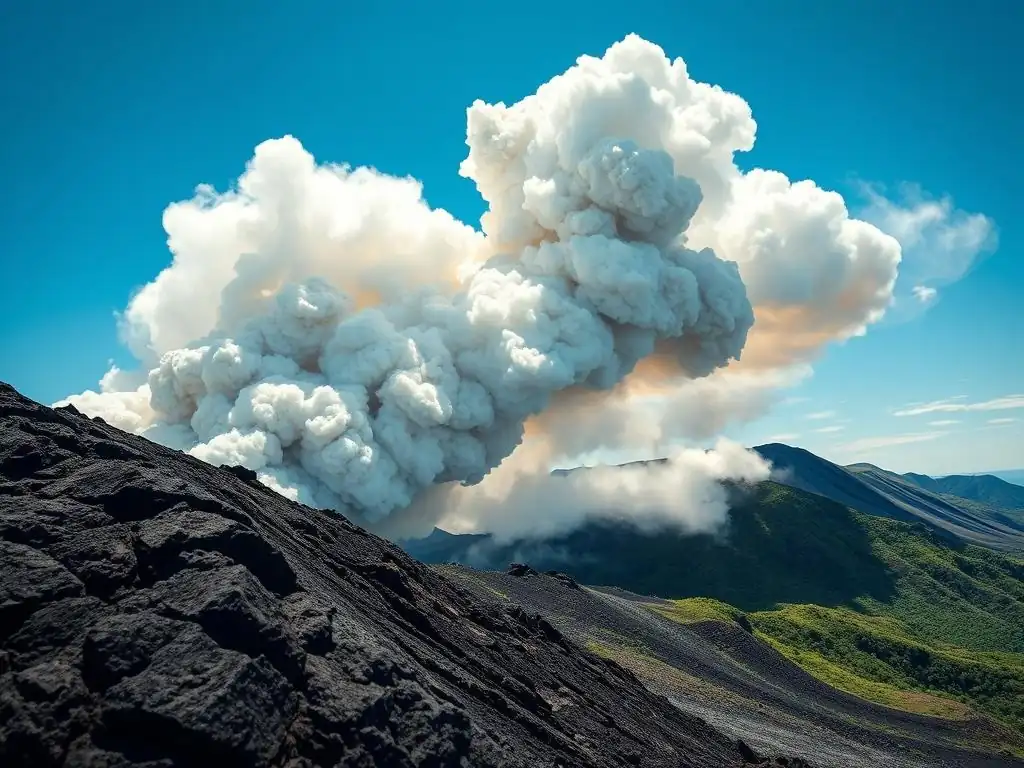
While carbon dioxide is a crucial greenhouse gas and the focus of many discussions about volcanoes and climate, it's not the only gas released by volcanoes. Volcanic plumes are complex mixtures of gases, including water vapor (H2O), sulfur dioxide (SO2), hydrogen sulfide (H2S), and various trace gases. Understanding these other volcanic gases is essential for a comprehensive view of volcanic impacts on the atmosphere and environment.
Beyond CO2, sulfur dioxide and water vapor are particularly significant volcanic gases with distinct atmospheric impacts. Sulfur dioxide, as discussed earlier, plays a key role in short-term climate cooling through aerosol formation. Water vapor is the most abundant volcanic gas and contributes to volcanic plumes, although its overall impact on global climate is more complex and less direct compared to CO2 and SO2.
Sulfur Dioxide (SO2): Impact on Atmospheric Processes
Sulfur dioxide (SO2) is a significant volcanic gas with important consequences for atmospheric chemistry and climate. Upon release into the atmosphere, SO2 undergoes oxidation to form sulfate aerosols. These aerosols, particularly when injected into the stratosphere by large eruptions, can have a notable cooling effect on global climate by reflecting incoming solar radiation.
Beyond climate effects, SO2 also contributes to acid rain and air pollution in volcanic regions. Volcanic smog, or "vog," is a form of air pollution caused by SO2 and other volcanic gases reacting in the atmosphere to form aerosols and acidic particles. Vog can have detrimental effects on human health, agriculture, and infrastructure in areas downwind of active volcanoes. Therefore, monitoring SO2 emissions from volcanoes is important for both climate research and assessing volcanic hazards.
Water Vapor (H2O) and Other Gases: Their Contribution to Volcanic Plumes
Water vapor (H2O) is typically the most abundant gas in volcanic plumes, often making up the majority of the gas by volume. It is primarily derived from magma degassing and can also be sourced from groundwater interactions with volcanic systems. Water vapor contributes significantly to the visible plume emitted by volcanoes, especially during explosive eruptions.
While water vapor is a greenhouse gas, its role in volcanic climate impact is less direct and less significant compared to CO2. Water vapor in the atmosphere has a relatively short residence time, and its concentration is strongly influenced by temperature.
The water vapor emitted by volcanoes is generally considered part of the natural water cycle and does not contribute significantly to long-term climate change in the same way as the accumulation of anthropogenic CO2. Other trace gases emitted by volcanoes, such as hydrogen sulfide (H2S), carbon monoxide (CO), and halogens, also play roles in atmospheric chemistry and can have local environmental impacts, but their global climate influence is generally less pronounced than CO2 and SO2.
Monitoring Volcanic Carbon Emissions: Current Research and Technologies
Accurately monitoring volcanic carbon emissions is crucial for understanding their contribution to the carbon cycle and for improving climate models. Scientists employ a range of sophisticated techniques, both remote and ground-based, to measure CO2 flux from volcanoes and volcanic regions. These methods provide valuable data for tracking volcanic activity and refining estimates of global volcanic CO2 output.
Monitoring volcanic CO2 emissions presents unique challenges due to the remote locations of many volcanoes, the variability of volcanic activity, and the complex nature of volcanic gas plumes. However, advancements in remote sensing and ground-based instrumentation have significantly improved our ability to measure volcanic CO2 fluxes and understand their spatial and temporal variations.
Remote Sensing Techniques for Measuring CO2 Flux
Remote sensing techniques, primarily using satellite-based instruments, offer a powerful tool for monitoring volcanic CO2 emissions on a global scale and in remote areas. Satellites equipped with infrared spectrometers can detect the spectral signature of CO2 in volcanic plumes and measure its concentration. These measurements can be used to estimate the CO2 flux from volcanoes over time.
Satellite-based remote sensing provides several advantages, including broad spatial coverage, continuous monitoring capabilities, and access to remote and hazardous volcanic regions. Instruments like the Atmospheric Infrared Sounder (AIRS) and the Orbiting Carbon Observatory-2 (OCO-2) have been used to study volcanic CO2 emissions and track changes in volcanic degassing activity. While remote sensing provides valuable large-scale data, ground-based measurements are often needed for higher accuracy and validation.
Ground-Based Monitoring: Direct Sampling and Analysis
Ground-based monitoring techniques involve direct sampling of volcanic gases and measurements using portable instruments at volcanic sites. These methods provide higher accuracy and allow for the analysis of a wider range of volcanic gas components, including CO2, SO2, H2O, and trace gases. Direct gas sampling typically involves collecting volcanic gas samples in специально designed flasks or tubes for laboratory analysis.
Portable gas analyzers, such as infrared gas analyzers and gas chromatographs, are used to measure gas concentrations in situ at volcanic vents or fumaroles. These ground-based measurements provide detailed information about volcanic gas composition and flux rates at specific locations. Combining remote sensing data with ground-based measurements provides a comprehensive approach to monitoring volcanic carbon emissions, allowing for both global-scale assessments and detailed studies of individual volcanoes.
The Future of Volcanic Carbon Research: Addressing Key Questions
Research on volcanic carbon emissions is an ongoing and evolving field. Several key questions remain to be addressed to further refine our understanding of volcanoes' role in the carbon cycle and their potential interactions with climate change. Future research directions include improving models for predicting volcanic CO2 emissions and investigating the complex interplay between volcanoes, climate, and the carbon cycle.
As our understanding of the Earth system evolves, so too does our appreciation for the intricate role of volcanoes. Advancements in technology and interdisciplinary research are paving the way for a more comprehensive picture of volcanic carbon emissions and their broader implications for the planet.
Improving Models for Predicting Volcanic CO2 Emissions
Improving models for predicting volcanic CO2 emissions is a crucial area of future research. Current estimates of global volcanic CO2 output are based on various data sources and assumptions, and there is still uncertainty in these estimates. Developing more sophisticated models that incorporate geological, geophysical, and geochemical data can help refine our understanding of volcanic CO2 fluxes and their variability.
Future models could benefit from improved data on submarine volcanic emissions, which are less well constrained than subaerial emissions. Integrating data from oceanographic surveys, seafloor observatories, and advanced remote sensing techniques can help better quantify CO2 release from submarine volcanoes and hydrothermal vents. Furthermore, models that account for the dynamic nature of volcanic systems, including changes in magma supply, degassing processes, and eruptive styles, are needed to improve predictions of volcanic CO2 emissions over time.
The Interplay Between Volcanoes, Climate, and the Carbon Cycle
Understanding the complex interplay between volcanoes, climate, and the carbon cycle is a critical frontier in Earth science research. While we know that human emissions are the primary driver of current climate change, natural factors, including volcanic activity, can also influence the climate system. Investigating how volcanic eruptions and degassing interact with the carbon cycle and climate on different timescales is essential for a holistic understanding of Earth's climate dynamics.
Future research should focus on elucidating the feedbacks between volcanic activity and climate change. For example, changes in ice sheet extent and sea level due to climate change could potentially influence volcanic activity in some regions. Conversely, volcanic eruptions can release aerosols and greenhouse gases that directly impact climate. Exploring these complex interactions and feedbacks will enhance our ability to predict future climate scenarios and understand the full spectrum of factors influencing Earth's climate system.
Conclusion: Separating Fact from Fiction in the Volcanoes and Carbon Emissions Debate
It's crucial to separate fact from fiction when discussing volcanoes and carbon emissions. While volcanoes are a natural source of CO2 and other gases, the myth that they are the biggest contributor to atmospheric CO2 or the primary driver of current climate change is demonstrably false. Human activities, particularly the burning of fossil fuels, are overwhelmingly responsible for the unprecedented increase in atmospheric CO2 and the resulting global warming.
Volcanoes play a complex role in the Earth's carbon cycle, and understanding their true contribution is essential for informed discussions about climate change. By debunking common myths and presenting the scientific consensus, we can move towards a more accurate and nuanced understanding of the relationship between volcanoes and carbon emissions.
Empowering Informed Discussions about Volcanic Activity and Climate Change
Accurate information is the foundation for informed discussions and effective action. By dispelling misconceptions about volcanoes and carbon emissions, we empower individuals and policymakers to focus on the real drivers of climate change and the necessary solutions. Understanding the science allows for productive conversations about mitigating human emissions and transitioning to a sustainable future.
It's important to continue educating the public about the true scale of volcanic CO2 emissions compared to human activities. Emphasizing the scientific consensus and providing access to reliable data sources, such as the USGS and other reputable scientific organizations, is crucial for fostering climate literacy and promoting evidence-based decision-making.
[Call to Action: Explore More Resources on USGS.gov]
For those seeking to deepen their understanding of volcanoes, carbon emissions, and related earth science topics, the USGS website (USGS.gov) offers a wealth of resources. Explore their publications, data sets, and educational materials to learn more about volcanic activity, the carbon cycle, and the ongoing research in these critical areas. By seeking out and sharing accurate information, we can all contribute to a more informed and constructive dialogue about our planet and its future.
Frequently Asked Questions
Are volcanoes the biggest contributors to global carbon emissions?
No, this is a common myth. Human activities such as burning fossil fuels are the dominant source of carbon emissions, far exceeding volcanic emissions.
Do all types of volcanoes emit the same amount of carbon dioxide?
No, the amount of carbon dioxide emitted varies greatly. Active volcanoes generally release more than dormant ones, and different types of eruptions can release varying amounts.
Is it true that volcanic eruptions can cause significant global cooling?
While large eruptions can release sulfur dioxide that forms aerosols, leading to temporary cooling, this effect is short-lived. The impact on long-term climate change is minimal compared to greenhouse gases.
Can we accurately predict how much carbon dioxide a volcano will release?
Predicting the exact amount is challenging, but scientists use monitoring techniques like gas measurements and satellite data to estimate emissions. These estimates help understand the volcano's activity level.
Does volcanic carbon dioxide contribute to the greenhouse effect?
Yes, volcanic carbon dioxide, like any carbon dioxide, contributes to the greenhouse effect. However, the scale of its contribution is much smaller than that of human-caused emissions.
Final Reflection: Unveiling Earth's Breath
The exploration of volcanoes and carbon emissions reveals a narrative far more nuanced than commonly perceived. By dismantling prevailing myths, we've uncovered the true scale of volcanic contributions to the global carbon cycle, a reality that demands a recalibration of our understanding of climate change drivers.
The persistent misconceptions surrounding volcanic carbon emissions underscore the critical need for informed discourse and scientific literacy. This journey into the Earth's fiery heart has profoundly deepened my appreciation for the complexity of our planet's systems and the responsibility we bear in accurately interpreting and communicating scientific findings. The greatest enemy of knowledge is not ignorance, it is the illusion of knowledge.
- Daniel J. Boorstin. This quote resonates deeply, reminding us to constantly question our assumptions and seek deeper truths.
Now, armed with a clearer understanding of the relationship between volcanoes and carbon emissions, let us move forward with a renewed commitment to evidence-based decision-making. Consider how you can contribute to dispelling misinformation and promoting informed discussions about climate change. The Earth's story is still being written; let's ensure our contributions are grounded in truth and driven by a desire for a sustainable future.
Ignite Your Curiosity: Become a Volcano Champion!
Thank you for exploring the real story behind volcanoes and carbon emissions. Now that you're equipped with the facts, let's turn that knowledge into action and continue to unravel the mysteries of our planet's fiery wonders.
Here's how you can get involved:
- Dive Deeper: Explore the Volcano Explorers' extensive database of active volcanoes to observe real-time activity and understand the geological context driving emissions in different regions.
- Share the Truth: Share this article to help debunk myths and ensure accurate information prevails.
- Become a Citizen Scientist: Contribute to our ongoing research by reporting observations or participating in online data analysis projects.
Ready to use your newfound knowledge to make a difference and help others understand the real impact of volcanoes?