
The Cultural Connection: Exploring the Historical Relationship Between Volcanoes and Geothermal Use

Welcome to Volcano Explorers!
Delve into the fascinating intersection of fiery landscapes and human ingenuity. Ever wondered how volcanic heat has shaped civilizations for millennia? Our latest exploration unearths the surprising history of historical geothermal energy use, revealing a deep-rooted cultural connection you won't want to miss. Prepare to be amazed – the story is hotter than you think...
- Introduction: Volcanoes, Geothermal Energy, and Human History
- The Deep Roots of Geothermal Energy: Ancient Civilizations and Volcanic Heat
- Historical Geothermal Energy Use: A Global Perspective
- Geothermal Energy in the 19th and 20th Centuries: Technological Advancements and Expansion
- The Cultural Impact of Geothermal Energy: Shaping Communities and Landscapes
- Geothermal Energy & Volcanic Hazards: Balancing Benefits and Risks
- Modern Geothermal Technology and its Historical Context: Innovation and Efficiency
- Conclusion: Celebrating the Enduring Connection Between Culture, Volcanoes, and Geothermal Energy
-
Frequently Asked Questions
- What is the historical significance of geothermal energy use in cultures near volcanoes?
- How does living near a volcano influence a community's cultural practices?
- Can you provide examples of early civilizations that used geothermal energy?
- What is the relationship between volcanic eruptions and the development of geothermal energy technologies?
- What are some modern applications of geothermal energy that are inspired by historical practices?
- Final Reflection: Harnessing the Earth's Ancient Power
- Unearth Geothermal Secrets: Your Next Adventure Starts Now!
Introduction: Volcanoes, Geothermal Energy, and Human History
Volcanoes, often perceived as symbols of destruction and natural fury, are also intimately linked to one of Earth's most sustainable and historically significant energy sources: geothermal energy. For millennia, humans have recognized and harnessed the heat emanating from the Earth, particularly in volcanically active regions. This connection is not merely technological but profoundly cultural, shaping settlements, traditions, and even belief systems.
From ancient civilizations utilizing hot springs for healing and warmth to modern societies generating electricity from geothermal reservoirs, the story of geothermal energy is deeply intertwined with the story of humanity's interaction with volcanoes. Understanding this historical relationship provides valuable insights into our ongoing pursuit of sustainable energy solutions and our enduring connection to the dynamic Earth beneath our feet.
The Deep Roots of Geothermal Energy: Ancient Civilizations and Volcanic Heat
The utilization of geothermal resources is far from a modern invention; its roots extend deep into human history, particularly in regions characterized by volcanic activity. Early civilizations, living in proximity to volcanoes, were acutely aware of the Earth's internal heat manifesting as hot springs, geysers, and steaming grounds. These natural phenomena were not just geological curiosities but vital resources that influenced daily life and cultural development. The readily available heat provided by volcanic landscapes offered significant advantages, shaping settlement patterns and fostering innovative uses of this readily available energy.
Early Geothermal Applications: Roman Use of Hot Springs for Bathing and Heating
The Roman Empire, renowned for its engineering prowess and sophisticated urban planning, extensively utilized geothermal energy, especially in volcanically active areas like Italy. Roman bathhouses, or thermae, were not merely places for hygiene but social and cultural centers, often heated entirely by natural hot springs. Cities like Bath in England and numerous sites in Italy, such as Pompeii and Rome itself, showcase the impressive scale of Roman geothermal utilization.
Archaeological evidence reveals intricate systems of aqueducts and pipes designed to channel hot spring water to bathhouses, public buildings, and even some private residences, providing heating and hot water. Beyond bathing, Romans also recognized the therapeutic properties of mineral-rich hot springs, establishing spas and sanatoriums that drew people from across the empire seeking relief from various ailments. This early adoption of geothermal energy demonstrates a sophisticated understanding of natural resources and their potential for enhancing daily life and public health.
Volcanic Landscapes as Resource Hubs: Hot Springs, Bathing, and Traditional Medicine
Beyond the Roman Empire, diverse cultures around the world independently discovered and utilized the geothermal resources provided by volcanic landscapes. In regions like Japan, New Zealand, and Iceland, hot springs became central to community life. These naturally heated waters offered not only bathing and warmth in colder climates but were also recognized for their medicinal properties. Traditional medicine systems in many volcanic regions incorporated hot spring waters for treating skin conditions, muscle ailments, and various internal disorders.
For instance, in Japan, onsen (hot springs) have been revered for centuries for their therapeutic benefits, with specific mineral compositions believed to cure different ailments. Indigenous populations often developed deep knowledge of local geothermal features, identifying springs with particular properties and establishing practices for their sustainable use. This intimate relationship with geothermal resources fostered a sense of place and a deep understanding of the natural environment.
The cultural significance of hot springs in volcanic areas extended beyond practical and medicinal uses, deeply permeating rituals, myths, and social structures. In many cultures, hot springs were considered sacred sites, believed to be gifts from deities or gateways to the underworld. Myths and legends often intertwined with these geothermal features, explaining their origins and attributing supernatural powers to the waters.
For example, in Māori culture in New Zealand, geothermal areas are imbued with spiritual significance ( tapu), and hot springs are often associated with mythological figures and ancestral stories. Furthermore, hot springs served as important social gathering places, fostering community bonds and facilitating social interactions.
Bathing together in communal hot springs became a ritualistic and social activity, strengthening community cohesion and providing spaces for storytelling and shared experiences. This deep cultural integration underscores how geothermal resources have shaped not just the physical landscape but also the social and spiritual fabric of communities living in volcanic regions.
Historical Geothermal Energy Use: A Global Perspective
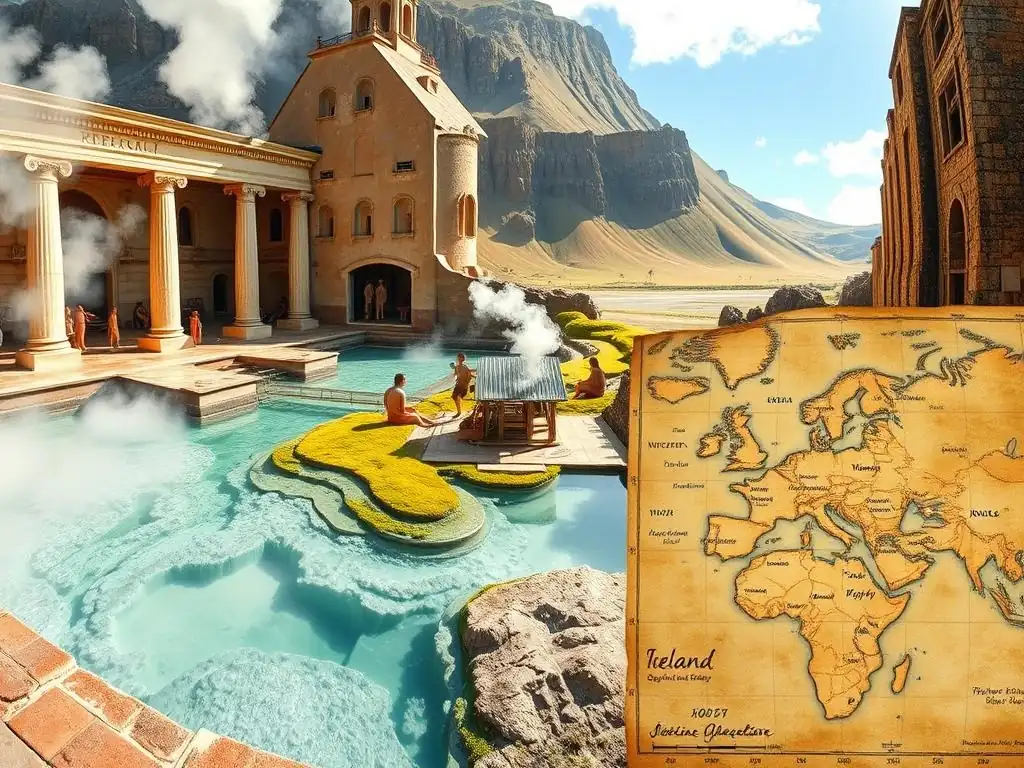
The historical use of geothermal energy is a global story, with diverse cultures adapting and innovating based on their unique volcanic environments and societal needs. While the Romans showcased sophisticated large-scale bathing facilities, other regions developed equally significant, though sometimes less documented, traditions of geothermal utilization. Examining geothermal history from a global perspective reveals a rich tapestry of human ingenuity and adaptation, demonstrating the widespread recognition of geothermal energy's value across different cultures and time periods.
Geothermal Power in Iceland: Early Adoption and Sustainable Practices
Iceland, a nation born from volcanic fire, boasts a long and continuous history of geothermal energy utilization. From the earliest Viking settlers, Icelanders relied on geothermal resources for heating their homes, cooking food, and bathing. The scarcity of forests on the island made geothermal heat a crucial alternative to wood for fuel. Early Icelandic farmsteads often featured laugar, naturally heated pools used for washing clothes and bathing, demonstrating a practical and early adoption of geothermal direct use. As early as the 14th century, there is evidence of geothermal heating systems in Icelandic farms, utilizing hot spring water to warm buildings. This early reliance on geothermal energy laid the foundation for Iceland's modern energy system, which is now a global leader in geothermal power generation and direct use applications. Iceland's historical approach, driven by necessity and environmental consciousness, serves as an early example of sustainable energy practices rooted in volcanic resources.
Italian Geothermal History: Larderello and the Birth of Geothermal Power Generation
While Italy shares a long history of geothermal bathing with the Roman era, its contribution to geothermal history is particularly significant due to Larderello, a region in Tuscany. In the late 18th and early 19th centuries, Larderello became a center for boric acid extraction from geothermal steam. However, it was in 1904 that Prince Piero Ginori Conti pioneered the first geothermal power generator in Larderello, using geothermal steam to drive a dynamo and produce electricity.
This groundbreaking achievement marked the birth of geothermal power generation as we know it. Larderello’s early geothermal power plant, though initially small, demonstrated the immense potential of harnessing geothermal steam for electricity production. The success at Larderello spurred further development and innovation in geothermal technology, establishing Italy as a key player in the early history of geothermal power and setting the stage for the global expansion of geothermal electricity generation in the 20th century.
Indigenous Uses of Geothermal Resources: Māori Utilization of Geothermal Energy in New Zealand for Cooking and Heating
In New Zealand, the indigenous Māori population developed sophisticated and sustainable ways to utilize geothermal energy long before European arrival. Living in a volcanically active archipelago, the Māori ingeniously harnessed geothermal resources for various purposes, most notably cooking and heating. Hāngi, traditional Māori earth ovens, utilized geothermal steam and hot stones to cook food, showcasing a deep understanding of geothermal heat transfer.
Geothermal areas were also used for bathing, medicinal purposes, and heating homes and meeting houses. Māori knowledge of geothermal resources was intimately linked to their cultural practices and spiritual beliefs, with geothermal areas often considered taonga (treasures) and treated with respect. Their sustainable utilization practices, passed down through generations, demonstrate a long-standing and harmonious relationship with geothermal energy, offering valuable lessons in resource management and cultural integration.
Geothermal Energy in the 19th and 20th Centuries: Technological Advancements and Expansion
The 19th and 20th centuries witnessed a significant shift in geothermal energy utilization, moving beyond direct uses like bathing and heating towards large-scale power generation. Technological advancements, particularly in steam turbine technology and drilling techniques, played a crucial role in unlocking the vast potential of geothermal resources for electricity production. This period saw the rise of geothermal power plants and the expansion of geothermal heating systems, transforming geothermal energy from a localized resource to a more widely recognized and utilized energy source.
The Rise of Geothermal Power Plants: Early Pioneers and Engineering Innovations
Following the pioneering work in Larderello, Italy, the 20th century saw the development and expansion of geothermal power plants around the world. The Geysers in California, another volcanically active region, became home to one of the world's largest geothermal power complexes, starting in the 1960s. Early geothermal power plants faced significant engineering challenges, including dealing with corrosive geothermal fluids and developing efficient steam turbines capable of handling geothermal steam.
Engineers and scientists innovated in materials science, drilling technology, and power plant design to overcome these hurdles. The development of different types of geothermal power plants, such as dry steam, flash steam, and binary cycle plants, allowed for the utilization of a wider range of geothermal resources with varying temperatures and fluid characteristics. These technological advancements paved the way for the widespread adoption of geothermal power as a reliable and increasingly cost-competitive source of renewable energy.
Geothermal Heating Systems: From Residential to Industrial Applications
Alongside power generation, geothermal heating systems also saw significant advancements and expansion in the 20th century. Iceland continued to lead the way in district heating, expanding its geothermal heating networks to provide hot water and heating to the majority of its population. Cities like Reykjavík became models for geothermal district heating systems, demonstrating the feasibility and efficiency of large-scale geothermal heating.
Beyond residential heating, geothermal energy was increasingly utilized for industrial applications, including greenhouse heating, aquaculture, and various industrial processes requiring heat. Geothermal heating offered a clean and cost-effective alternative to fossil fuels for heating purposes, contributing to reduced carbon emissions and improved air quality in cities and industrial areas adopting these systems. The versatility of geothermal heating applications further solidified its importance as a sustainable energy resource.
Geothermal Exploration and Development: Mapping Volcanic Regions for Energy Potential
The growing recognition of geothermal energy's potential spurred increased exploration and development efforts in volcanically active regions worldwide. Geological surveys, geophysical techniques, and drilling exploration became essential tools for mapping geothermal resources and assessing their energy potential. Countries with significant volcanic activity, such as the Philippines, Indonesia, Mexico, and New Zealand, embarked on ambitious geothermal exploration programs.
International collaborations and knowledge sharing facilitated the transfer of geothermal technology and expertise to developing countries, fostering global geothermal development. The systematic exploration and development of geothermal resources in the 20th century laid the foundation for the significant expansion of geothermal power generation and direct use applications that we see today, transforming geothermal energy into a globally relevant renewable energy source.
The Cultural Impact of Geothermal Energy: Shaping Communities and Landscapes
Geothermal energy, beyond its practical applications, has profoundly shaped the cultural landscapes and communities in volcanically active regions. The presence of geothermal resources has influenced economic activities, attracted tourism, and fostered a unique sense of identity and connection to the land for local populations. Understanding the cultural impact of geothermal energy provides a more holistic perspective on its significance, highlighting its role in shaping human societies and their relationship with the natural environment.
Geothermal Tourism: Attracting Visitors to Volcanic Regions
Volcanic regions rich in geothermal features have become significant tourist destinations, attracting visitors eager to witness geysers, hot springs, and volcanic landscapes firsthand. Geothermal tourism has flourished in countries like Iceland, New Zealand, Japan, and the United States (Yellowstone National Park), creating economic opportunities and raising awareness about geothermal phenomena. Hot springs and spas have become major tourist attractions, offering relaxation, wellness experiences, and opportunities to experience the therapeutic benefits of geothermal waters.
Geothermal areas also offer unique landscapes for hiking, exploration, and nature photography, further enhancing their appeal to tourists. The development of geothermal tourism has not only boosted local economies but also fostered a greater appreciation for volcanic environments and the power of geothermal energy among a wider global audience.
Geothermal Energy and Local Economies: Job Creation and Sustainable Development
The development of geothermal energy projects has brought significant economic benefits to local communities in volcanic regions, particularly through job creation and sustainable development opportunities. Geothermal power plants and direct use facilities require skilled labor for construction, operation, and maintenance, creating employment opportunities in often rural and remote areas. Geothermal energy projects can also stimulate local businesses and support industries related to geothermal development, such as drilling services, engineering firms, and tourism-related businesses.
Furthermore, geothermal energy, as a sustainable and locally available resource, contributes to energy independence and reduces reliance on imported fossil fuels, strengthening local economies and promoting sustainable development pathways. The economic benefits associated with geothermal energy development underscore its role in fostering community prosperity and resilience in volcanic regions.
Geothermal Energy as a Symbol: Connecting Communities to Their Volcanic Heritage
For communities living in volcanic regions, geothermal energy often transcends its practical value and becomes a symbol of their unique heritage and connection to the land. Geothermal features and volcanic landscapes are deeply ingrained in local cultures, traditions, and folklore, shaping a sense of place and identity. The utilization of geothermal energy can be seen as a way to honor and utilize this natural heritage sustainably, connecting present generations to the geological forces that have shaped their environment for millennia.
Geothermal energy projects, when developed in a culturally sensitive and community-inclusive manner, can strengthen this connection, fostering local pride and a sense of ownership over their energy resources. This symbolic dimension of geothermal energy highlights its potential to not only power communities but also to reinforce cultural identity and strengthen the bond between people and their volcanic landscapes.
Geothermal Energy & Volcanic Hazards: Balancing Benefits and Risks
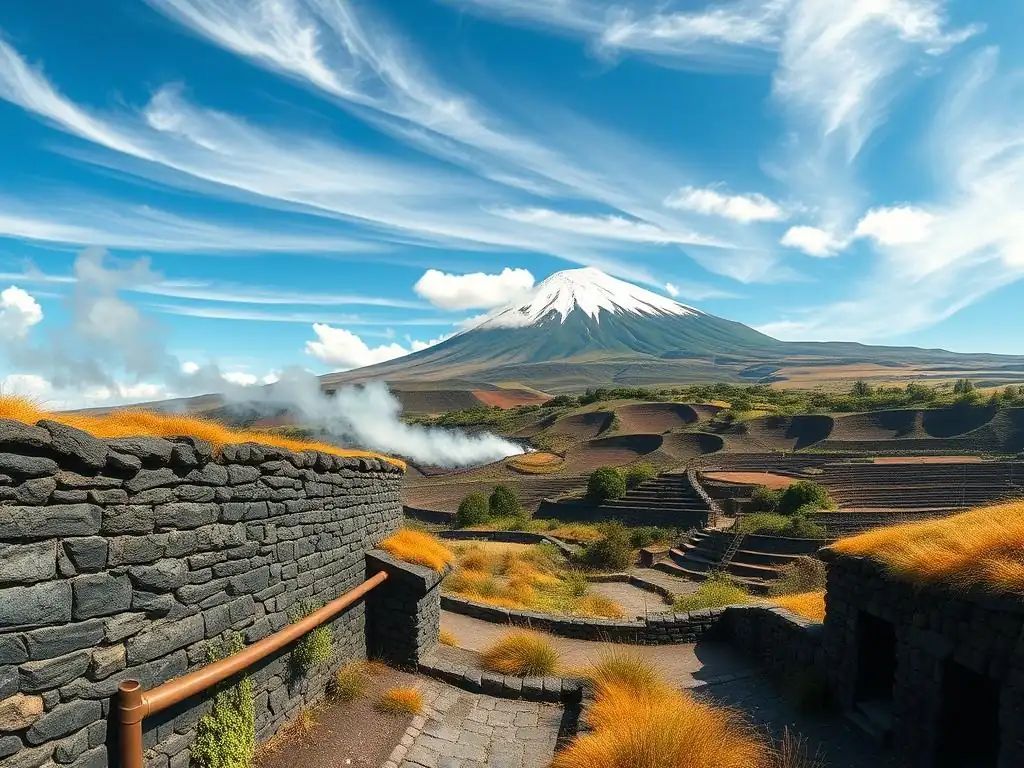
While geothermal energy offers numerous benefits, its development and utilization in volcanic regions must also carefully consider the inherent risks associated with volcanic activity. Volcanic areas are dynamic and potentially hazardous environments, and geothermal projects must be designed and operated with safety and environmental sustainability as paramount concerns. Balancing the benefits of geothermal energy with the risks of volcanic hazards requires careful planning, robust monitoring, and strong community engagement.
Managing Geothermal Resources in Active Volcanic Zones: Safety Considerations
Developing geothermal resources in active volcanic zones necessitates rigorous safety protocols and risk management strategies. Volcanic hazards, such as eruptions, earthquakes, and ground deformation, can pose threats to geothermal infrastructure and personnel. Careful site selection, robust engineering design, and continuous monitoring of volcanic activity are crucial for mitigating these risks. Early warning systems for volcanic eruptions and earthquakes are essential for ensuring the safety of geothermal operations and nearby communities.
Emergency response plans and evacuation procedures must be in place to address potential volcanic crises. Furthermore, geothermal projects should be designed to withstand seismic activity and other volcanic hazards to minimize damage and ensure operational safety. Managing geothermal resources in active volcanic zones requires a proactive and precautionary approach to safety, integrating volcanic hazard assessments into all stages of project development and operation.
Mitigating Environmental Impact: Sustainable Geothermal Practices
Sustainable geothermal development requires careful consideration of potential environmental impacts and the implementation of mitigation measures. Geothermal power plants and direct use facilities can have environmental impacts, including greenhouse gas emissions (primarily carbon dioxide and hydrogen sulfide), water use, and land disturbance. However, compared to fossil fuel energy, geothermal energy has a significantly lower carbon footprint.
Sustainable geothermal practices focus on minimizing environmental impacts through technologies like reinjection of geothermal fluids to maintain reservoir pressure and reduce water consumption, and emission control systems to capture and treat non-condensable gases. Careful land management and biodiversity protection measures are also essential for minimizing the environmental footprint of geothermal projects. Adopting best practices in environmental management ensures that geothermal energy development is both economically viable and environmentally responsible, contributing to long-term sustainability.
Community Engagement and Education: Promoting Responsible Geothermal Development
Effective and responsible geothermal development requires meaningful community engagement and public education. Local communities living near geothermal resources should be actively involved in the planning, decision-making, and monitoring processes of geothermal projects. Community consultation and participation ensure that local concerns and perspectives are taken into account and that projects are developed in a socially acceptable and beneficial manner.
Public education campaigns can raise awareness about geothermal energy, its benefits, and its potential risks, fostering informed public opinion and support for responsible geothermal development. Transparency, open communication, and collaborative partnerships between geothermal developers, local communities, and government agencies are essential for building trust and ensuring the long-term success and sustainability of geothermal projects.
Modern Geothermal Technology and its Historical Context: Innovation and Efficiency
Modern geothermal technology represents a significant advancement from the early days of geothermal utilization, building upon historical knowledge and incorporating cutting-edge engineering and scientific innovations. Enhanced Geothermal Systems (EGS) and advanced direct use applications are expanding the potential of geothermal energy, making it accessible in more locations and for a wider range of applications. Understanding the historical context of these modern technologies highlights the continuous evolution of geothermal energy and its ongoing contribution to sustainable energy solutions.
Enhanced Geothermal Systems (EGS): A New Frontier in Geothermal Energy
Enhanced Geothermal Systems (EGS) represent a new frontier in geothermal energy, aiming to unlock vast geothermal resources that were previously inaccessible. Unlike conventional geothermal systems that rely on naturally occurring hydrothermal reservoirs, EGS technologies create artificial reservoirs in hot, dry rocks by injecting water into fractured rock formations. This innovative approach significantly expands the geographical potential of geothermal energy, making it available in areas without natural hydrothermal activity.
EGS technology draws upon decades of research and development in drilling, hydraulic fracturing, and reservoir engineering. While still in its early stages of commercialization, EGS holds immense promise for providing a clean, reliable, and geographically widespread source of geothermal power, potentially revolutionizing the geothermal energy landscape and significantly increasing its contribution to global energy supply.
Direct Use Applications: Geothermal Heating, Agriculture, and Aquaculture
Direct use applications of geothermal energy, rooted in centuries-old practices of geothermal heating and bathing, are being modernized and expanded to meet contemporary needs. Geothermal heating systems, for both residential and industrial purposes, are becoming increasingly efficient and sophisticated, incorporating advanced heat exchangers, control systems, and distribution networks. Geothermal energy is also finding growing applications in agriculture and aquaculture, providing heat for greenhouses, fish farms, and other agricultural processes.
Geothermal heating in greenhouses can extend growing seasons, increase crop yields, and reduce reliance on fossil fuel-based heating. In aquaculture, geothermal heat can maintain optimal water temperatures for fish farming, improving productivity and reducing energy costs. These diverse direct use applications showcase the versatility of geothermal energy and its potential to contribute to sustainable food production and resource efficiency across various sectors.
The Future of Geothermal Energy: Sustainable Power from Volcanic Sources
The future of geothermal energy is bright, with ongoing technological innovations, increasing global awareness of climate change, and growing demand for sustainable energy solutions driving its expansion. Geothermal energy, as a reliable, baseload renewable energy source, is poised to play an increasingly important role in the global energy transition. Continued research and development in EGS, advanced drilling techniques, and geothermal resource management will further enhance the efficiency and cost-effectiveness of geothermal energy.
The integration of geothermal energy with other renewable energy sources, such as solar and wind power, can create resilient and diversified energy systems. Harnessing the Earth's internal heat, particularly in volcanically active regions, offers a pathway to a more sustainable energy future, honoring the historical connection between humanity, volcanoes, and geothermal energy.
Conclusion: Celebrating the Enduring Connection Between Culture, Volcanoes, and Geothermal Energy
The historical relationship between volcanoes, geothermal energy, and human culture is a long and enduring one, stretching back millennia and continuing to shape our world today. From ancient civilizations utilizing hot springs for bathing and healing to modern societies harnessing geothermal power for electricity and heating, the story of geothermal energy is intertwined with human ingenuity, adaptation, and cultural development. Volcanoes, often perceived as forces of destruction, are also sources of immense geothermal energy, providing a sustainable and historically significant resource that has shaped communities, landscapes, and economies around the world.
As we look towards a future powered by clean and renewable energy, the historical lessons and ongoing innovations in geothermal utilization offer valuable insights and inspiration. Celebrating this enduring connection reminds us of the power of the Earth beneath our feet and the potential for a sustainable and harmonious relationship between humanity and the volcanic world.
Frequently Asked Questions
What is the historical significance of geothermal energy use in cultures near volcanoes?
Historically, cultures near volcanoes have utilized geothermal energy for various purposes like heating homes and cooking food, demonstrating an early understanding of Earth's natural resources.
How does living near a volcano influence a community's cultural practices?
Living near volcanoes often shapes cultural practices through rituals honoring volcanic deities, the utilization of volcanic materials in construction and art, and the development of unique agricultural techniques leveraging volcanic soil.
Can you provide examples of early civilizations that used geothermal energy?
Yes, examples include the Romans who used geothermal hot springs for bathing, and various indigenous populations who harnessed geothermal steam for heating and other practical applications.
What is the relationship between volcanic eruptions and the development of geothermal energy technologies?
While eruptions can be destructive, the understanding gained from studying volcanic activity has directly contributed to the development of geothermal energy technologies, allowing us to tap into Earth's internal heat.
What are some modern applications of geothermal energy that are inspired by historical practices?
Modern geothermal plants use technology to extract steam and hot water from the Earth, similar to how ancient cultures used hot springs, but on a larger and more efficient scale for electricity generation.
Final Reflection: Harnessing the Earth's Ancient Power
The exploration of the historical relationship between volcanoes and geothermal use reveals more than just a technological timeline; it underscores a profound connection between humanity and the raw power of our planet. The enduring legacy of historical geothermal energy use demonstrates an innate human ingenuity, a persistent drive to understand and harness the Earth's natural resources for the betterment of society. This connection, forged in the fires of volcanic landscapes, continues to shape our approach to sustainable energy solutions today.
The impact of this historical relationship resonates deeply, influencing not only our energy policies but also our cultural understanding of the natural world. Recognizing the ingenuity of past generations in harnessing geothermal energy inspires a renewed appreciation for the potential of sustainable practices. We do not inherit the earth from our ancestors; we borrow it from our children.
This ancient proverb serves as a potent reminder of our responsibility to steward the Earth's resources wisely, building upon the foundations laid by those who came before us.
As we look to the future, let us carry forward the lessons learned from the historical geothermal energy use. Consider how you can contribute to a more sustainable future, embracing innovative solutions that honor the Earth's power and respect its delicate balance. Reflect on the ingenuity of our ancestors and ask yourself: what legacy will you leave behind? What steps can you take, no matter how small, to harness the Earth's ancient power for the benefit of generations to come?
Unearth Geothermal Secrets: Your Next Adventure Starts Now!
Thank you for exploring the fascinating history of volcanoes and geothermal energy! We hope you've gained a new appreciation for the deep connection between nature and human ingenuity. Ready to delve deeper?
Here are a few ways to continue your exploration:
- Visit a local geothermal site: Research nearby geothermal plants or hot springs and plan a visit to witness this sustainable energy source firsthand. Experience the power of nature up close!
- Share your newfound knowledge! Post a picture of a volcano or geothermal plant on social media using #VolcanoExplorers, and explain why understanding the cultural connection is so important.
- Explore further! Research the ancient rituals and beliefs surrounding volcanic activity in different cultures. Focus on specific regions or time periods for unique insights.
What's the most surprising cultural connection you've discovered between volcanoes and geothermal energy? Share your insights with fellow explorers in the comments below!