
White Island's Steaming Depths: Venture into New Zealand's Most Active Marine Volcano

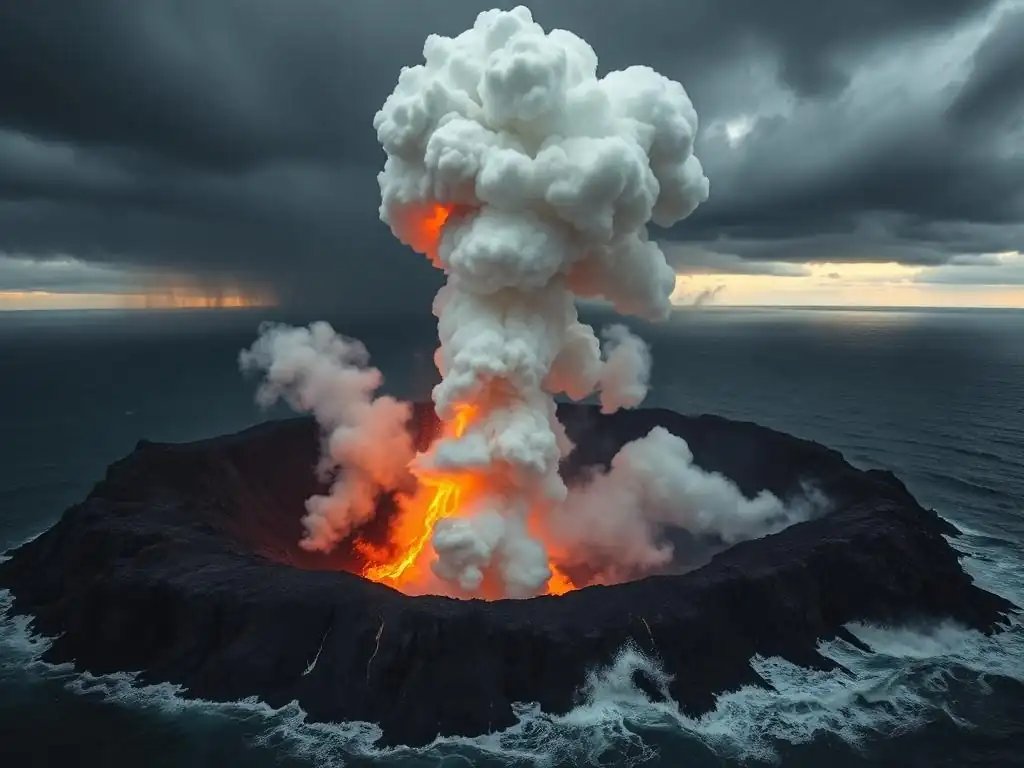
Welcome to Volcano Explorers!
Prepare to be captivated. White Island's Steaming Depths hold secrets whispered in plumes of sulfur and etched in hardened lava. Are you brave enough to venture into the heart of New Zealand's most active marine volcano? Uncover the raw power and surreal beauty that awaits... but be warned, the earth here breathes fire.
Explore the Thrilling World of White Island: A New Zealand Volcanic Adventure
White Island, known as Whakaari to the Māori people, stands as a stark reminder of Earth's raw power, rising dramatically from the Bay of Plenty off New Zealand's North Island. This island is not just land; it’s the peak of an active submarine volcano, constantly reshaping itself through geothermal activity.
Imagine approaching by boat, the air thick with the scent of sulfur, the stark landscape unfolding before you, punctuated by plumes of steam and vibrant yellow sulfur deposits – this is no ordinary island visit. It's an immersion into a dynamic geological spectacle, a chance to witness a volcano in its restless state, making it an unparalleled adventure for those seeking to connect with the planet’s fiery heart.
Venturing onto White Island is akin to stepping onto another planet, a landscape sculpted by volcanic forces and painted with otherworldly colors. The ground beneath your feet is warm, a tangible connection to the molten depths below. Steam hisses from fumaroles, and mud pools bubble and churn, showcasing the ongoing volcanic processes. This is not a passive sightseeing experience; it's an active engagement with the earth's geological processes. For thrill-seekers and nature enthusiasts alike, White Island offers a unique and unforgettable opportunity to witness the dramatic beauty and untamed energy of a New Zealand active marine volcano.
The Geology of Whakaari: A Submerged Volcano's Story
Whakaari, or White Island, is the emergent summit of a much larger submarine volcano, part of the Taupo Volcanic Zone, one of the most active volcanic regions in the world. This zone is a result of the subduction of the Pacific Plate beneath the Indo-Australian Plate, a process that generates magma deep within the Earth’s crust. The volcano itself is primarily composed of andesite and dacite lavas, typical of subduction zone volcanoes. Over millennia, successive eruptions have built up the volcanic edifice, with the portion we see today being just a small fraction of the massive underwater structure.
The continuous volcanic activity at Whakaari is driven by magma residing relatively close to the surface. Gases and steam escape constantly through vents and fumaroles, a testament to the ongoing degassing of the magma chamber below. The island's geology is in constant flux, with eruptions, though varying in scale, periodically reshaping the landscape and depositing fresh layers of volcanic material. The presence of a crater lake, often acidic and vividly colored, further highlights the dynamic chemical and thermal processes at play within this New Zealand active marine volcano.
Risks and Rewards: Appreciating the Power of an Active Volcano
Visiting an active volcano like White Island inherently involves risks, a crucial aspect to acknowledge and respect. Volcanic activity is unpredictable, and while tours operate with careful monitoring and safety protocols, the possibility of sudden changes in activity always exists. These risks can range from increased steam emissions and gas releases to more significant events like phreatic eruptions, which are steam-driven explosions caused by magma heating groundwater. The tragic events of December 2019 serve as a stark reminder of the unpredictable nature of volcanic environments and the potential for danger.
However, the rewards of experiencing such a powerful natural phenomenon are immense. Witnessing firsthand the raw energy of the earth, the dramatic landscapes sculpted by volcanic forces, and the unique geological features is an awe-inspiring and educational experience.
The opportunity to observe an active volcano up close, within a managed and informed environment, allows for a deeper understanding of geological processes and the dynamic nature of our planet. The experience instills a profound respect for the power of nature and the forces that shape our world, making a visit to this New Zealand active marine volcano a truly unique and valuable adventure, provided it's undertaken with awareness and respect for the inherent risks.
The Unique Ecosystem of New Zealand's Whakaari
Despite its seemingly inhospitable volcanic environment, White Island supports a surprisingly unique and resilient ecosystem. The harsh conditions, characterized by volcanic gases, acidic soils, and high temperatures, have shaped a specialized community of life adapted to these extremes. While large plants are absent, the island hosts microbial communities, including extremophiles – organisms that thrive in extreme environments. These microorganisms play a critical role in the island's biogeochemical cycles, contributing to the vibrant colors and mineral deposits observed.
Beyond microbes, certain seabird species, like gannets, utilize White Island as a nesting site, particularly on the less volcanically active slopes. These birds are adapted to the harsh coastal environment and are largely unaffected by the volcanic gases in the lower concentrations found away from the active vents. The unique ecosystem of this New Zealand active marine volcano is a testament to the resilience of life and its ability to colonize and adapt even in the most challenging environments. Studying this ecosystem provides valuable insights into ecological adaptation and the boundaries of life on Earth.
Choosing a Reputable Tour Operator: Ensuring a Safe and Informative Experience
When planning a visit to White Island, selecting a reputable and experienced tour operator is paramount for both safety and a quality experience. Given the active volcanic nature of the island, tours are the only authorized way to explore Whakaari. Look for operators with a proven track record of safety, comprehensive safety briefings, and knowledgeable guides who are well-versed in volcanology and the specific risks and characteristics of White Island. Check for certifications and affiliations with tourism or safety organizations that demonstrate adherence to best practices.
A good tour operator will provide essential safety equipment, such as gas masks, and ensure they are properly fitted and used throughout the tour. They should also monitor volcanic activity closely and have contingency plans in place in case of changes in alert levels or conditions. Furthermore, a reputable operator will enhance your experience by providing insightful commentary on the geology, ecology, and history of White Island, turning your visit into an educational and enriching adventure to this New Zealand active marine volcano. Prioritize safety and knowledge by choosing your tour operator carefully.
What to Expect on a White Island Volcano Tour: A Detailed Itinerary
A typical White Island volcano tour begins with a boat journey from the mainland, usually from Whakatāne. The boat trip itself offers stunning views of the Bay of Plenty coastline and the approach to White Island is visually dramatic, with steam plumes visible from a distance. Upon arrival, you'll be equipped with safety gear, including a gas mask, and receive a detailed safety briefing from your guides, outlining potential hazards and safety procedures.
Once ashore, the tour involves a guided walk through the island’s volcanic landscape. Expect to traverse varied terrain, from solidified lava flows to areas covered in sulfur deposits and mud pools. Key features often visited include the active crater area, steam vents, fumaroles, and depending on conditions, potentially the crater lake. Guides will provide explanations of the volcanic features, geological processes, and the island's history. Tours typically last for a few hours on the island, followed by the return boat trip, allowing for a comprehensive yet manageable exploration of this remarkable New Zealand active marine volcano.
Essential Gear for Exploring New Zealand's Active Marine Volcano: Pack Smart, Explore Safely
Preparing appropriately for a White Island volcano tour is crucial for both comfort and safety. Essential gear starts with sturdy, closed-toe walking shoes or hiking boots, providing ankle support and protection on uneven volcanic terrain. Layers of clothing are recommended as weather conditions can change rapidly, and temperatures on the island can vary. A waterproof and windproof outer layer is advisable, along with comfortable trousers and a long-sleeved shirt to protect from the sun and potential volcanic gases.
Beyond clothing, a daypack is useful to carry personal items. Sunscreen, sunglasses, and a hat are vital for sun protection, even on overcast days, as UV radiation can be intense. Bring plenty of water to stay hydrated, especially as volcanic environments can be dehydrating. While gas masks are provided by tour operators, consider bringing personal eye protection, like goggles, for added comfort in dusty or gassy conditions. Cameras and binoculars are highly recommended to capture the unique landscapes and volcanic features of this New Zealand active marine volcano, ensuring you document your adventure safely and effectively.
The Vibrant Colors of White Island: Sulfur, Iron, and Other Minerals
One of the most striking aspects of White Island is its vibrant and otherworldly color palette. These vivid hues are a direct result of the volcanic minerals deposited by hydrothermal activity. Sulfur, in its various forms, is a dominant element, painting the landscape in brilliant yellows and oranges. Iron compounds, particularly iron oxides, contribute rusty reds and browns, further enriching the visual spectacle. The interplay of these mineral deposits creates a breathtaking tapestry of color across the volcanic terrain.
The specific colors are determined by the chemical composition of the volcanic gases and fluids, as well as the temperature and oxidation state of the environment. Areas with high concentrations of sulfur and active fumaroles tend to exhibit intense yellows and crystalline sulfur formations. Iron minerals, often deposited near hydrothermal vents or in areas exposed to weathering, add earthy tones to the volcanic canvas. This natural mineral artistry makes White Island a photographer's dream and a geologist's playground, showcasing the powerful chemical processes occurring within this New Zealand active marine volcano.
Exploring the Crater Lake: A Window into the Volcano's Heart
The crater lake at White Island, when present, acts as a captivating window into the volcano's dynamic heart. Its existence and characteristics are highly variable, influenced by rainfall, volcanic activity, and hydrothermal input. The lake water is typically highly acidic, often with a pH close to 0, due to dissolved volcanic gases like sulfur dioxide and hydrochloric acid. This extreme acidity contributes to its often vibrant and unusual colors, ranging from turquoise to milky grey, depending on the mineral content and suspended particles.
Observing the crater lake provides insights into the ongoing volcanic processes beneath. Changes in water level, temperature, and color can be indicators of shifts in volcanic activity. Gas bubbles rising to the surface and the presence of sulfur slicks are further signs of degassing from the magma chamber below. While direct access to the lake edge is usually restricted for safety reasons, viewing it from designated vantage points offers a compelling perspective into the active and ever-changing nature of this New Zealand active marine volcano, a true glimpse into the earth's interior.
Listening to the Volcano: The Roar of Steam Vents and Fumaroles
Beyond the visual spectacle, White Island offers a unique auditory experience – the sounds of an active volcano. The constant hiss and roar of steam vents and fumaroles are the volcano's voice, a tangible manifestation of the immense energy being released from beneath the surface. These sounds are created by superheated steam and volcanic gases escaping through vents in the ground, often at high pressure and velocity.
The intensity and character of these sounds can vary, providing clues about the volcano's state. A deep, rumbling roar might indicate a larger volume of gas release, while sharp hissing sounds could be associated with smaller, more focused vents. Listening to these volcanic sounds adds another dimension to the experience of visiting White Island, creating a powerful sensory immersion. It’s a reminder that you are not just observing a landscape, but interacting with a living, breathing geological entity – a New Zealand active marine volcano constantly communicating its power and dynamism.
Minimizing Your Impact: Following Leave No Trace Principles
Responsible volcano tourism is crucial to preserving the unique environment of White Island for future generations. Adhering to Leave No Trace principles is essential when visiting this fragile ecosystem. This starts with staying on marked paths and designated viewing areas to avoid disturbing the delicate volcanic terrain and any sensitive vegetation or microbial communities. Do not collect any souvenirs, whether rocks, sulfur crystals, or any other natural materials – leave everything as you find it.
Proper waste disposal is paramount. Pack out everything you pack in, including food wrappers, water bottles, and any other trash. Avoid using single-use plastics whenever possible. Respect wildlife, including seabirds, by observing them from a distance and avoiding any actions that could disturb their nesting sites or natural behaviors. By minimizing your physical impact and respecting the environment, you contribute to the long-term preservation of this remarkable New Zealand active marine volcano.
Supporting Sustainable Tourism Initiatives: Contributing to Conservation Efforts
Beyond individual actions, supporting sustainable tourism initiatives is vital for the ongoing conservation of White Island. Choose tour operators who demonstrate a commitment to responsible tourism practices, including environmental stewardship and community engagement. Inquire about their environmental policies and certifications, and prioritize operators who actively contribute to conservation efforts. This might include supporting research, habitat restoration, or educational programs related to White Island and its volcanic environment.
By choosing responsible tour operators, you directly contribute to a tourism model that prioritizes the long-term health and preservation of White Island. Consider making donations to conservation organizations working in the region, or participating in citizen science initiatives that contribute to monitoring and understanding the volcanic environment. Your conscious choices as a visitor can play a significant role in ensuring that this extraordinary New Zealand active marine volcano remains a place of wonder and learning for years to come.
- Explore the Thrilling World of White Island: A New Zealand Volcanic Adventure
- The Geology of Whakaari: A Submerged Volcano's Story
- Risks and Rewards: Appreciating the Power of an Active Volcano
- The Unique Ecosystem of New Zealand's Whakaari
- Choosing a Reputable Tour Operator: Ensuring a Safe and Informative Experience
- What to Expect on a White Island Volcano Tour: A Detailed Itinerary
- Essential Gear for Exploring New Zealand's Active Marine Volcano: Pack Smart, Explore Safely
- The Vibrant Colors of White Island: Sulfur, Iron, and Other Minerals
- Exploring the Crater Lake: A Window into the Volcano's Heart
- Listening to the Volcano: The Roar of Steam Vents and Fumaroles
- Minimizing Your Impact: Following Leave No Trace Principles
- Supporting Sustainable Tourism Initiatives: Contributing to Conservation Efforts
- What makes White Island (Whakaari) a unique volcano?
- How active is White Island compared to other New Zealand volcanoes?
- What kind of volcanic activity can be observed at White Island?
- What are the potential dangers of visiting an active marine volcano like White Island?
- Where can I find real-time updates on the volcanic activity at White Island?
Frequently Asked Questions
What makes White Island (Whakaari) a unique volcano?
White Island, or Whakaari, is unique because it is a marine volcano, meaning a significant portion of the volcano lies beneath the ocean's surface. This creates a dynamic environment where volcanic activity interacts with seawater, leading to unique geological formations and hydrothermal systems.
How active is White Island compared to other New Zealand volcanoes?
White Island is considered New Zealand's most active cone volcano. It experiences frequent minor eruptions and geothermal activity, making it a continuously evolving and monitored geological site.
What kind of volcanic activity can be observed at White Island?
Visitors and researchers often observe intense geothermal activity, including steaming fumaroles, bubbling mud pools, and sulfur deposits. Historically, it has experienced explosive eruptions, but its day-to-day state is dominated by ongoing steam and gas emissions.
What are the potential dangers of visiting an active marine volcano like White Island?
The main dangers include sudden and unpredictable eruptions, the release of toxic gases (like sulfur dioxide), and the possibility of lahars (mudflows) caused by volcanic material mixing with water.
Where can I find real-time updates on the volcanic activity at White Island?
VolcanoExplorers.org, along with official sources like GNS Science (GeoNet) in New Zealand, provide real-time updates on volcanic activity, including White Island. These updates include monitoring data and alert levels to inform the public.
Final Reflection: Echoes of Whakaari
The story of Whakaari/White Island, as we've explored, is more than just a geological profile; it's a stark reminder of nature's raw power and our complex relationship with it. The allure and danger inherent in active volcanoes continue to captivate and challenge us, demanding respect and informed decision-making in our pursuit of understanding and experiencing these dynamic landscapes.
The tragedy that unfolded on Whakaari serves as a poignant lesson, forever etching itself into the cultural memory of New Zealand and beyond. The island's volatile beauty, once a draw for adventurers, now carries a profound weight, prompting us to reflect on the ethical considerations of tourism in hazardous environments. The earth has music for those who listen.
- George Santayana. This quote resonates deeply, reminding us that while we seek to understand and appreciate nature's symphony, we must also heed its warnings.
As we close this exploration of New Zealand's active marine volcano, let us carry forward a renewed sense of responsibility and awareness. Consider how you can contribute to a future where scientific understanding, ethical tourism practices, and respect for the environment converge, ensuring that the echoes of Whakaari serve as a constant reminder of the delicate balance between exploration and preservation.
Dive Deeper: Unearth the Mysteries of White Island!
Thank you for exploring the fiery heart of White Island with us. We hope you've gained a deeper appreciation for the raw power and fragile beauty of this active marine volcano. Now, it's time to take your fascination a step further and contribute to our understanding of these incredible geological wonders.
- Become a Volcano Explorer! Register on volcanoexplorers.org and gain exclusive access to our research data, interactive maps, and upcoming expeditions.
- Share this article with your friends and family who are fascinated by volcanoes and earth sciences to spread the knowledge!
- Discover more about New Zealand's geothermal landscape by researching other volcanic areas and formations. What hidden gems can you uncover?
What questions does White Island stir within you, and what further explorations would you love to see us undertake? Share your thoughts in the comments below!