
Why Wine Loves Volcanoes: The Terroir of Volcanic Soils and Exquisite Vineyards

Welcome to Volcano Explorers!
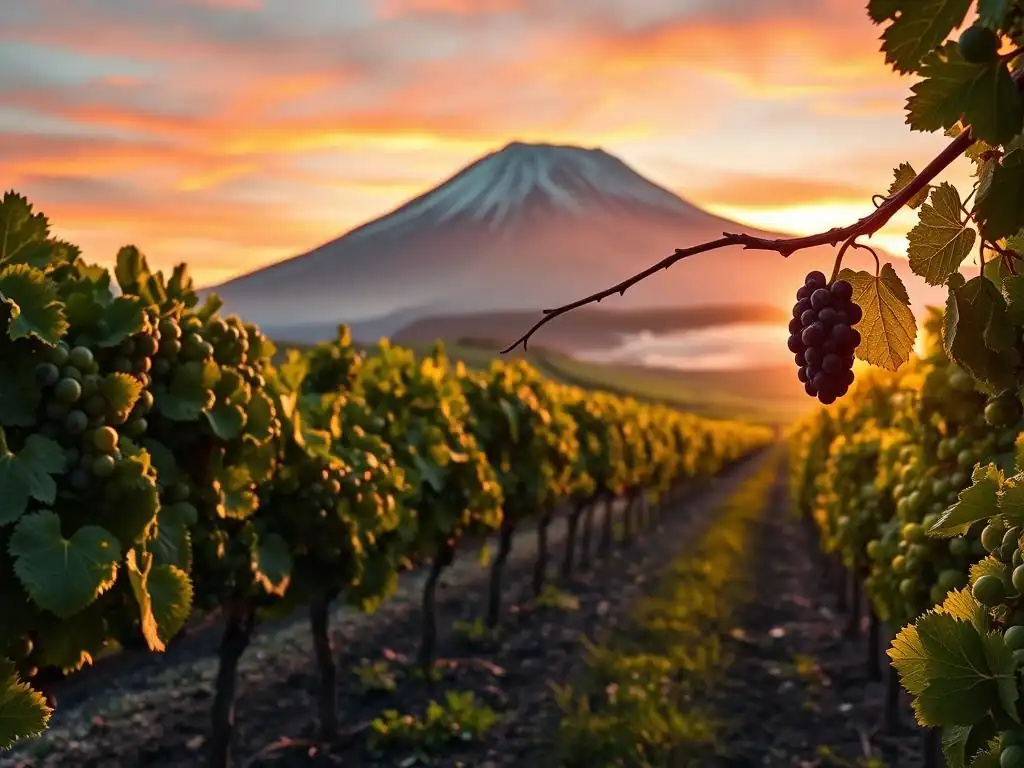
Have you ever wondered if the secret to a truly exceptional wine lies not just in the grapes, but beneath them? Prepare to uncork a world of geological influence as we explore the fascinating connection between volcanic soils and some of the world's most exquisite vineyards. What makes these fire-forged lands so uniquely suited to crafting liquid perfection? Dive in and discover the secrets of terroir and why wine truly loves volcanoes.
- Introduction: The Unique Partnership Between Volcanoes and Vineyards
- Understanding Volcanic Soils: A Foundation for Exceptional Wine
- The Impact of Volcanic Terroir on Wine Characteristics
- Global Distribution: Famous Volcanic Wine Regions Around the World
- Volcanic Activity and Wine Production: Risks and Rewards
- The Science Behind the Taste: Research and Studies on Volcanic Terroir
- Sustainable Practices in Volcanic Vineyards
- Conclusion: Appreciating the Volcanic Influence on Wine
-
Frequently Asked Questions
- What are the key characteristics of volcanic soils that make them suitable for wine production?
- How does the "terroir" of volcanic soils specifically impact the taste of wine?
- Which wine regions are particularly famous for producing wines from volcanic soils?
- What are some of the challenges associated with cultivating vineyards on volcanic soils?
- How can understanding the science of volcanic soils enhance the appreciation of wine?
- Final Reflection: The Enduring Legacy of Fire and Wine
- Embark on Your Volcanic Wine Journey!
Introduction: The Unique Partnership Between Volcanoes and Vineyards
Exploring the Allure of Volcanic Terroir in Winemaking
The world of wine is deeply intertwined with the land, and no terroir is perhaps as captivating and distinctive as that of volcanic regions. For centuries, winemakers have recognized a special quality in grapes grown in volcanic soils, attributing to them unique flavors, heightened minerality, and exceptional character.
This allure stems from a complex interplay of geological factors, soil composition, and climatic conditions that together create an environment where vines not only survive but thrive, producing wines that are highly sought after by connoisseurs and critics alike. From the slopes of Mount Etna in Sicily to the volcanic islands of the Canary archipelago and the sun-drenched vineyards of Santorini, volcanic terroirs are home to some of the most celebrated and intriguing wines in the world, each expressing a distinct sense of place that is undeniably linked to its fiery origins.
[Name of Wine Publication/Organization]: Unveiling the Secrets of Volcanic Wine Regions
[Wine Publication/Organization Name - for example, Wine Spectator, Decanter, or JancisRobinson.com] has consistently highlighted the significance of volcanic terroirs in the wine industry, dedicating articles, tasting notes, and even special reports to explore the unique characteristics of wines produced from volcanic soils. They often feature expert opinions from renowned winemakers and geologists who delve into the scientific aspects of volcanic terroir, examining how the specific mineral composition of these soils, their drainage properties, and their impact on vine physiology contribute to the distinctive qualities of volcanic wines.
These publications serve as a crucial platform for disseminating knowledge about volcanic wine regions, educating consumers and industry professionals alike about the fascinating relationship between volcanoes, soil, and the creation of exceptional wines.
For example, [Wine Publication/Organization Name] might publish articles detailing comparative tastings of Assyrtiko from Santorini versus other Greek white wines, or in-depth explorations of the different crus of Mount Etna, showcasing the nuanced expressions of Nerello Mascalese across various volcanic slopes.
Understanding Volcanic Soils: A Foundation for Exceptional Wine
What Makes Volcanic Soil Different? Composition and Properties
Volcanic soil, or Andosol as it is scientifically classified, stands apart from other soil types due to its unique origin and composition. Formed from the weathering of volcanic rock, ash, and lava flows, it is typically rich in minerals like silica, iron, magnesium, calcium, and potassium. A defining characteristic is its high porosity and excellent drainage, resulting from its granular structure and the presence of volcanic glass shards.
This exceptional drainage is crucial for vine health, preventing waterlogging and root diseases, especially in regions with high rainfall. Furthermore, volcanic soils are often relatively infertile in terms of organic matter compared to alluvial or loamy soils, which paradoxically can be beneficial for grape quality. The lack of excessive nutrients encourages vines to focus their energy on fruit production rather than vegetative growth, leading to more concentrated flavors and balanced sugar levels in the grapes.
Key Minerals and Nutrients in Volcanic Soils for Grape Growing
The specific mineral composition of volcanic soils plays a pivotal role in shaping the character of wines. Potassium, abundant in many volcanic rocks, is essential for grape ripening and sugar accumulation, while calcium contributes to vine structure and grape skin thickness. Magnesium is vital for photosynthesis and chlorophyll production, impacting the overall health and vigor of the vine. Trace elements like iron, zinc, and manganese, also present in volcanic soils, act as cofactors in various enzymatic processes within the vine, influencing aroma development and overall grape metabolism. Scientists have increasingly focused on the bio-availability of these minerals in volcanic soils, studying how efficiently vines can absorb and utilize them. Research in regions like Etna and Santorini has shown a correlation between the levels of certain trace elements in volcanic soils and the distinctive mineral notes found in the wines, suggesting a direct link between soil composition and wine sensory profile.
Drainage and Water Retention: Ideal Conditions for Vines
While volcanic soils are known for their excellent drainage, a seeming paradox arises from their capacity to also retain water in specific ways. The porous nature of volcanic particles, particularly volcanic ash, creates numerous micropores that can hold water, making it available to vine roots even during drier periods. This balance of drainage and water retention is crucial, particularly in regions with Mediterranean climates characterized by hot, dry summers. The well-drained nature prevents waterlogging during wetter seasons or periods of heavy rainfall, while the water-retention capacity acts as a buffer against drought stress during the growing season. This unique combination promotes consistent vine growth and grape ripening, contributing to the production of balanced and complex wines. For example, in Santorini, the volcanic ash soil, known as "Aspa," effectively stores moisture from winter rains and morning fogs, sustaining the Assyrtiko vines through the arid summer months without the need for irrigation.
The Impact of Volcanic Terroir on Wine Characteristics
Volcanic Soil's Influence on Wine Acidity and Minerality
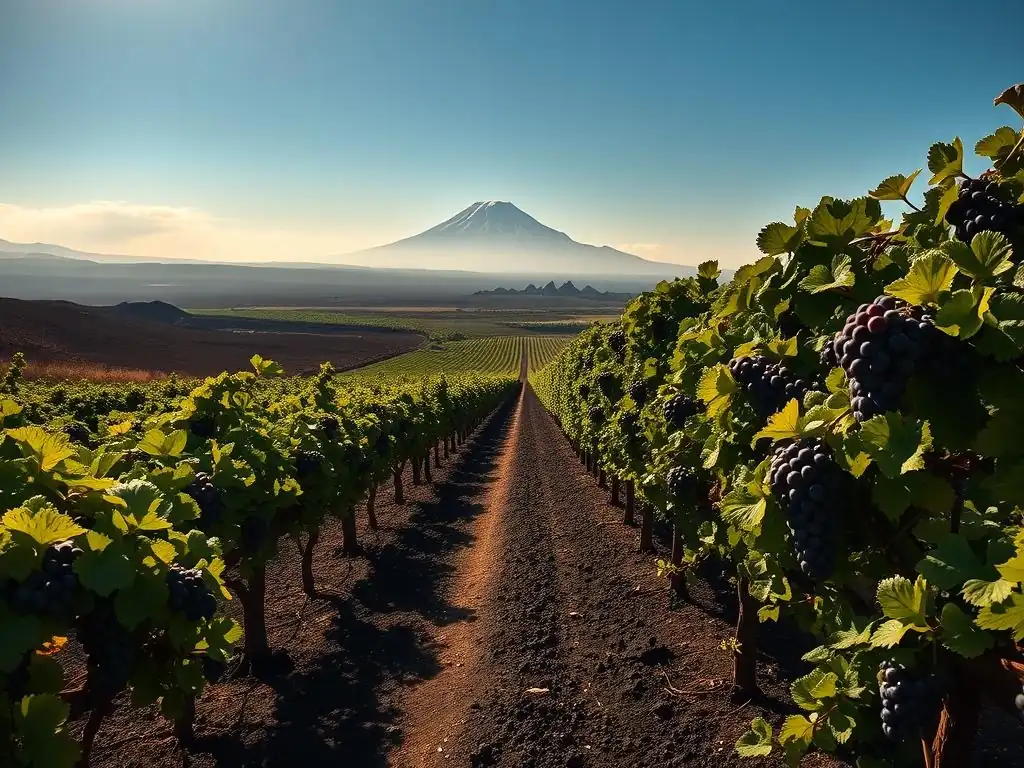
One of the most frequently cited characteristics of wines from volcanic soils is their pronounced acidity and distinctive minerality. The well-drained nature of volcanic soils can contribute to higher acidity in grapes, as vines experience a mild water stress that favors the retention of malic and tartaric acids.
Minerality, often described as notes of flint, wet stone, or saline, is a more complex concept and its direct link to soil minerals is still a subject of scientific debate. However, many believe that the unique mineral composition of volcanic soils, particularly the presence of silicates and trace elements, plays a role in shaping these sensory perceptions.
While minerality is not a measurable chemical compound, tasters consistently perceive these qualities in wines from volcanic regions, suggesting an undeniable influence of the terroir. For instance, the crisp acidity and saline minerality are hallmarks of Santorini Assyrtiko, often attributed to the island's volcanic soils and maritime climate.
Flavor Profiles: How Volcanic Soils Shape Wine Aromas and Tastes
Beyond acidity and minerality, volcanic soils are believed to contribute to a broader spectrum of flavor profiles in wines. While grape variety and winemaking techniques are primary determinants of wine flavor, volcanic terroir can add subtle nuances and complexities. Some studies suggest that specific compounds in volcanic soils, or their influence on vine physiology, can lead to enhanced aromatic intensity and unique flavor notes.
These can range from citrus and floral notes in white wines to red fruit, spice, and earthy undertones in red wines. For example, wines from Mount Etna, particularly Nerello Mascalese, often exhibit a distinctive combination of bright red fruit, floral aromas, and a characteristic volcanic earthiness, which many attribute to the region's volcanic soils and high altitude. The interplay of soil composition, climate, and grape variety creates a synergistic effect, resulting in wines that express a unique sense of place.
Increased Tannins and Smoky Notes in Wines from Volcanic Soils
In red wines from volcanic regions, there's often a perception of increased tannins and distinctive smoky or ashy notes. The stress imposed on vines by well-drained volcanic soils can lead to thicker grape skins, which are richer in tannins and phenolic compounds. These tannins contribute to the wine's structure, aging potential, and mouthfeel. The smoky or ashy notes, sometimes described as "gunflint" or "lava rock," are more enigmatic, but some speculate they arise from the interaction of yeast with specific compounds in grapes grown in volcanic soils, or from the absorption of volatile compounds from volcanic ash in the vineyard environment. While not universally present in all volcanic wines, these characteristics are frequently observed in reds from regions like Etna, the Canary Islands, and parts of Chile, adding another layer of complexity to the volcanic wine profile. These notes are often considered desirable, adding depth and intrigue to the wines.
Global Distribution: Famous Volcanic Wine Regions Around the World
Santorini, Greece: Assyrtiko and the Aegean's Volcanic Embrace
Santorini, a stunning Greek island in the Aegean Sea, is a quintessential example of a volcanic wine region. The island's dramatic landscape, shaped by a massive volcanic eruption millennia ago, is entirely composed of volcanic materials, primarily ash, pumice, and basalt. The indigenous white grape variety, Assyrtiko, thrives in these arid, nutrient-poor volcanic soils, producing wines of exceptional character. Santorini Assyrtiko is renowned for its bone-dry style, vibrant acidity, intense minerality, and complex aromas of citrus, stone fruit, and herbs, often with a distinctive saline note reflecting the island's maritime influence and volcanic terroir. The unique "kouloura" vine training system, where vines are coiled into basket shapes, protects the grapes from strong winds and intense sun, further contributing to the distinctive character of Santorini wines. The volcanic soils of Santorini are crucial to the unique expression of Assyrtiko, making it one of the most sought-after white wines in the world.
Mount Etna, Sicily: Nerello Mascalese and the Fiery Terroir
Mount Etna, Europe's largest active volcano in Sicily, is another iconic volcanic wine region. The vineyards, planted on the volcano's slopes at elevations ranging from 400 to over 1000 meters, benefit from a complex mosaic of volcanic soils derived from different lava flows and volcanic eruptions over millennia.
The primary red grape variety, Nerello Mascalese, thrives in these high-altitude volcanic soils, producing elegant and nuanced red wines often compared to Pinot Noir or Nebbiolo. Etna Rosso wines are characterized by their bright acidity, fine tannins, red fruit aromas, floral notes, and a distinctive volcanic minerality and earthy complexity.
The high altitude, diurnal temperature variations, and the rich volcanic soils contribute to the unique terroir of Etna, making it a region celebrated for its distinctive and age-worthy wines. The continuous volcanic activity, while posing some risks, also constantly renews the soil with fresh minerals, contributing to the dynamic and evolving terroir of Etna.
The Canary Islands: Unique Wine Varieties on Volcanic Landscapes
The Canary Islands, a Spanish archipelago off the coast of Northwest Africa, are entirely volcanic in origin, offering a diverse range of volcanic terroirs for viticulture. Each island boasts unique volcanic landscapes and microclimates, supporting a fascinating array of indigenous grape varieties, many of which are found nowhere else in the world.
Lanzarote, for example, is famous for its dramatic volcanic "picon" vineyards, where vines are planted in cone-shaped pits dug into black volcanic ash to protect them from strong winds and conserve moisture. Tenerife, the largest island, features vineyards on the slopes of Mount Teide, Spain's highest peak, with diverse volcanic soils ranging from basalt to pumice.
Wines from the Canary Islands are often characterized by their distinctive volcanic minerality, saline notes, and aromatic complexity, reflecting the unique terroir and the resilience of the vines in these volcanic landscapes. Varieties like Listán Blanco (Palomino Fino), Listán Negro, and Malvasía Volcánica produce wines that are truly expressions of their volcanic island origins.
Colchagua Valley, Chile: Carignan and the Andes' Volcanic Foothills
While Chile is primarily known for its Andean terroir, certain regions within the Colchagua Valley, particularly in the coastal areas, also exhibit significant volcanic influence. These areas, located closer to the Pacific Ocean and the Coastal Range foothills, feature volcanic soils derived from ancient volcanic activity associated with the Andes mountain formation. The Old-Vine Carignan from the Maule Valley, often extending into parts of Colchagua, has gained recognition for its vibrant acidity, rustic tannins, and distinctive earthy and mineral notes, which many attribute to the volcanic components in the soil.
While not as dramatically volcanic as Santorini or Etna, these Chilean regions demonstrate that volcanic influence on wine terroir can manifest in diverse geological contexts. The volcanic soils in these parts of Colchagua contribute to the complexity and character of Chilean wines, adding another facet to the global tapestry of volcanic wine regions.
Volcanic Activity and Wine Production: Risks and Rewards
The Challenges of Growing Grapes Near Active Volcanoes
Growing grapes in the vicinity of active volcanoes presents a unique set of challenges for winemakers. Volcanic eruptions, while infrequent, can pose significant risks to vineyards, including ashfall, lava flows, pyroclastic flows, and volcanic gases. Ashfall can blanket vineyards, burying vines, reducing sunlight for photosynthesis, and contaminating grapes. Lava flows and pyroclastic flows are even more destructive, capable of incinerating vineyards and completely altering landscapes. Volcanic gases, such as sulfur dioxide, can also damage vines and affect grape quality.
Beyond eruptions, even non-eruptive volcanic activity can pose challenges. Seismic activity, common in volcanic regions, can disrupt vineyard infrastructure and stress vines. The constant threat of volcanic activity requires careful planning, monitoring, and risk mitigation strategies for sustainable viticulture in these areas. Despite these risks, winemakers in volcanic regions are drawn to the unique terroir and the potential for producing exceptional wines that reflect the dramatic volcanic landscape.
Mitigating Risks: Protecting Vineyards from Volcanic Hazards
Winemakers in volcanic regions employ various strategies to mitigate the risks associated with volcanic activity. Vineyard location is a crucial factor; planting vineyards on slopes less prone to lava flows or ash accumulation can reduce vulnerability. Terracing vineyards can also help to minimize erosion and ash runoff.
In areas prone to ashfall, vineyard management practices include washing ash off vines and grapes after an event, and using cover crops to stabilize soil and reduce ash resuspension. Early warning systems and communication networks are essential for providing timely alerts about volcanic activity, allowing winemakers to take preventative measures. Crop insurance and government support programs can also provide financial protection against volcanic hazards.
Community preparedness and collaboration are vital for effective risk management in volcanic wine regions. While complete elimination of risk is impossible, these mitigation strategies can significantly reduce the impact of volcanic hazards on vineyards and ensure the long-term viability of wine production.
The Long-Term Benefits: Resilience and Unique Terroir Expression
Despite the inherent risks, the long-term benefits of volcanic terroir for wine production are undeniable. Volcanic soils, with their unique mineral composition, drainage properties, and water retention characteristics, contribute to the production of wines with distinctive qualities that are highly valued by consumers and critics.
The challenges of growing grapes in volcanic environments, paradoxically, can lead to greater vine resilience and a more profound expression of terroir in the wines. Vines grown in nutrient-poor volcanic soils often develop deeper root systems, making them more resistant to drought and stress, and enhancing their ability to extract minerals from the soil.
The constant renewal of volcanic soils through weathering and occasional ash deposition can contribute to the long-term health and fertility of the vineyard ecosystem. The unique combination of geological factors, climate, and grape varieties in volcanic regions creates a distinctive terroir expression that is difficult to replicate elsewhere, making volcanic wines highly sought after and contributing to the enduring appeal of these unique wine regions.
The Science Behind the Taste: Research and Studies on Volcanic Terroir
Scientific Evidence Linking Volcanic Soils to Wine Quality
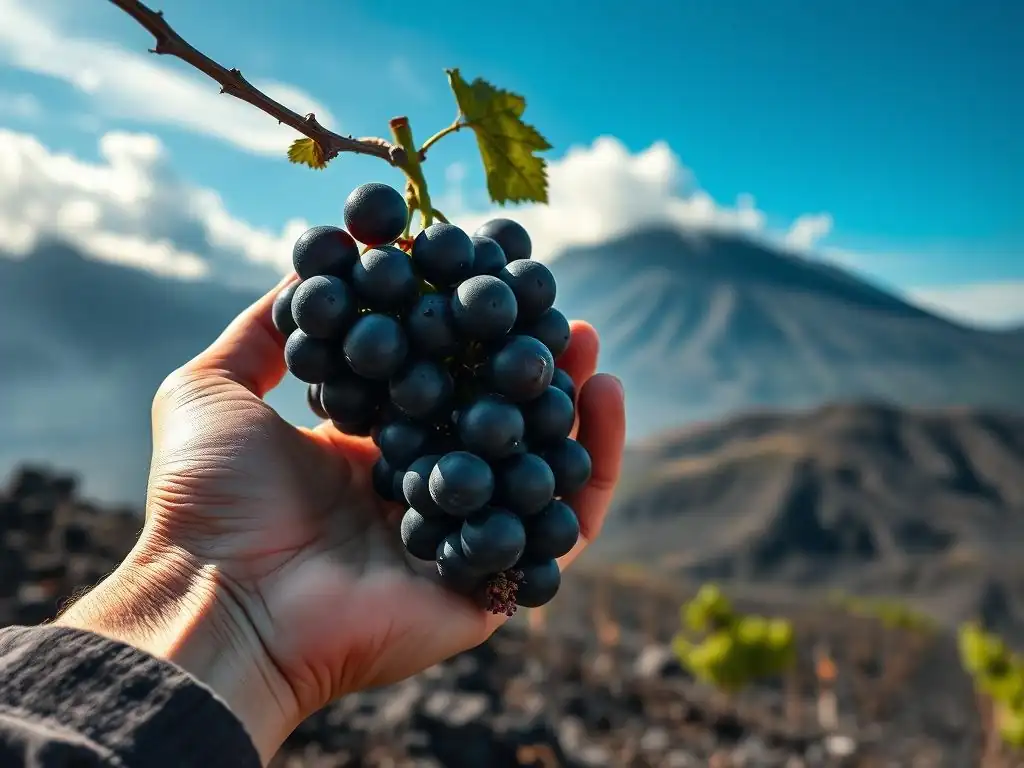
The perceived link between volcanic soils and wine quality is increasingly supported by scientific research. Studies are investigating the chemical composition of volcanic soils, grape physiology in volcanic terroirs, and the sensory characteristics of wines produced from these regions. Geochemical analyses of volcanic soils are identifying specific mineral elements and their bioavailability to vines.
Plant physiology studies are examining how vines respond to the unique conditions of volcanic soils, including nutrient availability, water stress, and mineral uptake. Wine chemistry analyses are comparing the composition of wines from volcanic and non-volcanic soils, looking for differences in mineral content, phenolic compounds, and aroma precursors.
Sensory studies are conducting blind tastings to assess whether trained tasters can consistently distinguish wines from volcanic terroirs and identify specific sensory attributes associated with these wines. This growing body of scientific evidence is helping to unravel the complex relationship between volcanic soils, terroir, and wine quality, moving beyond anecdotal observations to a more data-driven understanding.
Study on the Influence of Soil Composition on Grape Metabolites in Etna DOC Wines
A notable study published in the journal Geoderma (ref: Bonfante et al., 2013, "Soil-vine interactions in the Etna DOC (Sicily, Italy) wine region: Pedological and viticultural characterization") investigated the influence of volcanic soil composition on grape metabolites in the Etna DOC wines. Researchers analyzed soil samples from different vineyards on Mount Etna, characterizing their mineral composition and physical properties. They also analyzed grape samples from the same vineyards, measuring various metabolites, including sugars, acids, phenolic compounds, and aroma precursors.
The study found significant correlations between specific soil characteristics, such as potassium and magnesium content, and the concentration of certain metabolites in the grapes. For example, vineyards with higher potassium levels in the soil tended to produce grapes with higher sugar content and lower acidity.
The study provided scientific evidence supporting the hypothesis that volcanic soil composition directly influences grape metabolism and contributes to the unique characteristics of Etna wines. This type of research is crucial for understanding the scientific basis of terroir and for optimizing viticultural practices in volcanic regions.
Research on the Correlation Between Volcanic Soil Trace Elements and Wine Aroma
Another area of active research focuses on the potential correlation between trace elements in volcanic soils and wine aroma. While major mineral elements like potassium and calcium are known to influence vine physiology, trace elements, present in minute quantities, may also play a role in aroma development. Researchers are using advanced analytical techniques, such as inductively coupled plasma mass spectrometry (ICP-MS), to measure trace element concentrations in volcanic soils, grape tissues, and wines.
They are also conducting aroma profiling of wines from different volcanic terroirs using gas chromatography-mass spectrometry (GC-MS) to identify and quantify volatile aroma compounds. Statistical analyses are then used to explore potential correlations between trace element profiles and aroma profiles.
Preliminary studies have suggested that certain trace elements, such as selenium, strontium, and vanadium, may be associated with specific aroma notes in volcanic wines, although further research is needed to confirm these findings and elucidate the underlying mechanisms. Understanding the role of trace elements in volcanic terroir could provide valuable insights into the complex interplay of soil, vine, and wine aroma.
Sustainable Practices in Volcanic Vineyards
Environmentally Friendly Viticulture on Volcanic Soils
Sustainable viticulture is particularly important in volcanic regions, given the often fragile ecosystems and the potential for environmental impact from vineyard practices. Environmentally friendly approaches in volcanic vineyards include minimizing the use of synthetic pesticides and herbicides, adopting organic or biodynamic farming methods, and conserving water resources. The naturally well-drained volcanic soils often reduce the need for irrigation, but efficient water management practices are still crucial, especially in drier volcanic regions.
Soil health management is paramount, focusing on building organic matter, promoting beneficial soil microorganisms, and preventing erosion. Cover cropping, composting, and the use of organic fertilizers are common practices.
Biodiversity conservation is also important, preserving native vegetation around vineyards to support pollinators and beneficial insects, and maintaining the overall ecological balance of the volcanic landscape. Sustainable viticulture in volcanic regions aims to produce high-quality wines while minimizing environmental impact and preserving the unique character of these special terroirs for future generations.
Preserving the Unique Ecosystems of Volcanic Wine Regions
Volcanic wine regions are often characterized by unique and often fragile ecosystems, supporting diverse flora and fauna adapted to these specific environments. Preserving these ecosystems is crucial for maintaining biodiversity and ensuring the long-term sustainability of wine production. Viticultural practices should be designed to minimize habitat disruption and protect sensitive areas, such as volcanic slopes with native vegetation. Avoiding deforestation, protecting riparian zones, and creating buffer zones around vineyards are important conservation measures.
Promoting biodiversity within vineyards, through cover cropping and hedgerows, can also enhance ecosystem services and resilience. Collaborative efforts between winemakers, conservation organizations, and local communities are essential for developing and implementing effective conservation strategies. Ecotourism, focused on showcasing the unique natural and cultural heritage of volcanic wine regions, can also contribute to conservation efforts by raising awareness and generating economic benefits for local communities while incentivizing environmental stewardship.
Cover Cropping to Prevent Erosion and Improve Soil Health
Cover cropping is a widely adopted sustainable practice in volcanic vineyards, offering multiple benefits for soil health and erosion control. Volcanic soils, while well-drained, can be susceptible to erosion, especially on slopes, particularly after ashfall events. Cover crops, planted between vine rows or in fallow areas, help to stabilize the soil, reducing wind and water erosion.
They also improve soil structure, increase organic matter content, and enhance water infiltration and retention. Leguminous cover crops can fix atmospheric nitrogen, reducing the need for synthetic nitrogen fertilizers. Different types of cover crops can be selected based on specific vineyard needs and environmental conditions.
For example, grasses can be effective for erosion control, while legumes can improve soil fertility. Cover crops also contribute to biodiversity within the vineyard ecosystem, attracting beneficial insects and pollinators. Integrating cover cropping into vineyard management practices is a key strategy for promoting soil health, enhancing sustainability, and mitigating environmental risks in volcanic wine regions.
Conclusion: Appreciating the Volcanic Influence on Wine
The Future of Volcanic Wine Production: Innovation and Exploration
The future of volcanic wine production is bright, with ongoing innovation and exploration driving further advancements in viticulture and winemaking. Winemakers in volcanic regions are continually experimenting with new grape varieties, vineyard management techniques, and winemaking approaches to better express the unique terroir of their volcanic soils. Research and technology are playing an increasingly important role, providing insights into soil-vine interactions, grape physiology, and wine chemistry.
Precision viticulture techniques, such as remote sensing and soil mapping, are being used to optimize vineyard management and tailor practices to specific soil types and microclimates within volcanic regions. Consumer interest in unique and terroir-driven wines is growing, creating a strong demand for volcanic wines and encouraging further exploration of new volcanic wine regions around the world. The combination of tradition, innovation, and a deep appreciation for terroir promises a dynamic and exciting future for volcanic wine production.
Discovering the World of Volcanic Wines: A Call to Exploration
Exploring the world of volcanic wines is a journey of discovery, inviting wine enthusiasts to delve into the fascinating intersection of geology, viticulture, and sensory pleasure. Volcanic wines offer a unique tasting experience, reflecting the dramatic landscapes and distinctive terroir of their origins.
From the crisp minerality of Santorini Assyrtiko to the elegant complexity of Etna Rosso and the exotic aromas of Canary Island Malvasía, volcanic wines showcase a remarkable diversity of styles and expressions. Consumers are encouraged to seek out volcanic wines from different regions, to learn about the specific volcanic terroirs that shape their character, and to appreciate the dedication and passion of winemakers who embrace the challenges and rewards of viticulture in volcanic environments.
Exploring volcanic wines is not just about tasting wine; it's about connecting with the land, understanding the forces of nature, and appreciating the unique partnership between volcanoes and vineyards that yields these exceptional and captivating wines.
Frequently Asked Questions
What are the key characteristics of volcanic soils that make them suitable for wine production?
Volcanic soils are often rich in essential minerals like iron, magnesium, and potassium, which are crucial for vine health. Their excellent drainage properties prevent waterlogging and promote root development. The unique mineral composition contributes to distinct flavor profiles in the wine.
How does the "terroir" of volcanic soils specifically impact the taste of wine?
The terroir of volcanic soils imparts a distinctive mineral character to wines, often described as smoky, earthy, or flinty. This unique flavor profile is highly sought after by wine connoisseurs. The soil composition influences the vine's nutrient uptake, affecting the acidity, body, and aroma of the wine.
Which wine regions are particularly famous for producing wines from volcanic soils?
Regions like Mount Etna in Sicily, Santorini in Greece, and parts of Oregon in the United States are renowned for wines grown in volcanic soils. These areas showcase the unique terroir derived from the volcanic geology. Their wines are celebrated for their complexity and distinctive flavors.
What are some of the challenges associated with cultivating vineyards on volcanic soils?
Volcanic soils can be nutrient-poor in some areas, requiring careful soil management. The steep slopes often associated with volcanoes can make vineyard management challenging. Also, volcanic regions can be prone to seismic activity and eruptions, posing risks to vineyards.
How can understanding the science of volcanic soils enhance the appreciation of wine?
Knowing about the geological origins and mineral composition of volcanic soils provides a deeper appreciation for the wine's terroir. It allows consumers to understand the complex interplay between the environment and the final product. This knowledge enriches the overall wine-tasting experience.
Final Reflection: The Enduring Legacy of Fire and Wine
The journey through volcanic soils and their impact on wine production reveals a profound truth: nature's most dramatic events can give rise to the most delicate and nuanced flavors. The story of volcanic terroir is not just about geology and viticulture; it's a testament to resilience, adaptation, and the transformative power of adversity, a narrative that resonates deeply in our current world.
The influence of volcanic soils extends far beyond the vineyard, shaping not only the taste of wine but also the cultural identity of regions that embrace this unique terroir. Witnessing the dedication of winemakers who coax life from these seemingly barren landscapes is a powerful reminder of humanity's capacity to find beauty and abundance in unexpected places. Wine is sunlight, held together by water.
- Galileo Galilei. This quote encapsulates the essence of our exploration, highlighting how volcanic soils, born from fire, ultimately contribute to capturing the sun's energy in every bottle.
As we conclude this exploration of volcanic soils and their exquisite wines, I invite you to consider the lessons embedded within this story. What challenges in your own life might hold the potential for unexpected growth and richness? Embrace the "volcanic" moments, the periods of intense pressure and transformation, for they may be the very forces that shape your most remarkable creations. Let the story of wine and volcanoes inspire you to seek out the unique terroir of your own existence and cultivate the extraordinary within.
Embark on Your Volcanic Wine Journey!
Thanks for exploring the fascinating relationship between volcanic soils and the world's most distinctive wines! We hope you've gained a newfound appreciation for the unique terroir that volcanoes provide. Now, let's put that knowledge into practice!
Here are a few ways to delve deeper into the world of volcanic wines:
- Experience the distinctive taste of a volcanic wine. Start by seeking out wines from regions like Mount Etna in Sicily, Santorini in Greece, or the Canary Islands in Spain. This is the best way to truly appreciate the impact of volcanic terroir!
- Expand your knowledge by attending local wine tastings, or host a "volcanic wine night" with friends, sharing your newfound expertise.
- Share your favorite volcanic wine discoveries on social media using #VolcanicWineExplorers and inspire others to explore these unique wines.
Which volcanic wine region are you most excited to explore next, and what qualities are you hoping to discover in its wines? Share your thoughts in the comments below!