
Mudflows and Mayhem: Evacuating from Lahars During Volcanic Eruptions

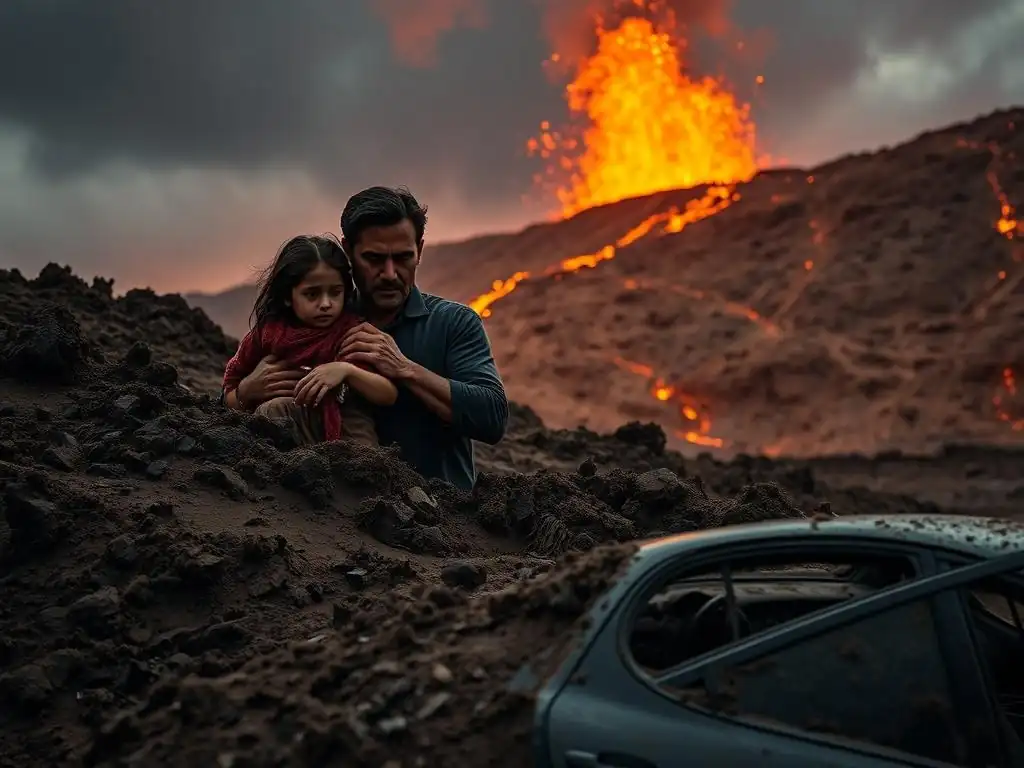
Welcome to Volcano Explorers!
Dare to peer into the fiery heart of our planet? This isn't just about molten rock and towering cones. We're about to uncover the raw power and surprising vulnerability that comes with living in the shadow of a volcano. But what happens when that shadow turns into a river of mud and debris, a lahar hurtling towards your home? Dive in now as we explore crucial lahar evacuation safety tips, knowledge that could save lives when the mountains rumble.
- Understanding Lahars: A Volcanic Hazard Guide for Evacuation
- Lahar Evacuation Safety Tips: Protecting Yourself During a Volcanic Eruption
- Essential Gear for Lahar Evacuation: Building a Volcanic Emergency Kit
- Lahar Evacuation Drills: Practicing for Volcanic Emergencies
- Real-World Examples: Lessons Learned from Past Lahar Disasters
- Staying Informed: Resources for Volcanic Hazard and Lahar Awareness
- Lahar Evacuation Safety: A Summary of Key Takeaways
-
Frequently Asked Questions
- What exactly is a lahar, and why are they so dangerous?
- How fast can lahars travel, and what kind of damage can they cause?
- What are some key indicators that a lahar might be imminent?
- What are the most important lahar evacuation safety tips to remember?
- Where can I find real-time updates and information about volcanic activity and potential lahar threats?
- Final Reflection: Embracing Preparedness in the Face of Volcanic Fury
- Ignite Your Volcanic Preparedness!
Understanding Lahars: A Volcanic Hazard Guide for Evacuation
What are Lahars and Why are They Dangerous?
Lahars are volcanic mudflows or debris flows composed of a mixture of water, volcanic ash, pumice, rock fragments, and other debris. These flows can be incredibly dangerous due to their density and speed. Unlike typical water floods, lahars have the consistency of wet concrete, making them capable of carrying massive boulders, trees, and even buildings. Their high density also means they exert immense force upon impact, capable of destroying infrastructure and causing significant injury or death.
The danger of lahars stems from their unpredictable nature and rapid onset. They can travel at speeds exceeding 50 kilometers per hour (30 mph), giving people in their path very little time to react. Furthermore, lahars can travel far beyond the immediate volcanic slopes, extending tens of kilometers downstream along river valleys and affecting communities located far from the volcano itself. The combination of speed, density, and unpredictability makes lahars one of the most lethal volcanic hazards, demanding careful planning and effective lahar evacuation safety tips.
Lahar Formation: The Science Behind Volcanic Mudflows
Lahars form through several mechanisms, all related to volcanic activity and the presence of water and loose volcanic material. One common trigger is heavy rainfall or melting snow and ice during or after an eruption. The water mixes with the readily available volcanic ash and debris on the volcano's slopes, creating a slurry that gravity pulls downhill. This is often referred to as a "secondary lahar" as it can occur even without a direct eruption, triggered by weather events after volcanic material has been deposited.
Another type of lahar, known as a "primary lahar," is directly related to eruptive activity. These can form when a volcano's crater lake breaches its walls during an eruption, releasing a large volume of water that mixes with volcanic debris. Pyroclastic flows, hot mixtures of gas and volcanic debris, can also trigger lahars.
When a pyroclastic flow descends a volcano's flanks and encounters snow, ice, or a river, it rapidly melts the ice or boils the water, creating a lahar. Finally, some eruptions directly eject water-rich slurries of mud and debris, instantly forming lahars. Understanding these different formation mechanisms is crucial for developing effective early warning systems and lahar evacuation safety tips.
Identifying Lahar-Prone Areas: Assessing Your Risk
Identifying lahar-prone areas is essential for effective lahar evacuation safety tips and community preparedness. These areas are typically located in valleys and drainage channels that originate on or near a volcano. Rivers and streams flowing from a volcano are primary pathways for lahars, as the flows naturally follow the topography downwards. Historically, areas that have experienced lahars in the past are also at higher risk in the future, as the same drainage paths are likely to be followed again.
Geological surveys and hazard maps, often produced by volcano observatories and geological agencies, are vital resources for identifying lahar-prone zones. These maps delineate areas that are considered to be at risk based on past lahar events, volcanic topography, and potential lahar pathways. Communities living in valleys downstream of volcanoes should consult these maps to understand their level of risk.
Furthermore, observing the landscape can provide clues. Valleys with evidence of past mudflow deposits, such as large boulders or deeply incised channels, are likely to be vulnerable to future lahars. Understanding local topography and consulting available hazard maps are crucial steps in assessing individual and community risk and implementing appropriate lahar evacuation safety tips.
Lahar Evacuation Safety Tips: Protecting Yourself During a Volcanic Eruption
Pre-Eruption Planning: Developing a Lahar Evacuation Strategy
Pre-eruption planning is the cornerstone of lahar evacuation safety tips, as it establishes a framework for action before a volcanic crisis occurs. This involves proactive steps taken by individuals, families, and communities to prepare for the potential threat of lahars. Effective planning significantly increases the chances of safe evacuation and minimizes the impact of a lahar event.
A comprehensive pre-eruption plan should include several key components. First, it is essential to understand the specific lahar hazards in your area and identify if you live, work, or travel through lahar-prone zones. This knowledge forms the basis for all subsequent planning. Second, developing a family emergency plan, establishing communication protocols, and identifying safe evacuation routes are crucial elements that must be in place before an eruption occurs. These proactive measures ensure that when a lahar threat arises, individuals and communities can respond swiftly and effectively, significantly enhancing lahar evacuation safety.
Creating a Family Emergency Plan for Volcanic Mudflows
Creating a family emergency plan is a critical lahar evacuation safety tip, ensuring everyone knows what to do in a volcanic crisis. This plan should be a collaborative effort, involving all family members to ensure everyone understands their roles and responsibilities. The plan needs to be written down, practiced regularly, and easily accessible in case of an emergency.
The family emergency plan should detail pre-determined evacuation routes away from lahar paths and towards identified safe zones. It should also designate a meeting point outside of the lahar hazard zone where family members can reunite if separated during an evacuation. Include contact information for all family members and an out-of-area contact person who can serve as a central point of communication.
Practice the plan regularly through drills, just like fire drills, to familiarize everyone with the procedures and identify any potential weaknesses. Regularly review and update the plan, especially if family circumstances change or new information about lahar hazards becomes available. A well-rehearsed family emergency plan is a vital lahar evacuation safety tip that can significantly improve response during a chaotic volcanic event.
Establishing Communication Protocols During a Volcanic Crisis
Establishing communication protocols is a vital lahar evacuation safety tip, particularly during the confusion of a volcanic crisis. Effective communication ensures that warnings, evacuation orders, and crucial information reach everyone in a timely manner. In the event of a lahar threat, normal communication channels may be disrupted, so having alternative methods is essential.
Designate a primary and secondary method of communication within your family and community. This could include mobile phones, text messaging, two-way radios, or even pre-arranged signals like whistles or flags if electronic communication fails. Identify an out-of-area contact person who can act as a central information hub, relaying messages if local communication is compromised.
Consider signing up for official alert systems provided by volcano observatories or emergency management agencies, which often use SMS, email, or social media to disseminate warnings. Regularly test communication equipment and protocols to ensure they are functional and that everyone knows how to use them. Clear and reliable communication is a cornerstone of lahar evacuation safety tips, enabling coordinated and effective responses during volcanic emergencies.
Identifying Safe Zones and Evacuation Routes Away From Lahars
Identifying safe zones and evacuation routes is a fundamental lahar evacuation safety tip, requiring proactive planning and community involvement. Safe zones are locations that are considered to be outside the path of potential lahars and other volcanic hazards. Evacuation routes are pre-determined paths leading from lahar-prone areas to these safe zones. Identifying these in advance is crucial for a swift and organized evacuation.
Safe zones are typically located on higher ground, away from river valleys and drainage channels that could channel lahars. These areas should be clearly marked and communicated to the community. Evacuation routes should be planned to avoid crossing potential lahar paths and should be accessible even during heavy rainfall or volcanic ashfall.
Local authorities and volcano observatories often work together to identify safe zones and plan evacuation routes. Community drills and exercises should incorporate these routes to ensure familiarity. Having clearly defined safe zones and well-marked evacuation routes, communicated and practiced regularly, is a critical lahar evacuation safety tip that saves lives during volcanic emergencies.
Recognizing Warning Signs: Early Detection of Impending Lahars
Recognizing warning signs is a crucial lahar evacuation safety tip, enabling timely responses before a lahar strikes. Early detection relies on a combination of official warnings from monitoring agencies and recognizing natural cues that indicate an impending lahar. Being vigilant and knowing what to look and listen for can provide precious extra minutes to evacuate.
Effective early warning systems often involve a combination of scientific monitoring and community awareness. Volcano observatories use sophisticated instruments to track volcanic activity, looking for indicators that could trigger lahars, such as increased seismic activity, changes in gas emissions, or heavy rainfall. These observatories issue alerts and warnings to the public and emergency responders. However, even without official warnings, there are visual and auditory cues in nature that can signal an approaching lahar. Being aware of both official warnings and natural signs enhances lahar evacuation safety tips and improves community resilience.
Monitoring Volcanic Activity: Staying Informed About Potential Lahar Threats
Monitoring volcanic activity is a proactive lahar evacuation safety tip, emphasizing the importance of staying informed about potential threats. Reliable information is the foundation of preparedness, allowing individuals and communities to make informed decisions and take appropriate actions. Staying updated on volcanic activity involves accessing official sources of information and understanding the current situation.
Official sources of information include volcano observatories, geological surveys, and emergency management agencies. These organizations provide up-to-date information on volcanic activity through websites, social media, and alert systems. Regularly check these sources, especially during periods of heightened volcanic unrest or heavy rainfall.
Understand the alert levels and warning systems in your area, and what each level signifies in terms of lahar risk. Community meetings and public education programs organized by these agencies are also valuable resources for staying informed. Proactive monitoring of volcanic activity and reliable information access are vital components of lahar evacuation safety tips, empowering individuals to protect themselves and their families.
Understanding Lahar Warning Systems and Alerts
Understanding lahar warning systems and alerts is a key lahar evacuation safety tip, ensuring people respond appropriately when danger approaches. Lahar warning systems are designed to provide timely alerts to communities at risk, giving them crucial time to evacuate. These systems vary in complexity depending on the volcano and the resources available, but they generally involve a combination of monitoring, detection, and communication.
Many volcano observatories operate sophisticated monitoring networks that detect volcanic activity and rainfall, which are key triggers for lahars. When conditions indicate a high lahar risk, warning systems are activated. Alerts can be disseminated through various channels, including sirens, radio broadcasts, SMS messages, and social media.
It is crucial to understand the specific warning signals used in your community and what each signal means. For example, a siren might indicate an imminent lahar, requiring immediate evacuation to designated safe zones. Familiarizing yourself with the local lahar warning system and practicing response procedures are essential lahar evacuation safety tips that can save lives.
Recognizing Visual and Auditory Cues of an Approaching Lahar
Recognizing visual and auditory cues of an approaching lahar is a critical, immediate lahar evacuation safety tip, especially when official warnings may not be available or timely. Lahars often generate distinct signs that can be detected by observant individuals, providing crucial seconds or minutes for escape. These cues act as natural warnings, supplementing official systems.
Visual cues can include a sudden increase in water level or muddiness in rivers and streams draining the volcano. A dark, churning flow of mud and debris moving rapidly down a valley is a clear visual sign of a lahar. Auditory cues are equally important. Lahars often produce a roaring sound, similar to a freight train or a jet engine, as they carry rocks and debris downstream.
Ground vibrations can also be felt as a large lahar approaches. If you are in a lahar-prone area and observe these visual or auditory cues, even if no official warning has been issued, immediate evacuation to higher ground is the safest course of action. Recognizing these natural warning signs is a vital lahar evacuation safety tip that can be life-saving.
Immediate Evacuation Procedures: Actions to Take During a Lahar Event
Immediate evacuation procedures are the actions to take during a lahar event and are the most critical lahar evacuation safety tips when a lahar is imminent or occurring. When a lahar warning is issued or natural cues indicate an approaching flow, swift and decisive action is paramount. These procedures prioritize safety and aim to minimize risk during a dangerous and chaotic situation.
The core principle of immediate evacuation procedures is to move quickly to pre-identified safe zones away from lahar paths. This involves prioritizing personal safety and the safety of family members, evacuating efficiently along designated routes, and seeking higher ground to escape the flow. Following these procedures minimizes exposure to the lahar's destructive force and increases the chances of survival. Practiced evacuation plans and clear understanding of these procedures are crucial for effective response during a lahar event.
Prioritizing Safety: Protecting Yourself and Your Family First
Prioritizing safety is the foremost lahar evacuation safety tip during a lahar event. In the chaos of an emergency, it is crucial to remain calm and focused on protecting yourself and your family. Material possessions are secondary to personal safety when a lahar threatens. The immediate goal is to escape the danger zone as quickly and safely as possible.
When a lahar warning is issued or signs of an approaching flow are detected, immediately cease any other activities and focus on evacuation. Gather family members and ensure everyone understands the need to evacuate. Assist those who may need help, such as children, the elderly, or people with disabilities. Do not delay evacuation to gather valuables or belongings. Time is of the essence, and every second counts. Prioritizing safety means making quick decisions focused on escape and well-being, recognizing that life safety is the absolute priority during a lahar emergency.
Evacuating Quickly and Efficiently: Following Designated Routes
Evacuating quickly and efficiently, following designated routes, is a vital lahar evacuation safety tip during an active lahar event. Pre-planned evacuation routes are designed to lead away from lahar paths and towards safe zones in the most efficient manner. Sticking to these routes minimizes confusion and ensures a more orderly and rapid evacuation.
When evacuating, move quickly but calmly. Avoid panic, as it can lead to poor decisions and slow down the evacuation process. Follow the pre-determined evacuation routes that have been identified in your emergency plan and by local authorities. Do not deviate from these routes unless they are blocked or clearly unsafe. If driving, stay on designated evacuation roads and avoid shortcuts that might lead into lahar paths. If evacuating on foot, stay on marked trails or pathways. Efficient evacuation along designated routes helps to avoid congestion and ensures a faster and safer escape from the lahar hazard zone.
Seeking Higher Ground: Escaping the Path of the Lahar
Seeking higher ground is the most fundamental lahar evacuation safety tip when a lahar is imminent or occurring. Lahars flow downhill, following valleys and drainage channels. The most effective way to escape a lahar is to move uphill and away from these low-lying areas to higher elevations that are outside the potential flow path.
When evacuating, move as quickly as possible to the highest ground available. This could be a nearby hill, ridge, or multi-story building that is known to be outside the lahar hazard zone. Continue moving uphill until you are well above the valley floor and feel confident that you are out of reach of the lahar.
Do not assume that a small elevation change is sufficient; aim for significant vertical distance from the valley bottom. Stay on higher ground until authorities declare it safe to return. Seeking higher ground is the most direct and effective lahar evacuation safety tip for escaping the destructive path of a lahar.
Post-Lahar Safety Measures: What to Do After the Mudflow Subsides
Post-lahar safety measures are critical lahar evacuation safety tips that must be followed after a lahar event has subsided. Even after the immediate danger of the mudflow has passed, significant hazards remain. The affected area can be unstable, contaminated, and dangerous, requiring caution and adherence to safety guidelines.
Post-lahar safety focuses on assessing the damage, avoiding contaminated areas, and cooperating with emergency responders. These measures ensure personal safety and contribute to community recovery efforts. Returning to affected areas should only be done after official clearance, and even then, caution is advised. Understanding and practicing post-lahar safety measures are crucial for minimizing risks and facilitating recovery after a volcanic mudflow event.
Assessing Damage and Injuries: Evaluating the Impact of the Lahar
Assessing damage and injuries is an essential post-lahar safety measure and a crucial lahar evacuation safety tip for understanding the impact of the event and guiding recovery efforts. After a lahar has passed and it is deemed safe to do so by authorities, a careful assessment of the affected area is necessary to determine the extent of damage and identify any injuries. This assessment is crucial for guiding rescue operations and prioritizing aid.
Begin by checking for injuries among yourself and your family members. Administer first aid if necessary and seek medical attention for serious injuries. Once personal safety is addressed, assess the damage to your home and surroundings. Note the extent of structural damage, infrastructure damage (roads, bridges, utilities), and any environmental damage.
Report any injuries or significant damage to emergency responders or local authorities. This information is vital for coordinating rescue efforts, distributing aid, and planning for recovery. Accurate and timely damage assessment is a key post-lahar safety measure and a critical lahar evacuation safety tip for effective response and recovery.
Avoiding Contaminated Areas: Protecting Yourself from Health Hazards
Avoiding contaminated areas is a critical post-lahar safety measure and an important lahar evacuation safety tip for protecting yourself from health hazards after a mudflow. Lahars carry a mix of volcanic debris, mud, and potentially contaminated materials. The aftermath of a lahar can leave behind hazardous conditions that pose risks to health.
Lahar deposits can be contaminated with volcanic ash, chemicals, and sewage. Avoid contact with lahar mud and debris, as it may contain irritants or harmful substances. Wear protective clothing, including long sleeves, pants, closed-toe shoes, and gloves if you must enter affected areas. Be aware of potential water contamination; drinking water sources may be polluted by lahar runoff.
Use only bottled or treated water until water sources are declared safe by authorities. Airborne volcanic ash can also be a respiratory irritant. Wear a dust mask or respirator if ash is present in the air. Avoiding contaminated areas and taking protective measures are essential post-lahar safety measures and crucial lahar evacuation safety tips for preventing illness and injury.
Cooperating with Emergency Responders: Aiding in Recovery Efforts
Cooperating with emergency responders is a vital post-lahar safety measure and a crucial lahar evacuation safety tip for aiding in community recovery efforts. After a lahar event, emergency responders, including rescue teams, medical personnel, and aid organizations, will be on the scene to assist affected communities. Cooperation with these responders is essential for ensuring an effective and coordinated recovery.
Follow the instructions and guidance provided by emergency responders. They are trained to manage the post-lahar situation and ensure safety. Provide accurate information about damage, injuries, and needs in your area when requested. Volunteer to assist in recovery efforts if it is safe to do so and if your help is needed.
This could include assisting with cleanup, distributing aid, or providing support to vulnerable community members. Avoid hindering emergency operations by staying out of restricted areas and following safety guidelines. Cooperation with emergency responders is a key post-lahar safety measure and a vital lahar evacuation safety tip that contributes significantly to the overall recovery process.
Essential Gear for Lahar Evacuation: Building a Volcanic Emergency Kit
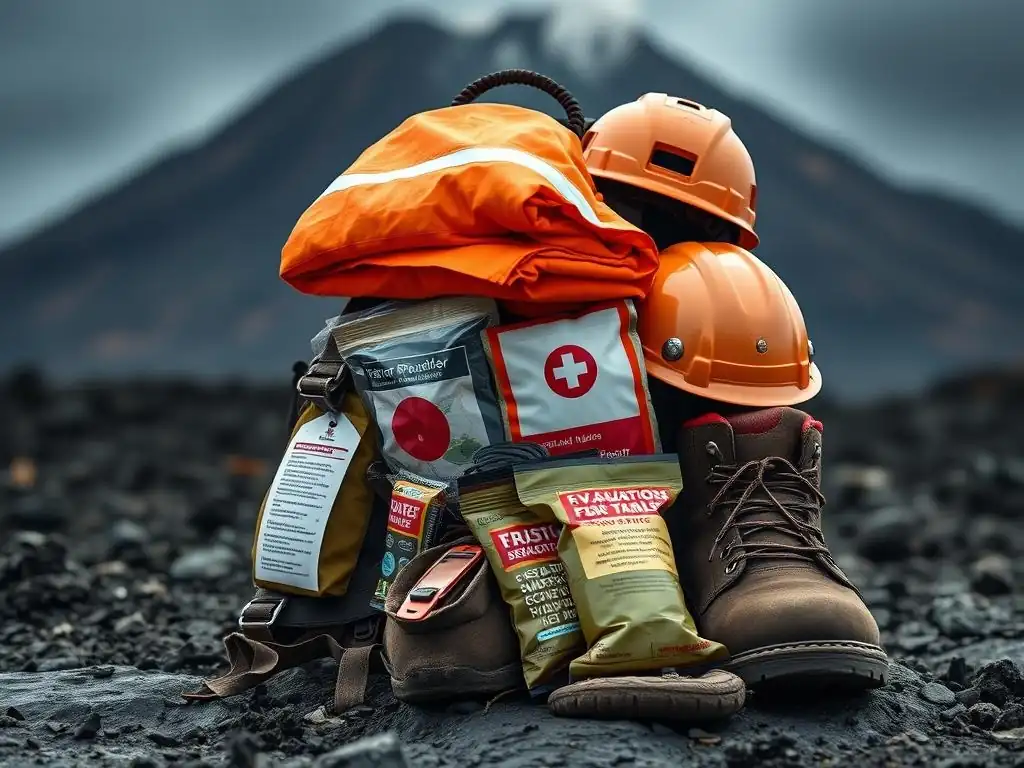
Must-Have Items for Your Lahar Preparedness Kit
Building a volcanic emergency kit is a proactive lahar evacuation safety tip, ensuring you have essential supplies readily available in case of a volcanic eruption and lahar threat. This kit should contain items needed for survival and safety during and immediately after an evacuation. Having a well-stocked kit reduces reliance on external aid in the initial chaotic period following a disaster.
A lahar preparedness kit should be stored in an easily accessible, waterproof container and should be checked and updated regularly. Essential items include: a supply of water (at least one gallon per person per day for several days), non-perishable food (canned goods, energy bars), a first-aid kit, a flashlight and extra batteries, a portable radio (hand-crank or battery-powered) to receive emergency broadcasts, a dust mask or respirator, protective eyewear, sturdy shoes, warm clothing, blankets, a whistle to signal for help, a multi-tool or knife, copies of important documents in waterproof bags, and cash.
Customize the kit to meet the specific needs of your family, including medications, baby supplies, and pet supplies if necessary. A well-prepared lahar preparedness kit is a vital lahar evacuation safety tip that can significantly improve your ability to cope during a volcanic emergency.
Lahar Evacuation Drills: Practicing for Volcanic Emergencies
The Importance of Regular Lahar Evacuation Exercises
The importance of regular lahar evacuation exercises cannot be overstated as a critical lahar evacuation safety tip. Drills and exercises are essential for preparing individuals, families, and communities to respond effectively to a lahar threat. Practice transforms theoretical plans into practical skills and identifies areas for improvement in evacuation procedures.
Lahar evacuation drills should simulate a real lahar emergency as closely as possible. This includes practicing evacuation routes, using communication protocols, assembling at designated safe zones, and using emergency kits. Drills should be conducted regularly, ideally at least annually, and involve all members of the household or community.
After each drill, evaluate the effectiveness of the procedures, identify any problems or bottlenecks, and make necessary adjustments to the evacuation plan. Schools, workplaces, and community organizations in lahar-prone areas should incorporate lahar evacuation drills into their regular emergency preparedness programs. Regular practice through lahar evacuation exercises is a vital lahar evacuation safety tip that builds preparedness and saves lives.
Real-World Examples: Lessons Learned from Past Lahar Disasters
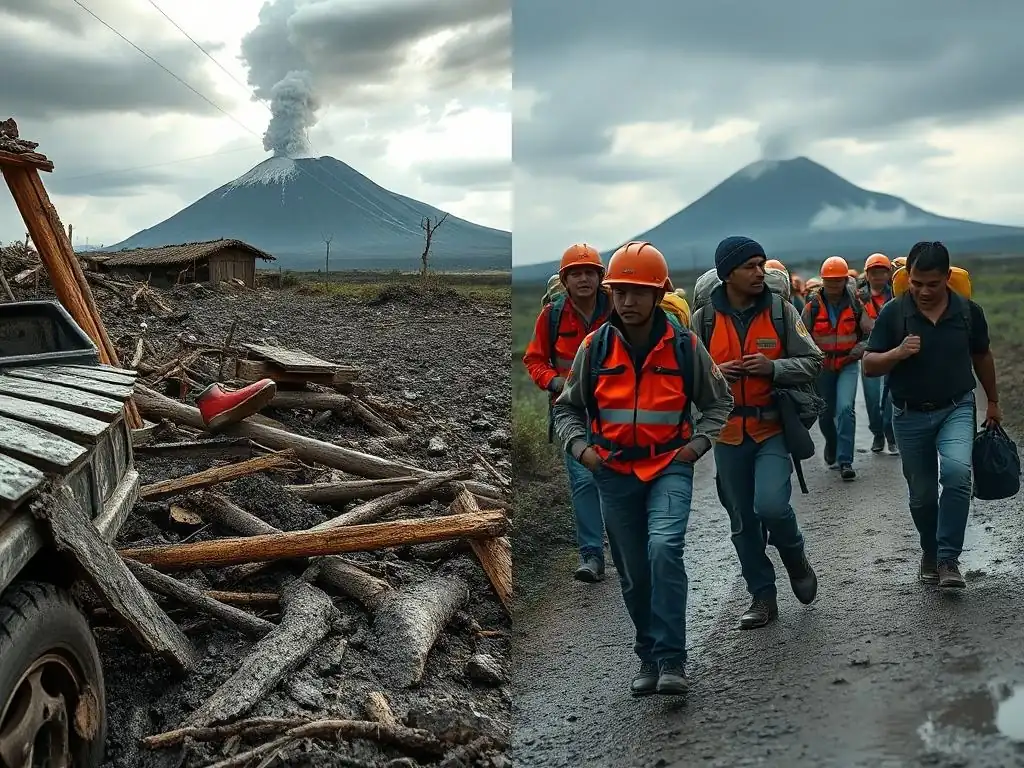
Real-world examples from past lahar disasters offer invaluable lessons for lahar evacuation safety tips. History is filled with devastating lahar events that highlight the destructive power of these volcanic mudflows and underscore the importance of preparedness and effective evacuation strategies. Studying these events provides concrete examples of what works, what fails, and what can be improved in lahar risk management.
The 1985 Armero tragedy in Colombia, triggered by the eruption of Nevado del Ruiz, is a stark example of the devastating consequences of lahars and the failure of effective evacuation. An estimated 25,000 people perished when a lahar swept through the town of Armero. This disaster highlighted the need for better volcano monitoring, improved warning systems, and effective community education.
More recently, lahars from Mount Pinatubo in the Philippines, even years after the 1991 eruption, caused widespread damage and displacement, emphasizing the long-term lahar threat and the need for sustained preparedness and lahar evacuation safety tips in vulnerable areas. Analyzing these and other past lahar disasters provides crucial insights for developing and refining lahar evacuation safety tips and improving community resilience to volcanic hazards.
Staying Informed: Resources for Volcanic Hazard and Lahar Awareness
Official Sources for Volcanic Activity Updates and Lahar Warnings
Staying informed is paramount for lahar evacuation safety tips, and relying on official sources for volcanic activity updates and lahar warnings is crucial. Accurate and timely information from reputable sources is essential for making informed decisions and taking appropriate protective actions during a volcanic crisis. Official sources provide the most reliable and up-to-date information on volcanic hazards.
Primary official sources include volcano observatories and geological surveys operated by government agencies. In the United States, the USGS Volcano Hazards Program provides information for volcanoes within the US. Globally, organizations like the Smithsonian Institution's Global Volcanism Program offer comprehensive volcanic activity databases and reports.
Local emergency management agencies are also critical sources for community-specific warnings and evacuation orders. Utilize the websites, social media channels, and alert systems provided by these official sources to stay informed about volcanic activity and lahar risks in your area. Relying on official sources ensures access to credible information and enhances lahar evacuation safety tips and preparedness.
Lahar Evacuation Safety: A Summary of Key Takeaways
Protecting Yourself and Your Community from Volcanic Mudflows
Protecting yourself and your community from volcanic mudflows through effective lahar evacuation safety tips requires a multi-faceted approach encompassing preparedness, awareness, and decisive action. The key takeaways emphasize proactive measures and community-wide engagement to mitigate the risks posed by lahars. These tips are designed to empower individuals and communities to minimize the devastating impact of these volcanic hazards.
Effective lahar evacuation safety tips begin with understanding lahar risks and identifying lahar-prone areas. Pre-eruption planning, including developing family emergency plans, establishing communication protocols, and identifying safe zones and evacuation routes, is crucial. Staying informed about volcanic activity through official sources and recognizing warning signs, both official and natural, enables timely responses. During a lahar event, prioritizing safety, evacuating quickly and efficiently, and seeking higher ground are paramount.
Post-lahar safety measures, including assessing damage, avoiding contaminated areas, and cooperating with emergency responders, are essential for recovery. Regular evacuation drills and community education reinforce these safety tips. By implementing these comprehensive lahar evacuation safety tips, individuals and communities can significantly enhance their safety and resilience in the face of volcanic mudflow threats.
Frequently Asked Questions
What exactly is a lahar, and why are they so dangerous?
A lahar is a violent type of mudflow or debris flow composed of a slurry of pyroclastic material, rocky debris, and water. They are dangerous because they can travel at high speeds and bury or destroy anything in their path.
How fast can lahars travel, and what kind of damage can they cause?
Lahars can reach speeds of up to 50 miles per hour, similar to a fast-moving river or flash flood. They can cause significant damage by burying infrastructure, destroying buildings, and carrying away anything in their path.
What are some key indicators that a lahar might be imminent?
Look for heavy rainfall, especially after or during a volcanic eruption, and listen for loud rumbling sounds coming from upstream. Also, be aware of any sudden changes in water levels in rivers or streams near a volcano.
What are the most important lahar evacuation safety tips to remember?
The most important tips are to know your evacuation routes, have an emergency kit ready, and heed all warnings from local authorities. Also, move to higher ground immediately if you suspect a lahar is approaching.
Where can I find real-time updates and information about volcanic activity and potential lahar threats?
You can find real-time updates on VolcanoExplorers.org and through local government agencies and emergency services. Check the official website and local radio stations for the most accurate and current information.
Final Reflection: Embracing Preparedness in the Face of Volcanic Fury
The preceding discussion of lahar evacuation safety tips underscores a critical truth: preparedness is the ultimate shield against the unpredictable power of volcanic eruptions. While we can never fully control nature's forces, understanding the risks and implementing proactive measures significantly enhances our ability to protect ourselves and our communities from the devastating consequences of lahars. The lessons learned here are not merely academic; they are vital for anyone living in or near volcanic regions, demanding constant vigilance and a commitment to safety.
The ever-present threat of lahars has profoundly shaped the cultural and social landscape of communities living in volcanic regions. This reality underscores the importance of continuous education and community engagement in disaster preparedness. The resilience of these communities, often forged in the crucible of past tragedies, serves as a powerful reminder of the human spirit's capacity to adapt and overcome. The best preparation for tomorrow is doing your best today.
- H. Jackson Brown, Jr. This quote encapsulates the proactive mindset needed to mitigate the risks associated with lahars and other natural disasters.
As you reflect on the information presented in this article, consider how you can contribute to a safer future. Are you prepared? Does your community have robust evacuation plans? Take the initiative to educate yourself, share these lahar evacuation safety tips with others, and advocate for improved disaster preparedness in your region. Only through collective action and a unwavering commitment to safety can we hope to minimize the mayhem and safeguard lives in the face of volcanic fury.
Ignite Your Volcanic Preparedness!
Thanks for diving deep into the dangers and realities of lahars with Volcano Explorers! We hope this article equipped you with critical knowledge for staying safe during volcanic eruptions. Now, it's time to transform awareness into action and protect yourself and your community.
Here are a few steps you can take right now:
- Prioritize this: Develop your family's evacuation plan specific to lahar risks, including multiple routes and meeting points. Practice it regularly! This is the single most important step you can take.
- Share this crucial information! Send this article to at least three friends or family members who live near volcanic regions. Knowledge is power!
- Delve deeper into local resources. Contact your local emergency management agency to learn about specific lahar monitoring systems and community preparedness initiatives.
What immediate steps will you take today to enhance your personal and family lahar preparedness? Share your plans in the comments below!