
Emergency Communication During Volcano Evacuation: Staying Informed

Welcome to Volcano Explorers!
Prepare to unravel the secrets held within the Earth's fiery heart. Ever wondered how crucial information flows during a volcano evacuation? Emergency Communication During Volcano Evacuation: Staying Informed delves into the essential volcano evacuation communication tips that could save lives. But that's just the beginning. What hidden signals do volcanoes give before they erupt, and how can you decode them? Let's explore the science, the danger, and the sheer power of these magnificent giants. Your journey into the world of volcanoes starts now...
- Volcanic Eruption Communication: Staying Informed and Safe
- Essential Communication Channels for Volcanic Emergency
- Pre-Eruption Communication Planning: Preparing
- Effective Communication Strategies During Eruptions
- Post-Eruption Communication: Staying Informed
- Overcoming Communication Challenges
- Staying Informed and Safe: Your Responsibility
-
Frequently Asked Questions
- What are the primary methods of volcano evacuation communication discussed on VolcanoExplorers.org?
- Why is having a communication plan so important before a volcanic eruption?
- Where can I find real-time updates on volcanic activity and related emergency information?
- What should I do if I lose mobile phone service during a volcano evacuation?
- How can I ensure I receive volcano evacuation notices if I don't have a smartphone?
- Final Reflection: The Lifeline of Information
- Empower Yourself: Be Volcano Ready!
Volcanic Eruption Communication: Staying Informed and Safe
Why Reliable Communication is Crucial During Volcanic Crises
Volcanic eruptions are powerful natural events that can unfold rapidly, posing significant threats to communities living near active volcanoes. In such crises, reliable communication is not merely helpful—it is absolutely crucial for survival. Effective communication systems serve as the backbone of any successful evacuation plan, ensuring that warnings reach residents promptly, instructions are clear and understandable, and updates on the evolving situation are readily available.
Without robust communication, chaos can ensue, hindering evacuation efforts, increasing injuries, and potentially leading to fatalities. Imagine a scenario where a volcano like Mount Rainier, near densely populated areas in Washington state, shows signs of imminent eruption. A breakdown in communication could mean that residents don't receive timely evacuation orders, leading to gridlock on roads and increased vulnerability to volcanic hazards such as pyroclastic flows and lahars.
The effectiveness of emergency response during a volcanic eruption is directly proportional to the quality and reach of the communication networks in place. When communication is reliable, it empowers individuals to make informed decisions, take appropriate protective actions, and cooperate with emergency responders. This is especially critical in areas with diverse populations, where language barriers or limited access to technology can exacerbate communication challenges. Consider the 2018 eruption of Volcán de Fuego in Guatemala.
Initial communication was hampered by limited warning systems in some communities, resulting in tragic loss of life. Conversely, in regions like Hawaii, where the Kilauea volcano is constantly monitored and communication systems are well-established, communities are generally better prepared to respond to volcanic activity due to consistent and reliable information flow. Therefore, prioritizing and strengthening communication infrastructure is paramount for mitigating the impact of volcanic eruptions.
The Role of Timely Information in Minimizing Risks
Timely information disseminated through effective communication channels plays a pivotal role in minimizing risks associated with volcanic eruptions. Early warnings, for example, are fundamental in providing residents with the necessary lead time to evacuate safely, secure their properties, and move to designated safe zones. The Volcanic Explosivity Index (VEI) scale, used to measure the explosivity of volcanic eruptions, highlights the varying degrees of impact.
For instance, a VEI 3 eruption, like the Strombolian eruption, might necessitate localized evacuations, while a VEI 6 or higher, such as the eruption of Mount Pinatubo in 1991, demands large-scale evacuations and potentially international aid. Having timely information about the potential VEI and associated hazards allows emergency management agencies to tailor their response and communication strategies effectively.
Beyond initial warnings, continuous updates on the eruption’s progress and potential hazards are essential. Volcanic eruptions are dynamic events; their intensity, direction, and associated dangers can change rapidly. Real-time monitoring data, such as seismic activity, gas emissions, and ground deformation, are crucial for volcanologists to assess the evolving situation and provide updated forecasts.
This information, when effectively communicated to the public, allows for adaptive responses. For example, if an eruption shifts direction, communication systems can redirect evacuation routes or alert communities previously considered safe. During the 2010 eruption of Eyjafjallajökull in Iceland, ash clouds caused widespread air travel disruption.
Timely communication about ash plume trajectories and concentrations was vital for airlines and travelers to make informed decisions, minimizing risks associated with volcanic ash exposure to aircraft engines. In essence, timely and accurate information acts as a shield, protecting communities by enabling proactive and informed responses to the ever-changing threats posed by volcanic eruptions.
Essential Communication Channels for Volcanic Emergency
Official Government Alerts and Warnings: Your Primary Source
Accessing Official Volcano Emergency Alerts: USGS Volcano Notification Service, Local Emergency Management Websites
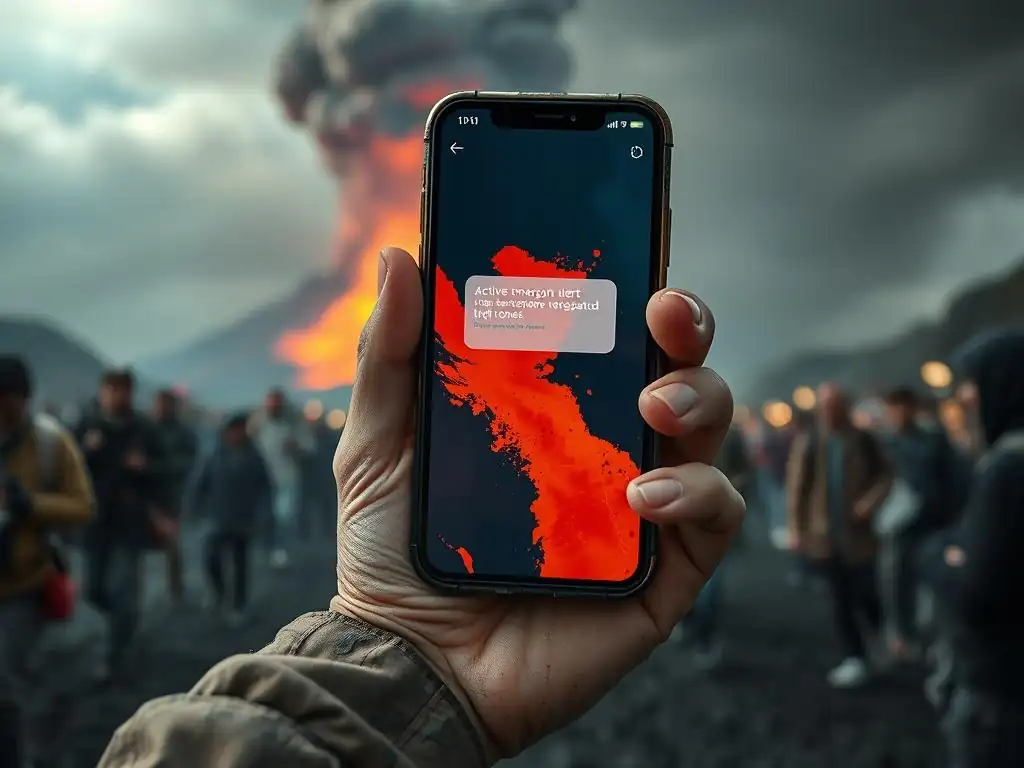
When a volcano threatens to erupt, official government alerts and warnings are your most reliable and primary source of information. These alerts are typically issued by agencies with expertise in volcanology and emergency management, ensuring the information is both scientifically sound and actionable. In the United States, the United States Geological Survey (USGS) plays a central role in monitoring volcanic activity and issuing warnings through the Volcano Hazards Program.
One crucial tool provided by the USGS is the Volcano Notification Service (VNS). By subscribing to VNS, individuals can receive email notifications about volcanic activity updates, including changes in alert levels, eruption announcements, and hazard assessments, directly from the official source. This service is invaluable for residents, businesses, and emergency responders in volcanic regions.
In addition to the USGS VNS, local emergency management agencies are vital conduits for disseminating alerts and warnings tailored to specific communities. These agencies, often at the county or state level, utilize various communication channels, including their official websites, social media platforms, and local alert systems. For example, in Washington state, the Washington Emergency Management Division (WEMD) provides information and resources related to volcano hazards on its website, including emergency plans and evacuation routes.
Similarly, counties near Mount Shasta in California have dedicated emergency management websites that offer localized alerts and preparedness information. It is critical for residents in volcanic areas to identify and familiarize themselves with the websites and communication channels of their local and state emergency management agencies, alongside subscribing to the USGS VNS, to ensure they receive comprehensive and timely official warnings.
Understanding Alert Levels: Normal, Advisory, Watch, Warning - Definitions and Actions
Volcanic alert levels are a standardized system used by volcanologists and emergency managers to communicate the status of volcanic activity to the public. Understanding these alert levels is paramount for interpreting official warnings and taking appropriate actions. Generally, volcano alert level systems progress through stages indicating increasing risk, often categorized as Normal, Advisory, Watch, and Warning. The specific terminology and criteria may vary slightly between volcanic observatories worldwide, but the underlying principles remain consistent.
At the Normal or Green level, the volcano is exhibiting typical background activity within its non-eruptive state. This does not mean there is no risk, as all volcanoes have the potential to erupt, but it indicates no immediate threat. Advisory or Yellow signifies that a volcano is exhibiting signs of elevated unrest above known background levels. This could include increased seismicity, gas emissions, or ground deformation.
An Advisory level serves as an early heads-up that a volcano is showing signs of potential eruption, prompting increased monitoring and preparedness actions by authorities and potentially heightened awareness among the public. Watch or Orange indicates escalating unrest with increased probability of eruption. An eruption is considered possible within weeks to days, or may be underway but posing limited hazards. A Watch level triggers more concrete preparedness measures, including reviewing evacuation plans, preparing emergency kits, and staying informed through official channels.
Finally, Warning or Red is the highest alert level, indicating that a hazardous eruption is imminent, underway, or expected. A Warning level demands immediate action, typically including evacuation from designated danger zones and following instructions from emergency officials. Recognizing these alert levels and their corresponding implications empowers individuals to respond effectively and prioritize safety during volcanic crises.
Local News and Media Outlets: Staying Updated
Following Local News for Real-Time Updates
While official government alerts are the primary source of initial warnings, local news and media outlets play a crucial role in providing real-time updates and disseminating critical information throughout a volcanic emergency. Local news channels, including television, radio, and online news platforms, are often deeply embedded within the community and can provide hyperlocal coverage that complements broader official alerts.
During a volcanic eruption, local news outlets frequently broadcast live reports from the affected areas, providing visual and auditory updates on the eruption's progression, ashfall patterns, lahar flows, and evacuation efforts. They also often interview local officials, emergency responders, and residents, offering diverse perspectives and practical information.
For example, during the 2018 Kilauea eruption in Hawaii, local news stations provided continuous coverage, including drone footage of lava flows, interviews with scientists from the Hawaiian Volcano Observatory, and updates on road closures and shelter locations. This real-time reporting was invaluable for residents trying to navigate the evolving crisis and make informed decisions.
Furthermore, local news outlets often utilize social media platforms to disseminate rapid updates, breaking news, and links to official resources, enhancing their reach and accessibility. By actively following local news channels through various media, residents can stay informed about the immediate situation on the ground and receive timely instructions and advisories that complement official government communications.
Utilizing Radio and Television Broadcasts for Emergency Information
In the context of volcanic emergencies, radio and television broadcasts remain vital communication tools, particularly when other communication channels might be disrupted or inaccessible. Radio, in particular, is remarkably resilient during power outages, especially battery-powered or hand-cranked radios. NOAA Weather Radio (NWR), a nationwide network in the United States, broadcasts weather and hazard information 24/7, including volcano-related alerts and warnings.
NWR stations transmit on VHF radio frequencies, and dedicated NWR receivers are readily available and relatively inexpensive, making them an essential component of an emergency communication kit. During volcanic events, NWR broadcasts can provide continuous updates, evacuation instructions, and information on shelter locations, even when internet or cellular networks are down.
Television broadcasts, while requiring power, also serve as a crucial channel for disseminating emergency information, particularly in the initial stages of a crisis and in areas with reliable power sources. Local television stations often dedicate significant airtime to emergency coverage, providing visual updates, expert interviews, and real-time information scrolls. Closed captioning on television broadcasts also enhances accessibility for individuals with hearing impairments.
Furthermore, many local television stations stream their broadcasts online, providing an alternative access point for those with internet connectivity. In situations where internet and cellular networks are compromised, relying on battery-powered radios and accessing television broadcasts when possible ensures continued access to critical emergency information, bolstering overall preparedness and resilience during volcanic eruptions.
Leveraging Local Community Facebook Groups for Coordination
In the digital age, community networks and social media platforms, particularly local community Facebook groups, have emerged as significant channels for information sharing and coordination during volcanic emergencies. These groups, often pre-existing and focused on neighborhood or community interests, can rapidly transform into vital hubs for disseminating information, offering mutual aid, and coordinating local responses during crises.
Residents often use these groups to share real-time observations of volcanic activity, report local impacts such as ashfall or road closures, and offer assistance to neighbors in need. The immediacy and interactivity of social media facilitate rapid information exchange and community-level coordination that can complement official communication channels.
For instance, during the 2018 Kilauea eruption, numerous community Facebook groups in affected areas became central platforms for residents to share updates on lava flow paths, road conditions, and evacuation efforts. Neighbors offered assistance with transportation, temporary housing, and pet care through these groups. However, it is crucial to remember that information shared on social media should always be verified through official sources before being acted upon, as misinformation can spread rapidly in such environments. Local community Facebook groups serve as valuable supplementary tools for communication and community support, but they should not replace official alert systems.
Verifying Information from Unofficial Sources
While community networks and social media can be valuable for rapid information sharing during volcanic emergencies, it is absolutely critical to exercise caution and rigorously verify information obtained from unofficial sources. Social media platforms, in particular, are susceptible to the spread of rumors, misinformation, and even intentionally false information, especially during rapidly evolving crises. Unverified reports can lead to confusion, panic, and potentially harmful actions. Therefore, residents should always prioritize official sources of information, such as government agencies (USGS, local emergency management), and reputable news outlets.
When encountering information on social media or through community networks, cross-reference it with official sources before considering it reliable. Look for confirmation from the USGS Volcano Notification Service, local emergency management websites, or established news outlets. Be wary of information that lacks sourcing or comes from anonymous accounts. Fact-checking websites and media literacy resources can also be helpful in evaluating the credibility of online information. During volcanic emergencies, a healthy skepticism and a commitment to verifying information through official channels are essential for making safe and informed decisions and avoiding the pitfalls of misinformation.
Pre-Eruption Communication Planning: Preparing
Creating a Family Communication Plan
Establishing Meeting Points and Emergency Contacts
Developing a family communication plan is a crucial preparedness step for volcanic emergencies, ensuring that family members can connect and coordinate effectively even if separated during an evacuation. A key component of this plan is establishing pre-determined meeting points. These should include both a nearby meeting point, such as a neighbor's house or a local park, and an out-of-area meeting point, in case the immediate neighborhood becomes inaccessible.
Choose locations that are easily recognizable and accessible from various directions. Discuss these meeting points with all family members and ensure everyone understands where to go in case of an evacuation order.
Another vital element is designating emergency contacts. Select both an in-state and an out-of-state contact person. The out-of-state contact can be particularly helpful if local phone lines are overwhelmed or disrupted, as long-distance lines might remain functional. Share contact information (phone numbers, email addresses) for these designated contacts with all family members. Consider programming these numbers into cell phones as "ICE" (In Case of Emergency) contacts for quick access by first responders if necessary. Regularly review and update the family communication plan, especially as family circumstances or contact information changes, to ensure it remains effective when needed most.
Designating a Family Spokesperson
To streamline communication and avoid confusion during a volcanic emergency, designating a family spokesperson is a highly effective strategy. This individual serves as the central point of contact for relaying information between family members and external sources, such as emergency responders or out-of-state contacts. The spokesperson should be someone who remains calm under pressure, is a clear communicator, and is responsible and readily accessible. This role can be rotated among capable family members in different emergency scenarios.
The family spokesperson's responsibilities include gathering information from official sources, disseminating updates to family members, and communicating the family's status and needs to external contacts. By having a single designated spokesperson, families can avoid redundant communication efforts, reduce the risk of miscommunication, and ensure that information flows efficiently. The spokesperson should be familiar with the family communication plan, know the designated meeting points and emergency contacts, and have access to the family's communication kit. Clearly identifying and preparing a family spokesperson enhances communication effectiveness and coordination during the stress of a volcanic emergency.
Assembling a Communication Kit
Essential Items: NOAA Weather Radio, Whistle, Extra Batteries, Charger
A well-stocked communication kit is an indispensable part of volcano preparedness, ensuring you have the necessary tools to stay informed and communicate effectively during an eruption, especially if power and communication infrastructure are disrupted. Essential items for a communication kit include a NOAA Weather Radio (NWR) with tone alert. As previously discussed, NWR provides 24/7 broadcasts of weather and hazard information, including volcano warnings, and the tone alert feature automatically alerts you to emergency broadcasts. Choose a battery-powered or hand-crank radio to ensure functionality during power outages. Include extra batteries for all battery-operated devices in your kit.
A whistle is another simple yet crucial communication tool. In situations where verbal communication is difficult or impossible, a whistle can be used to signal for help. The sharp, loud sound of a whistle can travel further than a voice and can attract attention in emergency situations.
A portable cell phone charger, ideally a power bank or solar charger, is also essential to keep cell phones operational for as long as possible, enabling communication and access to information. Ensure all items in your communication kit are in good working order, stored in a waterproof container, and readily accessible in your emergency preparedness supplies.
Battery-Powered Radios and Backup Power Sources
In the event of a volcanic eruption, power outages are a distinct possibility, potentially disrupting communication networks that rely on electricity. Therefore, battery-powered radios and backup power sources are critical components of a robust communication strategy. Battery-powered radios, particularly those capable of receiving NOAA Weather Radio broadcasts, provide a lifeline to emergency information when the power grid fails. Having multiple battery-powered radios, including a hand-crank or solar-powered option as a backup, ensures redundancy.
Backup power sources for essential communication devices, such as cell phones and radios, are equally important. Portable power banks, which can be pre-charged and used to recharge USB-powered devices, are a convenient option. Solar chargers offer a renewable power source, allowing you to recharge devices using sunlight, although their charging efficiency can vary depending on weather conditions.
Consider investing in a portable generator if you rely on essential medical equipment or require more substantial backup power, but always operate generators safely outdoors to avoid carbon monoxide poisoning. Regularly check the charge levels of batteries and power banks and test the functionality of radios to ensure they are ready for use when needed. Having reliable battery-powered radios and backup power sources significantly enhances communication resilience during volcano emergencies.
Effective Communication Strategies During Eruptions
Using Clear and Concise Language
During a volcanic eruption, when stress levels are high and time is of the essence, effective communication hinges on using clear and concise language. Ambiguous or overly technical language can lead to confusion and delays, hindering evacuation efforts and potentially increasing risks. When communicating emergency information, whether verbally or in writing, prioritize clarity and simplicity. Use plain language that is easily understandable by everyone, avoiding jargon, acronyms, or complex scientific terms unless absolutely necessary and clearly explained.
Keep messages brief and to the point, focusing on the essential information needed for immediate action. For example, instead of saying "Volcanic activity has escalated to a level necessitating precautionary relocation," a clearer and more concise message would be "Mandatory evacuation order issued for [area]. Evacuate now to [shelter location]."
When giving instructions, use action verbs and be specific about what people should do. For instance, "Tune your radio to [frequency] for updates" or "Proceed to the designated evacuation route via [street name]." In high-stress situations, clear and concise communication minimizes misunderstandings and ensures that critical information is received and acted upon promptly.
Avoiding Panic and Spreading Misinformation
Maintaining calm and avoiding panic are crucial during a volcanic eruption, and this extends to communication as well. Panic can be contagious and can lead to irrational decisions and behaviors that hinder evacuation efforts and increase danger. When communicating during an eruption, strive to remain calm and project a sense of control, even in stressful circumstances. Speak in a measured tone of voice, avoid exaggerating the situation, and focus on providing factual information and actionable instructions.
Equally important is avoiding the spread of misinformation. Rumors and false information can proliferate rapidly during emergencies, especially through social media, as previously discussed. Resist the urge to share unverified information, no matter how sensational it may seem. Instead, emphasize the importance of relying on official sources for accurate updates. Correct misinformation calmly and respectfully when you encounter it, directing people to official channels for verified information. By promoting calm communication and actively combating misinformation, you contribute to a more effective and safer response during a volcanic eruption.
How to Report: Contact Local Emergency Services, USGS
If you observe significant changes in volcanic activity or experience volcanic hazards, such as increased ashfall, unusual gas odors, or ground deformation, reporting this information to the authorities is crucial. Your observations can provide valuable real-time data that helps volcanologists and emergency managers assess the situation and refine their response.
The primary point of contact for reporting volcanic activity is your local emergency services, typically reached by dialing 911 in the United States or the equivalent emergency number in your region. When calling emergency services, clearly state that you are reporting volcanic activity and provide your location and a concise description of what you are observing.
In addition to local emergency services, you can also report volcanic activity directly to the USGS Volcano Observatory responsible for monitoring the volcano in your area. The USGS Volcano Hazards Program website provides contact information for each volcano observatory. While emergency services should be your first point of contact for immediate hazards, reporting to the USGS can provide valuable scientific data and contribute to a more comprehensive understanding of the volcanic event. When reporting to either emergency services or the USGS, remain calm, provide accurate details, and follow any instructions given by the authorities.
Providing Accurate Information to First Responders
When reporting volcanic activity to authorities or communicating with first responders during an eruption, providing accurate and specific information is paramount. Vague or imprecise reports can be less helpful and may even lead to misallocation of resources. Before making a report, take a moment to observe carefully and gather as much detail as possible about what you are seeing, hearing, or experiencing.
Be specific about the location of the volcanic activity. Use landmarks, street names, or GPS coordinates if possible to pinpoint the area accurately. Describe the nature of the volcanic activity you are observing. Is it increased ashfall, a new steam vent, a change in lava flow direction, or something else? If possible, estimate the intensity or scale of the activity.
For example, is the ashfall light, moderate, or heavy? Are there any unusual smells, such as sulfur dioxide? If you are reporting damage or injuries, be precise about the type and extent of damage and the number of people injured. Providing accurate and detailed information enables first responders to understand the situation quickly, assess the needs effectively, and deploy resources efficiently, ultimately contributing to a more effective and coordinated emergency response.
Post-Eruption Communication: Staying Informed
Accessing Information on Shelter Locations and Resources
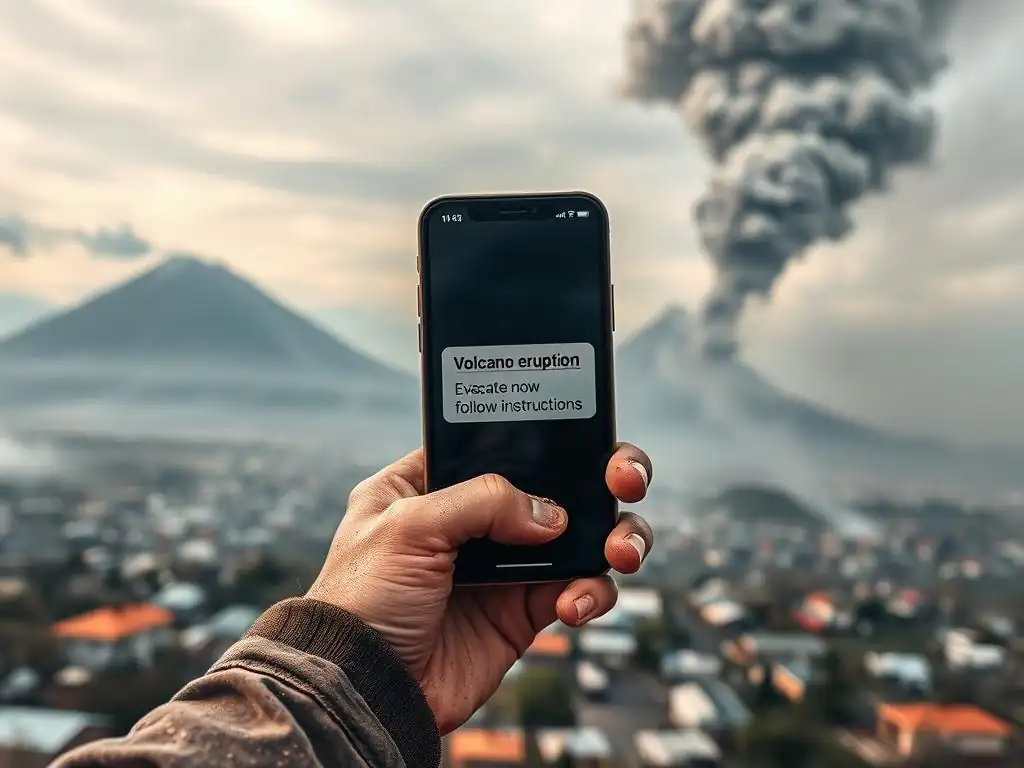
Following a volcanic eruption, communication remains critical for accessing information about shelter locations, available resources, and ongoing support. Official channels, such as local emergency management websites, social media accounts, and local news outlets, will continue to disseminate updated information in the post-eruption phase. These sources will provide details on the locations of emergency shelters, which are typically established to provide temporary housing, food, water, and medical assistance to evacuees. Shelter locations may change as the situation evolves, so it is essential to stay updated through official channels.
Information on other available resources, such as food distribution points, water distribution sites, medical aid stations, and assistance programs, will also be communicated through these channels. Local emergency management agencies and volunteer organizations often coordinate to provide a range of support services to affected communities in the aftermath of a volcanic eruption. Monitor official communication channels regularly to access the most current information on shelter locations, resource availability, and how to access needed assistance in the post-eruption environment.
Communicating with Family and Friends
Post-eruption communication is essential for reconnecting with family and friends and confirming their safety. Once you are in a safe location, make every effort to contact your designated emergency contacts and family members to let them know you are safe and to check on their well-being. Cell phone networks may be congested or intermittently disrupted in the immediate aftermath of an eruption, so be patient and persistent in your communication attempts. Text messaging can often be more reliable than voice calls when networks are overloaded.
Utilize your family communication plan and pre-established communication methods to reconnect with loved ones. Social media platforms, while potentially unreliable for real-time emergency information during the eruption, can be useful for post-eruption check-ins and updates once networks stabilize. Consider using social media "safety check" features, if available, to quickly notify contacts that you are safe. Prioritize communication with family and friends to ensure everyone is accounted for and to provide mutual support during the recovery phase.
Staying Updated on the Status of the Volcanic Activity and Return Procedures
Even after the immediate eruption subsides, it is crucial to remain informed about the ongoing status of the volcanic activity and any official return procedures. Volcanic eruptions can be prolonged events, with continued hazards such as ashfall, gas emissions, and lahar flows persisting for days, weeks, or even months after the initial eruptive phase. Official sources, including the USGS Volcano Observatory and local emergency management agencies, will continue to monitor the volcano and provide updates on its status. Pay attention to official advisories and warnings regarding ongoing hazards and any restrictions on access to evacuated areas.
Do not attempt to return to evacuated areas until official authorities have declared it safe to do so. Return procedures will be communicated through official channels and may involve phased re-entry plans to manage traffic and ensure safety. Follow all instructions from emergency officials regarding return procedures and any remaining precautions. Staying informed about the post-eruption volcanic activity and adhering to official return guidelines are essential for safety and a smooth recovery process.
Overcoming Communication Challenges
Dealing with Power Outages and Network Disruptions
Power outages and network disruptions are significant communication challenges during volcanic eruptions. As discussed earlier, battery-powered radios and backup power sources are essential for maintaining communication when power is lost. In addition to these measures, consider alternative communication methods that are less reliant on electricity and network infrastructure. Satellite phones can provide communication in areas where cellular networks are down, although they can be expensive and require specialized equipment. Two-way radios (walkie-talkies) can facilitate short-range communication within a family or neighborhood without relying on external networks.
Pre-arrange out-of-area meeting points, as discussed in family communication planning, in case communication networks fail entirely. If possible, identify locations with reliable landline phone access, such as public buildings or designated emergency centers, as landlines may remain functional even when cellular networks are disrupted. Practice using alternative communication methods beforehand to ensure familiarity and functionality in emergency situations. Anticipating and preparing for power outages and network disruptions is crucial for maintaining communication resilience during volcanic emergencies.
Addressing Language Barriers and Accessibility Issues
Language barriers and accessibility issues can significantly impede effective communication during volcanic emergencies, particularly in diverse communities. Emergency messages and warnings must be accessible to everyone, regardless of language spoken or physical abilities. Emergency management agencies should proactively translate critical information into the languages prevalent in their communities. Utilizing multilingual communication channels, such as translated websites, multilingual social media posts, and radio broadcasts in multiple languages, ensures broader reach.
For individuals with disabilities, accessibility considerations are paramount. Emergency alerts should be compatible with assistive technologies, such as screen readers and TTY/TDD devices for the hearing impaired. Visual alerts, such as flashing lights, can supplement auditory alerts for those with hearing impairments. Shelter locations should be physically accessible to people with mobility limitations. Emergency responders and volunteers should be trained in basic sign language and communication techniques for interacting with individuals with disabilities. Addressing language barriers and accessibility issues requires proactive planning, inclusive communication strategies, and a commitment to ensuring that emergency information reaches all members of the community.
Managing Rumors and Disinformation
Rumors and disinformation are persistent challenges during volcanic eruptions, as they can spread rapidly and undermine effective emergency response. As previously emphasized, always verify information from unofficial sources and rely on official channels for accurate updates. Actively combat misinformation by calmly correcting false rumors and directing people to official sources for verified information. Emergency management agencies should proactively monitor social media and community networks for emerging rumors and address them promptly with accurate information through official channels.
Utilize trusted community leaders and influencers to disseminate accurate information and counter misinformation. Partner with community organizations and religious institutions to amplify official messages and promote reliable information sources. Emphasize the importance of critical thinking and media literacy in evaluating information encountered online and through social networks. A multi-faceted approach to rumor management, combining proactive communication, rapid debunking, and community engagement, is essential for mitigating the negative impacts of disinformation during volcanic emergencies.
Staying Informed and Safe: Your Responsibility
Proactive Steps to Enhance Preparedness
Staying informed and safe during a volcanic eruption is not solely the responsibility of emergency agencies; it requires proactive steps from individuals and communities to enhance preparedness. Familiarize yourself with the volcano hazards in your area, understand the volcano alert level system, and identify designated evacuation routes and shelter locations. Subscribe to the USGS Volcano Notification Service and follow local emergency management agencies on social media and their websites to receive official alerts and updates. Develop a comprehensive family communication plan, assemble a well-stocked emergency kit that includes communication tools, and practice your evacuation plan regularly.
Participate in community preparedness drills and workshops to enhance your knowledge and skills. Engage with local emergency management agencies and community organizations to learn about volcano preparedness resources and initiatives in your area. Share preparedness information with family, friends, and neighbors to promote collective resilience. Proactive preparedness at the individual and community level significantly enhances safety and reduces the impact of volcanic eruptions.
The Importance of Community Collaboration
Community collaboration is paramount for effective volcano preparedness and response. Neighbors helping neighbors, community organizations working together, and partnerships between residents and emergency agencies are all essential components of a resilient community. Establish neighborhood communication networks to share information and offer mutual support during emergencies. Volunteer with local disaster response organizations to contribute to community preparedness and response efforts. Participate in community-level planning initiatives to strengthen local preparedness capacity.
Support local emergency management agencies and volunteer organizations through donations or advocacy. Share your skills and resources with your community to enhance collective preparedness. By working together, communities can leverage their collective strengths, resources, and knowledge to build resilience and mitigate the risks associated with volcanic eruptions. Community collaboration transforms individual preparedness into collective strength, creating a more informed, safer, and more resilient society.
Frequently Asked Questions
What are the primary methods of volcano evacuation communication discussed on VolcanoExplorers.org?
The site emphasizes utilizing a combination of methods, including official government alerts, local radio broadcasts, and mobile phone notifications to disseminate crucial information during an evacuation.
Why is having a communication plan so important before a volcanic eruption?
A pre-existing plan ensures families know how to stay connected and informed, minimizing confusion and potentially saving lives by facilitating a coordinated evacuation.
VolcanoExplorers.org provides links to reputable sources like governmental volcano observatories and trusted news outlets that offer up-to-the-minute reports on volcanic activity.
What should I do if I lose mobile phone service during a volcano evacuation?
Identify pre-determined meeting points with family members, and rely on battery-powered emergency radios to receive official alerts if cell service is unavailable.
How can I ensure I receive volcano evacuation notices if I don't have a smartphone?
Sign up for community alert systems that utilize landline phones or text messages, and rely on local media outlets for information on evacuation procedures.
Okay, here's a final reflection that fits your article's theme, structure, and keyword focus:
Final Reflection: The Lifeline of Information
The lessons learned from studying emergency communication during volcano evacuations are not merely academic; they are a matter of life and death in a world increasingly vulnerable to natural disasters. The strategies and tips discussed throughout this article serve as a crucial reminder that preparedness and effective communication are the cornerstones of resilience when facing the unpredictable power of nature.
The impact of clear, accessible, and timely information during a volcano evacuation extends far beyond the immediate crisis. It fosters trust, reduces panic, and empowers individuals to make informed decisions, ultimately saving lives and mitigating long-term trauma. Witnessing the resilience of communities who have successfully navigated volcanic eruptions underscores the profound importance of prioritizing communication infrastructure and protocols. Information is power, but it is also a responsibility. In times of crisis, it is our duty to ensure that everyone has access to the information they need to protect themselves and their loved ones.
As you reflect on the volcano evacuation communication tips shared in this article, consider how you can contribute to building a more informed and prepared community. Whether it's advocating for improved emergency alert systems, sharing vital information with your neighbors, or simply taking the time to understand your local evacuation plan, your actions can make a difference. Let us all strive to be beacons of information, ensuring that when the earth rumbles, everyone has the knowledge they need to stay safe.
Empower Yourself: Be Volcano Ready!
Thanks for learning about staying informed during a volcano evacuation. You now have vital knowledge to protect yourself and your loved ones. Ready to take the next step?
- Download our free Volcano Evacuation Checklist—your essential guide to preparedness!
- Share this article with friends and family to help them stay safe.
- Consider volunteering with your local emergency response team to strengthen community resilience.
What are your go-to sources for local emergency information? Share your insights below!