
Your Family's Volcano Escape Route: Planning for Emergency Evacuation

Welcome to Volcano Explorers!
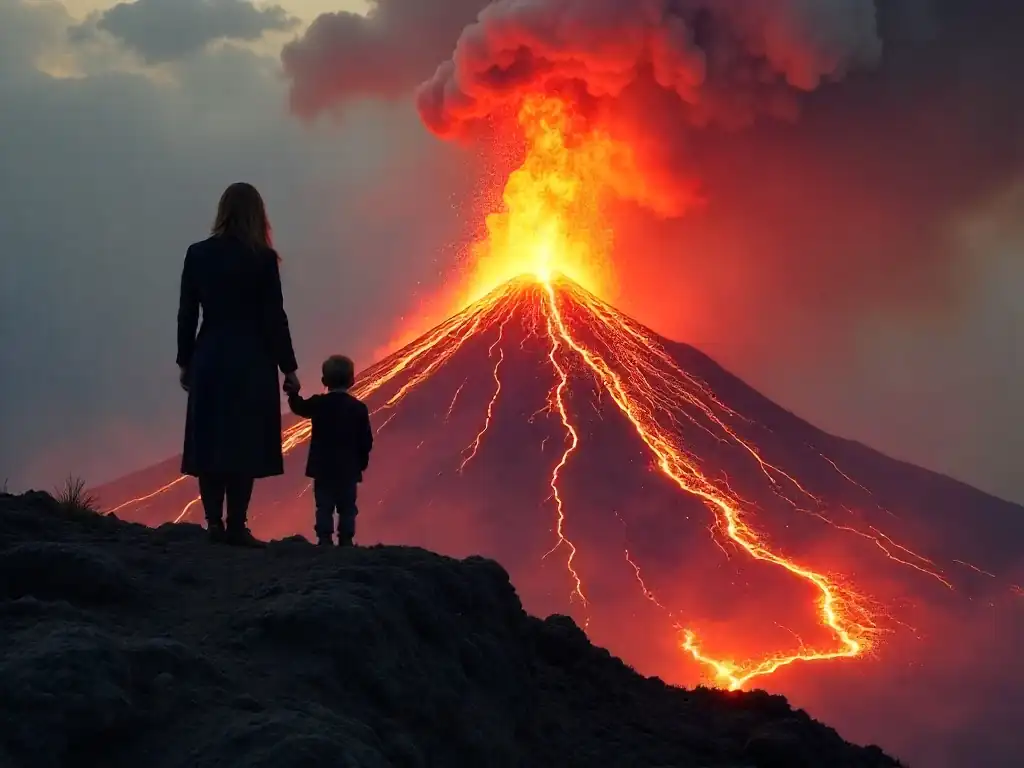
Ever wondered what really happens when the Earth decides to unleash its fiery fury? The power of a volcano is undeniable, but are you prepared? This isn't just about admiring the spectacle; it's about understanding the potential dangers and knowing how to react. Dive into "Your Family's Volcano Escape Route: Planning for Emergency Evacuation" and unlock the secrets to crafting a volcano emergency evacuation plan that could save lives. Don't wait for the rumble; start exploring now and gain the crucial knowledge you need. What if your escape route is blocked? The answer awaits...
- Mount Rainier Family Evacuation Plan: Preparing for Volcanic Hazards
- Understanding the Importance of a Volcanic Emergency Evacuation Plan
- Creating Your Family's Mount Rainier Emergency Evacuation Plan: A Step-by-Step Guide
- Key Considerations for Volcanic Emergency Evacuation
- Staying Informed and Adapting Your Evacuation Plan
- Post-Evacuation Procedures and Returning Home Safely
- Resources for Mount Rainier Emergency Preparedness
-
Frequently Asked Questions
- What is a volcano emergency evacuation plan and why is it important?
- Where can I find information about the volcanic hazards specific to my area?
- What should be included in my family's volcano emergency evacuation kit?
- How often should we practice our volcano emergency evacuation plan?
- What are the key signs that a volcanic eruption is imminent and that we should evacuate?
- Final Reflection: Embracing Preparedness in the Face of Uncertainty
- Safeguard Your Family: Map Your Volcano Escape Today!
Mount Rainier Family Evacuation Plan: Preparing for Volcanic Hazards
Understanding the Importance of a Volcanic Emergency Evacuation Plan
Why a Mount Rainier Evacuation Plan is Crucial for Family Safety
Mount Rainier, a majestic icon of the Pacific Northwest, is not only a breathtaking natural wonder but also an active volcano. While its beauty is undeniable, it poses significant volcanic hazards to nearby communities, particularly the threat of lahars – volcanic mudflows capable of immense destruction.
Lahars are rapid flows of mud, rocks, and debris that can travel down river valleys at speeds exceeding 50 miles per hour, reaching areas far beyond the immediate vicinity of the volcano. Given the potential for a lahar event originating from Mount Rainier, developing a comprehensive volcano emergency evacuation plan is not just recommended, it’s a critical necessity for family safety.
The communities nestled in the valleys surrounding Mount Rainier, such as Orting, Puyallup, and Sumner, are built upon ancient lahar deposits, a stark reminder of the volcano's past activity. Geological studies indicate that Mount Rainier has produced numerous large lahars throughout its history, some reaching as far as Puget Sound. The Osceola mudflow, approximately 5,600 years ago, was one of the largest volcanic debris flows in the world, reshaping the landscape dramatically.
A future eruption could trigger lahars that follow similar paths, impacting populated areas within minutes to hours. Therefore, a proactive approach, centered around a well-defined volcano emergency evacuation plan, is the most effective way to mitigate the risks and ensure the well-being of your family during a volcanic event.
Assessing Your Family's Risk: Proximity to Lahar Zones
Understanding your family’s proximity to lahar zones is the first crucial step in preparing your volcano emergency evacuation plan. Lahar hazard maps, readily available from the United States Geological Survey (USGS) and Pierce County Emergency Management, clearly delineate areas at risk from these volcanic mudflows. These maps are based on extensive geological research and modeling of potential lahar pathways, taking into account the topography and drainage systems surrounding Mount Rainier. By consulting these maps, you can determine if your home, workplace, or children’s schools are located within a designated lahar hazard zone.
For example, the Puyallup River Valley, Carbon River Valley, and White River Valley are all considered high-risk lahar pathways emanating from Mount Rainier. Communities situated directly in these valleys, or along rivers that drain from the volcano, face a higher degree of risk. Even areas slightly elevated from the valley floors but still within the mapped lahar zones are vulnerable, as lahars can spread out and inundate lower-lying areas.
If your residence or frequented locations fall within these zones, your family's volcano emergency evacuation plan becomes paramount. If you are located outside of the immediate lahar zones, you are still likely to be affected by ashfall and may need to shelter in place, but the immediate evacuation urgency is focused on those within the direct lahar pathways.
Recognizing Mount Rainier Warning Signs and Alerts
Recognizing the warning signs of a potential volcanic eruption and understanding the alert systems in place are vital components of any volcano emergency evacuation plan. Mount Rainier is closely monitored by the USGS Cascades Volcano Observatory (CVO), which utilizes a network of seismometers, GPS stations, and gas sensors to detect changes in volcanic activity.
Increased seismicity (earthquakes), changes in gas emissions, and ground deformation can all be precursors to an eruption and potential lahar events. These monitoring systems provide early warning capabilities, although lahars can also be triggered by heavy rainfall or glacial outburst floods even without a major eruption.
Official warnings and alerts for volcanic activity are disseminated through various channels. The USGS CVO issues volcano alerts, ranging from "Normal" to "Warning," indicating the level of volcanic unrest. Pierce County Emergency Management utilizes an emergency alert system, sending notifications via text message, email, and phone calls to residents registered for the service. Outdoor sirens may also be activated in some communities to signal an imminent lahar.
Familiarizing yourself with these alert systems and signing up for Pierce County alerts is crucial. Pay attention to official sources of information and be prepared to act quickly when warnings are issued. Remember, time is of the essence during a lahar event, and early recognition of warnings can significantly improve your family's safety.
Creating Your Family's Mount Rainier Emergency Evacuation Plan: A Step-by-Step Guide
Step 1: Defining Escape Routes: Multiple Options for Lahar Evacuation
Primary and Secondary Evacuation Routes Away From the Puyallup River Valley
Defining clear and accessible escape routes is the cornerstone of your volcano emergency evacuation plan. For families residing in the Puyallup River Valley and other lahar-prone areas, identifying multiple evacuation routes is essential, as road closures or traffic congestion can occur during an emergency.
Your primary evacuation route should be the most direct and efficient path out of the lahar zone, ideally utilizing major roadways that lead to higher ground away from river valleys. For those in the Puyallup Valley, State Route 167 (SR 167) heading north towards Auburn or east towards SR 410 can be considered primary routes, depending on your specific location.
However, relying solely on a single route is risky. A secondary evacuation route provides an alternative in case the primary route becomes blocked or impassable. This could involve using smaller, less congested roads that still lead away from the lahar hazard area.
For example, if SR 167 is blocked, local roads heading uphill and eastward, away from the Puyallup River, could serve as secondary options. Familiarize yourself with the road network in your area and identify at least two distinct routes out of the lahar zone. Driving these routes in advance, during both daytime and nighttime, will help you become comfortable with the directions and identify any potential challenges.
Identifying Safe Zones Above 500 Feet Elevation
Identifying safe zones is equally critical as defining escape routes. Safe zones are areas located outside of mapped lahar pathways and at a sufficient elevation to be considered safe from inundation. A general guideline for Mount Rainier lahar evacuation is to reach an elevation of at least 500 feet above sea level.
This elevation is considered to be above the maximum credible extent of past and potential future lahars based on geological studies and modeling. Using topographic maps or online tools that display elevation contours, identify locations at or above 500 feet elevation within a reasonable driving distance from your home.
Towns like Enumclaw and Auburn, situated at higher elevations and outside of the major river valleys draining Mount Rainier, are often considered safe zones for evacuees from the Puyallup Valley. Within these towns, community centers, schools, or designated evacuation shelters might be established during a volcanic emergency. Pinpoint specific locations in your chosen safe zone that could serve as a family meeting point or temporary shelter if needed. It is also beneficial to identify multiple safe zones in different directions, providing flexibility depending on the specific circumstances of the evacuation and the direction of lahar flow.
Step 2: Assembling a Mount Rainier Emergency Evacuation Kit
Essential Supplies for a 72-Hour Evacuation
Assembling a well-stocked emergency evacuation kit is a fundamental aspect of preparedness. This kit should contain essential supplies to sustain your family for at least 72 hours, as it may take that long for emergency services to fully respond to a widespread volcanic event and for conditions to stabilize enough for a safe return home. The core components of a 72-hour kit include water, non-perishable food, first-aid supplies, and basic survival tools.
Aim for at least one gallon of water per person per day. Non-perishable food items should be easy to prepare and require minimal water, such as canned goods, energy bars, dried fruits, and ready-to-eat meals.
A comprehensive first-aid kit should include bandages, antiseptic wipes, pain relievers, any prescription medications your family members require, and a first-aid manual. Essential survival tools include a battery-powered or hand-crank radio (to receive emergency broadcasts), a flashlight and extra batteries, a whistle (to signal for help), a multi-tool or knife, duct tape, and plastic sheeting and duct tape (for temporary shelter if needed).
Additionally, include personal hygiene items such as toilet paper, hand sanitizer, and feminine hygiene products. Store these supplies in a durable, easily transportable container like a backpack or duffel bag, and keep it readily accessible in your home.
Packing for Specific Family Needs (Children, Elderly, Pets)
Beyond the general essential supplies, your emergency evacuation kit should be tailored to meet the specific needs of your family members. For families with young children, include items like diapers, formula or baby food, comfort items (toys, blankets), and extra changes of clothing. For elderly family members or those with medical conditions, ensure you pack extra prescription medications, assistive devices (walkers, canes), and any specialized medical supplies they may require. Consider including copies of important medical documents and a list of allergies and medical conditions for each family member.
If you have pets, their needs must also be addressed in your volcano emergency evacuation plan. Include pet food and water, bowls, a leash and carrier for each pet, pet medications, and copies of vaccination records. Consider adding comfort items for pets, such as familiar toys or blankets, to reduce their stress during a potentially traumatic evacuation. Remember to rotate food and water in your emergency kit regularly to ensure freshness, typically every six months. Periodically review and update the contents of your kit to reflect changing family needs and to replace expired items.
Step 3: Establishing a Family Communication Plan
Designating a Meeting Point in Enumclaw or Auburn
Establishing a clear family communication plan is crucial, especially in a chaotic emergency situation like a volcanic eruption. Designating a pre-determined meeting point outside of the lahar hazard zone is a vital step. This meeting point serves as a central location where family members can reunite if separated during the evacuation. As discussed earlier, safe zones like Enumclaw or Auburn, located at higher elevations and away from lahar pathways, are suitable locations for meeting points. Choose a specific, easily identifiable location within your chosen safe zone, such as a park, community center, or a recognizable landmark.
Ensure that all family members, including children, are aware of the designated meeting point and know how to get there. If children are in school or daycare during the day, coordinate with the school or daycare to understand their emergency procedures and designated reunification points, which may differ from your family meeting point. Having a designated meeting point minimizes confusion and anxiety during an evacuation, ensuring that family members can reconnect as quickly and safely as possible.
Setting Up Emergency Contact Procedures
In addition to a physical meeting point, establish emergency contact procedures to facilitate communication during and after a volcanic event. Designate an out-of-state or out-of-area contact person. This person should be someone who lives outside of the immediate affected area and can serve as a central communication hub for your family. During a widespread emergency, local phone lines and cell networks may be overloaded or unreliable, but long-distance lines are often more functional. Each family member should have the contact information for this out-of-area person memorized or readily accessible.
Instruct family members to contact this designated person if they become separated or need to relay information. This contact person can then help coordinate communication between family members and provide updates or instructions. Consider using text messaging as the primary mode of communication during an emergency, as text messages often have a higher chance of getting through during network congestion compared to phone calls. Explore communication apps that work even with limited bandwidth or offline capabilities. Regularly practice your family communication plan, including contacting your designated out-of-area person, to ensure everyone is familiar with the procedures.
Step 4: Practicing Your Evacuation Drill
Conducting Bi-Annual Family Evacuation Drills
The effectiveness of your volcano emergency evacuation plan hinges on regular practice. Conducting bi-annual family evacuation drills, at least twice a year, is essential to familiarize everyone with the plan and identify any weaknesses or areas for improvement. Treat these drills as seriously as possible, simulating a real evacuation scenario. Announce a mock "volcanic emergency" and have your family practice evacuating your home, following your designated escape routes, and proceeding to your pre-determined meeting point.
Time your drills to assess how long it takes to evacuate and reach the safe zone. Practice both daytime and nighttime drills to account for different visibility conditions and potential challenges. During the drill, have family members gather their emergency evacuation kits and simulate loading them into your vehicle. Practice communication procedures, such as contacting your out-of-area emergency contact person from your meeting point. These drills should not be overly stressful but rather treated as learning opportunities to reinforce the plan and build confidence in your family's ability to respond effectively during a real emergency.
Refining Your Plan Based on Drill Outcomes
Following each evacuation drill, conduct a debriefing session with your family to discuss what went well and what aspects of the plan need refinement. Ask for feedback from each family member on any challenges they encountered during the drill, such as confusing directions, difficulties with packing the evacuation kit, or communication issues. Use this feedback to improve your volcano emergency evacuation plan. Perhaps you discovered that your primary evacuation route is prone to traffic congestion during peak hours, prompting you to prioritize your secondary route.
Maybe you realized that your emergency kit is missing certain essential items or that your communication procedures are not as clear as they should be. Based on the drill outcomes, update your evacuation routes, refine your emergency kit contents, and clarify your communication plan. Document any changes made to the plan and ensure that all family members are informed of the updates. Regular drills and post-drill reviews are crucial for ensuring that your volcano emergency evacuation plan remains effective, practical, and tailored to your family's evolving needs and circumstances.
Key Considerations for Volcanic Emergency Evacuation
Evacuating with Children During a Lahar Event
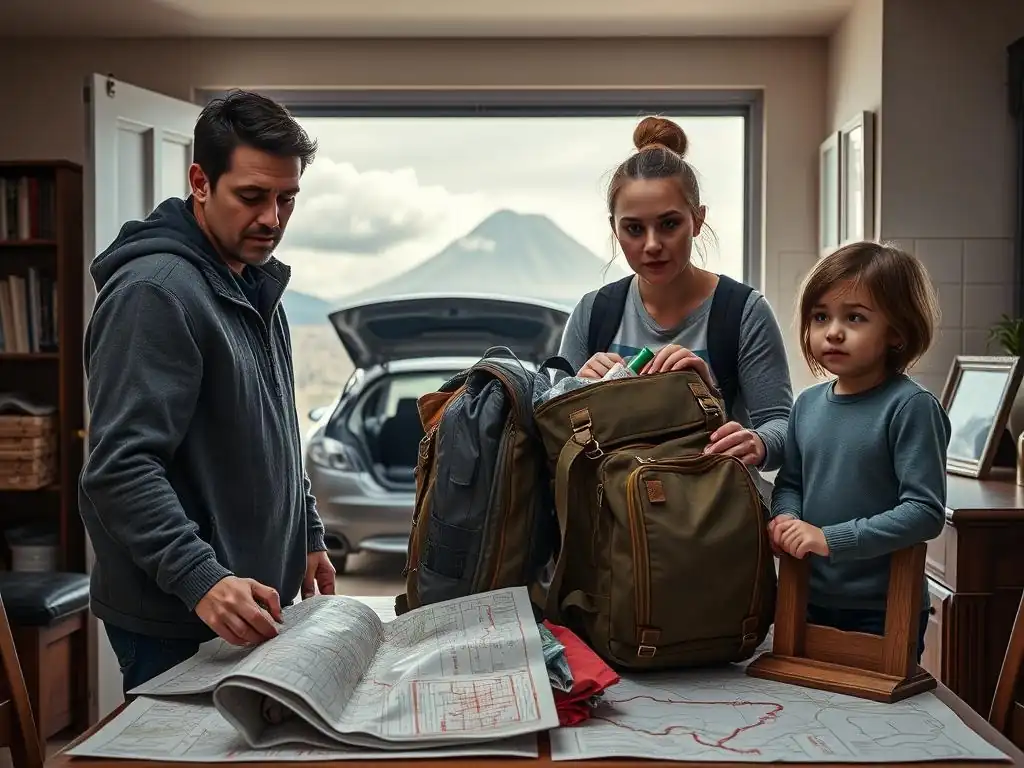
Evacuating with children during a lahar event presents unique challenges that require careful consideration in your volcano emergency evacuation plan. Children may experience heightened anxiety and fear during an emergency, making clear and calm communication paramount. Prior to any potential event, educate children about volcanoes, lahars, and the importance of emergency preparedness in an age-appropriate manner. Familiarize them with the evacuation plan, escape routes, and meeting point through regular drills and discussions. During an actual evacuation, maintain a calm and reassuring demeanor to minimize their stress.
Keep children close to you and ensure they are wearing appropriate clothing and shoes for rapid evacuation, regardless of the weather. Pack comfort items in their personal emergency kits, such as favorite toys or blankets, to provide a sense of security and familiarity during a stressful time. Assign age-appropriate tasks to children during the evacuation, such as carrying their own small backpacks or helping to gather essential items, to give them a sense of purpose and involvement. Be prepared for potential meltdowns or resistance from younger children and have strategies in place to manage their behavior calmly and effectively.
Assisting Elderly or Disabled Family Members During Evacuation
Assisting elderly or disabled family members during a volcano emergency evacuation necessitates careful planning and personalized support. Individuals with mobility limitations, health conditions, or cognitive impairments may require additional assistance and time to evacuate safely. Involve elderly or disabled family members in the evacuation planning process to understand their specific needs and limitations. Identify any mobility aids they use, such as wheelchairs, walkers, or canes, and ensure your evacuation routes are accessible and can accommodate these devices.
Pre-arrange assistance from neighbors, friends, or family members who can help with the evacuation of elderly or disabled individuals if needed. Consider assigning specific roles to caregivers or family members to ensure a coordinated and efficient evacuation process. Pack extra medications, medical supplies, and any specialized equipment required by elderly or disabled family members in their emergency kits. During the evacuation, prioritize their safety and comfort, ensuring they are moved at a pace they can manage and provided with any necessary physical or emotional support.
Protecting Pets During a Volcanic Emergency Evacuation
Protecting pets is an integral part of responsible volcano emergency evacuation planning. Pets are vulnerable during volcanic events and require specific considerations to ensure their safety. Include pets in all aspects of your evacuation plan, from escape route planning to emergency kit preparation. Identify pet-friendly evacuation shelters or hotels in your designated safe zone in advance, as not all shelters accept pets. Pack a dedicated emergency kit for each pet, including food, water, bowls, leashes, carriers, medications, vaccination records, and comfort items.
Ensure that pets are properly identified with collars, tags, and microchips, in case they become separated during the evacuation. Practice loading pets into carriers or vehicles during evacuation drills to acclimate them to the process and minimize stress during a real emergency. During the evacuation, keep pets securely leashed or confined to carriers to prevent them from running away in fear or getting injured. Be mindful of pets' stress levels during the evacuation and provide reassurance and comfort as needed. Never leave pets behind during an evacuation; "if it isn't safe for you, it isn't safe for them."
Managing Transportation During a Lahar Emergency
Vehicle Maintenance and Fuel Considerations
Managing transportation is a critical element of volcano emergency evacuation, particularly during a lahar event where roads may be impacted or congested. Maintaining your family vehicles in good working order is essential preparedness. Regularly service your vehicles, checking tires, brakes, fluids, and batteries, to ensure they are reliable and ready for an emergency evacuation. Keep your fuel tank at least half full at all times, especially during periods of heightened volcanic activity, to avoid fuel shortages during a mass evacuation.
In your emergency kit, include vehicle-related supplies such as a car charger for your cell phone, jumper cables, a basic tool kit, and maps. Familiarize yourself with alternate routes and back roads in case primary evacuation routes become blocked. If you have multiple vehicles, decide in advance which vehicle will be used for evacuation and ensure that all drivers are familiar with the evacuation plan and routes.
Alternative Transportation Options if Needed
While personal vehicles are the primary mode of transportation for most families during an evacuation, it's crucial to consider alternative transportation options in your volcano emergency evacuation plan. Vehicle breakdowns, road closures, or fuel shortages could render your car unusable. Identify potential alternative transportation methods, such as public transportation (buses, trains) if available and accessible in your area, or carpooling with neighbors or friends who have vehicles.
Explore the possibility of establishing a neighborhood evacuation support network, where residents can assist those without vehicles or with transportation challenges. In some communities, emergency management agencies may organize evacuation buses or transportation assistance for vulnerable populations during a large-scale emergency. Research and understand the available alternative transportation options in your community and incorporate them into your plan as backup measures in case your primary vehicle transportation becomes unavailable.
Staying Informed and Adapting Your Evacuation Plan
Monitoring Mount Rainier Activity and Official Warnings
Utilizing USGS Volcano Notification Service and Pierce County Alerts
Staying informed about Mount Rainier's activity and receiving official warnings are crucial for timely volcano emergency evacuation. The USGS Cascades Volcano Observatory (CVO) provides real-time monitoring data and issues volcano alerts through its Volcano Notification Service (VNS). Sign up for VNS alerts on the USGS website to receive email notifications about changes in volcanic activity, including increased seismicity, gas emissions, or ground deformation. These alerts provide valuable early warnings of potential volcanic unrest.
Pierce County Emergency Management also operates an alert system, sending emergency notifications directly to residents via text message, email, and phone calls. Register for Pierce County Alerts on their website to receive localized warnings and instructions during a volcanic event or other emergencies. These alerts may include evacuation orders, shelter locations, and other critical information.
Regularly check the USGS CVO website and social media channels for updates on Mount Rainier's status. Monitor local news and weather reports for emergency broadcasts and official announcements. Proactive monitoring and utilization of official alert systems are essential for staying informed and making timely evacuation decisions.
Reviewing and Updating Your Evacuation Plan Annually
Your volcano emergency evacuation plan is not a static document; it should be a living plan that is reviewed and updated at least annually. Family circumstances change, new information becomes available, and community resources may evolve over time. Set aside a specific time each year, perhaps during Emergency Preparedness Month in September or at the anniversary of a significant local event, to review and update your family's evacuation plan. Gather your family together and discuss each component of the plan, from escape routes and meeting points to emergency kit contents and communication procedures.
Review the latest lahar hazard maps from the USGS and Pierce County Emergency Management to ensure your evacuation routes and safe zones are still appropriate and up-to-date. Check the expiration dates of food and water in your emergency kits and replace items as needed. Update emergency contact information and ensure all family members have the current plan details. Annual review and updates ensure that your volcano emergency evacuation plan remains relevant, effective, and tailored to your family's current situation and the evolving understanding of volcanic hazards.
Adapting Your Plan to Changing Circumstances [e.g., New Family Members, Relocation]
Beyond annual reviews, it's essential to adapt your volcano emergency evacuation plan whenever significant life changes occur. The arrival of new family members, such as a baby or an elderly relative moving in, necessitates adjustments to your plan to accommodate their specific needs. Relocation to a new home, even within the same general area, may require a complete revision of your escape routes, meeting points, and safe zones. Changes in work locations or children's schools also necessitate updates to your plan to reflect these new daily routines.
If family members develop new medical conditions or mobility limitations, your evacuation plan must be adapted to address these challenges. Regularly reassess your family's needs and circumstances and proactively update your volcano emergency evacuation plan to reflect these changes. Don't wait for the annual review to make necessary adjustments; adapt your plan promptly whenever significant life events occur. Flexibility and adaptability are key to ensuring your plan remains effective and relevant in the face of changing circumstances.
Post-Evacuation Procedures and Returning Home Safely
Waiting for Official Clearance from Pierce County Emergency Management
Returning home after a volcanic event, particularly a lahar, should not be undertaken until official clearance is given by Pierce County Emergency Management. Even after the immediate lahar threat has subsided, significant hazards may still exist in affected areas. Roads may be damaged or blocked, bridges could be compromised, and utilities may be disrupted. Returning prematurely to a lahar-impacted area can expose your family to unnecessary risks. Pierce County Emergency Management will conduct thorough assessments of the affected areas to determine when it is safe for residents to return.
Official clearance will be communicated through various channels, including Pierce County Alerts, local news media, and the Pierce County Emergency Management website. Heed these official announcements and do not attempt to return home until clearance is explicitly granted. Patience is crucial during the post-evacuation phase. Returning home prematurely can hinder emergency response efforts and potentially endanger yourself and your family. Wait for official confirmation that it is safe to return and follow any instructions provided by emergency management officials regarding re-entry procedures and safety precautions.
Assessing Damage and Hazards Upon Return
Upon receiving official clearance to return home, exercise extreme caution and carefully assess your property for damage and hazards. Lahar events can leave behind significant destruction, including structural damage to buildings, debris accumulation, and contamination of water sources. Approach your home cautiously and be aware of potential hazards such as unstable structures, downed power lines, gas leaks, and contaminated water or mud. Wear protective gear, including sturdy shoes, gloves, and long sleeves, when inspecting your property.
Check for structural damage to your home's foundation, walls, and roof before entering. Be aware of weakened floors or ceilings that could collapse. Inspect utilities, including gas, electricity, and water lines, for damage. If you suspect gas leaks, evacuate immediately and contact the gas company from a safe location. Do not use electrical appliances or equipment until they have been inspected by a qualified electrician. Assume that water sources are contaminated and use only bottled or purified water until your water supply is tested and deemed safe. Document any damage with photographs and videos for insurance purposes.
Dealing with Emotional Trauma After a Lahar Event
Experiencing a volcanic event and subsequent evacuation can be emotionally traumatic for both adults and children. The stress, fear, and uncertainty associated with a lahar event can have lasting psychological impacts. Acknowledge and validate the emotional responses of yourself and your family members. It is normal to experience feelings of anxiety, fear, sadness, anger, or grief after a traumatic event. Encourage open communication within your family and create a safe space for everyone to express their feelings and concerns.
Seek professional help if you or your family members are struggling to cope with the emotional aftermath of the lahar event. Mental health resources, such as counseling services and support groups, can provide valuable assistance in processing trauma and developing coping mechanisms. Children may require extra attention and reassurance after a traumatic event. Observe children for signs of distress, such as changes in behavior, sleep disturbances, or increased anxiety, and seek professional help if needed. Remember that emotional recovery is a process, and seeking support is a sign of strength, not weakness.
Resources for Mount Rainier Emergency Preparedness
Pierce County Department of Emergency Management
The Pierce County Department of Emergency Management (DEM) is a primary resource for volcano emergency preparedness information and assistance in the Mount Rainier area. Their website, [insert website address here - Pierce County DEM website], provides comprehensive resources, including lahar hazard maps, evacuation routes, emergency alert registration, and preparedness guides. Contact Pierce County DEM for local emergency planning information, community workshops, and volunteer opportunities related to disaster preparedness. They are a key partner in ensuring community safety and resilience in the face of volcanic hazards.
USGS Cascades Volcano Observatory
The USGS Cascades Volcano Observatory (CVO) is the leading scientific authority on volcanic activity in the Cascade Range, including Mount Rainier. Their website, [insert website address here - USGS CVO website], offers a wealth of scientific information about Mount Rainier, real-time monitoring data, volcano alerts, and educational resources. Utilize the CVO website to stay informed about Mount Rainier's volcanic status, understand the science behind volcanic hazards, and access authoritative information for your volcano emergency evacuation plan.
American Red Cross - Mount Rainier Chapter
The American Red Cross - Mount Rainier Chapter, [insert website address here - American Red Cross website or local chapter website if available], provides disaster relief services, emergency preparedness education, and volunteer opportunities in the Mount Rainier region. Contact the local Red Cross chapter for information on disaster preparedness training, first-aid and CPR courses, and volunteer opportunities to support community resilience. The Red Cross is a valuable resource for learning essential emergency preparedness skills and contributing to community safety.
Frequently Asked Questions
What is a volcano emergency evacuation plan and why is it important?
A volcano emergency evacuation plan is a detailed strategy outlining how your family will safely evacuate if a volcanic eruption threatens your area. It's crucial for minimizing risk and ensuring everyone's safety.
Where can I find information about the volcanic hazards specific to my area?
VolcanoExplorers.org and your local emergency management agencies are excellent resources. They provide information on potential hazards, like ashfall and lava flows, specific to nearby volcanoes.
What should be included in my family's volcano emergency evacuation kit?
Your kit should contain essential supplies like water, non-perishable food, a first-aid kit, a battery-powered radio, flashlights, extra batteries, dust masks, and copies of important documents. Don't forget medications.
How often should we practice our volcano emergency evacuation plan?
It's recommended to practice your plan at least twice a year. This ensures everyone remembers the escape route and knows what to do in an actual emergency.
What are the key signs that a volcanic eruption is imminent and that we should evacuate?
Pay attention to warnings from official sources, increased seismic activity, changes in gas emissions, ground deformation, and sudden steam eruptions. These are all signs to evacuate.
Final Reflection: Embracing Preparedness in the Face of Uncertainty
The detailed planning and meticulous considerations outlined in this article highlight the undeniable truth: preparedness is paramount, especially when facing the unpredictable power of nature. While we hope never to need them, having a well-defined volcano emergency evacuation plan, tailored to your family's specific needs and circumstances, is an investment in peace of mind and, ultimately, survival. The potential consequences of inaction are simply too great to ignore.
The creation and maintenance of such a plan is not merely a practical exercise; it's an act of love and responsibility. It's about safeguarding those dearest to us, ensuring their safety in the face of potential disaster. This resonates deeply because it speaks to our primal instinct to protect our families. As the saying goes: By failing to prepare, you are preparing to fail.
This quote underscores the critical importance of proactive planning, transforming potential fear into empowered action.
Now, armed with the knowledge and tools presented in this article, I urge you to take the next step. Don't let this information remain theoretical. Sit down with your family, discuss the potential risks, and collaboratively craft your own volcano emergency evacuation plan. Practice it, refine it, and keep it updated. By doing so, you're not just preparing for a volcano; you're cultivating a culture of preparedness that will serve you well in all aspects of life, empowering you to face any challenge with confidence and resilience.
Okay, I'm ready to craft a compelling Call to Action for the end of the "Your Family's Volcano Escape Route: Planning for Emergency Evacuation" article on volcanoexplorers.org. Here it is:
Safeguard Your Family: Map Your Volcano Escape Today!
Thank you for taking the time to prioritize your family's safety by exploring our guide to emergency volcano evacuation. We hope you've gained valuable insights and feel more prepared to face any potential volcanic threat. Now, let's turn that knowledge into action!
Here's what you can do right now:
- Immediately create a detailed family evacuation plan, including multiple escape routes and designated meeting points. This is the single most important step you can take.
- Share this article with your neighbors and local community to help ensure everyone is prepared. A prepared community is a safer community!
- Review and update your emergency kit based on your family's specific needs, thinking beyond the basics. Consider comfort items and entertainment for children.
What specific actions will you take this week to enhance your family's volcano preparedness? Share your ideas and experiences in the comments below!