
Magnetic Fields and Ground Deformation: Exploring Electromagnetic Signals at Volcanoes

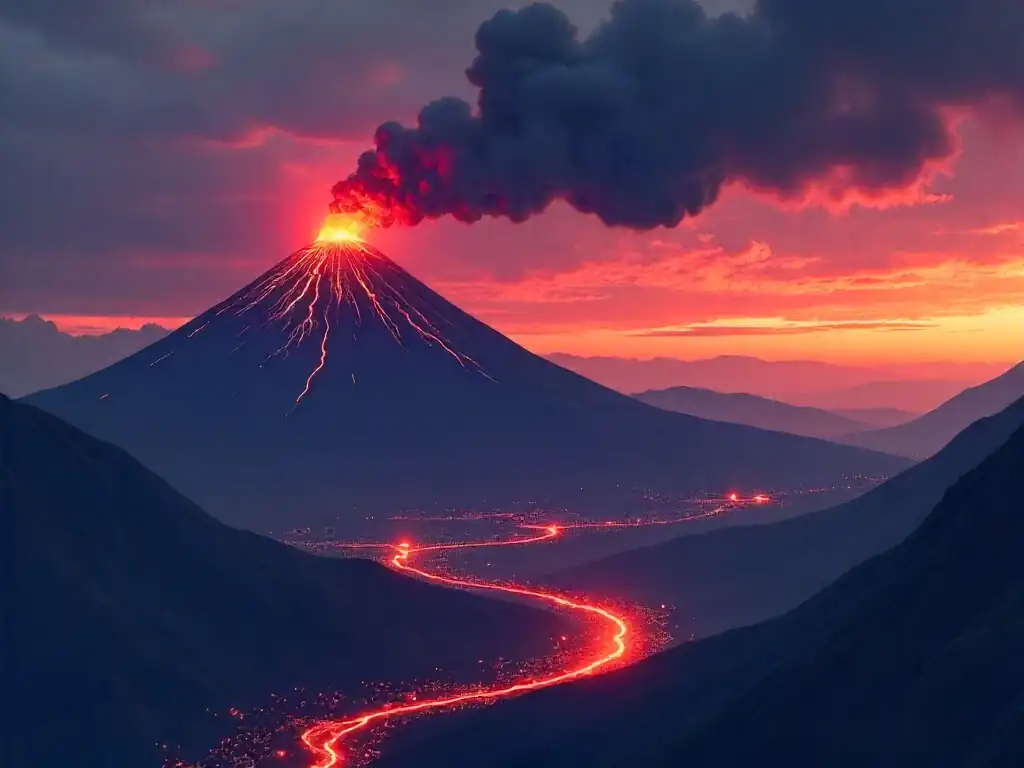
Welcome to Volcano Explorers, where the Earth's fiery heart is laid bare. But have you ever wondered what invisible forces pulse beneath the surface before an eruption? This isn't just about lava and ash; we're diving deep into the intriguing world of Electromagnetic Signals in Volcanoes. Can these subtle shifts in magnetic fields and ground deformation truly unlock the secrets to predicting volcanic activity? The answer might surprise you... Read on to uncover the hidden language of volcanoes.
- Introduction: Unveiling Volcanic Secrets with Electromagnetic Monitoring
- The Science Behind Electromagnetic Signals in Volcanoes
- Monitoring Volcanoes: The Role of Electromagnetic Field Measurements
- Case Studies: Electromagnetic Signals and Ground Deformation at Active Volcanoes
- Advantages of Electromagnetic Monitoring in Volcano Research
- Challenges and Limitations of Electromagnetic Monitoring
- Future Directions in Electromagnetic Volcano Monitoring
- Conclusion: The Promise of Electromagnetic Signals in Understanding Volcanoes
-
Frequently Asked Questions
- What are electromagnetic signals in volcanoes, and how are they generated?
- How can monitoring electromagnetic signals help predict volcanic eruptions?
- What types of instruments are used to detect electromagnetic signals at volcanoes?
- Besides eruption prediction, what other information can electromagnetic signals provide about volcanoes?
- What are some challenges in using electromagnetic signals for volcano monitoring?
- Final Reflection: Unveiling Earth's Silent Language
- Unlock the Secrets Beneath Our Feet!
Introduction: Unveiling Volcanic Secrets with Electromagnetic Monitoring
The Significance of Electromagnetic Phenomena in Volcano Monitoring
Volcano monitoring is crucial for mitigating the risks associated with volcanic eruptions. Traditional methods often rely on seismic activity, gas emissions, and ground deformation measurements. However, the study of electromagnetic (EM) phenomena is emerging as a powerful complementary tool, offering unique insights into the internal dynamics of volcanoes.
Electromagnetic signals, encompassing variations in electric and magnetic fields, can reflect subsurface processes that may precede or accompany volcanic unrest, sometimes even before other more conventional indicators become evident. This sensitivity to subtle changes in the volcanic system makes electromagnetic monitoring a potentially invaluable component of early warning systems and comprehensive volcanic hazard assessments.
The significance of electromagnetic phenomena lies in their ability to probe different aspects of volcanic activity compared to other geophysical methods. For instance, while seismicity reveals fracturing and magma movement, and ground deformation indicates pressure changes, electromagnetic signals can be directly linked to fluid flow, thermal variations, and geochemical reactions occurring within the volcano.
These signals can be generated by various processes, such as the movement of conductive magma, electrokinetic effects associated with fluid flow through porous rocks, and changes in the Earth's magnetic field induced by thermal and stress variations. By carefully analyzing these electromagnetic signals, scientists can gain a more holistic understanding of the complex processes leading to volcanic eruptions and improve our ability to forecast volcanic activity.
The Science Behind Electromagnetic Signals in Volcanoes
Generation of Electromagnetic Fields by Volcanic Activity
Volcanic activity is a dynamic and multifaceted process that generates a variety of electromagnetic signals. One primary source is the movement of magma, which is a molten rock containing conductive minerals and dissolved volatiles. As magma ascends through the crust, its movement can induce electric currents in the surrounding rocks, leading to measurable magnetic field variations at the surface.
This phenomenon is particularly pronounced when magma is rich in metallic oxides, such as magnetite, which can enhance the conductivity and magnetic susceptibility of the magma. Laboratory experiments have shown that the flow of conductive fluids in porous media, mimicking magma ascent, can indeed generate detectable electromagnetic fields.
Another important mechanism for electromagnetic signal generation is related to electrokinetic effects. When fluids, such as water or magma, flow through porous rocks, they can generate electric currents due to the interaction between the fluid and the rock matrix. This process, known as streaming potential, is particularly relevant in volcanic environments where hydrothermal systems are prevalent and where magma interacts with groundwater.
The movement of these fluids, driven by pressure gradients related to magma intrusion or degassing, can create measurable electric and magnetic fields. Furthermore, geochemical reactions occurring within the volcano, such as oxidation and reduction processes, can also contribute to electromagnetic signal generation by altering the electrical conductivity of the rocks and fluids, and by creating electrochemical potential differences.
Ground Deformation as a Source of Electromagnetic Emission
Ground deformation, a well-established precursor to volcanic eruptions, is not only a physical manifestation of volcanic activity but can also be a source of electromagnetic emissions. As magma intrudes into the crust, it causes stress changes in the surrounding rocks, leading to ground deformation that can be detected by various geodetic techniques. These stress changes can, in turn, influence the electromagnetic properties of the rocks and generate measurable signals.
For example, piezomagnetism, the change in magnetization of rocks due to stress, can occur in volcanic areas where stress fields are highly dynamic. When rocks containing magnetic minerals are subjected to stress, their magnetization can change, resulting in variations in the local magnetic field.
Furthermore, ground deformation is often accompanied by changes in fluid pressure and flow within the volcanic edifice. As the ground deforms, fractures and cracks can open or close, altering the pathways for fluid movement. These changes in fluid flow, as discussed earlier, can generate electromagnetic signals through electrokinetic effects.
In essence, ground deformation acts as a trigger or modulator of electromagnetic emissions by modifying the stress state, fluid flow patterns, and potentially the geochemical environment within the volcano. Consequently, monitoring electromagnetic signals in conjunction with ground deformation measurements can provide a more comprehensive picture of the volcanic processes and their potential for eruption.
Types of Electromagnetic Signals Observed at Volcanoes
Volcanoes emit a diverse range of electromagnetic signals, reflecting the complexity of their internal processes. These signals can be broadly categorized based on their frequency and the geophysical properties they represent. One of the most commonly studied types of electromagnetic signals is variations in the magnetic field.
Magnetometers deployed near volcanoes can detect changes in the Earth's magnetic field that are induced by volcanic activity. These variations can range from slow, gradual changes associated with long-term magmatic processes to rapid fluctuations linked to eruptive events. Researchers have observed magnetic anomalies preceding and accompanying eruptions at several volcanoes, indicating the potential of magnetic monitoring for eruption forecasting.
In addition to magnetic fields, volcanoes also generate electric fields and telluric currents. Telluric currents are naturally occurring electric currents that flow within the Earth's crust and upper mantle. Volcanic activity can perturb these telluric currents, leading to measurable changes in the electric potential at the surface. Electrode arrays deployed around volcanoes can detect these telluric variations, which can be indicative of subsurface conductivity changes related to magma movement, hydrothermal activity, or tectonic stress.
Furthermore, volcanoes can emit electromagnetic radiation across a wide spectrum of frequencies, including very low frequency (VLF) and ultra-low frequency (ULF) electromagnetic waves. These emissions are thought to be generated by various processes, including lightning activity in volcanic plumes, fracturing of rocks, and plasma discharges within the volcanic conduit. Analyzing the frequency content and temporal evolution of these electromagnetic signals can provide valuable information about the state and dynamics of the volcanic system.
Monitoring Volcanoes: The Role of Electromagnetic Field Measurements
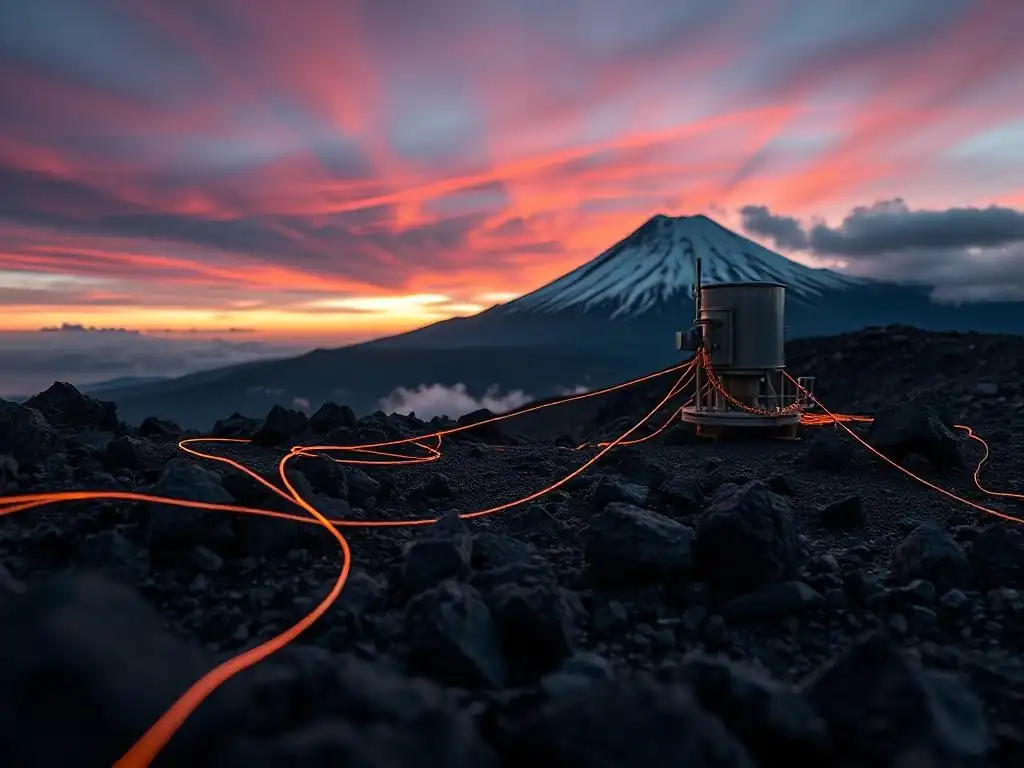
Electromagnetic Monitoring Techniques
Effective volcano monitoring using electromagnetic methods relies on a suite of specialized techniques and instruments. The cornerstone of magnetic monitoring is the magnetometer, a device designed to measure the strength and direction of magnetic fields. Various types of magnetometers are employed in volcano monitoring, including proton precession magnetometers, fluxgate magnetometers, and superconducting quantum interference device (SQUID) magnetometers.
Proton precession magnetometers are known for their high accuracy and stability, while fluxgate magnetometers offer a good balance of sensitivity and robustness for field deployments. SQUID magnetometers, although highly sensitive, are more complex and typically used in laboratory settings or specialized observatories. Magnetometers are deployed in networks around volcanoes to capture spatial variations in the magnetic field and monitor temporal changes over time.
Electric field monitoring utilizes electrodes inserted into the ground to measure the electric potential difference between points. These electrodes are typically non-polarizing to minimize electrochemical noise and ensure accurate measurements. Arrays of electrodes are deployed to map the spatial distribution of electric potentials and detect telluric currents flowing in the subsurface. The configuration of electrode arrays can be tailored to the specific geological setting and monitoring objectives.
For example, dipole-dipole arrays are commonly used for resistivity surveys, while more complex arrays may be employed for detailed mapping of telluric current patterns. Furthermore, specialized electromagnetic sensors are used to detect VLF and ULF electromagnetic radiation emitted by volcanoes. These sensors often consist of antennas and receivers that are tuned to specific frequency bands of interest. Data from these electromagnetic instruments are typically telemetered in real-time to monitoring centers for continuous analysis and interpretation.
Magnetic Field Variations as Indicators of Volcanic Activity
Variations in the magnetic field around a volcano can serve as crucial indicators of ongoing volcanic activity and potential eruptions. Changes in the magnetic field can reflect alterations in the magnetization of rocks due to temperature changes, stress variations, or the movement of magnetic materials like magma. For instance, the ascent of magma, which is often more magnetic than the surrounding crustal rocks, can cause a localized increase in the magnetic field intensity.
Conversely, heating of rocks above their Curie temperature, the temperature at which ferromagnetic materials lose their magnetization, can lead to a decrease in the magnetic field. Studies at volcanoes like Stromboli in Italy have shown correlations between magnetic field variations and eruptive activity, with magnetic anomalies observed prior to and during Strombolian explosions.
Furthermore, stress-induced changes in the magnetization of rocks, known as piezomagnetic effects, can also contribute to magnetic field variations observed at volcanoes. As magma intrudes and the volcanic edifice deforms, stress fields within the volcano change, potentially altering the magnetization of susceptible rocks. These piezomagnetic signals can provide information about the stress state and deformation processes occurring beneath the surface.
The temporal pattern of magnetic field variations is also important. Rapid fluctuations in the magnetic field may be associated with dynamic processes like magma fracturing or gas release, while slower, gradual changes may reflect longer-term processes such as magma accumulation or cooling. By carefully analyzing the spatial and temporal characteristics of magnetic field variations, volcanologists can gain valuable insights into the internal dynamics of volcanoes and improve eruption forecasts.
Integrating Ground Deformation Data with Electromagnetic Data
Integrating ground deformation data with electromagnetic data is crucial for a comprehensive understanding of volcanic processes and for enhancing the accuracy of volcano monitoring and hazard assessment. Ground deformation measurements, obtained from techniques like GPS, InSAR (Interferometric Synthetic Aperture Radar), and tiltmeters, provide information about the physical changes in the shape and position of the volcano's surface. Electromagnetic data, on the other hand, offers insights into subsurface electrical properties and processes related to fluid flow, thermal variations, and geochemical changes. Combining these two datasets allows for a more holistic interpretation of volcanic activity.
For example, simultaneous observation of ground inflation and magnetic anomalies could indicate magma accumulation at depth. The ground deformation data reveals the physical expansion of the volcano due to magma intrusion, while the magnetic anomaly suggests the presence of magnetic material associated with the magma. Conversely, deflation coupled with changes in telluric currents might indicate magma withdrawal or changes in hydrothermal fluid pathways.
By jointly analyzing ground deformation and electromagnetic data, researchers can better constrain models of magma movement, stress distribution, and fluid dynamics within the volcano. This integrated approach can help to distinguish between different volcanic processes and improve the reliability of eruption forecasts. Several volcano observatories are now implementing integrated monitoring systems that combine geodetic, seismic, geochemical, and electromagnetic measurements to provide a more robust and complete picture of volcanic activity.
Case Studies: Electromagnetic Signals and Ground Deformation at Active Volcanoes
Case Study 1: Mount St. Helens - Electromagnetic Anomalies and Eruptive Activity
Mount St. Helens, in Washington State, USA, provides a compelling case study for the application of electromagnetic monitoring in understanding volcanic activity. Prior to and during the 1980 eruption, and in subsequent periods of unrest, various electromagnetic studies were conducted to investigate the volcano's subsurface structure and dynamics.
Researchers deployed magnetometers around Mount St. Helens and observed significant magnetic anomalies that correlated with volcanic activity. For instance, studies conducted in the years leading up to the 1980 eruption revealed a decrease in the magnetic field intensity in the vicinity of the volcano, which was interpreted as being related to thermal demagnetization of rocks due to magma intrusion and hydrothermal activity.
Following the 1980 eruption and during periods of dome building in the 1980s and 1990s, continued magnetic monitoring showed fluctuations in the magnetic field that were associated with changes in eruptive style and magma effusion rates. Furthermore, studies using magnetotelluric (MT) methods, which measure the Earth's electrical resistivity by analyzing natural electromagnetic fields, revealed a highly conductive zone beneath Mount St. Helens. This conductive zone was interpreted as representing a magma reservoir or a zone of hydrothermal alteration.
The electromagnetic studies at Mount St. Helens demonstrated the potential of these techniques to detect subsurface magmatic and hydrothermal processes and to provide insights into the volcano's eruptive behavior. While not a primary forecasting tool in isolation, electromagnetic data contributed valuable information to the overall monitoring effort at Mount St. Helens.
Case Study 2: Kilauea - Ground Deformation-Induced Electromagnetic Changes
Kilauea volcano in Hawaii, known for its frequent effusive eruptions and significant ground deformation, offers another valuable case study for exploring the relationship between ground deformation and electromagnetic signals. Kilauea's East Rift Zone eruptions are often accompanied by substantial inflation and deflation cycles, which are readily detectable by geodetic techniques. Researchers have investigated whether these ground deformation events are associated with measurable electromagnetic changes. Studies conducted during periods of inflation and deflation at Kilauea have shown correlations between ground deformation and variations in telluric currents and magnetic fields.
For example, during periods of rapid inflation, associated with magma accumulation in shallow reservoirs, increases in telluric current activity have been observed. These increases are thought to be related to enhanced electrokinetic effects caused by increased fluid pressure and flow associated with magma intrusion and ground deformation. Conversely, during deflation events, telluric current activity may decrease.
Furthermore, some studies have reported subtle magnetic field variations that correlate with inflation and deflation cycles at Kilauea, although these magnetic signals are often weaker and more challenging to isolate from other sources of magnetic noise. The research at Kilauea highlights the potential for ground deformation to induce measurable electromagnetic changes, particularly through electrokinetic mechanisms, and underscores the value of integrated monitoring approaches.
Lessons Learned from Case Studies: Improving Volcanic Hazard Assessment
The case studies of Mount St. Helens and Kilauea, along with research at other active volcanoes, provide valuable lessons for improving volcanic hazard assessment through electromagnetic monitoring. One key lesson is that electromagnetic signals can provide complementary information to traditional monitoring techniques, such as seismicity and ground deformation. Electromagnetic methods are sensitive to different physical properties and processes, offering a more comprehensive view of volcanic activity. For instance, electromagnetic data can be particularly useful for detecting subsurface fluid flow and changes in electrical conductivity, which may not be directly revealed by seismic or geodetic measurements alone.
Another important lesson is the need for integrated monitoring systems. Combining electromagnetic data with seismic, geodetic, geochemical, and other geophysical datasets allows for a more robust and reliable assessment of volcanic hazards. The case studies demonstrate that correlations often exist between electromagnetic signals and other indicators of volcanic unrest. By analyzing these correlations and developing integrated models, scientists can improve their ability to discriminate between different volcanic processes and to forecast eruption probabilities.
Furthermore, the case studies highlight the importance of long-term, continuous electromagnetic monitoring. Establishing permanent electromagnetic monitoring networks at active volcanoes allows for the detection of subtle, precursory signals that may precede eruptions and for the tracking of long-term trends in volcanic activity. These lessons underscore the growing role of electromagnetic monitoring in enhancing volcanic hazard assessment and mitigating the risks associated with volcanic eruptions.
Advantages of Electromagnetic Monitoring in Volcano Research
Non-Invasive Nature of Electromagnetic Measurements
One of the significant advantages of electromagnetic monitoring in volcano research is its non-invasive nature. Unlike some other geophysical methods that require active sources or direct interaction with the volcanic environment, electromagnetic measurements rely on naturally occurring or passively emitted electromagnetic fields. Magnetometers and electrodes, the primary instruments used in electromagnetic monitoring, are deployed on the surface, and they remotely sense subsurface electromagnetic properties without disturbing the volcano's natural state. This non-invasive characteristic is particularly beneficial in sensitive volcanic environments where direct access may be hazardous or environmentally disruptive.
The non-invasive nature of electromagnetic monitoring allows for continuous and long-term data acquisition without impacting the volcanic system. Instruments can be installed and left to operate autonomously for extended periods, providing a continuous stream of data on electromagnetic variations. This is crucial for capturing subtle precursory signals that may precede volcanic eruptions, as well as for monitoring long-term trends in volcanic activity.
Furthermore, the non-invasive nature of electromagnetic measurements makes them suitable for monitoring volcanoes in remote or inaccessible locations, where deploying and maintaining other types of instruments may be challenging. This advantage contributes to the overall safety and efficiency of volcano monitoring efforts.
Real-Time Monitoring Capabilities
Electromagnetic monitoring systems offer excellent real-time monitoring capabilities, which are essential for effective volcano hazard mitigation. Modern electromagnetic instruments are designed to be easily integrated with telemetry systems, allowing for the continuous transmission of data from remote field sites to central monitoring centers. This real-time data stream enables volcanologists to track electromagnetic variations as they occur, providing immediate insights into the evolving state of the volcano. Real-time monitoring is particularly valuable for detecting rapid changes in electromagnetic signals that may indicate imminent volcanic activity, such as magma ascent, gas release, or changes in hydrothermal systems.
The ability to monitor volcanoes in real-time allows for timely responses to volcanic unrest. When significant electromagnetic anomalies are detected, volcano observatories can issue alerts, deploy additional monitoring resources, and implement mitigation measures, such as evacuation plans, if necessary. Real-time electromagnetic data can also be integrated with other monitoring datasets, such as seismic and geodetic data, in automated alert systems.
These integrated systems can provide more robust and reliable early warnings of volcanic eruptions, enhancing public safety and reducing the potential for volcanic disasters. The real-time capabilities of electromagnetic monitoring contribute significantly to the effectiveness of volcano early warning systems.
Cost-Effectiveness of Electromagnetic Instruments
Compared to some other advanced geophysical monitoring techniques, electromagnetic instruments, particularly magnetometers and electric field sensors, are relatively cost-effective. While sophisticated SQUID magnetometers can be expensive, robust and reliable fluxgate and proton precession magnetometers, suitable for volcano monitoring, are available at a more moderate cost. Similarly, electric field sensors and telluric arrays are generally less expensive to deploy and maintain compared to seismic networks or geodetic GPS stations. The cost-effectiveness of electromagnetic instruments makes them accessible to a wider range of volcano observatories and research institutions, particularly those with limited budgets.
The lower cost of electromagnetic monitoring systems allows for the deployment of denser monitoring networks, covering larger areas around volcanoes. Denser networks improve the spatial resolution of electromagnetic measurements and enhance the ability to detect localized anomalies associated with volcanic activity. Furthermore, the cost-effectiveness of electromagnetic instruments facilitates the establishment of long-term monitoring programs at multiple volcanoes, contributing to a more comprehensive global volcano monitoring network. The combination of cost-effectiveness, non-invasive nature, and real-time capabilities makes electromagnetic monitoring a highly attractive and practical tool for volcano research and hazard mitigation.
Challenges and Limitations of Electromagnetic Monitoring
Influence of External Factors on Electromagnetic Signals
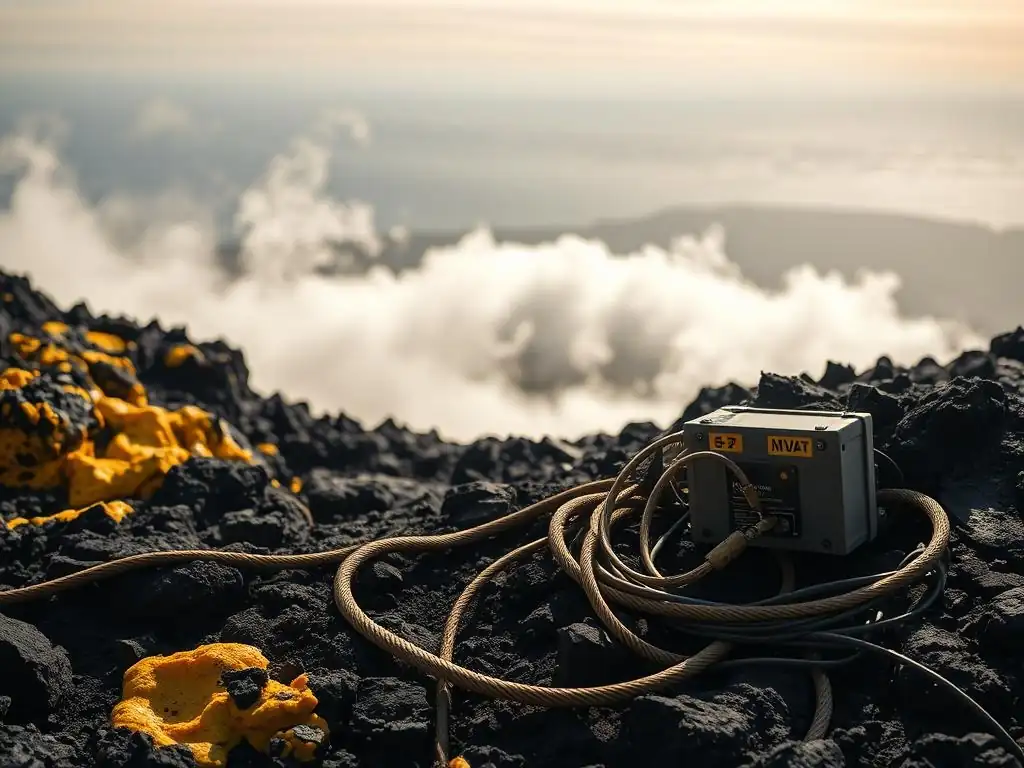
Despite its advantages, electromagnetic monitoring of volcanoes faces several challenges and limitations. One significant challenge is the influence of external factors on electromagnetic signals. The Earth's natural electromagnetic environment is dynamic and affected by various sources, including geomagnetic storms caused by solar activity, ionospheric currents, atmospheric lightning, and even human-made electromagnetic noise from power lines, radio transmissions, and industrial activities. These external sources can contaminate the electromagnetic signals recorded at volcanoes, making it challenging to isolate the signals originating from volcanic processes.
Geomagnetic storms, in particular, can induce significant variations in the Earth's magnetic field, which can mask or distort subtle magnetic anomalies related to volcanic activity. Atmospheric lightning generates broadband electromagnetic noise that can interfere with measurements, especially at higher frequencies. Human-made electromagnetic noise is often concentrated in urban or industrial areas near volcanoes and can significantly degrade the quality of electromagnetic data.
Mitigating the influence of these external factors requires careful site selection for instrument deployment, sophisticated data processing techniques to filter out noise, and the use of reference stations located away from volcanic sources to monitor and subtract regional electromagnetic variations. Understanding and accounting for these external influences is crucial for the accurate interpretation of electromagnetic signals from volcanoes.
Data Interpretation Complexity
Interpreting electromagnetic data from volcanoes can be complex due to the multifaceted nature of volcanic processes and the intricate relationship between these processes and electromagnetic signal generation. Volcanic electromagnetic signals can be generated by various sources, including magma movement, electrokinetic effects, piezomagnetism, and geochemical reactions, as discussed earlier.
Disentangling the contributions from these different sources and identifying the specific volcanic processes responsible for observed electromagnetic anomalies can be challenging. Furthermore, the subsurface structure of volcanoes is often complex and heterogeneous, with variations in rock type, porosity, permeability, and fluid saturation, which can significantly influence the propagation and distribution of electromagnetic fields.
The interpretation of electromagnetic data often requires sophisticated modeling techniques to simulate the electromagnetic response of different volcanic scenarios and to compare model predictions with observed data. These models need to account for the complex geological structure of the volcano, the distribution of electrical conductivity, and the various sources of electromagnetic signals.
Inversion techniques are used to estimate subsurface conductivity structures from electromagnetic data, but these inversions can be non-unique and sensitive to data noise and model assumptions. Therefore, data interpretation often requires integrating electromagnetic data with other geophysical and geological information to constrain models and to arrive at robust conclusions about volcanic processes.
Need for Integrated Monitoring Systems
Given the challenges and limitations of electromagnetic monitoring, particularly the influence of external factors and data interpretation complexity, there is a clear need for integrated monitoring systems that combine electromagnetic data with other geophysical and geochemical measurements. As highlighted in the case studies, integrating ground deformation data with electromagnetic data can provide a more comprehensive understanding of volcanic processes. Similarly, combining electromagnetic measurements with seismic, gas emission, thermal, and hydrological data can offer a more holistic view of volcanic activity and improve the reliability of volcano monitoring and hazard assessment.
Integrated monitoring systems allow for cross-validation of results from different monitoring techniques, reducing uncertainties and improving the robustness of interpretations. For example, a volcanic unrest episode characterized by simultaneous increases in seismicity, ground deformation, gas emissions, and electromagnetic anomalies provides stronger evidence for magma ascent and potential eruption than an anomaly detected by only one monitoring technique.
Furthermore, integrated data analysis can help to distinguish between different volcanic processes and to identify the most likely scenarios of volcanic evolution. Developing and implementing integrated volcano monitoring systems is crucial for maximizing the effectiveness of electromagnetic monitoring and for enhancing overall volcanic hazard mitigation efforts.
Future Directions in Electromagnetic Volcano Monitoring
Advancements in Sensor Technology
The field of electromagnetic volcano monitoring is continuously evolving, with promising future directions driven by advancements in sensor technology. Ongoing research and development efforts are focused on improving the sensitivity, accuracy, robustness, and portability of electromagnetic sensors.
For example, advancements in SQUID magnetometer technology are leading to more compact and field-deployable SQUID sensors with enhanced sensitivity, potentially enabling the detection of even weaker magnetic signals from volcanoes. Developments in microelectromechanical systems (MEMS) technology are also contributing to the miniaturization and cost-reduction of magnetic and electric field sensors, making it possible to deploy denser sensor networks and to utilize unmanned aerial vehicles (UAVs) or drones for rapid electromagnetic surveys of volcanoes.
Furthermore, research is underway to develop new types of electromagnetic sensors that are more resistant to harsh volcanic environments, including high temperatures, corrosive gases, and volcanic ash. For instance, high-temperature magnetometers are being developed to operate closer to volcanic vents and fumaroles, potentially providing more direct measurements of magmatic and hydrothermal processes. Advancements in fiber optic sensors and other novel sensing technologies could also lead to new and improved electromagnetic monitoring capabilities in the future. These advancements in sensor technology will play a crucial role in enhancing the effectiveness and expanding the applications of electromagnetic volcano monitoring.
Development of Sophisticated Data Analysis Techniques
Future progress in electromagnetic volcano monitoring also hinges on the development of more sophisticated data analysis techniques. As electromagnetic datasets become larger and more complex, advanced data processing and interpretation methods are needed to extract meaningful information and to separate volcanic signals from noise and external influences.
Machine learning (ML) and artificial intelligence (AI) techniques are increasingly being applied to volcano monitoring data, including electromagnetic data, for pattern recognition, anomaly detection, and automated data analysis. ML algorithms can be trained to identify subtle electromagnetic anomalies associated with volcanic unrest and to classify different types of volcanic activity based on their electromagnetic signatures.
Furthermore, advancements in geophysical inversion techniques are crucial for improving the accuracy and resolution of subsurface conductivity models derived from electromagnetic data. Three-dimensional (3D) inversion algorithms are being developed to account for the complex geological structures of volcanoes and to provide more realistic representations of subsurface conductivity distributions. Joint inversion techniques, which simultaneously invert multiple geophysical datasets, including electromagnetic data, are also being explored to better constrain subsurface models and to reduce uncertainties in data interpretation. These developments in data analysis techniques will enhance the ability to extract valuable insights from electromagnetic data and to improve volcano monitoring capabilities.
Expanding the Global Network of Electromagnetic Monitoring Stations
A crucial future direction for electromagnetic volcano monitoring is the expansion of the global network of electromagnetic monitoring stations. Currently, electromagnetic monitoring is not as widely implemented at volcanoes worldwide as seismic or geodetic monitoring. Expanding the global network of electromagnetic monitoring stations would significantly enhance the global capacity for volcano hazard assessment and early warning. This expansion would involve establishing new electromagnetic monitoring stations at strategically important volcanoes, particularly those with a history of significant eruptions or those located near densely populated areas.
Expanding the network also requires international collaboration and data sharing among volcano observatories and research institutions. Sharing best practices, developing standardized data formats, and creating open-access electromagnetic datasets would facilitate collaborative research and improve the overall effectiveness of global volcano monitoring efforts. Furthermore, expanding the network should prioritize the integration of electromagnetic monitoring with other existing monitoring networks, such as the Global Seismographic Network (GSN) and geodetic networks, to create comprehensive, multi-parameter volcano observatories. A more extensive and integrated global network of electromagnetic monitoring stations would significantly advance our ability to understand and mitigate volcanic hazards worldwide.
Conclusion: The Promise of Electromagnetic Signals in Understanding Volcanoes
Electromagnetic Signals as a Tool for Volcano Monitoring and Hazard Assessment
Electromagnetic signals are emerging as a promising and increasingly valuable tool for volcano monitoring and hazard assessment. The ability of electromagnetic methods to probe subsurface processes related to magma movement, fluid flow, thermal variations, and geochemical changes offers unique insights into the internal dynamics of volcanoes that complement traditional monitoring techniques. Case studies at volcanoes like Mount St. Helens and Kilauea demonstrate the potential of electromagnetic monitoring to detect precursory signals, to track volcanic activity, and to improve our understanding of eruption processes.
The advantages of electromagnetic monitoring, including its non-invasive nature, real-time capabilities, and cost-effectiveness, make it a practical and attractive tool for volcano observatories and research institutions worldwide. While challenges remain, such as the influence of external factors and data interpretation complexity, ongoing advancements in sensor technology, data analysis techniques, and integrated monitoring systems are continuously enhancing the effectiveness of electromagnetic volcano monitoring.
Expanding the global network of electromagnetic monitoring stations and fostering international collaboration will further unlock the full potential of electromagnetic signals in understanding volcanoes and mitigating the risks associated with these powerful natural phenomena. Electromagnetic monitoring is poised to play an increasingly important role in the future of volcano science and hazard mitigation, contributing to safer and more resilient communities living near active volcanoes.
Frequently Asked Questions
What are electromagnetic signals in volcanoes, and how are they generated?
Electromagnetic signals in volcanoes are changes in the magnetic and electric fields surrounding a volcano. These signals are generated by various processes like magma movement and fluid flow within the volcano's structure.
How can monitoring electromagnetic signals help predict volcanic eruptions?
Monitoring these signals can provide valuable insights into the internal processes within a volcano. Significant changes in signal strength or pattern may indicate increased volcanic activity or an impending eruption.
What types of instruments are used to detect electromagnetic signals at volcanoes?
Scientists use various instruments, including magnetometers and electrical resistivity tomography (ERT), to measure the electromagnetic fields. These instruments can be deployed on the ground or even from aircraft or satellites.
Besides eruption prediction, what other information can electromagnetic signals provide about volcanoes?
Electromagnetic signals can also help us understand the structure of the volcano's plumbing system. They can reveal information about the location and movement of magma and hydrothermal fluids.
What are some challenges in using electromagnetic signals for volcano monitoring?
Distinguishing volcanic signals from background noise and other sources of electromagnetic interference can be challenging. Also, interpreting the signals and relating them to specific volcanic processes requires sophisticated models and analysis.
Final Reflection: Unveiling Earth's Silent Language
The exploration of electromagnetic signals at volcanoes, as we've seen, is not merely an academic exercise; it's a crucial step towards understanding and mitigating the devastating power of these geological giants. The potential to predict volcanic eruptions through subtle electromagnetic changes represents a paradigm shift in disaster preparedness, offering a chance to safeguard communities and minimize loss of life. This research underscores the interconnectedness of seemingly disparate fields, revealing how physics and geology can converge to unlock Earth's hidden secrets.
The ongoing quest to decipher these electromagnetic whispers has profoundly shaped our understanding of volcanic processes and their impact on the surrounding environment. This research resonates deeply because it highlights humanity's relentless pursuit of knowledge in the face of nature's most formidable forces. It reminds us that even the most destructive phenomena can be understood and, to some extent, anticipated through diligent observation and innovative scientific inquiry. The important thing is to never stop questioning.
- Albert Einstein. This quote perfectly encapsulates the spirit of scientific exploration that drives the study of electromagnetic signals in volcanoes, urging us to continuously refine our understanding and push the boundaries of what's possible.
Now, consider the implications of this research in your own life. How can you apply the principles of observation, analysis, and interdisciplinary thinking to the challenges you face? Just as scientists are meticulously piecing together the puzzle of volcanic activity, you too can approach complex problems with curiosity, perseverance, and a willingness to embrace new perspectives. Let the study of electromagnetic signals in volcanoes inspire you to look beyond the surface, to seek out the hidden connections, and to contribute to a world where knowledge empowers us to navigate the uncertainties that lie ahead.
Unlock the Secrets Beneath Our Feet!
Thank you for exploring the fascinating world of electromagnetic signals and ground deformation at volcanoes. We hope you gained a new appreciation for the complex interplay of forces shaping our planet. Ready to delve deeper?
Continue your exploration:
- Analyze real volcano monitoring data: Many geological surveys provide publicly accessible data; begin your own investigation!
- Share this article: Spread the word and spark conversations about the potential of electromagnetic monitoring among fellow volcano enthusiasts.
- Join the Volcano Explorers community forum: Discuss your insights, questions, and theories with other members and contribute to a greater understanding of volcanic activity.
What patterns or early warning signs do you find most intriguing in electromagnetic volcano data? Share your thoughts in the comments below!