
Cracking the Code: Interpreting Volcanic Earthquakes for Eruption Forecasts

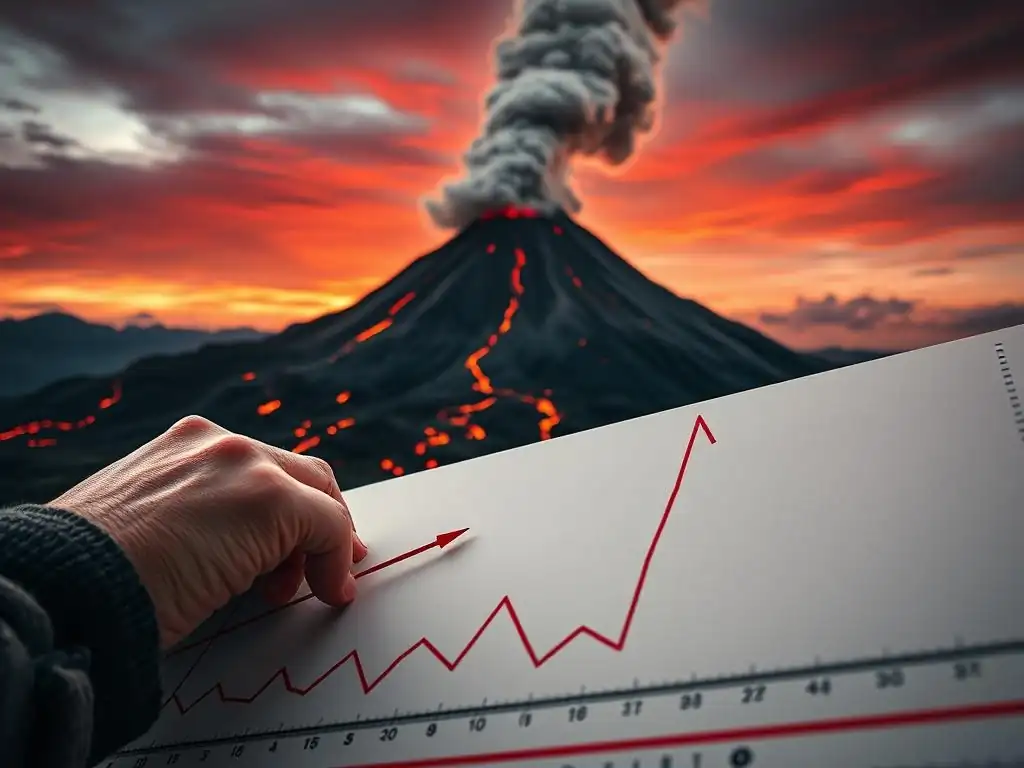
Welcome to Volcano Explorers, where the Earth speaks in fire and fury. Can we truly decipher the rumblings of a restless giant? Prepare to journey into the heart of volcanic science as we explore the fascinating – and critical – field of volcanic earthquake prediction techniques. Uncover the secrets hidden within the seismic signals, and discover how scientists are striving to anticipate the next eruption. The ground is shaking...are you ready to listen?
- Introduction: Understanding Volcanic Seismicity and Eruption Prediction
-
Frequently Asked Questions
- What are volcanic earthquakes and how are they different from regular earthquakes?
- How can analyzing volcanic earthquakes help predict volcanic eruptions?
- What are some of the main techniques used to monitor volcanic earthquakes?
- What are the limitations of using volcanic earthquake data for eruption forecasting?
- Where can I find real-time updates on volcanic earthquake activity and potential eruption risks?
- Final Reflection: Decoding Earth's Fiery Whispers
- Unearth the Secrets of Volcanoes: Become an Eruption Expert!
Introduction: Understanding Volcanic Seismicity and Eruption Prediction
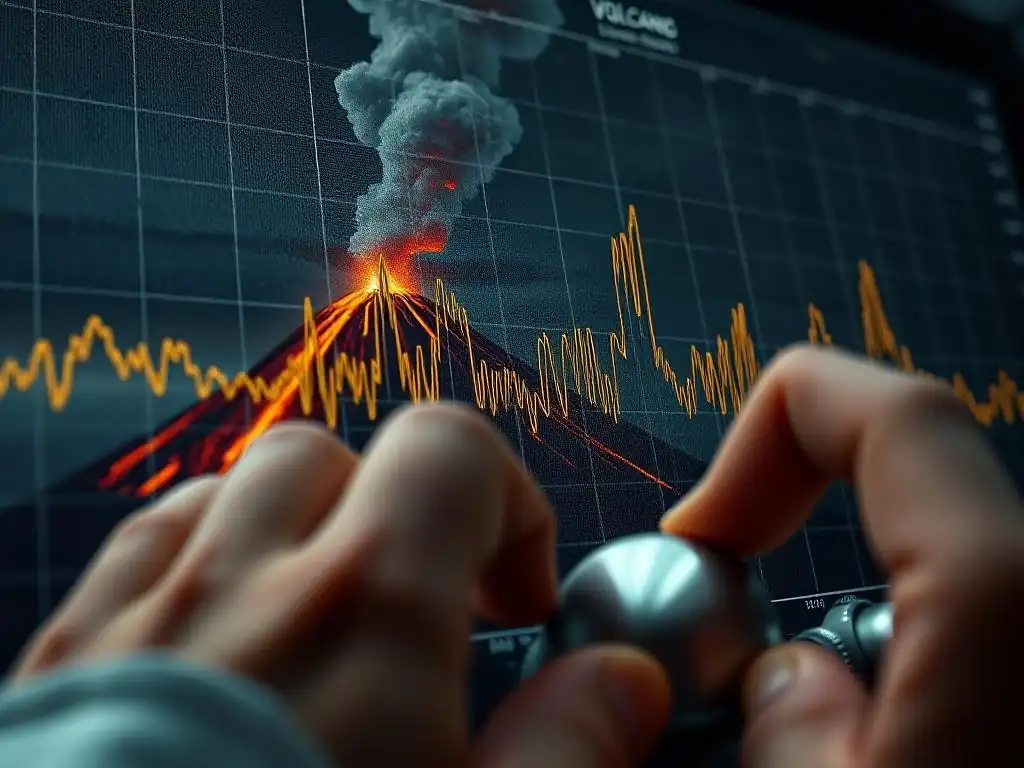
The Role of Seismic Monitoring in Volcano Early Warning Systems
Seismic monitoring stands as a cornerstone of modern volcano early warning systems. Just as doctors use electrocardiograms to monitor heart activity, volcanologists employ seismographs to listen to the Earth’s subtle rumblings beneath volcanoes. These sophisticated instruments detect and record ground vibrations, providing crucial insights into the dynamic processes occurring within volcanic systems.
By establishing networks of seismometers around volcanoes, scientists create a vigilant watch, constantly listening for changes in seismic activity that might signal an impending eruption. This continuous surveillance is not just about detecting earthquakes; it's about deciphering the language of the volcano, translating seismic signals into actionable warnings that can save lives and mitigate disasters in volcanically active regions.
The implementation of seismic monitoring is a multi-faceted endeavor. It involves not only the deployment of sensitive equipment but also the establishment of robust data transmission and analysis infrastructure. Data from seismometers are telemetered in real-time to monitoring centers where sophisticated software algorithms and expert volcanologists analyze the waveforms.
Changes in earthquake rates, magnitudes, types, and locations are meticulously tracked and interpreted in the context of other monitoring data, such as ground deformation, gas emissions, and thermal anomalies. This integrated approach transforms raw seismic data into a valuable tool for assessing volcanic unrest and forecasting potential eruptions, playing a vital role in public safety and emergency preparedness around volcanoes worldwide.
Why Volcanic Earthquakes Matter for Forecasting Eruptions
Volcanic earthquakes are not merely random tremors; they are often direct indicators of the internal processes leading up to an eruption. Unlike tectonic earthquakes that result from the sudden release of stress along fault lines, volcanic earthquakes are triggered by a variety of phenomena associated with magma movement, fluid pressure changes, and structural adjustments within the volcanic edifice. As magma ascends from depth, it fractures surrounding rocks, generating volcano-tectonic (VT) earthquakes.
The movement of magma and volcanic gases can also induce pressure fluctuations, leading to long-period (LP) earthquakes and tremor. Therefore, understanding the characteristics of volcanic earthquakes – their type, frequency, location, and magnitude – provides a window into the volcano's plumbing system and its state of unrest.
The significance of volcanic earthquakes in eruption forecasting lies in their ability to reveal precursory signals that often precede eruptions. Studies of numerous volcanic eruptions have demonstrated that changes in seismic activity frequently occur days, weeks, or even months before an eruption. These precursory signals can include increases in earthquake frequency, shifts in earthquake types, migration of earthquake locations towards the surface, and changes in the energy released by seismic events.
By carefully monitoring these seismic parameters and recognizing patterns associated with past eruptions, volcanologists can improve their ability to anticipate future eruptions and issue timely warnings. The analysis of volcanic earthquakes is thus a critical component of probabilistic eruption forecasting, aiming to estimate the likelihood of an eruption within a specific timeframe and to inform decision-making related to risk mitigation and community preparedness.
Frequently Asked Questions
What are volcanic earthquakes and how are they different from regular earthquakes?
Volcanic earthquakes are earthquakes associated with volcanic activity, often caused by the movement of magma or fluids within the volcano. Unlike regular earthquakes, they are typically shallower and occur in clusters near the volcano.
How can analyzing volcanic earthquakes help predict volcanic eruptions?
Analyzing the frequency, magnitude, and location of volcanic earthquakes can indicate changes in magma movement, pressure build-up, or structural weaknesses within the volcano. These changes can signal an increased likelihood of an eruption.
What are some of the main techniques used to monitor volcanic earthquakes?
Volcanologists utilize techniques like seismic monitoring networks that record ground vibrations, analyzing the types of seismic waves generated, and measuring ground deformation using instruments like GPS and InSAR.
What are the limitations of using volcanic earthquake data for eruption forecasting?
While helpful, volcanic earthquake data alone is not a foolproof predictor. Factors like the complexity of magma systems and variations in volcanic behavior make accurate forecasting challenging.
Where can I find real-time updates on volcanic earthquake activity and potential eruption risks?
Websites like the USGS Volcano Hazards Program, VolcanoExplorers.org, and other geological survey organizations provide real-time monitoring data and alert levels for volcanoes worldwide.
Final Reflection: Decoding Earth's Fiery Whispers
The ability to interpret volcanic earthquakes, as explored throughout this article, is not just an academic exercise; it's a matter of life and death for communities living near active volcanoes. The advancements in volcanic earthquake prediction techniques represent a crucial step towards mitigating the devastating impact of eruptions, transforming our understanding of these geological giants from unpredictable threats to manageable risks.
This journey into the seismic signals of volcanoes highlights the profound interconnectedness between scientific understanding and human safety. The ongoing refinement of these prediction techniques is a testament to human ingenuity and our unwavering commitment to protecting vulnerable populations. The only way to predict the future is to have power to shape the future.
- Eric Hoffer. This quote resonates deeply, reminding us that by understanding the language of the Earth, we gain the power to shape a safer future for those living in the shadow of volcanoes.
As we conclude this exploration, consider the implications of these advancements. How can you, in your own sphere of influence, support the continued development and implementation of these life-saving technologies? Let us all strive to amplify the voices of science, advocate for increased research funding, and promote community preparedness, ensuring that the whispers of the Earth are heard and heeded before the mountain roars.
Unearth the Secrets of Volcanoes: Become an Eruption Expert!
Thanks for diving into the world of volcanic earthquakes with us! We hope you've gained a deeper understanding of how these tremors can help us anticipate eruptions and protect communities. Now, it's time to put that knowledge into action!
Here's how you can continue your journey:
- Start tracking local or global seismic data related to volcanoes. Use public resources to monitor activity and practice your interpretation skills.
- Share this article with fellow science enthusiasts or educators to spread awareness about the importance of volcanic monitoring.
- Dive deeper by exploring our other articles on VolcanoExplorers.org about specific volcanoes and their eruption histories.
What volcanic region intrigues you the most, and what questions do you have about its earthquake patterns? Share your thoughts in the comments below!