
Frozen in Time: Preserving Volcanic Bomb Shapes for Millennia

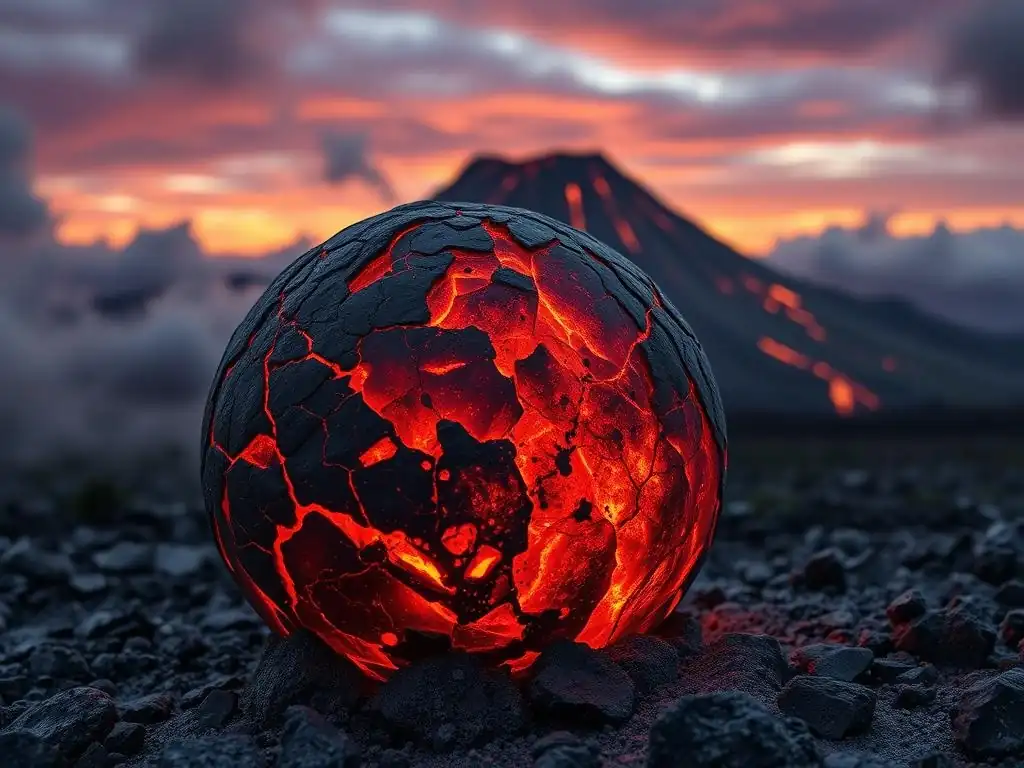
Welcome to Volcano Explorers!
Ever wondered how molten rock transforms into the bizarre and beautiful shapes we call volcanic bombs? Frozen in Time: Preserving Volcanic Bomb Shapes for Millennia delves into the fascinating science behind these fiery projectiles and the secrets they hold about past eruptions. Prepare to uncover the stories etched in stone, and discover how we're learning to read them. Are you ready to explore the incredible forces that shape our planet?
- Introduction: The Enduring Legacy of Volcanic Bombs
- Volcanic Bombs: Formation and Initial Shapes
- The Preservation Process: From Molten Rock to Solid Artifact
- Factors Influencing Volcanic Bomb Shape Preservation Over Millennia
- Case Studies: Examples of Exceptionally Preserved Volcanic Bombs
- Techniques for Analyzing Preserved Volcanic Bomb Shapes
- What Preserved Volcanic Bomb Shapes Tell Us About Past Eruptions
- The Future of Volcanic Bomb Research and Preservation
- Conclusion: Appreciating the Time Capsules of Volcanic History
-
Frequently Asked Questions
- How are volcanic bombs formed and why are their shapes important?
- What factors contribute to the preservation of volcanic bomb shapes over long periods?
- What are some common shapes of volcanic bombs, and what do they indicate about the eruption?
- What methods do volcanologists use to study and document preserved volcanic bomb shapes?
- Why is preserving volcanic bomb shapes important for future generations?
- Final Reflection: Echoes of Eruption, Whispers of Time
- Unearth Your Inner Volcanologist!
Introduction: The Enduring Legacy of Volcanic Bombs
Volcanic eruptions are among Earth's most dramatic and powerful geological events, capable of reshaping landscapes in moments. Beyond the immediate destruction, these eruptions leave behind a wealth of geological artifacts, including volcanic bombs. These projectiles, ejected explosively from volcanoes, solidify in flight and upon landing, often preserving their aerodynamic shapes for thousands, even millions, of years. The study of these preserved volcanic bomb shapes offers a unique window into the dynamics of past eruptions, revealing crucial information about volcanic processes and hazards.
Unveiling the Secrets Held Within Volcanic Bombs
Volcanic bombs are more than just solidified rocks; they are time capsules, each holding clues about the eruption that birthed them. Their shapes, sizes, and distributions provide valuable data for volcanologists. By carefully examining these characteristics, scientists can reconstruct eruption parameters such as ejection velocity, trajectory, and even the viscosity of the magma at the time of eruption. Preserving volcanic bomb shapes is therefore essential for unlocking these secrets of Earth's volcanic past and improving our understanding of future volcanic activity.
The Significance of Studying Volcanic Bomb Morphology
The morphology, or the external shape and form, of volcanic bombs is a direct reflection of the physical conditions during an eruption. Different types of bombs, such as spindle bombs, breadcrust bombs, and ribbon bombs, are formed under varying conditions of magma viscosity, gas content, and ejection velocity. Studying the morphology of preserved volcanic bomb shapes allows researchers to categorize eruption styles, understand magma fragmentation processes, and assess the potential hazards associated with different types of volcanic eruptions. This knowledge is crucial for hazard mitigation and risk assessment in volcanic regions worldwide.
Volcanic Bombs: Formation and Initial Shapes
Volcanic bombs are classified as pyroclastic rocks, specifically tephra particles larger than 64 mm in diameter, that are ejected from a volcano in a molten or semi-molten state. Unlike volcanic blocks, which are solid fragments of pre-existing rock torn from the volcanic conduit, bombs are newly formed magma fragments. Their journey begins deep within the volcano, where magma, under immense pressure and dissolved gases, rises towards the surface. As pressure decreases, dissolved gases exsolve, leading to explosive eruptions that propel molten rock fragments into the atmosphere.
How Volcanic Bombs Acquire Their Unique Forms
The shapes of volcanic bombs are not random; they are dictated by a complex interplay of factors during their ejection and flight. Aerodynamic forces play a crucial role in shaping the molten projectiles as they travel through the air. Surface tension and viscosity of the magma also contribute to the final form. For instance, highly fluid, low-viscosity magma tends to form spindle or fusiform bombs, which are elongated and tapered at both ends due to aerodynamic stretching during flight. Conversely, more viscous magma may form cow-dung bombs, which are flattened and irregular due to their higher resistance to deformation.
The Role of Eruption Dynamics in Shaping Projectiles
Eruption dynamics, including the explosivity of the eruption and the ejection velocity, are primary controls on the initial shapes and sizes of volcanic bombs. Highly explosive eruptions with high ejection velocities tend to produce a wider range of bomb shapes and sizes, often including breadcrust bombs, which are characterized by a cracked surface resulting from the expansion of gases within the cooling bomb.
Lower energy eruptions may produce more uniform bomb shapes, often dominated by spindle or ribbon bombs if the magma is sufficiently fluid. The distance traveled and the time spent in flight also influence the degree of cooling and solidification before impact, affecting the final preserved shape.
Initial Molten State and Trajectory Influence
The initial molten state of the ejected material is fundamental to the formation and subsequent preservation of volcanic bomb shapes. A completely molten bomb will be more susceptible to aerodynamic shaping and deformation during flight compared to a semi-molten bomb that already possesses some degree of solidity. The trajectory of the bomb, determined by the ejection angle and velocity, also influences its shape.
Bombs ejected at higher angles may experience longer flight times, allowing for more extensive cooling and solidification before impact, potentially leading to more intricate and well-defined shapes. The angle of impact upon landing can also subtly modify the final preserved form, particularly for bombs landing on soft or unconsolidated ground.
The Preservation Process: From Molten Rock to Solid Artifact
The transformation of a molten volcanic bomb into a solid, preserved artifact is a fascinating process governed by cooling rates, environmental conditions, and the inherent properties of the volcanic material itself. Immediately after ejection, the bomb begins to cool rapidly as it interacts with the surrounding atmosphere. This cooling process is critical in determining not only the final shape but also the internal structure and mineralogical composition that will contribute to its long-term preservation.
Cooling Rates and Their Impact on Bomb Solidification
Cooling rates are paramount in controlling the solidification process and, consequently, the preservation of volcanic bomb shapes. Rapid cooling, often associated with smaller bombs or ejection into cooler atmospheric conditions, can lead to the formation of volcanic glass (obsidian) or fine-grained textures. This rapid solidification can effectively "freeze" the bomb's shape, preserving even delicate surface features.
Conversely, slower cooling, typical of larger bombs or those emplaced in thermally insulating environments, allows for crystal growth and the development of coarser-grained textures. While slower cooling may not be as effective in preserving fine details, it can lead to the formation of more resistant mineral phases that enhance long-term integrity.
Environmental Factors Affecting the Preservation of Volcanic Bomb Shapes
Environmental factors play a significant role in the long-term preservation of volcanic bomb shapes after they have solidified. Climate, in particular, exerts a strong influence. In arid environments, the lack of moisture and reduced chemical weathering rates can lead to exceptional preservation of volcanic bombs for millennia.
Conversely, in humid and wet environments, chemical weathering and erosion processes are accelerated, potentially leading to the gradual degradation and obliteration of bomb shapes over time. The type of depositional environment also matters; bombs buried in ash or sediment are protected from surface erosion and weathering, enhancing their preservation potential compared to those exposed at the surface.
Mineral Composition and Its Influence on Long-Term Integrity
The mineral composition of a volcanic bomb is a crucial factor in determining its long-term integrity and shape preservation. Bombs composed of more resistant minerals, such as quartz and feldspar, are inherently more durable and less susceptible to weathering compared to those dominated by less stable minerals like olivine or volcanic glass. The presence of alteration minerals, formed by the chemical weathering of primary volcanic minerals, can also influence preservation.
In some cases, alteration can weaken the rock, leading to fragmentation, while in other cases, it can form protective coatings that enhance resistance to further degradation. Therefore, understanding the mineralogical makeup of volcanic bombs is essential for assessing their preservation potential and interpreting their geological significance.
Factors Influencing Volcanic Bomb Shape Preservation Over Millennia
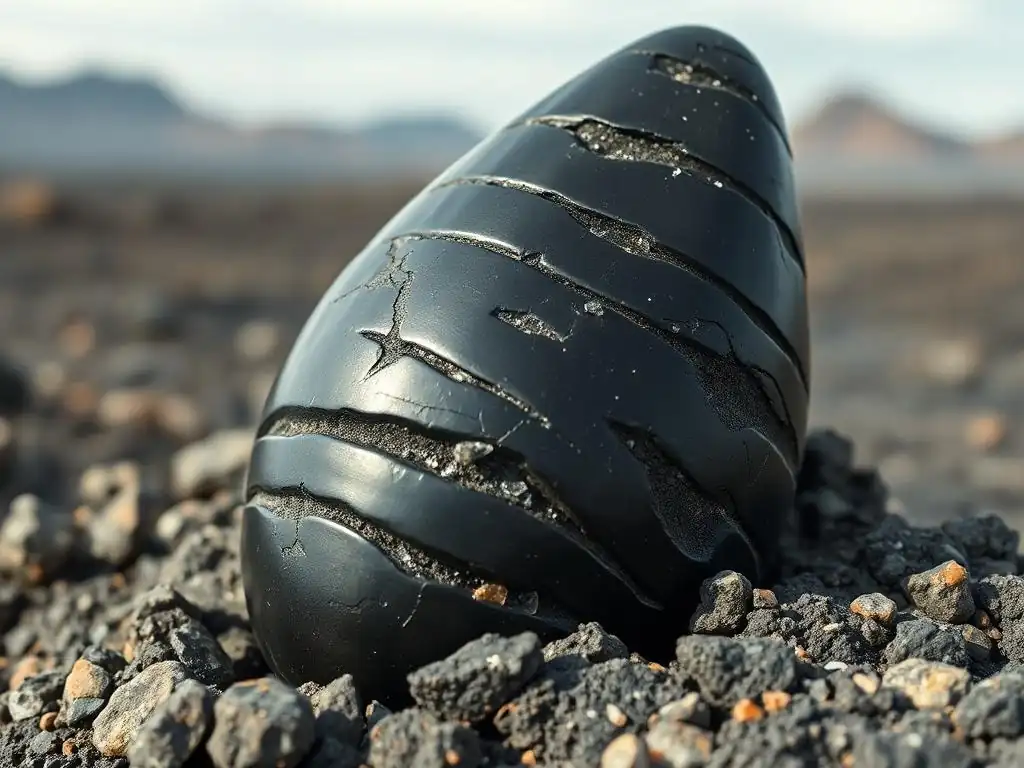
While the initial solidification process and environmental conditions immediately after deposition are important, the long-term preservation of volcanic bomb shapes over millennia is governed by a different set of factors. These factors primarily relate to the geological processes acting on the bombs after they have become part of the landscape, including weathering, erosion, tectonic activity, and burial.
Chemical Weathering and Erosion Processes
Chemical weathering and erosion are among the most significant agents of degradation affecting volcanic bomb shapes over geological timescales. Chemical weathering involves the breakdown of minerals through chemical reactions with water, air, and biological agents. Different minerals weather at different rates, and this differential weathering can alter the original shape of a bomb, rounding off sharp edges and dissolving away more soluble components. Erosion, driven by wind, water, and ice, physically removes weathered material, further contributing to the gradual reshaping and eventual obliteration of bomb forms if preservation conditions are not favorable.
The Impact of Tectonic Activity and Ground Deformation
Tectonic activity and ground deformation can have both destructive and preservative effects on volcanic bomb shapes. Earthquakes and faulting can fracture and fragment volcanic bombs, particularly those that are already weakened by weathering. However, tectonic subsidence and burial associated with volcanic or sedimentary processes can also protect bombs from surface weathering and erosion. Rapid burial in volcanic ash or sediment effectively shields bombs from atmospheric exposure, significantly enhancing their long-term preservation. Conversely, uplift and exposure due to tectonic activity can re-expose previously buried bombs, making them vulnerable to renewed weathering and erosion.
Burial and Protection from Surface Processes
Burial is arguably the most critical factor in ensuring the long-term preservation of volcanic bomb shapes. When volcanic bombs are rapidly buried by subsequent volcanic deposits, sediments, or even soil, they are effectively isolated from the destructive forces of surface weathering and erosion. The burial medium provides physical protection, reducing mechanical abrasion and buffering against temperature fluctuations and moisture variations that accelerate chemical weathering.
The deeper and more complete the burial, the greater the likelihood of exceptional preservation of volcanic bomb shapes over millennia. Many of the most well-preserved volcanic bomb sites are those where rapid burial has occurred, such as in thick tephra fall deposits or within lahar sediments.
Case Studies: Examples of Exceptionally Preserved Volcanic Bombs
The world is replete with examples of remarkably preserved volcanic bombs, each site offering unique insights into past eruptions and preservation processes. These case studies highlight the diverse contexts in which volcanic bomb shapes can be preserved for millennia, from the ash-laden slopes of Vesuvius to the glacial landscapes of Iceland and the volcanic islands of Hawaii.
Mount Vesuvius: Preserved Bombs from the 79 AD Eruption
The 79 AD eruption of Mount Vesuvius, famous for burying Pompeii and Herculaneum, also preserved a vast array of volcanic bombs in the surrounding ash and pumice deposits. Excavations at Pompeii and other Vesuvian sites have unearthed numerous examples of well-preserved volcanic bombs, often retaining their original shapes with remarkable clarity.
These bombs, ejected during the Plinian and pyroclastic phases of the eruption, provide valuable information about the eruption dynamics and the composition of the Vesuvian magma at the time. The rapid burial in hot ash and pumice effectively sterilized the environment and prevented significant post-depositional alteration, contributing to the exceptional preservation of these volcanic artifacts.
Hawaiian Lava Bombs: Spindle Bombs in Volcanic Ash
The volcanic islands of Hawaii are renowned for their diverse volcanic bomb morphologies, particularly spindle bombs formed during Strombolian and fire fountain eruptions. These elongated, aerodynamic bombs are frequently found embedded in volcanic ash and spatter deposits around cinder cones and lava flows. The relatively dry climate of many parts of Hawaii, coupled with rapid burial in volcanic ash, has contributed to the preservation of spindle bomb shapes for thousands of years.
Studies of Hawaiian lava bombs have provided crucial insights into the fluid dynamics of basaltic eruptions and the processes of bomb formation and flight. The distinctive shapes of these bombs are often readily identifiable even in older volcanic terrains.
Icelandic Tephra: Breadcrust Bombs in Glacial Sediments
Iceland, a land of active volcanoes and glaciers, offers another unique setting for volcanic bomb preservation. Breadcrust bombs, characterized by their cracked and fissured surfaces, are commonly found within tephra layers interbedded with glacial sediments. These bombs, erupted from subglacial volcanoes or during eruptions that interacted with ice, were often rapidly cooled and quenched by meltwater or glacial ice.
The subsequent burial within glacial outwash plains and moraines has provided a protective environment, preserving the distinctive breadcrust textures and overall shapes. The study of Icelandic breadcrust bombs provides valuable information about volcano-ice interactions and the influence of glacial environments on volcanic processes and tephra dispersal.
Techniques for Analyzing Preserved Volcanic Bomb Shapes
Analyzing preserved volcanic bomb shapes involves a range of techniques, from non-destructive 3D scanning to detailed petrographic and geochemical analyses. These methods allow researchers to extract maximum information from these volcanic artifacts, unlocking secrets about past eruptions and volcanic processes. The combination of morphological analysis with internal and compositional studies provides a comprehensive understanding of volcanic bomb formation and preservation.
3D Scanning and Digital Modeling for Detailed Analysis
3D scanning and digital modeling have revolutionized the study of volcanic bomb morphology. Non-destructive 3D scanning techniques, such as laser scanning and photogrammetry, allow for the rapid and accurate capture of bomb shapes in three dimensions. The resulting digital models can be used for detailed morphometric analysis, including measurements of bomb length, width, volume, and surface area. These models can also be used for virtual reconstructions, allowing researchers to manipulate and examine bomb shapes from different perspectives. Digital archives of 3D bomb models also facilitate long-term preservation of morphological data and enable collaborative research across institutions.
Petrographic Analysis: Unlocking the Bomb's Internal Structure
Petrographic analysis involves the microscopic examination of thin sections of volcanic bombs to understand their internal texture, mineralogy, and alteration features. This technique provides crucial information about the cooling history of the bomb, the crystallization sequence of minerals, and the presence of vesicles (gas bubbles) that can influence bomb density and shape.
Petrographic analysis can also reveal evidence of post-depositional alteration, such as weathering rinds or mineral replacements, which can affect the long-term integrity of the bomb. By studying the internal structure, researchers can gain insights into the magma ascent rate, degassing processes, and the conditions under which the bomb solidified.
Geochemical Analysis: Dating the Eruption and Understanding Composition
Geochemical analysis plays a vital role in understanding the origin and eruption history of volcanic bombs. Analyzing the chemical composition of the bomb's constituent minerals and glass provides information about the source magma, its depth of origin, and the processes it underwent during ascent and eruption.
Radiometric dating techniques, such as argon-argon dating, can be applied to date the volcanic bomb and, by extension, the eruption that produced it. Combining geochemical data with morphological and petrographic analyses allows for a holistic understanding of the volcanic bomb as a product of specific magmatic and eruptive processes, placing it within a precise temporal and compositional context.
What Preserved Volcanic Bomb Shapes Tell Us About Past Eruptions
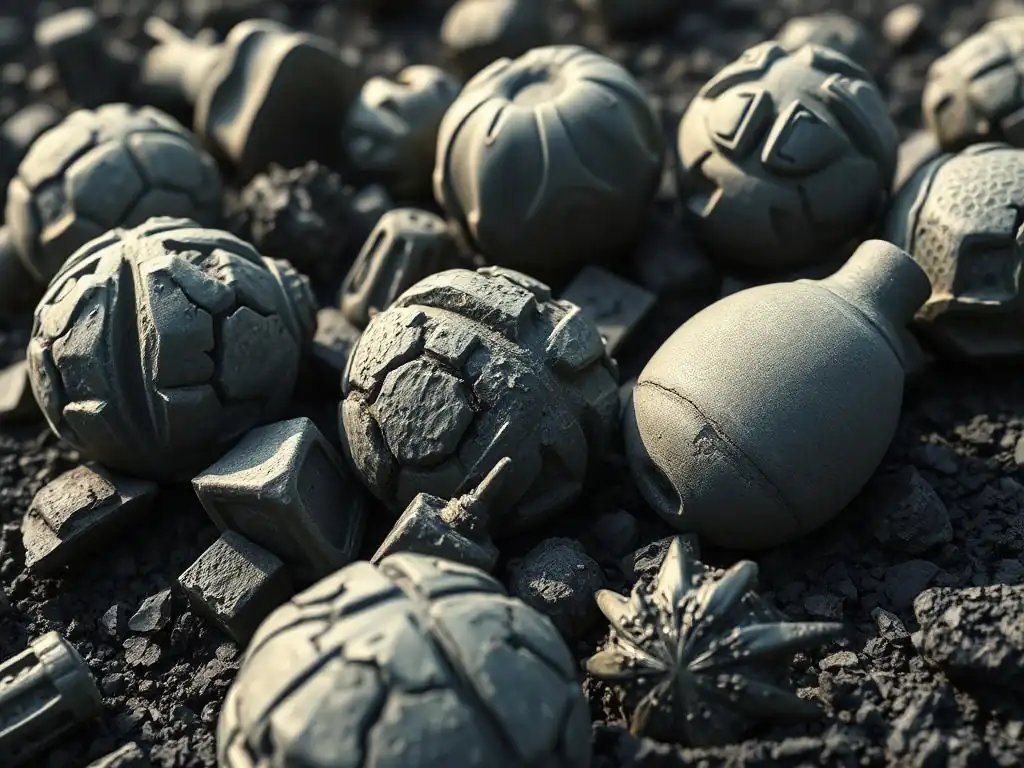
Preserved volcanic bomb shapes are not merely aesthetically interesting geological curiosities; they are valuable archives of past volcanic eruptions. Their morphology, distribution, and composition provide a wealth of information that can be used to reconstruct eruption dynamics, understand magma properties, and assess volcanic hazards. The study of these shapes contributes directly to our ability to interpret past volcanic activity and better anticipate future eruptions.
Reconstructing Eruption Dynamics from Bomb Morphology
The morphology of volcanic bombs is directly linked to the dynamics of the eruption that produced them. By analyzing the shapes, sizes, and distribution patterns of bombs at a volcanic site, researchers can reconstruct key eruption parameters. For example, the presence of spindle bombs suggests a highly fluid magma and relatively high ejection velocities, indicative of Strombolian or fire-fountain eruptions.
Breadcrust bombs, on the other hand, may indicate more explosive eruptions with higher gas content and fragmentation efficiency. The spatial distribution of bombs, particularly the dispersal range and direction, can provide information about eruption column height, wind conditions, and the overall explosivity of the event.
Insights into Magma Composition and Volcanic Processes
Volcanic bombs are direct samples of the magma erupted during a volcanic event. Their mineralogical and geochemical composition reflects the characteristics of the magma source, including its chemical makeup, volatile content, and temperature. By analyzing the composition of bombs, researchers can gain insights into the processes occurring within the magma chamber and during magma ascent, such as fractional crystallization, magma mixing, and degassing. The study of vesicles within bombs provides information about the pressure and temperature conditions at which gas exsolution occurred, shedding light on the dynamics of magma ascent and eruption triggering mechanisms.
Understanding Volcanic Hazards Through Ballistic Studies
Volcanic bombs pose a significant volcanic hazard in the vicinity of erupting volcanoes. Their ballistic trajectories and impact energies can cause damage to infrastructure and pose a threat to human life. Studying the distribution and characteristics of preserved volcanic bombs helps to understand the range and intensity of past ballistic hazards. By analyzing the morphology and dispersal of bombs from past eruptions, volcanologists can better assess the potential ballistic hazard associated with future eruptions at a given volcano. This information is crucial for hazard mapping, risk assessment, and developing effective mitigation strategies to protect communities living near active volcanoes.
The Future of Volcanic Bomb Research and Preservation
The study of preserved volcanic bomb shapes continues to evolve with advancements in analytical techniques and a growing recognition of the importance of preserving volcanic heritage. Future research directions are likely to focus on refining analytical methods, enhancing preservation efforts, and engaging citizen scientists in data collection and monitoring. These advancements will further enhance our understanding of volcanic processes and improve our ability to mitigate volcanic hazards.
Advancements in Analytical Techniques
Advancements in analytical techniques are continually opening new avenues for volcanic bomb research. Improved resolution and sensitivity of 3D scanning technologies are allowing for even more detailed morphological analysis, capturing subtle surface features and variations in bomb shape.
Developments in micro-analytical techniques, such as electron microprobe and laser ablation ICP-MS, are enabling more precise and spatially resolved geochemical analyses of bomb components, providing finer-scale insights into magma evolution and eruption processes. The integration of machine learning and artificial intelligence algorithms is also emerging as a powerful tool for automated bomb shape classification and analysis, potentially accelerating research and enabling the analysis of large datasets.
The Importance of Protecting Volcanic Bomb Sites
Recognizing the scientific and educational value of volcanic bomb sites is crucial for ensuring their long-term preservation. Many volcanic bomb sites are vulnerable to natural erosion, human development, and vandalism. Efforts to protect these sites may include designation as geological reserves or protected areas, implementing site management plans, and raising public awareness about the importance of volcanic heritage. Collaboration between scientists, land managers, and local communities is essential for effective site protection and responsible access. Preserving volcanic bomb sites not only safeguards valuable scientific resources but also contributes to geotourism and geological education.
Citizen Science and Contributing to Volcanic Bomb Studies
Citizen science initiatives are increasingly recognized as a valuable tool for expanding the scope and reach of volcanic bomb research. Engaging the public in data collection, such as documenting bomb locations, photographing bomb shapes, and reporting observations, can significantly enhance research efforts, particularly in remote or understudied volcanic regions.
Citizen science projects can also raise public awareness about volcanic hazards and the importance of volcanic research. By providing accessible tools and platforms for data contribution, scientists can leverage the collective efforts of citizen scientists to gather valuable data and advance our understanding of volcanic bomb distributions and characteristics on a larger scale.
Conclusion: Appreciating the Time Capsules of Volcanic History
Volcanic bombs, preserved in their solidified forms for millennia, are remarkable time capsules of volcanic history. Their enduring shapes and internal compositions offer invaluable insights into the dynamic processes that shape our planet. From the dramatic eruptions of Vesuvius to the fiery fountains of Hawaii and the ice-clad volcanoes of Iceland, preserved volcanic bomb shapes provide tangible links to Earth's powerful volcanic past.
The Enduring Value of Preserving Volcanic Bomb Shapes
Preserving volcanic bomb shapes is not merely an act of geological curation; it is an investment in our understanding of Earth's volcanic systems and a crucial step in mitigating future volcanic hazards. These preserved forms serve as a rich archive of eruption dynamics, magma properties, and ballistic hazard potential. By studying and protecting these volcanic artifacts, we ensure that future generations of scientists and the public alike can continue to learn from these time capsules of volcanic history and appreciate the awesome power and geological significance of volcanoes.
Further Exploration of Volcanic Ballistics and Eruptive Processes
The study of volcanic ballistics and eruptive processes is a continuously evolving field. Ongoing research and technological advancements promise to further refine our understanding of volcanic bomb formation, dispersal, and preservation. Continued exploration of volcanic bomb sites around the world, coupled with innovative analytical techniques and collaborative research efforts, will undoubtedly unlock even more secrets held within these frozen moments of volcanic time, enhancing our ability to interpret Earth's volcanic history and better prepare for its volcanic future.
Frequently Asked Questions
How are volcanic bombs formed and why are their shapes important?
Volcanic bombs are formed when molten rock is ejected during an eruption and cools mid-air. Their shapes reveal information about the eruption style and the magma's viscosity.
What factors contribute to the preservation of volcanic bomb shapes over long periods?
Preservation depends on factors like the bomb's composition, the surrounding environment (climate, burial), and the absence of significant erosional forces.
What are some common shapes of volcanic bombs, and what do they indicate about the eruption?
Common shapes include spindle, ribbon, breadcrust, and cow-dung bombs. Spindle shapes indicate high velocity ejection, while breadcrust bombs suggest rapid cooling and fracturing.
What methods do volcanologists use to study and document preserved volcanic bomb shapes?
Volcanologists use techniques like photogrammetry, 3D modeling, and petrographic analysis to study and document the shapes and compositions of preserved volcanic bombs.
Why is preserving volcanic bomb shapes important for future generations?
Preserving these shapes provides a geological record of past volcanic activity, allowing future scientists to understand eruption history and assess future hazards.
Final Reflection: Echoes of Eruption, Whispers of Time
The journey through the fiery birth and enduring preservation of volcanic bombs reveals more than just geological processes; it highlights the fragility and resilience of our planet's history. These solidified projectiles, frozen mid-flight, offer a tangible connection to moments of immense power, reminding us that the Earth is a dynamic and ever-changing entity.
The enduring shapes of these volcanic bombs serve as a powerful metaphor for the lasting impact of even the most fleeting events. They whisper stories of creation and destruction, reminding us of the interconnectedness of time and the importance of preserving these natural archives for future generations. The past is never dead. It's not even past.
- William Faulkner. This quote resonates deeply when considering the volcanic bomb, a physical embodiment of a past event that continues to shape our understanding of the present.
As you reflect on the journey of these volcanic bombs, consider the legacy you wish to leave behind. What "shapes" will you create that will endure, telling your story to future generations? Let the enduring forms of these volcanic projectiles inspire you to act with intention and purpose, knowing that even the most explosive moments can leave behind something beautiful and lasting.
Unearth Your Inner Volcanologist!
Thank you for exploring the fascinating world of volcanic bombs and their enduring shapes! We hope you enjoyed learning about these fiery remnants and the clues they hold to past volcanic eruptions. Now, let's take your exploration further.
Ready to put your newfound knowledge into action?
- Visit a local geological museum or rock and mineral show to examine volcanic rocks and minerals, focusing on those formed by past volcanic activity. This is a great first step!
- Share this article with friends and family interested in geology, natural history, or the power of volcanoes. Spark a conversation about Earth's history!
- Consider creating artwork inspired by the shapes and textures of volcanic bombs. Sculpt, paint, or photograph everyday objects to mimic these natural forms.
What surprising shapes or textures have you noticed in volcanic rocks? Share your discoveries in the comments below!