
Geothermal Cooking: A Unique Family Food Experience at Volcanic Sites?

Welcome to Volcano Explorers!
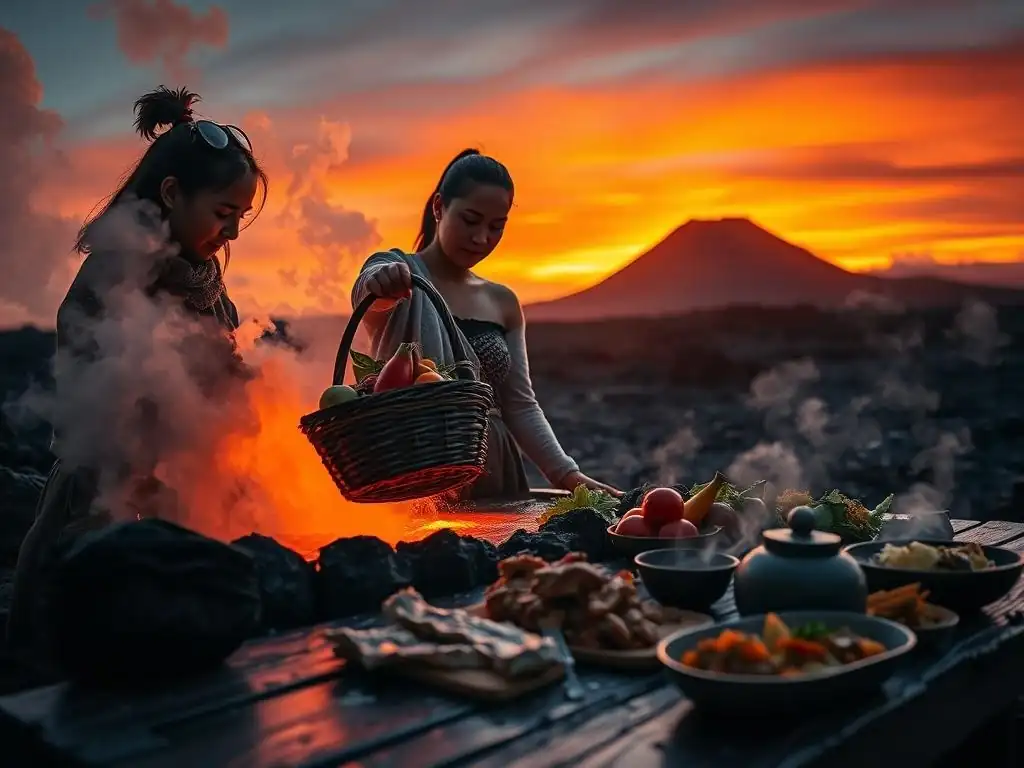
Prepare to uncover a culinary secret forged in the heart of the Earth. Have you ever wondered how volcanic heat can transform ordinary ingredients into extraordinary meals? This week, we're diving deep into the fascinating world of geothermal cooking, exploring unique family food experiences at volcanic sites. But is it safe, and what does it taste like? Join us as we unearth the answers and reveal the surprising possibilities hidden beneath the surface!
- Introduction: Unearthing Culinary Adventures at Volcanoes
- Planning Your Geothermal Cooking Adventure: Essential Considerations
- Geothermal Cooking Methods at Volcanic Sites: A Step-by-Step Guide
- Delicious Geothermal Recipes for Your Volcanic Adventure
- Maximizing Your Geothermal Cooking Experience
- Conclusion: A Memorable and Sustainable Volcanic Culinary Journey
-
Frequently Asked Questions
- What exactly is geothermal cooking, and where can I experience it?
- Is geothermal cooking safe, and are there any precautions to take?
- What types of food can be cooked using geothermal methods?
- Does geothermal cooking impart any unique flavors to the food?
- How does geothermal cooking contribute to sustainable tourism and local economies?
- Final Reflection: Embracing Earth's Culinary Power
- Embark on Your Own Volcanic Culinary Adventure!
Introduction: Unearthing Culinary Adventures at Volcanoes
Volcanoes, often perceived as symbols of destruction and danger, also offer unique opportunities for exploration and surprisingly, culinary adventures. Imagine cooking a meal using the Earth's natural heat, amidst breathtaking volcanic landscapes. Geothermal cooking, harnessing the thermal energy emanating from volcanic areas, presents an extraordinary and memorable experience for families seeking to combine adventure with gastronomy.
This ancient practice, still alive in many volcanic regions, is not just about preparing food; it’s about connecting with the Earth’s raw power and understanding the fascinating interplay between geology and culture. Exploring geothermal cooking methods at volcanic sites can transform a simple family outing into an educational and thrilling journey.
Why Geothermal Cooking at Volcanic Sites is the Ultimate Family Adventure
Geothermal cooking at volcanic sites offers a multi-sensory adventure that goes beyond the typical tourist experience. For families, it's an unparalleled opportunity to witness science in action, turning the abstract concept of geothermal energy into a tangible, edible reality. Children and adults alike can marvel at the steam rising from fumaroles or the bubbling hot springs, understanding firsthand how the Earth's internal heat can be used to prepare food. This hands-on approach to learning is far more impactful than textbooks, embedding scientific principles in a fun and engaging way.
Moreover, geothermal cooking fosters a sense of adventure and self-sufficiency. Families can work together to identify safe cooking spots, prepare food using natural resources, and monitor the cooking process. This collaborative effort builds teamwork and creates lasting memories. The resulting meal, cooked by the Earth itself, tastes all the more rewarding because of the unique preparation method and the stunning volcanic backdrop. It’s a story to tell, a skill to learn, and a taste to remember, making it the ultimate family adventure.
A Brief History of Geothermal Cooking Methods
The practice of geothermal cooking is far from a modern novelty; it's deeply rooted in the history of communities living near volcanic areas. For centuries, cultures around the world have ingeniously utilized natural geothermal features for food preparation. In Iceland, for example, geothermal areas have been used for baking rye bread in buried pots for generations. Polynesian cultures have long employed underground ovens heated by volcanic steam and hot stones, known as 'umu' in many islands, to cook feasts for communal gatherings.
In places like Furnas, Azores, the tradition of 'Cozido das Furnas', a stew slow-cooked underground using geothermal heat, dates back centuries, becoming a staple of the local cuisine. Indigenous communities in Rotorua, New Zealand, have also traditionally used geothermal resources for cooking and preserving food. These historical uses of geothermal energy demonstrate a sustainable and resourceful approach to food preparation, deeply intertwined with the natural environment and cultural practices. Understanding this history adds another layer of richness to the geothermal cooking experience, connecting modern adventurers to ancient traditions.
Planning Your Geothermal Cooking Adventure: Essential Considerations
Venturing into volcanic areas for geothermal cooking requires careful planning and a strong emphasis on safety. It’s not just about finding a hot spot and placing your food; it's about understanding the environment, respecting its power, and ensuring the well-being of everyone involved, especially when families are participating. Thorough preparation is key to a successful and safe geothermal cooking experience.
Choosing the Right Volcanic Site for Geothermal Cooking
Selecting the appropriate volcanic site is crucial for a safe and rewarding geothermal cooking adventure. Not all volcanic areas are suitable or permitted for cooking activities. Research is paramount. Start by identifying locations known for geothermal activity that are also accessible and, importantly, legally permissible for cooking. National parks or protected areas often have specific regulations regarding geothermal resource use. Check official park websites or contact local authorities to confirm if geothermal cooking is allowed and if permits are required.
Consider the type of geothermal features available at the site. Fumaroles (steam vents), hot springs, and hot ground all offer different cooking possibilities and require different approaches. Sites with easily accessible fumaroles might be ideal for steaming, while areas with hot ground could be better suited for burying food.
Furthermore, assess the accessibility and terrain of the site, especially if traveling with children. Choose locations that are relatively easy to reach and navigate, minimizing risks of slips, trips, or falls in potentially uneven volcanic landscapes. Finally, factor in the overall environment; a site with stunning views can enhance the entire geothermal cooking experience, making it even more memorable.
Safety First: Geothermal Cooking Precautions and Best Practices
Safety must be the absolute priority when engaging in geothermal cooking. Volcanic areas, while fascinating, can be inherently dangerous. Geothermal features can emit scalding steam and boiling water, and the ground can be unstable and extremely hot. Always maintain a safe distance from active geothermal vents and hot springs. Supervise children closely at all times and establish clear boundaries. Never allow anyone to approach or touch geothermal features without proper adult supervision and safety gear.
Be aware of the potential for toxic gases, such as hydrogen sulfide, which can be present in volcanic areas. While often detectable by its rotten egg smell, it can be odorless in high concentrations and pose health risks. If you detect a strong or unusual odor, or experience any respiratory discomfort, move away from the area immediately. Wear sturdy, closed-toe shoes to protect your feet from hot ground and uneven terrain.
It's also advisable to wear long pants and sleeves to minimize skin exposure in case of accidental contact with hot surfaces or steam. Bring a first-aid kit equipped to handle burns and minor injuries. Inform someone of your plans, including your location and expected return time, especially when venturing into less frequented volcanic areas. Remember, respecting the power of nature and prioritizing safety ensures a positive and injury-free geothermal cooking experience.
Required Gear for Geothermal Cooking: A Checklist
Preparing for geothermal cooking requires specific gear to ensure both safety and successful food preparation. Beyond the usual hiking and outdoor equipment, certain items are essential for interacting with geothermal features and handling hot food. Having a comprehensive checklist will help you pack efficiently and avoid overlooking crucial items.
- Geothermal Probes and Thermometers: For accurately measuring temperatures.
- Heat-Resistant Gloves and Utensils: To handle hot food and equipment safely.
- Portable Cooking Pots and Pans: Suitable for steaming or burying.
- Sturdy, Closed-toe Shoes: Protecting feet from hot ground.
- Long Pants and Sleeves: Minimizing skin exposure.
- First-Aid Kit: For burns and minor injuries.
- Water Bottles: Staying hydrated is crucial.
- Food Supplies: Ingredients for your chosen recipes.
- Trash Bags: To practice Leave No Trace principles.
- Navigation Tools (Map, Compass, or GPS): Especially in less marked areas.
- Sunscreen and Hats: Protection from sun exposure, often intense in volcanic landscapes.
Geothermal Probes and Thermometers: Ensuring Safe Cooking Temperatures
Accurate temperature measurement is paramount in geothermal cooking, not only for food safety but also for understanding the cooking environment. A reliable geothermal probe thermometer with a long probe is essential. These thermometers are designed to withstand higher temperatures and provide readings deep within steam vents or buried ground. Look for thermometers that can measure up to at least 150°C (300°F) or higher, as steam and ground temperatures can vary significantly.
Using a thermometer allows you to verify if the geothermal source is hot enough for cooking and to monitor the temperature throughout the process. For steaming, aim for temperatures consistently above 80°C (176°F) to ensure food is cooked thoroughly. For burying methods, ground temperatures can be more variable, so monitoring is even more crucial.
Regularly check the internal temperature of the food being cooked to confirm it reaches safe consumption levels. For most foods, this means an internal temperature of at least 74°C (165°F) to kill harmful bacteria. A thermometer is not just a tool; it's a critical safety device for geothermal cooking.
Heat-Resistant Gloves and Utensils: Protecting Yourself from the Heat
Handling hot equipment and cooked food in a geothermal environment requires robust heat protection. Standard kitchen oven mitts are often insufficient for the extreme temperatures encountered at volcanic sites. Invest in heavy-duty, heat-resistant gloves specifically designed for high-temperature environments. These gloves should be long enough to protect your wrists and forearms from steam and radiant heat. Materials like Kevlar or thick leather offer excellent heat resistance and durability.
Alongside gloves, heat-resistant utensils are equally important. Long-handled tongs, spatulas, and spoons made from stainless steel or heat-resistant silicone are ideal for manipulating food and cooking containers without risking burns. Avoid plastic utensils, which can melt or warp under high geothermal heat. Having a set of reliable heat-resistant gloves and utensils allows for safe and efficient handling of food throughout the geothermal cooking process, minimizing the risk of burns and ensuring a comfortable experience.
Portable Cooking Pots and Pans: Suitable for Geothermal Steam
Choosing the right cookware for geothermal cooking is essential for efficient and safe food preparation. For steaming methods, lightweight, stainless steel pots with tight-fitting lids are ideal. Stainless steel is durable, heats up quickly, and is relatively easy to clean. Select pots with handles that are easy to grip, even with heat-resistant gloves.
Consider nesting pot sets to save space in your backpack. For burying methods, while sometimes food can be wrapped directly in foil, using a durable, heat-resistant container can provide added protection and prevent soil contamination. Cast iron pots, while heavier, are excellent for retaining and distributing heat evenly when buried.
For both steaming and burying, ensure your pots and pans are portable and manageable to carry to your chosen volcanic site. Consider the size of your cooking group and the amount of food you plan to prepare when selecting pot sizes. Lightweight and durable cookware will make the geothermal cooking process smoother and more enjoyable, contributing to a successful culinary adventure.
Geothermal Cooking Methods at Volcanic Sites: A Step-by-Step Guide
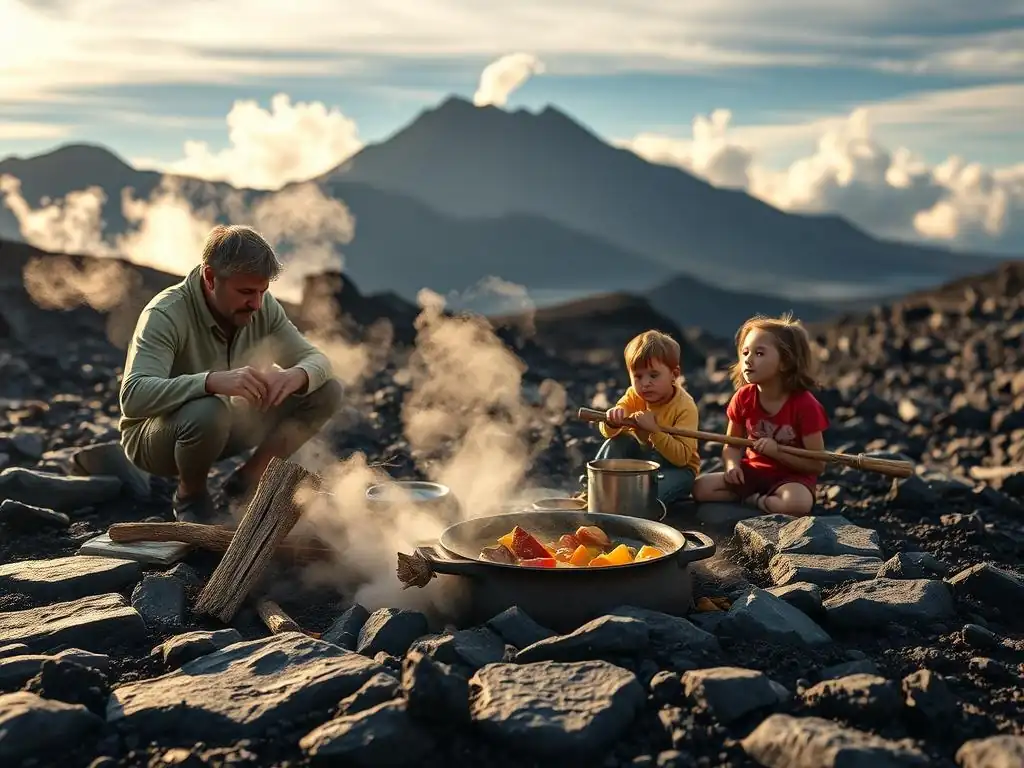
Geothermal cooking, while seemingly straightforward, requires understanding different methods based on the type of geothermal feature available. Each method – steaming, burying, and hot spring cooking – has its own nuances and safety considerations. Mastering these techniques opens up a world of unique culinary possibilities at volcanic sites.
Method 1: Steaming with Fumaroles
Steaming with fumaroles is a popular and relatively accessible geothermal cooking method, especially in areas with active steam vents. Fumaroles release hot steam directly from underground, providing a natural oven for cooking. However, it's crucial to approach fumarole steaming with caution and respect for the natural environment.
Identifying Suitable Fumaroles for Steaming
Not all fumaroles are suitable for cooking. The ideal fumarole for steaming should emit a consistent and strong flow of clean steam. Avoid fumaroles that release excessive amounts of sulfurous gases (indicated by a strong rotten egg smell) or those located in unstable or hazardous terrain. Look for fumaroles where the steam vent is relatively contained, allowing for easier placement of cooking pots without excessive steam dispersion. Observe the surrounding vegetation; if it's sparse or absent around the fumarole, it might indicate high temperatures and potentially suitable steaming conditions.
Before setting up your cooking station, test the steam temperature using your geothermal probe thermometer. Insert the probe directly into the steam vent, being careful to avoid direct skin contact. A temperature consistently above 90°C (194°F) is generally sufficient for effective steaming. Choose a fumarole that is easily accessible and allows for a stable and level surface to place your pot or steaming setup.
Preparing Your Food for Steaming
Preparing food for fumarole steaming involves simple steps to ensure even cooking and prevent direct contact with the steam vent itself. Cut vegetables and meats into smaller, manageable pieces to facilitate faster and more even cooking. Season your food as desired before steaming. To contain the food and prevent it from direct contact with potentially mineral-rich steam, use heat-resistant steaming baskets or perforated containers that fit inside your cooking pot. You can also use parchment paper or heat-safe bags to wrap the food before placing it in the steamer.
Ensure your food is adequately sealed or wrapped to prevent steam from directly saturating it, which can sometimes lead to a slightly mineralized taste depending on the fumarole's composition. However, in many locations, the steam is relatively clean and imparts a subtle, earthy flavor to the food. Prepare all your ingredients and steaming containers before approaching the fumarole to minimize time spent near the steam vent and maximize efficiency.
The Steaming Process: Monitoring Temperature and Time
Once your food is prepared and the fumarole is deemed suitable, carefully position your steaming pot or setup over the steam vent. Ensure the pot is stable and will not tip over. Use rocks or stable ground to create a level platform if necessary. Pour a small amount of water into the bottom of your pot if you are using a steaming basket to generate additional steam and prevent the food from drying out, although fumarole steam itself is usually sufficient.
Monitor the steaming process closely. Regularly check the temperature inside the pot using your thermometer, ensuring it remains consistently high enough for cooking. Steaming times will vary depending on the food type and size. Vegetables like potatoes and carrots may take 30-45 minutes, while fish fillets might cook in 15-20 minutes. Use your thermometer to check the internal temperature of the food to ensure it is cooked through. Avoid lifting the lid excessively during steaming, as this releases steam and reduces the cooking temperature. Once cooked, carefully remove the pot using heat-resistant gloves and enjoy your geothermally steamed meal.
Example: Steaming Sweet Potatoes at Furnas, Azores
Furnas Valley in São Miguel Island, Azores, is renowned for its volcanic activity and geothermal cooking traditions. A popular example of fumarole steaming can be experienced at Lagoa das Furnas, where visitors can witness and even participate in cooking 'Cozido das Furnas' (though this usually involves burying). However, for a simpler family-friendly experience, steaming sweet potatoes in fumaroles is a delightful option.
Imagine preparing sweet potatoes by simply washing and scrubbing them clean. Then, find a suitable fumarole in a designated area of Furnas, ensuring it's permitted for cooking. Place the sweet potatoes in a steaming basket inside a stainless-steel pot. Position the pot over the fumarole vent, ensuring stability.
The natural steam from Furnas' volcanic vents, reaching temperatures well above boiling point, will gently cook the sweet potatoes. After approximately 40-50 minutes, depending on size, check for tenderness by piercing with a fork. The result is naturally sweet, tender, and earthy-flavored steamed sweet potatoes, a delicious and healthy snack cooked entirely by geothermal energy in a stunning volcanic landscape. This exemplifies how geothermal cooking methods at volcanic sites can create unique and memorable culinary experiences.
Method 2: Burying in Hot Ground
Burying food in hot ground is another traditional and effective geothermal cooking method, particularly suited for slow-cooking stews, root vegetables, and even certain types of meats. This method utilizes the consistent heat retained in the earth heated by underground geothermal activity.
Locating Hot Ground for Burying
Identifying suitable hot ground requires careful observation and, if possible, local knowledge. Look for areas where the ground is noticeably warmer than the surrounding environment, often indicated by a lack of vegetation or slightly steaming soil. In some volcanic areas, designated "cooking fields" exist, where the ground temperature is known to be consistently high enough for burying food. These areas are often marked or known to locals.
Before attempting to bury food, test the ground temperature. Carefully dig a small test hole, about 15-20 cm deep, and insert your geothermal probe thermometer. Ideal ground temperatures for burying cooking range from 80°C to 100°C (176°F to 212°F) for slow cooking. Ensure the ground is not excessively wet or muddy, as this can interfere with heat transfer and make the cooking process less efficient. Choose a location that is relatively level and free from large rocks or roots that could obstruct burying.
Preparing Your Food for Burial
Food prepared for burial cooking typically benefits from slow, moist cooking methods. Stews, root vegetables, and tough cuts of meat are well-suited for this technique. For stews, combine your ingredients – vegetables, meat, and liquids – in a heat-resistant, tightly sealed pot or container. For root vegetables, they can be wrapped individually or in bundles. To protect the food from direct contact with soil and to help retain moisture, wrap your pot or food bundles in layers of heavy-duty aluminum foil. This insulation layer also helps to distribute heat more evenly and prevents soil from contaminating the food.
Ensure your container or wrapped food is robust enough to withstand being buried and retrieved without breaking or leaking. Using a sturdy, sealed pot is generally recommended for burying stews and other moist dishes. For drier items like root vegetables, secure foil wrapping is usually sufficient.
The Burial Process: Ensuring Proper Insulation and Temperature
Once your food is prepared and wrapped, dig a hole in the hot ground large enough to accommodate your container or food bundle. The depth will depend on the ground temperature and the desired cooking time, but generally, a depth of 20-30 cm (8-12 inches) is sufficient. Place your wrapped food in the hole and cover it completely with the hot soil. Ensure the soil is packed firmly around the food to maximize heat contact and insulation.
Mark the burial location clearly with a visible marker, such as a stick or a small pile of rocks, to easily locate it later. Cooking times for burying can vary significantly depending on the ground temperature and the type of food. Slow-cooking stews might take several hours, while root vegetables might cook in 1-2 hours.
Periodically check the ground temperature near the burial site to ensure it remains within the desired range. When the estimated cooking time is complete, carefully excavate the food using gloves and tools, being mindful of the hot soil. Check the internal temperature of the food to confirm it is thoroughly cooked before serving.
Example: Cooking Hákarl at Haukadalur, Iceland
While not for the faint of heart, the traditional Icelandic dish Hákarl (fermented shark) offers a fascinating, albeit pungent, example of geothermal burying methods. Historically, Hákarl was prepared by burying shark meat underground, often in geothermal areas like Haukadalur, Iceland, to aid in the fermentation process. While modern Hákarl production often uses more controlled methods, the traditional approach highlights the historical use of geothermal ground for food processing, not just cooking.
In Haukadalur, home to the Geysir geothermal area, the naturally warm ground could have provided a consistent temperature environment conducive to fermentation. Imagine preparing shark meat (although this is not recommended for amateur experimentation due to the complexities and potential dangers of Hákarl preparation). Traditionally, the shark meat would be buried in a shallow pit, sometimes lined with stones, and covered with sand and gravel.
The geothermal warmth would assist in the lengthy fermentation process, breaking down uric acid and making the shark meat edible. While not "cooking" in the conventional sense, this exemplifies how geothermal ground temperature was historically harnessed for food processing and preservation, demonstrating a unique application of geothermal resources beyond direct cooking. This example, though extreme, illustrates the versatility of geothermal burying methods used in volcanic regions for centuries.
Method 3: Cooking in Hot Springs (With Caution!)
Cooking directly in hot springs is perhaps the most visually striking geothermal cooking method, but it also requires the highest level of caution and adherence to safety guidelines. Not all hot springs are safe or permitted for cooking, and careful selection and preparation are crucial.
Identifying Safe and Approved Hot Springs for Cooking
The most critical step is to identify hot springs that are explicitly designated and approved for cooking. Many hot springs are protected natural areas, and cooking within them is strictly prohibited due to environmental and health concerns. Only consider hot springs where local authorities or park management have officially sanctioned cooking activities. These designated hot springs are typically monitored for water quality and temperature to ensure safety.
Even in approved hot springs, assess the water quality. Avoid hot springs with discolored water, strong odors (especially sulfurous smells), or visible signs of contamination. The water should ideally be clear and relatively odorless. Test the water temperature using your geothermal probe thermometer. For boiling or near-boiling cooking, water temperatures should be consistently above 90°C (194°F). Choose a hot spring with a stable temperature and flow, and ideally one that has designated cooking areas or platforms to minimize environmental impact.
Preparing Your Food for Hot Spring Cooking
Food intended for hot spring cooking must be completely sealed to prevent contamination of the hot spring water and to protect the food from potentially harmful microorganisms present in the water. Use heat-resistant, food-grade bags or pouches specifically designed for boiling or sous-vide cooking. Vacuum-sealing is ideal for ensuring a watertight seal. Double-bagging is recommended for extra security.
Prepare your food by seasoning it and placing it inside the heat-safe bags. Remove as much air as possible before sealing the bags tightly. For items like eggs, which can be cooked in their shells, ensure the shells are clean and intact. Avoid placing food directly into hot spring water without proper sealing, as this poses both health and environmental risks. Proper food preparation and sealing are paramount for safe and responsible hot spring cooking.
The Hot Spring Cooking Process: Time and Temperature Considerations
Once your food is securely sealed, carefully submerge it in the designated hot spring area. Use long-handled tongs or heat-resistant utensils to place and retrieve the food, avoiding direct hand contact with the hot water. If possible, use a weighted basket or container to keep the food submerged and prevent it from floating to the surface.
Cooking times in hot springs vary depending on the water temperature and the type of food. Eggs, for example, can be soft-boiled in about 6-8 minutes and hard-boiled in 10-12 minutes in near-boiling water. Vegetables and fish fillets may take 15-25 minutes, depending on thickness and desired doneness. Monitor the cooking process and check the internal temperature of the food periodically, if possible, without breaking the seal.
Once cooked, carefully remove the food from the hot spring using heat-resistant tools. Allow it to cool slightly before opening the sealed bags and serving. Always dispose of used bags and any cooking waste responsibly, following Leave No Trace principles.
Example: Boiling Eggs at Caldeiras, Furnas - Permitting Required!
The Caldeiras das Furnas in São Miguel, Azores, offer a famous and visually captivating example of hot spring cooking, specifically for boiling eggs and corn on the cob. At certain designated caldeiras (hot springs), visitors can witness and participate in boiling eggs directly in the bubbling hot spring water. However, it is crucial to emphasize that this activity requires permits and must be done in designated areas and according to local regulations. Unpermitted cooking in hot springs is often illegal and environmentally damaging.
Assuming you have the necessary permits for a designated cooking spot at Caldeiras das Furnas, imagine preparing fresh eggs by simply placing them in a mesh bag or using a slotted spoon. Carefully lower the eggs into the boiling hot spring water, which reaches temperatures close to 100°C (212°F). The naturally heated water will cook the eggs perfectly.
After approximately 10-12 minutes for hard-boiled eggs, carefully retrieve them. The result is perfectly cooked, hot spring boiled eggs, ready to be enjoyed with a sprinkle of salt and pepper, in a truly unique geothermal setting. This example highlights the directness and simplicity of hot spring cooking when done responsibly and in permitted locations, showcasing another fascinating geothermal cooking method at volcanic sites.
Delicious Geothermal Recipes for Your Volcanic Adventure
Geothermal cooking opens up a world of culinary possibilities, from simple steamed dishes to flavorful buried stews. These recipes are designed to be adaptable to different geothermal cooking methods and to highlight the unique flavors imparted by this natural cooking process.
Recipe 1: Geothermal Steamed Fish with Herbs
This recipe utilizes the gentle steam from fumaroles to cook delicate fish fillets, infused with fresh herbs for a flavorful and healthy meal.
Ingredients and Preparation
- 4 white fish fillets (cod, haddock, or sea bass), about 150g each
- 1 lemon, thinly sliced
- Fresh herbs (parsley, thyme, rosemary), chopped
- 2 cloves garlic, minced
- Olive oil
- Salt and pepper
Preparation:
- Pat the fish fillets dry and season with salt and pepper.
- Place each fillet on a piece of parchment paper large enough to wrap it.
- Top each fillet with lemon slices, chopped herbs, and minced garlic. Drizzle with a little olive oil.
- Fold the parchment paper to create sealed packets, ensuring no steam can enter.
Cooking Instructions
- Prepare your steaming pot with a steaming basket or platform.
- Place the fish packets in the steaming basket.
- Position the pot over a suitable fumarole with consistent steam flow.
- Steam for 15-20 minutes, or until the fish is cooked through and flakes easily. Check for internal temperature of 74°C (165°F).
- Carefully remove the packets using heat-resistant gloves.
- Serve immediately, garnished with extra herbs and lemon wedges.
Recipe 2: Geothermal Roasted Vegetables with Volcanic Salt
This recipe uses the burying method to slow-roast root vegetables, enhanced with the unique flavor of volcanic salt, if available from your location (ensure ethical and legal sourcing).
Ingredients and Preparation
- 500g mixed root vegetables (potatoes, carrots, parsnips, beets), cut into chunks
- 2 onions, quartered
- 2 tablespoons olive oil
- Volcanic salt (or sea salt)
- Fresh rosemary sprigs
Preparation:
- Wash and chop the root vegetables and onions into roughly equal-sized pieces.
- Toss the vegetables with olive oil, volcanic salt, and rosemary sprigs in a bowl.
- Wrap the vegetables securely in heavy-duty aluminum foil, creating a sealed packet. Double-wrapping is recommended.
Cooking Instructions
- Locate an area of hot ground suitable for burying.
- Dig a hole approximately 20-30 cm deep.
- Place the foil-wrapped vegetables in the hole and cover completely with hot soil.
- Bury for 1-2 hours, or until the vegetables are tender when pierced with a fork. Cooking time depends on ground temperature.
- Carefully excavate the vegetables using gloves and tools.
- Unwrap and serve hot, garnished with extra rosemary and a sprinkle of volcanic salt.
Recipe 3: Geothermal Cooked Eggs
A simple yet iconic geothermal recipe, perfect for a quick and nutritious snack or breakfast at a volcanic site (where permitted and using hot springs or fumaroles).
Ingredients and Preparation
- Fresh eggs
- Salt and pepper (optional)
Preparation:
- Ensure eggs are clean and shells are intact.
- For hot spring cooking: Place eggs in heat-safe, food-grade bags or a mesh bag. For fumarole steaming: Place eggs in a steaming basket.
Cooking Instructions
For Hot Spring Boiling (Permitted Locations Only):
- Submerge sealed egg bags or mesh bag in designated hot spring area.
- Boil for 6-8 minutes for soft-boiled, 10-12 minutes for hard-boiled eggs in near-boiling water.
- Remove carefully using tongs. Cool slightly before handling.
For Fumarole Steaming:
- Place eggs in steaming basket inside a pot.
- Position pot over a fumarole with consistent steam flow.
- Steam for 12-15 minutes for hard-boiled eggs, adjust time for desired yolk consistency.
- Remove carefully using heat-resistant gloves. Cool slightly before handling.
Serving:
Peel and enjoy the geothermally cooked eggs with salt and pepper, or use them in other recipes.
Maximizing Your Geothermal Cooking Experience
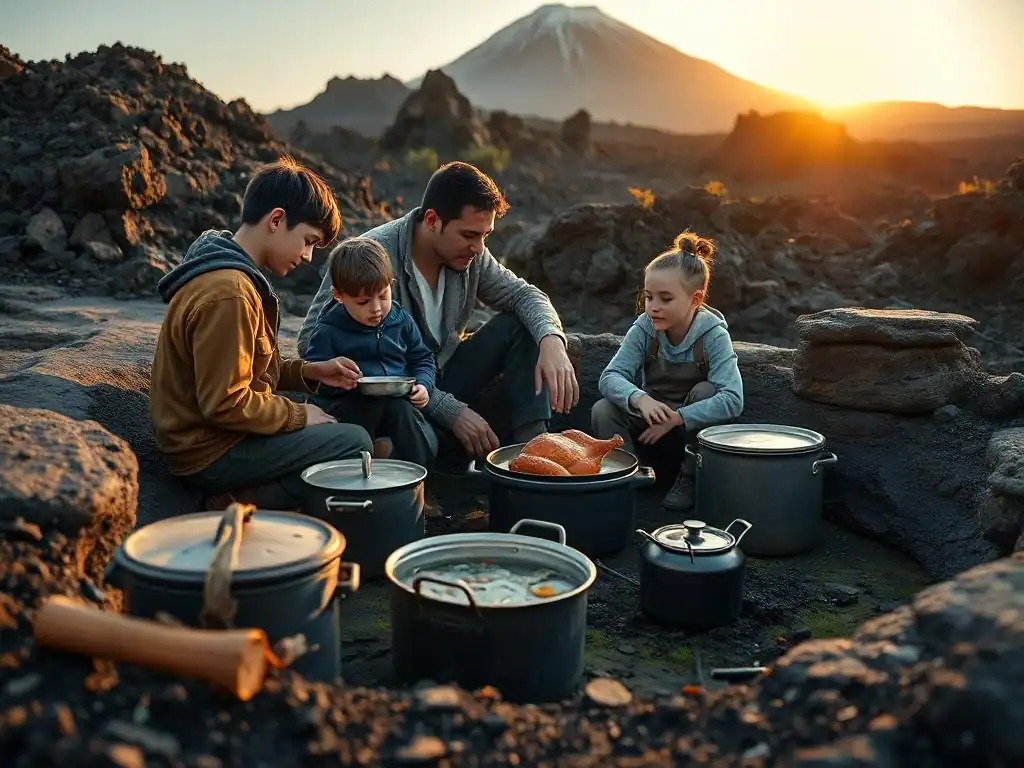
Geothermal cooking is more than just preparing food; it's an immersive experience that connects you with nature and creates lasting memories. Enhancing this experience involves capturing the moment, sharing your adventure, and most importantly, respecting the fragile volcanic environment.
Capturing the Moment: Photography Tips for Geothermal Cooking
Volcanic landscapes and geothermal cooking processes offer incredible photographic opportunities. To capture the essence of your geothermal culinary adventure, consider these tips:
- Golden Hour Magic: Sunrise and sunset provide the best lighting for volcanic landscapes, casting warm, dramatic shadows and highlighting steam plumes.
- Steam and Contrast: Capture the contrast between the stark volcanic terrain and the ethereal steam rising from fumaroles or hot springs. Experiment with different angles to highlight the steam against the sky or dark volcanic rock.
- Action Shots: Document the cooking process – placing food in steam vents, burying pots, or retrieving cooked meals. Capture the steam rising from cooked food as it’s unwrapped or taken out of the geothermal source.
- People in the Landscape: Include family members or cooking companions in your photos to show scale and create a sense of adventure. Capture their reactions and interactions with the geothermal features and the cooking process.
- Close-ups of Food: Photograph the cooked food in its natural setting. Steam rising from freshly steamed fish or roasted vegetables against a volcanic backdrop creates a visually appealing story.
- Safety First, Lens Second: Always prioritize safety over getting the perfect shot. Be mindful of your footing, avoid getting too close to dangerous geothermal features, and use zoom lenses to capture details from a safe distance.
- Tell a Story: Think about capturing a series of photos that narrate the entire geothermal cooking experience, from preparation to the final meal.
Sharing your geothermal cooking adventure can inspire others to explore and appreciate volcanic landscapes and sustainable cooking methods. Social media platforms are ideal for showcasing your experience visually. Use relevant hashtags like #GeothermalCooking, #VolcanicCuisine, #VolcanoExplorers, #SustainableCooking, and #[LocationName] to reach a wider audience. Share photos and videos of your cooking process, the stunning volcanic scenery, and the delicious results.
Consider submitting your photos and stories to VolcanoExplorers.org. The website welcomes contributions from volcano enthusiasts and adventurers. Sharing your experiences can help build a community of volcano explorers and inspire others to learn about and responsibly enjoy these incredible natural wonders. Documenting your journey and sharing it online or with VolcanoExplorers.org helps promote geothermal cooking as a unique and educational family activity.
Respecting the Environment: Leave No Trace Principles at Volcanic Sites
Volcanic environments are often fragile and unique ecosystems. It's crucial to practice Leave No Trace principles during your geothermal cooking adventure to minimize your impact and preserve these areas for future generations.
- Plan Ahead and Prepare: Research the site, regulations, and necessary permits. Pack out everything you pack in.
- Travel and Camp on Durable Surfaces: Stay on established trails and designated cooking areas. Avoid trampling vegetation or disturbing fragile volcanic features.
- Dispose of Waste Properly: Pack out all trash, food scraps, and cooking waste. Do not dispose of anything in geothermal features or surrounding natural areas. Use trash bags and carry them out with you.
- Minimize Campfire Impacts (Usually Not Applicable for Geothermal Cooking, but General Principle): In geothermal areas, open fires are generally prohibited. Rely entirely on geothermal heat for cooking.
- Leave What You Find: Do not collect rocks, minerals, plants, or any natural items from volcanic sites. Leave the environment as you found it for others to enjoy.
- Respect Wildlife: Observe wildlife from a distance. Do not feed or disturb animals.
- Be Considerate of Other Visitors: Share geothermal resources respectfully and be mindful of noise levels.
By adhering to Leave No Trace principles, you ensure that your geothermal cooking adventure is not only memorable but also environmentally responsible and sustainable.
Conclusion: A Memorable and Sustainable Volcanic Culinary Journey
Geothermal cooking at volcanic sites offers a truly unique and enriching experience, blending adventure, education, and culinary exploration into one unforgettable family activity. It's a chance to witness the Earth's power firsthand, learn about sustainable cooking methods, and create delicious meals in breathtaking natural settings.
The Unique Rewards of Geothermal Cooking
The rewards of geothermal cooking extend far beyond just a tasty meal. It provides a tangible connection to the Earth’s geological processes, turning a science lesson into a hands-on adventure. Families bond over the shared experience of preparing food using natural resources, fostering teamwork and creating lasting memories. The flavors of geothermally cooked food are often subtly enhanced by the earthy minerals and steam, adding a unique dimension to the dining experience.
Geothermal cooking also promotes sustainability by utilizing a renewable energy source and minimizing reliance on conventional cooking fuels. It encourages a deeper appreciation for nature and the resourceful ways humans have interacted with volcanic environments for centuries. The sense of accomplishment derived from successfully cooking a meal using geothermal energy, amidst stunning volcanic scenery, is a reward in itself, making it an unparalleled culinary adventure.
Encouraging Responsible Exploration and Geothermal Cooking Practices
As geothermal cooking gains popularity, it is paramount to emphasize responsible exploration and sustainable practices. Always prioritize safety, adhere to local regulations and permits, and practice Leave No Trace principles to protect volcanic environments. Educate yourself and your family about the geology and ecology of volcanic areas to deepen your appreciation and respect for these natural wonders.
By embracing responsible geothermal cooking methods, we can ensure that these unique culinary and adventure opportunities remain accessible and sustainable for future generations. VolcanoExplorers.org encourages everyone to explore the fascinating world of volcanoes and geothermal cooking with respect, curiosity, and a commitment to preserving these incredible landscapes.
Frequently Asked Questions
What exactly is geothermal cooking, and where can I experience it?
Geothermal cooking involves using the Earth's natural heat from volcanic areas to prepare food. You can experience it in regions with active geothermal activity, such as Iceland, New Zealand, and parts of Italy.
Is geothermal cooking safe, and are there any precautions to take?
Yes, geothermal cooking is generally safe, but it's crucial to follow local guidelines and regulations. Avoid touching hot springs directly and be mindful of the surrounding environment.
What types of food can be cooked using geothermal methods?
A wide variety of foods can be cooked geothermally, including eggs, vegetables, meats, and breads. The cooking time varies depending on the temperature and method used.
Does geothermal cooking impart any unique flavors to the food?
Yes, geothermal cooking can impart a subtle, earthy flavor to food due to the minerals in the geothermal water and steam. Some people describe it as a slightly sulfuric taste.
How does geothermal cooking contribute to sustainable tourism and local economies?
Geothermal cooking attracts tourists, providing economic opportunities for local communities. It also promotes sustainable practices by utilizing a renewable energy source.
Final Reflection: Embracing Earth's Culinary Power
The exploration of geothermal cooking methods at volcanic sites, as we've seen, is more than just a novelty; it's a powerful connection to our planet's raw energy and a testament to human ingenuity. The ability to harness the Earth's internal heat to prepare food offers a unique and sustainable alternative, reminding us of the potential for innovative solutions in a world increasingly focused on environmental responsibility.
This journey into geothermal gastronomy underscores the enduring human desire to connect with nature and tradition. The act of cooking with the Earth's energy, a practice rooted in ancient cultures, resonates deeply with a yearning for authenticity and a slower, more mindful approach to food. We are part of the earth and it is part of us.
- Chief Seattle. This quote encapsulates the profound interconnectedness that geothermal cooking embodies, reminding us that our sustenance is intrinsically linked to the natural world.
As we conclude, I invite you to consider the broader implications of this exploration. How can we, in our own lives, embrace innovative and sustainable practices that honor the Earth's resources? Let us strive to be mindful consumers, seeking out opportunities to connect with nature and support initiatives that promote responsible and harmonious coexistence with our planet. The future of food may very well lie in rediscovering and reimagining ancient techniques, powered by the very ground beneath our feet.
Embark on Your Own Volcanic Culinary Adventure!
Thank you for exploring the amazing potential of volcanic landscapes for creating unforgettable culinary experiences! Ready to turn this knowledge into delicious memories?
Here's how you can get started:
- Plan your geothermal cooking experience: Research volcanic areas with accessible and safe geothermal features for cooking. Create a unique family meal plan, remembering that safety is paramount.
- Share your geothermal cooking adventures: Post photos of your creations and inspiration on Instagram using #VolcanoExplorersFood.
- Explore more: Discover more hidden gems and exciting volcanic adventures on volcanoexplorers.org.
What unique dish will you create next, fueled by the Earth's fiery heart? Share your culinary ideas in the comments below!