Exploring Gas Monitoring: Measuring Volcanic Gas Emissions
At VolcanoExplorers.org, our "Gas Monitoring: Measuring Volcanic Gas Emissions" subcategory takes you deep into the invisible world of volcanic gases. These emissions—such as sulfur dioxide, carbon dioxide, and hydrogen sulfide—are the volcano's breath, offering critical clues about magma movement and impending eruptions. Measuring these gases helps scientists forecast activity, protect communities, and understand Earth's inner workings. Here, we unravel the tools, techniques, and significance of gas monitoring, blending field science with real-world applications for enthusiasts and aspiring volcanologists alike.
🌋 The Science of Volcanic Gas Signatures
Volcanic gases are more than just fumes; they are a chemical fingerprint of magma deep below. By analyzing ratios of gases like CO2 to SO2, researchers can gauge how fast magma is rising and whether it's degassing at depth or near the surface. Increased CO2 often signals fresh magma influx, while declining SO2 may suggest a blocked vent. In this section, you'll learn the fundamental gas compositions and why each one matters for eruption prediction.
We break down the why behind gas ratios, offering clear examples from real volcanoes, such as Kilauea and Etna. Expect to discover how dissolved gases behave under pressure, the role of hydrothermal systems, and how gas chemistry changes during different eruption phases. This knowledge forms the backbone of interpreting monitoring data, making it essential for anyone serious about volcanic science.
📡 Advanced Instruments and Field Techniques
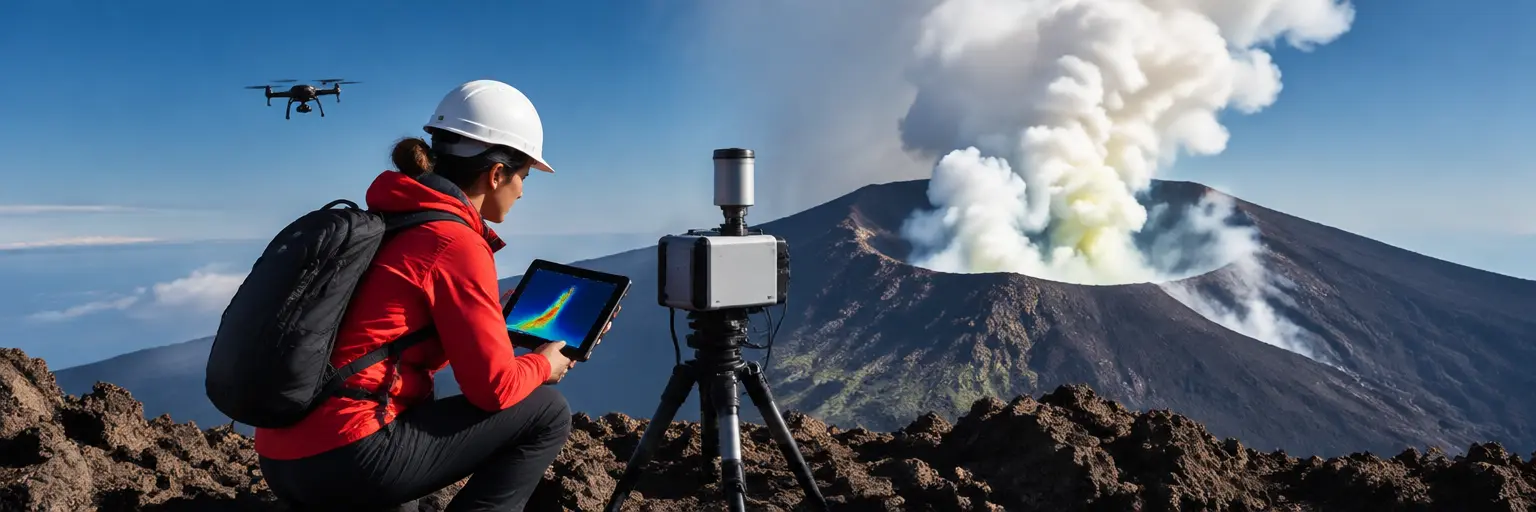
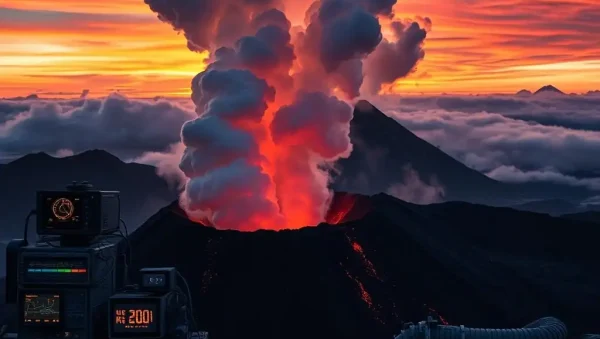
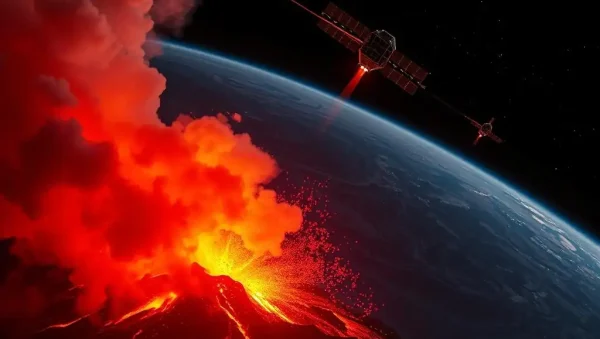
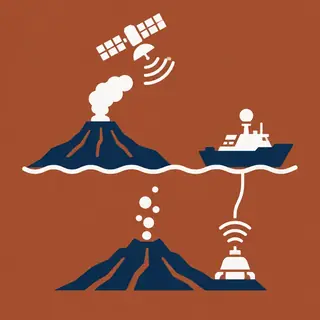
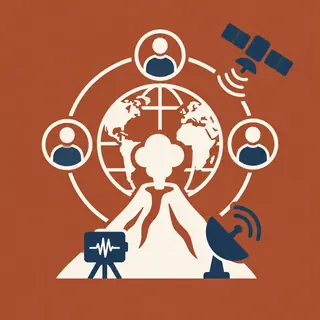
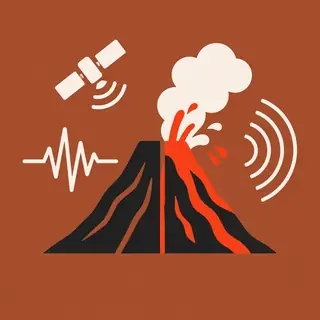
Modern gas monitoring relies on sophisticated equipment that can measure from the ground, air, and space. This section covers instruments like MultiGAS analyzers, which detect multiple gases in real time, and UV spectrometers (e.g., DOAS) that measure SO2 fluxes from a safe distance. Drones and satellites like Sentinel-5P now provide weekly global gas maps, revolutionizing hazard assessment. We explain how each tool works, their accuracy, and their limitations in harsh volcanic environments.
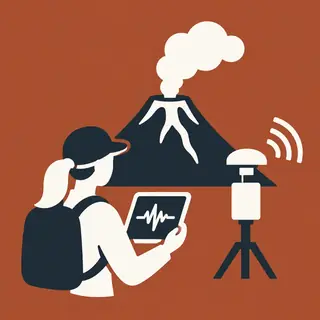
Field deployment is just as crucial as the hardware. Here, you'll grasp how scientists set up permanent stations, use portable devices for spot measurements, and integrate data with seismic and deformation networks. The section also highlights common challenges, such as corrosive gases, extreme heat, and remote access, alongside innovative solutions like solar-powered sensors. By the end, you'll appreciate the engineering brilliance behind capturing these elusive emissions.
⚠️ Interpreting Gas Data for Eruption Forecasting
Raw gas numbers mean little without context. This section dives into how volcanologists interpret trends—like sudden spikes in SO2 or changes in CO2/SO2 ratios—to issue timely warnings. Unusual gas bursts often precede phreatic explosions, and sustained high emissions can indicate an open conduit. We discuss case studies, such as the 2018 Kilauea eruption and the 2021 La Palma event, where gas monitoring played a pivotal role in evacuation decisions.
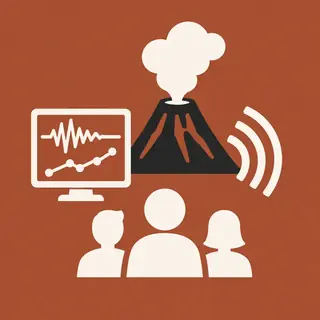
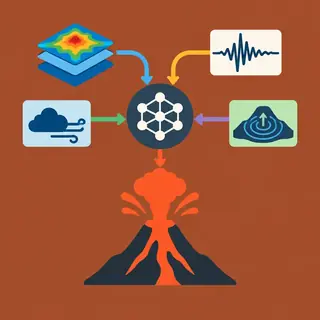
You'll also learn about the concept of "thresholds" and why no single gas metric is foolproof. We explain how gas data is combined with earthquake activity and ground deformation to build a multi-parameter picture of volcanic unrest. This integrated approach reduces false alarms and enhances public safety, proving that gas monitoring is not just academic—it saves lives. Real-world anecdotes make this section both educational and gripping.
🌍 Environmental and Health Impacts of Volcanic Gases
Beyond eruption forecasting, volcanic gases affect air quality, ecosystems, and human health. This section explores the dangers of vog (volcanic smog), acid rain, and long-term exposure to toxic gases like radon and hydrogen fluoride. We cover how communities near active volcanoes adapt, from air filtration systems to evacuation protocols. For travelers, we offer practical tips on recognizing gas hazards while exploring volcanic landscapes safely.
Ecologically, gas emissions can enrich soils in some regions but devastate vegetation in others. This part examines global examples, including the "dead zones" around Masaya Volcano in Nicaragua and the fertile slopes of Mount Bromo. We also touch on the role of volcanic gases in climate change, noting how large eruptions inject aerosols into the stratosphere. Expect balanced, science-backed insights that connect local hazards to planetary processes.
🔬 Future Frontiers in Gas Monitoring Research
Innovation never stops in volcanology. This section previews emerging technologies like laser-based isotope analyzers and machine learning algorithms that predict gas anomalies. We highlight ongoing projects that use IoT-enabled sensor networks and AI to automate data collection, making near-real-time monitoring more accessible. Academic institutions and volcano observatories are collaborating to create open-access gas databases, accelerating discovery.
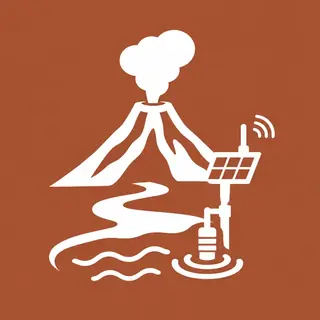
Citizen science is another exciting frontier—portable sensors allow hikers to contribute data, building denser monitoring grids. We also discuss ambitious plans for permanent seafloor gas sensors at submarine volcanoes, which remain largely unmonitored. By focusing on these cutting-edge developments, you'll see how gas monitoring is becoming smarter, faster, and more democratic, ensuring better preparedness for future eruptions worldwide.
Frequently Asked Questions
What is the most common gas emitted by volcanoes?
Water vapor (H2O) is by far the most abundant, making up over 80% of volcanic emissions. Carbon dioxide (CO2) and sulfur dioxide (SO2) follow, with smaller amounts of hydrogen sulfide, hydrogen chloride, and other trace gases. The composition varies with magma type and eruptive style, but water vapor dominates in nearly all volcanic plumes.
How do scientists measure volcanic gases from space?
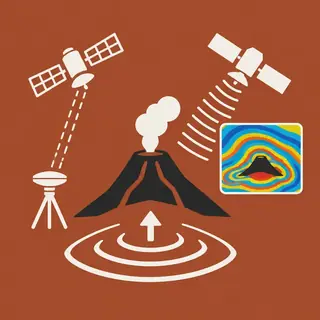
Satellites use spectroscopy to detect gas absorption of sunlight. Instruments like TROPOMI aboard Sentinel-5P measure SO2 columns with global coverage, while others track CO2 and ash. These data are processed to create daily maps, which are especially useful for remote or hazardous volcanoes. Space-based monitoring complements ground sensors, offering a bird's-eye view of emission plumes.
Can volcanic gas emissions predict an exact eruption date?
No, but they provide probabilistic forecasts. A sudden rise in SO2 might indicate fresh magma, while decreasing gas with sustained seismicity could suggest a blocked vent. Gas trends are combined with other geophysical data to narrow the eruption window, often from weeks to days, rather than an exact date. Uncertainties remain due to volcano complexity.
Are volcanic gases dangerous to breathe?
Yes, especially in high concentrations. SO2 can cause respiratory irritation, while CO2 is an asphyxiant in low-lying areas. Hydrogen sulfide has a rotten-egg odor but can be lethal at high levels. Visitors should stay upwind of plumes and follow local advisories. Long-term exposure near persistent degassing vents poses chronic health risks.
How do gas measurements help with evacuation decisions?
Gas spikes often precede phreatic explosions or dome collapses, providing warnings minutes to hours in advance. For example, increased CO2 and SO2 flux can trigger alerts. Authorities use these signals alongside seismicity and deformation to issue evacuation orders. Gas data has been pivotal in events like the 2019 Whakaari eruption and Sakurajima evacuations, saving countless lives.