
Volcanic Gas Geysers: Exploring the Rhythmic Release of Gases from Active Vents

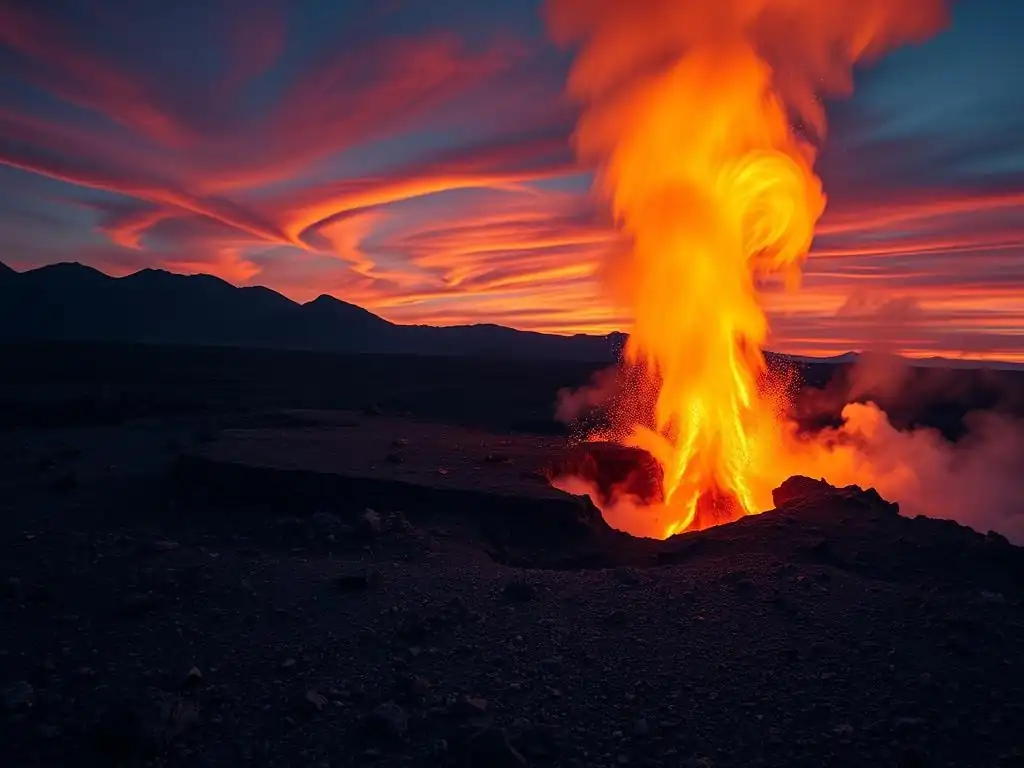
Welcome to Volcano Explorers, where we chase the fiery breath of the Earth! Have you ever witnessed a volcanic gas geyser in action? These fascinating displays offer clues into the inner workings of volcanoes, and understanding them is crucial for monitoring and prediction. Prepare to unravel the mysteries behind these rhythmic bursts of subterranean energy and discover how they help us anticipate the next eruption. Intrigued? Let's dive in...
- Introduction to Volcanic Gas Geysers: A Rhythmic Volcanic Phenomenon
- The Science Behind Volcanic Gas Geysers Explained
- Types of Volcanic Gas Geysers and Their Characteristics
- Monitoring Volcanic Gas Geysers: Techniques and Technologies
- The Significance of Volcanic Gas Geysers in Volcano Monitoring & Prediction
- Volcanic Gas Geysers and Associated Hazards
- The Future of Volcanic Gas Geyser Research
- Conclusion: Appreciating the Dynamic Nature of Volcanic Gas Geysers
- Frequently Asked Questions
- Final Reflection: The Breath of the Earth
- Unleash Your Inner Volcanologist!
Introduction to Volcanic Gas Geysers: A Rhythmic Volcanic Phenomenon
Unveiling the Enigmatic Nature of Volcanic Gas Geysers
Volcanic gas geysers, a fascinating subset of volcanic phenomena, represent the episodic and often rhythmic release of gases from volcanic vents. Unlike the continuous plumes of steam and gas often associated with volcanoes, volcanic gas geysers are characterized by their intermittent nature. These vents act as natural pressure valves, periodically expelling a mixture of steam, carbon dioxide, sulfur dioxide, and other volcanic gases.
This eruptive behavior, often accompanied by hissing or roaring sounds, sets them apart from typical fumaroles and makes them a compelling subject of study for volcanologists seeking to understand the inner workings of volcanic systems. The very term "geyser," borrowed from the well-known hydrothermal geysers, aptly describes this pulsating release, highlighting the dynamic and somewhat unpredictable nature of these volcanic features.
The enigmatic nature of volcanic gas geysers stems from the complex interplay of factors governing their activity. The precise mechanisms that dictate the timing and intensity of their eruptions are still being actively researched. Unlike magmatic eruptions which involve molten rock, volcanic gas geysers are primarily driven by the build-up and release of pressure from gases within the volcanic edifice.
This pressure can be influenced by a variety of factors including the depth and temperature of the gas source, the permeability of the surrounding rocks, and even external factors like rainfall infiltration. Understanding these intricate processes is crucial not only for unraveling the fundamental science of volcanic systems but also for improving volcanic hazard assessment and monitoring efforts in regions where these fascinating features are present.
Why Study Volcanic Gas Geysers? Insights into Volcanic Activity
Studying volcanic gas geysers offers invaluable insights into the deeper processes occurring within active volcanoes. These rhythmic gas emissions act as natural probes, providing a window into the magmatic and hydrothermal systems beneath the surface.
By analyzing the composition and flux of gases released from these geysers, scientists can gain a better understanding of magma degassing processes, the evolution of hydrothermal fluids, and the overall state of volcanic unrest. Changes in geyser activity, such as variations in eruption frequency or gas composition, can potentially signal shifts in the underlying volcanic system, possibly indicating an increased or decreased risk of a larger eruption.
Furthermore, the study of volcanic gas geysers contributes significantly to our ability to monitor and predict volcanic activity. As sensitive indicators of subsurface pressure and gas dynamics, these features can provide early warning signs of volcanic unrest. Continuous monitoring of geyser activity, coupled with other geophysical and geochemical techniques, can improve the accuracy of volcanic eruption forecasts.
For example, an increase in the frequency or intensity of geyser eruptions, or a change in the ratio of certain gases, might precede other more readily detectable signs of volcanic activity, allowing for timely warnings and mitigation measures to be implemented in vulnerable areas. Therefore, understanding the behavior of volcanic gas geysers is not just an academic pursuit; it is a crucial component of volcano hazard management and community safety in volcanically active regions.
The Science Behind Volcanic Gas Geysers Explained
What Causes the Eruptive Behavior of Volcanic Gas Geysers? [Explanation of Internal Pressure Buildup]
The eruptive behavior of volcanic gas geysers is fundamentally driven by the buildup and subsequent release of internal pressure within the volcanic system. This pressure buildup is primarily caused by the accumulation of volcanic gases, predominantly steam and carbon dioxide, beneath a relatively impermeable caprock or within a confined conduit. As magma rises and degasses at depth, these gases migrate upwards through fractures and permeable pathways in the volcanic edifice.
If these pathways become restricted or if a caprock impedes the gas escape, pressure starts to accumulate. This process is analogous to shaking a bottle of carbonated beverage; the dissolved gas, when the cap is loosened, rapidly expands and escapes, sometimes explosively.
The cycle of eruption in a volcanic gas geyser begins with this pressure buildup. As more gas accumulates, the pressure eventually overcomes the strength of the confining rocks or the hydrostatic pressure of any overlying water. This threshold breach initiates a rapid decompression event, causing the accumulated gases to expand violently and force their way to the surface.
The eruption continues until the internal pressure is sufficiently reduced. After the eruption, the cycle begins anew with the gradual accumulation of gases and pressure buildup, leading to the next eruptive event. The periodicity of these eruptions can range from seconds to hours, depending on factors like the rate of gas supply, the volume of the gas reservoir, and the permeability of the conduit system.
Key Components: Water, Magma, and Gas Interactions in Geyser Formation
Water, magma, and gas interactions are the key components in the formation and activity of volcanic gas geysers. Water, often in the form of groundwater or meteoric water percolating into the volcanic edifice, plays a crucial role by interacting with the hot volcanic rocks and magma at depth. This interaction leads to the generation of steam, which is a major component of volcanic gas emissions.
Magma, the source of heat and dissolved gases, provides the energy and volatile components that drive the geyser system. As magma rises, it undergoes decompression, causing dissolved gases like water vapor, carbon dioxide (CO2), sulfur dioxide (SO2), and hydrogen sulfide (H2S) to exsolve and form a separate gas phase.
The interplay between these components is complex. For instance, the presence of water can significantly enhance the explosivity of geyser eruptions. When superheated water flashes to steam upon pressure release, it expands dramatically, contributing to the force and volume of the eruption. The composition of magma also influences the gas mixture released.
Magmas richer in volatiles will generally produce more vigorous and gas-rich geysers. Furthermore, the interaction between magma-derived gases and hydrothermal fluids can lead to the precipitation of minerals within the conduit system, potentially altering its permeability and influencing the geyser's eruption characteristics over time. Understanding these intricate interactions is fundamental to deciphering the behavior and evolution of volcanic gas geysers.
The Role of Conduit Geometry and Permeability in Triggering Volcanic Gas Geysers
The geometry and permeability of the volcanic conduit system are critical factors in triggering volcanic gas geysers. The conduit, the pathway through which gases ascend from depth to the surface, acts as a control valve regulating the pressure buildup and release. Constrictions or narrow passages within the conduit can impede gas flow, promoting pressure accumulation beneath these bottlenecks. Similarly, variations in permeability, the ability of rocks to transmit fluids, play a significant role. Areas of low permeability can act as seals, trapping gases and allowing pressure to build up until it overcomes the resistance and triggers an eruption.
The shape and orientation of the conduit also influence geyser behavior. A tortuous or branching conduit system can create multiple pressure points and pathways, potentially leading to more complex and irregular eruption patterns. Conversely, a relatively straight and open conduit might result in more continuous gas release, resembling a fumarole rather than a geyser.
The surrounding rock properties are equally important; the strength and fracturing of the rocks determine how effectively they can contain pressure and influence the pathways of gas migration. For example, highly fractured and permeable rocks might dissipate pressure more readily, hindering geyser formation, while less permeable and more competent rocks can confine gases and promote the cyclical pressure buildup-release mechanism characteristic of volcanic gas geysers.
Types of Volcanic Gas Geysers and Their Characteristics
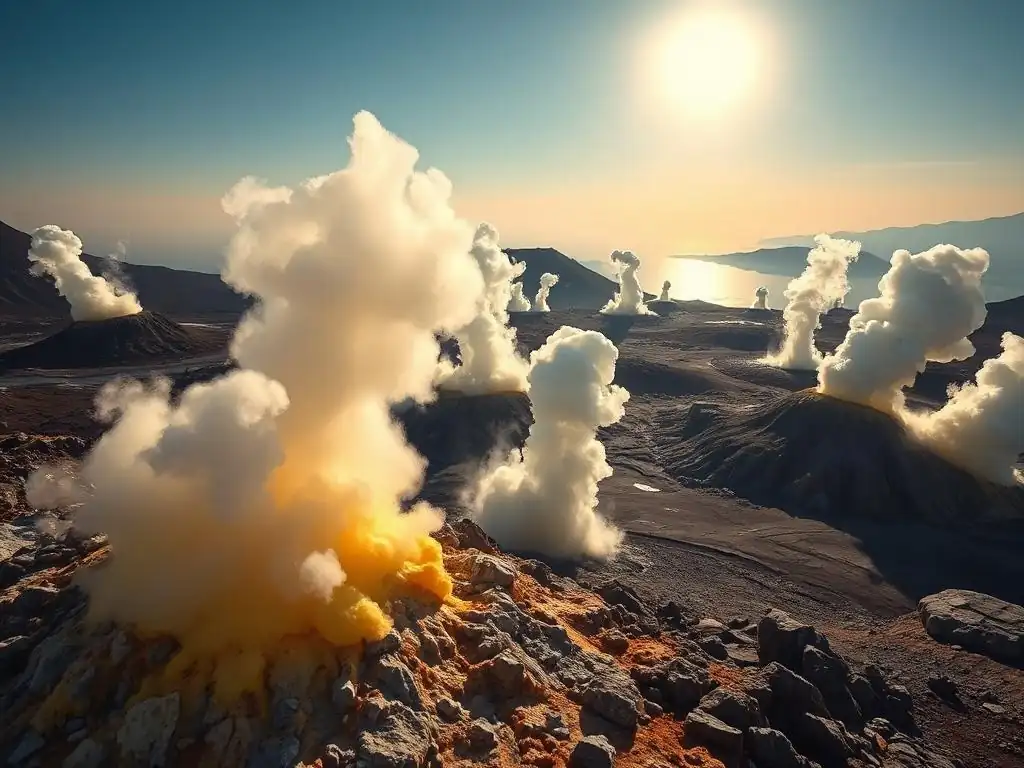
Classifying Volcanic Gas Geysers Based on Eruption Style and Gas Composition
Volcanic gas geysers can be classified based on their eruption style and gas composition, offering a framework for understanding their diverse behaviors and origins. Eruption style classifications can range from Strombolian-like bursts, characterized by discrete, forceful ejections of gas and sometimes minor amounts of ash or rock debris, to more continuous, pulsating emissions resembling hydrothermal geysers but dominated by volcanic gases.
Some geysers exhibit relatively gentle, rhythmic puffing, while others are more energetic and sporadic, with periods of quiescence followed by vigorous bursts. The style of eruption is often linked to factors such as gas pressure, conduit geometry, and the presence of liquid water in the system.
Gas composition provides another crucial basis for classification. Volcanic gas geysers typically emit a mixture of water vapor (H2O), carbon dioxide (CO2), sulfur dioxide (SO2), hydrogen sulfide (H2S), and trace amounts of other gases like hydrogen chloride (HCl) and hydrogen fluoride (HF). The relative proportions of these gases can vary significantly depending on the source magma, the depth of degassing, and interactions with hydrothermal systems.
For instance, geysers associated with basaltic volcanoes might exhibit higher proportions of CO2 and SO2, while those linked to more evolved magmas might have a greater water vapor content. Analyzing the gas composition allows volcanologists to infer the source and processes occurring within the volcanic system, aiding in hazard assessment and volcanic monitoring.
Analyzing the Composition of Gases Released from Different Geyser Types
Analyzing the composition of gases released from different types of volcanic gas geysers is essential to understand their origin and the processes driving their activity. Geochemical analysis, using techniques like gas chromatography and mass spectrometry, reveals the relative abundance of various gaseous components, providing insights into the magmatic and hydrothermal systems at depth.
For example, a high ratio of CO2 to SO2 might suggest a deeper magmatic source, while a higher proportion of water vapor could indicate a greater contribution from shallow hydrothermal fluids. The presence and concentration of trace gases, such as helium isotopes or noble gases, can further fingerprint the gas source and help differentiate between magmatic and crustal contributions.
Variations in gas composition can also reflect changes in volcanic activity. An increase in the SO2/CO2 ratio, for instance, might suggest magma ascent and increased degassing, potentially signaling heightened volcanic unrest. Conversely, a decrease in the overall gas flux or a shift towards a more water-vapor-dominated composition could indicate a cooling or degassing of the magma system.
By continuously monitoring the gas composition of volcanic gas geysers, scientists can detect subtle changes in the volcanic system that might precede more significant events. This detailed geochemical analysis is a powerful tool for understanding the dynamics of volcanic systems and improving our ability to forecast volcanic eruptions.
Case Studies: Notable Volcanic Gas Geysers Around the World [Examples of Specific Geysers]
Several notable volcanic gas geysers around the world exemplify the diversity and fascinating nature of these features. One example is the geyser located in the Solfatara crater at Pozzuoli, Italy, within the Campi Flegrei caldera. This geyser, known for its rhythmic bursts of steam and sulfurous gases, is a popular tourist attraction and a site of ongoing volcanic monitoring.
Its activity is closely linked to the hydrothermal system within the caldera and reflects the underlying volcanic unrest in this densely populated region. Studies of this geyser have provided valuable data on gas fluxes and compositional variations, contributing to the broader understanding of the Campi Flegrei volcanic system.
Another compelling example is found at the Poás Volcano in Costa Rica. Within the active crater, several gas vents exhibit geyser-like behavior, emitting plumes of steam and volcanic gases. These geysers are influenced by the interaction of rainwater with the hot volcanic edifice, creating a complex hydrothermal system.
The Poás geysers are closely monitored as indicators of volcanic activity, especially given the volcano's history of phreatic eruptions. Further afield, in regions like Iceland and Kamchatka, numerous fumarole fields and hydrothermal areas host gas vents that exhibit periodic or geyser-like emissions, though often less formally classified as "volcanic gas geysers." These examples underscore the global distribution and varied manifestations of these intriguing volcanic features, highlighting the need for continued research and monitoring efforts worldwide.
Monitoring Volcanic Gas Geysers: Techniques and Technologies
Remote Sensing of Volcanic Gas Emissions from Geysers
Remote sensing techniques play a crucial role in monitoring volcanic gas emissions from geysers, offering a safe and efficient way to measure gas fluxes and spatial distributions. Satellite-based instruments, such as those on board the NASA Aura and Terra satellites, can detect and quantify sulfur dioxide (SO2) and other volcanic gases in the atmosphere.
These instruments, including the Ozone Monitoring Instrument (OMI) and the Moderate Resolution Imaging Spectroradiometer (MODIS), provide global coverage and can track large-scale gas plumes emanating from volcanic regions. While satellite data might not always directly resolve the emissions from individual geysers due to their localized nature, they are invaluable for regional-scale monitoring and detecting changes in overall volcanic gas output.
Ground-based remote sensing instruments, such as infrared cameras and spectrometers, offer higher spatial resolution and can be deployed closer to geyser sites. Infrared cameras can detect thermal anomalies associated with gas vents and track the temperature of emitted plumes.
Spectrometers, like Differential Optical Absorption Spectroscopy (DOAS) instruments, can measure the concentration of specific gases, such as SO2 and CO2, in the emitted plume by analyzing the absorption of sunlight or artificial light through the gas cloud. These remote sensing methods are essential for continuous monitoring of geyser activity, particularly in remote or hazardous locations, providing valuable data on gas fluxes and plume dynamics without requiring direct access to the vent.
Direct Sampling Methods for Analyzing Gas Composition
Direct sampling methods are essential for detailed analysis of the gas composition of volcanic gas geysers, providing highly accurate measurements of gas concentrations and isotopic ratios. These methods involve collecting gas samples directly from the geyser vent using specialized equipment. Typically, this involves inserting a probe into the gas vent and drawing the gas into evacuated flasks or gas-tight containers. Various types of sampling probes and collection techniques are employed depending on the temperature and pressure of the vent and the gases of interest. For high-temperature vents, water-cooled probes might be necessary to prevent sample contamination or equipment damage.
Once collected, gas samples are analyzed in the laboratory using sophisticated instruments like gas chromatographs (GC), mass spectrometers (MS), and isotope ratio mass spectrometers (IRMS). GC analysis separates and quantifies different gas components, providing precise concentrations of major gases like H2O, CO2, SO2, H2S, and trace gases. MS analysis identifies and measures the mass-to-charge ratio of ions, allowing for the detection and quantification of a wide range of gases and isotopes.
IRMS is used to measure the isotopic ratios of elements like carbon, sulfur, and oxygen in the gases, providing valuable information about the source and processes of gas formation. Direct sampling methods, although requiring fieldwork and careful sample handling, are crucial for obtaining the most detailed and accurate geochemical data from volcanic gas geysers.
Using Seismic and Acoustic Data to Understand Geyser Activity
Seismic and acoustic data provide complementary information for understanding geyser activity, offering insights into the subsurface processes and eruption dynamics. Seismic sensors, deployed near geyser sites, can detect ground vibrations associated with geyser eruptions. These seismic signals can range from high-frequency bursts associated with rapid gas expulsion to lower-frequency tremor related to fluid movement within the conduit system.
Analyzing the characteristics of seismic signals, such as their frequency content, amplitude, and duration, can help to characterize the eruption style and intensity of the geyser. For example, distinct seismic signatures might be associated with different phases of the eruption cycle, such as pressure buildup, rapid decompression, and gas release.
Acoustic sensors, such as microphones, can capture the audible sounds produced by geyser eruptions. These sounds, ranging from hissing and roaring to popping and explosions, are generated by the rapid expansion and release of gases into the atmosphere. Analyzing the acoustic signals, including their frequency spectrum and intensity, can provide information about the gas flow rate, eruption velocity, and the overall energy release of the geyser.
Combining seismic and acoustic data allows for a more comprehensive understanding of geyser activity, linking surface observations with subsurface processes. For instance, the timing relationship between seismic signals and acoustic emissions can provide clues about the depth and mechanism of gas release, contributing to a more complete picture of geyser dynamics.
The Significance of Volcanic Gas Geysers in Volcano Monitoring & Prediction
How Geyser Activity Can Indicate Changes in Volcanic State
Volcanic gas geyser activity serves as a valuable indicator of changes in the volcanic state, offering crucial early warning signals of potential volcanic unrest. Variations in geyser behavior, such as changes in eruption frequency, intensity, gas composition, or plume temperature, can reflect alterations in the underlying magmatic or hydrothermal system.
An increase in the frequency or intensity of geyser eruptions might suggest an increase in gas pressure beneath the surface, potentially driven by magma ascent or increased degassing. Similarly, a change in the gas composition, such as an increase in the ratio of magmatic gases like SO2 to water vapor, could indicate a shift towards a more magmatically influenced system and a potential increase in volcanic risk.
Conversely, a decrease in geyser activity, such as reduced eruption frequency or gas flux, might suggest a decrease in volcanic unrest or a cooling of the hydrothermal system. However, it is important to interpret these changes cautiously, as a sudden cessation of geyser activity could also signify a blockage in the gas conduit, which might eventually lead to a more explosive pressure release.
Therefore, monitoring geyser activity is most effective when integrated with other volcano monitoring techniques. By carefully tracking changes in geyser behavior over time, and correlating them with other geophysical and geochemical data, volcanologists can gain a more nuanced understanding of the evolving volcanic state and improve their ability to assess and forecast volcanic hazards.
Predicting Eruptions: The Role of Gas Geyser Monitoring
Gas geyser monitoring plays a significant role in predicting volcanic eruptions, providing valuable data for eruption forecasting models and early warning systems. Changes in geyser activity, when interpreted in conjunction with other monitoring data, can enhance the accuracy and lead time of eruption predictions.
For instance, a sustained increase in geyser eruption frequency, coupled with an increase in SO2 gas emission rates and ground deformation, might strongly suggest an impending volcanic eruption. Conversely, a sudden shift in geyser behavior without corresponding changes in other parameters might indicate a localized change in the hydrothermal system rather than a broader volcanic eruption.
The predictive power of gas geyser monitoring lies in its sensitivity to changes in subsurface pressure and gas dynamics. As gas geysers are directly linked to the volcanic degassing process, their behavior can reflect subtle changes in magma ascent, magma degassing rates, and hydrothermal fluid circulation that might precede more dramatic volcanic events.
Integrating geyser monitoring data into probabilistic eruption forecasting models can improve the accuracy of eruption probability estimates and help to refine volcanic hazard assessments. Furthermore, real-time monitoring of geyser activity can contribute to the development of early warning systems, providing timely alerts to communities at risk and allowing for effective mitigation measures to be implemented.
Integrating Geyser Data with Other Monitoring Techniques [e.g., Seismicity, Deformation]
Integrating geyser data with other volcano monitoring techniques, such as seismicity and deformation monitoring, is crucial for a comprehensive understanding of volcanic activity and improved eruption forecasting. Seismic monitoring provides information about subsurface magma movement, fracturing, and pressure changes within the volcanic edifice. Deformation monitoring, using techniques like GPS and InSAR, tracks ground movements that can indicate magma accumulation or inflation/deflation of the volcano. By combining geyser data with these geophysical datasets, volcanologists can develop a more holistic picture of the volcanic system and its state of unrest.
For example, a simultaneous increase in geyser activity, seismicity, and ground deformation would strongly suggest a significant increase in volcanic unrest, possibly indicating magma ascent and an increased likelihood of eruption. Conversely, an increase in geyser activity without corresponding changes in seismicity or deformation might suggest a more localized hydrothermal event or a change in gas permeability within the conduit system, requiring further investigation. Multidisciplinary monitoring approaches, integrating geochemical data from gas geysers with geophysical observations, provide a more robust and reliable basis for volcanic hazard assessment and eruption prediction, ultimately enhancing community safety in volcanically active regions.
Volcanic Gas Geysers and Associated Hazards
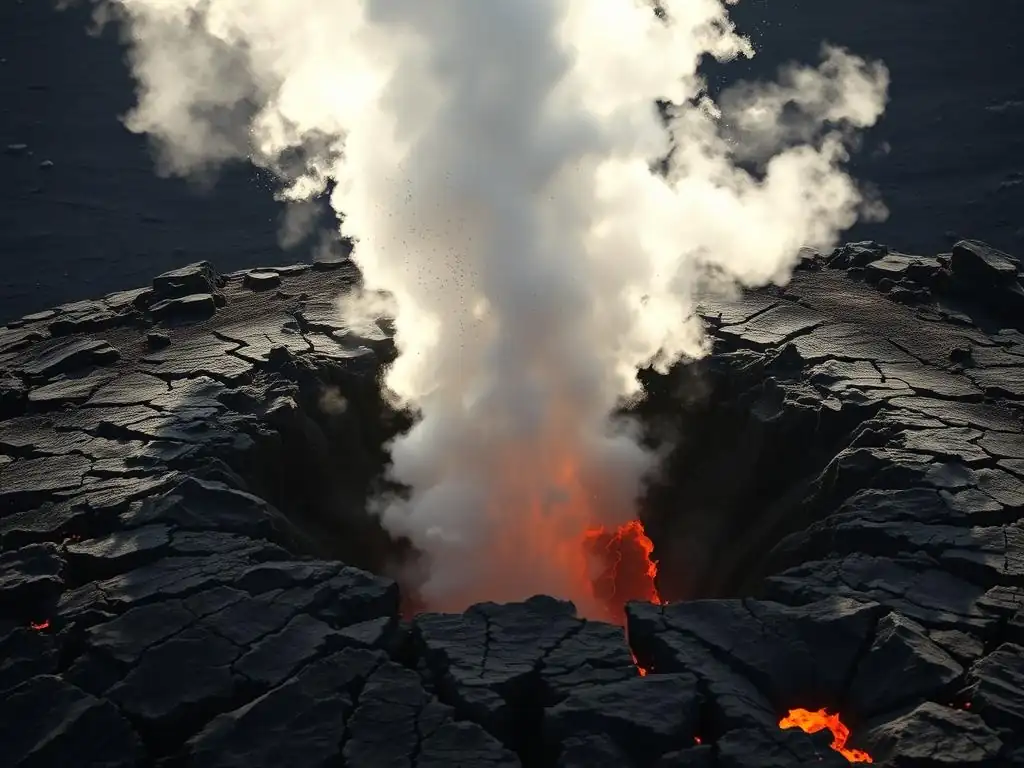
Understanding the Risks of Exposure to Volcanic Gases and Associated Debris
Exposure to volcanic gases and associated debris from volcanic gas geysers poses significant risks to both researchers and communities living near active sites. Volcanic gases, even in relatively small concentrations, can be hazardous to human health. Sulfur dioxide (SO2), a common component of volcanic gas emissions, is a respiratory irritant and can cause breathing difficulties, especially for individuals with pre-existing respiratory conditions like asthma.
Hydrogen sulfide (H2S) is another toxic gas that can cause nausea, headaches, and at higher concentrations, loss of consciousness and even death. Carbon dioxide (CO2), while not directly toxic at low concentrations, can displace oxygen in confined spaces, leading to asphyxiation.
In addition to the direct toxicity of volcanic gases, associated debris ejected during geyser eruptions can also be hazardous. While volcanic gas geysers typically do not eject large volumes of rock or ash compared to magmatic eruptions, they can still expel hot water, steam, and small rock fragments. These ejecta, even if relatively minor, can cause burns, eye irritation, and minor injuries.
Furthermore, the ground around geyser vents can be unstable and weakened by hydrothermal alteration, posing a risk of collapse or ground failure. Therefore, understanding the specific hazards associated with volcanic gas geysers, including gas toxicity, ejecta, and ground instability, is crucial for implementing appropriate safety measures and mitigating risks in these environments.
Safety Measures for Researchers and Communities Near Geyser Sites
Implementing robust safety measures is paramount for researchers working at volcanic gas geyser sites and for communities living in proximity to these features. For researchers, personal protective equipment (PPE) is essential, including respirators to filter out volcanic gases, eye protection to shield against irritant gases and ejecta, and protective clothing and footwear to prevent burns and injuries from hot ground or ejecta.
Gas monitoring equipment, such as portable gas detectors, should be used to continuously monitor ambient gas concentrations and ensure safe working conditions. Work plans should include emergency protocols and evacuation plans in case of unexpected increases in geyser activity or gas release.
For communities living near volcanic gas geyser sites, public education and awareness campaigns are crucial to inform residents about the potential hazards and appropriate safety precautions. This includes educating the public about the dangers of volcanic gases, the signs of increased geyser activity, and designated evacuation routes and assembly points. Volcanic monitoring agencies should provide regular updates on geyser activity and any changes in volcanic alert levels.
Land-use planning should consider the potential hazards associated with geyser sites, and access to high-risk areas might need to be restricted or controlled. Establishing clear communication channels and emergency response plans is essential to ensure community safety in areas affected by volcanic gas geyser activity.
Case Studies: Past Incidents Involving Volcanic Gas Geysers
While volcanic gas geysers are generally less hazardous than major magmatic eruptions, past incidents highlight the potential risks associated with these features. One notable case involved an incident at the Solfatara crater in Campi Flegrei, Italy, in 2017, where a family of three tragically died after falling into a fumarole while venturing into a restricted area.
This event underscored the dangers of venturing off marked paths in volcanic areas and the potential for lethal concentrations of volcanic gases even in seemingly quiescent areas. Although not strictly a geyser incident, it highlights the risks associated with volcanic gas emissions in hydrothermal areas.
Another example, although less directly related to geysers, is the 1986 Lake Nyos disaster in Cameroon, where a massive release of CO2 from the lake bottom, possibly triggered by volcanic activity, suffocated over 1,700 people. While Lake Nyos is a lake saturated with volcanic CO2 rather than a gas geyser, it demonstrates the potential for large-scale and deadly gas releases in volcanic regions.
These incidents, and others less widely publicized, emphasize the need for vigilance and robust safety measures around volcanic gas vents and hydrothermal areas. While volcanic gas geysers might appear less threatening than erupting volcanoes, they still pose significant hazards that require careful assessment, monitoring, and mitigation strategies to protect both researchers and nearby communities.
The Future of Volcanic Gas Geyser Research
Emerging Technologies for Monitoring and Understanding Geysers
Emerging technologies are revolutionizing the monitoring and understanding of volcanic gas geysers, promising to enhance our ability to study these dynamic features and assess their associated hazards. Advancements in sensor technology are leading to the development of smaller, more sensitive, and more energy-efficient gas sensors that can be deployed in dense networks around geyser sites.
These sensors can measure a wider range of gases and environmental parameters, providing near real-time data on gas fluxes, composition, and atmospheric conditions. Miniaturized spectrometers and drones equipped with gas sensors are enabling more detailed and spatially extensive surveys of gas plumes, providing a better understanding of gas dispersion and atmospheric impacts.
Developments in data processing and analysis techniques, including machine learning and artificial intelligence, are also transforming geyser research. These techniques can be used to analyze large datasets from geyser monitoring networks, identify subtle patterns and anomalies in geyser activity, and improve eruption forecasting models. Advanced numerical modeling techniques are being used to simulate geyser dynamics, exploring the complex interplay of gas pressure, conduit geometry, and hydrothermal processes that drive geyser eruptions. These emerging technologies are paving the way for a more comprehensive and quantitative understanding of volcanic gas geysers, leading to improved monitoring capabilities and enhanced volcanic hazard assessment.
Ongoing Research and Future Directions in Volcanic Gas Geyser Studies
Ongoing research and future directions in volcanic gas geyser studies are focused on addressing key knowledge gaps and advancing our understanding of these complex volcanic phenomena. One major research area is the investigation of the subsurface processes driving geyser eruptions, including the mechanisms of pressure buildup, gas accumulation, and conduit dynamics.
This involves integrating geophysical data, geochemical analyses, and numerical modeling to create more realistic models of geyser systems. Another important area is the study of the long-term evolution of geyser activity, examining how geyser behavior changes over time in response to volcanic unrest, hydrothermal system evolution, and external factors like climate change.
Future research will also focus on improving the use of volcanic gas geysers as indicators of volcanic unrest and eruption precursors. This includes developing more sophisticated statistical models and machine learning algorithms to identify subtle changes in geyser activity that might signal an increased risk of volcanic eruption.
Research efforts are also directed towards better quantifying the hazards associated with volcanic gas geysers, including the toxicity of gas emissions, the potential for debris ejection, and the risks of ground instability. Interdisciplinary research, involving volcanologists, geochemists, geophysicists, and atmospheric scientists, is crucial for advancing our understanding of volcanic gas geysers and mitigating their associated risks.
The Importance of Continued Observation and Data Collection
Continued observation and data collection are of paramount importance for advancing our understanding of volcanic gas geysers and improving volcanic hazard assessment. Long-term monitoring of geyser activity, including gas fluxes, gas composition, eruption frequency, and seismic and acoustic signals, provides a valuable baseline for detecting changes and identifying trends in geyser behavior.
Continuous data collection allows for the identification of subtle anomalies that might precede more significant volcanic events, enhancing our ability to forecast eruptions and provide timely warnings. Archiving and sharing geyser monitoring data are essential for collaborative research and for building a comprehensive database of geyser behavior worldwide.
Furthermore, continued observation and data collection are crucial for validating and improving numerical models of geyser systems and for testing new monitoring technologies. Long-term datasets are invaluable for understanding the natural variability of geyser activity and for distinguishing between natural fluctuations and changes related to volcanic unrest.
Sustained funding and support for geyser monitoring programs are essential to ensure the continuity of data collection and to facilitate long-term research efforts. By prioritizing continued observation and data collection, we can build a more robust scientific foundation for understanding volcanic gas geysers and for mitigating the hazards they pose to communities in volcanic regions.
Conclusion: Appreciating the Dynamic Nature of Volcanic Gas Geysers
Volcanic gas geysers stand as compelling testaments to the dynamic and often unpredictable forces at play within active volcanoes. Their rhythmic exhalations, punctuated by bursts of steam and gas, offer a captivating glimpse into the complex interplay of magma, water, and pressure beneath the Earth's surface. From the enigmatic nature of their eruptive behavior to their crucial role as indicators of volcanic unrest, volcanic gas geysers present a rich field of study for volcanologists and a source of both fascination and potential hazard for communities living in volcanic regions.
Understanding the science behind these features, from the pressure buildup mechanisms to the influence of conduit geometry and gas composition, is fundamental to unraveling the broader complexities of volcanic systems. Continued research, coupled with advancements in monitoring technologies and data analysis, promises to further illuminate the inner workings of volcanic gas geysers and enhance our ability to predict volcanic activity. As we continue to explore and monitor these rhythmic vents, we not only deepen our scientific knowledge but also strengthen our capacity to mitigate volcanic risks and appreciate the powerful and awe-inspiring nature of our planet.
Frequently Asked Questions
What are volcanic gas geysers?
Volcanic gas geysers are rhythmic releases of gases, primarily steam, from active volcanic vents. These vents are typically found in geothermal areas associated with volcanoes, and the eruptions are driven by underground pressure.
What causes volcanic gas geysers to erupt?
The eruptions are caused by the build-up of pressure from heated groundwater and volcanic gases. This pressure eventually overcomes the overburden pressure of the surrounding rock, leading to a sudden release. The cycle then repeats.
Where are volcanic gas geysers typically found?
They are usually located in active volcanic regions with geothermal activity, such as Yellowstone National Park or areas around volcanoes in Iceland and New Zealand. These areas have the necessary heat source and water supply.
Are volcanic gas geysers dangerous?
Yes, they can be dangerous due to the high temperatures of the emitted steam and gases. The gases can also be toxic, containing substances like sulfur dioxide and hydrogen sulfide, which can be harmful to breathe.
How do scientists study volcanic gas geysers?
Scientists use various methods, including temperature monitoring, gas analysis, and seismic monitoring, to understand the dynamics of these geysers. This helps them assess volcanic activity and potential hazards.
Final Reflection: The Breath of the Earth
The exploration of volcanic gas geysers, as detailed in this article, is not merely an academic exercise; it's a window into the Earth's dynamic processes and a crucial element in understanding our planet's health. Understanding the rhythmic release of gases from active vents is paramount, as it allows us to better predict volcanic activity and assess the environmental impact of these natural phenomena.
The study of these geysers has profoundly influenced our understanding of volcanic systems, moving beyond static models to embrace the dynamic, breathing nature of these geological giants. The realization that these seemingly chaotic emissions follow discernible patterns has sparked a renewed sense of awe and responsibility within me. The Earth has music for those who listen.
- George Santayana. This quote encapsulates the essence of our exploration: by listening to the Earth's breath, we can unlock its secrets and safeguard its future.
Now, consider the implications of this knowledge. How can we, as individuals and as a society, use this understanding of volcanic gas geysers to promote responsible environmental stewardship? Let us all strive to be more attuned to the subtle signals of our planet, fostering a deeper connection with the natural world and working towards a future where humanity and the Earth coexist in harmony.
Unleash Your Inner Volcanologist!
Thank you for exploring the fascinating world of volcanic gas geysers with us! We hope you've gained a deeper understanding of these powerful and scientifically significant features. Ready to delve even deeper?
Here are a few ways to continue your exploration:
- Become a citizen scientist: Report any unusual volcanic activity you witness on your travels through our observation portal, helping us track gas vent behavior worldwide. Your contributions are crucial to understanding these dynamic systems.
- Explore our interactive map of active volcanic vents, discovering and researching the unique characteristics of vents near you or in locations you'd like to visit.
- Share this article with other volcano enthusiasts! Let's ignite a conversation about the beauty and power of these natural wonders.
What questions about volcanic gas geysers are you curious about, and what further research would you like to see undertaken?