
Laboratory Secrets: Analyzing Volcanic Gas Samples to Decipher Magmatic Processes

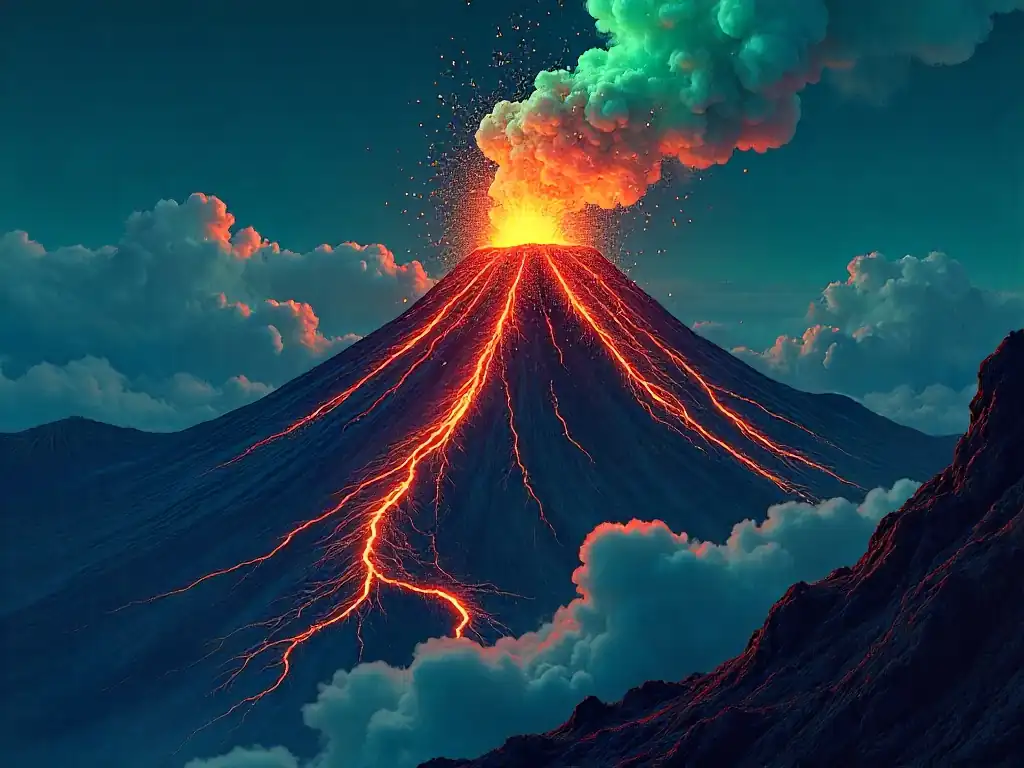
Welcome to Volcano Explorers! Prepare to be captivated by the Earth's fiery heart. What secrets do the gases billowing from volcanic vents hold? Our journey starts with a fascinating peek behind the scenes: analyzing volcanic gas samples to unlock the mysteries of the magma brewing beneath our feet. This isn't just science; it's a quest to understand the power that shapes our planet and predict its next move. Intrigued? Dive in and explore the hidden world revealed through these vital clues...
- Introduction: Unveiling Volcanic Secrets Through Gas Analysis
- Collecting Volcanic Gas Samples: A Crucial First Step
- Laboratory Techniques for Volcanic Gas Analysis
- Interpreting Volcanic Gas Data: Deciphering Magmatic Processes
- Case Studies: Real-World Applications of Volcanic Gas Analysis
- The Future of Volcanic Gas Monitoring and Analysis
- Conclusion: Harnessing the Power of Volcanic Gas for Volcano Understanding
-
Frequently Asked Questions
- How does analyzing volcanic gas samples help us understand volcanoes?
- What are the main gases volcanologists look for in volcanic gas samples?
- What techniques are used to collect volcanic gas samples?
- Why is it important to monitor changes in the composition of volcanic gas over time?
- How do the results of gas analysis inform safety measures for people living near volcanoes?
- Final Reflection: Unveiling Earth's Fiery Whispers
- Unearth Your Inner Vulcanologist: Dive Deeper into Magma's Secrets!
Introduction: Unveiling Volcanic Secrets Through Gas Analysis
The Vital Role of Volcanic Gas in Understanding Magma
Volcanic gases, often unseen yet profoundly impactful, are windows into the Earth's deep interior, carrying invaluable information about magma reservoirs and volcanic processes. These gases, released from molten rock beneath the surface, are not merely byproducts of volcanic activity; they are integral components of magma, influencing its ascent, eruption style, and the overall impact of volcanic events on the environment and human populations.
Analyzing volcanic gas samples allows scientists to indirectly "see" into the magmatic plumbing system, providing insights into the composition, temperature, pressure, and dynamics of magma that would otherwise remain hidden. The study of these gases is crucial for understanding the fundamental mechanisms driving volcanism and for improving our ability to forecast eruptions.
The composition of volcanic gas is incredibly diverse, ranging from water vapor (H2O), which is typically the most abundant component, to sulfur dioxide (SO2), carbon dioxide (CO2), hydrogen sulfide (H2S), and a variety of trace gases. Each gas species provides a unique piece of the puzzle. For instance, the ratio of sulfur dioxide to carbon dioxide can indicate changes in magma depth, while the presence of helium isotopes can reveal the involvement of deep mantle sources.
By meticulously analyzing volcanic gas samples, volcanologists can track changes in these parameters over time, providing crucial clues about the state of a volcano and its potential for future eruptions. This detailed analysis is not just about identifying the gases present; it's about quantifying their amounts, understanding their relationships, and interpreting what these gaseous messages are telling us about the dynamic processes occurring kilometers beneath our feet.
VolcanoExplorers.org: Your Gateway to Volcanic Gas Research
VolcanoExplorers.org serves as a comprehensive resource for anyone interested in delving deeper into the fascinating world of volcanic gas research and volcano monitoring. Whether you are a student, a researcher, or simply a curious enthusiast, this platform offers a wealth of information on the techniques, discoveries, and ongoing efforts in this crucial field of volcanology.
Here, you can explore articles that explain the complexities of analyzing volcanic gas samples, from the initial collection in often hazardous environments to the sophisticated laboratory analyses that unlock their secrets. VolcanoExplorers.org is dedicated to making this intricate science accessible, providing clear explanations and engaging content that illuminates the importance of gas monitoring in understanding and mitigating volcanic hazards.
Beyond the technical aspects, VolcanoExplorers.org also highlights the real-world applications of volcanic gas research. Through case studies and examples from volcanoes around the globe, the website demonstrates how analyzing volcanic gas samples has contributed to eruption forecasting, hazard assessment, and a deeper understanding of volcanic systems.
You can discover how scientists use gas data to track magma movement beneath volcanoes like Kilauea in Hawaii or Popocatépetl in Mexico, and how these insights translate into improved safety measures for communities living near active volcanoes. VolcanoExplorers.org is your portal to understanding how the seemingly invisible world of volcanic gases plays a vital role in unraveling the mysteries of these powerful natural forces.
Collecting Volcanic Gas Samples: A Crucial First Step
Different Methods for Sampling Volcanic Gases
Direct Sampling of Fumaroles and Vents
Direct sampling is a primary method for collecting volcanic gases, particularly from fumaroles – vents releasing steam and volcanic gases – and directly from volcanic vents during periods of quiescence or low-level activity. This technique typically involves using specialized gas collection bottles, often evacuated or filled with a chemical solution to absorb specific gases. Scientists carefully approach fumaroles, often with heat-resistant probes and tubing, to channel the gas directly into these bottles.
For example, at volcanoes like Vulcano in Italy, scientists routinely sample fumaroles using titanium tubes connected to pre-evacuated glass flasks. This method allows for the collection of concentrated gas samples that are representative of the immediate source, providing high-resolution data on gas composition.
Direct sampling is especially valuable for capturing the full spectrum of volcanic gases, including those that might be diluted or altered by atmospheric interaction during remote sensing. It provides the most accurate representation of the gas composition at the point of emission, allowing for detailed analysis of various gas species and their ratios. However, direct sampling can be inherently risky, requiring proximity to potentially hazardous volcanic vents and fumaroles.
Therefore, stringent safety protocols are essential, and sampling is typically conducted by experienced volcanologists equipped with appropriate protective gear and monitoring equipment. Despite the challenges, direct sampling remains a cornerstone of volcanic gas research, yielding critical data for understanding magmatic processes.
Remote Sensing Techniques for Gas Plume Analysis
Remote sensing offers a safer and often more continuous approach to analyzing volcanic gas samples, particularly for measuring gas plumes emanating from active volcanoes. These techniques utilize instruments mounted on satellites, aircraft, or ground-based platforms to detect and quantify volcanic gases from a distance. Spectroscopic methods are commonly employed, focusing on the absorption and emission of light by different gas molecules.
For instance, the Ozone Monitoring Instrument (OMI) on NASA's Aura satellite is used to track sulfur dioxide (SO2) emissions from volcanoes globally. This satellite-based monitoring provides a synoptic view of volcanic gas plumes, allowing for the detection of large-scale changes in volcanic activity across entire regions.
Ground-based remote sensing instruments, such as scanning spectrometers, can also be deployed near volcanoes to monitor gas plumes in greater detail. These instruments can measure the column density of gases like SO2 and CO2 by analyzing the sunlight that passes through the volcanic plume. Differential Optical Absorption Spectroscopy (DOAS) is a widely used technique that measures the absorption of UV and visible light to quantify gas concentrations.
Remote sensing techniques are particularly advantageous for monitoring highly active or inaccessible volcanoes, providing continuous data streams that complement the more discrete measurements obtained through direct sampling. While remote sensing may have limitations in detecting trace gases or providing the same level of detail as direct sampling, it is invaluable for regional-scale monitoring and for tracking temporal changes in gas emissions, especially during eruptive periods.
Safety Protocols for Gas Collection in Hazardous Environments
Collecting volcanic gas samples is often conducted in inherently hazardous environments, requiring strict adherence to safety protocols to protect volcanologists. Volcanic areas can present multiple dangers, including toxic gas exposure, explosions, rockfalls, and the unpredictable nature of volcanic activity itself. Before any gas sampling operation, a thorough risk assessment is crucial, taking into account the specific volcano's activity level, the terrain, and weather conditions.
Sampling teams are typically composed of experienced personnel trained in hazard awareness and emergency procedures. Personal Protective Equipment (PPE) is paramount, including respirators with appropriate filters to protect against toxic gases like sulfur dioxide and hydrogen sulfide, as well as eye protection, hard hats, and flame-resistant clothing.
Real-time gas monitoring is often employed during sampling to detect dangerous levels of toxic gases or changes in atmospheric conditions. Portable gas detectors that measure concentrations of gases like SO2, H2S, and CO are essential tools for ensuring the safety of the sampling team. Communication is also vital, with clear protocols and reliable communication systems, such as radios or satellite phones, in place to maintain contact with support teams and emergency services.
Furthermore, sampling locations are carefully chosen to minimize exposure to hazards, and escape routes are pre-planned in case of sudden changes in volcanic activity. For example, when sampling near active vents, volcanologists often work upwind and maintain a safe distance to avoid direct exposure to hot gases and potential explosions. Safety is always the top priority in volcanic gas sampling, and meticulous planning and execution of safety protocols are essential for successful and safe data collection.
Preserving Sample Integrity During Transport
Once volcanic gas samples are collected, maintaining their integrity during transport back to the laboratory is crucial for accurate analysis. Changes in temperature, pressure, and potential contamination can alter the composition of the gas sample, leading to erroneous results and misinterpretations of magmatic processes. Therefore, careful handling and preservation techniques are implemented immediately after sample collection. Gas samples collected in evacuated flasks are sealed tightly to prevent leakage and maintain the vacuum. For samples collected in chemical solutions, the bottles are also securely sealed to prevent evaporation or contamination from the atmosphere.
Temperature control is a key aspect of sample preservation. Volcanic gas samples are often transported in insulated containers or coolers to minimize temperature fluctuations. Extreme temperature changes can affect the equilibrium of gas mixtures and potentially lead to condensation or phase changes within the sample. For instance, water vapor might condense if the sample cools significantly, altering the gas ratios.
Furthermore, samples are typically stored and transported in a way that minimizes exposure to sunlight and vibration, which can also affect sample integrity. Proper labeling and documentation are essential to track each sample from the collection site to the laboratory, ensuring traceability and preventing mix-ups. In some cases, samples may be shipped under controlled conditions, such as using specialized courier services for hazardous materials, to guarantee their safe and timely arrival at the analytical laboratory while maintaining their pristine composition for accurate analyzing volcanic gas samples.
Laboratory Techniques for Volcanic Gas Analysis
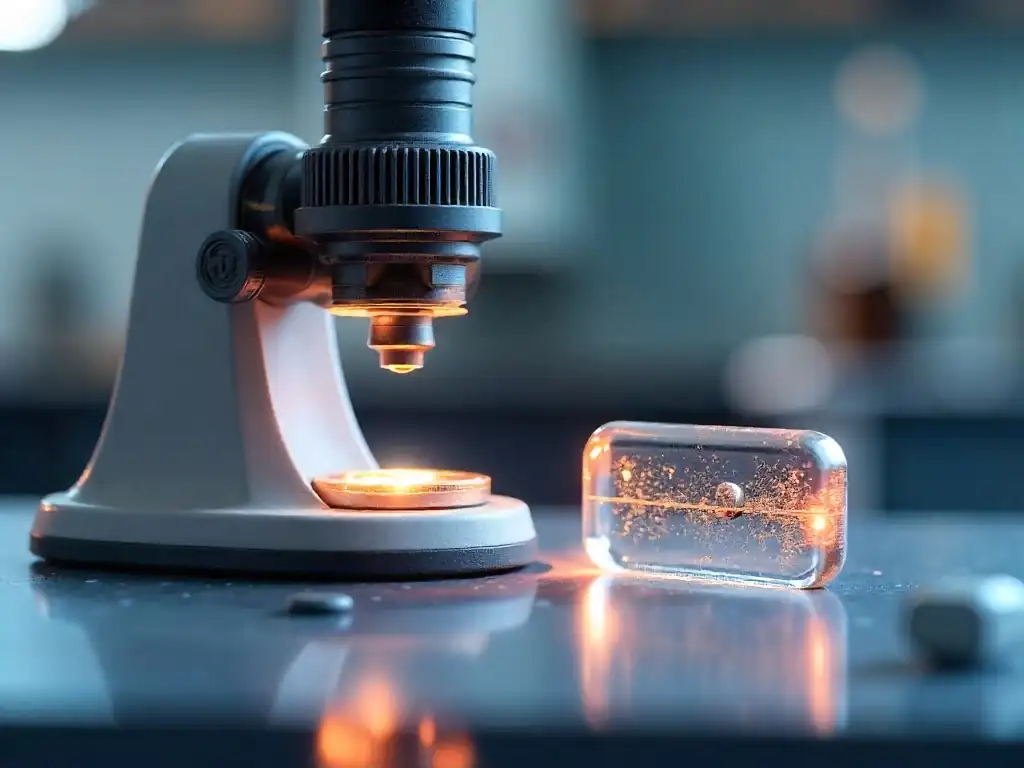
Gas Chromatography-Mass Spectrometry (GC-MS): Identifying Gas Components
How GC-MS Works in Volcanic Gas Analysis
Gas Chromatography-Mass Spectrometry (GC-MS) is a powerful analytical technique used extensively in volcanic gas analysis to identify and quantify the individual components within a complex gas mixture. The GC-MS system works in two main stages: gas chromatography (GC) and mass spectrometry (MS). In the GC stage, the volcanic gas sample is vaporized and passed through a long, narrow column. Different gas components travel through this column at different speeds based on their physical and chemical properties, effectively separating the mixture into its individual constituents. This separation is crucial for isolating each gas species before it enters the mass spectrometer.
Once separated by the GC column, each gas component enters the mass spectrometer (MS). Here, the molecules are ionized, typically by electron impact, and then passed through electric and magnetic fields. These fields deflect the ions based on their mass-to-charge ratio. By measuring the abundance of ions at different mass-to-charge ratios, the MS detector generates a mass spectrum for each separated gas component.
This mass spectrum acts like a fingerprint, uniquely identifying each gas based on its fragmentation pattern. By comparing the obtained mass spectra with libraries of known compounds, scientists can accurately identify the various gases present in the volcanic gas sample, from major components like CO2 and SO2 to trace gases like hydrocarbons and halogens. GC-MS is a highly sensitive technique, capable of detecting and quantifying even minute amounts of different gases within a complex volcanic gas sample.
Identifying Key Volatile Compounds: SO2, CO2, H2S, and More
GC-MS is instrumental in identifying and quantifying key volatile compounds in volcanic gases that are critical for understanding magmatic processes and assessing volcanic hazards. Among the most important gases analyzed are sulfur dioxide (SO2), carbon dioxide (CO2), and hydrogen sulfide (H2S). Sulfur dioxide is a significant indicator of magma degassing and is often used for eruption forecasting.
For example, a rapid increase in SO2 flux can signal magma ascent and potential eruptive activity. Carbon dioxide is the second most abundant volcanic gas and provides insights into the overall degassing budget of a volcano and the contribution of deep-seated magma sources. Hydrogen sulfide, while often present in smaller amounts, is a key indicator of hydrothermal activity and can be associated with specific volcanic processes.
Beyond these major gases, GC-MS can also detect and quantify a wide range of other volatile compounds, including water vapor (H2O), which is usually the most abundant but often measured using different techniques due to its high concentration. Other important gases include hydrogen chloride (HCl), hydrogen fluoride (HF), and various trace gases like helium (He), argon (Ar), and methane (CH4). Analyzing the ratios of these different gases, such as the SO2/CO2 ratio or the H2S/SO2 ratio, provides valuable information about magma oxidation state, degassing depth, and the interaction of magma with hydrothermal systems.
For instance, a high SO2/CO2 ratio might indicate a shallow, actively degassing magma body, while changes in trace gas composition can reveal shifts in magma source or processes within the volcanic conduit. GC-MS, therefore, provides a comprehensive and detailed chemical fingerprint of volcanic gases, enabling a deeper understanding of the underlying magmatic system.
Infrared Spectroscopy: Measuring Gas Concentrations
Fourier Transform Infrared Spectroscopy (FTIR) for Real-Time Analysis
Fourier Transform Infrared Spectroscopy (FTIR) is another powerful technique used in analyzing volcanic gas samples, particularly for real-time and in-situ measurements of gas concentrations. FTIR spectroscopy works by passing infrared (IR) light through a gas sample and measuring the absorption of IR radiation at different wavelengths. Different gas molecules absorb IR light at specific wavelengths, creating a unique absorption spectrum for each gas.
By analyzing the pattern and intensity of these absorption bands, FTIR can identify and quantify the concentrations of various gases in the sample simultaneously. The "Fourier Transform" aspect of FTIR refers to the mathematical process used to convert the raw data (interferogram) into a usable spectrum, significantly enhancing the speed and sensitivity of the measurement compared to traditional dispersive infrared spectrometers.
For volcanic gas analysis, FTIR can be deployed in both laboratory settings and in the field for real-time monitoring. Portable FTIR instruments are often used at volcano observatories to continuously monitor gas emissions from fumaroles or volcanic plumes. These instruments can provide rapid and continuous measurements of key gases like SO2, CO2, H2O, and HCl, offering near real-time data on changes in volcanic gas composition and flux.
The real-time capability of FTIR is particularly valuable for detecting rapid changes in gas emissions that may precede or accompany volcanic eruptions. For example, the NOVAC (Network for Observation of Volcanic and Atmospheric Changes) network utilizes FTIR spectrometers at numerous volcanoes worldwide to monitor SO2 emissions and provide early warnings of potential eruptive activity. FTIR’s ability to perform rapid, multi-component gas analysis makes it an indispensable tool for volcano monitoring and research.
Quantifying Gas Abundances with Infrared Techniques
Infrared spectroscopy, particularly FTIR, is highly effective in quantifying gas abundances in volcanic gas samples due to the Beer-Lambert Law, which governs the relationship between gas concentration and light absorption. This law states that the amount of infrared light absorbed by a gas is directly proportional to the concentration of the gas and the path length of the light beam through the sample.
In FTIR spectroscopy, the instrument measures the absorbance of infrared light at specific wavelengths characteristic of each gas. By carefully calibrating the instrument with known gas standards and measuring the absorbance of a volcanic gas sample, the concentration of each gas can be accurately determined.
To quantify gas abundances using FTIR, a calibration curve is typically established for each target gas. This involves measuring the infrared spectra of known concentrations of the gas and plotting the absorbance at a specific wavelength against the concentration.
Once the calibration curve is established, the absorbance measured for a volcanic gas sample can be directly converted to gas concentration using this calibration. FTIR is particularly well-suited for quantifying gases that have strong infrared absorption bands in the mid-infrared region, such as SO2, CO2, H2O, and HCl.
The accuracy of quantification depends on factors such as the quality of the calibration, the spectral resolution of the instrument, and the potential for spectral interferences from overlapping absorption bands of different gases. However, with careful calibration and data processing, FTIR provides a robust and reliable method for quantifying gas abundances in volcanic gas samples, contributing crucial data for understanding volcanic processes and monitoring volcanic activity.
Isotope Analysis: Tracing the Origin of Volcanic Gases
Analyzing Stable Isotopes (e.g., Carbon, Sulfur)
Isotope analysis is a powerful technique used to trace the origin and sources of volcanic gases, providing insights into the deep Earth processes that generate magma and drive volcanic eruptions. Stable isotopes, which are non-radioactive isotopes of an element, are particularly valuable in this regard.
Elements like carbon and sulfur have stable isotopes that exhibit variations in their ratios depending on their source and the processes they have undergone. By measuring the isotopic ratios of carbon (e.g., 13C/12C) and sulfur (e.g., 34S/32S) in volcanic gas samples, scientists can differentiate between different sources of these elements and trace their pathways from the mantle to the surface.
For carbon isotopes, the 13C/12C ratio in volcanic gases can vary depending on whether the carbon source is derived from the mantle, crustal rocks, or organic sediments. Mantle-derived carbon typically has a distinct isotopic signature compared to carbon from crustal contamination or sedimentary sources. Similarly, sulfur isotope ratios (34S/32S) can distinguish between sulfur derived from magmatic sources, hydrothermal systems, or sedimentary rocks.
For instance, volcanic gases with a sulfur isotope signature characteristic of mantle sulfur may indicate a direct magma source, while those with a different signature might suggest interaction with crustal sulfur reservoirs or hydrothermal fluids. Analyzing stable isotopes of carbon and sulfur in analyzing volcanic gas samples provides crucial information about the origin and evolution of volcanic gases and the magmatic systems from which they are released.
Using Isotopic Ratios to Determine Magma Source
Isotopic ratios in volcanic gases serve as tracers that can pinpoint the source regions of magma and the processes involved in magma generation and ascent. Different regions of the Earth's mantle and crust have distinct isotopic compositions.
For example, mantle plumes, which are thought to originate from deep within the Earth, often have isotopic signatures that are different from those of the upper mantle or the crust. By analyzing the isotopic ratios of gases like helium, carbon, and sulfur in volcanic emissions, volcanologists can infer the relative contributions of different mantle and crustal sources to the magma that fuels volcanic eruptions.
Helium isotopes are particularly useful for tracing deep mantle sources. The ratio of helium-3 to helium-4 (3He/4He) is significantly higher in the deep mantle compared to the upper mantle and crust. Volcanic gases with elevated 3He/4He ratios are often interpreted as evidence of a contribution from a deep mantle plume source.
For example, volcanoes associated with hotspots, such as Hawaii and Iceland, often exhibit high 3He/4He ratios in their gas emissions, supporting the plume origin theory for these volcanic regions. Similarly, variations in carbon and sulfur isotope ratios can provide insights into the mixing of magma sources, the assimilation of crustal material, and the degassing history of magma during its ascent. Isotopic analysis, therefore, is a powerful tool for deciphering the complex plumbing systems of volcanoes and understanding the deep Earth processes that drive volcanism.
Interpreting Volcanic Gas Data: Deciphering Magmatic Processes
Gas Composition as an Indicator of Magma Depth and Temperature
The composition of volcanic gases is intrinsically linked to the depth and temperature of the magma source from which they originate. As magma rises from depth towards the surface, it undergoes decompression and cooling, leading to changes in the solubility of different gas species and consequently, the composition of the emitted volcanic gases. Certain gases, like carbon dioxide (CO2), are relatively insoluble in magma at depth and tend to exsolve (separate from the melt) at greater depths compared to more soluble gases like water vapor (H2O) and sulfur dioxide (SO2).
Therefore, the ratio of CO2 to other gases in volcanic emissions can provide clues about the depth of magma degassing. Higher CO2/SO2 ratios, for instance, may suggest degassing from a deeper magma source.
Temperature also plays a significant role in controlling gas composition. Higher magma temperatures generally favor the release of certain volatile species. For example, the abundance of sulfur-bearing gases, like SO2 and H2S, can be influenced by magma temperature and oxidation state. Changes in the ratios of different sulfur gases can reflect variations in magma temperature or redox conditions.
Furthermore, the presence and abundance of certain trace gases can also be temperature-dependent. By carefully analyzing the relative abundances of different gas species in volcanic emissions, and considering thermodynamic principles and experimental data on gas solubilities, volcanologists can infer valuable information about the depth and temperature conditions within the magmatic system beneath a volcano. These inferences are crucial for understanding the state of the volcano and its potential for future activity.
Changes in Gas Flux as a Warning Sign of Eruptions
Changes in the flux, or rate of emission, of volcanic gases are often precursors to volcanic eruptions and serve as important warning signs. As magma ascends towards the surface prior to an eruption, the pressure on the magma decreases, causing dissolved gases to exsolve more rapidly. This increased degassing leads to a rise in the flux of volcanic gases emitted from fumaroles, vents, and the volcanic plume.
Monitoring gas fluxes, particularly of sulfur dioxide (SO2), is a widely used technique for eruption forecasting at many volcanoes worldwide. A sudden or sustained increase in SO2 flux can indicate magma ascent and an increased likelihood of an eruption.
For example, at volcanoes like Popocatépetl in Mexico and Mount Etna in Italy, volcano observatories continuously monitor SO2 emissions using ground-based and satellite instruments. Significant increases in SO2 flux have often been observed days to weeks before eruptive events at these volcanoes, providing valuable lead time for issuing warnings and taking mitigation measures.
However, it's important to note that gas flux changes are not always straightforward eruption predictors. Other factors, such as the type of volcano, the style of eruption, and the local geological setting, also influence the relationship between gas emissions and eruptive activity.
Nevertheless, monitoring changes in gas flux, particularly in combination with other monitoring techniques like seismicity and ground deformation, is a crucial component of modern volcano early warning systems. Analyzing volcanic gas samples for changes in flux provides a critical window into the dynamic processes occurring within a volcano, helping to anticipate and prepare for potential eruptions.
Modeling Magmatic Processes Using Gas Data
Gas Ratios Reflect Magma Degassing
Gas ratios in volcanic emissions are not just snapshots of gas composition; they are powerful indicators of the complex degassing processes occurring within magma reservoirs and conduits. As magma ascends and decompresses, different gas species exsolve at different pressures and temperatures, leading to systematic changes in gas ratios. For instance, the ratio of sulfur dioxide (SO2) to carbon dioxide (CO2) can reflect the depth of magma degassing and the oxidation state of the magma.
Magmas degassing at greater depths tend to have lower SO2/CO2 ratios because CO2 exsolves earlier. Conversely, an increase in the SO2/CO2 ratio may indicate shallower degassing or changes in magma composition.
The ratios of other gas species, such as H2O/CO2, H2S/SO2, and trace gas ratios, also provide valuable constraints on magma degassing processes. For example, the H2O/CO2 ratio can be influenced by magma source, volatile content, and the extent of magma differentiation. Changes in these gas ratios over time can indicate shifts in magma supply, mixing of different magma batches, or changes in the permeability of the volcanic conduit system.
By developing and applying thermodynamic models of magma degassing, volcanologists can use observed gas ratios to estimate parameters such as magma ascent rates, degassing depths, and the volatile budgets of magmatic systems. These models, coupled with analyzing volcanic gas samples, provide a quantitative framework for understanding the intricate degassing processes that drive volcanic eruptions.
Gas Data to Predict Eruptive Style
Volcanic gas data can also provide insights into the potential eruptive style of a volcano, helping to differentiate between effusive eruptions (lava flows) and explosive eruptions (ash plumes and pyroclastic flows). The gas content and composition of magma significantly influence its explosivity. Magmas with high volatile contents, particularly water vapor, are more likely to erupt explosively because the expanding gases drive fragmentation of the magma and propel volcanic ash and pyroclasts into the atmosphere.
The ratios of certain gas species can also indicate the explosivity potential. For example, magmas with higher H2O/CO2 ratios and higher sulfur content are generally considered to be more explosive.
Furthermore, the rate of gas release and the pressure buildup within the volcanic conduit also play crucial roles in determining eruptive style. Rapid degassing and pressure accumulation can lead to explosive eruptions, while slower degassing and pressure release tend to result in effusive eruptions. Monitoring changes in gas flux, gas composition, and gas pressure can therefore provide clues about the evolving eruptive style of a volcano.
For example, a rapid increase in SO2 flux coupled with a change in gas ratios towards higher H2O/CO2 might suggest a transition towards a more explosive eruptive phase. By integrating gas data with other monitoring parameters and volcano-specific eruption history, volcanologists can refine their assessments of eruptive style and improve hazard forecasts. Analyzing volcanic gas samples, therefore, plays a vital role in predicting not just if a volcano will erupt, but also how it might erupt.
Case Studies: Real-World Applications of Volcanic Gas Analysis
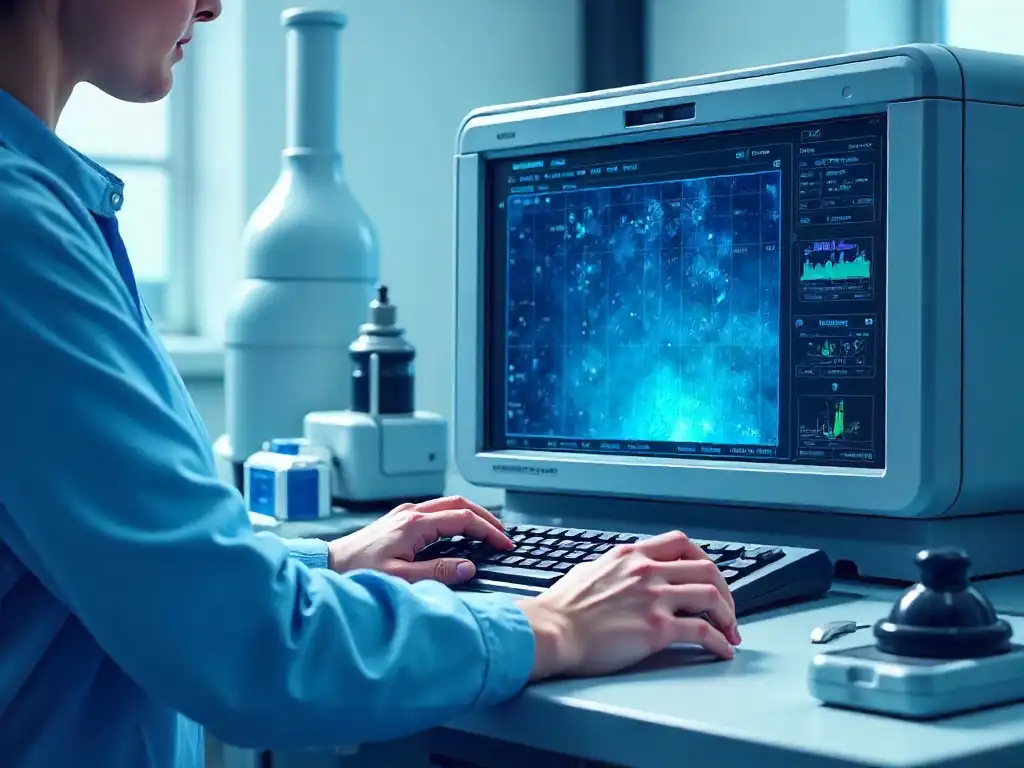
Analyzing Gas Emissions at Mount St. Helens to Understand its Eruptive History
Mount St. Helens, in Washington State, USA, is a prime example of how analyzing volcanic gas samples has been crucial in understanding a volcano's eruptive history and monitoring its ongoing activity. Following the catastrophic eruption of 1980, which dramatically reshaped the landscape, scientists began to intensively monitor gas emissions from the volcano.
Analysis of gases released from fumaroles and the crater lake provided valuable insights into the degassing processes and the state of the magmatic system beneath Mount St. Helens. Long-term monitoring of gas composition and flux has been instrumental in tracking the volcano's recovery and anticipating subsequent phases of activity.
For instance, during the period of dome building that began in 2004, continuous monitoring of sulfur dioxide (SO2) emissions played a critical role in tracking the eruption's progress. Increases in SO2 flux correlated with periods of increased lava extrusion and dome growth, while decreases in SO2 flux often preceded pauses in eruptive activity.
Analysis of gas ratios, such as SO2/CO2 and H2O/CO2, provided information about magma degassing depth and the volatile content of the erupting magma. Isotopic analysis of carbon and helium in volcanic gases has also helped to constrain the source of the magma and the contribution of different mantle and crustal components.
The extensive gas monitoring program at Mount St. Helens has not only enhanced our understanding of its eruptive history but also provided a framework for monitoring and assessing volcanic hazards at other volcanoes worldwide. The detailed record of analyzing volcanic gas samples at Mount St. Helens serves as a valuable case study for volcanic gas research.
Monitoring Gas Changes at Kilauea for Eruption Forecasting
Kilauea volcano, on the Big Island of Hawaii, is renowned for its persistent volcanic activity and is another compelling case study demonstrating the power of volcanic gas monitoring for eruption forecasting. For decades, the Hawaiian Volcano Observatory (HVO) has meticulously monitored gas emissions from Kilauea, particularly from its summit caldera and rift zones. Changes in gas flux and composition have often provided early warnings of changes in eruptive activity, including lava flows, summit collapses, and explosive eruptions. Sulfur dioxide (SO2) monitoring has been a cornerstone of Kilauea's gas monitoring program, with continuous measurements from ground-based instruments and satellite observations.
For example, during the 2018 lower East Rift Zone eruption of Kilauea, which was preceded by weeks of increased seismicity and ground deformation, a significant increase in SO2 emissions was detected several days before the onset of lava effusion. This gas signal, combined with other monitoring data, helped HVO scientists to anticipate the eruption and issue timely warnings to the public. Furthermore, analysis of gas ratios, such as CO2/SO2 and H2S/SO2, during the eruption provided insights into the changing magma supply rate and degassing processes.
Isotopic analysis of helium and carbon in Kilauea's gases has also contributed to understanding the volcano's magma source and its connection to the Hawaiian hotspot. The long-term gas monitoring record at Kilauea, with its numerous eruptive events, has provided a rich dataset for refining eruption forecasting techniques and demonstrating the crucial role of analyzing volcanic gas samples in volcano monitoring.
Using Gas Data to Assess Volcanic Hazards
Volcanic gas data is not only valuable for understanding magmatic processes and eruption forecasting but also for directly assessing volcanic hazards. The emission of volcanic gases, particularly toxic gases like sulfur dioxide (SO2), hydrogen sulfide (H2S), and hydrogen fluoride (HF), poses significant health risks to communities living near active volcanoes. High concentrations of these gases can cause respiratory problems, eye and skin irritation, and even death in extreme cases. Monitoring gas concentrations in the vicinity of volcanoes is therefore essential for assessing and mitigating gas-related hazards.
Volcano observatories routinely measure ambient concentrations of volcanic gases in areas downwind of active vents and fumaroles. Portable gas detectors and remote sensing techniques are used to map gas plumes and identify areas with elevated gas levels. For example, at volcanoes like Poás in Costa Rica and Masaya in Nicaragua, where degassing is persistent, continuous gas monitoring networks are in place to track gas concentrations and provide warnings to nearby communities.
Gas data is also used to assess the potential for gas-related hazards during eruptive events. Large explosive eruptions can release vast quantities of volcanic gases into the atmosphere, impacting air quality and potentially affecting global climate. Analyzing volcanic gas samples and monitoring gas emissions, therefore, plays a crucial role in assessing a wide range of volcanic hazards, from local gas pollution to global atmospheric impacts, and informing mitigation strategies to protect human health and infrastructure.
The Future of Volcanic Gas Monitoring and Analysis
Advancements in Sensor Technology and Data Processing
The field of volcanic gas monitoring and analysis is continually evolving, driven by advancements in sensor technology and data processing capabilities. New generations of gas sensors are becoming smaller, more sensitive, more energy-efficient, and more robust, enabling deployment in increasingly challenging volcanic environments. Miniaturized sensors can be integrated into drones and unmanned aerial vehicles (UAVs) to safely sample volcanic plumes and inaccessible areas.
Improved spectroscopic techniques are enhancing the sensitivity and selectivity of gas measurements, allowing for the detection of trace gases and isotopic variations with greater precision. For example, laser-based spectroscopy is emerging as a promising tool for real-time, high-resolution gas analysis in volcanic plumes.
Data processing and analysis techniques are also advancing rapidly. Sophisticated algorithms and machine learning methods are being developed to analyze large datasets of volcanic gas measurements, identify subtle trends and anomalies, and improve eruption forecasting models. Real-time data processing pipelines are enabling volcano observatories to quickly analyze gas data streams and integrate them with other monitoring parameters for rapid hazard assessment.
The integration of remote sensing data, ground-based measurements, and laboratory analyses is becoming increasingly seamless, providing a more comprehensive and holistic view of volcanic gas emissions and their implications for volcanic activity. These advancements in sensor technology and data processing are paving the way for more effective and comprehensive volcanic gas monitoring in the future.
Integrating Gas Data with Other Monitoring Techniques
The future of volcano monitoring lies in the synergistic integration of volcanic gas data with other monitoring techniques, such as seismology, ground deformation, thermal imaging, and remote sensing. No single monitoring parameter provides a complete picture of volcanic activity; however, by combining multiple datasets, volcanologists can gain a more robust and comprehensive understanding of volcanic processes and improve eruption forecasting capabilities.
For instance, integrating gas flux measurements with seismic data can help to distinguish between different types of volcanic unrest, such as magma ascent versus hydrothermal activity. Combining ground deformation measurements with gas composition data can provide insights into magma volume changes and degassing dynamics.
Multidisciplinary volcano observatories are increasingly adopting integrated monitoring approaches, combining diverse datasets into comprehensive volcano monitoring systems. Data fusion techniques and advanced modeling are used to integrate and interpret these multi-parameter datasets, allowing for a more holistic assessment of volcanic hazards. For example, Bayesian networks and machine learning algorithms are being used to integrate gas data, seismic data, deformation data, and other monitoring parameters into probabilistic eruption forecasting models.
The integration of volcanic gas data with other monitoring techniques is crucial for developing more reliable and robust volcano early warning systems and for improving our ability to mitigate volcanic risks. Analyzing volcanic gas samples in conjunction with other monitoring data is the key to a more complete understanding.
The Importance of Continued Research in Volcanic Gas Analysis for Hazard Mitigation
Continued research in volcanic gas analysis is of paramount importance for improving hazard mitigation at volcanoes worldwide. Despite significant progress in volcanic gas monitoring and analysis, many challenges remain. Further research is needed to better understand the complex relationships between volcanic gas emissions and eruptive activity, to refine eruption forecasting models, and to develop more effective gas hazard assessment techniques.
Long-term, continuous gas monitoring datasets are crucial for identifying subtle trends and patterns in gas emissions that may precede eruptions or changes in volcanic behavior. Improved understanding of magma degassing processes, volatile budgets, and the role of volatiles in driving eruptive style is essential for advancing volcano science and hazard mitigation.
International collaborations and data sharing are also vital for advancing volcanic gas research. Sharing data, expertise, and best practices among volcano observatories and research institutions worldwide can accelerate progress in this field. Continued investment in volcanic gas monitoring infrastructure, research programs, and training is essential for building capacity in volcano hazard mitigation, particularly in developing countries where volcanic risks are often high.
The ongoing quest to unlock the secrets of volcanic gases is not just an academic pursuit; it is a critical endeavor with direct implications for protecting lives and livelihoods in volcanic regions around the globe. Investing in and supporting research into analyzing volcanic gas samples is an investment in safer and more resilient communities living with volcanoes.
Conclusion: Harnessing the Power of Volcanic Gas for Volcano Understanding
The Ongoing Quest to Unlock Volcanic Secrets
The study of volcanic gases represents an ongoing quest to unlock the secrets hidden within volcanoes. Analyzing volcanic gas samples provides a unique and invaluable window into the Earth's interior, allowing scientists to probe magmatic processes, understand eruption dynamics, and improve hazard assessments.
From the meticulous collection of gas samples in hazardous environments to the sophisticated laboratory analyses that reveal their composition and isotopic signatures, each step in the process contributes to our growing understanding of these powerful natural forces. The insights gained from volcanic gas research have transformed our ability to monitor volcanoes, forecast eruptions, and mitigate volcanic risks.
As sensor technology and data analysis techniques continue to advance, the potential of volcanic gas monitoring to further enhance our understanding of volcanoes is immense. Integrating gas data with other monitoring parameters, developing more sophisticated models of magmatic processes, and expanding global gas monitoring networks are key priorities for the future of volcano science.
The ongoing quest to decipher the messages carried by volcanic gases is not just about unraveling scientific mysteries; it is about protecting communities, building resilience, and living more safely alongside these awe-inspiring and potentially dangerous natural wonders. The power of volcanic gas analysis lies in its ability to illuminate the hidden workings of volcanoes, guiding us towards a more informed and prepared future.
Explore More at VolcanoExplorers.org
To delve deeper into the fascinating world of volcanic gas research and volcano monitoring, visit VolcanoExplorers.org. Explore articles, case studies, and resources that further illuminate the techniques, discoveries, and ongoing efforts in this crucial field. Discover more about analyzing volcanic gas samples and their vital role in understanding and mitigating volcanic hazards. VolcanoExplorers.org is your gateway to a wealth of information, inviting you to join the exploration of these dramatic and awe-inspiring forces of nature.
Frequently Asked Questions
How does analyzing volcanic gas samples help us understand volcanoes?
Analyzing volcanic gas samples provides crucial insights into the magmatic processes occurring beneath the surface. The composition of the gas reveals information about the magma's source, depth, and potential for eruption.
What are the main gases volcanologists look for in volcanic gas samples?
Volcanologists primarily analyze for gases like sulfur dioxide (SO2), carbon dioxide (CO2), water vapor (H2O), and hydrogen sulfide (H2S). The ratios between these gases can indicate changes in the magma system.
What techniques are used to collect volcanic gas samples?
Several methods exist, including using evacuated bottles or gas-tight containers to capture gas directly from vents or fumaroles. Sometimes, remote sensing techniques are also used to measure gas emissions from a distance.
Why is it important to monitor changes in the composition of volcanic gas over time?
Monitoring changes in gas composition helps detect shifts in the magma system that could precede an eruption. Increased gas flux or changes in gas ratios may indicate rising magma or increased pressure.
How do the results of gas analysis inform safety measures for people living near volcanoes?
The data from gas analysis contributes to volcanic hazard assessments and helps determine alert levels. This information guides evacuation plans and public safety advisories, minimizing the risk to nearby communities.
Final Reflection: Unveiling Earth's Fiery Whispers
The journey into analyzing volcanic gas samples reveals far more than just chemical compositions; it offers a profound glimpse into the dynamic heart of our planet. The insights gained from these analyses are not confined to the laboratory; they directly inform our understanding of volcanic hazards, resource management, and even the Earth's deep carbon cycle, making this field critically relevant in a world increasingly vulnerable to natural disasters.
This exploration of volcanic gases has profoundly shaped our understanding of Earth's inner workings, influencing not only scientific research but also public safety and environmental policy. The ability to decipher the messages hidden within these plumes of gas allows us to anticipate eruptions, mitigate risks, and appreciate the raw power and beauty of our planet. The Earth speaks to those who know how to listen.
- Alfred Wegener, a quote that resonates deeply with the dedication and meticulous work required in this field.
As we conclude this exploration of analyzing volcanic gas samples, I invite you to consider the interconnectedness of our world. Just as these gases reveal the secrets of the Earth's interior, so too can careful observation and analysis unlock the mysteries around us. Let us all strive to listen more attentively to the whispers of our planet and use that knowledge to build a safer and more sustainable future.
Unearth Your Inner Vulcanologist: Dive Deeper into Magma's Secrets!
Thanks for exploring the fascinating world of volcanic gas analysis with us! Now that you've seen how scientists decode the stories hidden within volcanic fumes, it's time to put that knowledge into action. Are you ready to take the next step and truly engage with the mysteries of our planet?
Here's how:
- Become a Citizen Scientist: Contribute to global volcanic gas data by reporting volcanic activity near you. Even a simple observation can be invaluable!
- Explore Virtual Fieldwork: Virtually visit prominent volcanoes around the globe to analyze past volcanic gas reports and learn about unique magmatic signatures using the Volcano Explorers database.
- Share this discovery with your friends: spread the word to your friends and start a conversation. Let's unveil the hidden secrets of Earth's breathing volcanoes together!
What fascinating insight from the article will inspire your volcanic investigation today?