Collectible Volcano Rocks and Mineral Specimens: Earth’s Fiery Treasures for Your Collection
Welcome to the Collectible Volcano Rocks and Mineral Specimens corner of VolcanoExplorers.org, where the raw power of eruptions meets the artistry of nature. Here, we curate and explain the most sought-after volcanic materials—from lightweight pumice to glittering olivine—so you can identify, acquire, and appreciate these geological marvels. Whether you’re a seasoned rockhound, a geology student, or a curious collector, this subcategory offers expert guidance on sourcing, authenticating, and displaying volcanic treasures. Each specimen tells a story of molten creation, and our goal is to help you bring that story home.
🌋 Types of Volcanic Rocks You Can Collect
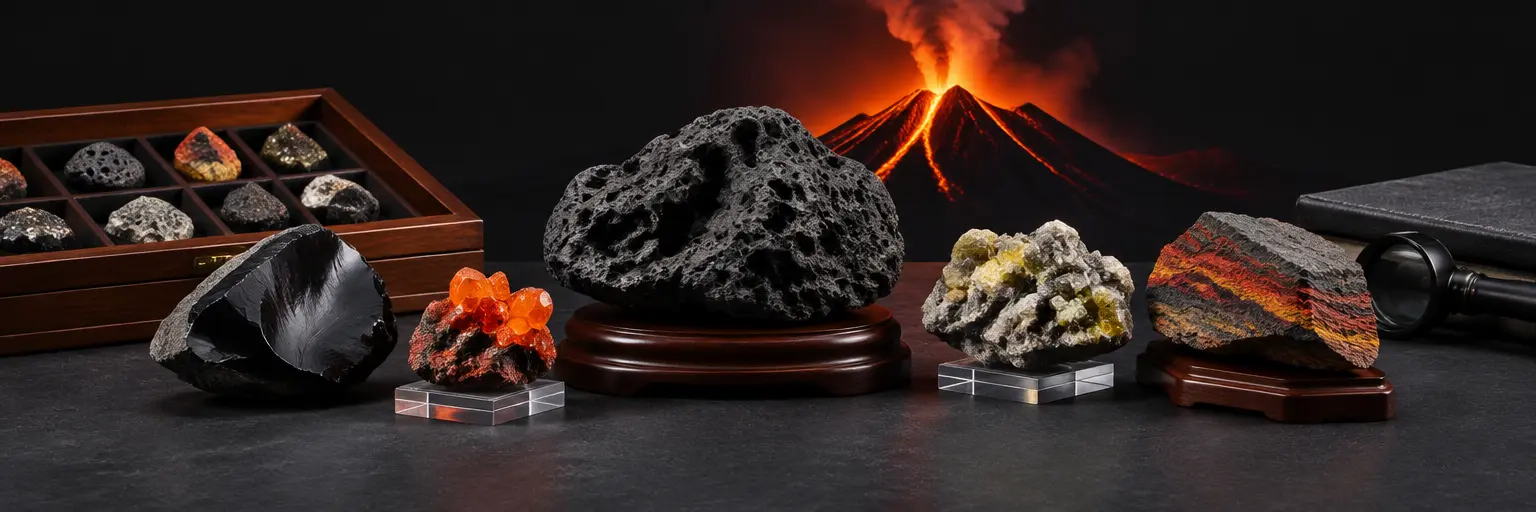
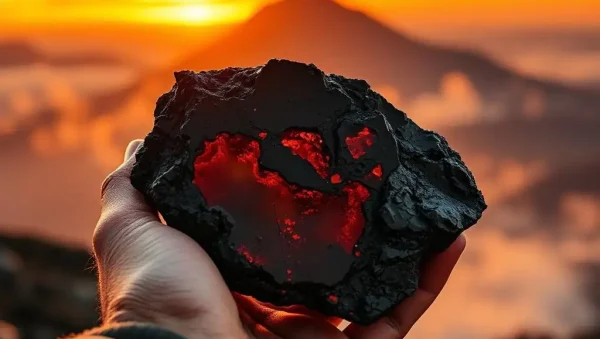
Volcanic rocks are classified by their mineral content and cooling history, and collectors prize certain types for their beauty or rarity. Basalt, the most common volcanic rock, often features columnar jointing and is a staple for beginners. Obsidian, a natural glass, comes in jet-black, mahogany, or rainbow varieties, and is highly valued for its sharp edges and glossy finish. Pumice, the only rock that floats, is prized for its frothy texture, while Scoria offers a heavier, vesicular alternative with a red-brown hue. More advanced collectors seek Peridotite (mantle rock) or Tuff (compacted ash), each with unique formation histories.
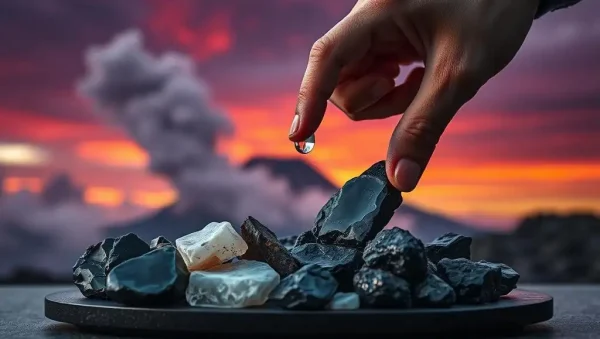
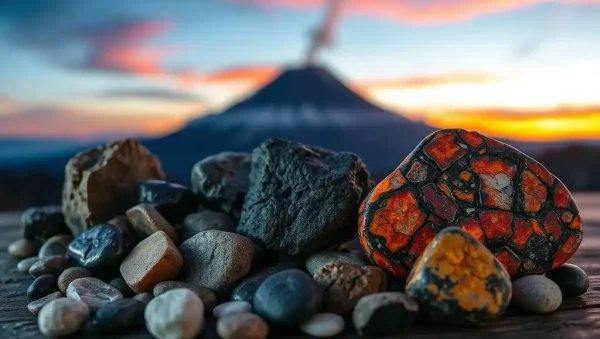
For the serious enthusiast, rare finds like volcanic bombs (aerodynamic lava blobs) or Pele’s tears (small glass droplets) add dramatic flair. Understanding the difference between porphyritic (large crystals in fine matrix) and amygdaloidal (gas cavities filled with minerals) textures helps you evaluate specimens. We recommend starting with a mixed set of pumice, scoria, and obsidian to learn tactile differences, then expanding into regional varieties from Mount Etna, Kilauea, or Vesuvius. Always verify locality data from reputable dealers to ensure authenticity and legal collection origins.
💎 Precious Minerals and Crystals from Volcanic Vents
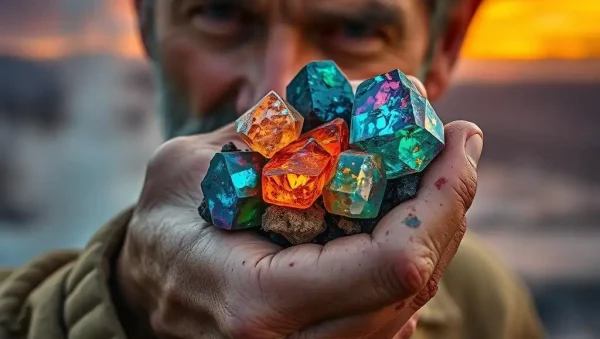
Volcanoes are nature’s mineral factories, depositing precious crystals in gas cavities and lava tubes. Olivine (peridot) forms in basaltic lavas and often appears as green gem-quality crystals. Pyrite (fool’s gold) creates cubic clusters in volcanic ash layers, while Calcite and Quartz line geodes in volcanic breccia. More exotic finds include Zircon (used for radiometric dating), Apatite in phosphate-rich tuffs, and Hematite as shiny black crystals in fumaroles. For advanced collectors, enstatite and diopside are prized for their rarity and geological significance.
Collecting these minerals requires patience and a keen eye for vug (small cavity) formations, where crystal growth is most dramatic. We provide visual guides and chemical composition charts to help you identify specimens using simple tests like hardness and streak color. Remember that many volcanic minerals are susceptible to weathering—store them in dry, padded boxes away from humidity. For display, pair minerals with their host rock to highlight contrast, such as bright olivine against black basalt. Ethical sourcing is crucial; always purchase from licensed miners or certified geological suppliers to avoid contributing to habitat damage.
🔍 How to Authenticate and Grade Volcanic Specimens
Counterfeit volcanic specimens are common, especially for high-value obsidian and olivine. Start by examining density—real pumice is extremely light, while fake pumice may feel heavier. Check for conchoidal fractures on obsidian (smooth, shell-like breaks) and natural vesicles (gas bubbles) that should be irregularly distributed. For crystals, test hardness using a streak plate; olivine should not be scratched by a steel knife. UV fluorescence can reveal certain calcite varieties, and specific gravity tests help distinguish pyrite from gold-painted fakes. Always request a detailed provenance note from sellers, including eruption date and source volcano.
Grading follows a simple scale: A-grade for perfect, flawless crystals; B-grade for minor imperfections; C-grade for repair or assembly. For rocks, grade based on clarity, color saturation, and surface preservation—unweathered, fresh material is more valuable. We recommend investing in a jeweler’s loupe (10x magnification) and a digital scale for detailed assessment. Join online forums or local rockhound clubs to get second opinions; experienced collectors often spot fakes by texture alone. When in doubt, purchase from museums or established dealers with return policies, and keep certification documents for your records.
🏆 Top Sources and Legal Collection Tips for Volcanic Rocks
Legal collection varies by country: public lands in the U.S. often allow small-scale personal gathering, but national parks are strictly off-limits. Permits are required in protected areas like Hawaii Volcanoes National Park, where even a single pebble removal can result in fines. In contrast, private lava fields in Iceland or Italy offer paid tours where you can legally collect small samples. Online marketplaces like Etsy and specialized mineral shows are excellent sources, but always verify seller credentials and export laws—many countries, including Indonesia and Russia, restrict export of volcanic materials. For ethical collected specimens, look for certifications from the International Mineralogical Association.
When collecting in the field, prioritize safety: avoid unstable lava deltas, wear sturdy boots and gloves, and never approach active vents. Use a hammer and chisel to extract specimens, but respect the landscape by leaving large formations intact. If you’re new, join guided volcano tours that include collecting stops—these often provide permits and experienced guidance. Document your finds with GPS coordinates, photos, and date, as this adds scientific and monetary value. Disclose your collection to customs when traveling internationally to avoid legal complications. Remember, the goal is to preserve Earth’s history, not deplete it—take only what you need and share your discoveries with the community.
🖼️ Creative Display and Storage Solutions for Your Collection
Showcasing volcanic rocks enhances their aesthetic appeal and protects them from damage. Use acrylic display cases with foam inserts for delicate obsidian and crystal clusters, and wooden trays with dividers for heavier rocks like basalt and scoria. Lighting is key—position a warm LED spotlight to highlight the natural luster of minerals and the iridescence of rainbow obsidian. For smaller specimens, use magnetic holders for a floating effect or glass domes on marble bases. Create a thematic display by grouping rocks by eruption type, such as explosive (pumice, tuff) versus effusive (basalt, lava), or by region, like a “Ring of Fire” shelf.
Storage in drawers or cabinets requires cushioning—wrap each specimen in acid-free tissue or use compartmentalized tackle boxes. Keep the area dry and stable (below 50% humidity) to prevent mineral oxidation, especially for pyrite and chalcopyrite. For high-value pieces, consider insurance and periodic ultrasonic cleaning, but only for durable minerals like quartz. Avoid placing specimens in direct sunlight to prevent fading of color-sensitive minerals like amethyst. We also suggest creating a digital catalog with photos and provenance, which aids in valuation and resale. With proper care, your collection becomes a living museum of planetary processes.
Frequently Asked Questions
Is it legal to collect volcanic rocks from national parks?
No, collecting rocks from national parks, monuments, or protected reserves is strictly prohibited by law in most countries, including the U.S. and many others. You can face heavy fines or even criminal charges. Instead, collect from designated public lands (with proper permits), private lava fields with permission, or purchase specimens from reputable dealers who source legally.
How do I tell real obsidian from man-made glass?
Real obsidian is volcanic glass with natural flow banding and tiny crystalline inclusions often visible under magnification. It has a lower refractive index than man-made glass, and its conchoidal fractures are typically smoother. Check for tiny bubbles or spherulites, which natural obsidian contains. A simple test is to lick the surface—obsidian feels slightly sticky due to its micro-porosity.
What is the most valuable volcanic mineral to collect?
Red or blue sunstone (labradorite with copper inclusions) and peridot (gem-quality olivine) are among the most valuable, fetching hundreds per carat. Rare zircon crystals from volcanic xenoliths also command high prices, alongside euhedral pyrite octahedra from ash beds. However, a unique specimen’s value is driven by locality, perfection, and provenance, not just species.
Can I collect rocks from an active volcano safely?
Only with professional guides and official permission. Active volcanoes pose lethal risks, including toxic gases, falling projectiles, and unstable ground. Do not approach lava flows or vents. If you join a guided tour, follow all instructions, wear protective gear, and never touch lava. Otherwise, stick to old, cooled deposits far from the eruption zone.
How should I clean volcanic rock specimens without damaging them?
Use distilled water and a soft brush (old toothbrush) for loose debris, but avoid soap or acids. For minerals, clean with a gentle ultrasonic cleaner only if hardness is above 6. Never use vinegar or bleach on calcite or olivine. Air-dry completely and store in a closed case. For obsidian, wipe with a microfiber cloth and keep away from sharp impacts to prevent fracturing.