
Displaying Nature's Fury: Creative Ways to Showcase Volcano Rock Specimens

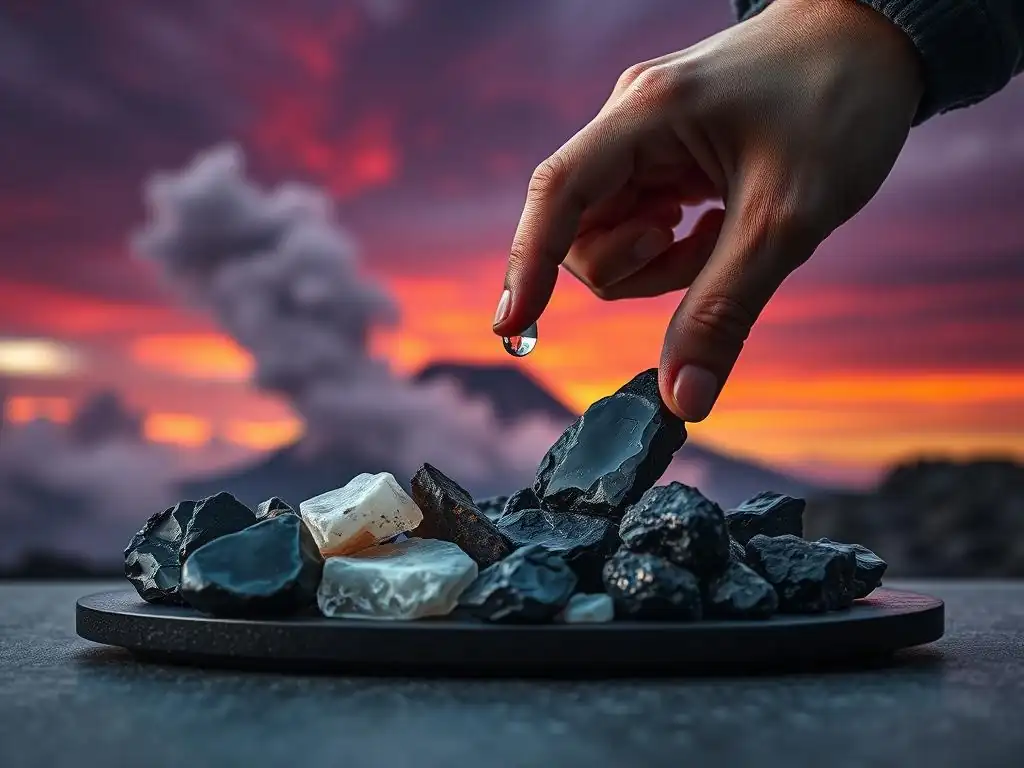
Welcome to Volcano Explorers, where the Earth's fiery secrets are revealed! Ever held a piece of volcanic rock and wondered about its story? Prepare to ignite your imagination as we dive into creative volcano rock display ideas – transforming these geological treasures into stunning works of art. What hidden beauty lies dormant within these solidified remnants of Earth's power? Explore with us and unlock the potential of your volcanic collection...
- Introduction: Bringing the Volcano Home - Creative Volcano Rock Display Ideas
-
Maximizing Visual Impact: Innovative Volcano Rock Display Ideas
- 1. The Natural Habitat Diorama: Recreating Volcanic Landscapes
- 2. The Floating Rock Display: Suspension and Levitation Techniques
- 3. The Shadow Box Showcase: Volcanic Stories in a Frame
- 4. The Mineral Grid: A Scientific Display of Volcanic Minerals
- 5. The "Volcano in a Jar": A Miniature Eruption Display
- Enhancing Your Display with Lighting and Presentation
- Monetization Opportunities: Affiliate Links and Product Recommendations
- Conclusion: Unleash Your Inner Volcanologist – Creative Rock Display Ideas
-
Frequently Asked Questions
- How can I incorporate volcano rocks into a terrarium?
- What are some creative ways to display volcano rocks as part of a garden?
- Can volcano rocks be used in artistic displays indoors?
- How can I safely clean and prepare volcano rocks for display?
- What are some ways to highlight the unique features of individual volcano rock specimens?
- Final Reflection: Embracing the Earth's Raw Power
- Unleash Your Inner Geologist: Start Showcasing!
Introduction: Bringing the Volcano Home - Creative Volcano Rock Display Ideas
The Allure of Volcanic Specimens: More Than Just Rocks
Volcanic rocks are more than just geological samples; they are tangible pieces of Earth’s raw power and history. Each specimen, from the jagged obsidian to the porous pumice, tells a story of intense heat, pressure, and dramatic geological events. Collecting these rocks is akin to possessing fragments of volcanic eruptions, encapsulating moments where the Earth's inner forces dramatically reshape its surface. For enthusiasts and collectors, these specimens are not merely inert objects but captivating reminders of nature's dynamic processes and the incredible forces at play beneath our feet.
Volcanic rocks hold a unique appeal that transcends the typical rock collection. They represent a connection to some of the most awe-inspiring and sometimes terrifying natural phenomena on our planet. Holding a piece of basalt that once flowed as molten lava or examining the delicate air pockets in a pumice stone formed during an explosive eruption offers a direct link to the volcanic processes that have shaped landscapes and influenced Earth's history. This intrinsic connection to dramatic geological events elevates volcanic specimens beyond simple rocks, transforming them into objects of fascination and wonder.
Why Display Your Volcano Rock Collection? (A Collector's Perspective)
Displaying a volcano rock collection is about more than just showcasing acquired items; it is about curating a narrative, an educational exhibit within your own space. For collectors, each rock is a memory, a piece of a journey, or a symbol of a specific volcanic region explored. A well-displayed collection becomes a conversation starter, an opportunity to share the passion for volcanology with others, and to educate about the diverse forms and origins of volcanic materials. It’s a personal museum, reflecting an appreciation for the Earth sciences and the captivating beauty found in geological specimens.
Beyond personal enjoyment and education, displaying a volcano rock collection can also serve as an artistic expression. The contrasting textures, colors, and forms of volcanic rocks offer a rich palette for visual arrangement. From the deep blacks of basalt to the reddish hues of scoria and the glassy sheen of obsidian, these rocks can be arranged to create visually striking displays that complement home décor or become focal points in a room. Creative volcano rock display ideas can transform a collection from a set of interesting stones into a captivating and aesthetically pleasing exhibition of natural art.
Maximizing Visual Impact: Innovative Volcano Rock Display Ideas
1. The Natural Habitat Diorama: Recreating Volcanic Landscapes
Creating a natural habitat diorama is an immersive way to display volcano rocks, placing them within a context that mimics their origin. This method goes beyond simply showing the rocks; it aims to recreate a miniature volcanic landscape, enhancing the visual impact and educational value of the collection. By incorporating materials and elements reminiscent of volcanic environments, you can transport viewers to the dramatic settings where these specimens were formed.
Using Sandstone and Gravel to Mimic Volcanic Terrain
Sandstone and gravel, particularly those with darker hues like grey or black, are excellent materials for replicating volcanic terrain. Fine-grained black sand can simulate volcanic beaches or ash-covered plains, while coarser gravel can represent rocky slopes and lava fields. Consider using different grades of gravel to create varied textures, mimicking the ruggedness of volcanic landscapes.
For example, fine black sand available at most pet stores, often used for aquarium substrates, works perfectly to simulate volcanic ash deposits. Gravel from garden centers, especially dark-colored varieties like basalt gravel, can be used to build up miniature hills and valleys, providing a realistic base for your volcanic rock specimens.
Incorporating Pumice Stones and Volcanic Ash for Authenticity
To further enhance the authenticity of your diorama, incorporate pumice stones and volcanic ash. Small pieces of pumice, with their light color and porous texture, can represent areas of recent volcanic activity or pyroclastic flows. Volcanic ash, if accessible and safe to handle (ensure it's from a reputable source and handle with appropriate respiratory protection), can be sprinkled lightly to create a realistic dusting effect across the terrain.
Pumice stones can be strategically placed to resemble lighter-colored rock formations within the darker gravel and sand, adding visual contrast and mimicking the layered appearance of volcanic landscapes. A small amount of sifted volcanic ash, carefully applied, can create a convincing layer of recent eruption debris, further immersing the viewer in the volcanic setting.
Showcasing Obsidian Blades and Basalt Columns
Within the diorama, strategically place obsidian blades and basalt columns to represent specific volcanic formations. Obsidian, with its sharp, glassy edges, can be positioned to mimic naturally fractured volcanic glass flows or arrowheads crafted by ancient cultures from this material. Small basalt columns, either naturally occurring or crafted from larger pieces, can stand upright to represent columnar jointing, a characteristic feature of basalt lava flows that cool and contract.
Obsidian blades can be displayed pointing upwards or angled to suggest sharp, jagged formations found in volcanic areas. Basalt columns, even small, hand-sized pieces, can be arranged vertically to showcase the hexagonal or polygonal shapes that naturally form as basalt cools, adding a touch of geological accuracy and visual interest to the diorama.
2. The Floating Rock Display: Suspension and Levitation Techniques
The floating rock display offers a modern and visually intriguing way to showcase volcano rocks, creating the illusion that specimens are suspended in mid-air. This method uses clear stands and supports to minimize visual obstruction, allowing the rocks to appear as if they are defying gravity. This type of display is particularly effective for highlighting individual, unique pieces, emphasizing their shape, texture, and color without the distraction of a traditional base.
The Magic of Acrylic Stands for Single Specimens
Acrylic stands, known for their transparency and sturdiness, are ideal for creating floating displays for single volcanic rock specimens. These stands come in various shapes and sizes, from small risers to adjustable arm stands, allowing you to choose the perfect support for each rock. The clear acrylic virtually disappears, focusing attention solely on the displayed specimen.
For instance, a small, clear acrylic easel stand, commonly used for displaying plates or photos, can effectively hold a palm-sized obsidian nodule, making it appear to float on a shelf or desk. Larger, heavier specimens might require sturdier acrylic pedestal stands, which offer a stable base while maintaining the desired transparent effect.
Clear Display Stands Review: Highlighting Benefits and Durability
Clear display stands offer several benefits beyond their aesthetic appeal. Their transparency ensures that the entire specimen is visible from all angles, without any part being obscured by the stand itself. High-quality acrylic stands are also durable and resistant to scratches and yellowing, ensuring long-term use and preservation of the display's clean look.
Reviews of brands like Kaiser and Displays2go consistently highlight the robustness and clarity of their acrylic stands. Users often praise the stands' ability to showcase collectibles without distracting from the items themselves. Durability is a key factor, as good acrylic stands can support significant weight without bending or breaking, making them suitable for heavier volcanic rocks like basalt or andesite.
Creating a Multi-Tiered Suspended Display System
For larger collections, a multi-tiered suspended display system can create a dramatic and space-efficient arrangement. This can be achieved using tiered acrylic shelves or custom-built structures with clear acrylic rods or wires to suspend rocks at different heights. This approach adds depth and visual dynamism to the display, allowing multiple specimens to be showcased in a seemingly floating arrangement.
Imagine a wall-mounted display with several clear acrylic shelves staggered vertically, each holding a selection of volcanic rocks. Alternatively, a custom-built frame could incorporate clear fishing line or thin acrylic rods to suspend individual specimens at varying heights, creating a three-dimensional, floating "cloud" of volcanic rocks. This method is particularly effective for displaying a diverse collection of sizes and shapes, maximizing visual impact within a limited space.
3. The Shadow Box Showcase: Volcanic Stories in a Frame
A shadow box showcase transforms your volcanic rock collection into framed art, adding depth and context to each specimen. By enclosing rocks within a shadow box, you create a miniature museum exhibit, protecting the specimens while enhancing their visual presentation. This method is particularly effective for displaying smaller, more delicate specimens or for grouping rocks thematically, telling a story within each frame.
Choosing the Right Shadow Box Size and Depth
Selecting the appropriate shadow box size and depth is crucial for effectively showcasing your volcanic rocks. Consider the size and quantity of specimens you wish to display in each box. Deeper shadow boxes are necessary for thicker or more three-dimensional rocks, while shallower boxes are suitable for flatter specimens.
Standard shadow box sizes range from 8x10 inches to larger formats like 16x20 inches, with depths typically ranging from 1 to 3 inches. For a collection of smaller obsidian flakes and pumice pebbles, an 8x10 inch box with a 1-inch depth might suffice. However, to display larger basalt fragments or scoria chunks, a 12x16 inch box with a 2-inch depth would be more appropriate, ensuring sufficient space and preventing overcrowding.
Arranging Specimens with Informative Labels
Within the shadow box, arrange your volcanic rock specimens thoughtfully, considering composition, color, and texture. Include informative labels for each specimen to add educational value and context. Labels can be neatly printed and placed beneath each rock, detailing the specimen's name, origin (e.g., Mount Etna, Italy), and perhaps a brief geological fact.
For example, next to a piece of obsidian, a label might read: "Obsidian - Newberry Volcano, Oregon - Volcanic Glass, Rapid Cooling." For a piece of pumice, the label could state: "Pumice - Mount St. Helens, Washington - Vesicular Texture, Formed by Gas-Rich Lava." Clear, concise labels transform the display from a purely visual arrangement into an educational exhibit, enhancing viewer engagement and understanding.
Using Backlighting to Enhance Texture and Color - LED Strip Lights
To further enhance the visual appeal of your shadow box showcase, consider incorporating backlighting using LED strip lights. Strategically placed LED strips behind the specimens can illuminate them from within, highlighting their textures, colors, and translucency, especially for specimens like obsidian or pumice. Warm white LED lights can create a natural, museum-like illumination, while color-changing LEDs can be used to simulate the glow of lava or the dramatic lighting of volcanic landscapes.
A thin LED strip placed along the inner perimeter of the shadow box frame, facing inwards, can cast a soft glow across the specimens, emphasizing their three-dimensionality and bringing out subtle color variations that might be missed in normal lighting. Color-changing LEDs, controlled by a small remote, can add a dynamic element, allowing you to shift the mood of the display and even simulate the flickering light of volcanic activity.
4. The Mineral Grid: A Scientific Display of Volcanic Minerals
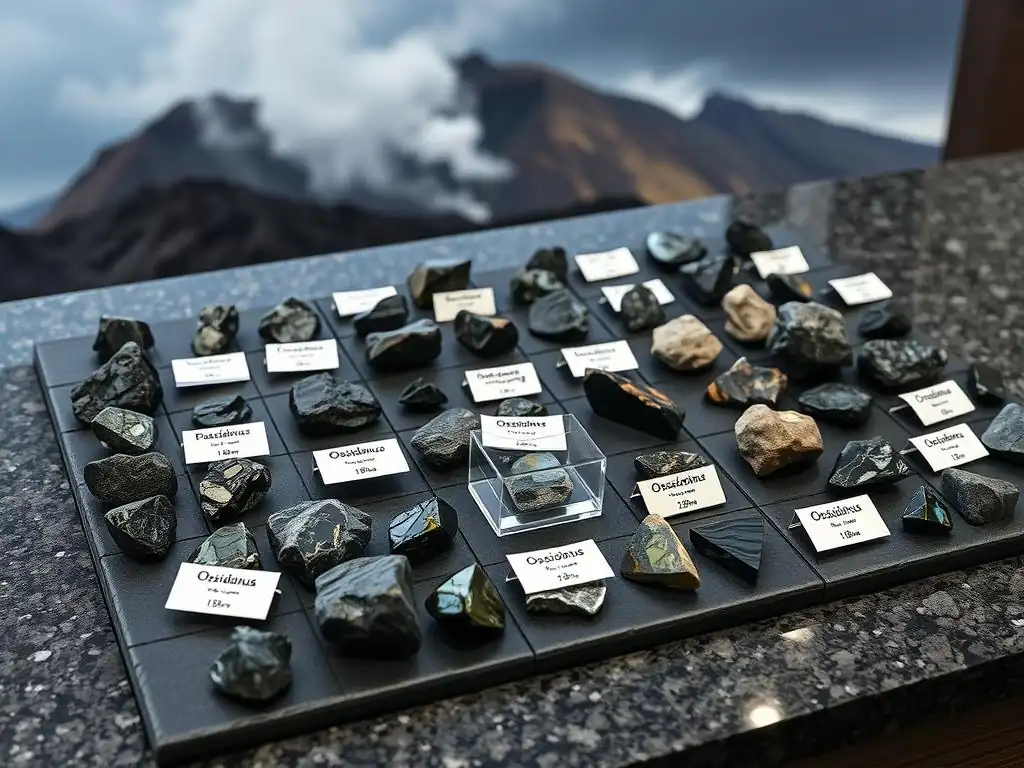
The mineral grid display adopts a more scientific approach, organizing volcanic rock specimens based on their mineral composition. This method is ideal for collectors interested in the mineralogical aspects of volcanology, allowing for a systematic and educational presentation of different volcanic minerals. By categorizing rocks by their mineral content, you highlight the diversity of minerals found in volcanic environments and create a visually structured and informative display.
Organizing Specimens by Mineral Composition (e.g., Olivine, Pyroxene)
Organize your volcanic rock specimens into groups based on their dominant mineral composition. Common volcanic minerals include olivine, pyroxene, feldspar, and quartz (though quartz is less common in many volcanic rocks). Create distinct sections within your display for each mineral group, placing rocks rich in olivine together, pyroxene-rich rocks together, and so on.
For example, basalt specimens rich in olivine can be grouped together, labeled "Olivine-Rich Basalts," while andesite samples containing significant pyroxene can be placed in a "Pyroxene-Rich Andesites" section. This systematic organization transforms the display into a mini-mineralogical collection, highlighting the specific mineral components that make up different volcanic rock types.
Using Acid-Free Display Boxes for Preservation
For optimal preservation and professional presentation, use acid-free display boxes for your mineral grid. Acid-free materials prevent deterioration of specimens over time and provide a clean, uniform look to the display. Small, individual display boxes, often made of clear acrylic or archival cardboard, are ideal for housing each specimen within its mineral group. These boxes protect the rocks from dust, handling, and potential environmental damage, while also providing a structured framework for the grid arrangement. Brands like Gaylord Archival offer a range of acid-free display boxes specifically designed for geological specimens, ensuring long-term preservation and professional presentation.
Gem Jar Display Boxes – Features and Pricing
Gem jar display boxes, commonly used for mineral and gemstone collections, are particularly well-suited for creating a mineral grid display of volcanic rocks. These boxes are typically small, clear, and come with foam inserts to securely hold specimens in place. They are available in various sizes and are relatively affordable, making them a practical choice for organizing and displaying a mineral-based collection.
A set of 24 gem jar display boxes, each measuring approximately 1.5 inches square, can be purchased online for around $20-$30. Features to look for include clear polystyrene or acrylic construction for visibility, foam inserts for cushioning and stability, and stackable designs for efficient use of display space. Brands like RIker Boxes and GeoCentral offer a variety of gem jar display boxes suitable for geological collections, combining affordability with functionality and aesthetic appeal.
5. The "Volcano in a Jar": A Miniature Eruption Display
The "Volcano in a Jar" display is a creative and engaging way to showcase volcanic materials in a dynamic and visually appealing manner. By layering different volcanic materials within a clear glass jar, you can create a miniature representation of a volcano's internal structure and eruptive layers. This method is particularly effective for educational purposes and for adding a playful, interactive element to your collection.
Layering Volcanic Materials in Glass Jars
To create a "Volcano in a Jar," use clear glass jars of varying sizes and shapes. Layer different volcanic materials within the jars to represent the various components of a volcano. Start with a base layer of black sand or fine gravel to simulate the volcanic basement rock. Then, add layers of scoria, pumice, and volcanic ash to mimic different eruptive deposits.
For visual interest, vary the thickness and texture of each layer. For example, a wide-mouthed mason jar works well for this type of display. Begin with a layer of fine black sand at the bottom, followed by a thicker layer of reddish scoria, then a thinner layer of light-colored pumice, and finally a top layer of fine volcanic ash (if available and safe to handle). The distinct layers create a visually appealing cross-section of a volcanic structure within the jar.
Using Colored Sand to Represent Lava Flows
Enhance the "Volcano in a Jar" by incorporating colored sand to represent lava flows. Bright red, orange, and yellow colored sand can be strategically layered or swirled within the jar to simulate the paths of lava flows during an eruption. This adds a dynamic and vibrant element to the display, making it more visually engaging and evocative of volcanic activity.
For instance, after layering the base volcanic materials, create a diagonal "lava flow" using red colored sand that starts at the bottom of one side of the jar and rises to the top on the opposite side. Swirling orange and yellow sand around this red flow can further enhance the lava effect, creating a sense of movement and heat within the miniature volcano.
Adding Glass Beads for a Realistic Effect
For a final touch of realism, add small glass beads to your "Volcano in a Jar" display. Clear or translucent glass beads can represent volcanic gases or even small pyroclastic particles being ejected during an eruption. These beads can be sprinkled on top of the layered materials or mixed within certain layers to add texture and visual complexity.
Small, clear glass beads, often used in floral arrangements or craft projects, can be scattered on the top layer of volcanic ash to simulate ash particles and volcanic gases rising from the "volcano." Alternatively, a few larger, slightly opaque glass beads can be mixed within the pumice layer to represent larger pyroclastic fragments, adding another layer of detail and realism to the miniature volcanic display within the jar.
Enhancing Your Display with Lighting and Presentation
Strategic Lighting for Maximum Impact
Strategic lighting is essential for maximizing the visual impact of your volcano rock displays. Well-placed lighting can highlight textures, colors, and shapes, transforming a good display into a captivating one. Different lighting techniques can be used to create various effects, from subtle accentuation to dramatic illumination, enhancing the overall aesthetic and drawing attention to specific features of your specimens.
Spotlighting Individual Specimens
Spotlighting individual specimens is a highly effective technique for drawing attention to particularly interesting or unique rocks in your collection. Small, focused spotlights can be directed at specific specimens, creating highlights and shadows that emphasize their texture and form. This method is ideal for showcasing centerpiece rocks or specimens with unusual features.
Miniature LED spotlights, readily available online or at lighting stores, are perfect for this purpose. Positioning a spotlight a few inches away from a particularly striking obsidian blade or a uniquely shaped piece of pumice will create a focal point, drawing the viewer's eye and emphasizing the specimen's individual beauty.
Using Color-Changing LEDs to Simulate Lava
For a dramatic and thematic lighting effect, use color-changing LEDs to simulate the glow of lava. LED strip lights or individual LED bulbs that cycle through warm colors like red, orange, and yellow can create a dynamic and evocative volcanic ambiance. This type of lighting is particularly effective for displays that incorporate volcanic landscapes or eruptive themes.
Color-changing LED strip lights can be discreetly placed behind a diorama or shadow box, casting a shifting, lava-like glow across the displayed volcanic rocks. Alternatively, individual color-changing LED bulbs can be positioned to shine upwards onto a display shelf, creating an "underglow" effect that mimics the heat and light emanating from volcanic activity.
Investing in Display Lights for Longevity
When choosing lighting for your volcano rock displays, invest in high-quality display lights for longevity and optimal performance. LED lights are generally recommended for their energy efficiency, long lifespan, and cool operation, which prevents damage to delicate specimens. Look for lights with adjustable brightness and color temperature to customize the lighting to your specific display needs.
Reputable brands like Philips Hue or IKEA's TRÅDFRI series offer smart LED lighting solutions that provide excellent control over brightness, color, and scheduling, allowing you to create sophisticated and long-lasting lighting schemes for your volcanic rock collection. Investing in quality lighting ensures that your display remains visually appealing and well-illuminated for years to come.
Labeling and Documentation: Adding Educational Value
Labeling and documentation are crucial for adding educational value to your volcano rock display. Informative labels transform your collection from a purely aesthetic arrangement into a learning experience for yourself and viewers. Proper documentation not only provides context for each specimen but also enhances the overall appreciation and understanding of volcanology.
Creating Concise and Informative Labels
Create concise and informative labels for each volcanic rock specimen in your display. Labels should include the specimen's name (e.g., obsidian, basalt, pumice), its origin (location where it was collected or sourced), and a brief description of its geological significance or interesting features. Keep labels brief and easy to read, focusing on key information that enhances understanding and sparks curiosity.
For example, a label for a piece of obsidian might read: "Obsidian – Glassy Volcanic Rock – Rapid Cooling of Lava – Mono Craters, California." For a sample of pumice, a label could state: "Pumice – Vesicular Texture – Floats on Water – Mount Vesuvius, Italy." Concise and informative labels transform each specimen from just a rock into a geological story.
Including Specimen Origin and Composition
Whenever possible, include the specimen's origin and mineral composition on the label. Knowing where a rock came from adds geographical context and connects it to specific volcanic regions and eruptions. Mentioning the dominant mineral composition provides a scientific dimension, linking the rock's appearance and properties to its mineral makeup.
If you know the specific volcano or volcanic region where a specimen originated, include this information on the label (e.g., "Mount Fuji, Japan," "Icelandic Lava Field"). If you have information about the rock's mineral composition, such as "Rich in Plagioclase Feldspar" or "Contains Olivine Crystals," adding this detail enhances the educational value for those interested in the geological aspects of volcanic rocks.
Using Brother P-Touch Label Maker for Professional Results
For professional-looking and durable labels, consider using a Brother P-Touch label maker. These handheld devices allow you to easily create printed labels in various fonts, sizes, and styles. P-Touch labels are clear, smudge-proof, and adhesive, providing a clean and consistent look across your entire display.
Using a label maker ensures uniformity and readability, elevating the overall presentation of your collection. Brother P-Touch label makers are user-friendly and offer a range of label tape options, including clear tape for a minimalist look or white tape for high contrast against darker backgrounds. The consistent font and layout achieved with a label maker contribute to a more polished and professional appearance for your volcano rock display, enhancing its educational impact and visual appeal.
Monetization Opportunities: Affiliate Links and Product Recommendations
Curated Volcano Rock Display Kits: A Pre-Packaged Solution
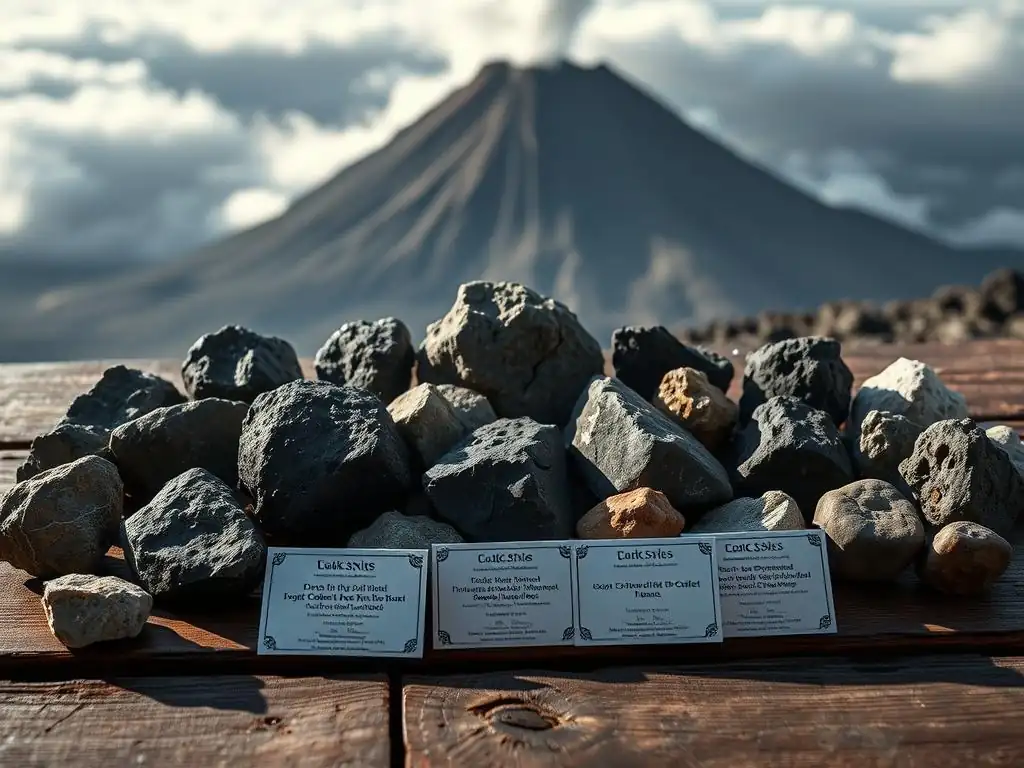
Curated volcano rock display kits offer a convenient and attractive pre-packaged solution for both beginners and experienced collectors. These kits typically include a selection of volcanic rock specimens, display materials, and educational information, providing everything needed to create an instant and informative display. Reviewing and recommending these kits can be a valuable resource for website visitors and a potential monetization opportunity through affiliate links.
Reviewing Volcano Rock Display Kit "Eruption in a Box" – Pros, Cons, and Target Audience
The "Eruption in a Box" volcano rock display kit is marketed towards beginners and educational users, promising a curated selection of diverse volcanic rocks. Pros include the variety of specimens typically included (obsidian, pumice, basalt, scoria), the inclusion of a basic display tray or box, and accompanying educational materials like identification cards or a small guidebook. Cons might include the small size of some specimens and the potentially generic nature of the educational content.
The target audience is clearly families, students, and individuals new to volcano rock collecting who desire an easy and accessible entry point into the hobby. A review should highlight the kit's strengths in providing a diverse starter collection and its educational value for beginners, while also noting potential limitations for more serious collectors seeking larger or rarer specimens.
Reviewing Volcano Rock Display Kit "Volcanic Wonders Collection" – Pros, Cons, and Target Audience
The "Volcanic Wonders Collection" display kit appears to be aimed at a slightly more advanced collector or someone seeking a more visually appealing display option. Pros could include a focus on larger or more visually striking specimens, potentially including rarer rock types or samples from famous volcanic locations. The kit might also feature higher-quality display components, such as acrylic stands or a more aesthetically pleasing display box.
Cons might be a higher price point compared to basic starter kits and potentially less emphasis on detailed educational content, assuming a more knowledgeable target audience. The target audience is likely hobbyists, educators looking for impactful classroom displays, or individuals seeking a visually impressive and slightly more sophisticated volcano rock collection. A review should emphasize the potential for visually stunning specimens and enhanced display quality, while considering whether the higher price point justifies the value for different types of collectors.
Linking to Affiliate Partners for Purchase
To monetize these reviews, integrate affiliate links to reputable online retailers or directly to the kit manufacturers' websites. Ensure clear disclosure that these are affiliate links and that the website may earn a commission from qualifying purchases. Strategic placement of affiliate links within the reviews, such as after highlighting a key "pro" or at the end of the review with a "Buy Now" button, can encourage conversions.
Partnering with established e-commerce platforms like Amazon, Etsy, or specialized geological supply websites can provide reliable affiliate programs and tracking. Transparency and relevance are key to successful affiliate marketing; ensure that the recommended kits genuinely align with the website's content and audience interests.
Essential Display Tools and Accessories: Affiliate Revenue Streams
Beyond display kits, essential tools and accessories for displaying and maintaining volcano rock collections offer further affiliate revenue opportunities. Recommending and linking to products like display cases, cleaning supplies, and educational resources can provide valuable resources for readers while generating affiliate income.
Recommending Acrylic Display Cases for Protection and Aesthetics
Acrylic display cases are highly recommended for protecting volcano rock specimens from dust, damage, and environmental factors while enhancing their visual presentation. Recommend various types of acrylic cases, from individual specimen boxes to larger display cabinets, catering to different collection sizes and display styles. Highlight the benefits of acrylic cases, such as their transparency, durability, and ability to showcase specimens from all angles. Link to affiliate partners selling high-quality acrylic display cases, emphasizing brands known for their clarity, sturdiness, and archival-safe materials. Providing options for different budgets and display needs ensures broad appeal and maximizes affiliate conversion potential.
Promoting Distilled Water for Maintaining Specimen Integrity
Distilled water is essential for cleaning and maintaining the integrity of many volcanic rock specimens, particularly those that are porous or contain soluble minerals. Recommend distilled water as a safe and effective cleaning agent, avoiding tap water which can contain minerals that might deposit on or react with certain rock types.
Link to affiliate partners selling distilled water in bulk or convenient spray bottles, positioning it as a necessary supply for any serious volcano rock collector. Emphasize the importance of using distilled water to preserve the natural appearance and prevent unwanted mineral buildup on delicate specimens, reinforcing its value as a recommended accessory.
Affiliate Links to Geology.com for Additional Resources
Geology.com is a reputable online resource for geological information, articles, and educational materials. Partnering with Geology.com as an affiliate can provide valuable additional resources for Volcano Explorers website visitors while generating affiliate revenue. Embed affiliate links to relevant sections of Geology.com, such as articles on volcanic rocks, mineral identification guides, or educational resources for students. Position Geology.com as a trusted source for in-depth geological information, complementing the practical display advice provided on Volcano Explorers and offering readers a pathway to further their knowledge and passion for volcanology.
Conclusion: Unleash Your Inner Volcanologist – Creative Rock Display Ideas
Transforming Your Home into a Volcanic Wonderland
By implementing these creative volcano rock display ideas, you can transform your home into a volcanic wonderland, showcasing the raw beauty and geological intrigue of your collection. From immersive dioramas to modern floating displays and educational mineral grids, there are diverse methods to present your specimens in visually captivating and informative ways. Embrace these techniques to create a unique and personalized exhibition that reflects your passion for volcanology and the dramatic power of nature.
Ultimately, displaying your volcano rock collection is about sharing your passion with others. Unique and thoughtfully designed displays serve as conversation starters, educational tools, and expressions of your personal connection to the world of volcanoes. By creating visually stunning and informative exhibits, you invite others to appreciate the beauty, science, and captivating stories embedded within each volcanic rock specimen, fostering a wider appreciation for Earth's dynamic geological processes.
Frequently Asked Questions
How can I incorporate volcano rocks into a terrarium?
Adding volcano rocks to a terrarium creates a unique and dramatic landscape. Use them as focal points or to build miniature mountains, providing texture and visual interest for your plants. Ensure proper drainage to prevent moisture buildup around the rocks.
What are some creative ways to display volcano rocks as part of a garden?
Volcano rocks can be integrated into your garden as natural-looking borders, pathways, or accents around plants. Their dark color contrasts beautifully with greenery, and they can help retain moisture in the soil. Consider creating a miniature rock garden featuring different sizes and types of volcano rocks.
Can volcano rocks be used in artistic displays indoors?
Absolutely! Use volcano rocks as a base for sculptures, in shadow boxes, or as part of a mixed-media art project. Their unique textures and shapes add natural beauty and intrigue to any indoor display. They can also be incorporated into minimalist designs for a touch of earthiness.
How can I safely clean and prepare volcano rocks for display?
Before displaying, thoroughly clean your volcano rocks with water and a scrub brush to remove dirt and debris. Avoid using harsh chemicals that could damage the rocks or pose a risk to your health. Allow the rocks to dry completely before incorporating them into your display.
What are some ways to highlight the unique features of individual volcano rock specimens?
Showcase individual volcano rock specimens on pedestals or in display cases to draw attention to their unique textures, colors, and formations. Use proper lighting to accentuate their features and consider adding descriptive labels to educate viewers about their origins and composition.
Final Reflection: Embracing the Earth's Raw Power
The exploration of creative volcano rock display ideas, as we've seen, is more than just aesthetics; it's about connecting with the primal forces that shaped our planet. In a world increasingly disconnected from the natural world, these displays serve as tangible reminders of Earth's dynamic and often volatile beauty, offering a powerful counterpoint to the digital distractions that often consume our attention.
The influence of these volcanic specimens extends beyond mere decoration. They become conversation starters, educational tools, and personal touchstones to the immense power and slow, deliberate processes of geological time. The mountains are calling and I must go.
- John Muir. This quote resonates deeply when considering the silent stories held within each volcanic rock, stories of creation, destruction, and ultimately, resilience.
Now, consider your own connection to the Earth. How can you, inspired by these creative displays, bring a piece of that raw, untamed energy into your life? Perhaps it's not just about displaying a rock, but about embracing the lessons it holds: the power of transformation, the beauty of imperfection, and the enduring spirit of our planet. Let the fiery heart of the volcano remind you to embrace your own inner strength and to find beauty in the unexpected.
Unleash Your Inner Geologist: Start Showcasing!
Thank you for exploring the fascinating world of volcano rock displays! We hope this article has inspired you to transform your collection into a stunning showcase. Now, it's time to put your newfound knowledge into practice and bring the raw beauty of volcanic landscapes into your home.
Here's how to get started:
- Begin curating your ultimate volcanic rock display. Select your favorite specimens and choose the perfect display method based on the ideas presented in this article. Let your creativity shine!
- Connect with fellow geology enthusiasts by joining a local rock and mineral club or online forum to share your display ideas and discover new specimens to add to your collection.
- Consider creating a short video tour of your volcanic rock display and sharing it on social media using #VolcanoExplorers to inspire others.
What unique story will your volcanic rock display tell? Share your display plans or finished masterpieces in the comments below!